
This East Tennessee Lake Town Is Growing So Fast Its Small-Town Feel Is Being Tested
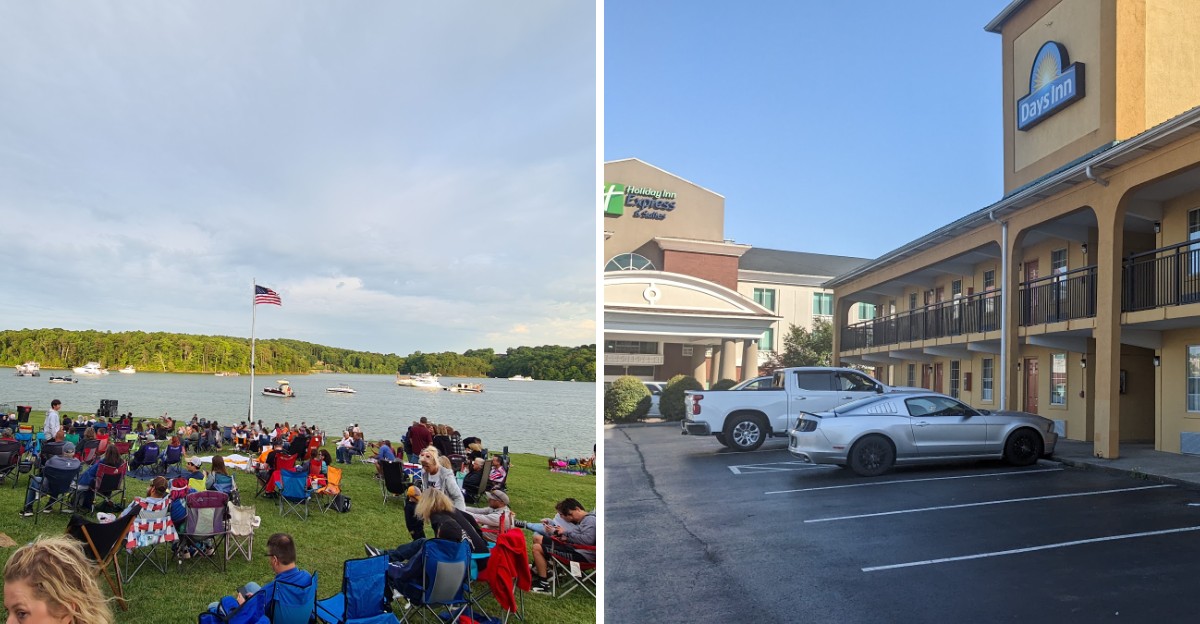
City leaders here hit the pause button on new apartment construction, and they kept extending it. That’s not something you hear from a sleepy lake town every day.
The population has grown by roughly 24 percent since 2020. I find it interesting that a place known for bass fishing and boat ramps now holds serious debates about land use studies and traffic.
Growth in Tennessee isn’t new, but this pace stands out.
I can see why people keep showing up. Three lakes, a historic downtown, and an easy drive to the Smokies make a tempting mix.
So the big question is simple: can a small town grow up without growing out of itself?
The Town That Literally Pressed Pause On Apartments
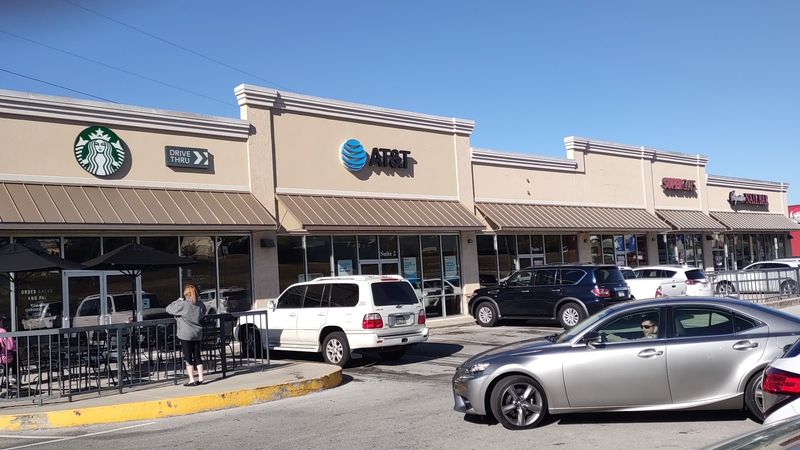
Most towns chase every new building they can get. Lenoir City did something bolder by putting a moratorium on new apartments and multi-family housing.
That pause started in 2024, and the City Council has extended it since. The goal is to give officials time for land use studies before more dense projects move forward.
Why the caution? The numbers explain a lot.
The city counted 10,117 residents in the 2020 census, and estimates now put it around 13,000.
Since 2000, the population has grown by more than 70 percent. That’s a big jump for a town that many folks still describe with words like quaint and friendly.
Some residents feel road planning should have happened sooner. That concern makes sense when you think about how fast new neighborhoods appear.
The city says it supports responsible growth that protects local charm. It’s a balancing act, and plenty of fast-growing towns would love to know how it turns out.
For visitors, the debate is actually a clue. People don’t fight this hard to protect a place unless it’s worth protecting.
Three Lakes Earn It A Pretty Big Nickname
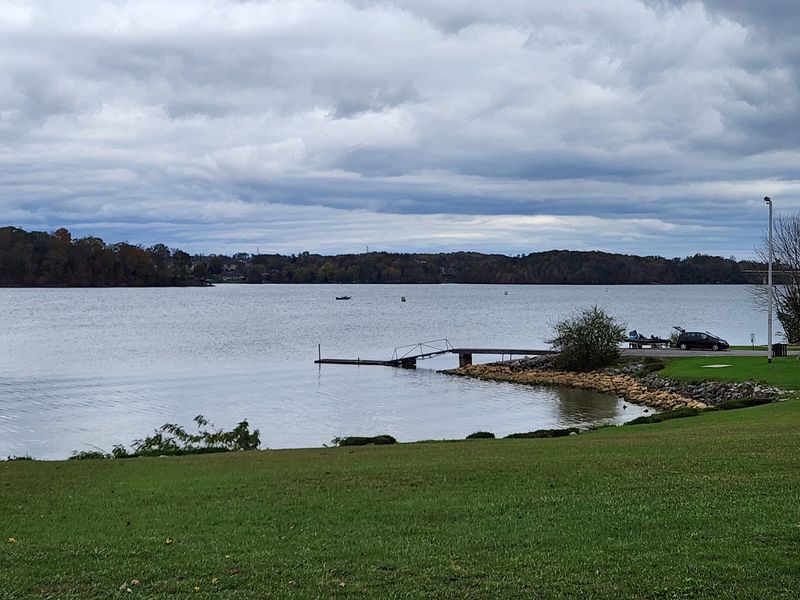
Lake Capital of the South is a bold title for any town to claim. Lenoir City backs it up with Fort Loudoun Lake, Tellico Lake, and Watts Bar Lake all nearby.
Fort Loudoun Lake alone stretches about 55 miles. It covers roughly 14,600 acres and offers around 379 miles of shoreline.
That’s a lot of room to roam. Boaters, swimmers, kayakers, and waterskiers all have space to spread out across the water.
Anglers get their share of fun too. Fort Loudoun is well known for bass and catfish, so pack patience and a good cooler.
Tellico Lake covers about 15,560 acres. It’s often described as one of the cleanest lakes in Tennessee, which is a nice perk for swimmers.
All three lakes are part of the Tennessee River system. Marinas and public boat launches make getting on the water fairly simple.
Here’s a practical tip for first-timers. Start with a calm morning paddle before boat traffic builds, then decide which lake fits your style best.
Your Lakeside Day Can Start And End At City Park
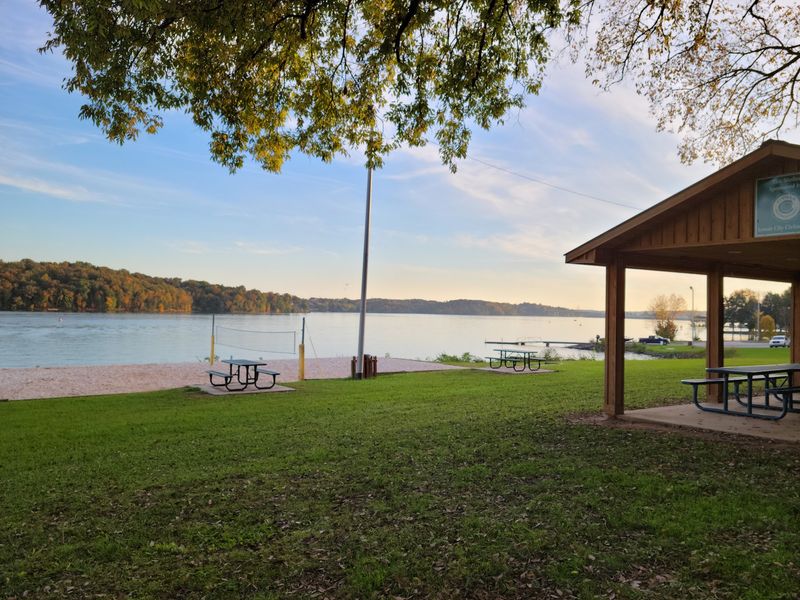
Thirty-three acres sitting right next to Fort Loudoun Dam and Marina is a solid setup. Lenoir City Park makes the most of every bit of that space.
Families can grab one of seven picnic shelters for a cookout. Kids get two playground areas, which helps keep the peace among siblings.
Active types have plenty to try. There are two tennis courts, a beach volleyball court, and a disc golf course.
The walking trail stretches about 3.3 miles and includes a waterfall along the way. That’s a nice reward for anyone who skipped the morning coffee.
Dogs aren’t left out either. A dog park gives four-legged visitors their own spot to burn off energy.
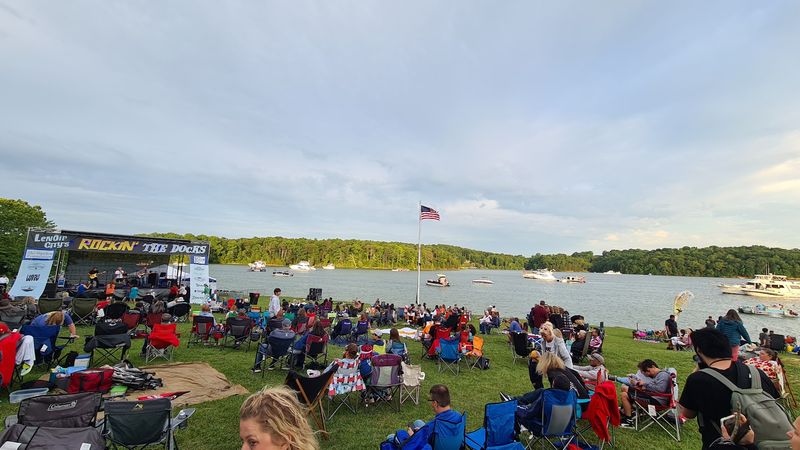
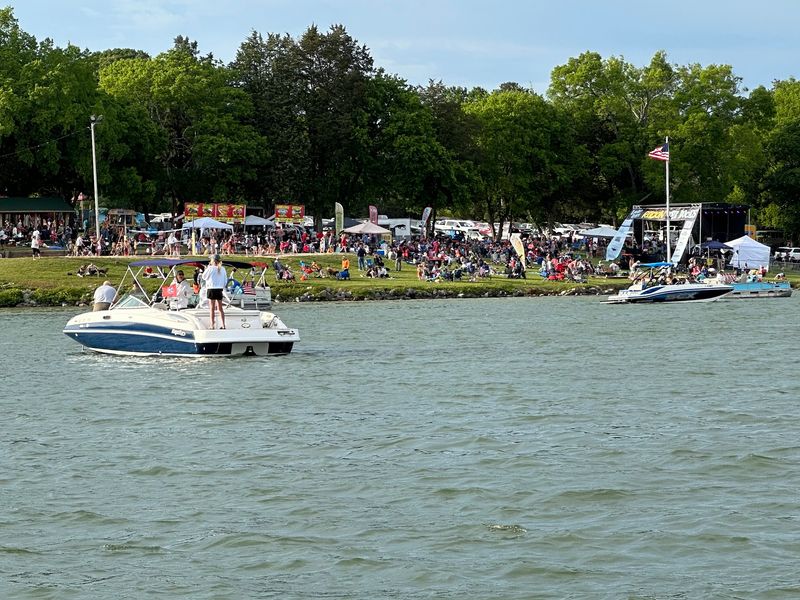
The park also hosts the Rockin’ the Docks festival, with live music by the water. It’s a fun way to see the community come together.
You’ll find it at 6707 City Park Dr, Lenoir City, TN 37772. Pack snacks, sunscreen, and comfortable shoes, because one quick visit can easily turn into a full afternoon.
Broadway Still Looks Like Old Lenoir City
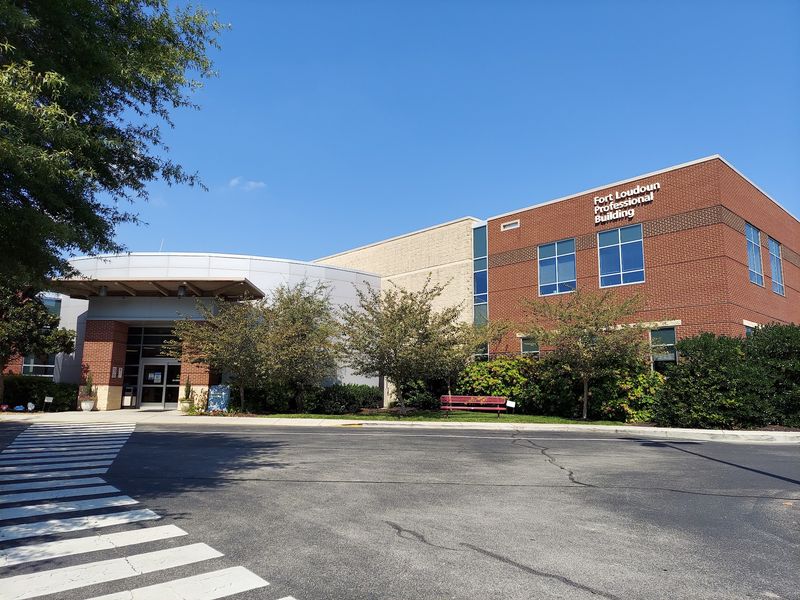
New subdivisions grab headlines, but the old downtown keeps its own steady rhythm. Broadway Street follows a stretch of U.S. Route 11 through the heart of town.
Historic storefronts line the street. Many date back to the town’s earlier years, giving the area a classic Main Street look.
Shopping here feels personal rather than packaged. Markets on Broadway is one stop offering clothing, home decor, and other fun finds.
A downtown stroll is a great reminder of what residents want to protect. Those older buildings show the small-town character that growth is now testing.
Want a smart plan? Park once and explore on foot instead of hopping between spots.
That way you’ll notice details you’d miss from a car window. Old brickwork, shop signs, and storefront displays all tell bits of the town’s story.
Bring a little extra room in your bag, too. Browsing local shops tends to turn into buying at least one thing you didn’t plan on.
It’s a pleasant contrast to the busy highways just a few minutes away.
A Victorian Cottage Holds The Whole Backstory
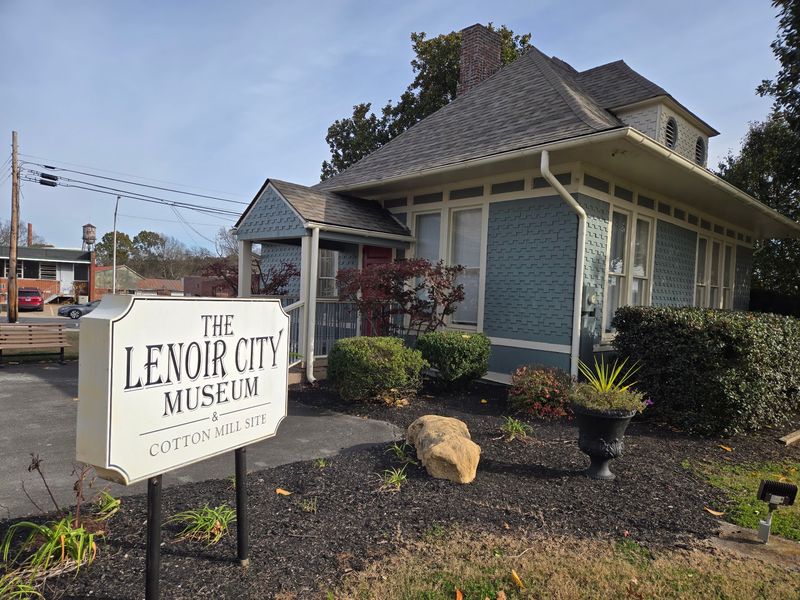
General William Lenoir received a 5,000-acre land grant after the Revolutionary War. That grant planted the seeds for the town that carries his name today.
The Lenoir City Museum on Depot Street shares that story and much more. It sits inside a vintage Victorian cottage listed on the National Register of Historic Places.
Exhibits trace the lives of early settlers from the 1800s. They also cover Civil War events and the town’s industrial and business growth.
One fun fact stands out. The Lenoir Cotton Mill was built around 1821 and became an important early example of industrial development in East Tennessee.
Then the railroad arrived in 1855. The stop became known as Lenoir’s Station, and the community grew from there.
It’s interesting to compare that moment to today. A railroad brought growth back then, and highways and new homes bring it now.
History fans should give themselves time to read the displays slowly. Families can turn the visit into a quick scavenger hunt for dates and names.
It makes the town’s rapid changes feel part of a much longer story.
A Building Boom Is Raising Questions About Affordability
A new subdivision can change more than the view from a country road. In Lenoir City, the bigger question is whether local families can still afford to live where they grew up.
Redfin reported a median home sale price of about $400,000 in September 2026, up nearly 3 percent from a year earlier. That’s not the price of every house, of course, but it shows what buyers are navigating in today’s market.
The city’s pause on new apartment-style construction adds another complication. Officials have said the moratorium gives them time to study land use and infrastructure, while single-family neighborhoods and subdivisions can continue moving forward.
For renters and first-time buyers, that distinction matters. More rooftops do not automatically mean more choices at every price point, particularly if new construction leans toward homes beyond a household’s budget.
Local residents have raised that concern publicly. During coverage of the renewed moratorium, one resident argued that the town needs more housing for lower-income families rather than additional expensive apartments.
That’s the tension behind the growth debate. People want Lenoir City’s lakes, familiar streets, and community atmosphere to survive.
They also want their children and neighbors to have a realistic chance of staying as prices and construction plans change.
More Traffic Is Changing Everyday Routines
Traffic is one of the quickest ways to notice that a familiar town is changing. The roads may look the same, but more homes and more daily trips can make a drive feel different.
Lenoir City Police Chief Jonathan Bryant has directly linked growing traffic congestion with the community’s expansion. In 2025, the department introduced laser speed-detection equipment to respond to complaints about speeding and aggressive driving.
He identified Highway 321, Broadway, Kingston, and Town Creek Parkway among the roads drawing attention. Those aren’t distant bypasses.
They’re routes people use to reach stores, workplaces, and the heart of town.
A Broadway business owner also told local television that fast drivers were creating safety concerns for patients leaving her clinic. That brings the issue down to street level: growth isn’t only about how long a commute takes.
It’s about whether people feel comfortable pulling into traffic.
Help is being discussed beyond city limits. Tennessee transportation officials have proposed widening Interstate 75 between the I-40/I-75 split and the Lenoir City exit, adding a third lane in each direction.
Construction was projected to begin in 2027.
Road upgrades take planning, money, and time. Until then, residents are left watching how quickly the transportation network catches up with the number of people using it.
The Next Growth Plan Could Decide What Stays Small
Putting construction on hold is only a temporary answer. The harder decision is what kind of Lenoir City residents and officials want to see when the pause ends.
On October 21, 2026, the city posted its proposed comprehensive land-use plan. Called Smart Growth Lenoir City, the project uses a future land-use map to show where development may fit and which places deserve protection.
The plan also addresses transportation, housing, infrastructure, parks, and the environment. That makes it much more than paperwork for city hall.
Its recommendations could influence choices about where homes go and how neighborhoods connect.
The debate isn’t simply between people who welcome newcomers and people who don’t. During coverage of the moratorium extension, one resident supported the pause but called for more housing that lower-income families could afford.
Another stressed balancing new homes with the roads and services needed to support them.
Those are real trade-offs. Higher-density housing can widen the choices available to people who cannot buy a detached house, but its location matters.
A pause gives planners breathing room without making demand for housing disappear.
For Lenoir City, the challenge is to protect the downtown and lakeside appeal while leaving room for people who want to call this place home.
Being This Easy To Reach Explains The Boom
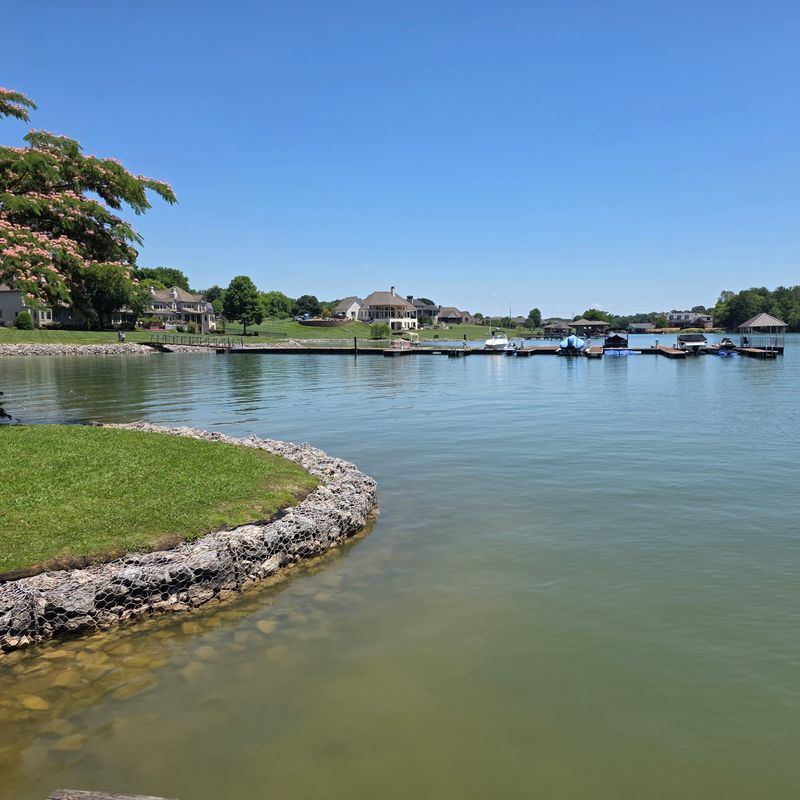
Location might be the biggest reason Lenoir City keeps growing. It sits in Loudon County, roughly 30 miles southwest of downtown Knoxville.
That distance hits a sweet spot for many people. They can reach city jobs and shopping, then return home to lake views.
Highways make it even easier. Interstate 75, Interstate 40, U.S. Route 321, U.S. Route 70, and U.S. Route 11 all pass through or near town.
Flying in? McGhee Tyson Airport sits about 20 miles away, which keeps trips simple.
The town also calls itself The Lakeway to the Smokies. U.S. 321 offers a scenic route toward Great Smoky Mountains National Park.
New shopping keeps following the people too. A Kroger has been planned for Town Creek Parkway, a sign of more expansion ahead.
Smart travelers can use Lenoir City as a home base. Spend mornings on the lake, afternoons in Knoxville, and weekends in the mountains.
That flexibility is exactly why this East Tennessee town feels so tempting. Just maybe leave early when traffic gets busy.