
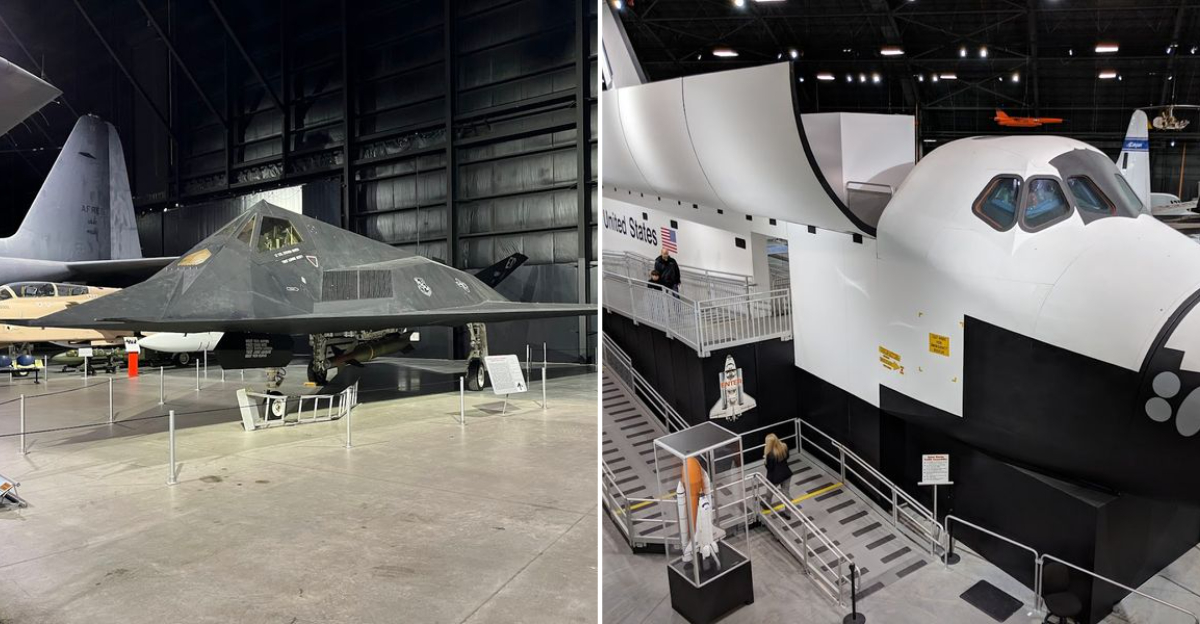
Somewhere in Ohio, a museum full of rare aircraft sits quietly waiting for the kind of visitors who actually appreciate what they are looking at. Most museums have a gift shop line longer than the exhibit itself.
This one has breathing room. Real breathing room.
The kind where you can stand in front of a machine that once broke the sound barrier and actually think about what that means without someone bumping into you. Ohio has always had a complicated relationship with the sky.
The Wright Brothers were from here. The astronauts were from here.
It makes sense that the state would end up with a place like this. A collection so deep and so well preserved that aviation historians fly in from across the country just to walk the floors.
And yet on a regular Tuesday, it is practically empty. No crowds.
No noise. Just you, a handful of other curious people, and decades of history hanging from the ceiling.
Historical Aircraft And Their Stories
Entering the first hangar here feels like crashing a history party no one told you about. The collection spans over a century of flight.
You go from a replica of the Wright brothers’ 1909 Military Flyer straight to Cold War-era jets in just a few steps.
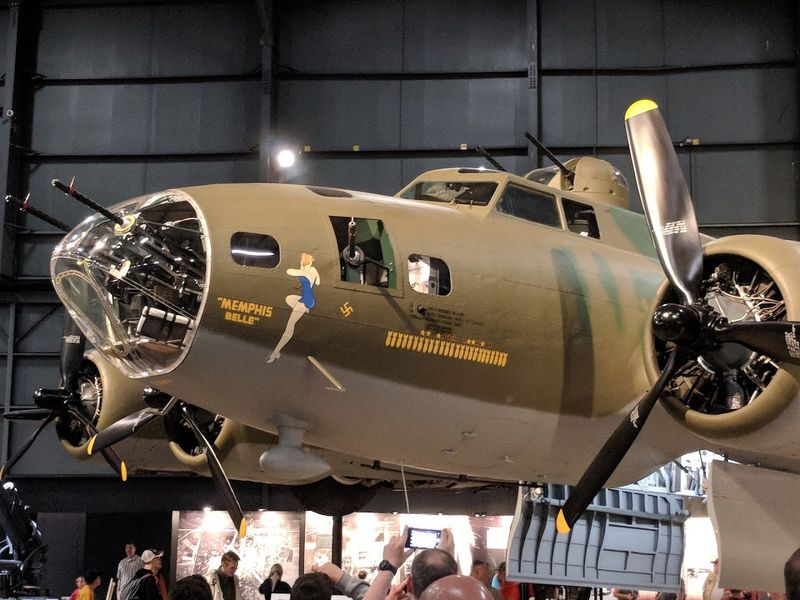
Some of the aircraft have stories that stop you cold. The B-17F Memphis Belle is here, fully restored.
So is Bockscar, the B-29 Superfortress that carried out the historic mission over Nagasaki in 1945 that helped bring World War II to its end.
Each plane comes with detailed placards explaining its missions, crew, and history. You are not just looking at metal.
You are reading real accounts of real people who flew these machines during some of the most defining moments in modern history.
President Kennedy’s Air Force One, the VC-137C SAM 26000, is also on display. That single aircraft served multiple U.S. presidents across decades of American history.
The museum sits at 1100 Spaatz St, Dayton, OH 45433, and admission is completely free. Plan to spend at least four hours here.
There is genuinely that much to see and absorb.
Innovations In Aerospace Engineering
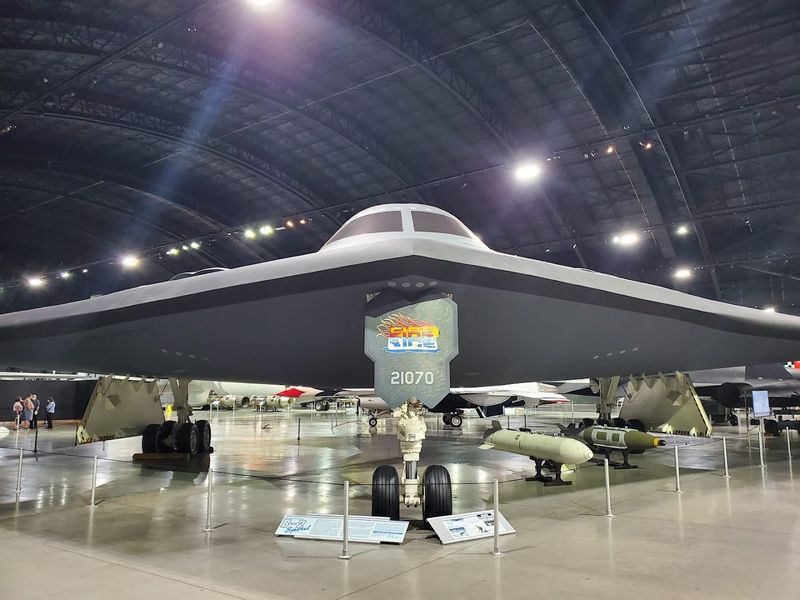
The engineering on display here is the kind of stuff that makes your brain do a double-take. The museum holds the only permanent public display of a B-2 Spirit stealth bomber anywhere in the world.
That alone is worth the drive to Dayton.
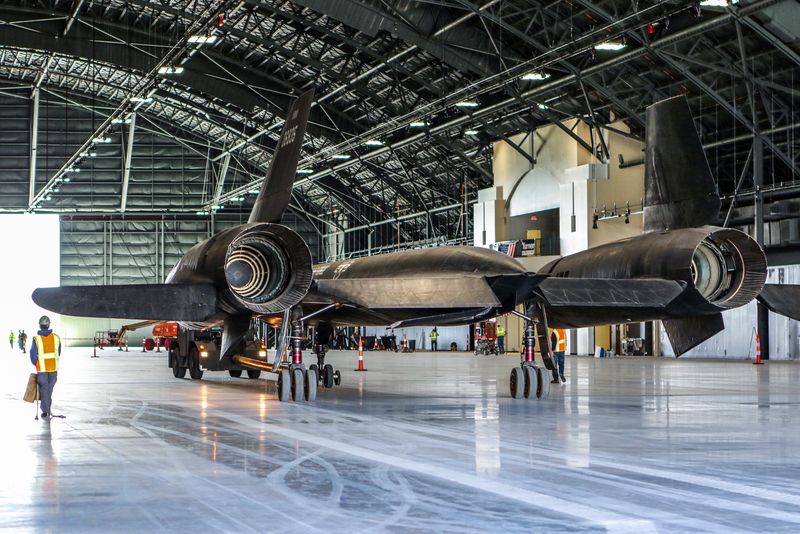
The SR-71 Blackbird is also here. It once flew from New York to London in under two hours.
The F-117 Nighthawk stealth fighter sits nearby, looking like something straight out of a science fiction film.
What makes these exhibits special is the context around them. Engineers spent decades pushing materials science, aerodynamics, and propulsion to create these machines.
The museum explains those breakthroughs clearly and without overwhelming jargon. You also get to see the sole surviving North American XB-70 Valkyrie, a supersonic bomber prototype that was decades ahead of its time.
The museum covers over 19 acres of indoor space. That means every innovation gets room to breathe.
You can circle each aircraft, read its specs, and actually understand why it mattered. No aerospace degree required.
Veteran Contributions To Aviation History
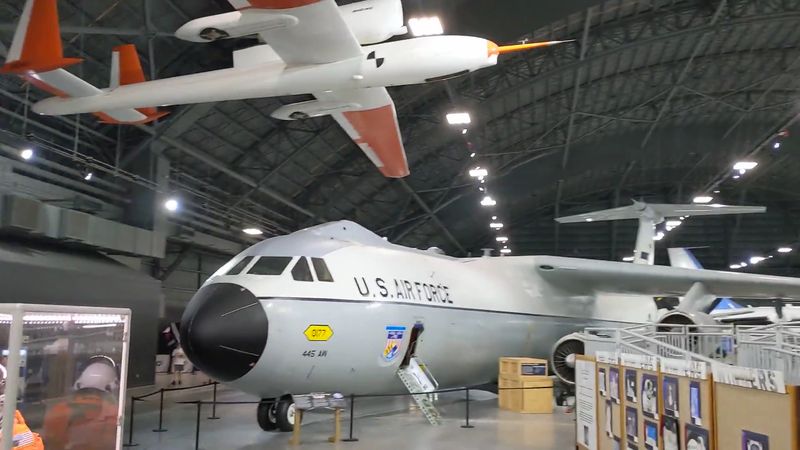
Some of the most powerful moments at this museum do not come from the aircraft themselves. They come from the people connected to them.
Veterans and retired crew members occasionally visit and share firsthand accounts of missions they flew.
One recurring highlight involves Vietnam-era pilots who walk up to helicopters on display and start talking. Their stories bring context that no placard can fully capture.
Hearing a former pilot describe a combat mission while standing next to the actual aircraft is something you do not forget easily.
The museum honors these contributions through dedicated exhibits covering every major conflict from World War I through modern operations. Uniforms, medals, mission logs, and personal photographs are displayed alongside the aircraft.
It gives veterans a face and a voice within the larger story of aviation history. The collection also recognizes lesser-known figures whose engineering contributions shaped aircraft design.
Not every hero flew a plane. Some built them in factories or designed them on paper.
The museum makes sure those stories get told, too. This place treats military history with real depth and genuine respect.
Interactive Displays For All Ages
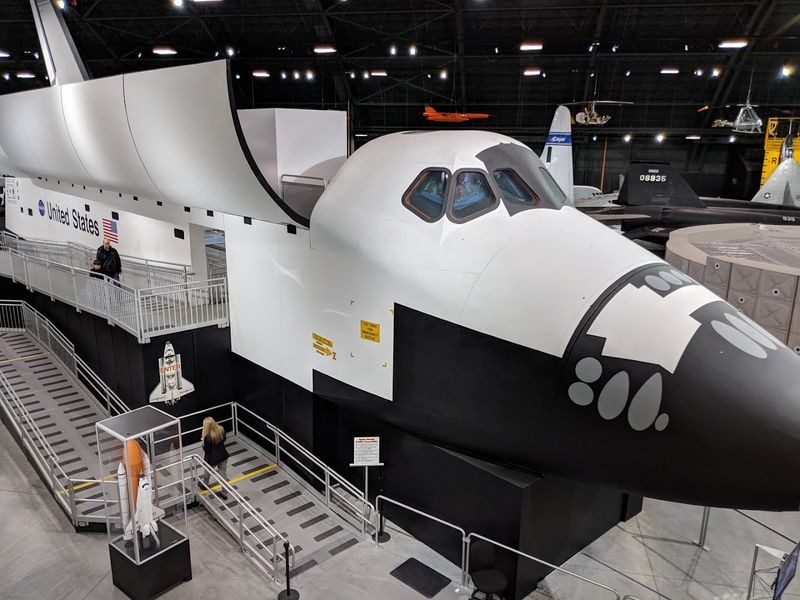
Not every great museum moment involves standing still and reading. This place gets that.
There are flight simulators on site that put you in the cockpit without needing a pilot’s license. They cost a small fee but are absolutely worth it.
Interactive games and hands-on stations are spread throughout the galleries. Younger visitors especially love them, but adults get just as absorbed.
There is something genuinely fun about pressing buttons and seeing how aircraft systems actually work.
The Air Force Museum Theatre shows large-format films that cover aviation and space topics. It runs on a separate ticket, but the screen size and sound quality make it a solid add-on.
Beyond the simulators and theatre, many of the aircraft themselves are walk-through experiences. You can board several planes, including Air Force One, and see the interiors up close.
That kind of access is rare in any museum. The layout is well organized and easy to navigate, even with kids in tow.
Scooters and mobility aids are available for visitors who need them. The whole setup is clearly designed with every type of visitor in mind.
Preservation Techniques For Vintage Planes
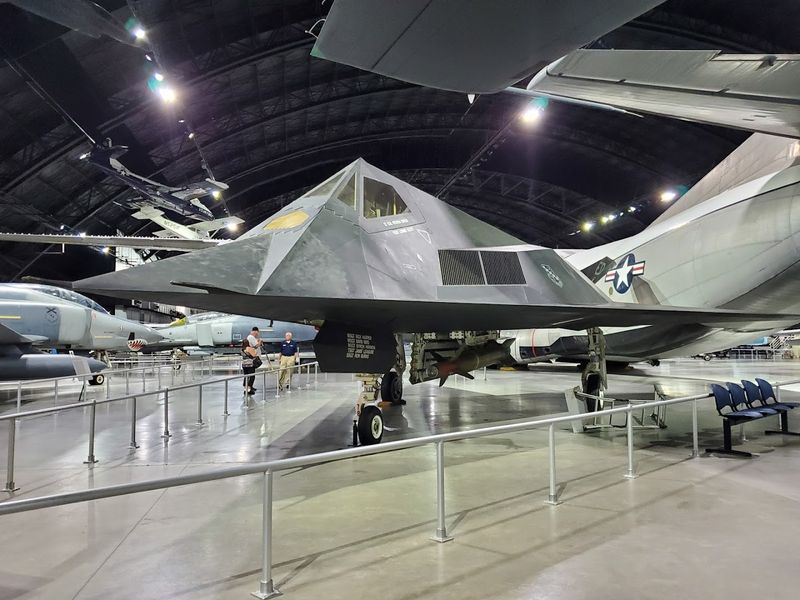
Keeping 350 to 400 aircraft in pristine condition is not a small job. The preservation work behind the scenes at this museum is as impressive as the collection itself.
Every aircraft you see has been through a careful restoration and maintenance process.
Some planes arrived in pieces and were painstakingly reassembled over the years. The Memphis Belle restoration alone took significant time and resources.
Restorers worked to preserve original paint, markings, and structural components wherever possible.
Climate control plays a huge role across the museum’s 19-plus acres of indoor space. Humidity, temperature, and light exposure are all managed carefully to slow material degradation.
Metal, fabric, rubber, and paint each respond differently to environmental conditions, so the team has to juggle a lot of variables. Original parts are prioritized over replacements whenever possible.
When replacements are necessary, they are documented and labeled clearly. This transparency helps visitors understand what is original and what has been restored.
The goal is always accuracy. Seeing a plane that looks exactly as it did during active service is a direct result of this detailed, ongoing work.
Preservation here is treated as a serious science.
Educational Programs For Students
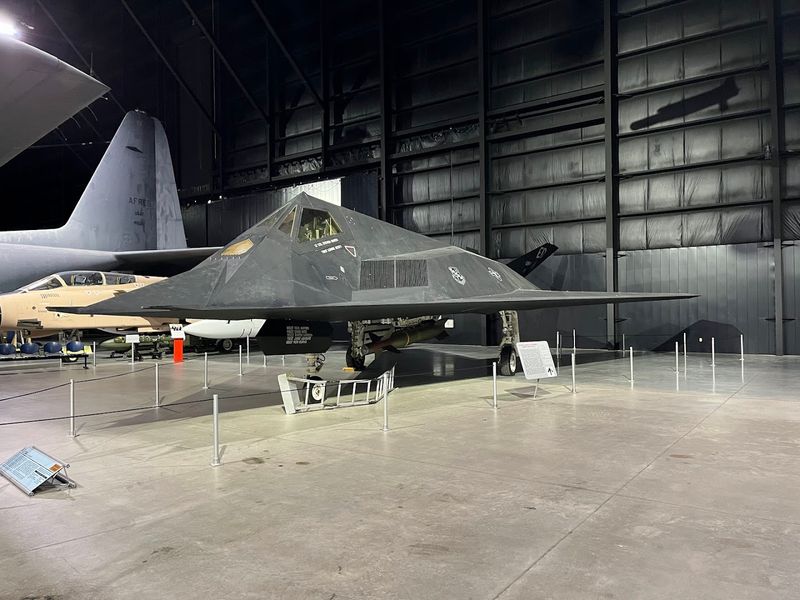
For students, this museum is basically a living textbook. The exhibits cover physics, engineering, history, and geography all at once.
Teachers regularly bring classes here because the learning happens naturally just by walking through the galleries.
Guided tours are available and often led by knowledgeable volunteers, many of whom are veterans or aviation professionals. They explain concepts in ways that connect with younger audiences.
A good tour guide can turn a complicated aerodynamics lesson into something a middle schooler actually finds exciting.
The National Aviation Hall of Fame is located within the museum and offers free admission. It highlights pioneering figures in aviation and provides additional biographical content that works well for school projects and research.
Beyond formal tours, the museum’s layout encourages self-paced exploration. Students can move through different eras of aviation at their own speed.
Each section builds on the last, creating a natural timeline from early flight to modern aerospace. The combination of real artifacts, detailed placards, and interactive elements makes information stick in a way that textbooks rarely manage.
For any student curious about science, engineering, or history, this place delivers a genuinely memorable educational experience.
The Role Of Aviation In Military Operations
Aviation changed warfare permanently, and this museum makes that evolution impossible to miss. The exhibits move through World War I biplanes and World War II heavy bombers.
They continue with Korean War jets, Vietnam-era helicopters, and Gulf War precision aircraft in a clear, connected narrative.
Each era shows how air power shifted tactics and outcomes on the ground. The jump from propeller-driven planes to jet-powered fighters happened in less than a decade.
Seeing both side by side makes that leap feel almost unbelievable.
The Cold War gallery is a particular highlight. Missiles, spy planes, and nuclear-capable bombers fill the space with a tension that reflects the era perfectly.
The SR-71 Blackbird reconnaissance aircraft represents just how far military aviation pushed technology during that period. The museum also addresses the human cost of these operations.
Crew stories, mission records, and personal accounts are woven throughout the exhibits. This keeps the focus on people, not just machines.
Understanding how aviation shaped military strategy also helps explain modern conflicts. The museum connects historical decisions to present-day operations in ways that feel relevant and grounded.
It is serious history presented with clarity and purpose.
Future Technologies In Flight
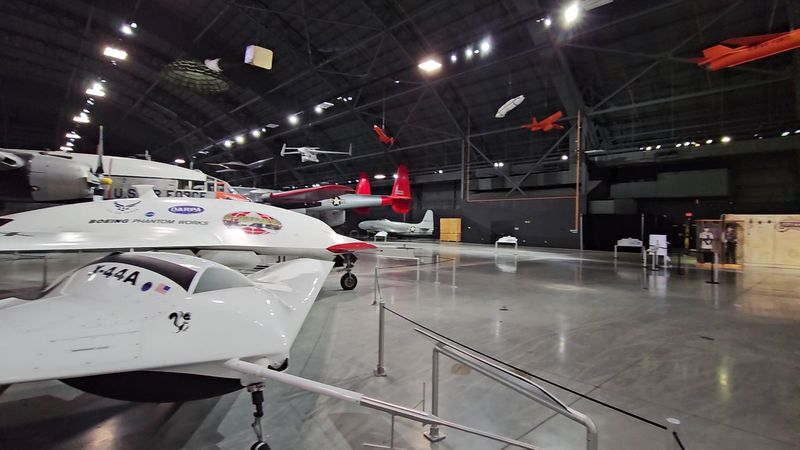
The museum does not stop at history. It pushes forward into what aviation looks like next.
Exhibits covering drones, unmanned aerial vehicles, and advanced propulsion systems give visitors a clear picture of where military flight is heading.
Hypersonic technology gets real attention here. The gap between what existed in the Cold War and what engineers are building today is staggering.
Displays explain current research programs in plain language without dumbing things down.
Space technology also plays a big role in the future-focused galleries. The Apollo 15 Command Module Endeavour is on display, connecting the history of space exploration to ongoing aerospace development.
Seeing a capsule that actually traveled to the moon and back puts current space ambitions in sharp perspective. Visitors can also explore exhibits on satellite systems, precision guidance technology, and next-generation stealth aircraft.
These are not just concepts. Many represent programs already in development or early deployment.
The museum presents this material with the same care and detail it applies to historical exhibits. Future flight is treated as a continuation of the same story that started with the Wright brothers in Dayton, Ohio.