
This Hidden Arkansas Town Is Among The Most Isolated Communities In The State
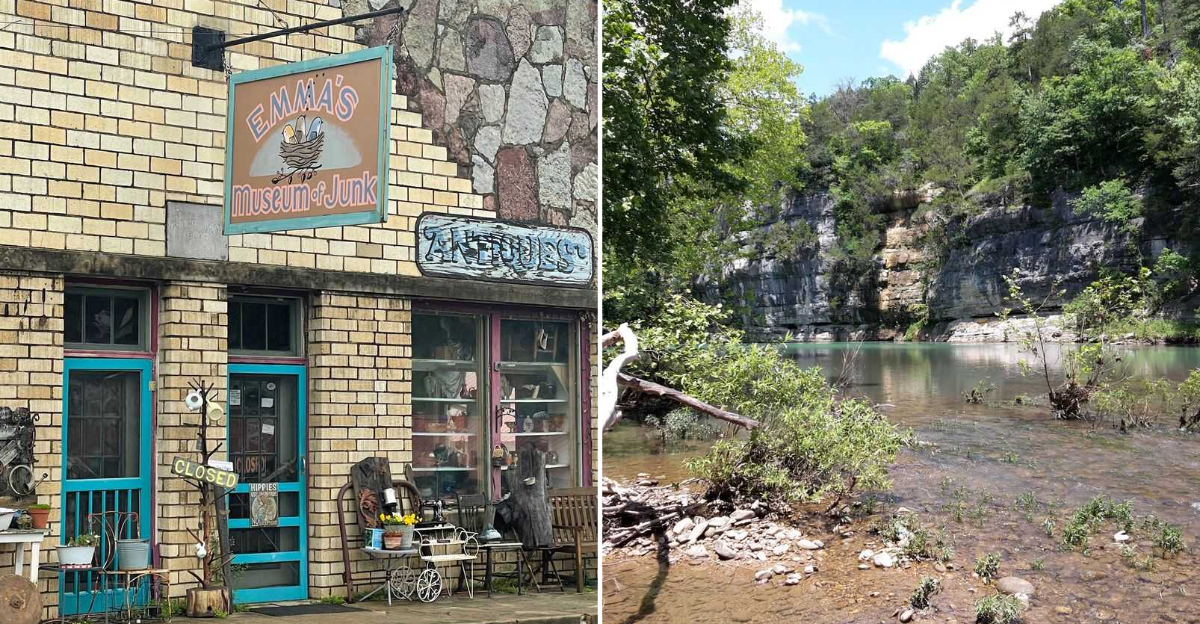
There’s a difference between a town that’s hard to find and one that seems to want it that way. This Arkansas community fits the second description perfectly.
Roads leading in wind through terrain that discourages casual visitors from ever stumbling upon it by accident. Cell service drops out well before reaching the town center, a detail longtime residents barely notice anymore.
Nearest grocery stores and hospitals sit far enough away that planning ahead becomes second nature here. Population numbers stay small, sometimes barely reaching a few hundred people across the entire area.
Locals seem to prefer it that way, valuing quiet over convenience most other places take for granted. Visitors who make the effort to find this place usually leave surprised by how disconnected it truly feels.
This town remains one of the most isolated corners of the state, and that isolation is exactly the point.
Geographical Features Impacting Isolation
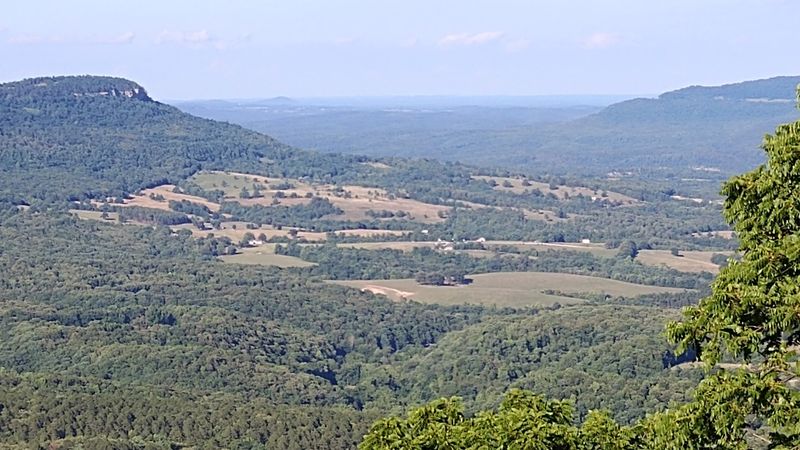
This place sits deep inside the Ozark Mountains in Newton County, Arkansas. The terrain here is not gentle or forgiving.
Towering bluffs rise sharply, and deep valleys cut through the land in every direction.
The Little Buffalo River flows right through the heart of town. That river is not just pretty to look at.
It shapes the daily rhythm of life here in real ways.
Winding roads climb steep hills and pass through dense woodland. There is no quick way in or out of Jasper.
Newton County is also famous for one unusual fact: it has never had a single mile of railroad track.
Arkansas Highway 7 is the main road connecting Jasper to the outside world. It is scenic, yes.
But it is also narrow, curvy, and not exactly built for speed.
The Buffalo National River, America’s very first national river, sits nearby. That designation protects the land and keeps development at bay.
It also keeps the area beautifully wild.
The combination of mountains, rivers, and winding roads creates natural barriers. Those barriers are exactly why Jasper has stayed so isolated for so long.
You can find this remarkable place in Jasper, Arkansas 72641.
Historical Development Of Remote Communities
Jasper started as a small riverside village around 1840. By 1843, it had already become the Newton County seat.
That is a fast rise for a place this far from everything else.
The Civil War hit Jasper hard. In 1863, Union troops burned the town completely to the ground.
Most people would have moved on after that. Jasper did not.
After the war, timber became the town’s saving grace. Sawmills processed massive quantities of oak and cedar from the surrounding forests.
The lumber trade brought money and people back to the area.
Jasper officially incorporated as a town in 1895. By then, it had rebuilt itself into a functioning community.
The timber economy even helped it weather the Great Depression better than many nearby towns.
State Highway 7 was paved from Harrison to Jasper in the 1950s. That was a big deal.
Before pavement, getting here was a serious commitment.
The establishment of Buffalo National River Park in 1972 changed everything again. It brought a new wave of residents and visitors who loved the outdoors.
Jasper quietly shifted from a timber town to a nature destination, and that shift stuck.
Lifestyle Adaptations In Quiet Areas
Life in Jasper runs at a completely different pace than city living. Neighbors actually know each other here.
That is not an exaggeration. The community is tight-knit in a way that most people have only read about.
Outdoor activities are not just hobbies in Jasper. They are a way of life.
Hiking, kayaking, canoeing, and elk watching fill weekends and weekdays alike.
Jasper is a central hub for exploring the Buffalo National River and the Ozark Highland Trail. Serious outdoor enthusiasts plan trips specifically around this area.
The access to wild spaces is genuinely remarkable.
The Ozark Cafe has been a local gathering spot since 1909. That is not a typo.
Over a century of locals sitting down for a meal in the same spot says a lot about community continuity.
The town square features a historic courthouse and a charming gazebo. People actually use the square.
It is not just decorative. Events, conversations, and community life happen right there.
Visitors come seeking solitude on trails that are far less crowded than national park hotspots. Jasper delivers that quiet without making you feel forgotten.
It is isolated, but it is also surprisingly alive.
Challenges Faced By Isolated Residents
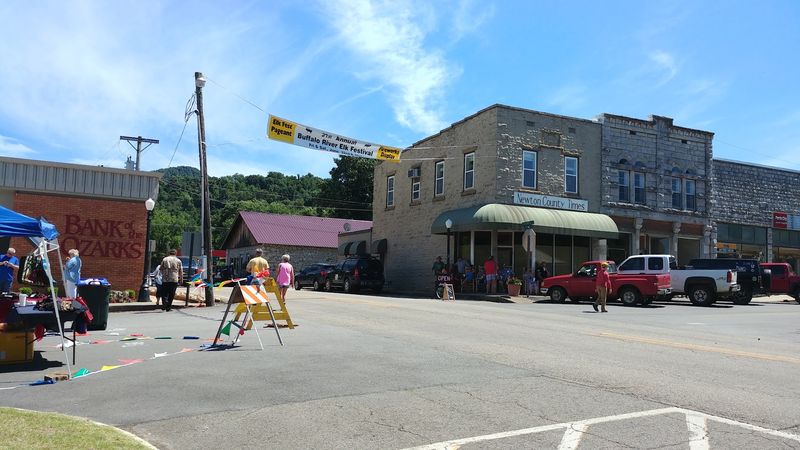
Newton County has zero stoplights. Not one.
That detail sounds charming until you realize it also reflects the serious lack of infrastructure here.
Cell service in and around Jasper is limited. Spotty coverage is the norm.
If you rely on your phone for everything, this place will humble you quickly.
Jasper’s population sits at just 547 people as of the 2020 census. That number has stayed relatively stable for about 125 years.
Growth is not really part of the story here.
Most errands require a vehicle and real travel time. Public transportation is essentially nonexistent.
If you do not have a car in Jasper, daily life gets complicated fast.
Job opportunities are limited compared to larger cities. Young people often leave to find work elsewhere.
That pattern is common in isolated communities, and Jasper is no exception.
Healthcare access is rated below average for the area. Getting to a specialist or hospital means driving significant distances.
Childcare options for working families are also insufficient, adding another layer of difficulty.
Entertainment options for teenagers and young adults are minimal. There is beauty here, but the isolation comes with real trade-offs.
Residents who stay do so by choice and with clear eyes about what that means.
Economic Activities In Small Towns
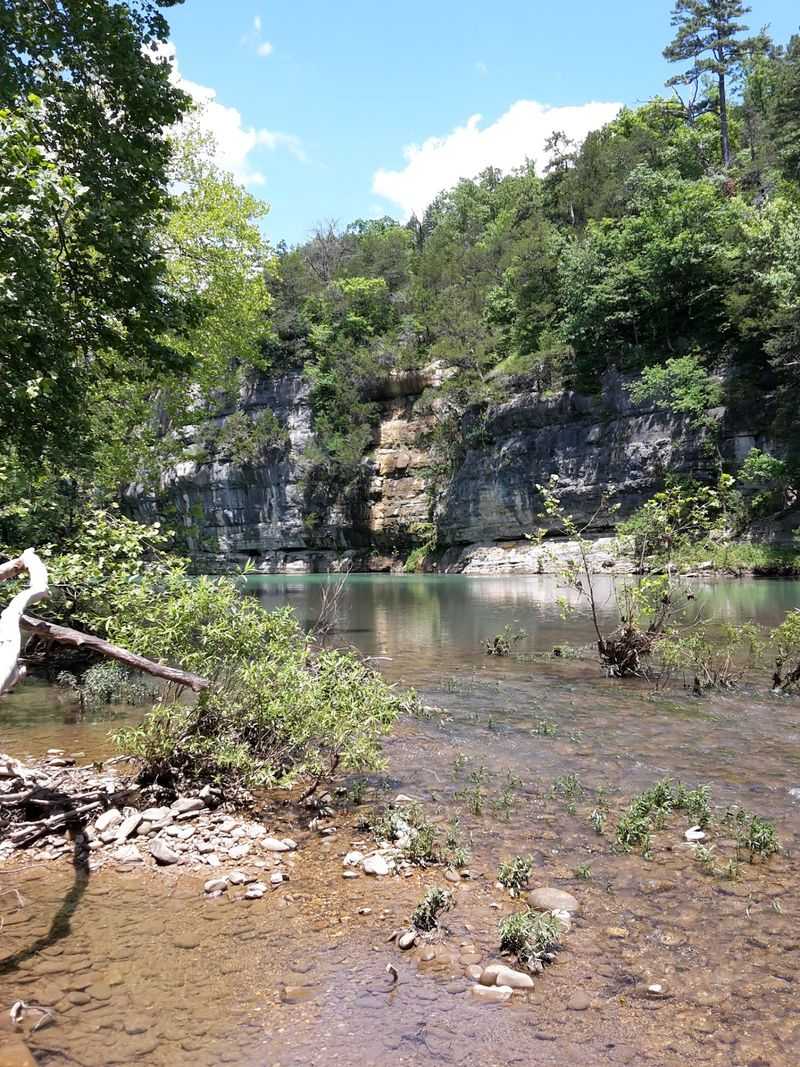
Tourism is the engine driving Jasper’s economy. Without it, the town’s financial picture would look very different.
The Buffalo National River’s designation as America’s first national river in 1972 was a turning point.
Fishing, backpacking, and canoeing draw visitors from across the country. These outdoor activities pump real money into local businesses.
Hotels, gear shops, and restaurants all benefit directly.
Jasper carries a proud title: the Elk Capital of Arkansas. Elk herds roam the surrounding hills, and wildlife watchers come specifically to see them.
It is a niche draw, but it works remarkably well.
Scenic Highway 7 attracts motorcycle enthusiasts and road-trip travelers. The curves and mountain views make it a popular route.
Riders stop in Jasper to eat, rest, and explore.
Small-scale agriculture still plays a quiet role in the local economy. Family farms and garden operations contribute to the community’s self-sufficiency.
Local artisans also sell handcrafted goods in downtown shops.
The Ozark Cafe, operating since 1909, is one of Arkansas’s oldest continuously running restaurants. Its longevity reflects the town’s ability to sustain local business through thick and thin.
Jasper’s economy is small but surprisingly diverse for a town of its size.
Cultural Traditions Preserved In Seclusion
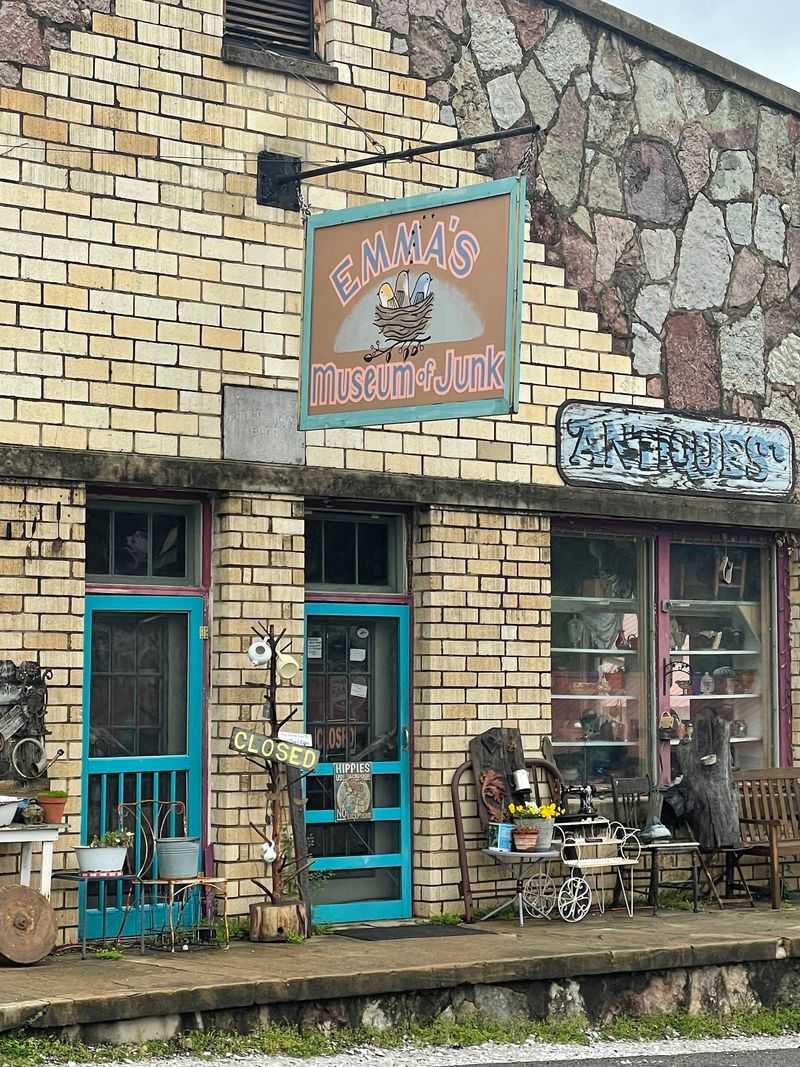
Jasper’s downtown Commercial Historic District is listed on the National Register of Historic Places. That recognition is not just a title.
It reflects genuine architectural and cultural significance that has survived for generations.
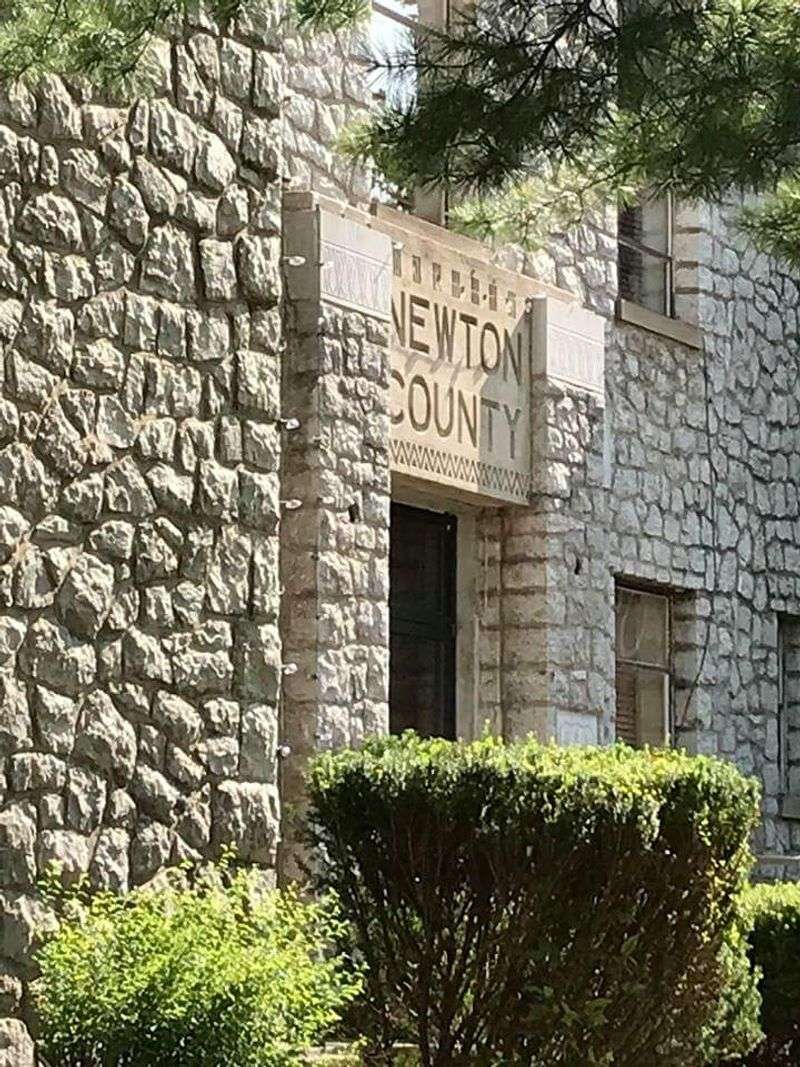
The Newton County Courthouse anchors the town square. Built in 1942 as part of a Works Progress Administration project, it represents Depression-era craftsmanship and community resilience.
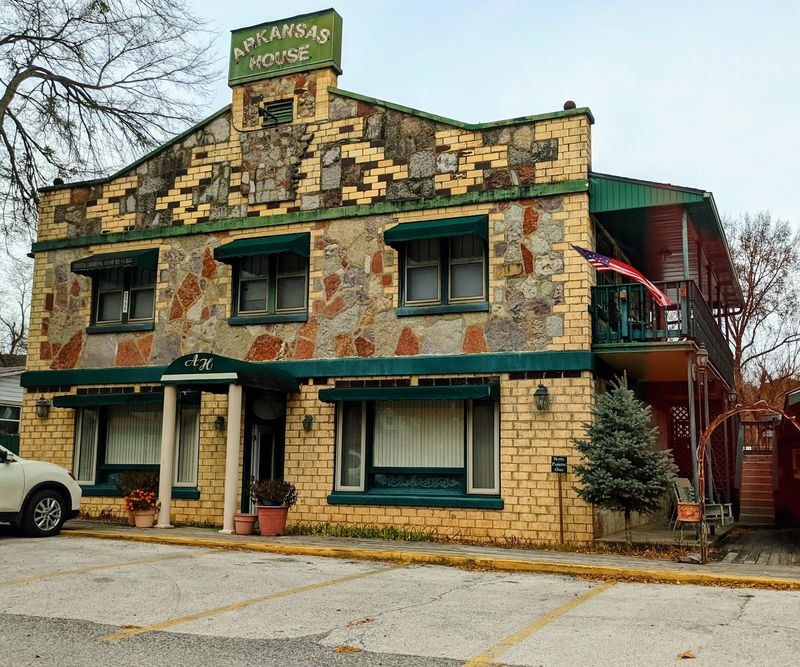
Local mason Gould Jones created distinctive rock work around town that you can still see today.
The Ozark Cafe has been feeding locals since 1909. More than a restaurant, it functions as a living piece of community history.
Generations of families have gathered there for meals and conversation.
Community life in Jasper revolves around the town square and the surrounding natural landscape. Outdoor events, local markets, and seasonal gatherings keep traditions alive.
There is a real sense that people here are intentional about preserving what makes their town distinct.
Isolation has actually helped Jasper maintain its cultural identity. Without rapid commercial development, local character has had room to breathe.
The town looks and feels different from most Arkansas communities.
Visitors often comment on how authentic Jasper feels. Nothing here is manufactured for tourism.
The culture is genuine, rooted in history, and refreshingly unhurried.
Access To Education In Rural Settings
Jasper serves as the headquarters for the Jasper School District. That might not sound impressive at first.
But this district covers portions of five different counties, making it geographically one of the largest in all of Arkansas.
Both Jasper Elementary School and Jasper High School serve the community. Together, they enroll around 565 students.
For a town of 547 people, that student count reflects how wide the district’s reach actually is.
The graduation rate sits at 93 percent. That is genuinely strong for any school district.
Rural or urban, hitting that number consistently takes real effort from teachers, families, and students alike.
The student-to-teacher ratio is 12 to 1. Smaller class sizes mean students get more individual attention.
In many ways, that is an advantage that larger city schools cannot easily replicate.
Students in Jasper can earn up to 15 college credits per semester at no cost. That opportunity is significant for families in a community where higher education resources are not nearby.
It gives students a real head start before they ever leave town.
The Arkansas rootEd Program places college and career advisors directly in rural high schools like Jasper. Those advisors help students plan their futures with practical guidance.
Access to education here is limited in some ways, but creative in others.
Environmental Conservation Efforts Nearby
More than one-third of Newton County is protected by national and state agencies. That is an enormous proportion of protected land for any county in America.
Jasper sits right in the middle of all of it.
The Buffalo National River spans over 95,000 acres and includes three designated wilderness areas. Conservation work there actively protects habitats for elk, white-tailed deer, and black bears.
The river itself remains one of the last undammed rivers in the lower 48 states.
The Henry R. Koen Experimental Forest, part of the Ozark National Forest, sits near Jasper.
Established in 1951, it focuses specifically on scientific forest management research. Scientists use it to study sustainable forestry practices that benefit the entire region.
Organizations like The Nature Conservancy work actively in the Ozarks to protect at-risk habitats. Restoring shortleaf pine forests and improving stream connectivity are ongoing priorities.
These efforts support biodiversity that would otherwise be threatened by land use changes.
The Buffalo National River holds a designation most people do not know about. It is an International Dark Sky Park.
Light pollution is so minimal here that the night sky is genuinely spectacular.
Conservation is not just policy in this area. It is woven into daily life.
Residents understand that protecting the land is what keeps Jasper the remarkable place it is.