
This Hidden Little Grand Canyon In Georgia Is One Of The Most Stunning Natural Wonders In The South
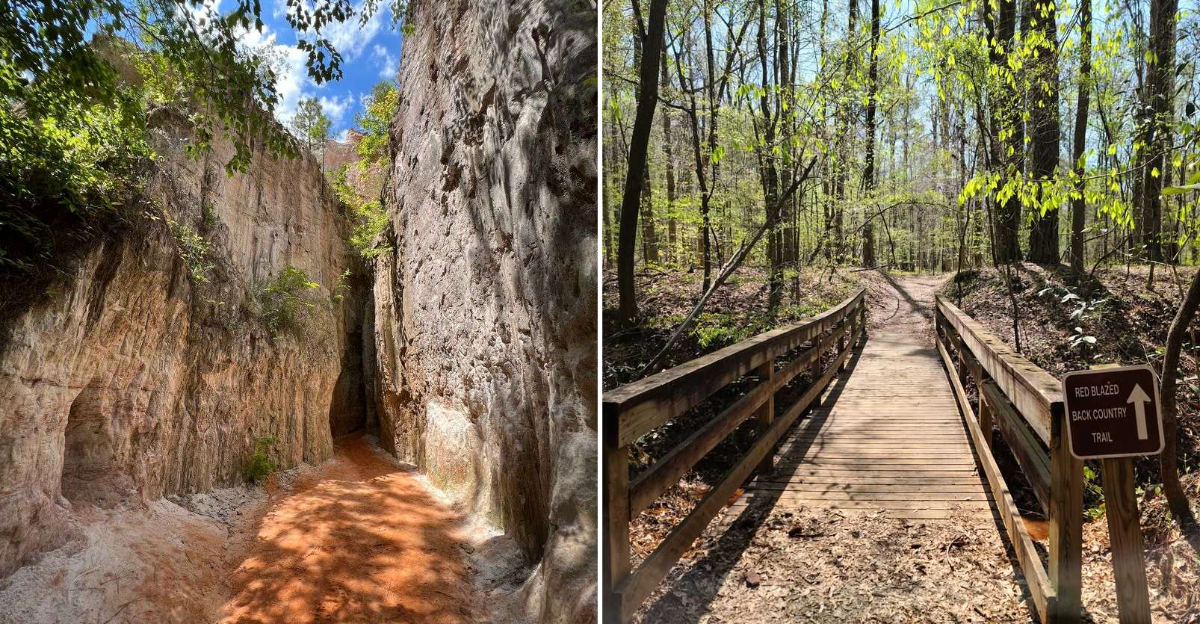
Georgia’s version of the Grand Canyon won’t rival Arizona in size, but it doesn’t need to in order to leave visitors speechless. Layers of red, orange, and pink soil stretch across the landscape here, carved slowly through decades of natural erosion.
Trails wind along the edges, offering views that shift dramatically depending on the time of day. Photographers chase specific hours of light, knowing exactly when colors deepen into something almost unreal.
Visitors unfamiliar with the area often stop mid-hike, surprised that something this dramatic exists in Georgia at all. Erosion continues shaping the canyon slowly, meaning the landscape never looks quite the same twice.
Nothing about the site feels manufactured or reinforced beyond what nature created on its own. This canyon proves the South holds natural wonders that rival attractions people travel much further to see.
Geological Formation Of The Canyon
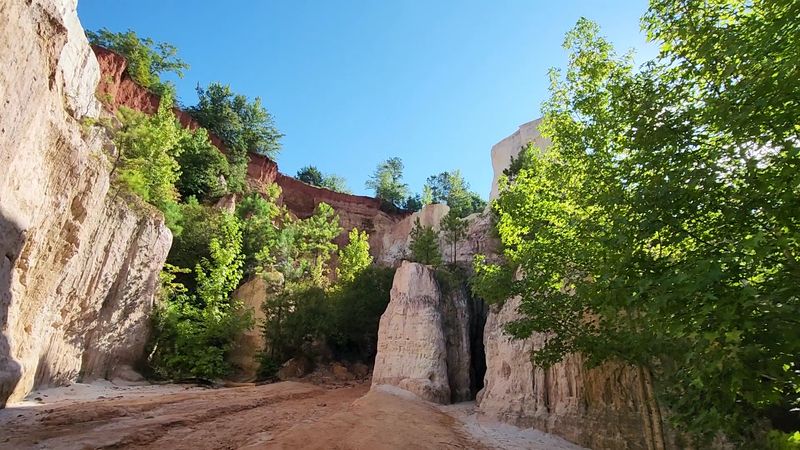
A place like this did not form the way most canyons do. No ancient river carved it over millions of years.
Poor farming practices in the early 1800s stripped the land bare, and rain did the rest. Within just a few decades, the ground collapsed into massive gullies.
The soil here is soft and unconsolidated. Ancient streams and seas deposited these sediments long before Georgia had any farms.
Once the tree cover was gone, erosion moved fast. Some canyons now reach depths of up to 150 feet.
What started as an agricultural disaster became one of Georgia’s most visited natural landmarks. The canyons keep growing too.
They continue to erode and widen every year. Rain, wind, and time are still doing their work on those canyon walls.
The land was once covered in forest before settlers cleared it for crops. Nobody planned for this to happen.
Yet here we are, staring at something spectacular that humans accidentally created. You can find this geological wonder at 8930 Canyon Rd, Lumpkin, GA 31815.
Ecosystem Surrounding The Area
Providence Canyon is home to one of the rarest flowering plants in the entire country. The plumleaf azalea, known scientifically as Rhododendron prunifolium, grows here in the wild.
It blooms in mid-to-late summer, typically July through August. That is unusual because most azaleas bloom in spring.
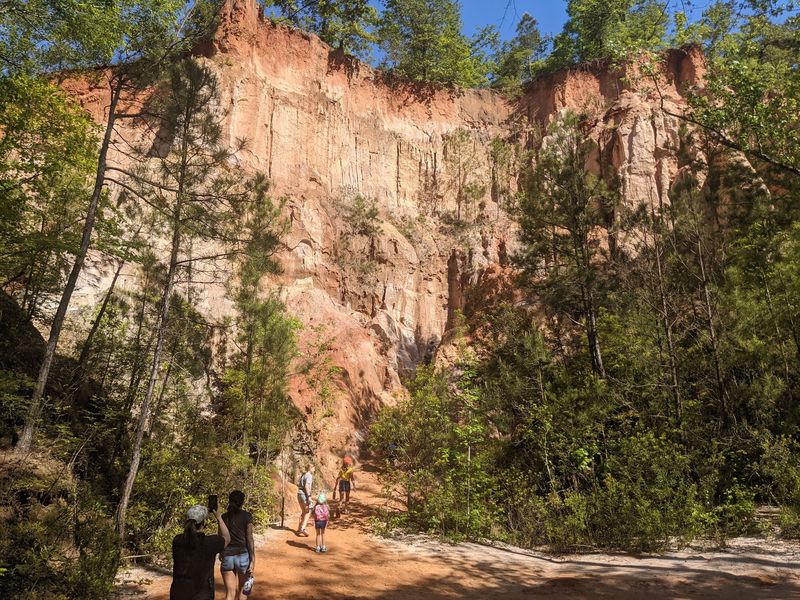
The canyon floor is surprisingly lush for an eroded landscape. Sweet gum, umbrella magnolia, and sycamore trees grow along the bottom.
Goldenrod, honeysuckle, morning glory, and yellow jasmine also fill in the green spaces. The mix of plants here is genuinely impressive.
Walking through the canyon, you notice how the ecosystem shifts. The rim feels open and warm.
The canyon floor feels cooler and more sheltered. Plants take advantage of both environments in creative ways.
Rhododendrons add to the layered greenery lower down. The contrast between the colorful canyon walls and the thick green vegetation is striking.
Nature clearly does not care that this place was once an agricultural mistake. It moved right in and made itself at home.
Best Seasons For Exploration
This place is open year-round, and every season brings something different. Spring and fall are the most comfortable for hiking.
Temperatures stay manageable, and the scenery rewards every step. Spring wildflowers add bursts of color against the already vivid canyon walls.
Summer visits are totally doable, but you need to prepare. Heat and humidity can hit hard, especially on the canyon floor where shade is limited.
Bring more water than you think you need. Sunscreen is not optional in July.
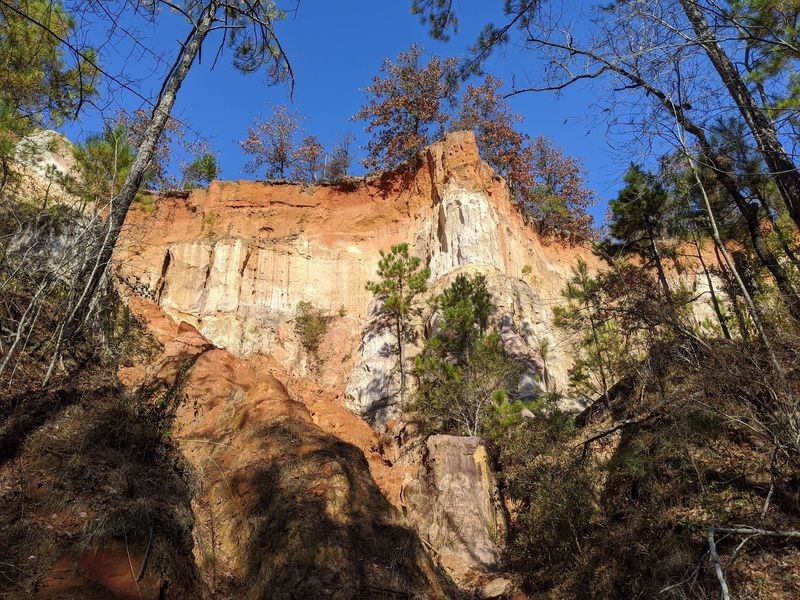
Fall is genuinely spectacular here. Foliage peaks around mid-November with shades of orange, red, purple, and gold.
The late afternoon sun in November and December casts long shadows across the canyon. Those shadows make the colors pop in a way that feels almost unreal.
Winter is the quieter season. Crowds thin out and the bare trees open up wider views of the formations.
Dark winter skies also make this park a solid spot for stargazing. Trails can get muddy after rain in any season, so waterproof shoes are always a smart call.
Plan around the weather and you will have a great time no matter when you visit.
Hiking Trails And Scenic Lookouts
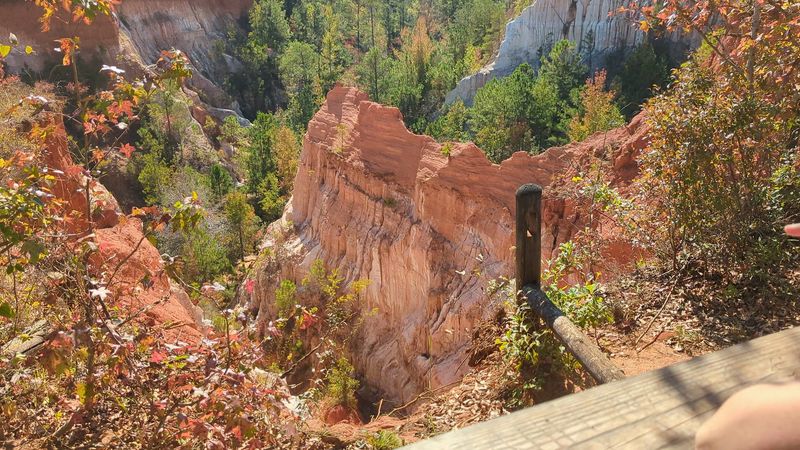
Providence Canyon has over 10 miles of hiking trails, so there is something for every fitness level. The White Blaze Canyon Loop Trail runs between 2.5 and 3 miles.
It circles nine of the canyons and gives you access to the canyon floor. Most visitors start here and leave very happy.
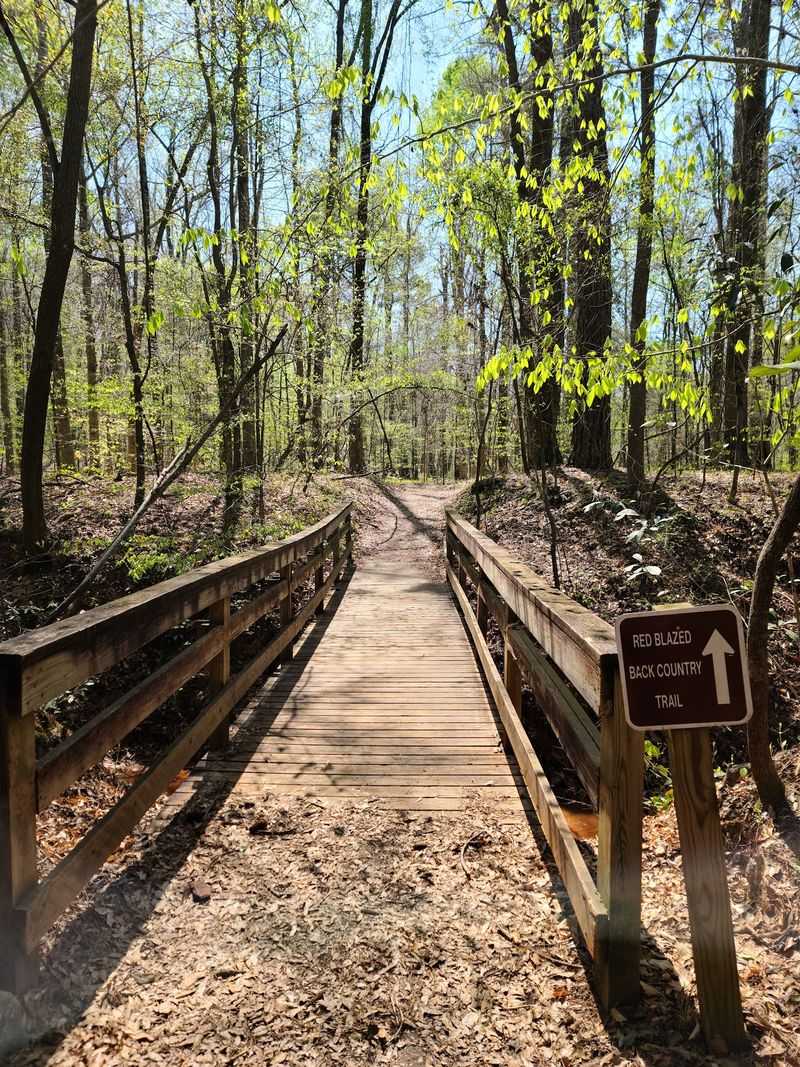
For a longer challenge, the Red Blaze Backcountry Trail stretches 7 miles through mixed forests. It offers overnight camping for those who want to stay longer.
The trail is well-marked and mostly sandy with some climbs. Experienced hikers tend to love it.
A rim trail runs along the top of the canyon and delivers sweeping overhead views. Several overlooks let you stop and take in the full scope of the formations.
You can also hike down to the canyon floor for a completely different perspective. Standing at the bottom and looking straight up is a moment worth planning for.
The canyon floor sometimes has a thin layer of water running through it. Waterproof shoes are strongly recommended.
Stay on designated trails at all times. Climbing the canyon walls is not allowed, and for good reason.
Those walls are soft and actively eroding.
Colorful Rock Layers And Their Origins
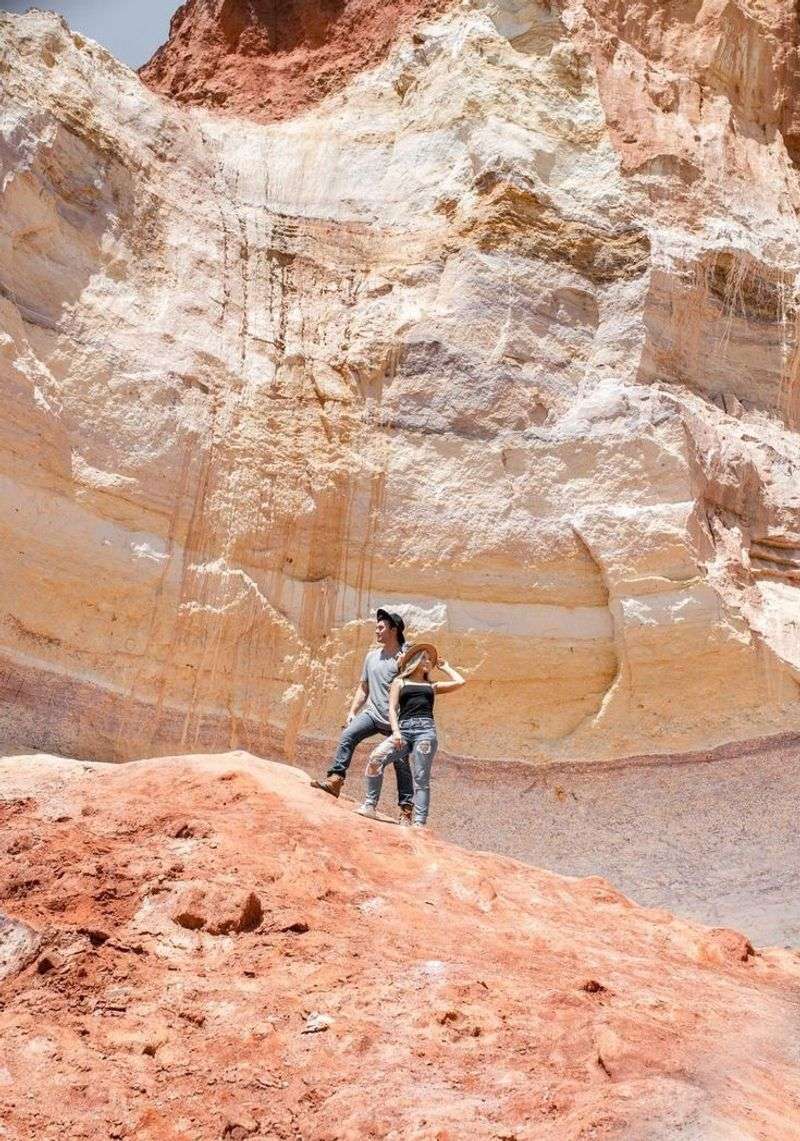
The canyon walls at Providence Canyon are not just impressive in size. They are a full-on color show.
White, pink, purple, red, brown, yellow, and black all appear in distinct layers. Up to 43 different colors of sand have been identified within the canyon.
That is not a typo.
Each color has a mineral source. Iron deposits create the oranges and reds.
Manganese produces the purples and pinks. Limonite is responsible for the yellows and tans.
Kaolin, a type of clay, creates the bright white layers.
The geology here exposes sediments from four major formations: Baker Hill, Clayton, Providence, and Ripley. These sediments were originally deposited between 59 and 74 million years ago.
Ancient seas and streams laid them down layer by layer. Erosion eventually revealed all of it.
Standing in front of those walls feels like looking at a natural painting. The colors shift depending on the light and time of day.
Morning light gives you soft pastels. Afternoon sun brings out the deeper reds and oranges.
It is the kind of visual that makes people reach for their cameras immediately.
Wildlife Encounter Opportunities Nearby
Wildlife at Providence Canyon is more active than most visitors expect. Deer and wild turkeys show up regularly along the trails.
Raccoons and armadillos are also spotted often. Animal tracks appear frequently in the sandy canyon floor paths, which makes the hike feel a little like detective work.
Bird watching here is genuinely rewarding. Brown Thrasher, Northern Cardinal, Blue Jay, and Eastern Bluebird are all common sightings.
Winter brings a different crowd of birds. Orange-crowned Warblers, Yellow-rumped Warblers, and Fox Sparrows move through during the colder months.
Lizards and snakes also call this park home. Most snake encounters are harmless, but staying on the trails is smart for everyone involved.
The canyon floor and surrounding forest create varied habitats that support a wide range of species.
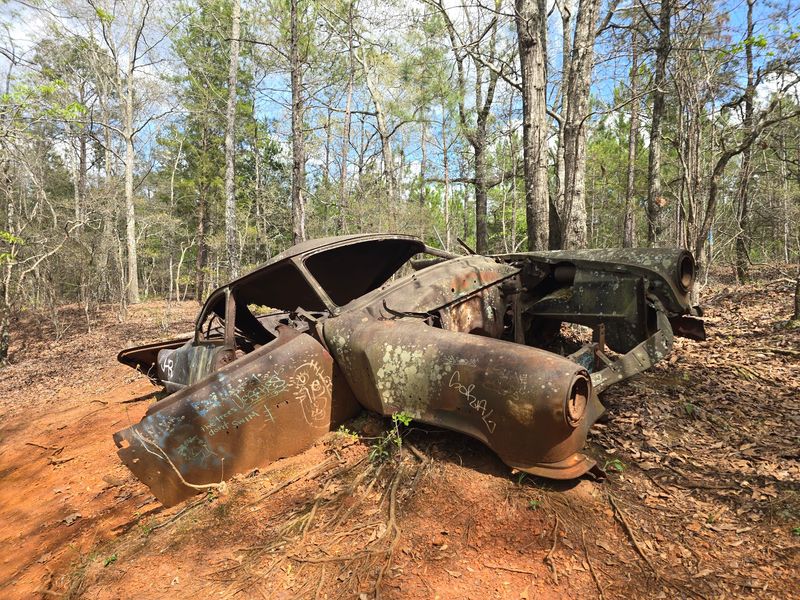
Here is one of the more unexpected facts about the park. Abandoned old automobiles left within the park grounds have become habitats for plants and small animals.
Park officials chose not to remove them because doing so would cause more environmental damage. So those old cars are now part of the ecosystem.
Nature finds a way, and Providence Canyon is full of proof.
Photography Techniques For Landscapes
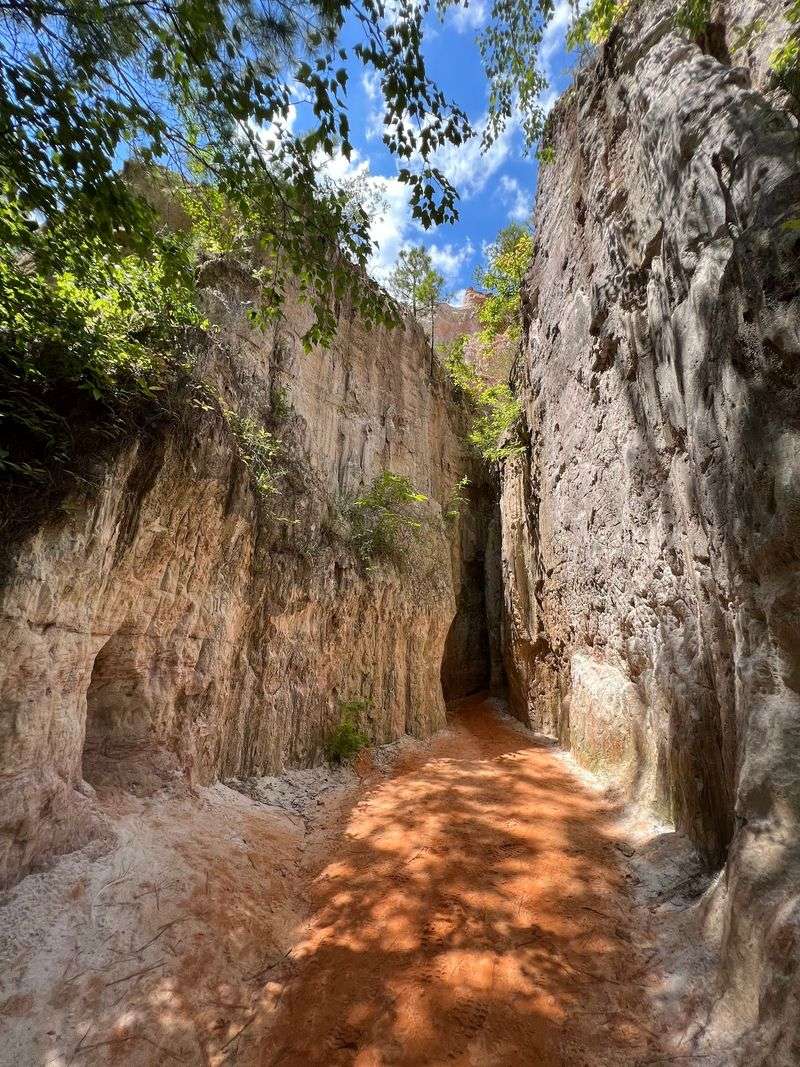
Providence Canyon is a photographer’s playground, but timing matters a lot. Early morning and late afternoon light are the best windows to shoot.
The sun sits lower in the sky during those hours. That lower angle pulls out the natural colors of the canyon walls in a way midday light just cannot match.
Focus on the layered soil formations when composing your shots. The stripes of color create natural leading lines that draw the eye into the frame.
Getting low on the canyon floor gives you a dramatic upward perspective. That angle makes the walls look even taller and more impressive.
Winter is an underrated season for photography here. Hardwood trees lose their leaves, which opens up clear sightlines to the canyon formations.
Less foliage means fewer distractions in your background. The bare trees also add interesting texture to wider landscape shots.
The park’s dark skies make it a legitimate stargazing photography location. Long-exposure shots of the night sky above the canyon can produce stunning results.
Bring a tripod, a wide-angle lens, and a lot of patience. Morning mist occasionally settles into the canyon, creating a moody, layered effect that is worth waking up early to catch.
Conservation Efforts Protecting The Site
Providence Canyon became a protected state park in 1971. Before that, there were discussions as early as the 1930s about designating it as a national park.
The state of Georgia ultimately took responsibility for protecting it. That decision helped preserve one of the South’s most unusual landscapes.
Visitors are asked to stay on marked trails at all times. The canyon walls are actively eroding, and foot traffic off the path speeds up that damage.
Climbing on the walls is not permitted for the same reason. The rules exist to protect the site, not to limit the experience.
One of the more surprising conservation decisions involves the abandoned vehicles inside the park. Removing them would cause additional environmental harm to the surrounding soil and vegetation.
So park officials chose to leave them in place. Over time, plants and wildlife have moved in and made those old cars part of the landscape.
Modern agricultural practices have also helped. The severe gully erosion that created the canyon is no longer happening at the same rate.
Better farming methods in the surrounding region mean the land is more protected today. Conservation here is a mix of active management and thoughtful restraint, and so far, it seems to be working well.