
This Hidden Tennessee Wildlife Area Has A Sunflower Field Worth The Drive
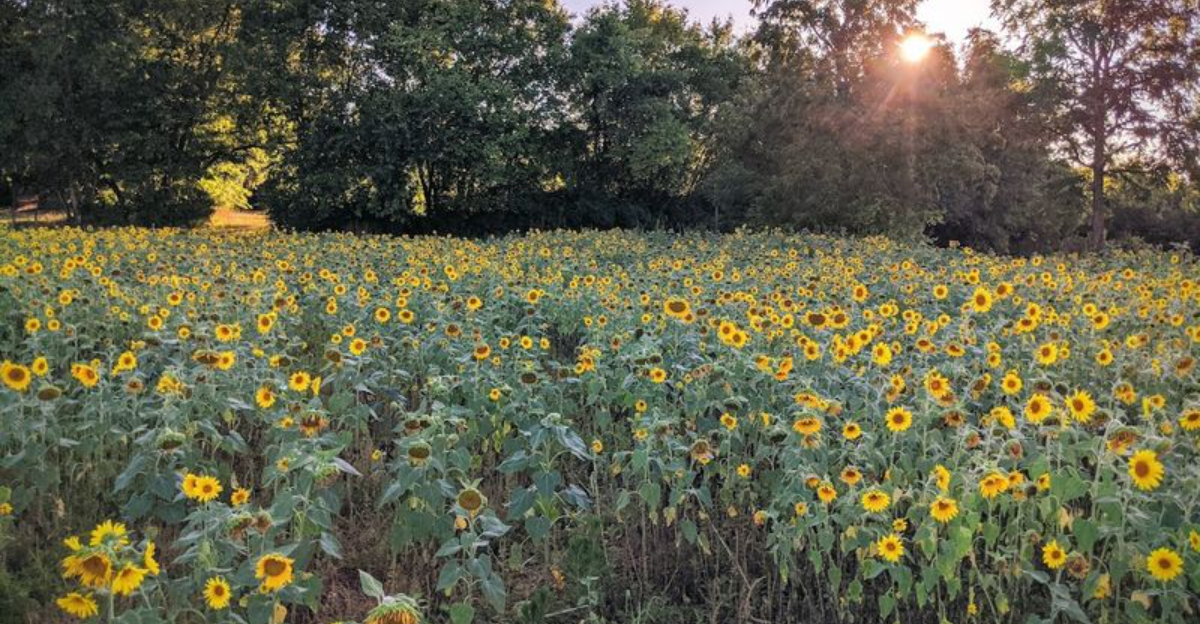
A field of sunflowers can change the whole mood of a summer day. One minute, you’re driving through Tennessee with the windows down.
Next, you’re standing in front of rows of golden blooms that look like they’ve been waiting for the sun to show off. The best part?
This place still feels calm enough for slow wandering, photos, and that little pause everyone needs when the season gets loud. Trails, open air, wildlife, and bright yellow petals all come together in a way that feels wonderfully simple.
You don’t need a packed itinerary or a big plan. Just bring comfortable shoes, a charged phone, and a little patience.
When the flowers hit their peak, the whole scene feels worth every mile.
The Sunflower Fields That Stop You In Your Tracks
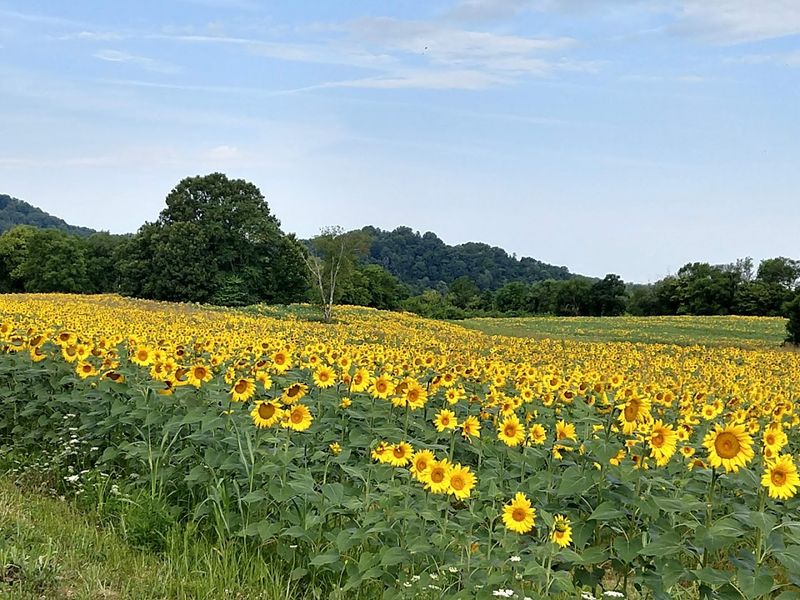
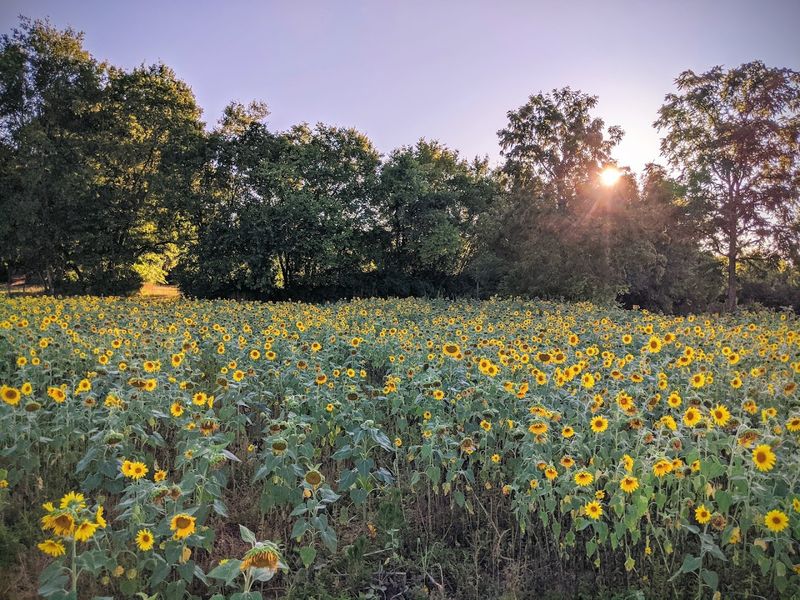
Over 70 acres of sunflowers blooming at once is not something your eyes process calmly.
This place plants these fields specifically for mourning doves, songbirds, bees, and butterflies, but the visual reward for human visitors is undeniable.
When the flowers peak during July, they stretch across the landscape in every direction you look.
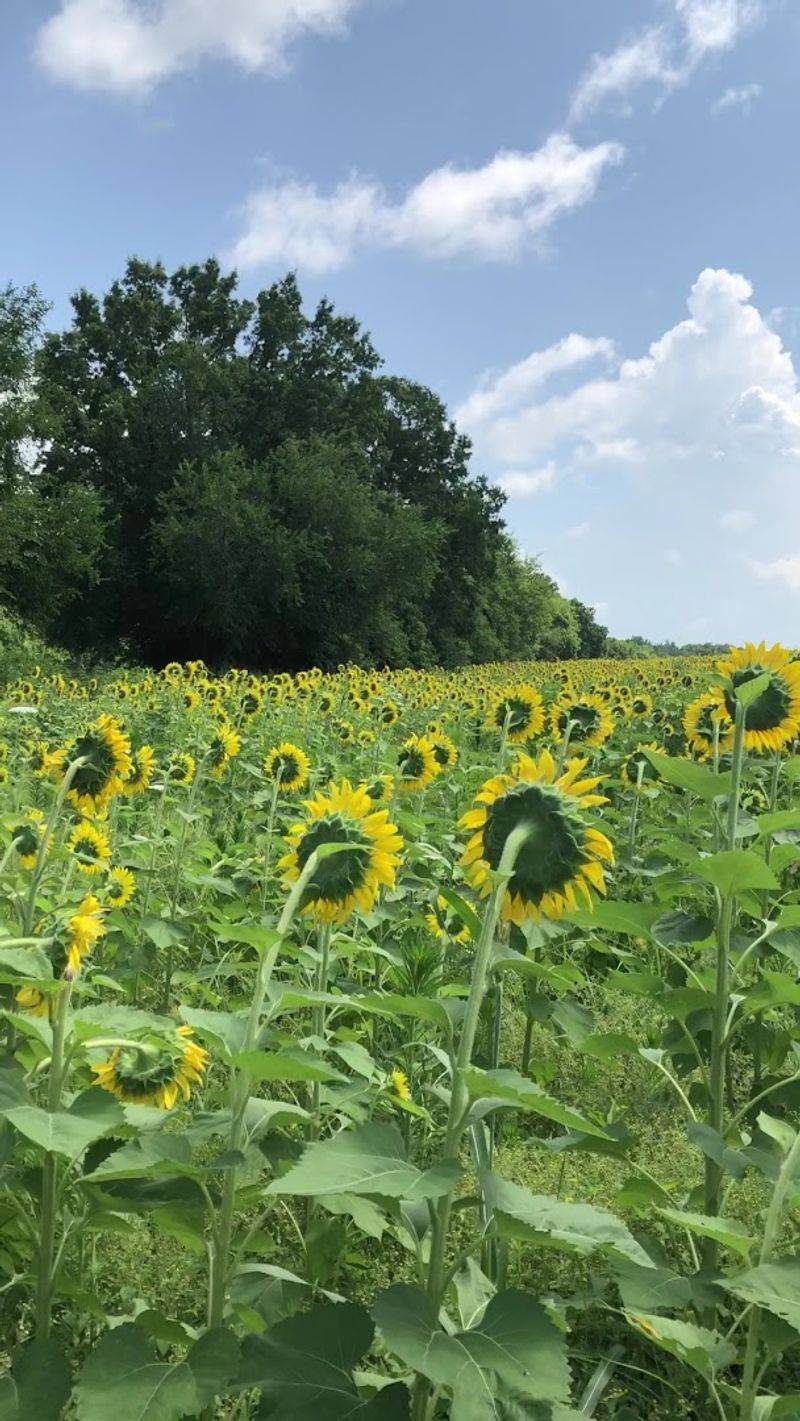
The sunflowers can grow up to six feet tall, which means walking alongside them feels less like a stroll and more like moving through a golden corridor.
Early morning visits are strongly recommended.
Not only because July heat in East Tennessee builds fast, but also because the soft morning light makes the fields glow in a way that afternoon sun simply cannot replicate.
One important detail worth knowing before you plan your trip: TWRA rotates crops on an even-year schedule to maintain soil health. Check conditions before visiting so expectations align with what you will actually find.
Where Two Rivers Become One Tennessee River
The name of this place is not accidental.
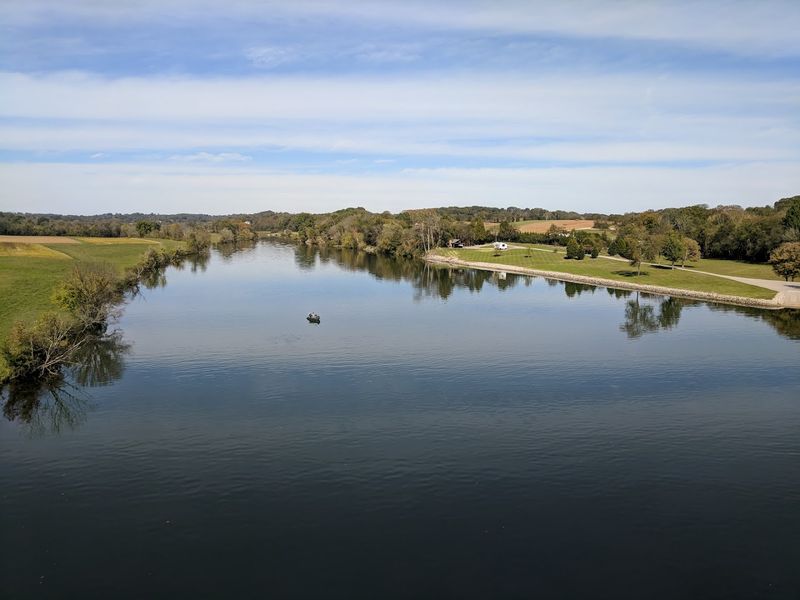
Forks of the River Wildlife Management Area sits at the exact point where the Holston River and the French Broad River converge to form the Tennessee River.
That geographic fact alone gives the location a sense of significance that goes beyond scenery.
Standing near the water, you can feel the quiet momentum of two river systems joining into something larger.
The riverbanks attract waterfowl throughout the year.
The surrounding mixed hardwood forests create a buffer that keeps the area feeling removed from the city despite being only a few miles from downtown Knoxville.
Visitors who take the paved Will Skelton Greenway toward the river get rewarded with open views across the water that pair well with the forested hillsides on the opposite bank.
Benches are placed along the path at intervals, which makes it easy to sit, watch the current, and observe whatever birds happen to be moving through.
The river access also includes boat launches for those who prefer to experience the confluence from the water itself.
The Will Skelton Greenway And What It Connects
Flat, paved, and genuinely enjoyable, the Will Skelton Greenway runs through the heart of the wildlife management area and serves as the main artery for walkers, joggers, and cyclists.
The surface is smooth enough for road bikes and strollers, and the relatively level terrain makes it accessible to a wide range of fitness levels.
Benches appear at regular intervals along the route, which is practical rather than decorative. This trail does not demand athletic ambition.
It rewards patience. Sitting on one of those benches in early morning with a coffee and watching hawks circle the tree line is a perfectly valid way to spend an hour.
The greenway also connects to the broader trail network in the area, which includes access to Ijams Nature Center nearby. Parking at the McClure Lane lot at 3140 McClure Lane means you avoid the parking fees charged at Ijams facilities.
The trail network extends well beyond the paved section, branching into gravel paths that loop back toward the sunflower fields and the old agricultural silo.
Mountain Biking Trails That Reward The Bold
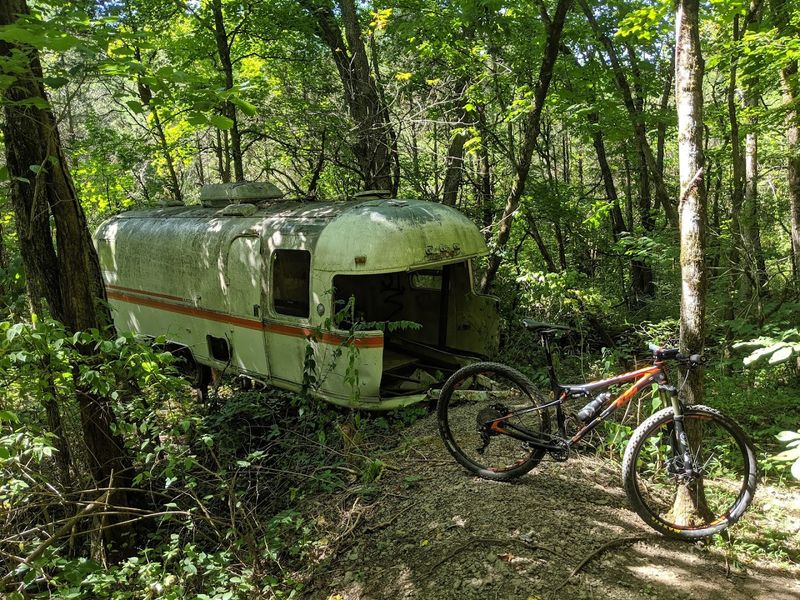
Not every trail at this wildlife area is flat and forgiving.
The mountain biking options here range from manageable to genuinely demanding, and experienced riders have been coming back to these trails for years because the terrain keeps them honest.
The area includes extreme downhill routes that require proper equipment, including full-face helmets for anyone attempting the steeper descents.
For families or casual riders, the paved greenway offers a satisfying ride without any technical challenge. But for those who want elevation changes, root networks, and tight turns through dense forest, the unpaved trails deliver exactly that.
The contrast between the two experiences within the same 331-acre property is one of the more underappreciated aspects of this place.
Mountain biking trails are open year-round, which makes this a reliable destination even during months when the sunflower fields are dormant. Reviews from regular visitors mention that the trail variety keeps the experience fresh across multiple visits.
If you are new to the area and unsure which trails match your skill level, start on the gravel paths that branch off the main greenway before committing to the more technical routes deeper in the forest.
Wildlife Viewing Beyond The Sunflowers
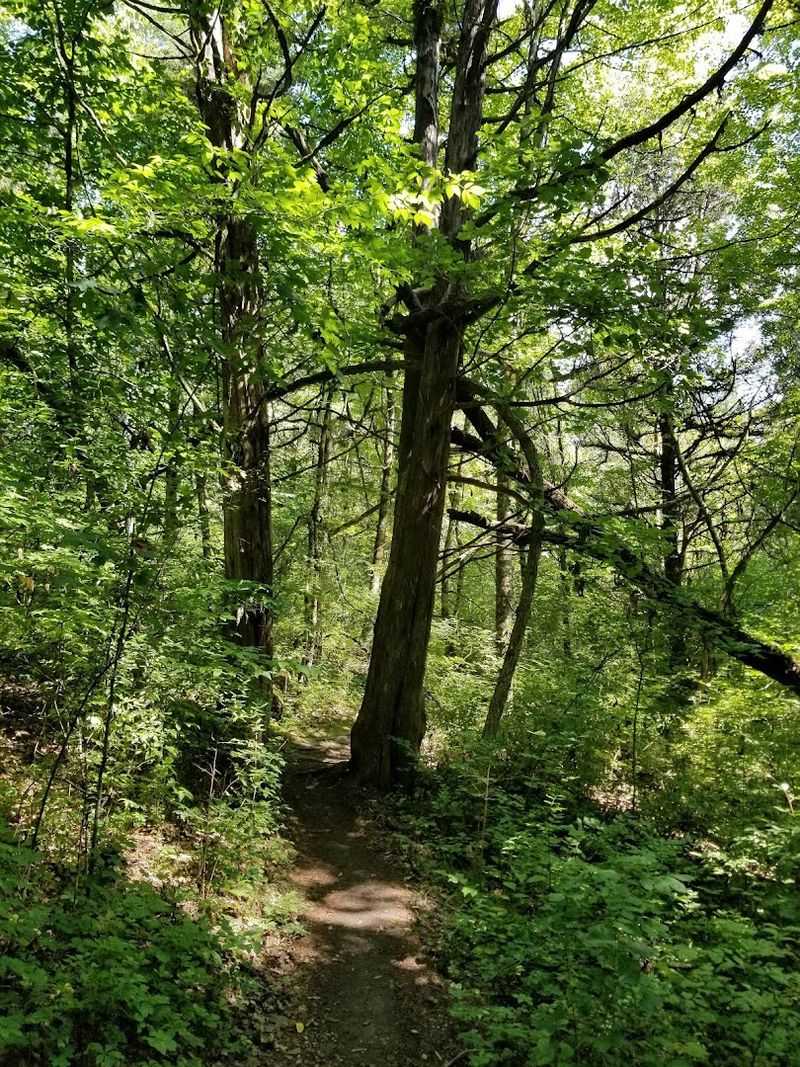
Deer and wild turkey move through this area regularly, and the mix of open crop fields and dense hardwood forest creates a habitat that supports a wide variety of species throughout the year.
Songbird migration through this corridor is particularly strong, and birdwatchers who arrive in early morning during spring and fall transition periods often leave with impressive sightings.
Hawks are a common sight above the tree line, and several visitors have reported seeing bald eagles along the river sections of the trail.
The presence of both open water and forested upland in close proximity makes this one of the more productive wildlife viewing spots in the Knoxville urban area.
There are no designated birding observation platforms or formal wildlife blinds on site, so patience and quiet movement matter here. Arriving before 8 AM gives you the best chance of seeing animals before foot traffic increases.
Bug spray is not optional in summer months.
The mosquitoes along the river sections are persistent, and going without repellent will cut your visit short faster than any trail difficulty ever could.
Hunting Seasons And How They Shape The Calendar
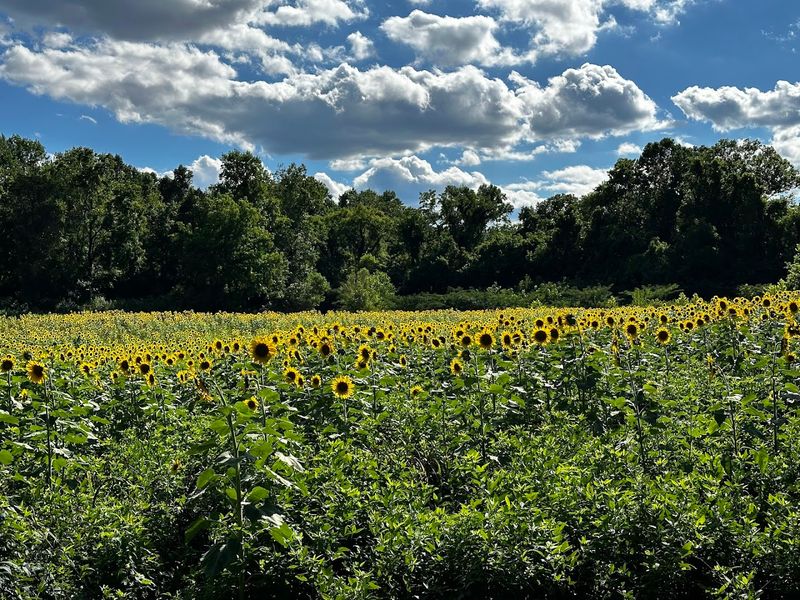
A portion of the wildlife management area is designated for hunting from September through May, which means the experience of visiting changes significantly depending on the time of year.
Dove hunting takes advantage of the sunflower fields after the blooming season ends, which is precisely why those fields are planted in the first place.
The TWRA manages the entire area with wildlife population balance as the primary objective.
Non-hunting visitors are welcome throughout the year but should read posted signs carefully and stay within designated non-hunting zones during active seasons.
A recent review from a turkey hunter noted that spring visits had become crowded with non-hunters in restricted areas, which created safety concerns and frustration for both groups.
Awareness of posted boundaries is not optional here.
The area closes one hour after sunset and reopens one hour before sunrise, with exceptions made for specific hunting seasons and scheduled events. Dogs are welcome on trails but must remain leashed at all times when accompanying non-hunting visitors.
Motorized vehicles are prohibited on trails, and paintball equipment is explicitly banned within the management area boundaries. Understanding these rules before arriving makes the visit smoother for everyone involved.
Free Access And What That Actually Means
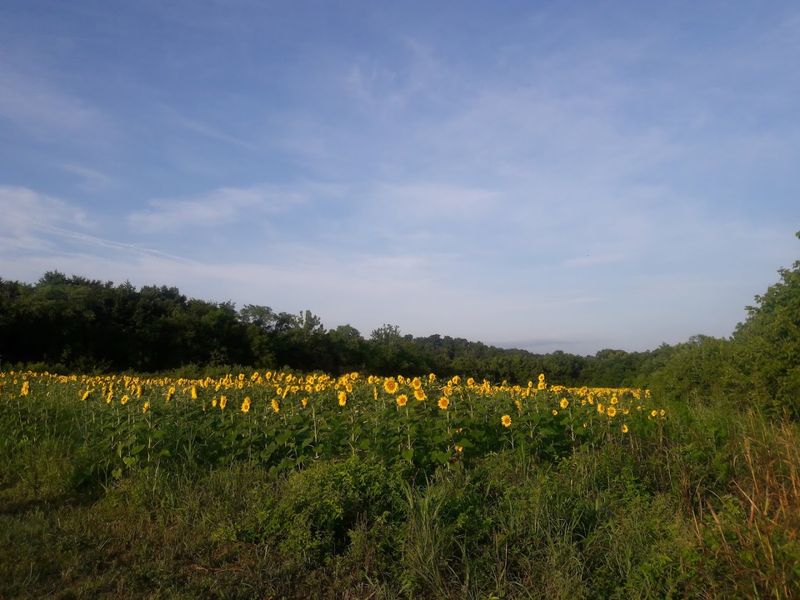
There is no admission fee to visit Forks of the River WMA. Parking at the McClure Lane lot is free, which stands in direct contrast to the paid parking at nearby Ijams Nature Center facilities.
For families, regular visitors, or anyone who simply wants a quality outdoor experience without a financial commitment, this matters more than it might initially seem.
The trade-off is that amenities are minimal. There are no restroom facilities on site, though public restrooms are available at Ijams Nature Center a short distance down the road.
There are no visitor centers, no interpretive displays, and no staff present on a typical day.
The area is managed by the Tennessee Wildlife Resources Agency, reachable at 1-800-332-0900, and operates on a self-guided model.
Hours run from 7 AM to 8 PM daily, which gives visitors a generous window across all seasons. The gravel road leading into the parking area is passable in low-clearance vehicles if driven carefully, though high-clearance vehicles will navigate it more comfortably.
The simplicity of the setup is part of the appeal. No crowds at entry gates, no ticket lines, just open land and a trail that starts the moment you step out of the car.
The Sunflower Festival And Community Celebrations
During peak bloom years, the sunflower fields attract organized community events that draw visitors from across the region.
The Sunflower Festival has brought families, photographers, and nature enthusiasts together to learn about the history of the land.
During festival periods, parking logistics shift. The McClure Lane lot fills quickly, and overflow parking becomes available at Ijams Nature Center or Ijams Quarry for a fee.
Free shuttle service from Maynard Glenn Ballfields has been offered during high-attendance events, which reduces congestion on the narrow access road.
Even outside of organized events, the sunflower bloom draws spontaneous visitors who simply heard about the fields from a friend and decided to see for themselves.
Several reviews describe exactly that experience, arriving with low expectations and leaving genuinely stunned by the scale of the display.
The community response to these fields says something real about how much a simple agricultural decision by a state agency can mean to the people who live nearby and discover it for the first time.
Planning Your Visit With Realistic Expectations

Getting the most out of a visit here requires a small amount of advance research.
The sunflower planting schedule follows an even-year rotation, so confirming current field conditions before making a trip during July is worth the two-minute search.
Arrive early. July mornings in East Tennessee are warm but manageable before 9 AM.
By midday, the heat becomes a genuine factor, especially in open fields with no shade canopy. Water, sunscreen, and insect repellent are practical necessities rather than optional accessories.
Comfortable walking shoes or trail shoes handle the mixed terrain well.
Google Maps navigation has received criticism for leading people to outdated trail information, so downloading an offline map or reviewing the TWRA website before arrival is a practical step.
The official address is 3140 McClure Lane, Knoxville, TN 37920, and the site holds a 4.7-star rating across over 700 reviews, which reflects consistent visitor satisfaction.
Cell service is generally reliable, but the trail network is large enough that a downloaded map prevents unnecessary backtracking.