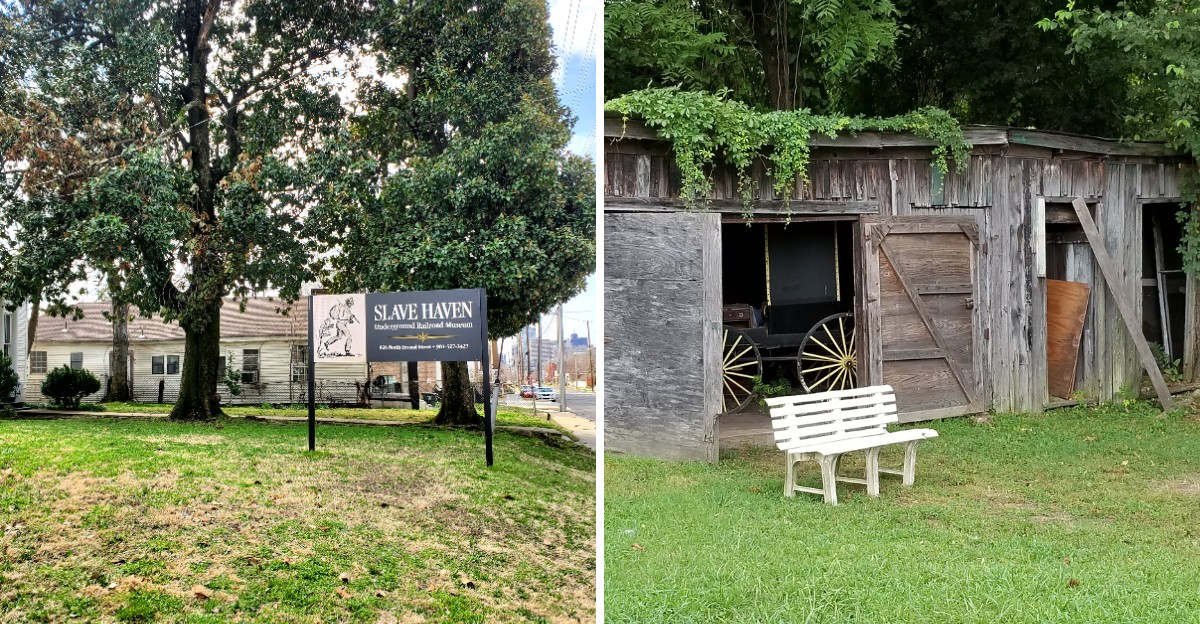
A plain white house in Tennessee looks ordinary from the street, but its wooden floors hide trapdoors and a dark cellar with a remarkable history.
People seeking freedom are believed to have hidden beneath this home, waiting for the right moment to continue their dangerous journey north.
The house stood near the Mississippi River, where escape offered hope but also enormous risks. Imagine staying completely silent in a cramped space, knowing that being discovered could change everything.
Every creaking floorboard might have meant danger, and every passing hour brought more uncertainty.
What makes this place so powerful is how much history hides behind its modest appearance. How many neighbors walked past without ever guessing what was happening beneath their feet?
A Quiet Little House That Kept A Very Big Secret
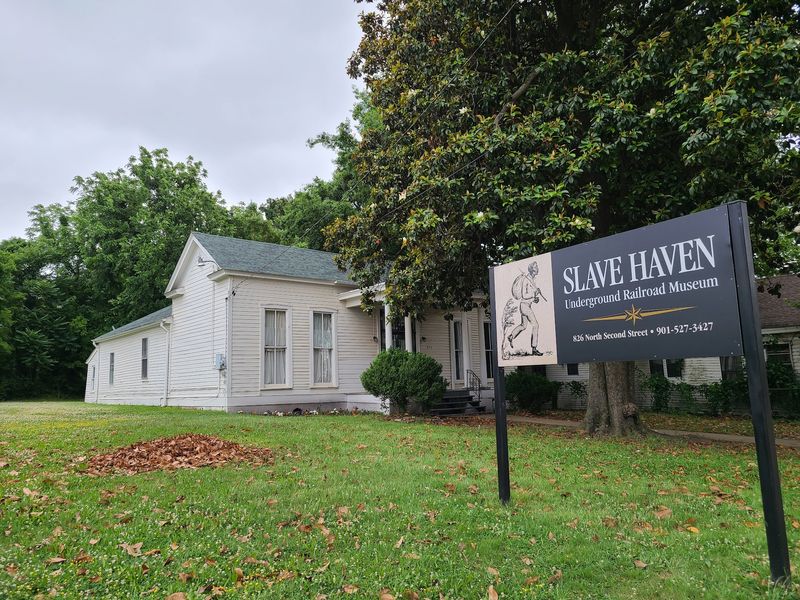
Trapdoors are not something most people expect in a family home. Yet the Slave Haven Underground Railroad Museum is built around exactly that kind of surprise.
The museum sits inside a white clapboard antebellum house in Memphis, Tennessee. It’s also known as the Burkle Estate, named after the man who built it.
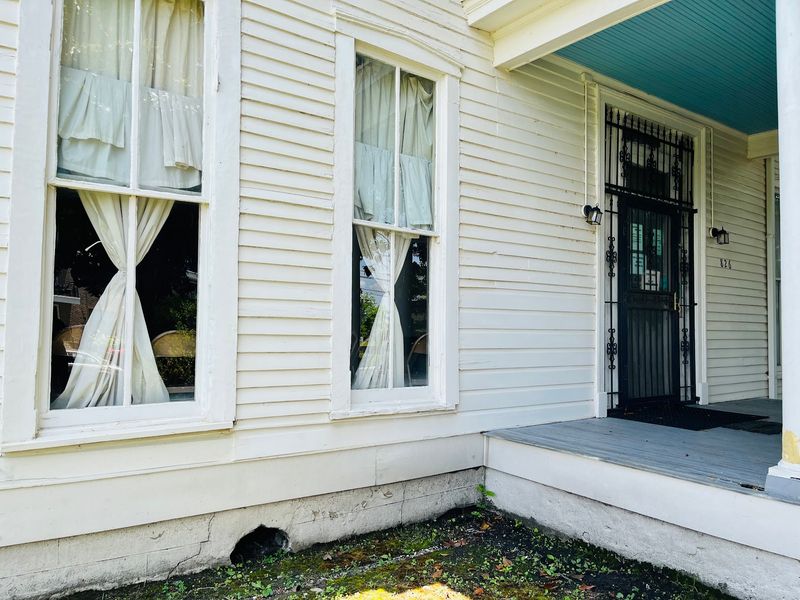
From the street, the house looks calm and simple. That was likely the whole point, since a secret hiding spot works best when nobody suspects it.
The home is believed to have sheltered enslaved people escaping toward freedom on the Underground Railroad. Hidden spaces under the floor gave them a place to wait out danger.
Historians note that the Underground Railroad depended on secrecy, so written records were rare. People who helped had every reason to leave no paper trail behind.
That means the story here comes from several pieces fitting together. The design of the house, its location, and stories passed down by descendants and neighbors all point the same way.
It’s a little like solving a puzzle that was built to stay unsolved. And honestly, that mystery makes the house even more fascinating to learn about today.
Meet The German Baker Who Built It In 1849
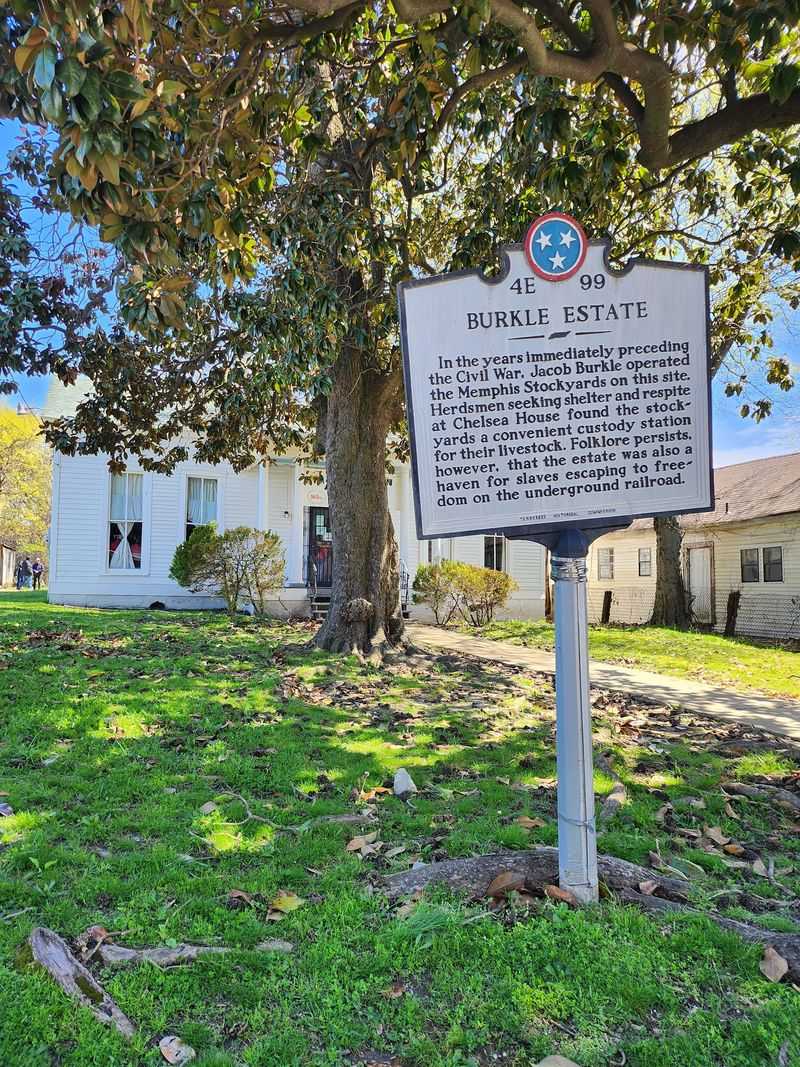
Jacob Burkle had a pretty ordinary job description on paper. He was a German immigrant who traded livestock and owned a bakery.
He built this home in the mid-1800s, when Memphis was a growing river town. Bread and cattle might not sound like the résumé of a secret hero, but that’s part of the charm.
Burkle is said to have run his home as a way station on the Underground Railroad. The story says this began around 1855 and lasted until slavery was abolished.
Think about how risky that was. Memphis was a major center of the slave trade in Tennessee, so helping people escape meant working right under everyone’s nose.
A baker and trader would have had plenty of reasons for wagons, deliveries, and visitors. That kind of busy daily life may have made it easier to hide unusual comings and goings.
Burkle died in 1874, several years after the house reportedly served as an Underground Railroad station.
Learning his story gives the house a human face. It’s a reminder that courage sometimes wears an apron and smells a little like fresh bread.
Before The Closure, Visitors Could Actually Go Down Into The Cellar
Here’s the part that gets people talking. Tours have included a trip down into the dark, cramped cellar beneath the house.
This is the space where people seeking freedom are believed to have hidden. Standing there turns a history lesson into something you can feel in your bones.
The cellar is small and low. It doesn’t take much imagination to understand how uncomfortable it must have been to wait there, quiet and still, for hours.
Darkness plays a big role in the experience. Being in a space built for hiding helps you understand how much patience and nerve escape required.
Before you head down, a little practical advice helps. Wear comfortable shoes, and take your time on the way into tight spaces.
Kids may find this the most memorable stop of all. It’s a good moment to talk with them about bravery and how people helped one another.
Most museums keep history behind glass. At the Slave Haven Underground Railroad Museum, visitors once had the opportunity to descend into the historic cellar and experience this important chapter of history firsthand.
Those Trapdoors Were Built For A Reason
Floors usually just hold up furniture. In this house, they’re believed to have held something far more important: a way out of sight.
The trapdoors are among the museum’s main features. They’re believed to have led people down into hiding when danger came near.
A trapdoor is a simple idea with huge power. Lift a board, slip below, close it again, and suddenly a room looks completely empty.
Of course, a trick like that only works if it stays secret. That’s why the people who used it didn’t exactly hand out maps or write it down.
When you learn about these openings, notice how carefully they fit into everyday life. The house needed to look normal to visitors while protecting guests hidden underneath.
It’s a smart lesson in clever design. Builders today create secret rooms for fun, but here the stakes were freedom itself.
Spending time with these features makes the Underground Railroad feel less like a textbook topic. It becomes a real plan, carried out by real people, in a real Tennessee home.
Old Furniture, Ads And Auction Notices Tell The Hard Truth
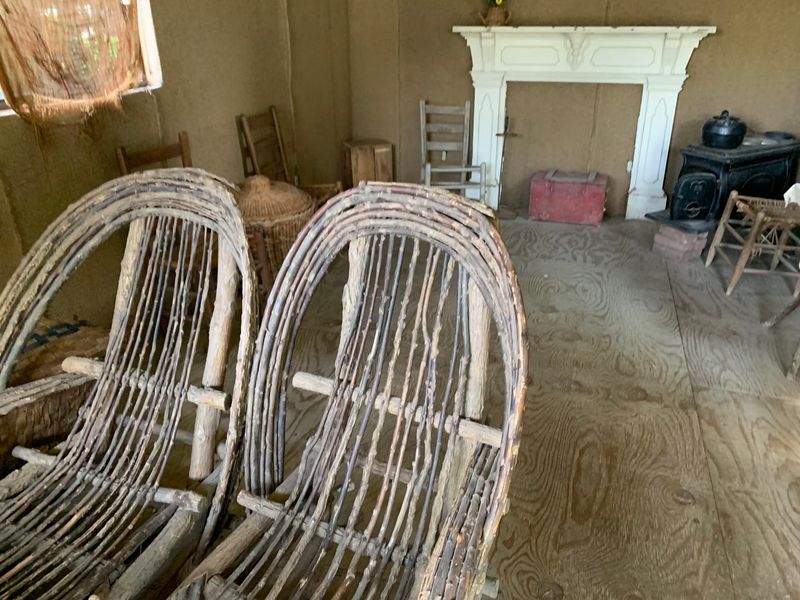
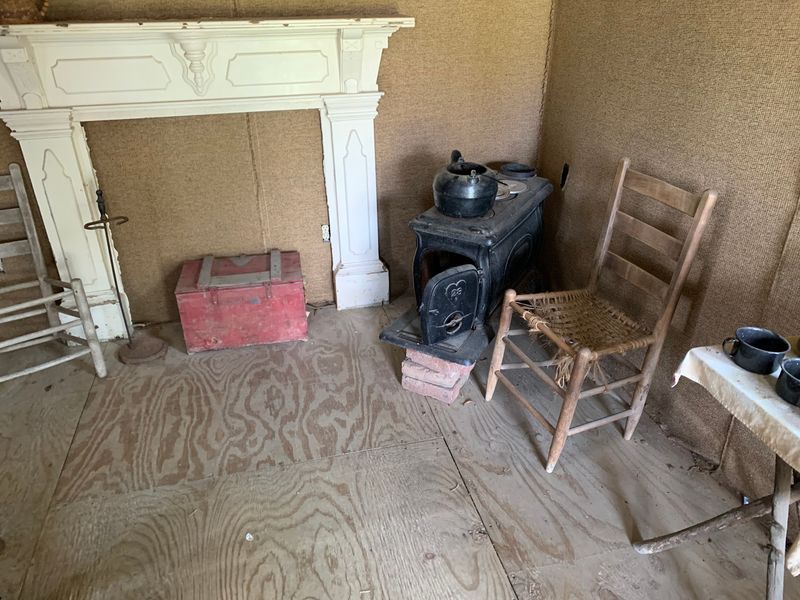
Room by room, the house fills in the bigger picture. The interior features 19th-century furnishings that show how a home of that era looked.
Mixed in with that period style are artifacts, ads, and auction notices. They tell the story of slavery and the Underground Railroad in plain, honest detail.
Those printed notices can be tough to read. Seeing real words from the past makes it clear how ordinary buying and selling people seemed to many at the time.
That honesty matters. It helps visitors understand exactly what people were risking everything to escape.
For families, these displays can open big conversations. Older kids especially may have questions, and that’s a great sign they’re thinking hard.
Give yourself time to read rather than rushing past. The house isn’t huge, so each display carries a lot of meaning.
The furniture shows how people lived, and the documents show what was happening around them. Together, they turn the house into a time capsule that speaks clearly, even when the message is uncomfortable.
Secret Messages, Escape Routes And Clever Codes
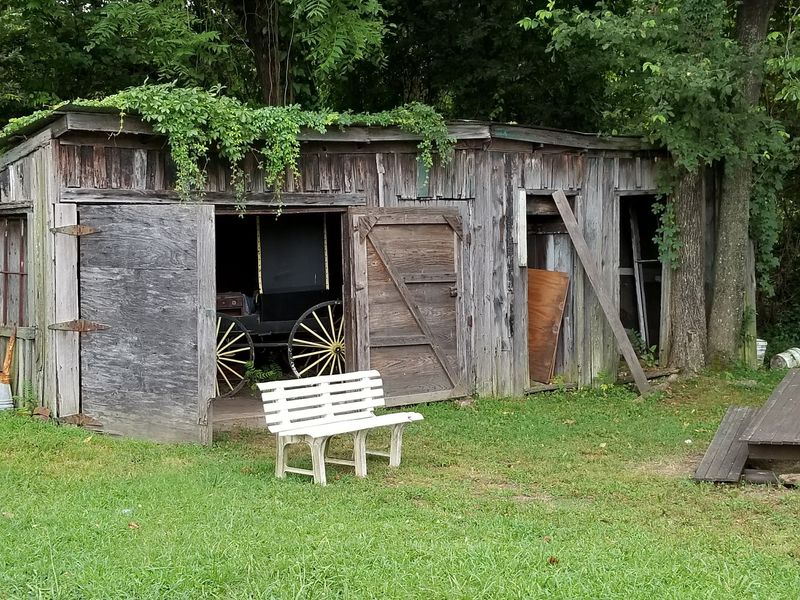
Escaping slavery took more than courage. It took information, and getting that information safely was a challenge all its own.
Guided tours at the museum cover the slave trade, runaway slaves, message systems, and travel patterns. In other words, you learn how people actually pulled off these journeys.
Message systems were key. People needed to know when to move, where to go, and who could be trusted along the way.
Travel patterns mattered just as much. Choosing the right route and timing could make the difference between reaching freedom and being caught.
This part of the story feels a bit like a spy movie, except it was completely real. The planning involved was impressive, especially with so little room for mistakes.
Kids who love puzzles and codes may connect with this section right away. It shows that smart thinking was one of the strongest tools people had.
Leaving with a new respect for that kind of cleverness is easy. These were people outthinking a whole system designed to keep them trapped.
The Mississippi River Was Right There For A Reason
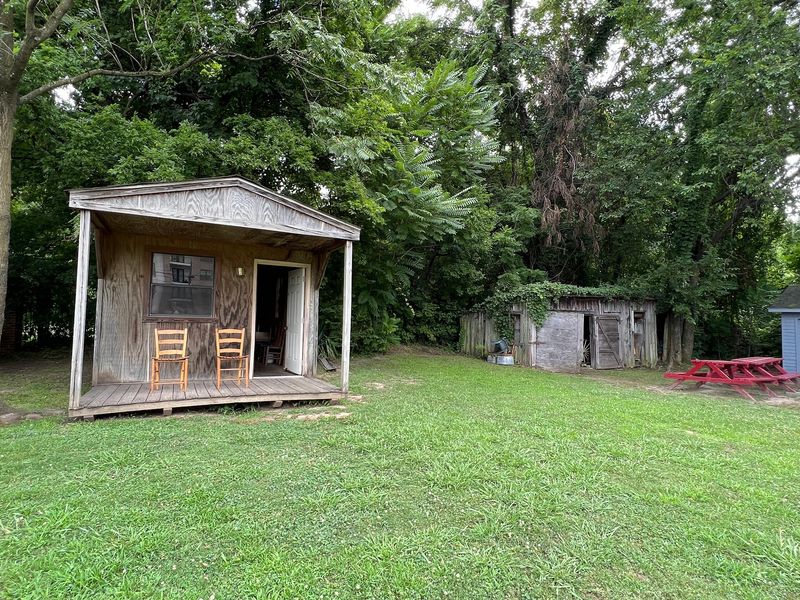
Location is everything, and Jacob Burkle’s home had a good one. The estate sat close to the Mississippi River.
That mattered a lot. The river was one of several known Underground Railroad routes, giving people a path north.
Picture the logic of it without needing a map. Hide nearby, wait for the right moment, then reach the water and keep moving.
Memphis was a big hub for the slave trade in Tennessee. Having a hiding place so near the river, right in that city, was both bold and practical.
When you visit the area, take a moment to think about that geography. The same river that brought trade and money also carried people toward freedom.
That double role is one of the most striking parts of the story. It shows how one place could hold both great harm and great hope.
The Slave Haven Underground Railroad Museum helps connect those dots. Once you understand the river’s role, the house’s location suddenly makes perfect sense.
One Woman’s Purchase Gave This House A New Purpose
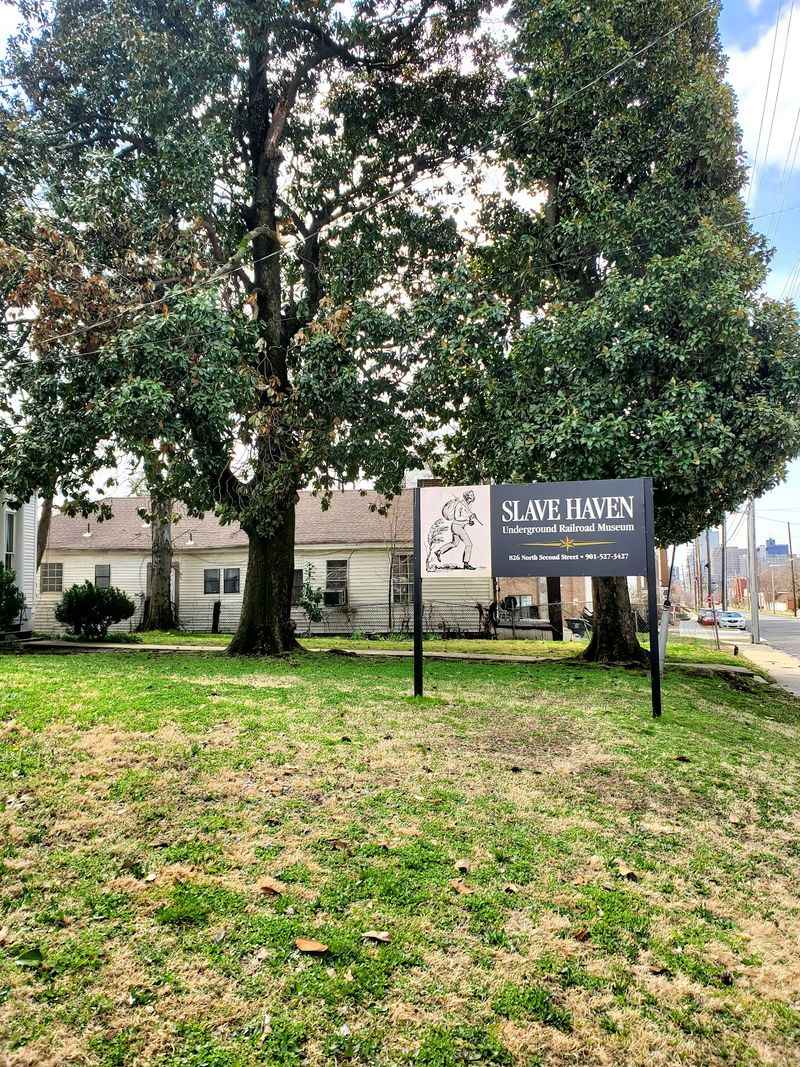
History needs protectors, and this house found one. Helene Phillips bought the home in 1985.
Twelve years later, in 1997, it opened as the Slave Haven Underground Railroad Museum. The public had already begun visiting the historic house in 1991, before it formally opened as a museum in 1997.
Saving an old house is no small task. It takes money, time, and a stubborn belief that the story deserves to be told.
Without that effort, the cellar and trapdoors might have faded into forgotten corners. Instead, they became tools for teaching people of all ages.
You’ll find the museum at 826 N 2nd St, Memphis, TN 38107. It’s in North Memphis, not far from the riverfront that shaped its history.
Knowing who preserved a place adds meaning to any visit. Every tour group that passes through is part of the purpose Phillips helped create.
It’s a good reminder for all of us. Ordinary people can protect important stories, sometimes just by deciding a house is worth keeping.
Check Before You Go, Because This House Needs Some Help
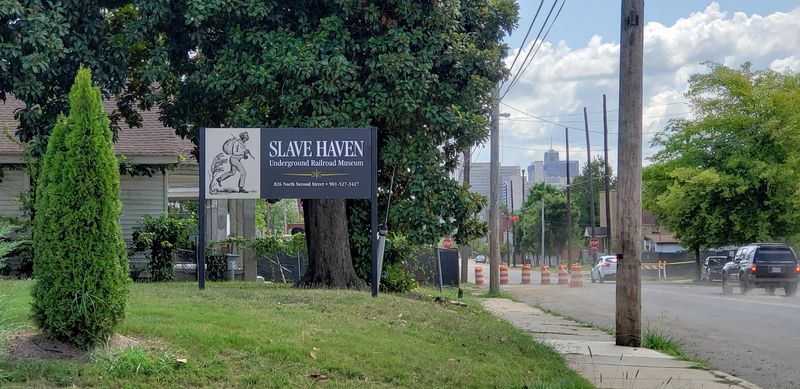
Plan ahead before heading over. The museum remains temporarily closed following a fire in January 2024.
The blaze caused structural damage and put irreplaceable artifacts at risk. That’s hard news for a house that has guarded its history for so long.
The good news is that people are working to bring it back. The museum is actively seeking donations to help with repairs and restoration.
If this story has grabbed you, that’s a meaningful way to help. Even a small gift supports keeping the cellar, trapdoors, and artifacts around for future visitors.
Before any trip to Memphis, check the museum’s official channels for updates on reopening. Things can change, and nobody wants to arrive at a closed door.
While you wait, share the story with friends or family in Tennessee and beyond. Talking about places like this keeps their history alive, too.
A house that once sheltered people now needs a little shelter of its own. Helping it stand strong feels like a fitting way to honor everyone who passed through.