
This Historic Wisconsin Mining Landmark Lets You Explore The State’s Rich Mining Past
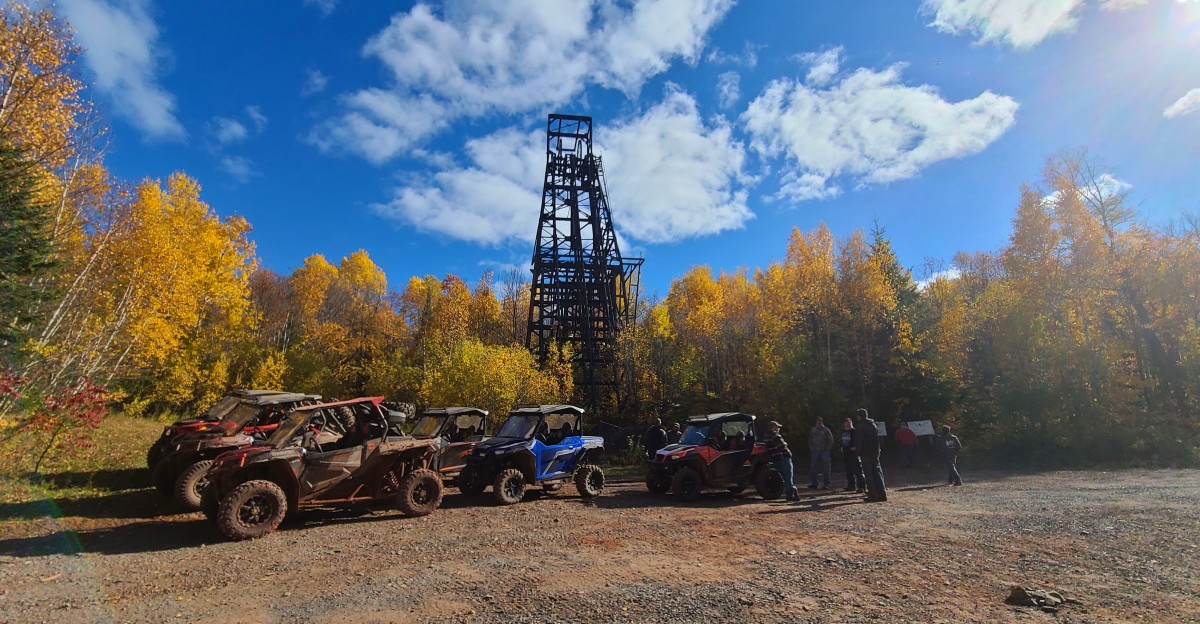
An 80-foot steel tower stands in the northern woods, and the shaft beneath it once dropped 2,367 feet. That’s deeper than most skyscrapers are tall. Read it twice. I did.
This tower is the last iron mining headframe left in Wisconsin. It once lowered miners deep underground and hauled up rich iron ore. That ore was so pure it went straight to steel mills without any processing.
Today the tower stands quietly above old foundations and short trails. Signs explain what each crumbling wall used to be. I appreciate that nobody charges you a dime to stand there and soak it in.
I have a feeling this stop will stick with you longer than you expect. How often can you park right above a shaft that deep?
Meet The Last Giant Of Its Kind In The Badger State
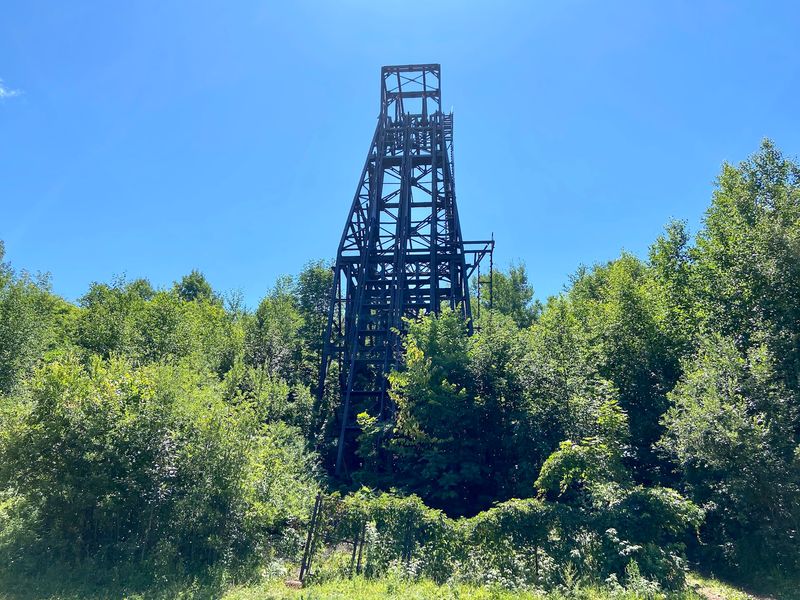
Steel giants like this once dotted the iron country of the North Woods. Today, the Plumer Mine Headframe is the only iron mining headframe still standing in Wisconsin. That makes it a true last survivor.
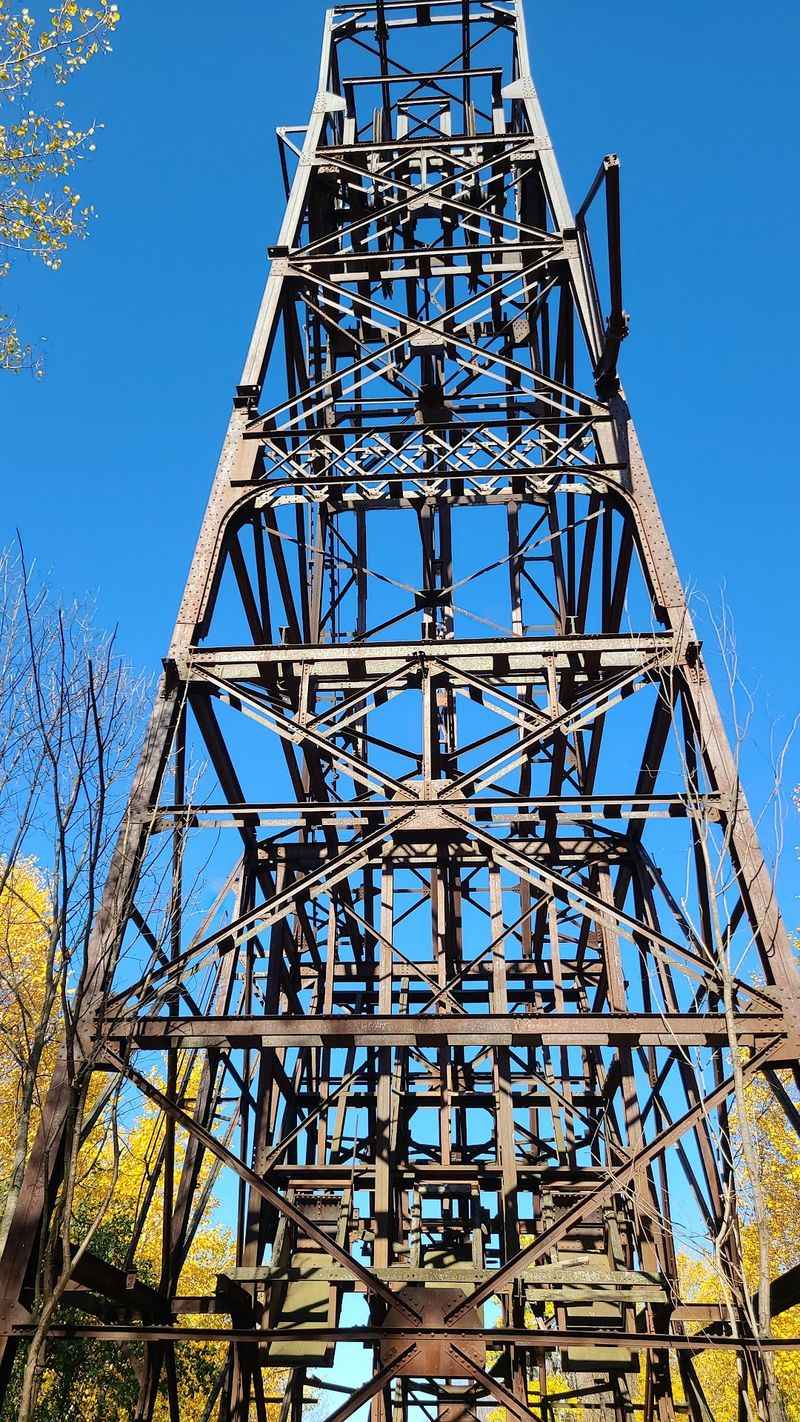
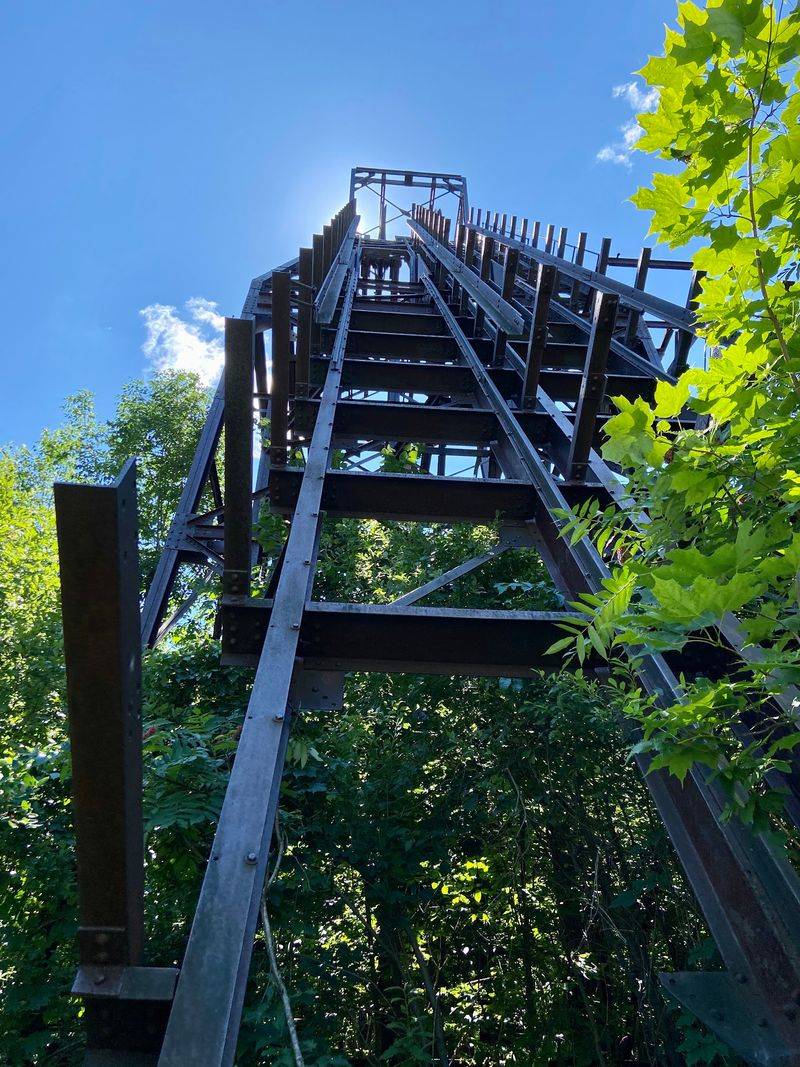
The tower rises about 80 feet into the sky. The steel headframe was erected around 1908, when iron mining was a major industry in this corner of the state. Its job was simple but huge.
A headframe sits right over a mine shaft. It held the wheels and cables that lowered workers and raised ore. Without it, nothing moved up or down. The structure is listed on the National Register of Historic Places. That honor helps protect it for future visitors.
It also tells you this isn’t just an old pile of metal.
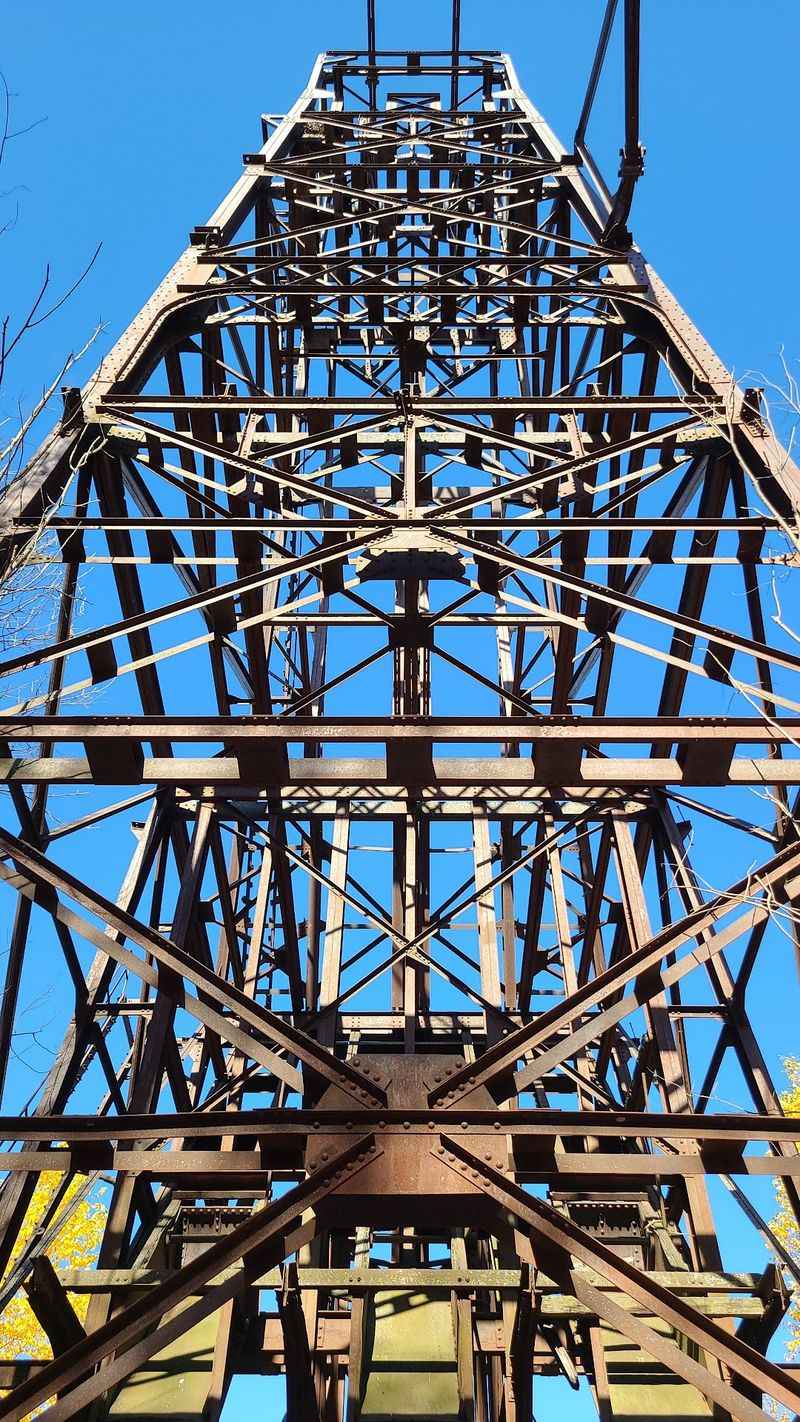
Standing near it, you can study the crisscrossing beams and rivets. Each piece was put together by hand more than a century ago. That alone is pretty impressive.
Bring your camera and step back for a full shot. The tower looks different from every angle. Try the woods in the background for an extra dramatic frame.
Your Feet Are Standing Over A Very, Very Deep Hole
Here’s a number to chew on: 2,367 feet. That’s how deep the Plumer Mine shaft went below the surface. That’s nearly half a mile along an inclined shaft.
The mine operated from 1904 until 1924, giving it two decades of mining history. Miners rode down into the dark every shift. Picturing that ride is enough to make your knees wobble a little. Miners trusted the headframe and its cables with their lives.
The tower above you was their lifeline.
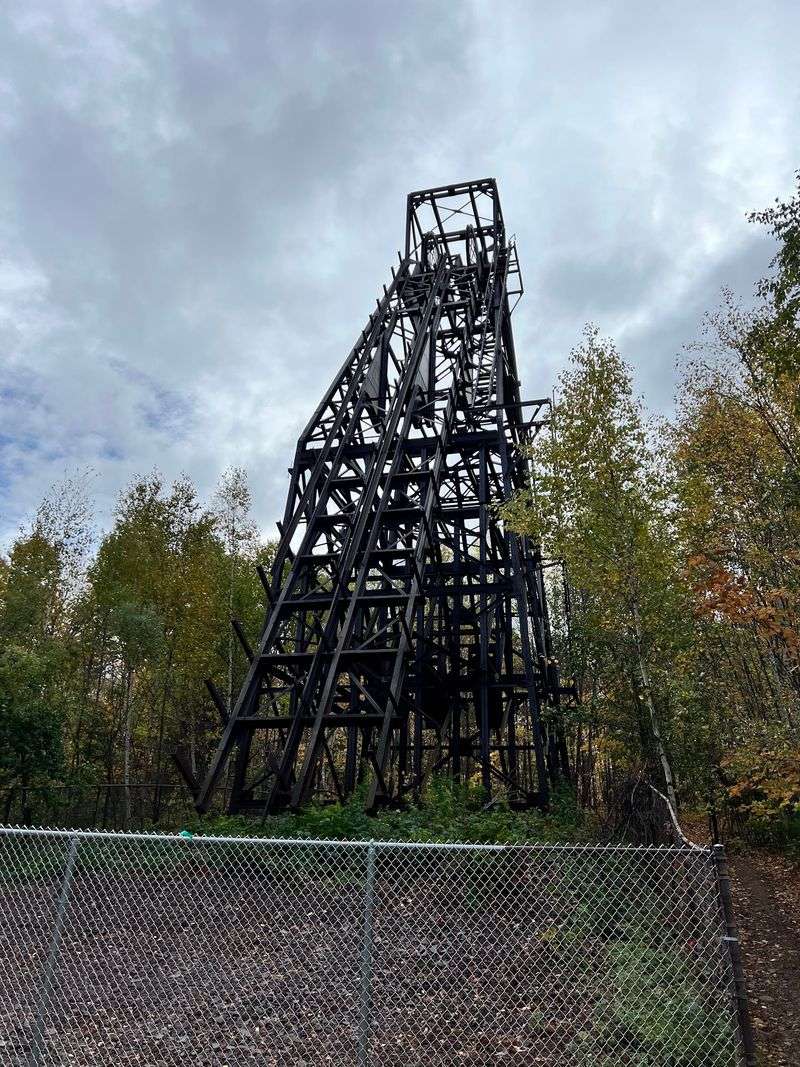
Today, a fence surrounds the base of the structure. That keeps everyone safe and protects the old steel. You still get a great close look from outside it.
The parking area is near the old mine site, putting you close to a shaft that once reached 2,367 feet underground. That’s a fun fact for any kid in the back seat.
Take a minute to think about the work that happened below. Signs nearby share details about the shaft. They help you understand just how far down the miners went.
The Iron Here Was Too Good To Need Fixing
Most ore needs cleaning before it becomes useful. Plumer Mine ore skipped that step completely. It was pure enough to ship straight to the steel mills. That ore came from the Penokee-Gogebic Iron Range. This range stretches across northern Wisconsin and into Michigan.
It helped feed America’s hunger for steel in the early 1900s.
Think about the things steel built back then. Railroads, bridges, and city buildings all needed it. Some of that strength may have started right here. The headframe connected workers to the ore deep below. Ore came up through the shaft and headed out into the wider world.
A small spot in Wisconsin played a part in big national growth.
Knowing this makes the visit feel bigger. You’re not just looking at a tower in the trees. You’re looking at a piece of the country’s building boom. Kids might enjoy guessing where the iron ended up. Maybe in a train track or a tall building far away.
It’s a fun way to connect old history with everyday life.
Head Up The Hill To Find The Mining Town Ruins
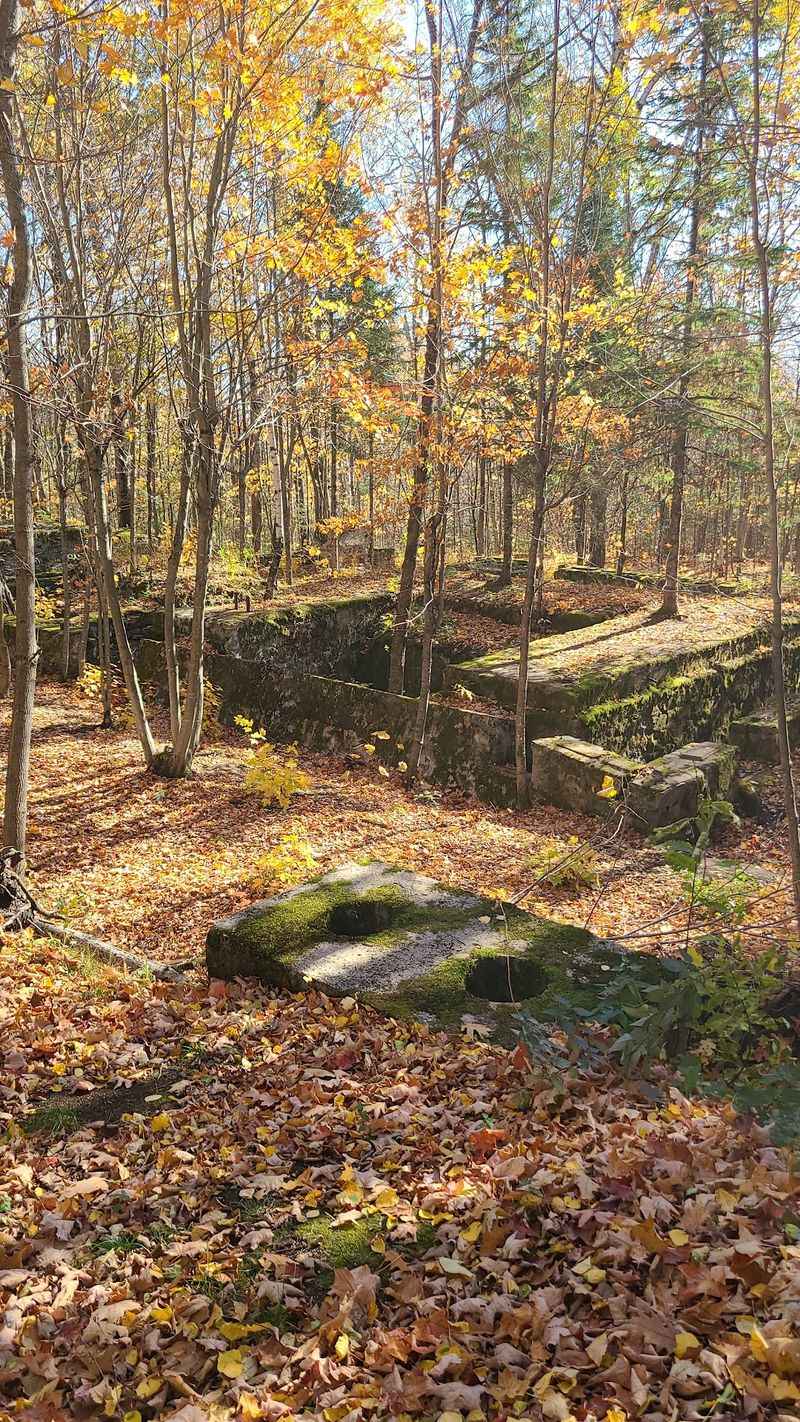
Behind the tower, the real treasure hunt begins. Short interpretive trails lead to ruins of the old mining buildings. These remains once made up the Plummer Mine Location.
The list of buildings is longer than you’d guess. There was a boiler house, a hoisting engine house, and an electric transformer house. A blacksmith shop and carpenter shop stood nearby too.
Machine shops kept equipment running. There was also a dryhouse where miners cleaned up after work. After a shift underground, that must have felt amazing. Today you can spot the remnants among the trees.
Signs help explain what each structure used to do. Without them, you might mistake a foundation for just a big rock.
Wear sturdy shoes for the walk. The trails are short, but the ground is natural and uneven. Long pants help too if things look leafy. Future plans include a fuller walking trail through the ruins. That should make exploring even easier.
For now, the existing paths still give you a solid peek into daily life at the mine.
Read The Signs And Turn Into An Instant Mining Expert
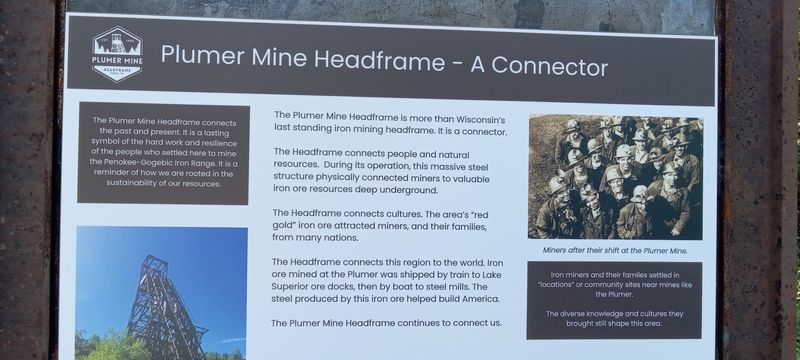
Good signs can turn a quick stop into a real lesson. The interpretive panels here do exactly that. They explain how the headframe worked and what happened at the mine.
You’ll learn about the cables, the shaft, and the buildings behind the tower. It’s written so regular folks can follow along. No mining degree required.
Families can make a game out of it. Have kids read one sign each and share a fact. Bonus points for anyone who remembers the shaft depth.
The site is known as the Plumer Mine Headframe Interpretive Park, with education and preservation at the heart of the project. It’s an outdoor classroom with a giant steel teacher. Give yourself time to actually read. Rushing past the panels means missing the best stories.
A slow pace pays off here. After reading, look back at the tower. Suddenly the beams and wheels make more sense. It’s like the structure starts explaining itself.
This works great for homeschool trips or curious grandparents too. Everyone walks away knowing something new about northern Wisconsin’s past.
Roll Up By Car, ATV, Sled, Or Bike
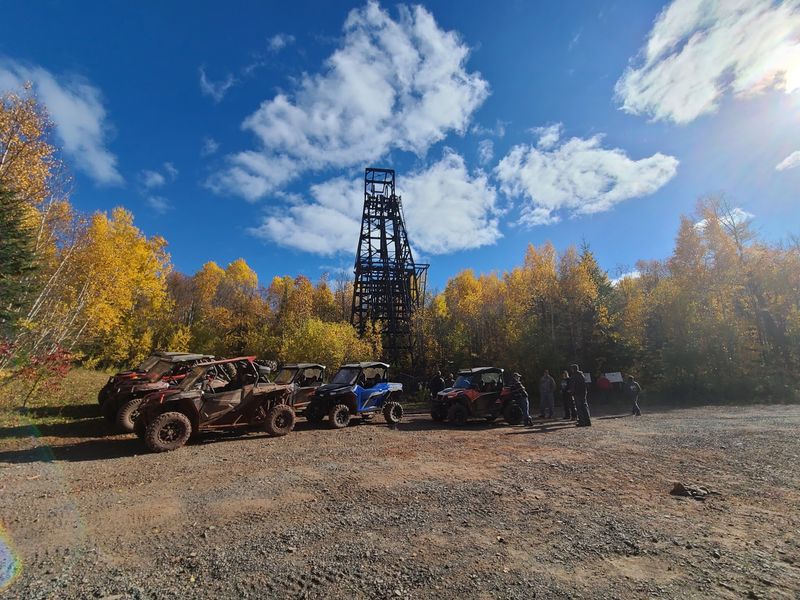
Few historic sites welcome snowmobiles. This one does. The Plumer Mine Headframe can be reached by car, ATV, UTV, snowmobile, foot, or bike. That makes it a natural stop for trail riders. Many folks use it as a break spot during a ride.
Stretch your legs, read some history, then hit the trail again. Drivers have it easy too. A short gravel road leads from the highway to the site. Most regular cars handle it fine. Hikers and bikers get a different kind of reward. Arriving slowly lets the tower appear through the trees.
That reveal is half the fun.
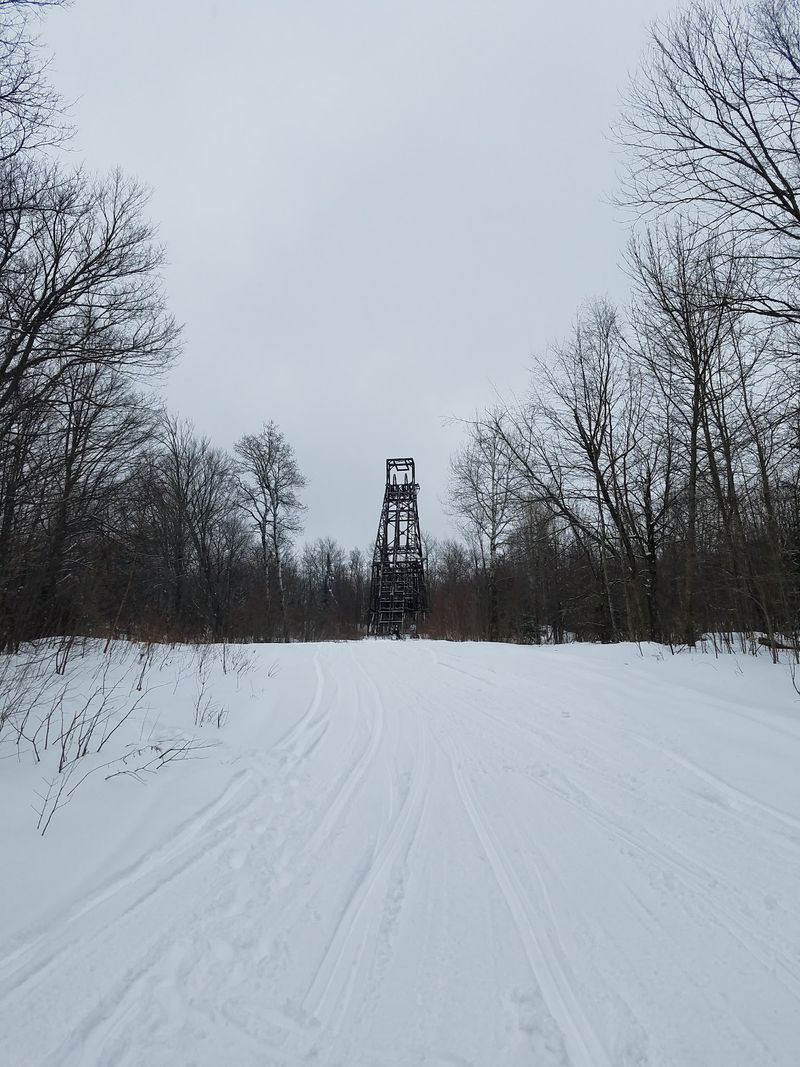
Winter brings its own charm here. A snowy landscape makes the dark steel stand out even more. Bundle up, because the North Woods don’t do mild. Whatever you ride, follow posted trail rules. Stay on approved routes and respect the old structures.
The site is open year-round, so any season works.
Planning a riding weekend in Iron County? Add this to your map. It’s an easy detour with a big payoff.
Free Entry, Year-Round Access, And One Important Rule
Good news for your wallet first. There’s no admission fee at the Plumer Mine Headframe. You can visit any time of year. The Town of Pence owns the headframe and mining location. That local care keeps the site open to everyone. It’s a community treasure shared with travelers.
Finding it is simple. The site sits off Highway 77 on Plumer Mine Road, about half a mile west of Pence. It falls within the Montreal, WI 54550 postal area. Now for the important rule. Dogs are not permitted at the site. Plan ahead so your furry friend has a comfy spot elsewhere.
There’s a parking lot right in front of the structure. That makes quick stops super easy. You can be reading signs within a minute of shutting off the engine. Bring water and snacks, since this is a natural, outdoor setting. Bug spray helps during warmer months.
Layers help pretty much always up north. Leave everything as you found it. These ruins have survived over a century. Let’s help them last a few more.
Thank The Friends Who Keep The Old Tower Standing
Old steel doesn’t take care of itself. Thankfully, this tower has fans. The Friends of the Plumer Mine Headframe formed in summer 2023 as a nonprofit. Their mission is restoration and preservation. They support work on the headframe and the surrounding mining location.
That includes the ruins hidden in the trees.
This isn’t the first rescue effort either. Preservation efforts were underway in the 1990s, helping secure the headframe’s future as a historic landmark. People have been fighting for this tower for decades.
In 1994, Iron County became a Wisconsin Heritage Area. The headframe then became a historic site on the Penokee Iron Range Heritage Trail. That linked it to the bigger story of the region.
Knowing all this makes a visit feel more meaningful. Someone cared enough to keep it standing. Your visit helps show that history still matters.
Want to support the effort? Look up the Friends group and see how to help. Donations and volunteer time can go a long way. Every bolt saved is a story saved. That’s a pretty great reason to cheer for a rusty old tower.
Turn A Quick Stop Into An Iron Range Road Trip
One tower can lead to a whole adventure. The Plumer Mine sits along the Penokee Iron Range Heritage Trail. That trail connects many mining history spots across Iron County. Pence, Montreal, and Hurley all share deep mining roots. Each town grew because of the iron below the ground.
Driving through them feels like flipping pages in a history book.
Ironwood, Michigan, is also close by. Many travelers pass the headframe on the way there. It’s an easy add to a trip across the state line. Fall is a lovely time to explore. The forests around the tower light up with color. The old steel looks extra striking against bright leaves.
Summer works great for hiking the short trails. Winter suits the snowmobile crowd perfectly. Spring brings fresh green to the ruins. Pack a map and leave room in your schedule. The North Woods reward slow travel. Plenty of small surprises wait off the main roads.
Start with the headframe, then keep exploring. Wisconsin’s iron story is bigger than one tower. But this tower is a mighty fine place to begin.