
This Massachusetts Village Recreates 1630 Colonial Life, With Open Gardens and Tools You Can Walk Right Up To
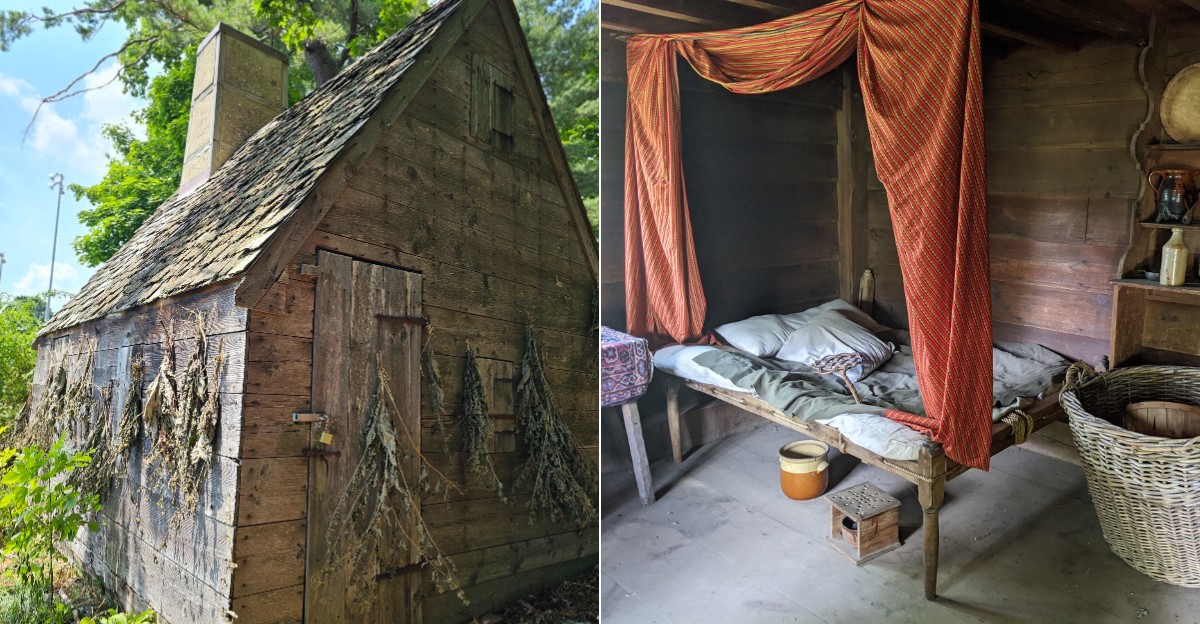
You’d swear the calendar had jumped back to the seventeenth century. Rough wooden homes line dirt paths, gardens fill the spaces between fences, and every detail makes modern Massachusetts feel very far away.
Could you spend an afternoon living like a colonist? Here, visitors can wander through historic buildings, see working gardens, and learn how early settlers handled everyday life without the conveniences of today.
The experience is hands-on in a way that makes history easier to picture. You are not simply reading about the past from behind glass.
You are walking through it, with costumed interpreters helping bring the story into focus.
Movie fans may recognize one of the houses from a famous Halloween film. History lovers get an even better reason to linger, with plenty of details showing just how demanding colonial life could be.
Give yourself time to explore. The past is waiting, and it is surprisingly easy to get lost in it.
America’s First Living History Museum
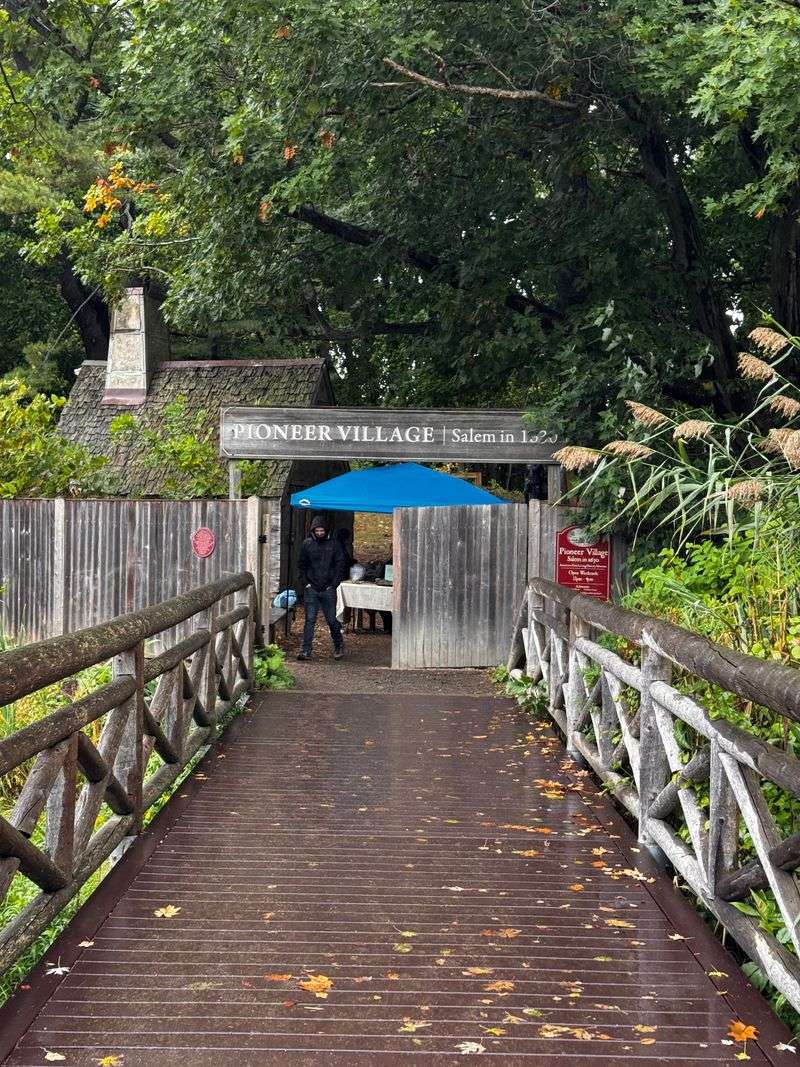
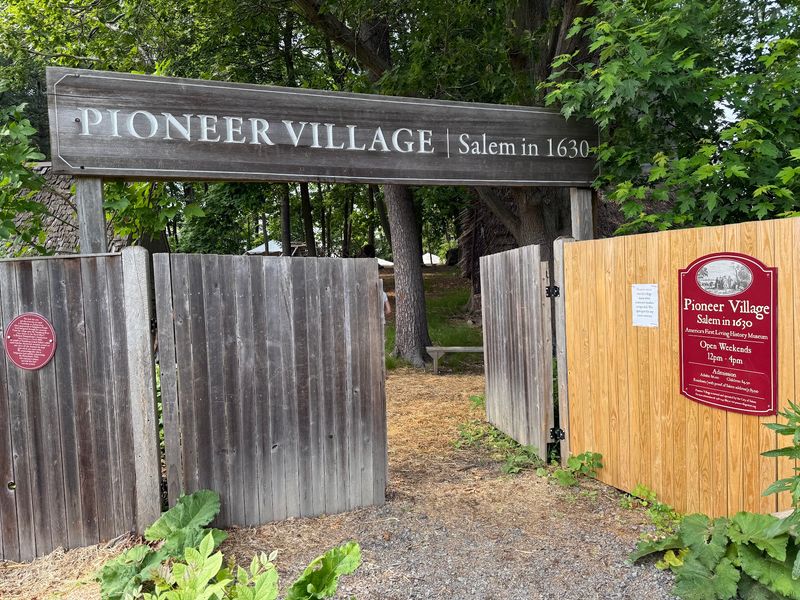
Salem Pioneer Village opened its gates back in 1930, created to mark the Massachusetts Tercentenary. That makes it the first living history museum in the entire country, which is a serious claim to fame for a three-acre site.
The idea was simple and bold. Instead of putting artifacts behind glass, builders recreated an entire 1630 settlement outdoors, complete with cottages, gardens, and working spaces.
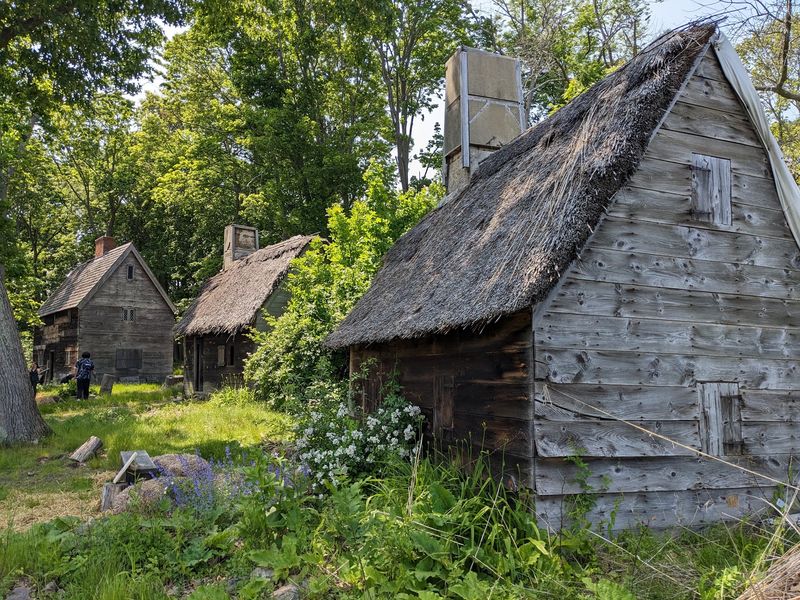
Walking the paths, you pass thatched-roof homes, rough wooden fences, and shelters that look almost impossibly small. Everything sits close together, just as it would have in a real coastal colony where safety and practicality mattered more than privacy.
One visitor noted that seeing how tightly packed the houses were finally explained why neighbors knew everything about each other. That kind of realization hits harder outdoors than in any classroom.
The scale surprises people. Most guests cover the whole village in twenty to thirty minutes, though history fans often linger much longer reading the detailed signs.
Would you rather read about colonial life or actually stand inside a 17th-century style cottage? Here you get the second option, and it sticks with you.
For a spot in Massachusetts that predates almost every other living history attraction in America, this village remains refreshingly low-key. No flashing screens, no gift shop overload.
Just wood, thatch, soil, and stories waiting patiently for curious travelers.
Self-Guided Paths Bring 1630 Alive
History feels different when you can walk right up to a garden bed and read exactly what grew there and why, with nothing but soil and signage between you and 1630.
Posted signage covers traditional crafts and farming methods, answering the questions everyone secretly wonders about. How did families cook?
Where did they wash? What happened when someone got sick?
Guests often mention how thorough the signage is throughout the grounds, with real detail instead of a vague plaque summary.
One set of signs focuses on herbs and plants used as medicine, which tends to be a visitor favorite. What would you ask someone living in 1630 if you had five minutes?
Kids especially respond to this format. Watching hands work wood, fiber, or soil holds attention far better than a plaque ever could.
Across Massachusetts you will find plenty of historic homes, but few let you wander this freely through them. The open buildings and detailed signage turn a quiet collection of structures into a village you can actually explore.
Gardens Packed With Purpose
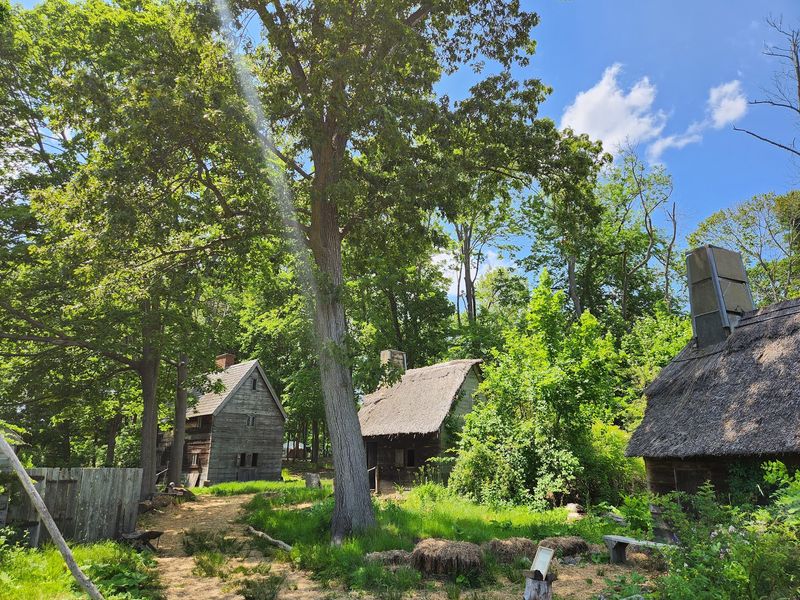
Every plant in these gardens earns its place. Nothing grows here just to look pretty, which is exactly how a 1630 household would have thought about it.
Culinary herbs sit beside medicinal plants, the two categories often overlapping. Flavor mattered, but survival mattered more.
More than 2,000 plants were introduced to recreate the natural environment of the 1600s as accurately as possible. That level of detail turns a garden into a historical document you can smell.
Rub a leaf between your fingers and the scent lingers. Sage, thyme, and other familiar herbs suddenly feel connected to something much older than your kitchen cabinet.
Could you feed and heal a family using only what grows in one small plot? Colonists had no other choice, and the results were often the difference between a hard winter and a fatal one.
Signage posted at the beds explains planting seasons, soil challenges, and which plants served double duty as food and remedy. The gardens shift through the season, so a June visit looks nothing like a September one.
Returning guests notice the change immediately.
Massachusetts weather shapes these beds the same way it shaped colonial harvests centuries ago. Watching the plants respond to sun, rain, and coastal wind gives visitors a quiet lesson in patience and practical skill.
Dugouts, Wigwams And Thatched Cottages
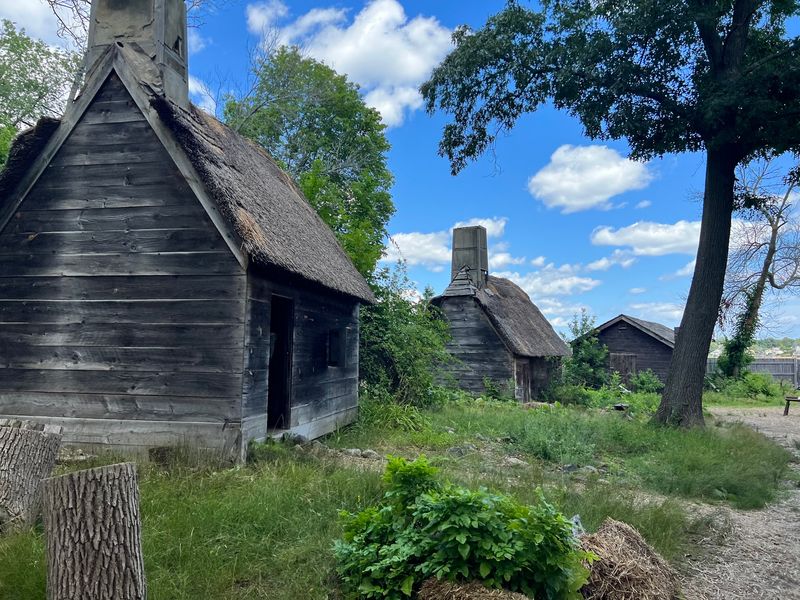
Three very different types of shelter sit within a short walk of each other, and the contrast tells a powerful story.
Dugouts came first. Dug partly into the earth and covered with branches and sod, they were emergency housing for settlers who arrived with almost nothing.
Wigwams reflect Indigenous building knowledge, using bent saplings and covering materials suited to the local climate. Practical, portable, and far smarter than newcomers first understood.
Thatched-roof cottages represent the next step up, with timber frames and steep roofs designed to shed rain and snow.
Most buildings are open, so you can step inside, look around, and read signage explaining daily routines. Ceilings are low.
Floors are simple. Light comes through small openings.
Which shelter would you pick for your first winter in a strange new land?
Standing inside a dugout for even thirty seconds makes the answer complicated. It is dark, cramped, and undeniably real.
Photographers love this section. Morning light on thatch creates the kind of shot that looks centuries old.
There are roughly five to six main structures, so the village reads as compact rather than sprawling. Families with restless kids often appreciate that.
Massachusetts history rarely gets this hands-on, and the architecture alone justifies the modest ticket price for anyone curious about early colonial survival.
Blacksmith Shop And Colonial Trades
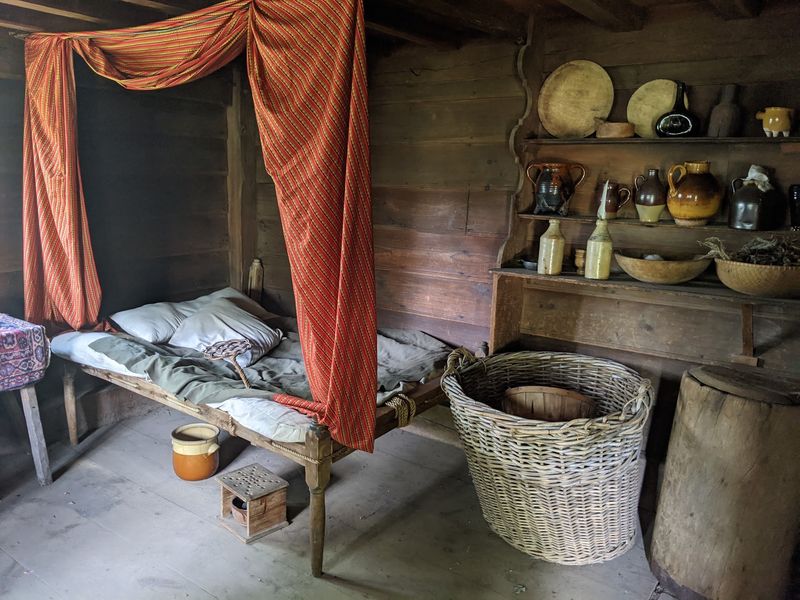
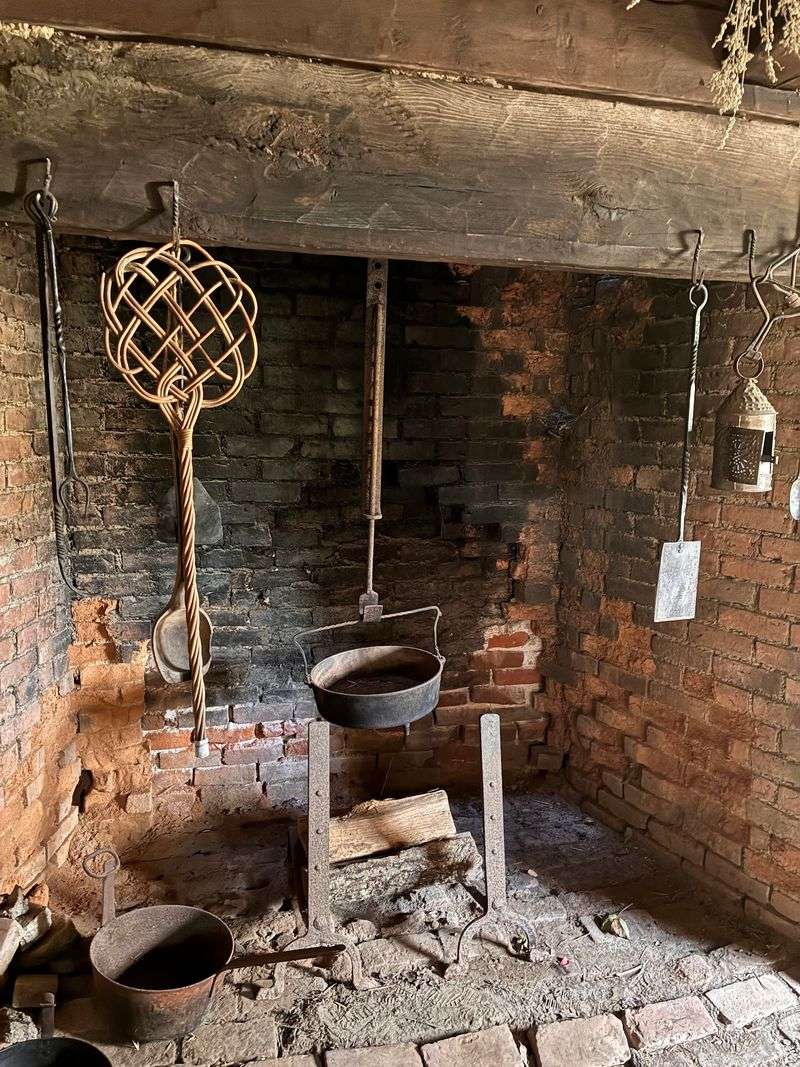
Nails, hinges, kettles, blades. Almost everything metal in a colonial settlement came from one smoky workspace with an anvil at its heart.
The reconstructed blacksmith shop shows where those essential tools took shape. Iron was expensive and precious, so broken items were repaired rather than replaced.
Other trade areas represent the work a self-sufficient community needed to stay alive. Woodworking, fiber work, and food preparation all had dedicated spaces and skilled hands.
Seeing the tools laid out makes one thing obvious fast. Nothing arrived ready-made, and every object had a story of labor behind it.
How resourceful would you be if your entire toolkit had to be built by hand, from scratch, before winter?
Special event days sometimes bring live craft demonstrations, which turn abstract history into something you can watch and understand in minutes, though on a typical visit, the tools and signage tell the story on their own.
The workshops also explain the village layout. Homes, gardens, and work areas sit close together because time and daylight were limited resources.
Kids tend to gravitate here. Tools, sparks, and the idea of making things by hand are universally interesting.
Among historic attractions in Massachusetts, this corner of the village stands out for showing labor rather than luxury. It honors the ordinary people who hammered, carved, and stitched a settlement into existence on a rocky coastline far from home.
The Governor’s Faire House
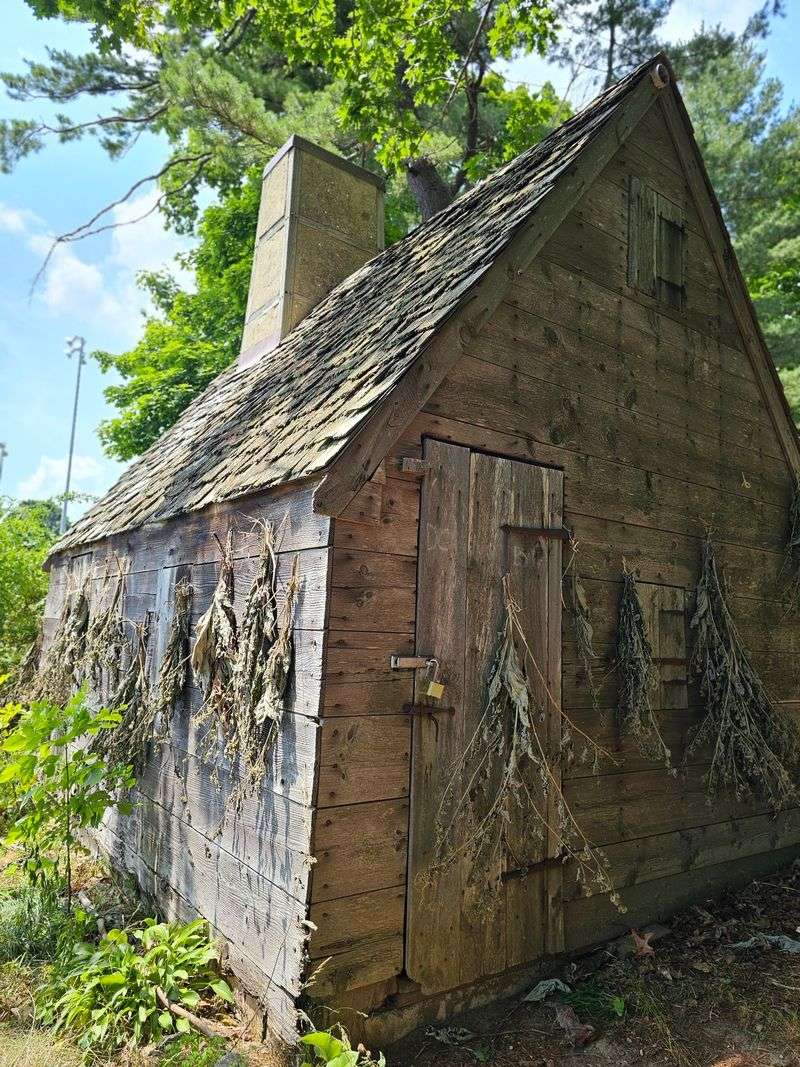
One building stands taller than the rest, and that is no accident. The Governor’s Faire House recreates what Governor John Endecott’s home may have looked like after his arrival in 1628.
Compared to the dugouts nearby, it feels almost grand. More space, more timber, more presence.
Status showed itself in square footage even in 1630. Leadership came with a bigger roof and room to host meetings.
Imagine the conversations held inside those walls. Decisions about food supplies, land, law, and survival shaped the future of the entire colony.
Doesn’t it make you curious what kept early leaders awake at night?
The structure serves as a centerpiece for the village and a useful reference point while wandering the paths.
Signage helps explain the building’s purpose and the role Endecott played in the early settlement. History buffs will linger; casual visitors still enjoy the impressive silhouette.
It also photographs beautifully, especially with the steep roofline catching afternoon light.
Massachusetts owes a lot of its early story to figures who governed small, fragile communities with limited resources and enormous stakes.
Standing outside this house, that responsibility feels less like a textbook chapter and more like something heavy and human. A quick walk around it adds real context to everything else you see in the village.
Hocus Pocus Fans, Look Closely
Movie fans arrive with a specific mission. One house in the village served as Thackery Binx’s home in the Halloween favorite Hocus Pocus.
The site even marks the house so visitors can spot it without guessing. No treasure hunt required.
Standing in front of it produces a strange double feeling. Real colonial architecture on one hand, beloved film nostalgia on the other.
Plenty of travelers come for the movie connection and leave genuinely interested in the actual history. That is a fair trade.
Would you recognize the spot without the sign, or does the movie memory need a little help?
Photo opportunities here are excellent, especially in autumn when the surrounding trees turn.
Fans often pair this stop with other filming locations around town, making a fun self-guided route through the area.
The village has also hosted special evening events during October, which draw big crowds and a very different atmosphere than a quiet weekend afternoon.
Worth knowing: daytime visits tend to feel calmer and more historical, while October nights lean festive and busy.
Massachusetts in fall is already magical, and combining film history with colonial history makes for a memorable detour. Just remember the village is genuinely old-fashioned in style, so keep expectations set on rustic charm rather than polished theme-park sets.
Plan Smart Before You Go
A little planning turns this visit from frustrating to fantastic. The village runs seasonally, generally from late spring through fall, with limited open hours.
Schedules shift, and weather plays a huge role since almost everything is outdoors. Heavy rain or flooding can close the site with little warning.
Always check the official website before driving over. Several travelers have arrived to find locked gates during summer camp programs or storms.
Admission runs around five dollars per person, with tickets available at the gate or online. Bring cash just in case.
The village sits inside Forest River Park, which means free bathrooms, a big parking lot, a small beach, and picnic spots with water views nearby.
Walking from downtown takes roughly thirty minutes, or you can drive or hop a bus.
Expect a compact experience. Twenty to thirty minutes covers the grounds comfortably, longer if you read every sign or catch a demonstration.
Paths can get muddy, so skip the fancy shoes.
Ready to pair history with a seaside picnic in Massachusetts?
Find the village at 98 West Avenue in Salem, Massachusetts, and plan to combine it with park time for a full, relaxed afternoon. Small site, big imagination, and an easy win for curious travelers of any age.