
This Massive Hudson Valley, New York State Park Hides The Forgotten Ruins Of A Grand Mansion
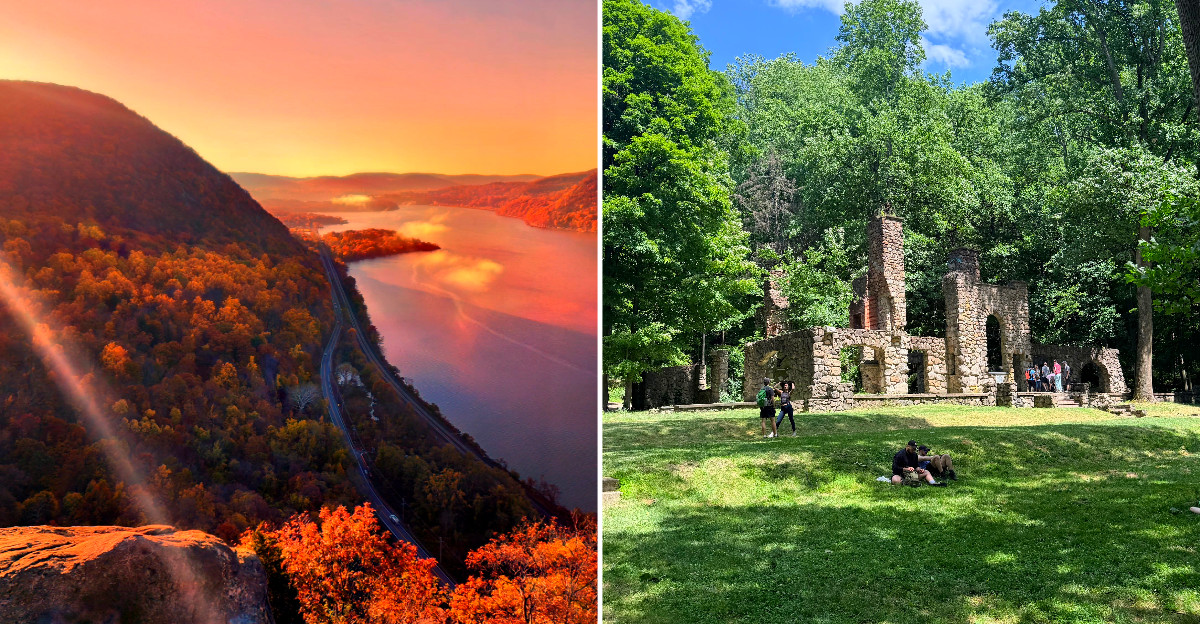
A diamond merchant built a mountain mansion with its own swimming pool, and today the forest has swallowed most of it. Stone walls still stand. Stacked fireplaces still climb toward open sky.
The second owners, Edward and Selina Cornish, called the estate Northgate, although it remains unclear whether they originated the name.
Later, the owner offered the whole property to New York State. Officials turned him down because the land seemed too rugged for a park.
That decision aged poorly. The mountains they rejected now hold some of the most loved trails in the region. I appreciate the irony of that more than I probably should.
A fire gutted the mansion decades ago, but the bones stayed behind. Arched windows frame trees instead of rooms. Time to find out how a grand estate ends up as a hiking destination.
An 8,000-Acre Backyard With A Mansion Mystery Inside
Few state parks pack this much drama into one map. Hudson Highlands State Park Preserve covers more than 8,000 acres of the Hudson Valley.
Most of that land stays wild and undeveloped. Think rocky peaks, thick forest, and long stretches of riverfront rather than paved plazas.
Hudson Highlands State Park Preserve stretches across several parcels along the Hudson River, from Peekskill to Beacon, including the area near the village of Cold Spring. Its mountains rise right beside the Hudson River, which is why the scenery feels so big.
Tucked inside all that green is the real star of this story. The Cornish Estate ruins sit in the woods, waiting for curious hikers to find them.
That mix of nature and history is what makes the preserve so fun. One trail might deliver a river view, and another might deliver an old stone wall.
Plenty of trails here are serious workouts with steep, rocky climbs. Others feel easier and work well for a relaxed afternoon outing.
Picking the right route matters a lot. I’d start with the estate ruins if this is your first visit, then decide how adventurous to get next.
Stone Walls And Stacked Fireplaces Still Refuse To Quit
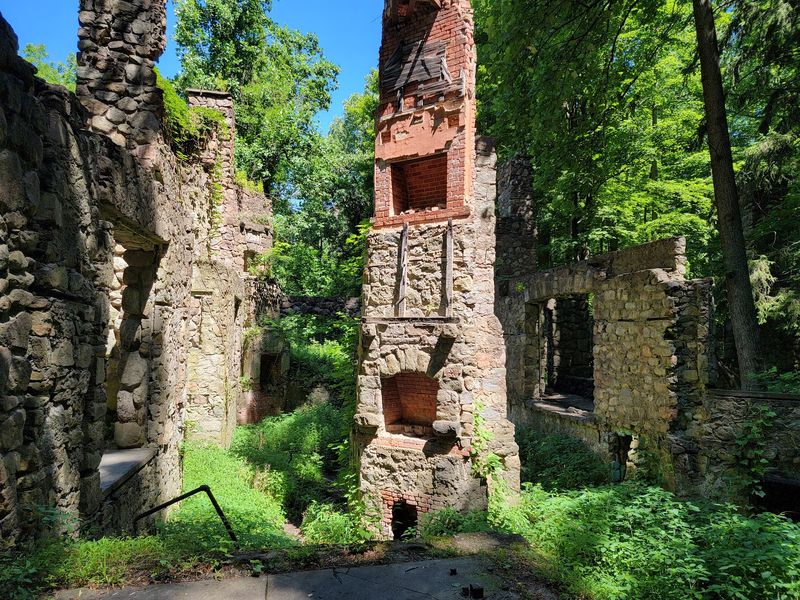
Fireplaces stacked on top of each other, with no floors left between them. That’s one of the strangest sights at the Cornish Estate ruins.
The mansion once held several levels of fancy rooms. Now the old chimneys show exactly where each floor used to be.
Dramatic stone walls still outline the shape of the house. Arched windows open onto trees and sky instead of hallways.
Nature has clearly moved in. Vines and plants creep across the stonework, giving the whole scene a storybook feel.
The remains of the swimming pool are here too. It’s wild to think a mountain home had its own pool more than a century ago.
Informational signs are posted around the old grounds. They explain what you’re seeing, so the ruins feel less like random rocks and more like a puzzle.
Bring a camera and some patience. The arches and walls make great frames for photos.
Please treat the stonework gently, though. These walls have survived a lot, and they deserve a little respect from every visitor.
A Diamond Merchant Started It, And A Devoted Couple Named It
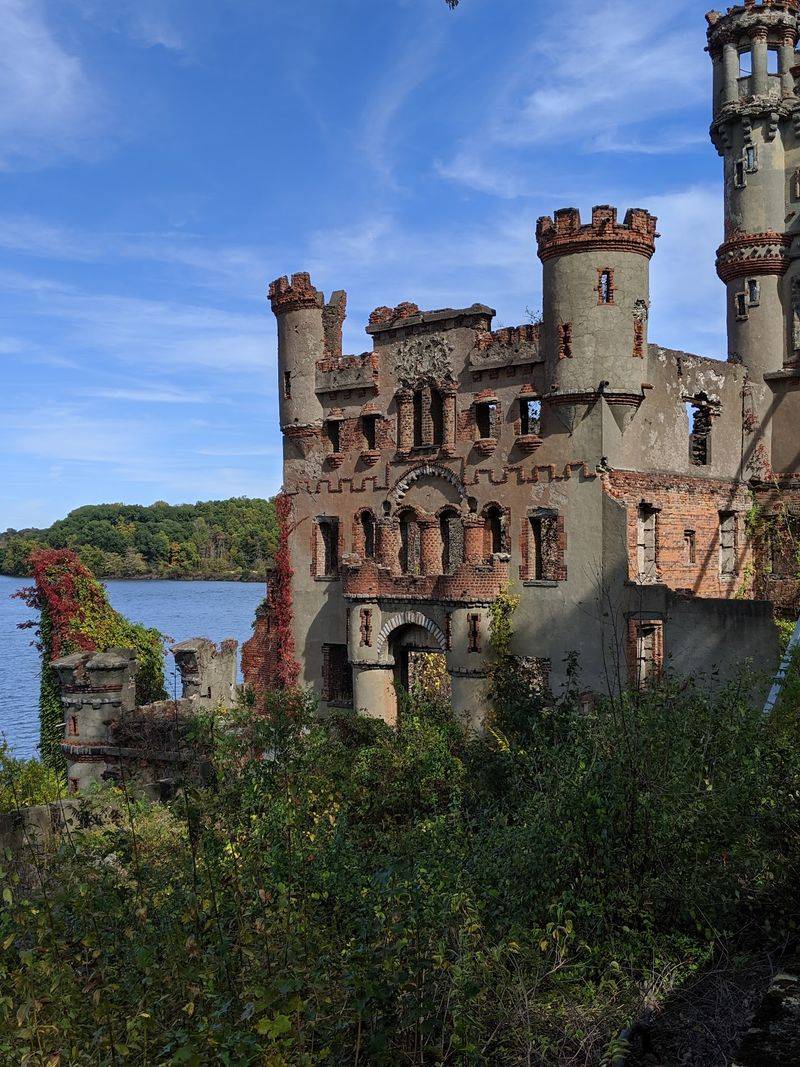
Sigmund Stern, a New York City diamond merchant, built the estate in the early 1910s. He went big with a mansion, a garage, a swimming pool, and extensive gardens.
Around 1916 or 1917, Edward and Selina Cornish bought the property. The property was known as Northgate during their ownership, although the name’s original source remains uncertain.
Edward Cornish served as president of the National Lead Company. That was a major business at the time, so Northgate fit right in with the Gilded Age crowd.
The couple lived there for roughly two decades. Their story has a tender ending, since they passed within two weeks of each other in May 1938.
Here’s my favorite twist. Edward Cornish wanted to donate the land to New York State during the 1930s.
State park commissioners said no thanks. They decided the mountain terrain was not a good fit for a public park.
Hindsight is funny. Today those same slopes draw hikers from all over the region.
Knowing the backstory before you go makes the walk richer. Every wall suddenly belongs to real people with real plans.
Fire, A Power Plant Plan, And A Happy Ending For Hikers
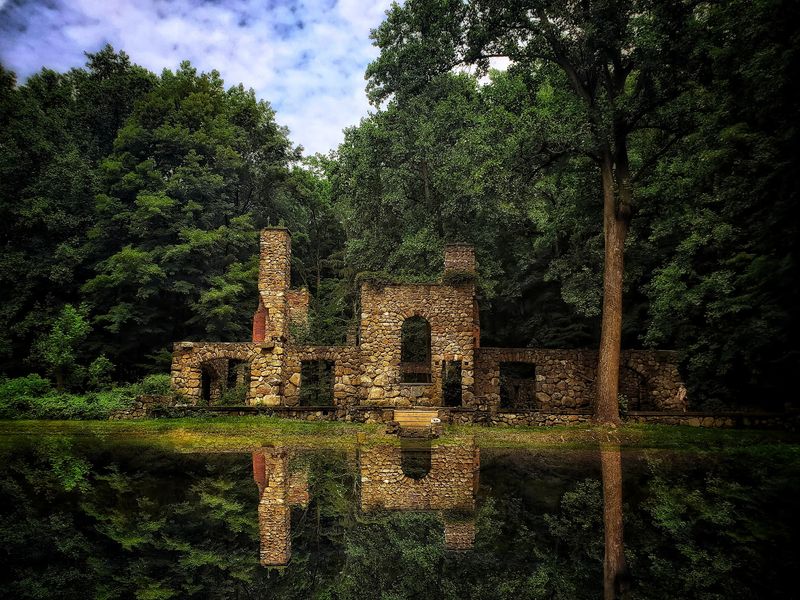
A blaze changed everything in the 1950s. Fire largely destroyed the mansion, with sources pointing to either 1956 or 1958.
After that, the house was left as a shell. The forest slowly started reclaiming the stone.
Then came a plot twist. Central Hudson Gas and Electric planned to build a power plant on the site.
That plan was eventually dropped. In the late 1960s, the property became part of Hudson Highlands State Park.
So the land finally ended up exactly where Edward Cornish once wanted it. It just took the state a few extra decades to agree.
Walking through the grounds today, you can trace that whole history. Grand building, quiet decline, near-industrial future, and finally public trails.
I think that path is part of the charm. These ruins aren’t polished like a museum display.
They feel honest and a bit mysterious instead. You get to fill in the gaps with your own imagination.
That’s a pretty good deal for the price of a hike.
Garages, Greenhouses, And Barns Hide Along The Way
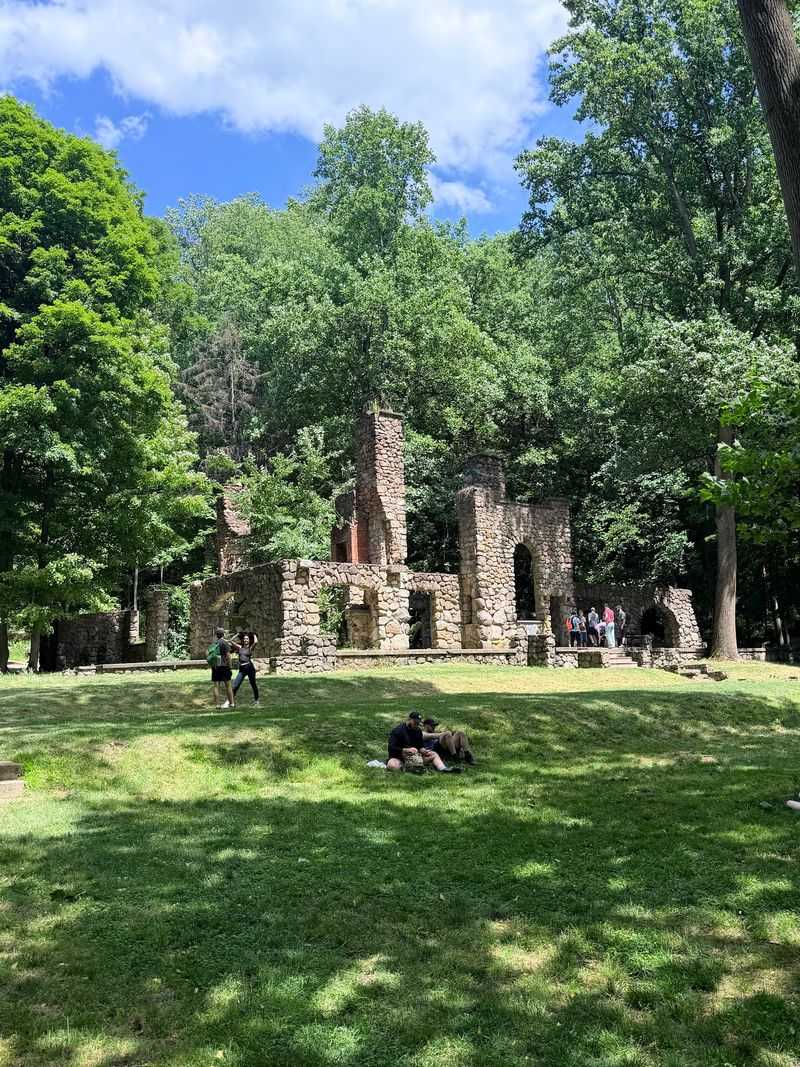
The mansion gets the spotlight, but it isn’t the only survivor. The former estate stretches across about 650 acres.
Scattered across those grounds are remains of a garage, a greenhouse, a pump house, and barns. Each one hints at how much work it took to run a mountain estate.
Think about it for a second. A greenhouse means somebody grew plants year-round up here.
A pump house means water had to be moved around the property. And barns suggest this was more than just a fancy weekend house.
Spotting these structures feels a bit like a scavenger hunt. Keep your eyes moving as you walk instead of rushing toward the main ruins.
Kids especially might enjoy guessing what each building used to be. The posted signs help answer those questions.
Give yourself extra time for this part. It’s easy to underestimate how much there is to see.
A slow pace pays off here. The side buildings tell the everyday story that the grand walls alone can’t share.
Your Route To The Ruins Starts At The Washburn Trailhead
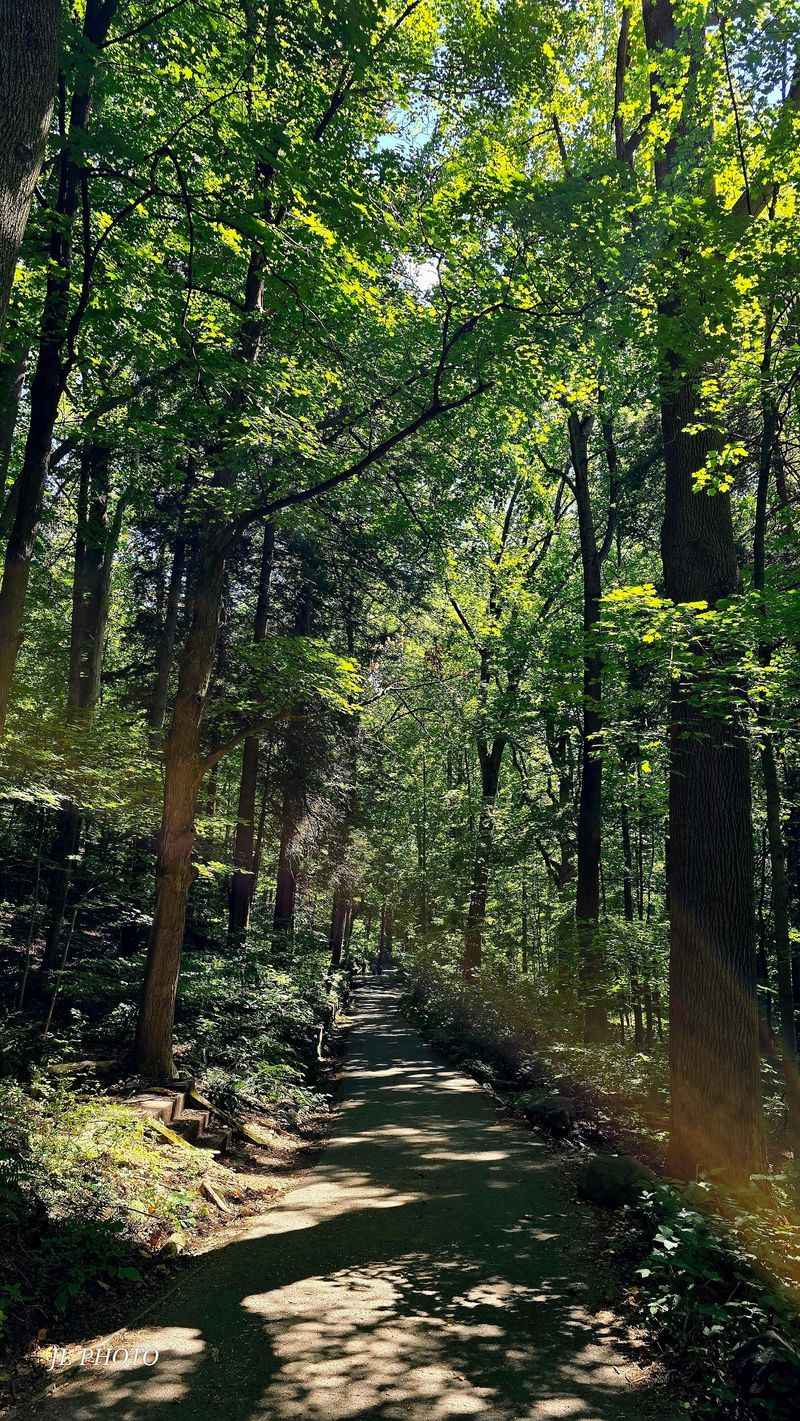
Good news for casual hikers. The trail to the Cornish Estate ruins is rated easy to moderate.
The main starting point is the Washburn Trailhead. Hudson Highlands State Park Preserve is listed at 3011 Route 9D, Cold Spring, NY 10516.
Parking is available at the trailhead. Portable toilets are there too, so plan any fancier bathroom needs ahead.
The park is open daily, and hours can shift with the seasons. Check before you head out so sunset doesn’t sneak up on you.
Getting there without a car is also possible. Cold Spring has a train station nearby, which makes this a handy day trip from New York City.
Wear comfortable shoes with decent grip. Even easier paths in the Highlands can get rocky or uneven.
Pack water and a snack as well. A little fuel makes exploring old walls much more pleasant.
Tick warnings are common in this area, so long socks and a quick check afterward are smart moves. Your future self will thank you.
Storm King Mountain Shows Off From Certain Overlooks
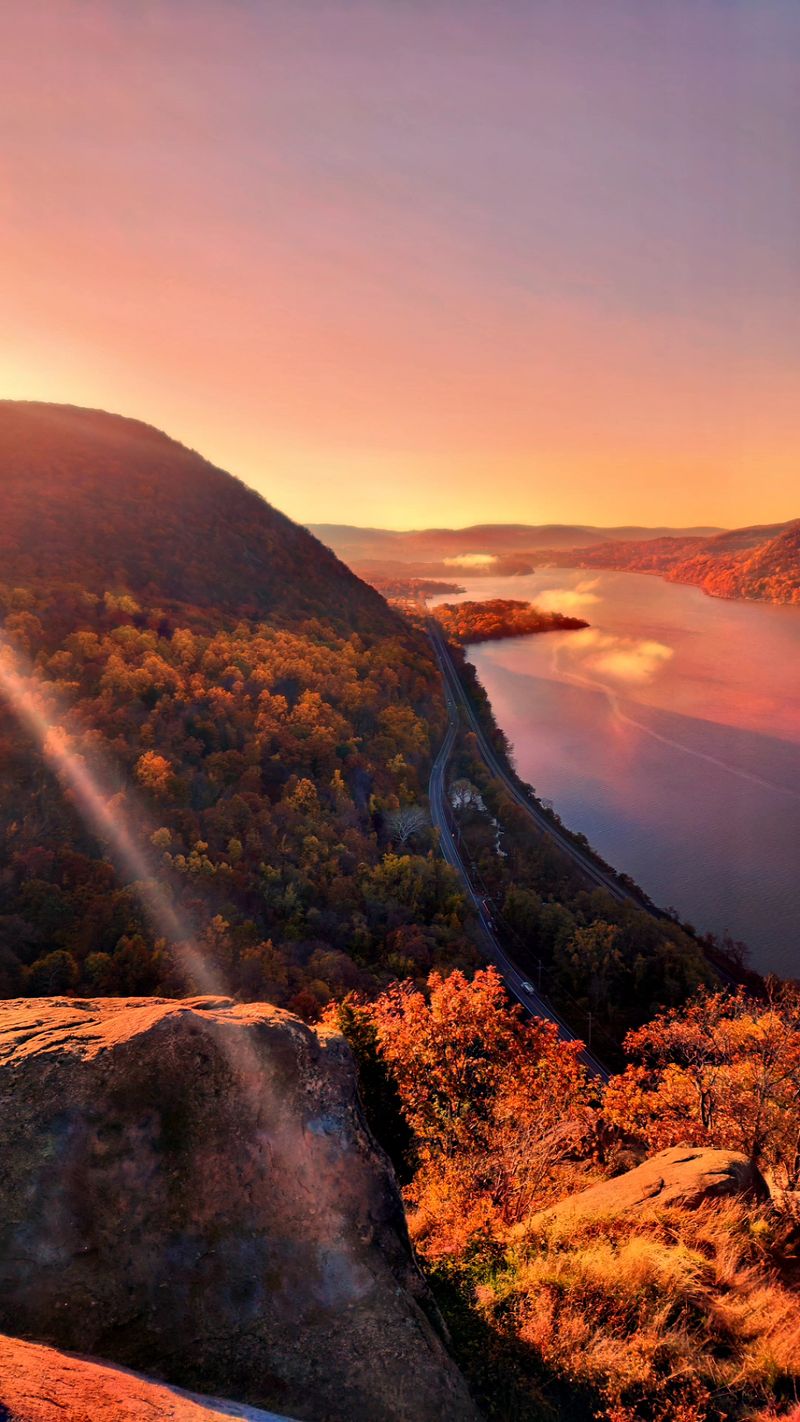
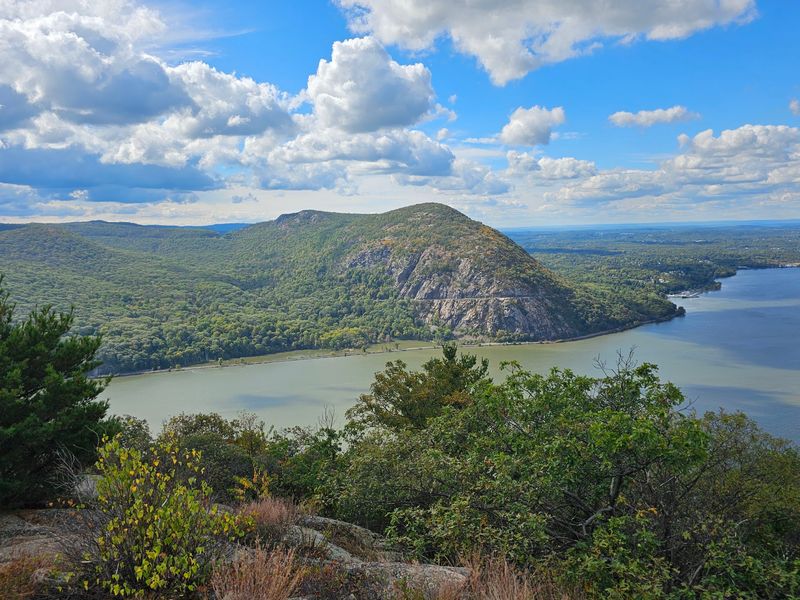
Ruins are cool, but the scenery steals attention too. From certain spots along the trails, you can see Storm King Mountain and the Hudson River.
Storm King rises across the water like a giant green wall. Paired with the river below, it makes a classic Hudson Valley view.
The Highlands are where the river squeezes between steep mountains. That’s why the landscape feels so dramatic compared with flatter stretches.
Fall is an especially popular time to visit. Changing leaves add a lot of color to an already striking scene.
Photographers, take note. Pairing a ruin shot with a river view on the same outing is a pretty great combo.
Views do depend on the route you choose. Some trails stay more wooded, while others open up to wide overlooks.
A park map helps you plan. Pick a path that matches both your energy and your hunger for scenery.
And don’t forget to look up from your phone now and then. The real show is all around you.
Breakneck Ridge Is Taking A Break For Now
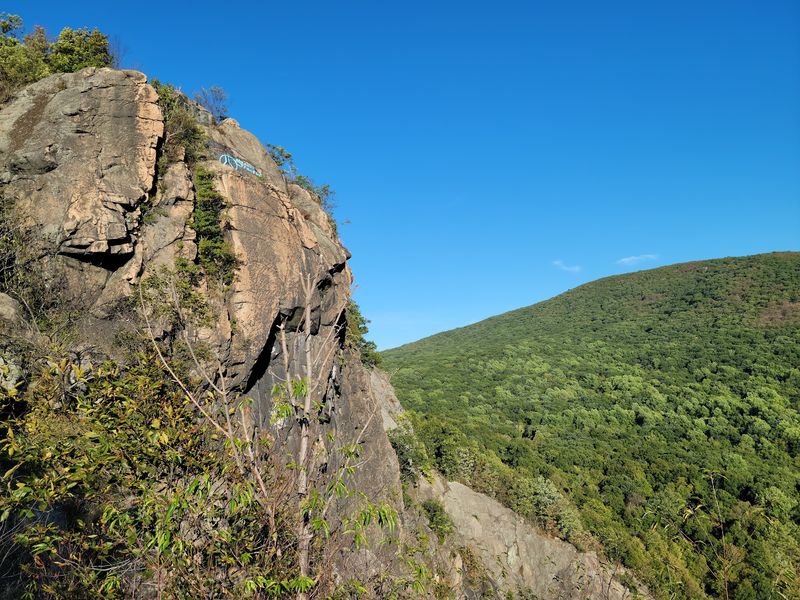
Thrill seekers might feel a little let down here. The Breakneck Ridge trailhead and lower section of the trail closed on April 21, 2025, for the Breakneck Connector and Bridge project, while some upper trail sections remain accessible from other routes.
The closure is expected to last about two years. That’s a long time for one of the best-known paths in New York.
Breakneck is known for steep rock scrambling and challenging climbs.
Don’t let the closure cancel your plans, though. The preserve has plenty of other trails worth your time.
Bull Hill, also called Mount Taurus, is a popular challenge. Its loops connect with the Washburn and Cornish trails, so you can link a climb with the ruins.
The Undercliff Trail is another option on that network. It offers river views without heading all the way to the summit.
Check the park’s latest trail notices before you go. Closures and conditions can change.
Think of it as a reason to explore something new. Breakneck will return, and you’ll have a few other favorites by then.
Fishing, Boating, And Birding Round Out The Day
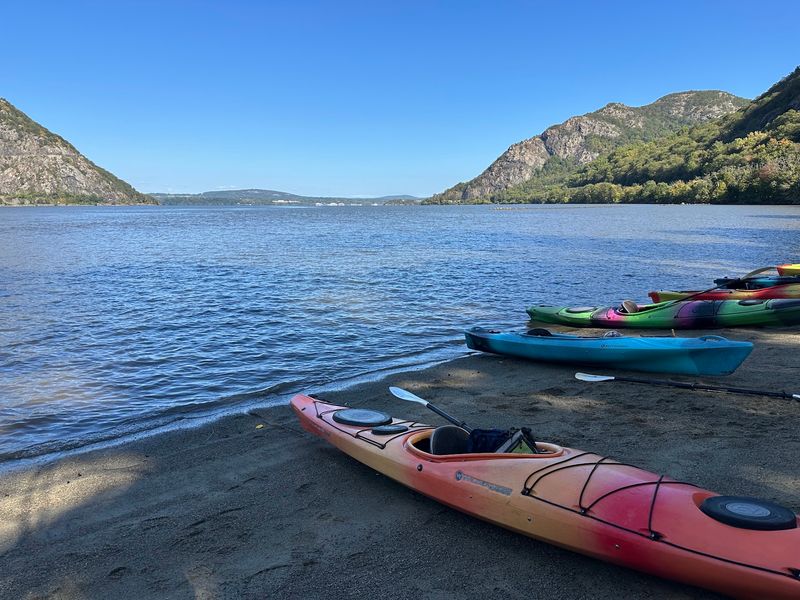
Hiking boots aren’t the only gear that belongs here. The preserve also offers fishing, boating, and birding.
With the Hudson River right alongside the park, water activities feel like a natural fit. A quiet morning by the shore could be a nice break from climbing.
Birders get a real treat too. Forest, cliffs, and river all sit close together, giving a variety of habitats in one place.
Pack binoculars if you have them. Even a short stop at an overlook can turn into a fun spotting session.
Wildlife deserves space and respect. Keep food packed away and carry out everything you bring in.
Hudson Highlands State Park Preserve works well for mixing activities. Explore the ruins in the morning, then spend the afternoon near the water.
Cold Spring sits close by for a post-hike meal. That makes it easy to turn a quick outing into a full day in New York’s Hudson Valley.