
This Massive Nevada Wildlife Refuge Hides A Restricted Area That Visitors Are Legally Forbidden From Entering
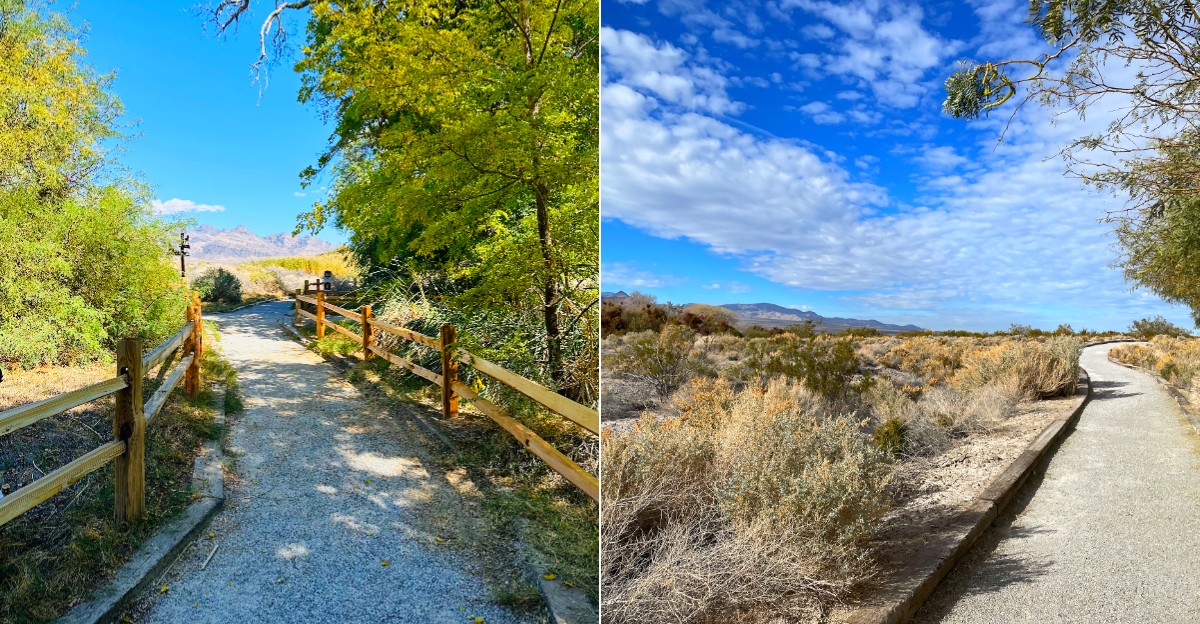
More than half of this wildlife refuge is completely off-limits to visitors. Even wildlife staff face strict access restrictions, with visits requiring special coordination with the military. That’s quite a surprise for a place dedicated to protecting animals.
The reason is even more unusual. The western section also serves as a military training range, where pilots conduct specialized flight exercises. Past military activities have left potential safety hazards across the landscape, making public access unsafe.
I find that combination fascinating. Bighorn sheep and fighter jets share the same vast stretch of southern Nevada, yet wildlife conservation remains a major part of the story.
Fortunately, the accessible portion has plenty to offer. Mountain trails, natural springs, rugged desert scenery, and quiet campsites beneath star-filled skies give visitors plenty of reasons to explore.
The contrast is what makes this refuge so remarkable. One section remains largely untouched by visitors, while the other offers a rare chance to experience Nevada’s wild side.
Half A Refuge Sits Behind A Legal Line You Cannot Cross
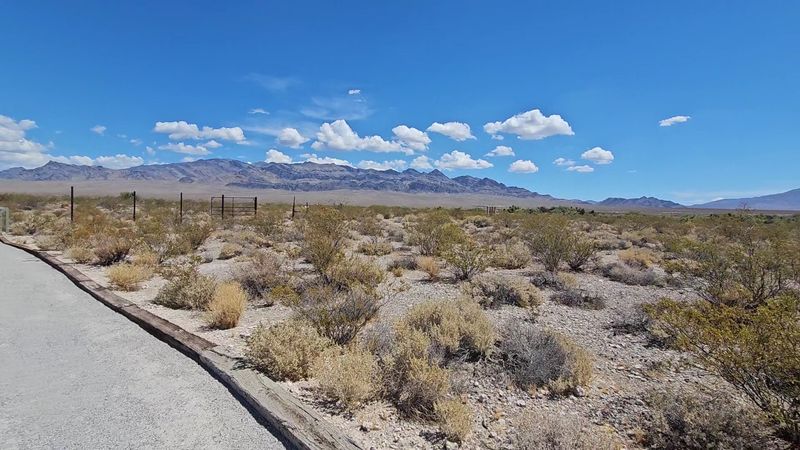
Roughly 850,000 acres of the Desert National Wildlife Refuge are closed to the public. That’s more than half of the whole place, and federal law backs up the closure.
The restriction covers the western portion of the refuge. It overlaps with the Nevada Test and Training Range, which supports Nellis Air Force Base.
Think about the scale for a second. You could fit entire cities inside the zone you’re not allowed to enter. The rule isn’t about keeping secrets for fun. It’s about safety, since military training takes place there and potential hazards remain across the landscape.
Even U.S. Fish and Wildlife Service staff have very limited access. Access is tightly controlled and generally requires advance coordination with military authorities.
So the refuge has two personalities. The eastern side welcomes hikers, campers, and wildlife watchers, while the western side stays sealed off.
That split makes the visitable side feel even more special. You’re exploring the open half of one of the most unusual protected landscapes in Nevada.
Respect the boundaries and stick to designated roads. The restricted area is strictly off-limits, so keep your adventures within the public access boundaries.
Fighter Jets Moved In Back In The 1940s And Never Left
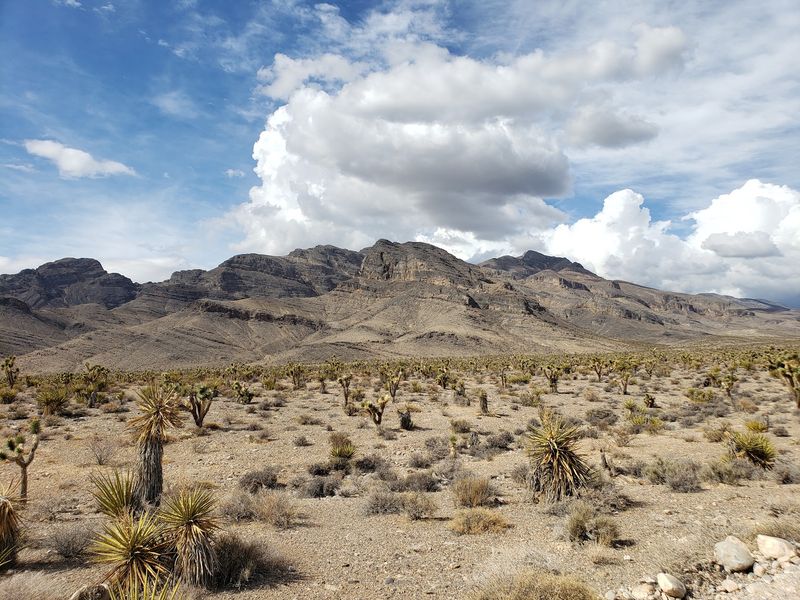
The refuge came first, which surprises a lot of people. It was created in 1936, and military use of its western lands began in the 1940s.
That’s when the U.S. military began using parts of the refuge for aerial training exercises. Today that area belongs to the Nevada Test and Training Range.
Pilots use the area for specialized military flight training and exercises. It’s serious work, and it shapes how the whole refuge is managed. Decades of military activity have created lasting safety concerns. That’s one major reason public entry is strictly prohibited.
Here’s what I find fascinating. The same land still counts as wildlife refuge, so it serves conservation and national defense at once. Picturing a bighorn sheep calmly ignoring a jet overhead is pretty great. Nature has dealt with stranger neighbors, but not many.
If you visit the open side, you may notice the area feels vast and quiet. Just remember that the silence ends somewhere to the west. Treat the story as part of the experience. Few places in America mix wild desert and military history quite like this.
The Biggest Refuge In The Lower 48 Started With One Very Tough Sheep
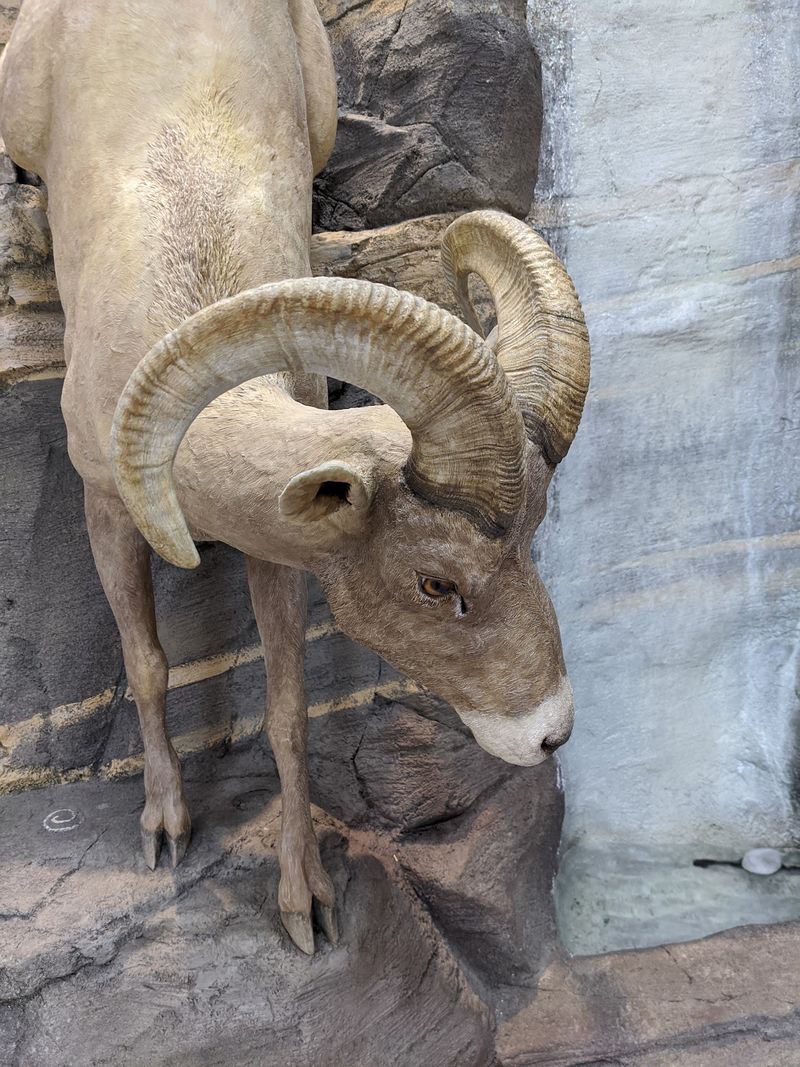
Desert bighorn sheep are the reason this whole place exists. The refuge was established in 1936 mainly to protect them. Fun bonus fact: the desert bighorn is also Nevada’s state mammal. So the state basically built a 1.6-million-acre home for its official animal.
That size makes it the largest national wildlife refuge in the contiguous United States. Alaska has bigger ones, but nothing in the lower 48 beats it. Bighorn sheep are built for rough terrain. Their sure footing lets them handle steep, rocky slopes that would leave most of us crawling.
Spotting one takes patience and a little luck. Scan the cliffs and ridgelines rather than the flat valley floors. Bring binoculars if you have them. A tan sheep against tan rock is the desert’s favorite game of hide-and-seek.
Give any wildlife plenty of space, too. The whole point of a refuge is letting animals live without interruption. Knowing the backstory changes how the landscape feels. Every rugged ridge was protected with these hardy climbers in mind.
Your Visit Begins At A Surprisingly Green Oasis
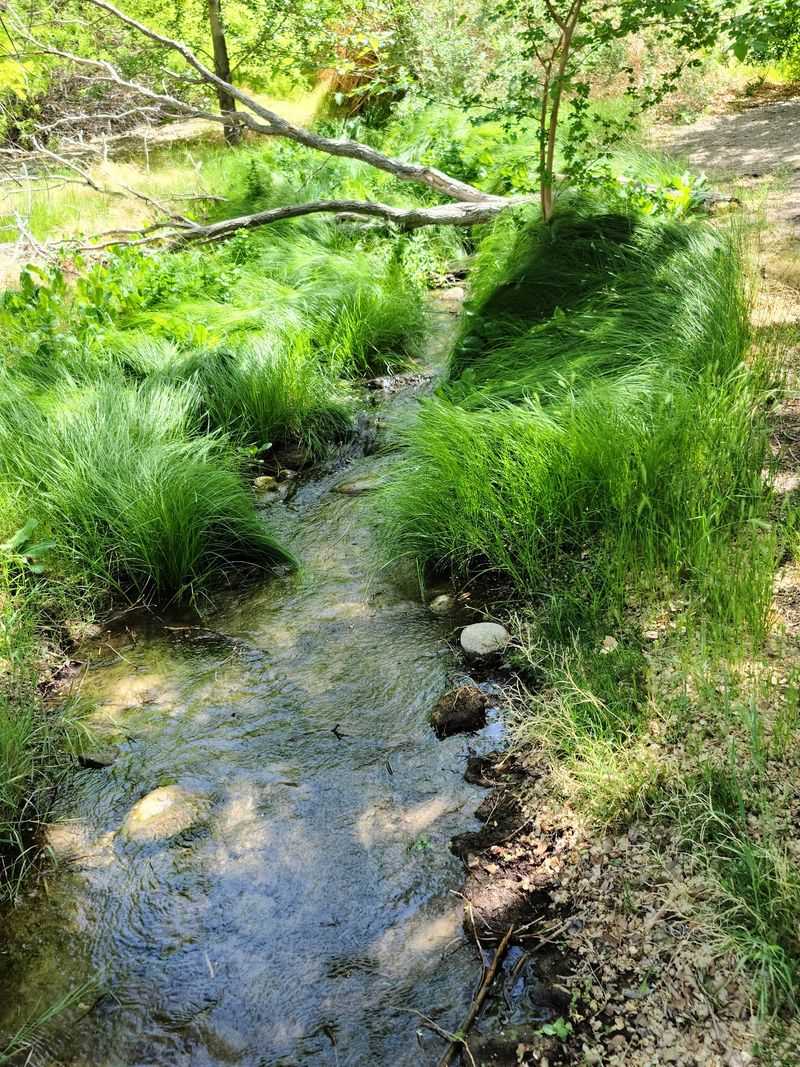
Water in the Mojave always feels like a small miracle. At Corn Creek, natural springs create a green pocket full of trees and life. The Corn Creek Field Station sits at 16001 Corn Creek Rd, Las Vegas, NV 89124. It works as the refuge headquarters and main visitor access point.
Inside the visitor center, interpretive exhibits explain the land, wildlife, and people connected to the refuge. It’s a smart first stop before heading anywhere else.
Hours can change, so check before you go. The center generally opens 8 a.m. to 4 p.m., and it’s closed Tuesdays and Wednesdays.
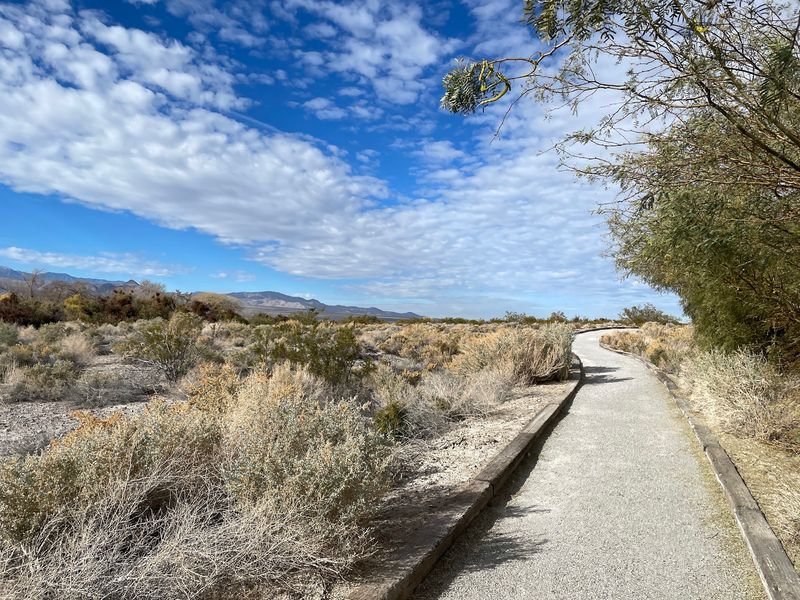
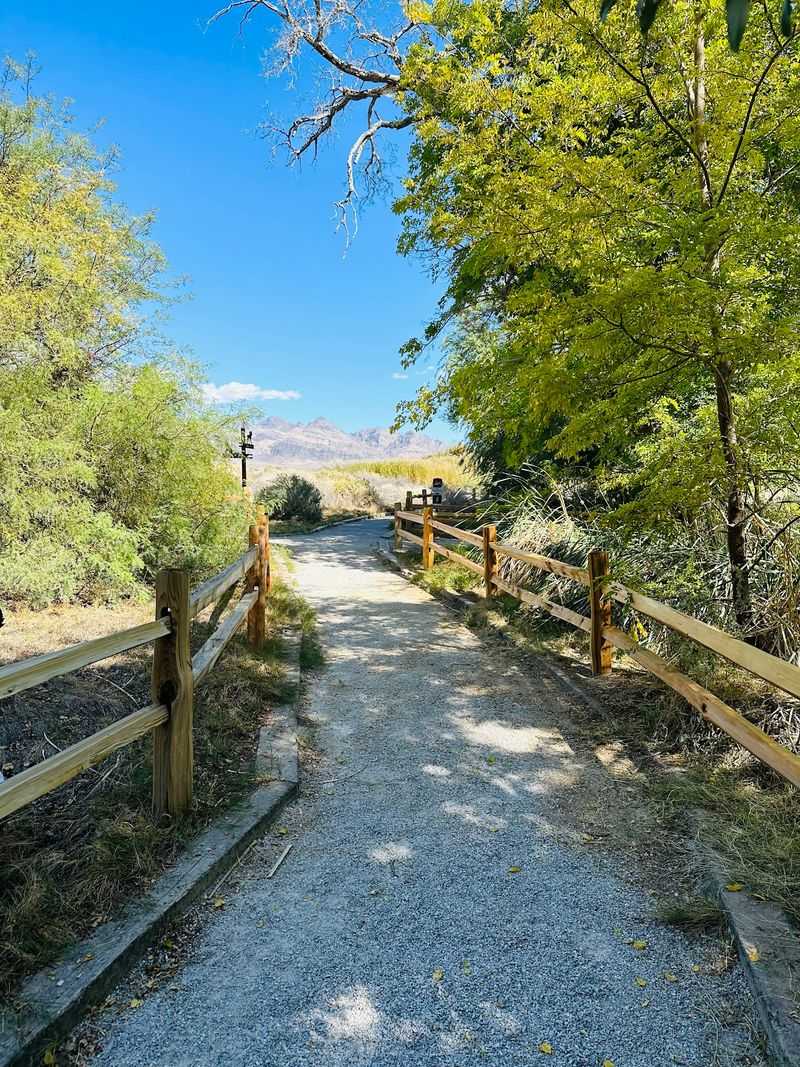
Several short, accessible trails start right from the area. They loop past spring-fed water and desert plants without demanding much effort.
Birds love this spot, which makes sense. Reliable water draws them in like a free buffet sign on the highway. Bring water and sun protection anyway. Much of the walking area isn’t shaded, and the desert sun doesn’t take days off.
Start here and you’ll understand the refuge much better. Then the rest of the wild country starts making sense.
Six Mountain Ranges Pack Seven Different Worlds Into One Trip
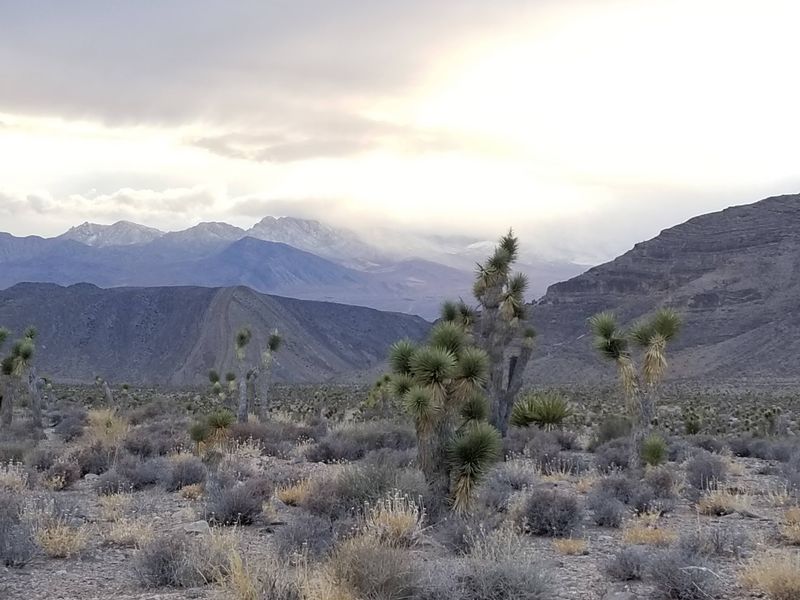
Low desert flats and pine-covered slopes rarely share a postcard. Here, they share the same refuge. The Desert National Wildlife Refuge spans six major mountain ranges. Those ranges create seven distinct life zones as elevation changes.
That means the plants and animals shift as you climb. Down low, you’re in classic dry desert country, while higher areas feel cooler and greener.
The refuge also sits where two desert ecosystems meet. It shows a transition between the Mojave Desert and the Great Basin Desert.
All that variety supports hundreds of species, including more than 500 plant species and 320 bird species. That’s a huge list for a place many people assume is just empty sand.
The endangered desert tortoise lives here too. Watch the roads carefully, because these slow movers don’t hurry for anyone.
Photographers have plenty to work with. Changing light on layered ridges can turn an ordinary afternoon into a frame-worthy scene. So when someone calls Nevada desert boring, you have a comeback. Seven life zones in one refuge is not exactly a dull resume.
Ancient Homelands Deserve Your Quiet Respect
Long before maps drew any boundaries, people called this land home. The refuge contains more than 450 recorded prehistoric archaeological sites, reflecting thousands of years of human history.
It’s recognized as the traditional homeland of the Newe, or Western Shoshone. It’s also home ground for the Nuwuvi, or Southern Paiute, and the Nuwuwu, or Chemehuevi. That history isn’t just in the past. These places still carry deep meaning for tribal communities today.
Springs like Corn Creek made the area valuable for people and animals alike. Reliable water in the desert shaped life here for a very long time.
Visitors play a part in protecting that heritage. Disturbing cultural or paleontological resources is prohibited inside the refuge. So admire with your eyes and camera, not your hands. Leave every stone, artifact, and fossil exactly where you found it.
The visitor center exhibits help explain this connection. Spending a few minutes there adds real depth to every trail you walk. I love that the refuge protects more than wildlife. It also guards stories that matter far beyond any single visit.
Rough Backcountry Roads Reward The Well-Prepared
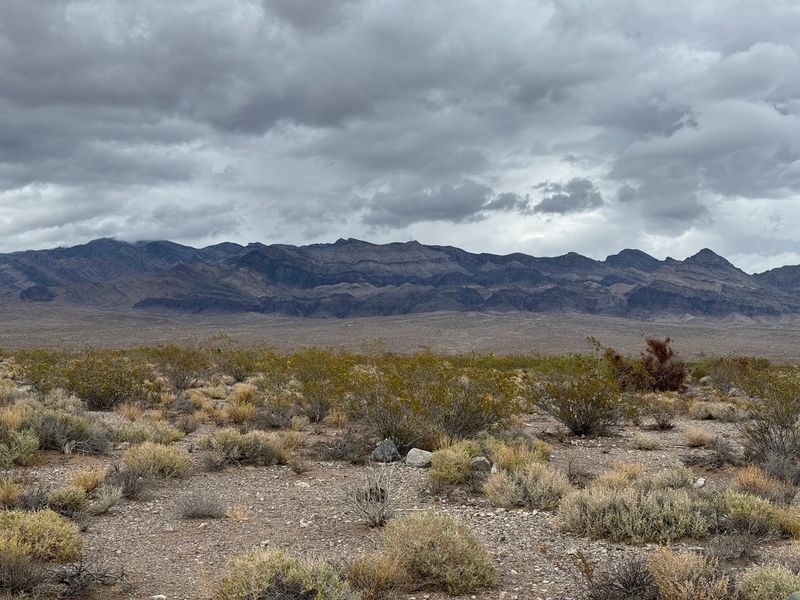
Mormon Well Road and Gass Peak Road sound like old Western movie titles. They’re actually backcountry routes open to visitors on the accessible side.
These roads often call for high-clearance, four-wheel-drive vehicles. Conditions can get rough, so a tiny rental sedan may regret its life choices.
Driving them opens up the refuge’s bigger landscapes. You can reach scenic areas far from the busier visitor center trails. Cell service is extremely limited throughout the refuge. Don’t count on your phone to rescue you if something goes wrong.
Carry at least one gallon of water per person per day. Pack extra food, a spare tire, and a solid safety plan too. Tell someone where you’re headed and when you’ll be back. That simple step matters a lot in remote desert country.
Stay on designated roads at all times. Wandering off-route damages habitat, and the restricted western zone is no place for detours. Prepared drivers get the best of this place. Unprepared ones get a long, hot lesson.
Camping Out Here Means Trading Showers For Stars
Camping is allowed year-round in designated areas of the refuge. That makes it an easy pick for anyone craving a night far from city lights. Desert Pass Campground is a primitive option. It sits about 28 miles from Corn Creek.
Amenities are simple. You’ll find vault toilets, but there’s no water, so bring every drop you need. Timing matters too. An automatic gate on Corn Creek Road allows entry from 4 a.m. until sunset.
There’s an exit sensor for leaving after hours. Coming back in after sunset is another story, so plan your errands carefully.
Summer heat can be intense out here. Cooler months usually make camping far more comfortable for most people. Once darkness falls, the sky becomes the main event. With few lights around, stargazing can feel almost unreal.
Pack layers, since desert nights can cool off quickly. A warm jacket might become your best friend by midnight. It’s rugged, quiet, and wonderfully basic. Sometimes that’s exactly the kind of getaway you need.
Leave The Drone Home And Follow These Simple Rules
Drones are banned across the refuge, so leave yours in the car. With sensitive wildlife habitats and restricted military land nearby, that rule makes plenty of sense.
Collecting plants or animals is prohibited too. That goes for cute rocks with fossils and cool-looking cactus pieces as well. These rules protect fragile habitats and the creatures that depend on them. The endangered desert tortoise is one species that needs every bit of care.
Keep an eye on the roads while driving. Tortoises can wander across, and they won’t win any races. Hiking, wildlife watching, and photography are all welcome. You get plenty to enjoy without taking anything home except pictures.
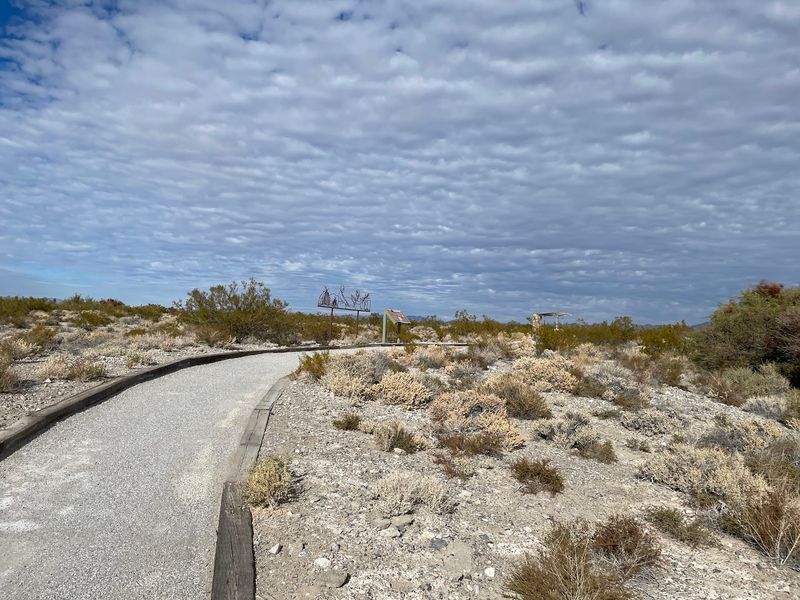
Most important of all, never try to enter the restricted western area. Federal law forbids it, and safety risks there are very real. Follow posted signs and stay on marked trails. They exist for good reasons, even when a shortcut looks tempting.
Play by the rules and the Desert National Wildlife Refuge gives back plenty. Quiet trails, wild views, and a one-of-a-kind story await in Nevada.