
This Mississippi Fossil Site Lets You Dig Through An Ancient Seafloor And Keep The Fossils You Find
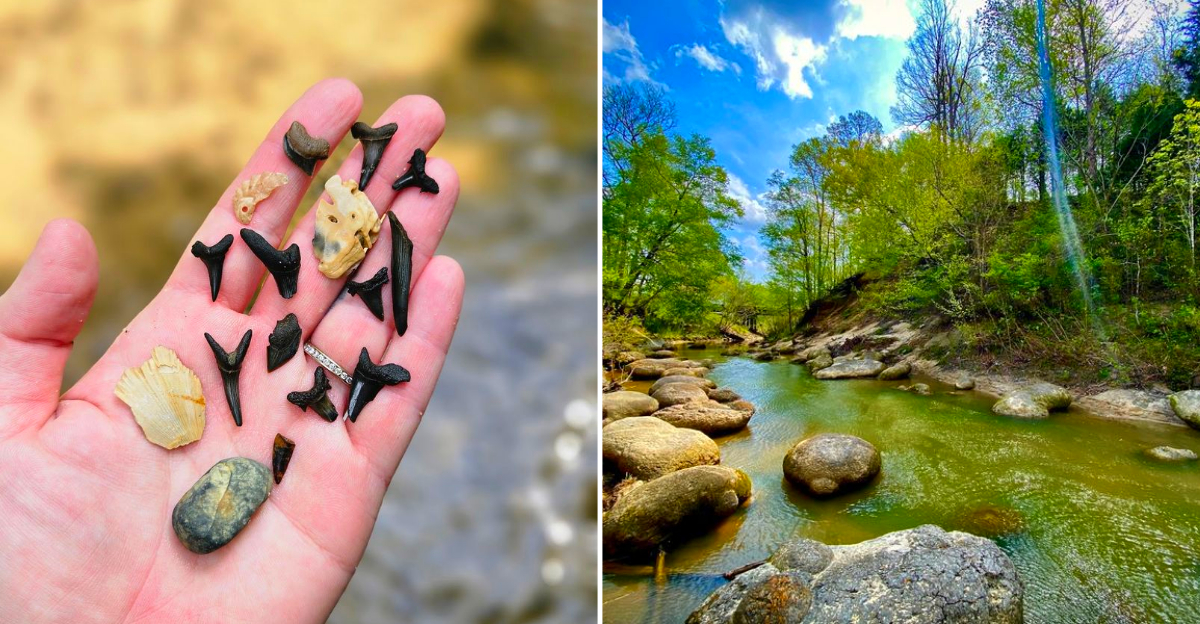
Mississippi used to be ocean floor, and somewhere in the northeastern corner of the state, that ancient seafloor never really went away. It just got buried in creek sediment waiting for someone curious enough to dig.
A remarkable park lets visitors do exactly that, pulling real fossils straight out of the ground and taking them home without paying a dime for the privilege.
Holding a 75 million year old shark tooth in your own hand does something you can’t really explain until it happens.
Sediment sifts easily through your fingers, revealing shells and teeth that have been sitting there since long before Mississippi looked anything like it does today.
Kids especially lose their minds over the whole process, treating every scoop like it might hold something incredible. Digging through ancient ocean floor for free might be one of the strangest, most satisfying things you do in this state all year.
A Place That Bends Your Sense Of Time
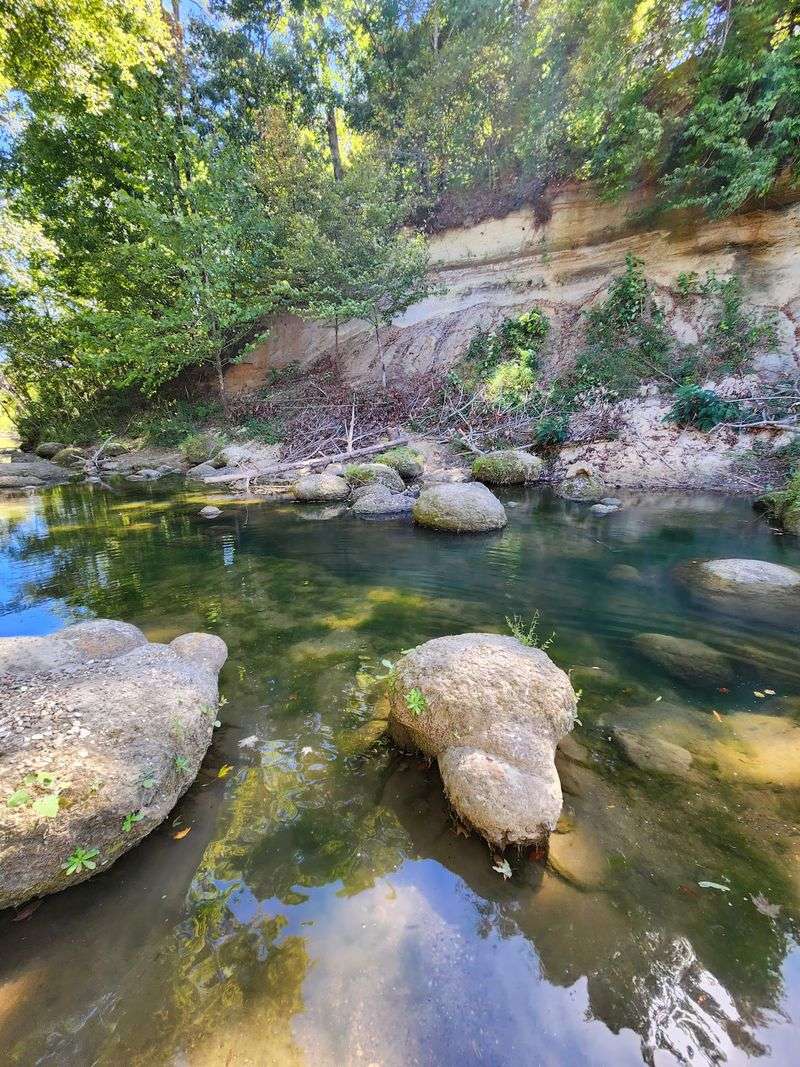
There is something thrilling about standing in a creek and knowing that the rock beneath your shoes was once the floor of a warm, shallow sea. The feeling is hard to put into words, but it sticks with you long after you drive home.
Seventy-five million years ago, a vast ocean covered this part of the American South. Ancient sharks glided through the water.
Marine reptiles ruled the depths. The land you walk on today was once a busy underwater world full of life.
What makes a place like this so special is not just the fossils. It is the sense that time is not as distant as it seems.
Every scoop of creek sediment is a small act of discovery. Every pebble you pick up might be something extraordinary.
Few outdoor destinations offer that kind of electric possibility on an ordinary afternoon.
Welcome To W.M. Browning Cretaceous Fossil Park
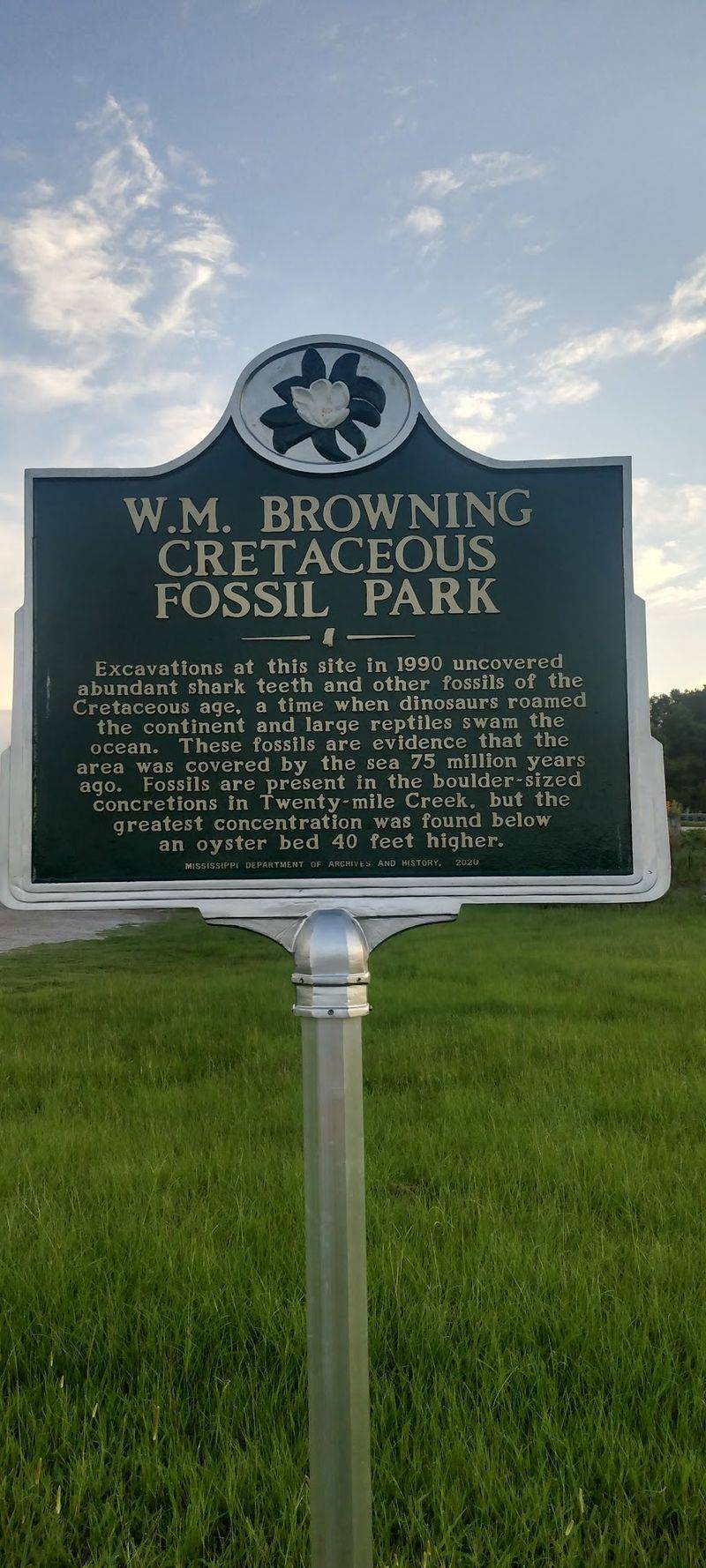
Found along County Rd 7450 in Baldwyn, MS 38824, this free public park sits just off Highway 45 in northeast Mississippi. The site is named after W.M.
Browning, who donated the land so that future generations could experience and explore its prehistoric treasures. It is a generous gift that keeps on giving, season after season.
The park gained national attention in 1990 when construction workers on Highway 45 uncovered a remarkable collection of ancient remains. Booneville High School later received a National Science Foundation grant to turn the site into a working field laboratory.
That early recognition helped shape the park into the accessible, community-supported destination it is today.
A modest but well-kept parking area greets visitors, along with a clear path leading down to Twenty Mile Creek. Picnic tables and benches are available for breaks between digs.
Local schools have even contributed handmade sifters and scoops that visitors can borrow on site. Informational pamphlets explain what fossils to look for and how to find them.
The whole setup feels welcoming, practical, and genuinely community-minded. It is a small park with a very large story to tell.
Twenty Mile Creek And Its Ancient Secrets
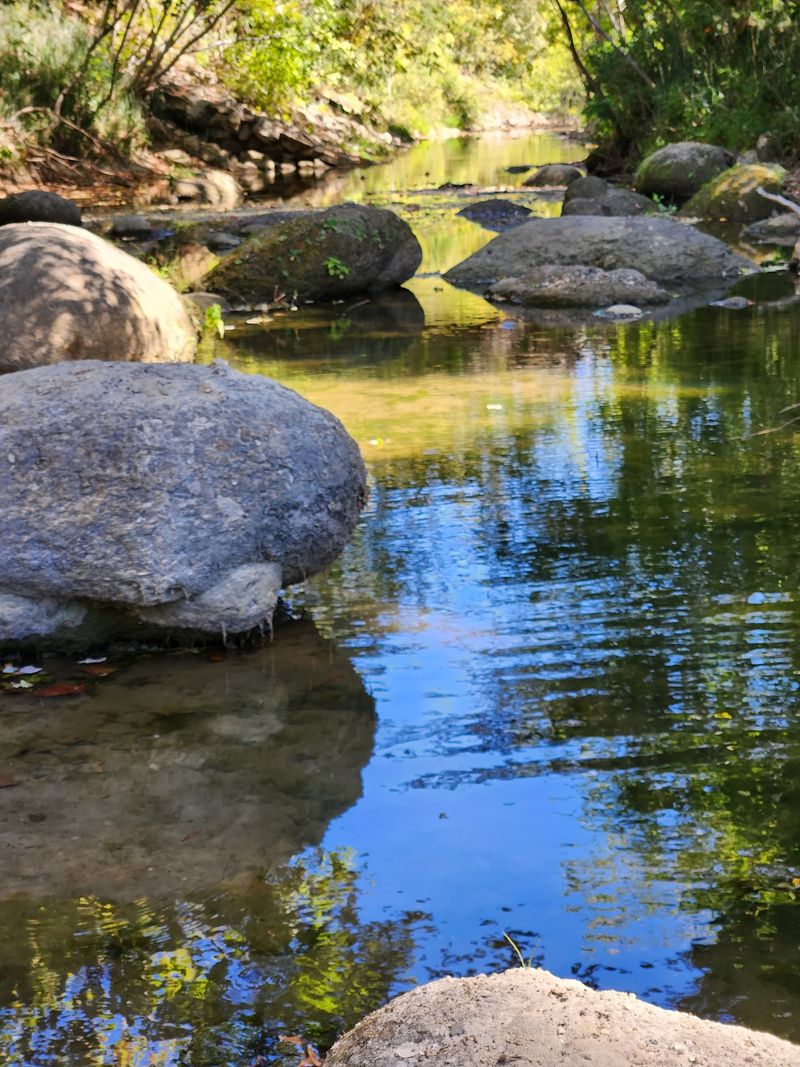
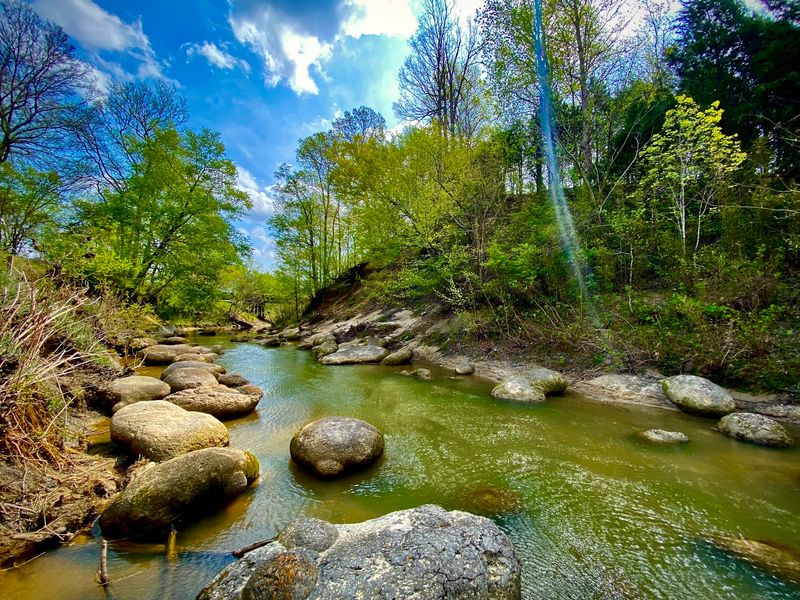
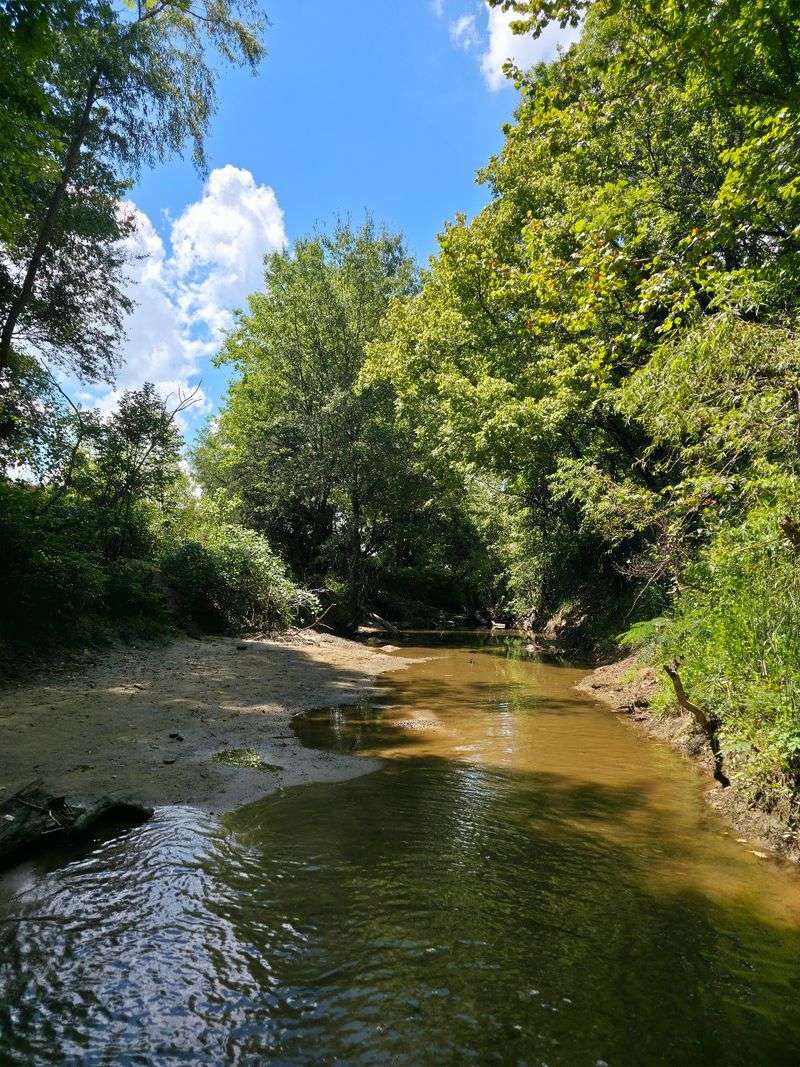
Twenty Mile Creek does not look like a time machine, but that is essentially what it is. The creek cuts steadily through 75-million-year-old rock formations, and every rain event washes new fossils to the surface.
The water is your partner in discovery here, doing the slow geological work so you can do the fun part.
The creek flows over layers of the Demopolis Formation, which sits above the Coffee Sand formation. Both layers are rich in fossil material from a prehistoric warm-water sea environment.
Large rounded concretions dot the creek bed, and many of these boulder-like formations are thought to have formed around ancient organic material, acting as natural preserving containers.
Visiting after a good rainfall tends to yield the best results. The water clears as you move upstream past the second bridge, which is also where many visitors find their most impressive specimens.
The creek bed is rocky, so solid footwear is a must. Water shoes or old sneakers work perfectly.
The experience of wading through the water while scanning the stones beneath your feet is genuinely fun and surprisingly addictive once you start finding things.
Shark Teeth Are The Stars Of The Show
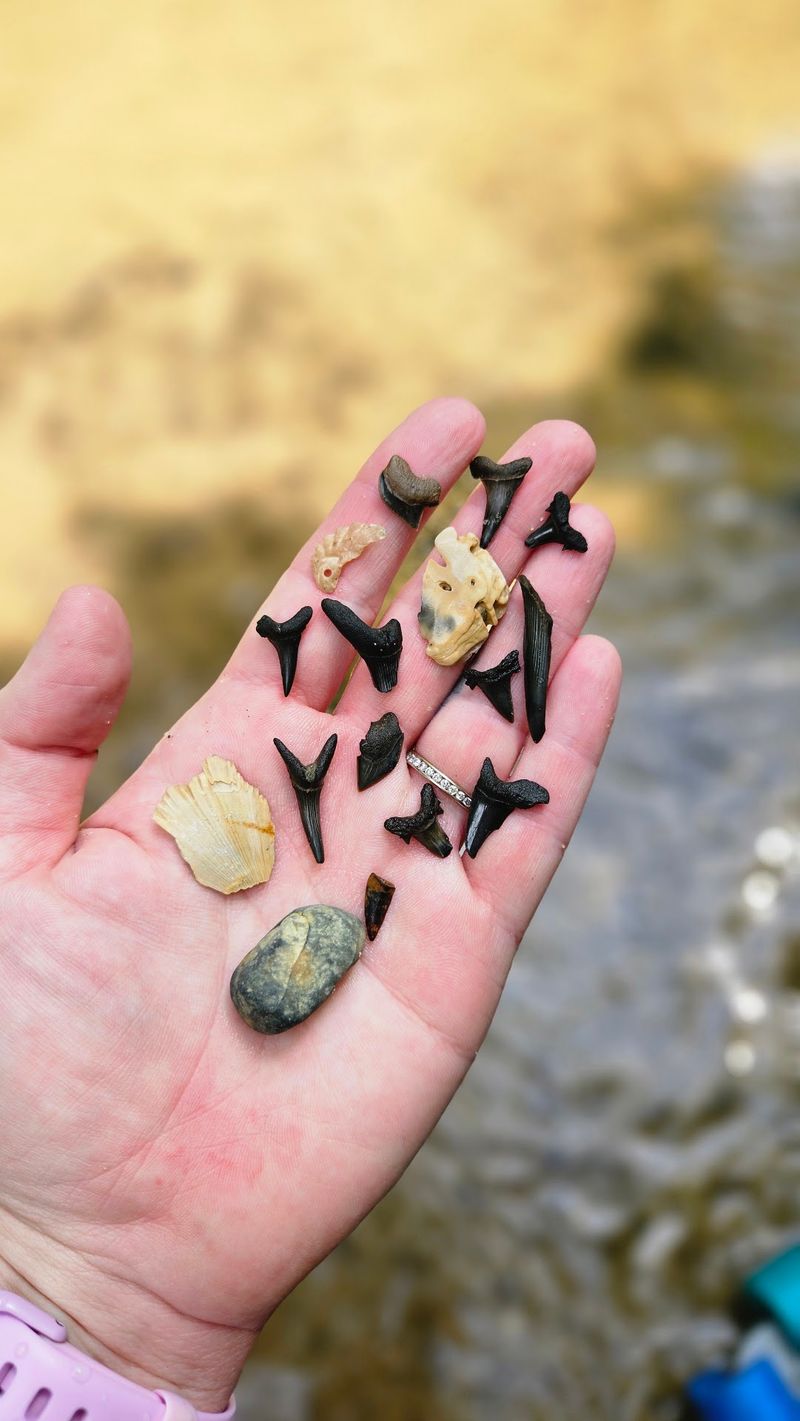
Shark teeth are the crown jewel of any visit to this park. Dark, dense, and surprisingly well-preserved, they have survived 75 million years in the sediment without losing their edge.
Holding one for the first time is a genuinely surreal experience that no photograph can fully capture.
Among the most common species found here is Squalicorax, an ancient shark known for its serrated teeth and scavenging habits. Scapanorhynchus, the Cretaceous goblin shark, is another exciting find.
Its narrow, spike-like teeth are distinctive and beloved by collectors. Both species thrived in the shallow sea that once covered this region of Mississippi.
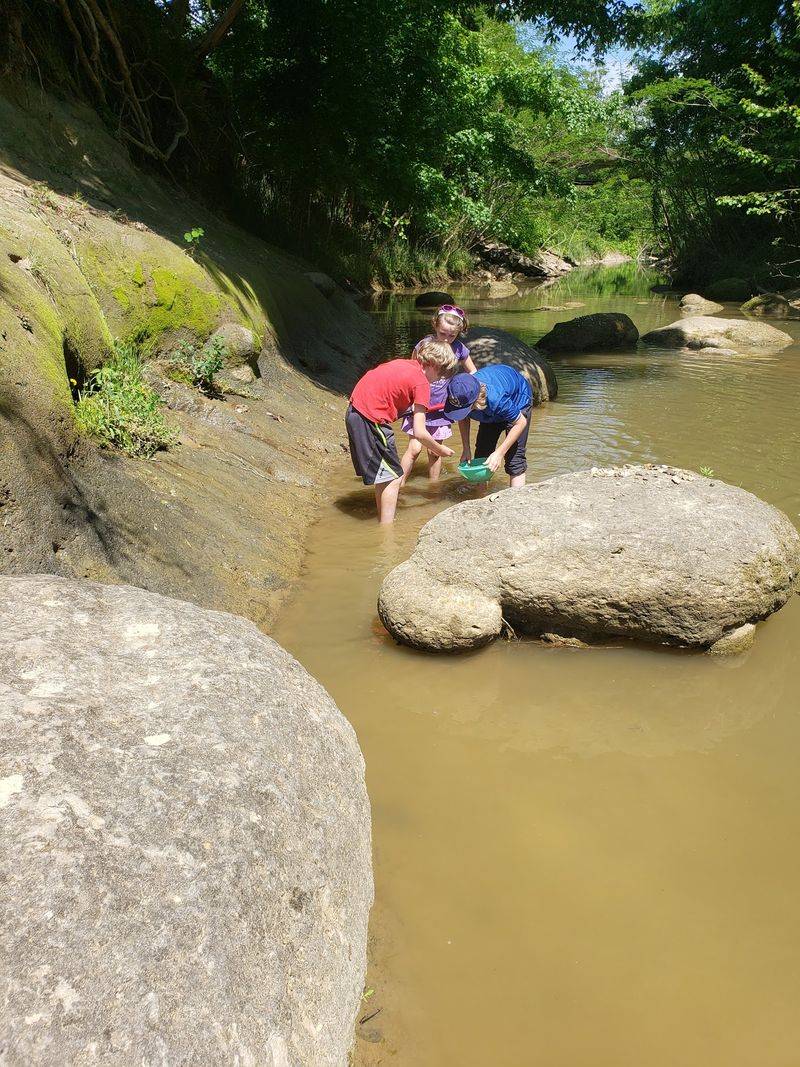
The teeth tend to concentrate in the middle of the creek rather than along the banks, since the current carries them downstream and deposits them in natural pockets. Using a sifter dramatically increases your chances of finding one.
Scoop up a load of creek sediment, dip the sifter in the water, and shake it gently. What remains after the fine material washes away often includes small teeth, shell fragments, and other prehistoric surprises.
Even first-time visitors frequently walk away with a tooth or two to bring home.
Mosasaurs And Marine Reptiles Of The Deep
Shark teeth get a lot of glory, but the real showstoppers of the Cretaceous sea were the mosasaurs. These were enormous marine reptiles that could reach lengths of over 50 feet.
They were swift, powerful, and sat firmly at the top of the ancient food chain in the sea that once covered this part of Mississippi.
Fragments of mosasaur remains have been found at this site, making it one of the more remarkable aspects of the park’s fossil record. Crocodile fossils have also turned up here, offering evidence that the ancient ecosystem was richly layered.
The presence of both marine and semi-aquatic reptile remains paints a vivid portrait of a thriving prehistoric environment.
Even dinosaur teeth have been recovered from the area, which adds another dimension to the site’s scientific importance. It is unusual for a single location to yield such a broad range of Cretaceous life.
For younger visitors especially, knowing that creatures this extraordinary once swam and stomped through what is now rural Mississippi makes the whole experience feel like something out of a science-fiction story, except it is completely real.
Beyond Teeth: The Full Fossil Menu
Shark teeth draw the crowds, but the full catalog of fossils available at this park is genuinely impressive. Oysters, scallops, and bivalves are common finds, offering a window into the diverse community of invertebrates that once lived on the ancient seafloor.
Their shells preserve remarkably well, often retaining clear structural detail after millions of years.
Sponges, rays, ancient sea turtles, and chimaeroids, a group of cartilaginous fish related to modern sharks, have all been identified in the fossil record here. Fossilized fish vertebrae and bone fragments also turn up regularly.
Each category of find adds another piece to the puzzle of what this prehistoric ecosystem actually looked like.
Petrified wood is another surprising discovery that visitors occasionally make. Its presence suggests that the ancient sea bordered a forested landmass, and that plant material was periodically carried into the water and buried in sediment.
Finding a chunk of petrified wood alongside a shark tooth and an ancient oyster shell in a single afternoon is not unusual here. The variety keeps every visit fresh and ensures that no two trips to the creek produce exactly the same haul of prehistoric treasures.
The Best Spots Along The Creek
Location matters when you are hunting fossils, and experienced visitors have figured out where the good stuff tends to concentrate. The area directly beneath the parking lot is a reliable starting point.
The sediment there has been naturally funneled by water flow, and even beginners often find fragments and teeth within the first half hour of searching.
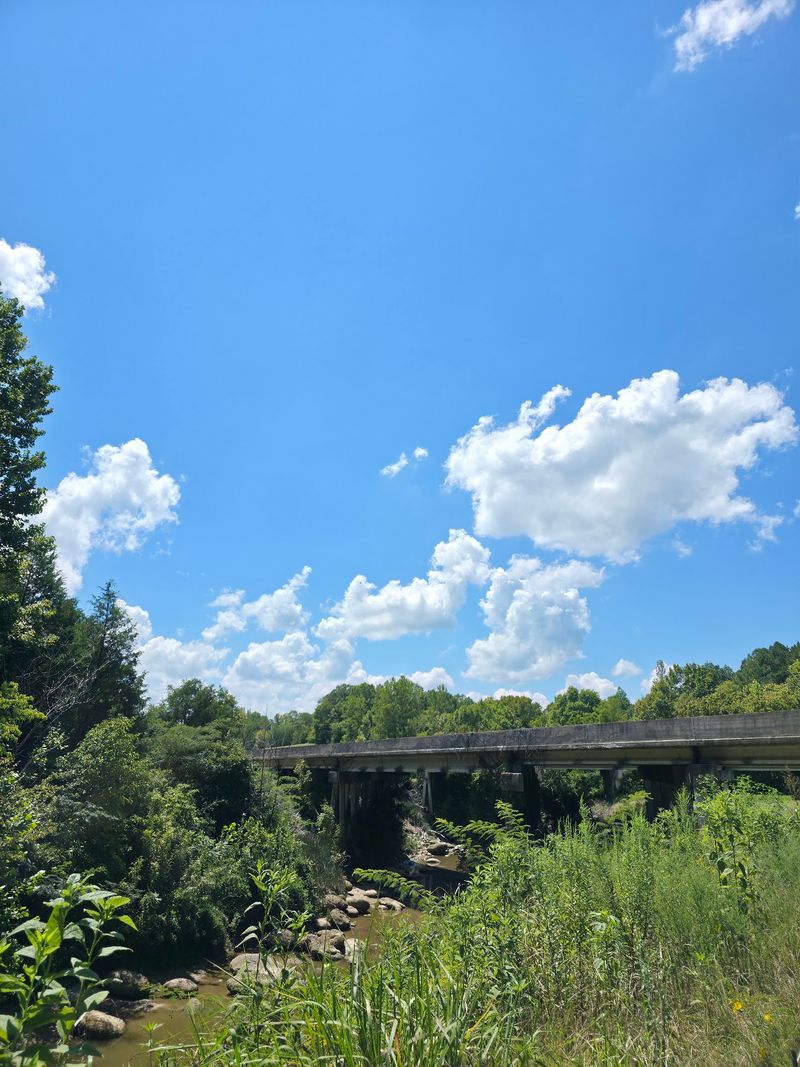
Moving upstream past the second bridge opens up quieter stretches of creek where competition is lower and the water runs clearer. That clearer water makes it easier to spot fossils resting on the creek bed without having to sift.
Many visitors report finding their best specimens in that upstream section after the crowds thin out near the entrance.
The zones beneath the highway bridges are also productive. The bridges create natural collection points where heavier materials like teeth and bone fragments settle out of the current.
Focusing your sifting efforts in those spots tends to yield results faster than random searching. The park has informational markers that point out key areas and offer tips on technique.
Following that guidance makes a real difference, especially on a first visit when everything about the creek looks equally promising and equally mysterious.
Perfect For Families And First-Timers
Few outdoor experiences offer the combination of education, adventure, and pure fun that this park delivers for families.
Children who might normally scroll past a museum exhibit become fully engaged the moment they realize they might actually find something real.
The hands-on nature of fossil hunting turns even reluctant adventurers into enthusiastic diggers within minutes.
No permits are required, and there is no entry fee. That accessibility makes it easy to plan a spontaneous visit without any advance preparation beyond packing the right footwear and a few tools.
Kids and adults operate on equal footing here, literally, since everyone is wading through the same creek looking for the same fossils.
The park is also manageable in size, which means you never feel lost or overwhelmed. Picnic tables provide a comfortable spot to sort through finds and take a break.
The shade along the creek banks keeps things cool even on warm summer days.
For families looking for a genuinely memorable outing that does not involve a screen or a ticket line, this park delivers something rare: a real sense of discovery that every member of the group can share and talk about for years afterward.