
This Mississippi Town Still Has An 1884 General Store With Fried Pies, Southern Cooking, And Antiques Upstairs
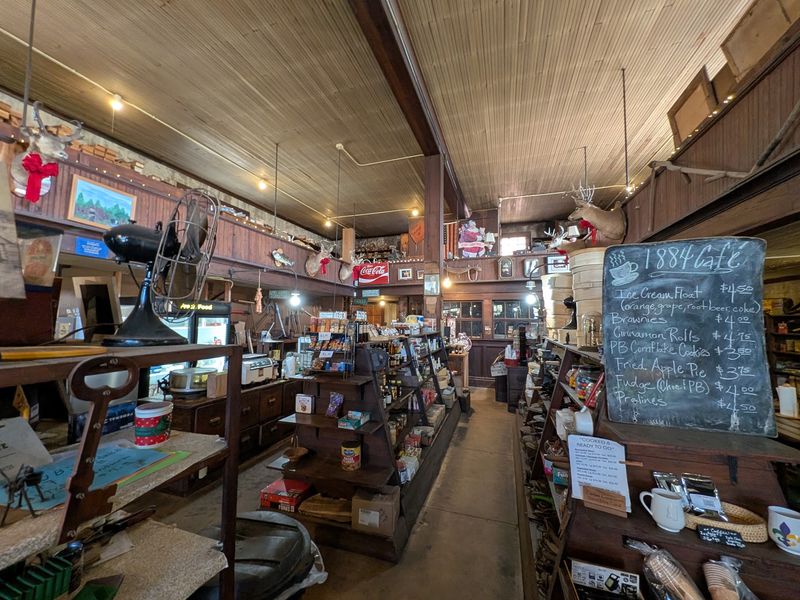
Highway signs in Mississippi rarely promise much, so we pulled off mostly for a bathroom and a snack. What we found was a brick general store packed with old shoes, glass soda bottles, and the smell of fried okra drifting from a small kitchen.
The kids wandered off to stare at cast iron and crocheted chickens while we read the menu twice. We left with full stomachs, a bag of pralines, and a story about cotton that nobody in the car expected to care about.
An Old Store Off Interstate 59
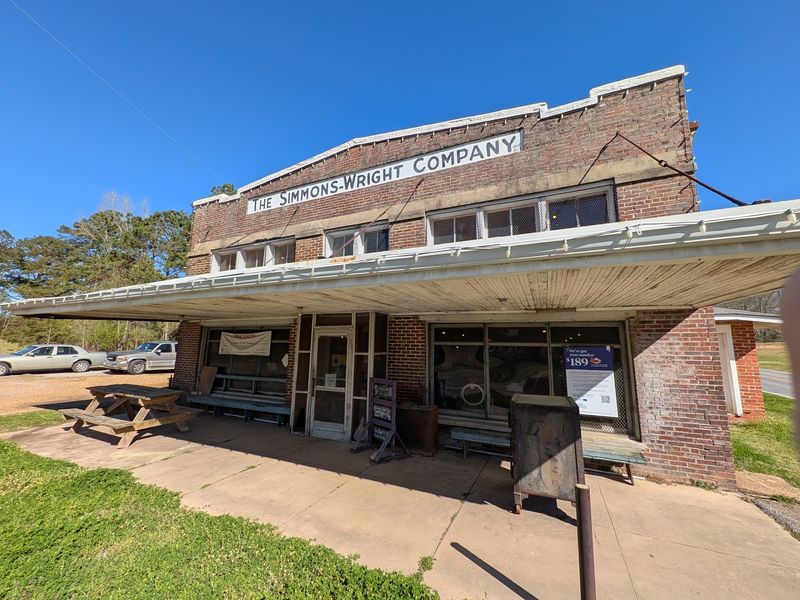
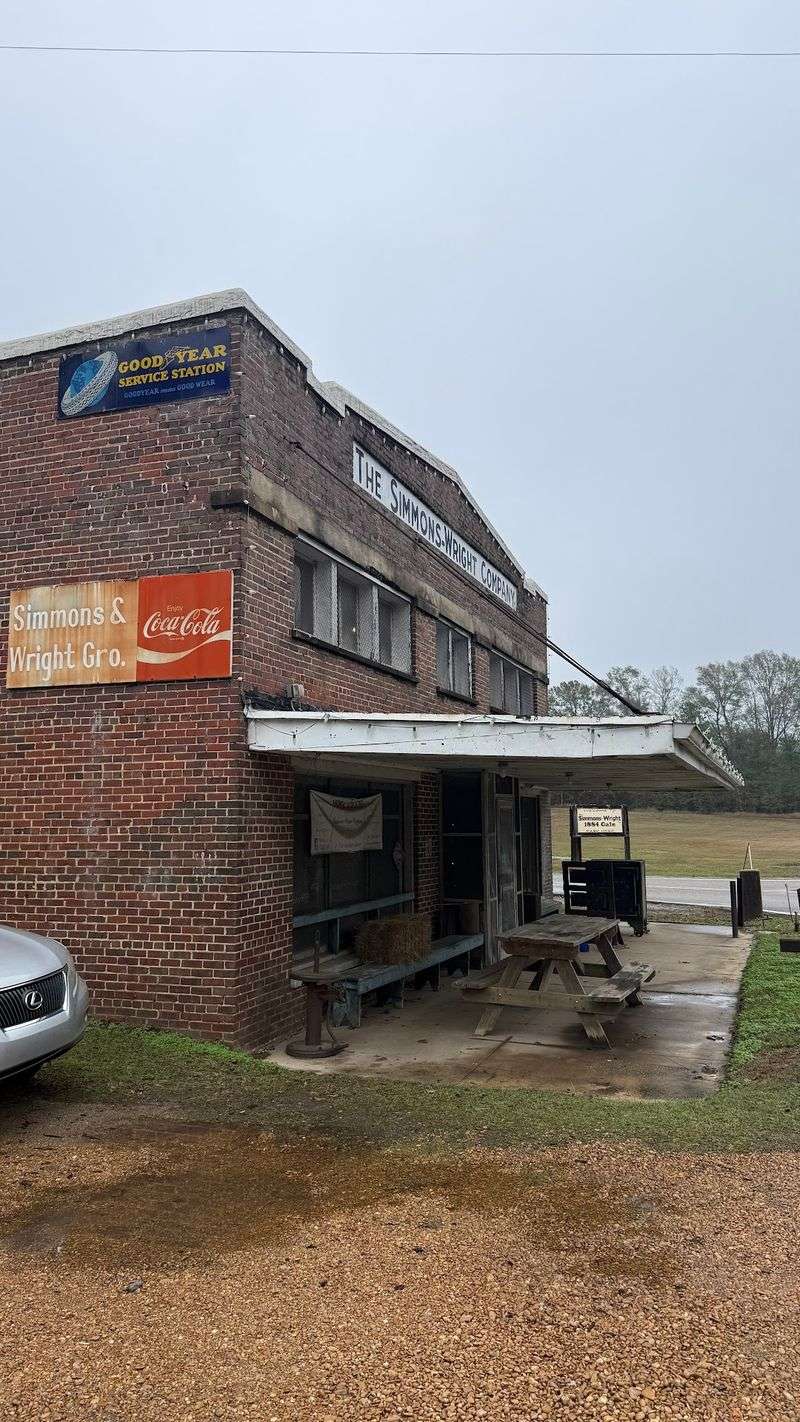
Just about a mile off the interstate in Toomsuba, near Meridian in Lauderdale County, sits The Simmons-Wright Company at 5493 US-11 and 80. From the road it looks like a sturdy brick building with nothing to prove.
Inside, it is part store, part cafe, and part museum.
The business dates to 1884, and it still sells hardware, farm supplies, groceries, and Mississippi-made gifts. A cafe serves Southern breakfast and lunch, and an upper floor holds antiques and collectibles.
Out back, older farm buildings stand on the property for anyone curious enough to look.
For families on a road trip, that mix matters. One stop covers a meal, a stretch of the legs, a little shopping, and a real history lesson that kids can actually see and touch.
Nobody has to sit through a lecture to understand that this place has been here a very long time.
Travelers heading between Alabama and New Orleans often treat it as a regular break. Others spot the highway sign and pull in on a whim.
Either way, the building tends to slow people down, which is not a bad thing when the back seat has been restless for two hours straight.
From Wooden Walls to 1926 Brick
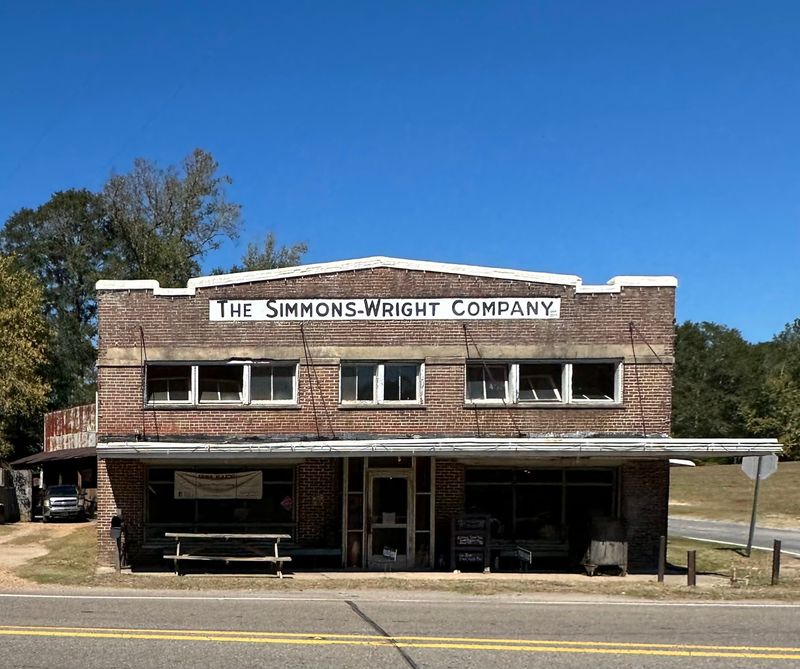
Fire changed everything in 1926. The original wooden store, built to serve travelers on the Old Dixie Highway and local cotton farmers, burned down that year.
Rather than give up, the owners rebuilt with brick the very same year.
That replacement building is the one standing today, and it has seen remarkably few changes since. Walk through the front door and you are stepping onto the same floors shoppers crossed nearly a century ago.
Longtime visitors who return after decades often say the place looks just like they remember.
In 2008, the store earned a spot on the National Register of Historic Places. The listing recognizes how well the building has held onto its original character.
Very few rural general stores survived the arrival of supermarkets and big-box chains, so having one still open for business is unusual.
Kids may find the fire story the most memorable part. It is a simple way to explain why brick buildings replaced so many wooden ones in small Southern towns.
Ask them to spot details that look old versus new while you wander, and the history starts to feel like a scavenger hunt instead of a textbook page.
Cotton Tabs and Family Ownership
Picture paying a store bill with cotton instead of cash. During the Great Depression, local farmers could do exactly that here, settling their tabs with the crop they grew.
The arrangement shows how closely the store was tied to the cotton fields around it.
For most of its life, the business depended on that industry. Farmers came in for seed, tools, and supplies, and the store depended on their harvests in return.
It was less a shop and more a working part of the community’s economy.
Ownership has stayed in the family the entire time. That continuity shows in how people describe the folks behind the counter, with many visitors mentioning owners who are happy to share stories about the building and its past.
One owner, Gary, comes up often as a friendly host who enjoys chatting.
Families can turn this into a quick conversation in the car afterward. What would you trade if money were scarce?
Why would a store accept cotton? Questions like those help children understand that history is about real people making practical choices, and this store gives a concrete example right in front of them.
Fried Pies and a Glass-Bottle Coke
Peach is the flavor most people reach for. A warm fried pie paired with an ice-cold Coke in a glass bottle has become something of a ritual for visitors.
It is the kind of simple treat that feels made for an old general store.
Fried pies are a Southern classic, with fruit filling folded inside dough and cooked until crisp and golden. They are easy to eat with one hand, which makes them ideal for kids who would rather keep exploring than sit down.
Parents may find themselves sneaking a second one.
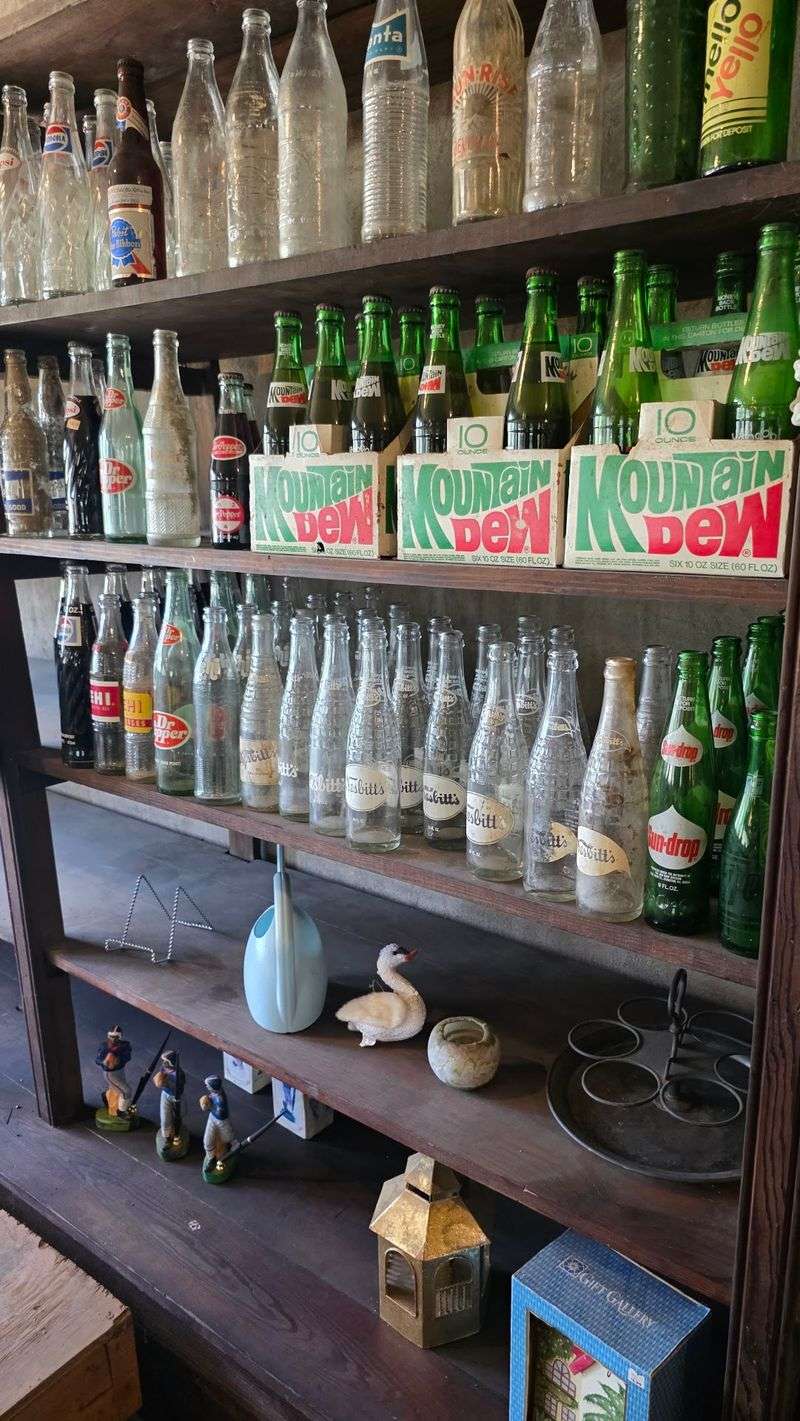
The glass bottle adds to the fun. Many children have only seen sodas in plastic or cans, so a heavy glass bottle feels like a small piece of the past.
It also pairs nicely with the store’s displays of old soda bottles, which make a good conversation starter.
If your family only has time for a quick break, this combination is the easiest way to get a taste of the place. Grab your pie, find a spot to stand near the old shelves, and let the kids look around while they snack.
It turns a pit stop into a little tradition.
Breakfast and Lunch at the 1884 Cafe
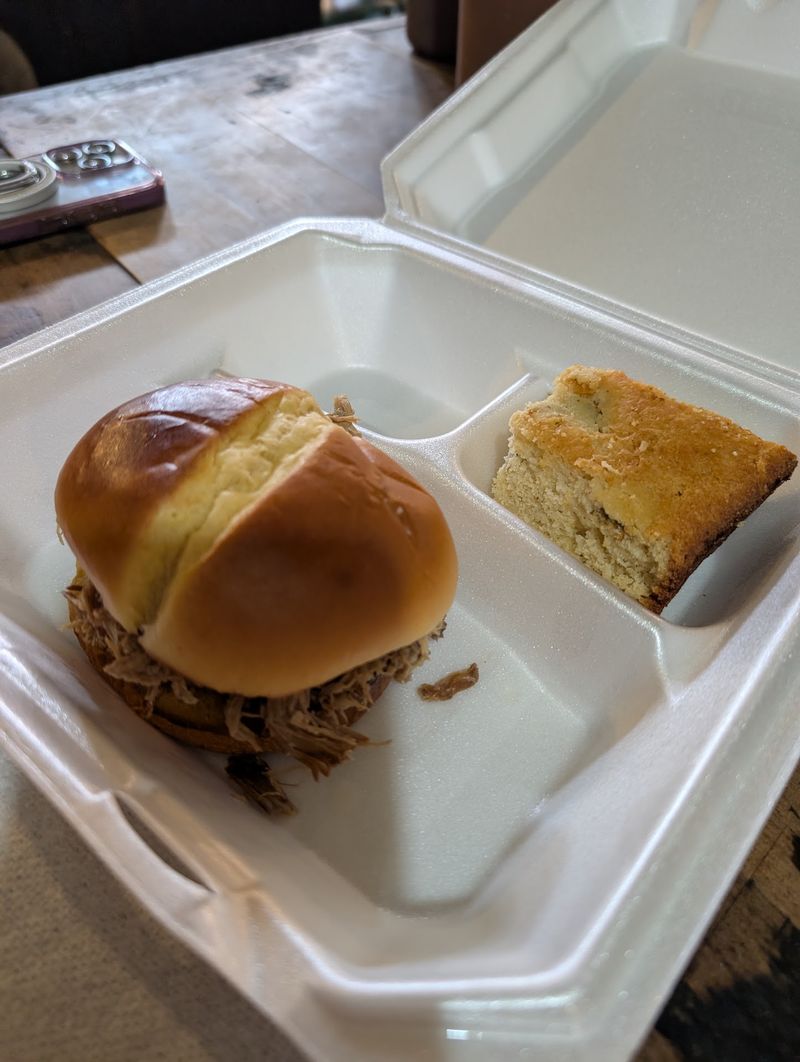
Home cooking is the whole point at the 1884 Cafe, tucked inside the store. It serves Southern breakfast and lunch, with warm Mississippi-style meals made fresh.
Homemade desserts are part of the daily offering too.
Visitors mention pulled pork, baked beans, and catfish as standouts. A pimento burger with a side of fried okra also gets attention, with diners noting how well the patty is seasoned even without the cheese.
Simple sandwiches and cold drinks round things out for lighter appetites.
Seating includes family-style dinner tables, which suits groups traveling together. Kids can sit near parents without feeling squeezed into a booth, and conversations tend to drift toward neighboring tables.
Owners sometimes stop by to chat, which makes the meal feel more like a visit with relatives.
Timing matters. The cafe opens at 7:30 in the morning, but some early arrivals have found it too soon for lunch service.
Plan to come mid-morning or around midday if you want a full plate rather than just a snack. Prices are described as fair, which helps when feeding several hungry travelers at once.
Antiques on the Upper Floor
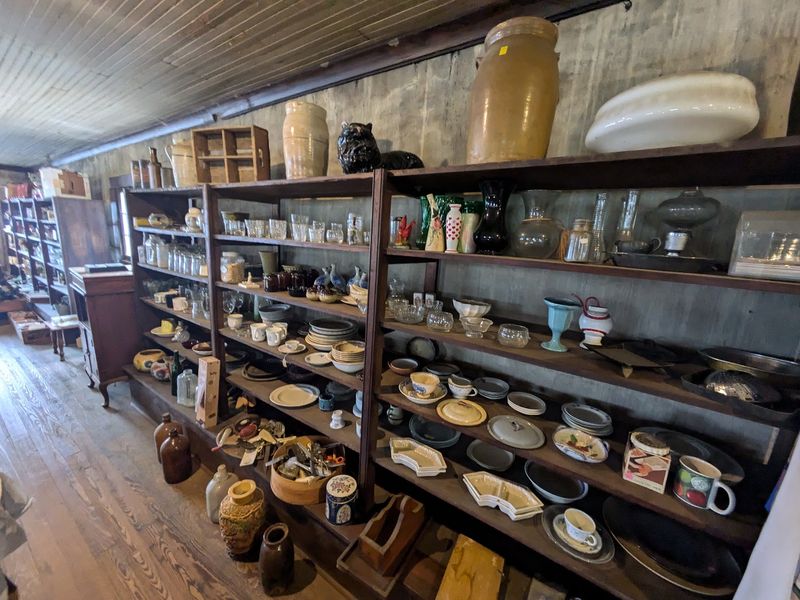
Climb the stairs and the shopping changes completely. The upper floor is packed with antiques and collectibles, and it is easy to lose track of time up there.
Antiques are the single most talked-about feature of the store.
Shelves hold vintage leather shoes that look like they came straight out of the early 1900s. Older books, linens, and tea towels share space with kitchen goods and tools.
Crocheted animals and handmade clothes add a softer touch among the older pieces.
Shoppers describe the collection as beautiful, though it leans more toward treasure hunting than tidy boutique. Things are stacked and scattered in a way that rewards patience.
Kids who like finding odd items will enjoy spotting the strangest object in the room.
Set a few ground rules before heading up, since many pieces are old and fragile. Hands in pockets works well for younger children, while older kids can be trusted to look carefully.
Ask the owners about anything that catches your eye, because many items come with a story attached, and hearing it often matters more than buying it.
Quirky Displays and Soda Bottle Collections
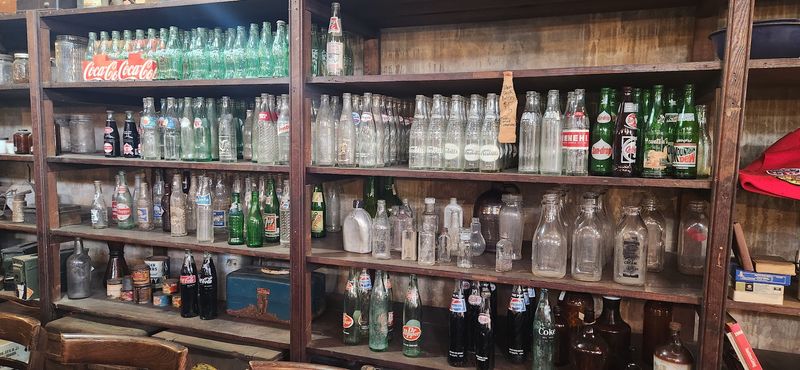
Not everything on display is old and serious. Visitors have spotted a Dukes of Hazzard trash can among the shelves, which tends to get a laugh from parents who remember the show.
The store mixes the historic with the delightfully odd.
Massive collections of glass soda bottles fill whole sections of the building. The colors and shapes are fun to compare, and children often try to find brands they recognize.
Cast iron cookware also draws attention, heavy and dark against the wooden walls.
Much of the space feels like a museum you can wander freely. Some areas show what the shop looked like in its earlier days, giving a sense of how people once bought their goods.
Between those displays sit items that are actually for sale, so browsing and learning happen at the same time.
Photographers are welcome too. The owners have a reputation for being camera friendly, even with tripods.
Families can let kids take pictures of their favorite finds, then compare shots later in the car. It gives younger travelers a job to do and makes the visit something they will want to talk about afterward.
Take-Home Treats and Local Goods
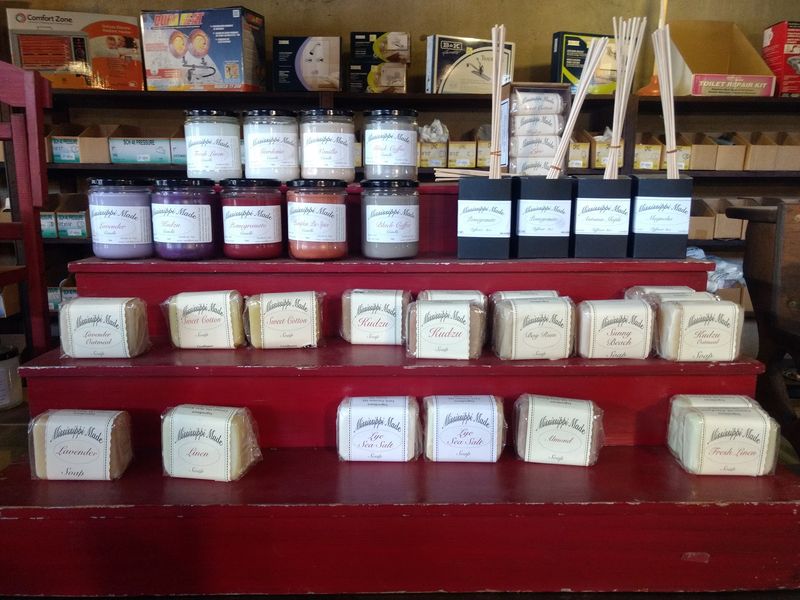
Leaving empty-handed is harder than it sounds. The store stocks a range of edible souvenirs and handmade goods, many of them Mississippi-made.
Shoppers often walk out with a bag for later.
Food finds include pralines, pecan candy, Alabama Pecan Bread, and peach salsa. Frozen Brunswick stew is available for those with a cooler handy.
Hoop cheese, a mild old-fashioned favorite, earns praise from people who try it.
The store also sells its own private recipe barbecue sauce. A bottle makes an easy gift for someone back home, or a way to bring a bit of the trip into your own kitchen.
Homemade soap, handmade toys, and baked goods fill in the remaining shelves.
Here is a handy tip: bring some cash. Cards are accepted, but the machine has been known to act up, and at least one shopper had to leave behind a crocheted chicken because of it.
A few small bills let kids pick their own treat without fuss. Letting each child choose one item is a simple way to keep spending in check while still making the stop feel special.
The Cotton Gin and Farm Buildings Out Back
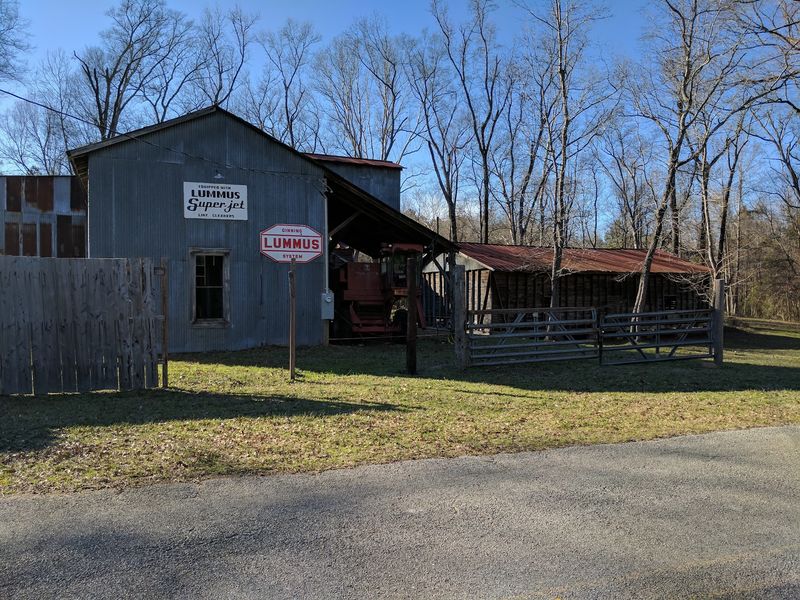
Behind the main building, the history keeps going. The property includes an old cotton gin, a seed house, a warehouse, and an outhouse.
Visitors can walk around and explore these structures.
The cotton gin is the star. It connects directly to the store’s past, when farmers brought their crops here and depended on the business for supplies.
People who once worked in gins have said seeing this one brought back strong memories.
For children, the outbuildings make the cotton story real. Explaining that a machine separated seeds from fiber is one thing, but standing next to the building where it happened is far more memorable.
The outhouse, naturally, tends to get the biggest reaction from younger visitors.
Wear comfortable shoes and keep an eye on little ones, since these are old working structures rather than polished exhibits. A short loop outside also gives restless kids a chance to burn off energy after a meal.
Combine the walk with the displays inside, and the whole property becomes a hands-on lesson in how rural Mississippi families lived and worked a century ago.
Southern Hospitality Behind the Counter
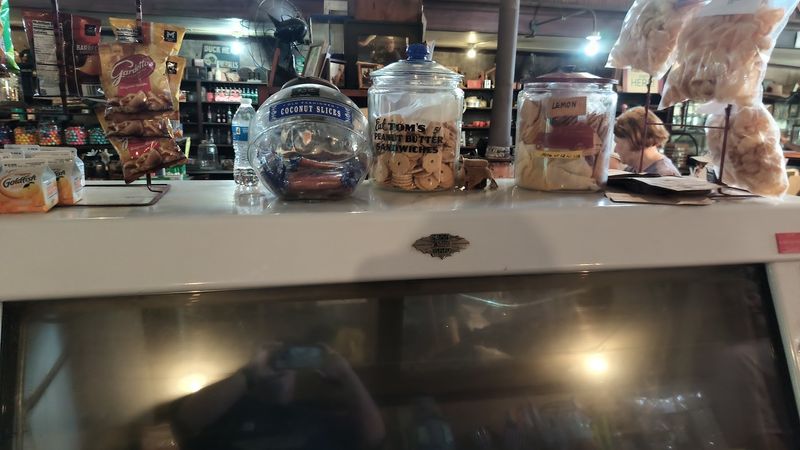
Friendly owners come up again and again when people talk about this store. Conversation is part of the experience, and the folks running it seem to enjoy it as much as their guests.
Many travelers leave remembering the people as much as the building.
Owners have been known to sit down with diners and swap stories about travel, family, and local events. Others share details about the building’s history or talk about their garden.
Visitors describe the exchange as feeling like a chat with relatives.
That warmth suits families well. Kids who are shy around strangers often relax when an adult takes a genuine interest in where they are headed.
Asking a question about an old object usually leads to a story worth hearing.
Locals drop in too, adding to the small-town feel. You might overhear talk about the weather, the crops, or the latest news, which gives children a glimpse of everyday life in rural Mississippi.
Encourage older kids to ask one question of the staff during your visit. The answers often become the most talked-about part of the trip once everyone is back on the road.
An Atmosphere That Suits Curious Families
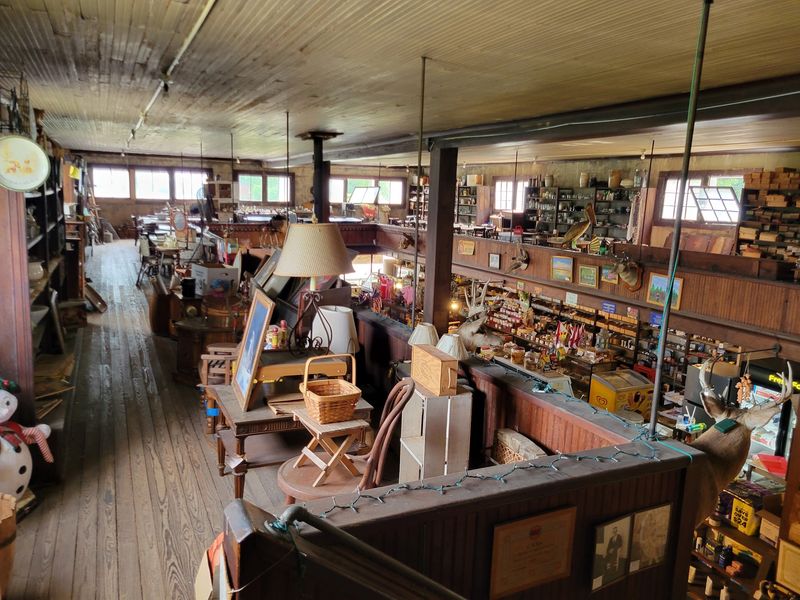
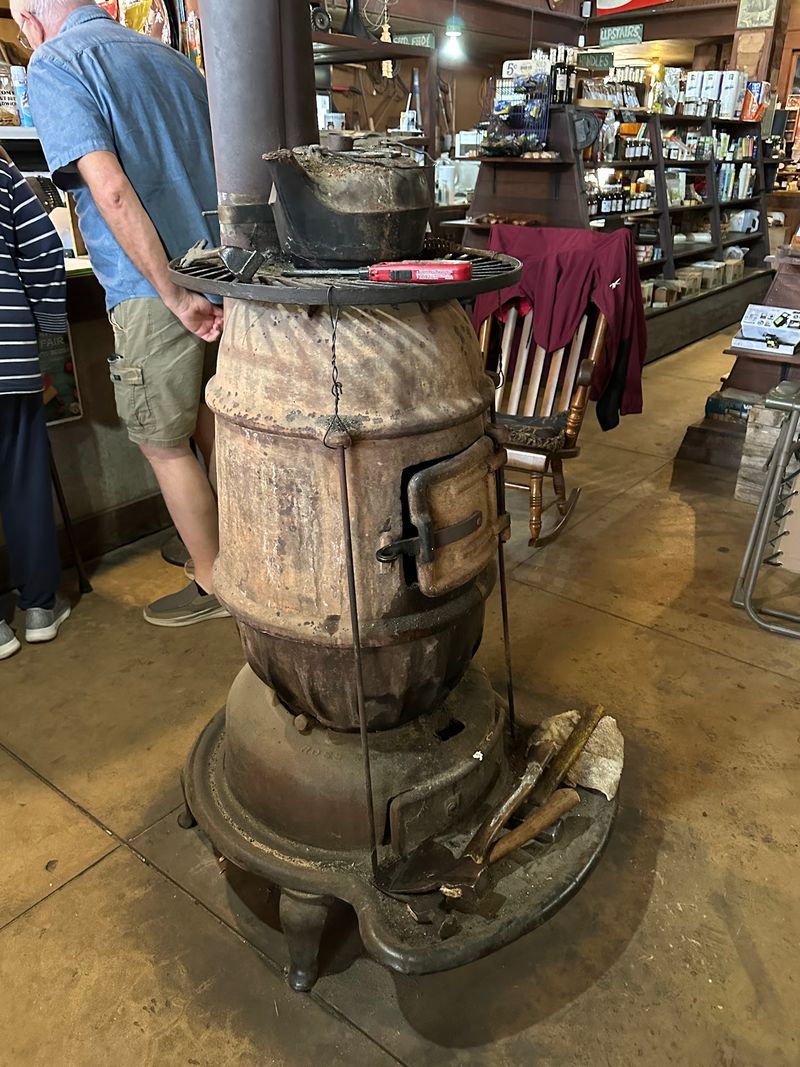
Stepping back in time is how many guests describe it. The wooden floors, old fixtures, and crowded shelves create a feeling that the clock stopped sometime in the early 1900s.
It feels more lived-in than staged.
History lovers will be happiest here, along with anyone who enjoys browsing without a plan. Kids who like discovering odd objects tend to have a great time.
Children who need wide open spaces may get antsy, so a quick walk outside can help balance things.
Fair warning: the store is not a polished modern shop. Some visitors feel it could use more organization and more present-day merchandise.
Others see that slightly jumbled feel as part of the charm, since it keeps the place authentic.
The building is large, giving groups room to spread out. Parents can grab coffee or a snack while kids explore nearby, and grandparents often enjoy pointing out items they remember from their own childhoods.
That shared moment across generations is one of the best reasons to bring the whole family. Plan for about an hour if you want to eat, browse both floors, and see the buildings out back.
Hours, Parking, and Getting There
Monday through Thursday, doors open at 7:30 in the morning and close at 4:30 in the afternoon. Friday and Saturday hours are shorter, running from 7:30 a.m. to 2 p.m.
The store is closed on Sundays.
Find it at 5493 US-11 and 80 in Toomsuba, roughly a mile off the interstate. That short detour makes it easy to work into a drive along I-59 or I-20 without losing much time.
Call ahead at 601-632-1884 if you want to confirm anything before arriving.
Parking is easy, even for big rigs. Travelers have pulled in with a 44-foot fifth wheel without trouble, and the store has been mentioned as a Harvest Hosts stop for RV families.
That makes it a convenient break for anyone traveling by camper.
For the full experience, aim for a weekday late morning. You will have time to eat, browse, and walk the grounds before closing.
Saturdays work too, but the earlier closing time means arriving by midday is smart. Bring cash as a backup for purchases, and check the official website for menu details before you go.