
This Mississippi University Campus Has A Free Museum Of Roman Emperor Busts And A Trail Walk To Faulkner’s Home
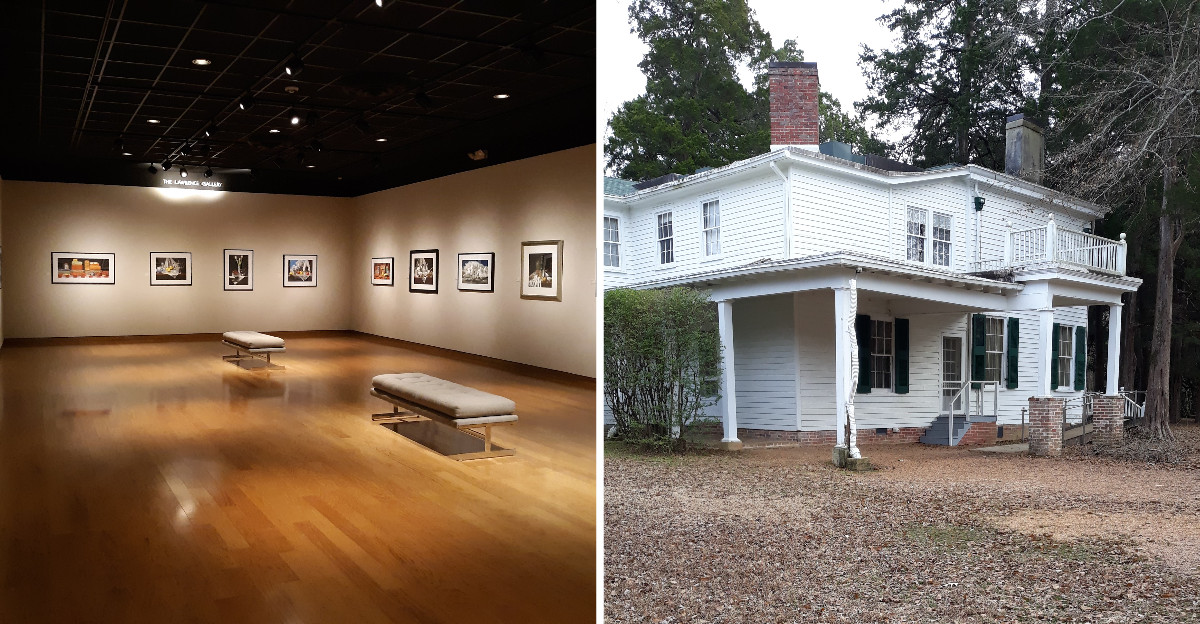
We only meant to stretch our legs on a college campus in Mississippi. Then we walked into a quiet building and came face to face with Roman emperors carved in stone, and nobody asked us for a dime.
Out back, a shady woodland path led straight to the home of one of America’s most famous writers. For families who love a free, easy outing packed with history, this pairing is hard to beat.
A Free Campus Museum on the Edge of Ole Miss
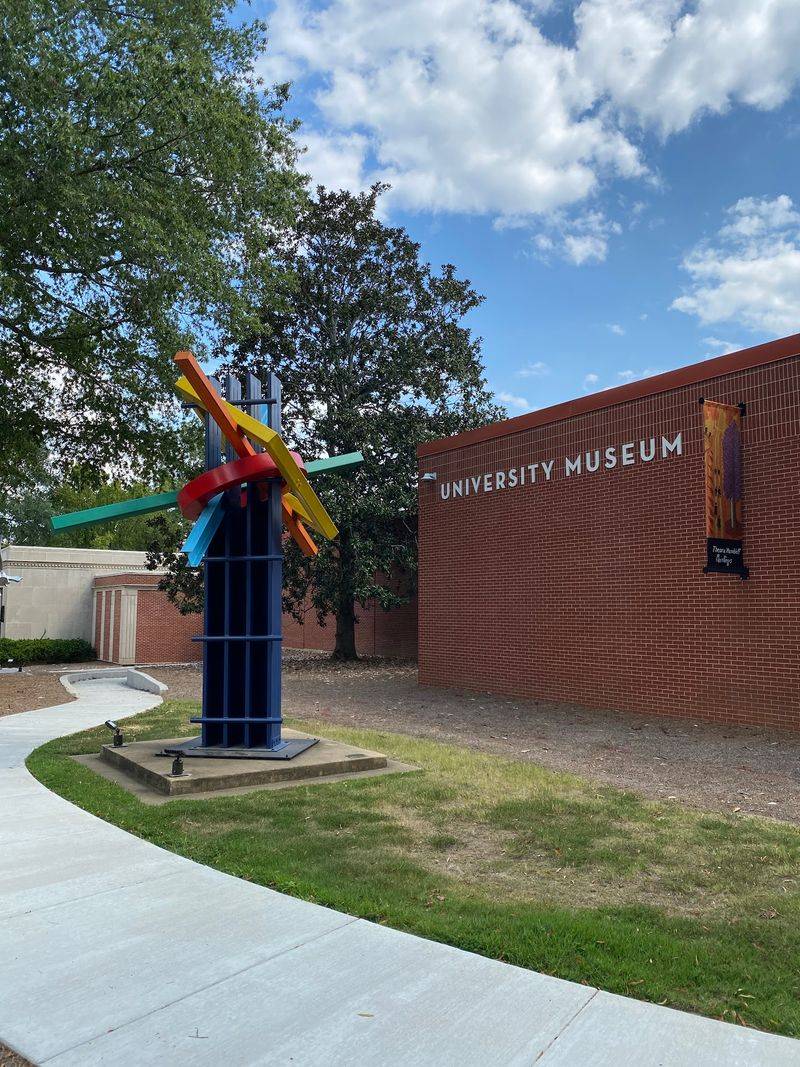
Tucked at the corner of University Avenue and South 5th Street in Oxford, the University of Mississippi Museum sits just off the main Ole Miss campus. It is an art and antiquities museum, and the best part for families is simple: admission is free.
A donation box waits near the entrance for anyone who wants to chip in.
Inside, the collections stretch across thousands of years. You can find ancient Greek and Roman pieces, American paintings, folk art, quilts, and even old scientific instruments.
Temporary exhibits rotate through as well, so the walls rarely look exactly the same twice.
Visitors often mention how easy it is to fit a stop here into a day of exploring campus. Students drop in for class assignments, and traveling families wander through between football weekends and town strolls.
The museum is small enough that kids will not run out of steam, yet varied enough that adults stay curious.
What makes the place stand out, though, is what lies behind it. A wooded trail connects the museum grounds to Rowan Oak, the home of author William Faulkner.
That means one parking spot can unlock an afternoon of art, ancient history, and a forest walk, all without a big ticket bill.
The Story Behind the Robinson Collection
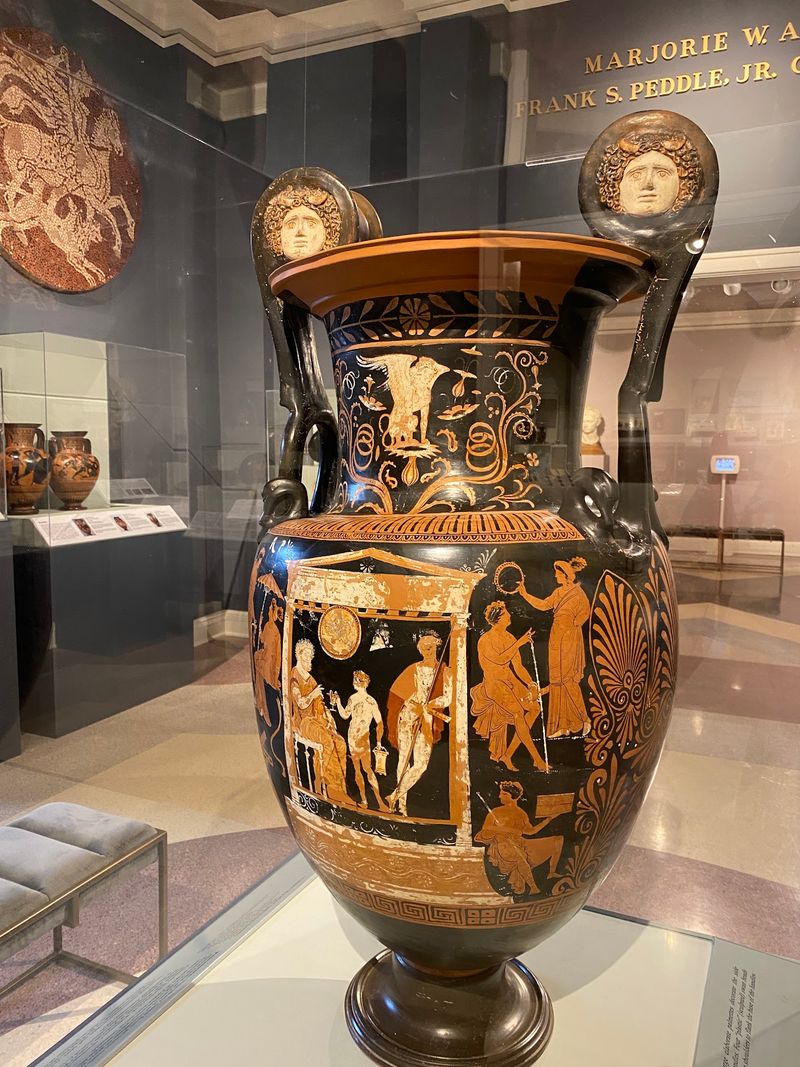
Back in 1958, a scholar named David M. Robinson left a remarkable gift to the university.
His bequest became the David M. Robinson Collection of Greek and Roman Antiquities, and it changed what a small Southern college town could offer its visitors.
More than 2,200 artifacts make up the collection today. They date from roughly 1500 B.C. to 300 A.D., which covers an enormous stretch of human history.
There are sculptures, decorated pottery, architectural fragments, terracotta figures, bronze pieces, and ancient coins.
Experts consider it one of the finest university holdings of its kind in the United States. That is a big claim for a museum you can walk through in an hour or two, and it surprises plenty of first-time guests.
Many people arrive expecting local paintings and leave talking about Greek vases instead.
For parents, the collection works like a time machine that fits in a few rooms. Kids studying ancient civilizations in school can see real objects that people used, decorated, and treasured thousands of years ago.
Detailed labels explain what each piece is, which helps grown-ups answer the endless stream of questions that tends to follow.
Roman Emperors Carved in Marble
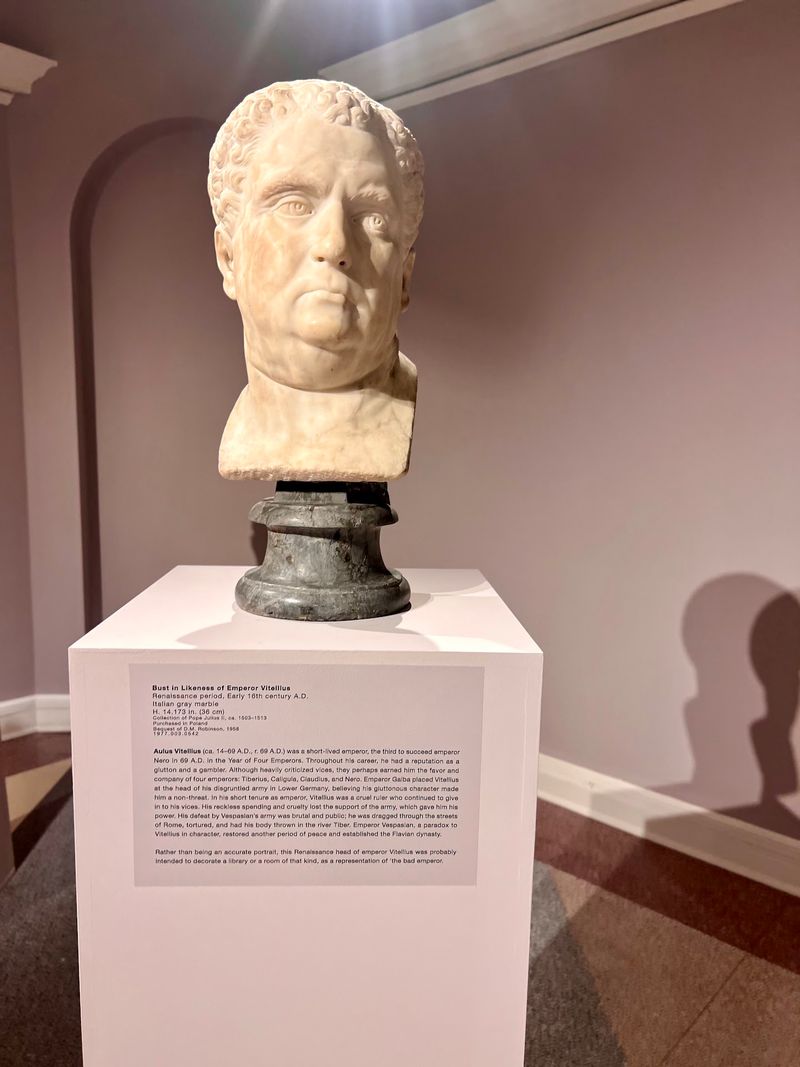
Tiberius gazes out from his pedestal with the calm expression of a man who once ruled an empire. Nearby, you can spot Marcus Aurelius, a head of Emperor Augustus, and Agrippina the Elder.
Visitors are often startled to find these famous faces in a Mississippi college town.
Busts like these were made so people across the Roman world could recognize their leaders. In a time before photographs, a carved face was how citizens knew who was in charge.
Pointing that out to kids turns the display into a fun game of ancient celebrity spotting.
Try asking children to compare the hairstyles, noses, and expressions. Some emperors look stern, others thoughtful, and the differences spark surprisingly lively conversations.
Older kids might enjoy looking up one emperor afterward to learn what he was known for.
The busts are part of the Robinson bequest, and they give the museum its most memorable moment for many guests. Standing a few feet from a portrait carved around two thousand years ago feels very different from seeing it in a textbook.
Best of all, getting this close to Roman history costs nothing at the door, which makes repeat visits easy to justify.
Quilts, Folk Art, and Mississippi Painters
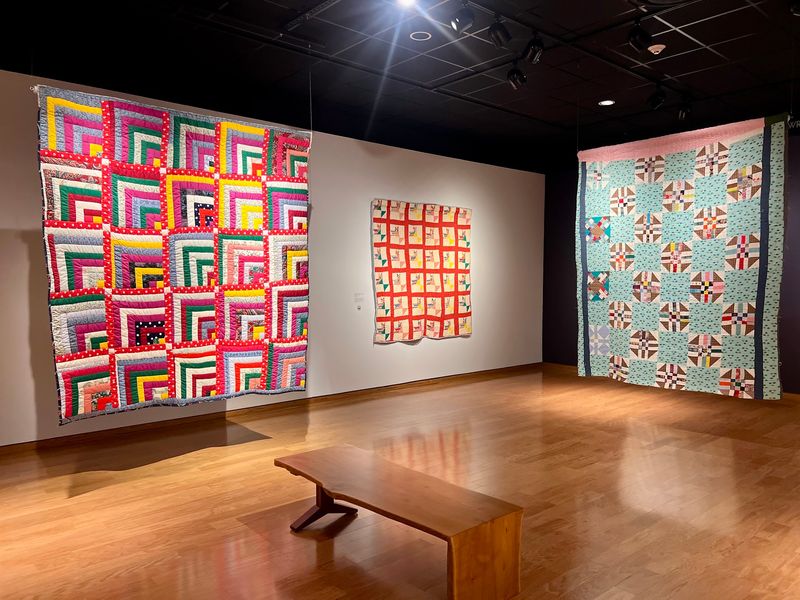
Grandmothers have been known to stop in their tracks at the quilt galleries here. One visitor said several patterns reminded her of blankets a neighbor stitched when she was a girl.
The collection is large enough to fill two galleries.
Color is the first thing kids notice. Bold patches, careful stitching, and repeating shapes make quilts a great entry point for young museum-goers who might not sit still for oil paintings.
Ask them to find their favorite pattern or count the shapes in a single square.
Nearby, the museum showcases work by Mississippi artists Theora Hamblett and M.B. Mayfield.
Their pieces offer a local flavor that balances the ancient treasures down the hall. Visitors also mention American art by names such as Georgia O’Keeffe and Alfred Maurer.
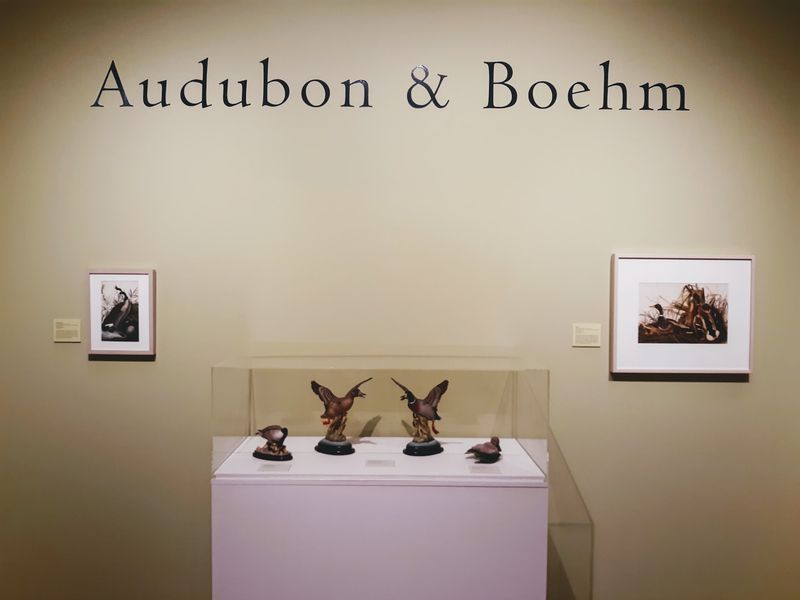
Guests praise the museum’s mix of contemporary art and special collections of modern work and cultural artifacts by African and African American artists. Rotating exhibits keep things fresh, with paintings from recent years appearing alongside older works.
For families, that variety means a teen who shrugs at Greek pottery might light up in front of a modern canvas, and everyone finds something to talk about.
Old Scientific Instruments That Spark Curiosity
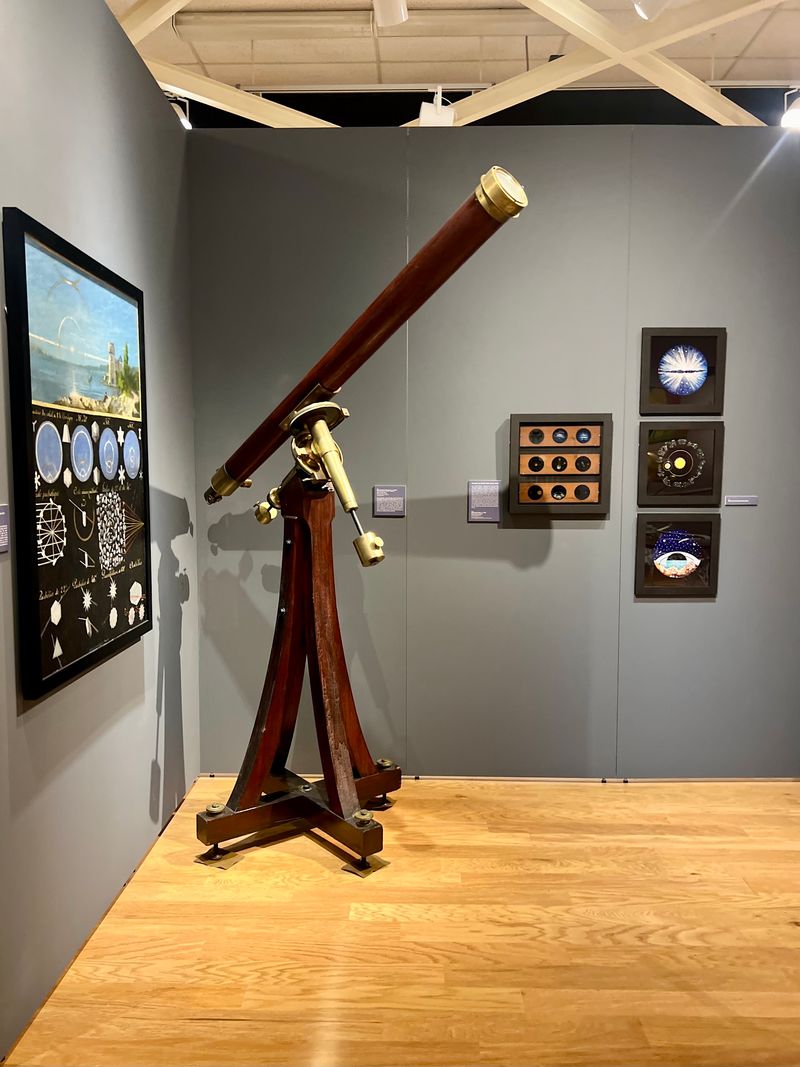
Brass dials, glass tubes, and polished wooden stands fill one of the museum’s more unexpected displays. These are scientific instruments from the mid-1800s, and visitors describe them as intriguing in a way that sneaks up on you.
Science-minded kids tend to gravitate here. Long before computers and digital screens, teachers and researchers used tools like these to demonstrate how the world works.
Seeing the handcrafted parts up close helps young visitors understand how much effort went into early experiments.
Parents can turn the case into a guessing game. What do you think this was used for?
Does it measure something, move something, or make a sound? Reading the label afterward to check answers keeps little minds busy and makes the history stick.
The instruments also show how broad the museum’s mission really is. Art, antiquities, and science share the same building, which suits families with kids of different interests.
A child who loves drawing and a sibling who loves building gadgets can both find a corner that feels made for them.
It is a quieter section, so it can be a nice place to pause before heading out to the trail.
Bailey Woods Trail to Rowan Oak
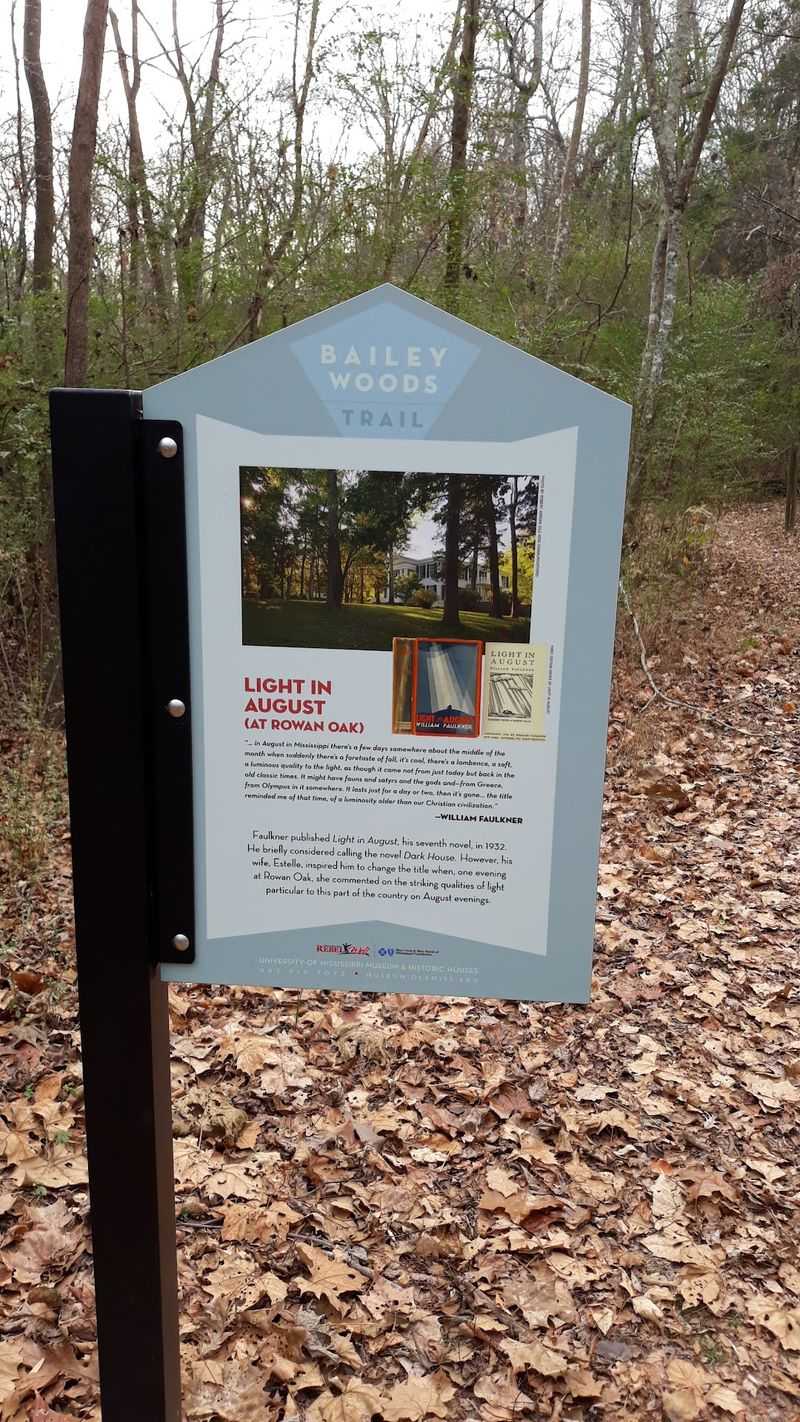
Just behind the museum, a dirt path slips into the trees and the campus noise fades fast. Bailey Woods Trail is a designated National Recreation Trail, and it links the museum directly to William Faulkner’s home.
The route runs about 3,000 feet, or roughly 0.6 miles. Most people cover it in around 20 minutes at a relaxed pace.
That length is ideal for young walkers who are happy to explore but not ready for a big hike.
Faulkner himself walked and hunted in these woods. Telling kids that a famous author once wandered the same path adds a little magic to every root and fallen leaf.
Encourage them to look for birds, mushrooms, or interesting bark along the way.
A few practical notes help the walk go smoothly. The trail is open from dawn to dusk, and bicycles are not allowed, so plan to go on foot.
Sturdy shoes are smart since the ground is natural rather than paved, and the heavy tree cover can feel cooler than the open sidewalks nearby.
Visitors who have done it call the stroll a highlight, a peaceful bridge between two very different kinds of history.
William Faulkner’s Home at the Trail’s End
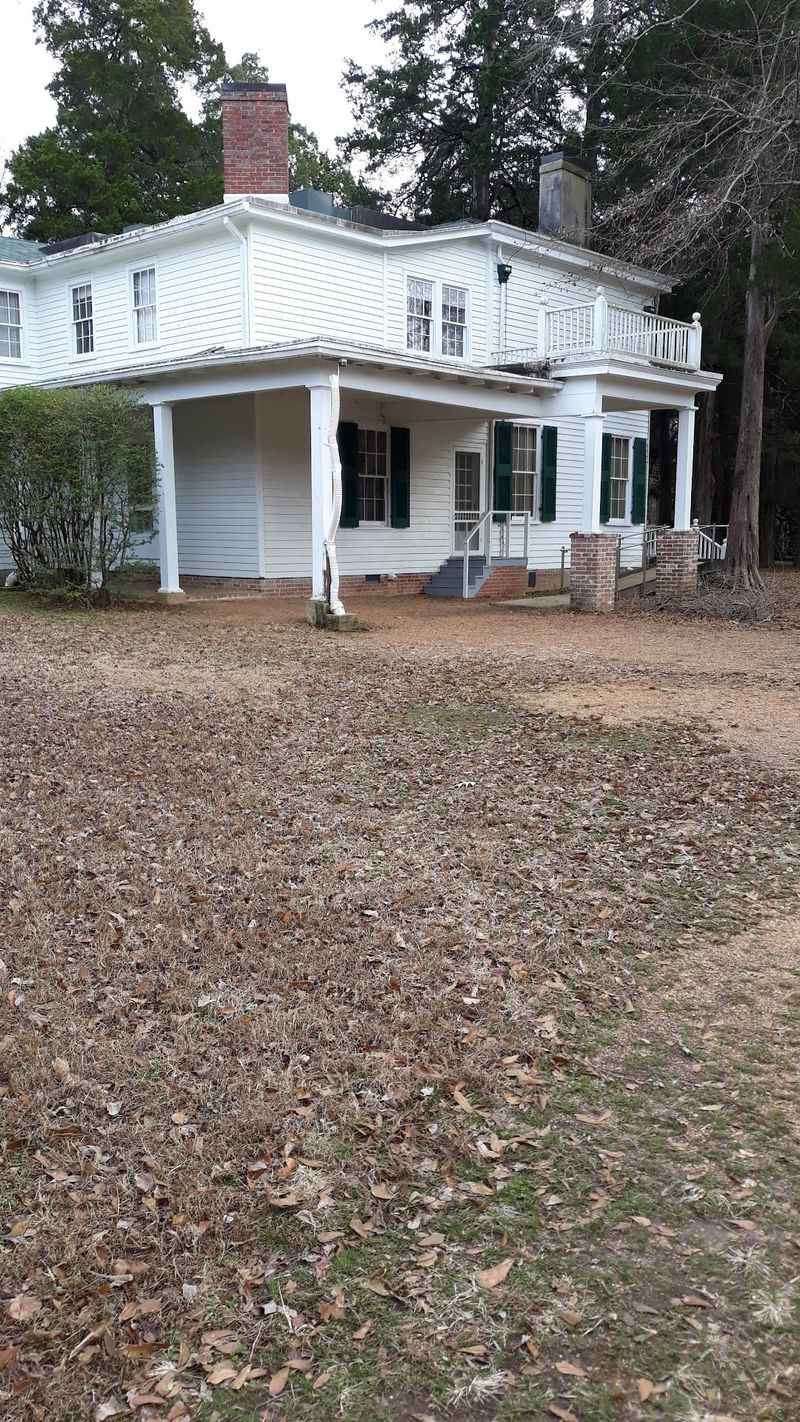
Cedar trees frame a white house that looks almost frozen in time. Rowan Oak was the home of William Faulkner, a writer who won both the Nobel Prize and the Pulitzer Prize.
He lived here from 1930 until 1962.
The house is a primitive Greek Revival design, and the university has cared for it since 1972. Staff keep it much as it was during Faulkner’s lifetime, including many original furnishings.
Walking through feels like visiting someone who just stepped out for the afternoon.
Kids usually love one detail most. Faulkner scribbled the plot outline for his 1954 novel A Fable right onto the walls of his office.
Explaining that a famous author wrote on his walls tends to get giggles, plus a few hopeful questions about doing the same at home.
The grounds are free to explore from dawn to dusk. Touring the house itself costs $10 per person for ages 13 and up, while children 12 and under get in free, according to pricing listed as of September 1, 2026.
Families can decide whether to stroll the grounds only or step inside for the full experience.
A Calm, Cool Space for Curious Families
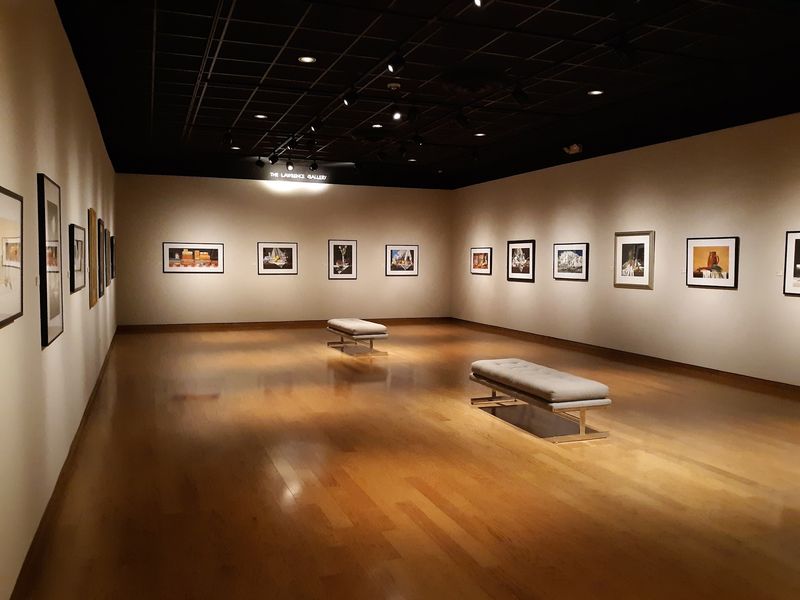
Summer afternoons in Mississippi can be steamy, so the museum’s cool interior earns quick gratitude from guests. Several visitors mention how pleasant it feels to step inside and slow down.
Quiet is a big part of the appeal. The galleries are often fairly empty, which makes it easier for parents to let kids look closely without crowds pressing in.
Benches and open space invite a short rest between exhibits.
Staff come up again and again as a bright spot. Guests describe them as friendly, helpful, and happy to answer questions about the collections.
One visitor noted there are no regular guided tours, though others have appreciated informative guides during their visits.
Families have also enjoyed special events here. One parent described a Family Day with abstract art projects, a free double decker bus ride, and a map for finding art around town.
The museum offers educational programs for children and adults, so checking the website before a trip could reveal a hands-on activity.
The museum suits toddlers in short bursts, school-age kids who like stories, and teens interested in art or history. Grandparents often enjoy the quilts most of all.
Hours, Parking, and Planning Your Visit
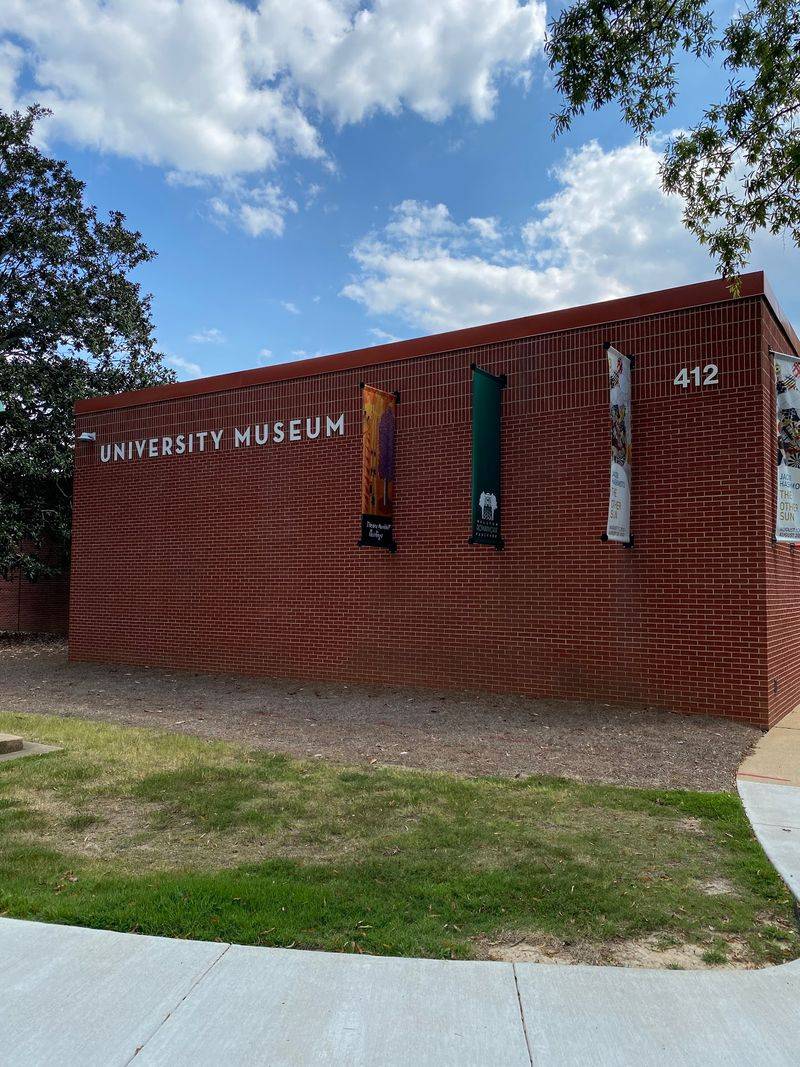
Timing matters, because the museum keeps a midweek schedule. It is open Tuesday through Friday from 10 am to 5 pm and Saturday from 10 am to 4 pm.
Sundays and Mondays are closed.
Getting there is straightforward. The museum sits at University Avenue and South 5th Street in Oxford, and one visitor noted it is about 30 minutes east of Interstate 55 near Batesville.
Free visitor parking is available next to the building, a welcome perk on a busy campus.
Admission costs nothing, though a donation box is available for anyone who wants to support the collections. Some guests mention that signage could be clearer, so a quick look at the website or a call to 662-915-7073 can help before you arrive.
Shopping tip worth remembering: the museum has a small gift shop, and Rowan Oak does not. If kids want a souvenir from Faulkner’s home, grab it here before or after the walk.
A smooth plan is to tour the museum first, take the trail to Rowan Oak, then circle back. Since the trail closes at dusk and the house charges a separate fee for teens and adults, budget your time and cash accordingly.
Why This Pairing Makes an Easy Family Day
Few outings stack up this much value with so little cost. In a single afternoon, a family can stand beside Roman emperors, admire handmade quilts, peek at Victorian-era science tools, and follow a forest path to a Nobel Prize winner’s home.
Budget-minded parents will appreciate the math. The museum is free, the trail is free, and Rowan Oak’s grounds are free, with kids 12 and under touring the house at no charge.
Only teens and adults pay to go inside Faulkner’s home.
Distances stay manageable too. The museum is compact, the trail takes about 20 minutes, and nothing requires a long drive between stops.
Little legs can handle it, and older kids get enough variety to stay engaged.
Visitors consistently describe the experience as relaxing and surprisingly rich for a college town. The mix of art, ancient history, literature, and nature means each family member will likely find a favorite moment, whether it is a marble face, a bright quilt, or Faulkner’s scribbled walls.
For anyone passing through northern Mississippi on a weekday or Saturday, this campus corner offers a memorable few hours that teach, refresh, and spark curiosity long after the drive home.