
This Montana Alpine Lake Is Famous For Water That Stays Frigid All Summer
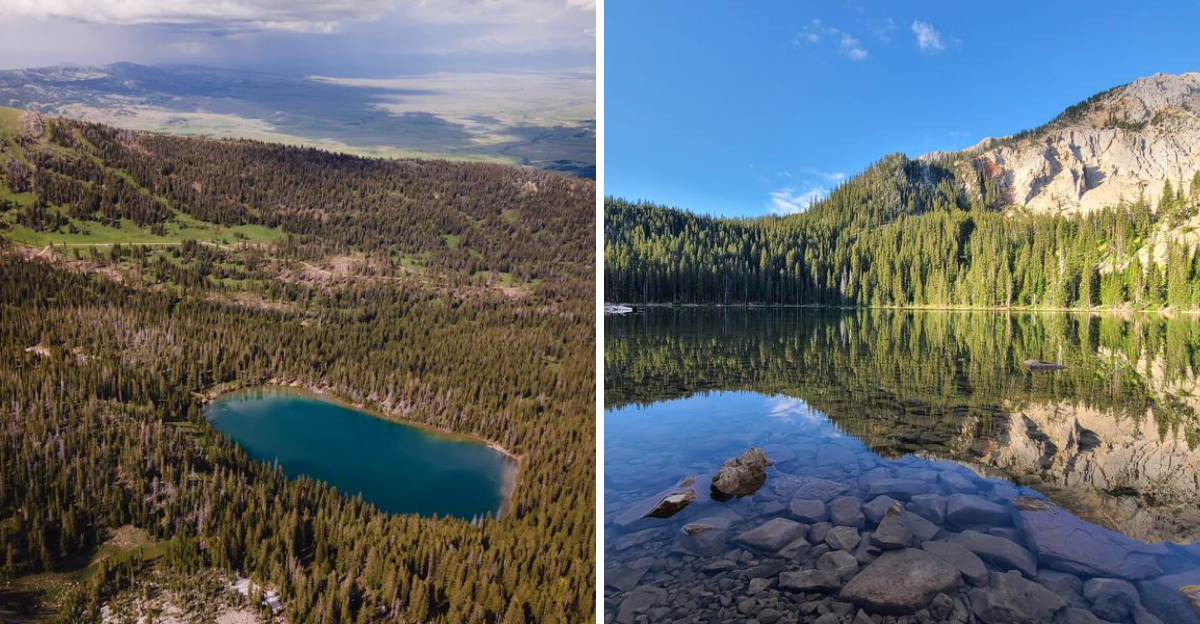
You know a lake is serious when dipping your toes in feels like a dare. Montana has an alpine escape where the water stays shockingly cold all summer.
Even on a warm afternoon, that first touch can make you pull your foot back fast. The contrast is part of what makes the place so memorable.
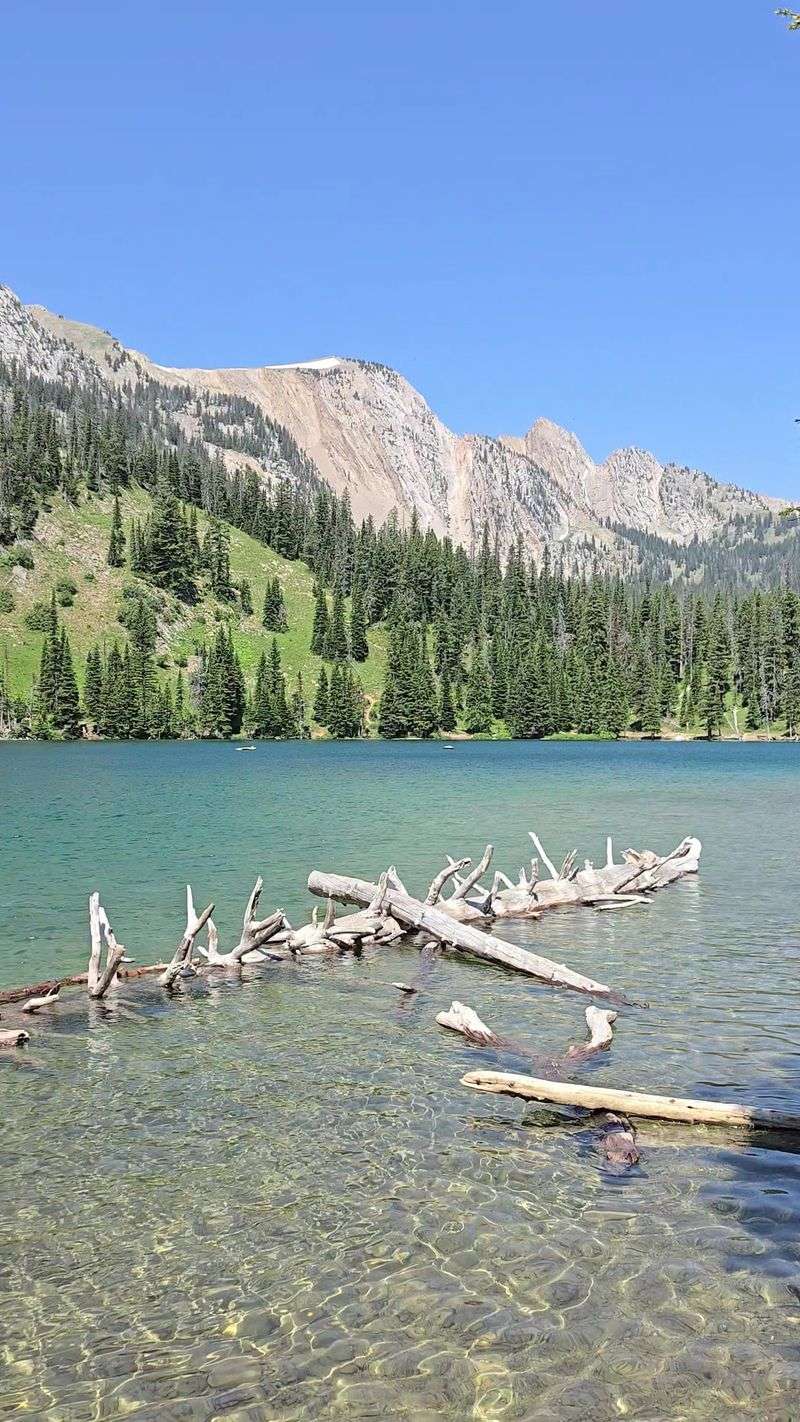
Mountain peaks rise around clear blue water. The shoreline still feels wild, and the air stays crisp enough to make summer heat seem far away.
This part of the state is made for slowing down and taking in the view. It also leaves you wondering how such beautiful water can stay so brutally cold.
Water So Cold It Steals Your Breath In July
Snowmelt does not care what the calendar says. Fairy Lake sits high in the Bridger Range, and its supply arrives as melting snow.
Cold water sinks, and deep alpine basins hold that chill for months. Even in August, wading past your knees feels like a dare.
Elevation plays the biggest role here. The lake rests near 7,600 feet, where nights stay cool and summer arrives late.
Shade helps too. Steep rock walls block direct sun for part of the day, slowing any warming.
Swimmers still take the plunge, though most stay in briefly. A quick dip, a loud yelp, then a fast retreat to a sunny rock.
Bring a towel and a dry layer if you plan to swim. Chilly skin plus a mountain breeze can turn uncomfortable quickly.
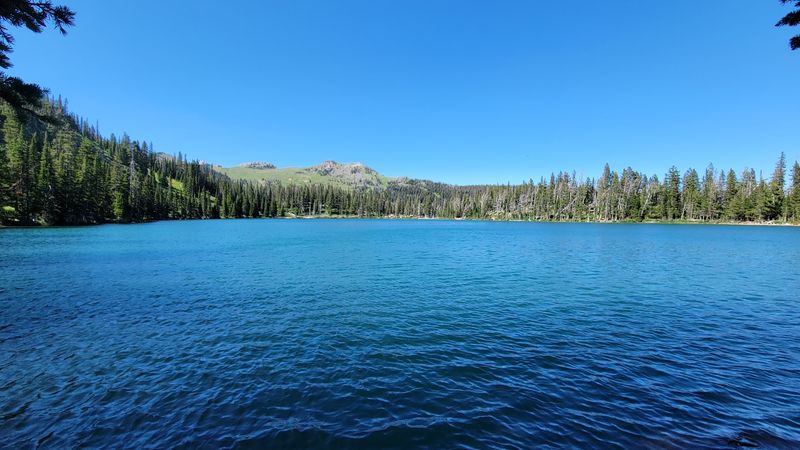
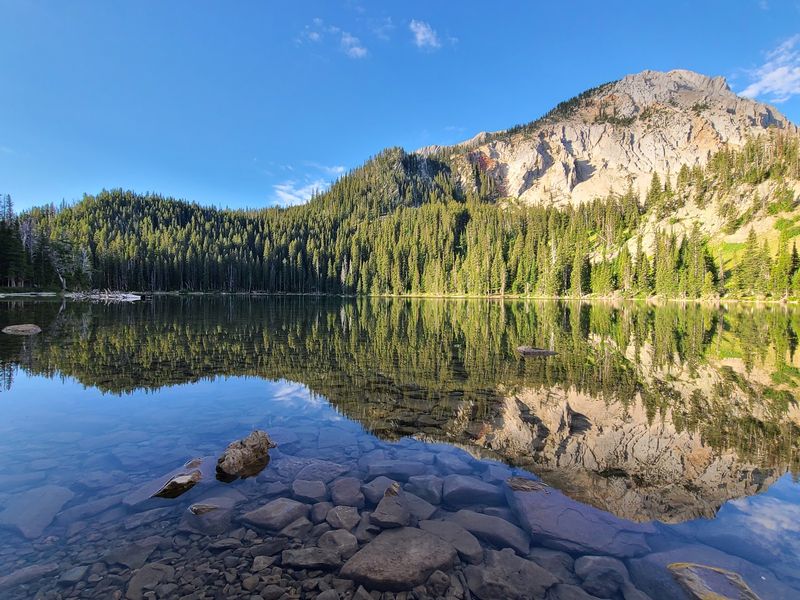
The reward is water so clear you can count stones on the bottom. Few lakes in the area look this bright in midsummer.
Photographers love that clarity, especially in early morning calm. Reflections of the ridge above look almost painted on the surface.
Cold water, it turns out, has its own quiet payoff.
A Stone Bowl Carved By Ancient Ice
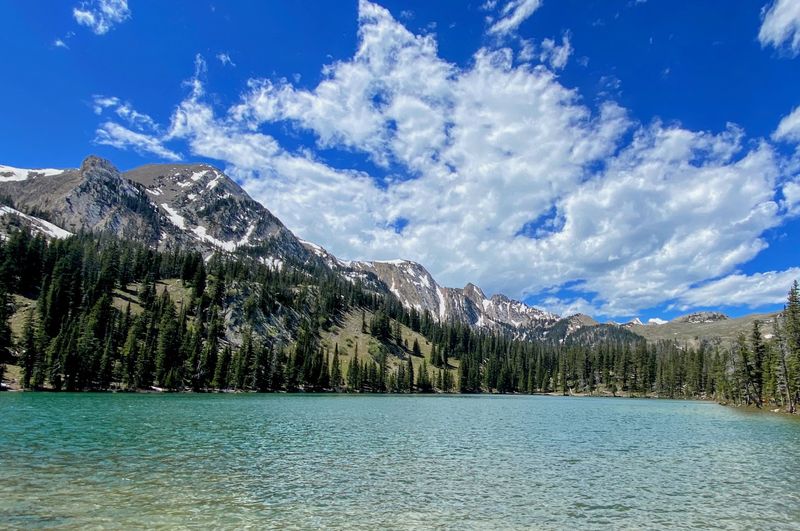
Glaciers were the original excavators here. Fairy Lake sits in a cirque, a bowl scooped out by ice long ago.
Walls of rock curve around the water like a stadium. Hardscrabble Peak rises behind it, reaching about 9,575 feet.
The Bridger Range runs north to south for roughly 25 miles across southwest Montana. Its limestone spine gives the skyline a jagged, saw-tooth profile.
Loose scree fans spill down toward the shoreline. Those rocky slopes shift slowly, which is why footing near the walls demands care.
Small alpine lakes like this one are often shallow and clear. Little sediment enters, so the water keeps a glassy, blue-green look.
Trees thin out as elevation climbs. Whitebark pine and subalpine fir cling to the slopes above the basin.
Geology fans will spot layered rock bands on the cliffs. Each band marks a different chapter of ancient seabed history.
Stand at the outlet and the shape makes sense. Ice came through, carved deep, and left a perfect stone bowl behind.
Few places explain their own origin so plainly. That is part of the appeal.
The Rough Gravel Road That Guards The Basin
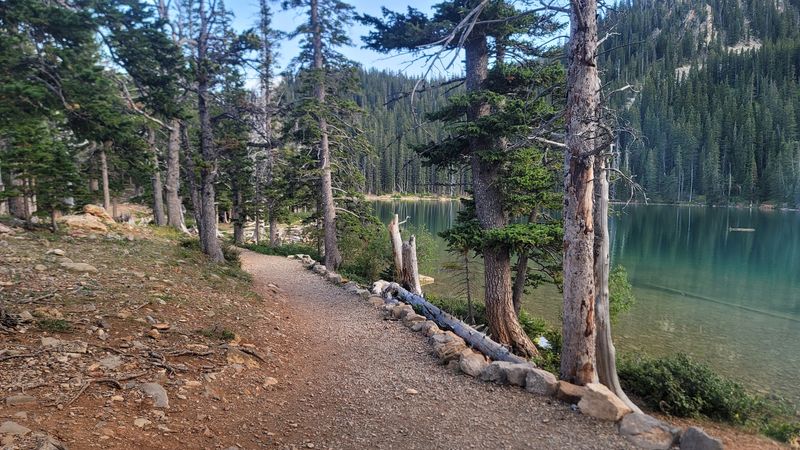
Ask anyone who has driven it, and the road earns more comments than the lake. Fairy Lake Road climbs roughly six miles of rocky gravel.
Washboard ruts rattle the whole car. Speed will not help, so slow and steady wins here.
High-clearance vehicles handle it best. Low sedans can make it in dry conditions, but drivers often regret the choice.
The route leaves Bridger Canyon Road north of Bozeman. Signs mark the turn, though they are modest and easy to miss.
Plan on thirty to forty minutes for those six miles. That pace is normal, not a sign of trouble.
Snow blocks the upper stretch well into summer. Many years the road opens in early July, sometimes later.
Check current conditions with the Custer Gallatin National Forest before leaving. Road surfaces change after storms and heavy runoff.
Cell service fades quickly once you leave the pavement. Download maps ahead of time and carry a spare tire.
The rough drive keeps crowds smaller than you might expect. Consider it a filter, not a flaw.
Where To Point The Car Before You Leave Town
Maps list the mailing address as Sedan, MT 59086, which surprises first-timers. The tiny community sits well below the peaks.
Bozeman is the practical base camp. Drive north on Bridger Canyon Road, also called Highway 86, for about twenty-two miles.
Watch for the Fairy Lake Road turnoff on the left. From there, the gravel climb begins in earnest.
Coordinates land near 45.9044 north and 110.9578 west. Save them offline, since navigation apps lose signal up high.
Bridger Bowl ski area sits along the same highway. Passing it means you are on the right track.
Total travel time from town runs about an hour. Most of that hour belongs to the final gravel stretch.
Fuel up before leaving the valley. No services exist along the canyon or the forest road.
Pack water, snacks, and layers in the car. Weather at 7,600 feet ignores the forecast down in the valley.
Arriving early helps with parking, especially on weekends. The lot is small, and it fills fast in August.
Patience pays off at the trailhead. Someone always pulls out within a few minutes.
Sacagawea Peak Rises Straight Above The Shoreline
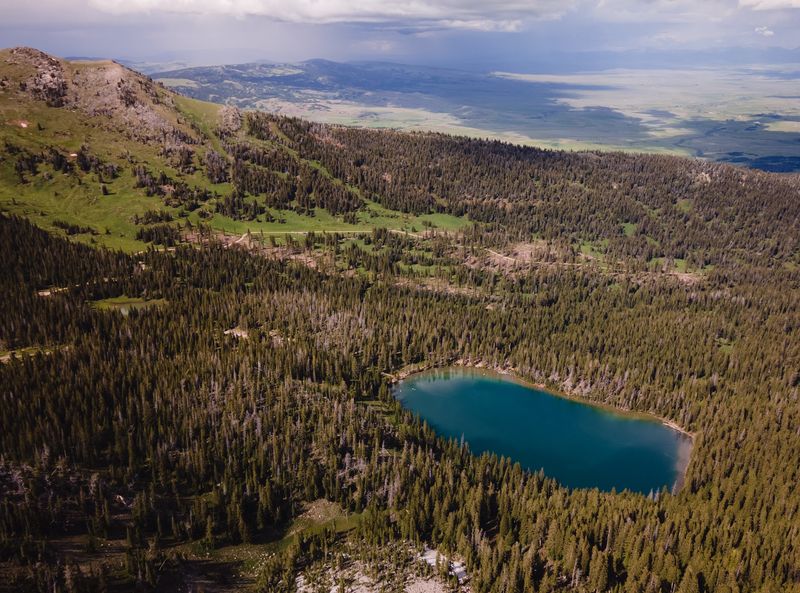
Hikers often come for the summit and stay for the lake. Sacagawea Peak tops the Bridger Range at 9,665 feet.
The trail starts near the campground and climbs through tight switchbacks. Roughly two miles later, you reach the highest point around.
Expect about 2,000 feet of elevation gain. Short does not mean easy, and the grade stays steady.
A saddle appears first, offering wide views into both valleys. Wind picks up there, so bring a windbreaker even in July.
From the saddle, the path turns north along the ridge. Loose rock near the top calls for careful steps.
On clear days, the Absaroka and Crazy Mountains stand out. The Gallatin Valley spreads out far below.
Start early to avoid afternoon thunderstorms. Summer storms build fast over exposed ridges.
Descending back to Fairy Lake feels like a reward. Cool air near the shoreline resets tired legs.
Sturdy shoes matter more than fancy gear here. Trekking poles help on the loose upper sections.
Give yourself three to four hours round trip. Photos and snack breaks always stretch the clock.
White Shapes On The Cliffs: Mountain Goats
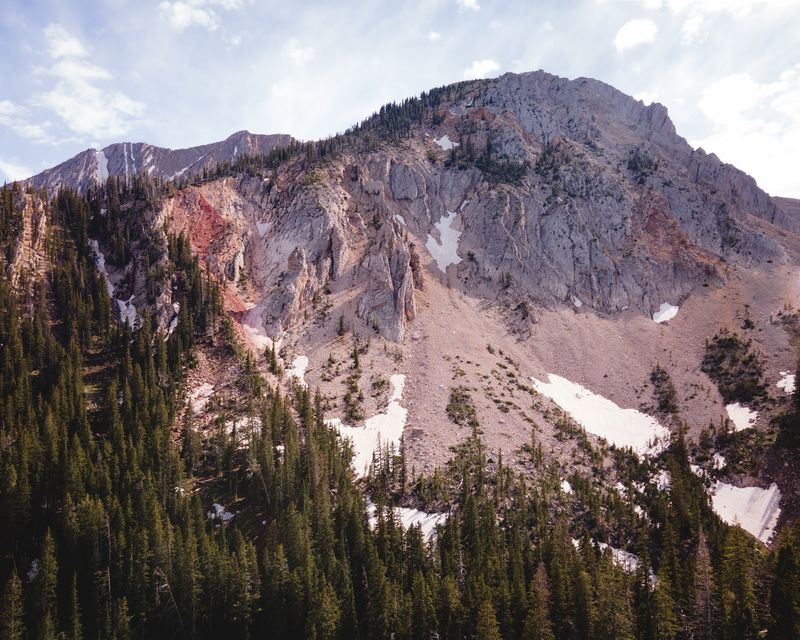
Look up, and you might spot white shapes on the cliffs. Mountain goats live on the ridges above the basin.
They cross terrain that looks impossible for hooves. Special rubbery pads help them grip bare rock.
Nannies and kids often travel together in small groups. Late spring and summer bring the best chances to see them.
Keep your distance, at least 25 yards or more. Wild animals grow stressed quickly when people crowd them.
Never offer food or leave scraps behind. Goats seek out salt, and human items can attract them.
Binoculars turn a distant speck into a clear sighting. A zoom lens works better than stepping closer.
Marmots and pikas also live in the rock piles. Listen for the sharp whistle of a marmot on watch.
Golden eagles sometimes ride thermals above the ridge. Their shadows sweep across the scree in the afternoon.
Black bears roam the lower forests in the area. Carry bear spray and know how to use it.
Wildlife makes every outing a little different. Two trips rarely produce the same sightings.
A Tiny Campground With Oversized Views
Nine small sites make up the entire campground, so arrive with a backup plan. Spots go first-come, first-served, with no reservations.
A vault toilet is the only facility. Drinking water is not available, so haul your own supply.
Tents fit better than large trailers. The road and tight turns discourage big rigs entirely.
Nights get cold, even in July. A warm sleeping bag beats a thin summer blanket here.
Campfires depend on current fire restrictions. Check the rules before packing wood, and never leave flames unattended.
Morning light hits the cliffs first, turning them warm gold. Coffee outside the tent becomes the highlight of the trip.
Stars appear in remarkable numbers once the sun sets. Little light pollution reaches this corner of the range.
Pack out every scrap of trash. Wildlife learns fast, and clean sites keep animals wild.
The season usually runs from July into September. Snow closes access again once autumn storms arrive.
Weekdays feel calmer than weekends by a wide margin. If your schedule allows, aim for a Tuesday night.
Casting A Line Into Ice-Cold Water
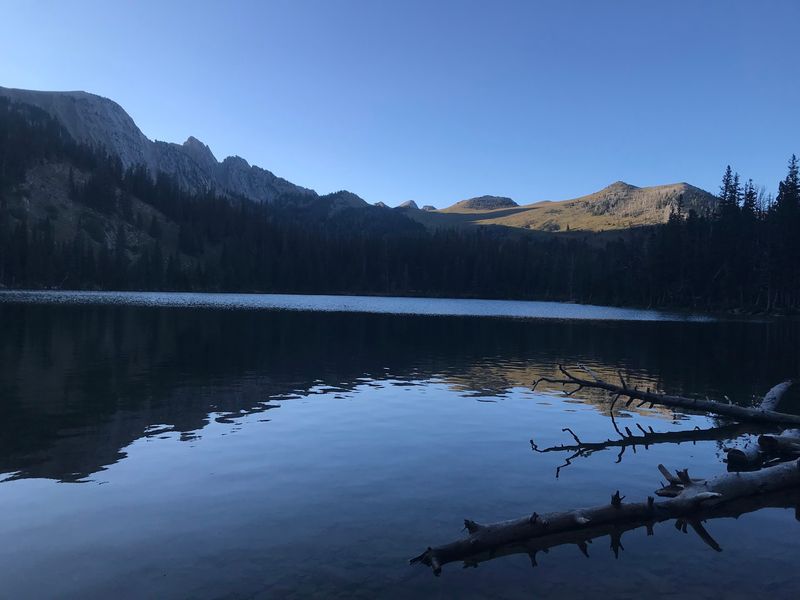
Anglers show up with light rods and low expectations, then smile. Fairy Lake holds cutthroat trout in cold, clear water.
Fish here run small, which is common in high lakes. Short growing seasons limit how big they get.
A current fishing license is required before you cast. Regulations shift year to year, so review them first.
Early morning and evening bring the most action. Midday sun pushes fish deeper and slows the bite.
Small spinners and dry flies both work well. Simple gear beats a heavy tackle box on this trip.
Float tubes appear now and then on calm days. Remember that the water stays frigid, so dress accordingly.
Shoreline access opens up around much of the lake. Watch your backcast near the trees along the bank.
Practice catch-and-release if you want the fishery to thrive. Wet your hands before handling any fish.
Even fishless days feel worthwhile in this setting. The scenery does plenty of heavy lifting.
Bring a small net and a warm layer. Wind funnels through the basin without much warning.
The Rope Swing And Other Shoreline Traditions
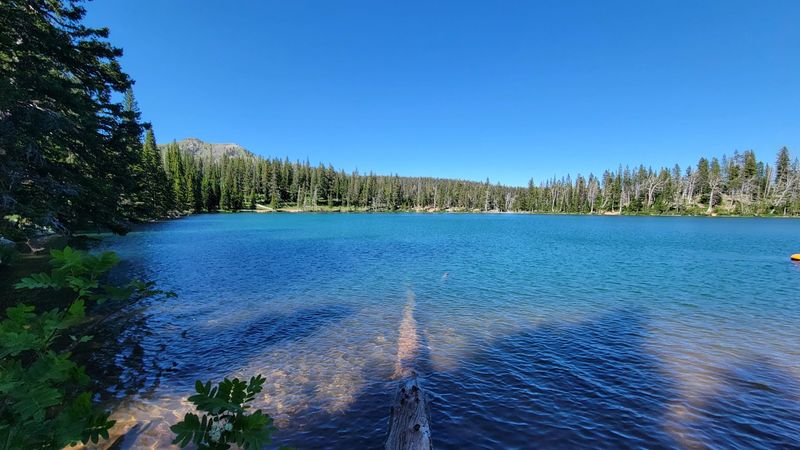
A rope swing hangs near the shoreline, and it separates the bold from the sensible. Most people watch, laugh, then reconsider.
The water shocks the system on contact. Breathing gets short for a moment, which is normal in cold water.
Enter slowly if you are unsure. Sudden cold can trigger a gasp reflex that catches swimmers off guard.
Never swing or swim alone. A friend on shore makes the whole thing safer.
Shaded rocks along the bank make excellent picnic seats. Bring a blanket, since stone is not known for comfort.
Families often skip the swim and stick to wading. Ankle-deep is plenty cold for most people.
Kayaks and paddleboards fit on the roof for the drive up. The lake is small, so a lap takes minutes.
Pack a dry towel and a change of clothes. Wet clothing plus alpine wind makes for a chilly ride home.
Sun reflects hard off the surface at this elevation. Sunscreen matters even when the air feels cool.
Leave the shoreline exactly as you found it. Others deserve the same clean welcome.
Smart Timing, Packing, And Trail Manners
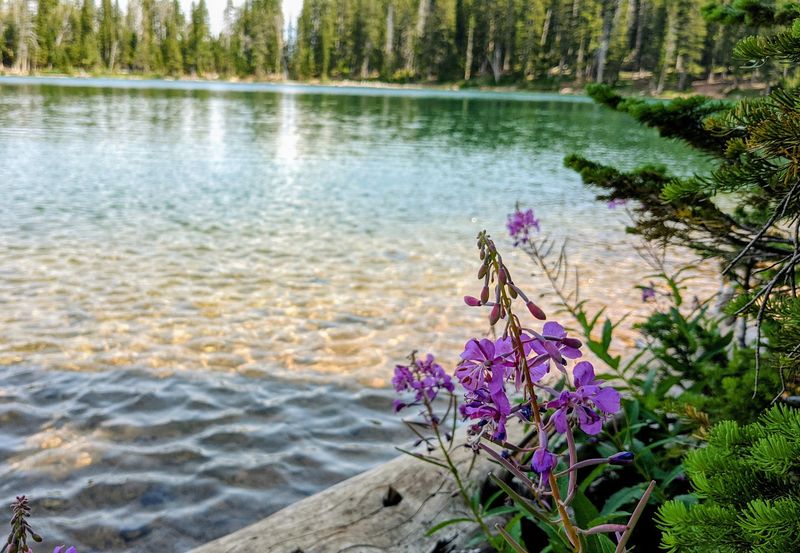
Timing separates a great trip from a locked gate. Snow often blocks the road until early July.
Mid-July through September offers the most reliable access. Wildflowers peak soon after the snow clears.
Indian paintbrush, lupine, and glacier lilies brighten the slopes. Colors fade by late August as the ground dries.
Autumn brings crisp air and quieter days. Grasses turn gold, and the light softens noticeably.
Afternoon thunderstorms are common in July and August. Plan to be off exposed ridges by early afternoon.
Layers beat a single heavy coat. Temperatures can swing twenty-five degrees between morning and midday.
Mosquitoes appear right after the melt. Repellent earns its place in the daypack during early summer.
Pack the ten essentials, even for a short outing. Weather at elevation changes faster than most people expect.
Fairy Lake rewards planning more than luck. Check road status, fill the tank, and start early.
Leave no trace on every trail and campsite. The basin stays beautiful because people treat it well.
Then find a rock, sit still, and listen. Wind through the pines is the only soundtrack needed.