
This Nevada Hatchery South Of Reno Lets Kids Watch Thousands Of Trout For Free
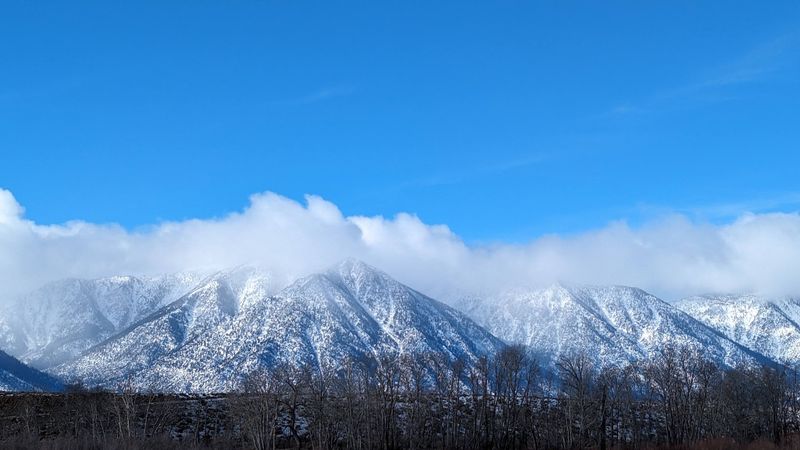
Highway 395 in Nevada rolls past ranch fences, cottonwoods, and the long gray wall of the Sierra, and most drivers never tap the brakes. Tucked just off that stretch sits a federal fish facility where long concrete channels hold trout by the thousands, and anyone can walk up and look for nothing at all.
Kids press against the railings and count fish they cannot possibly count. It is the kind of stop you plan for twenty minutes and end up stretching into an hour.
A Working Fish Facility Off Highway 395
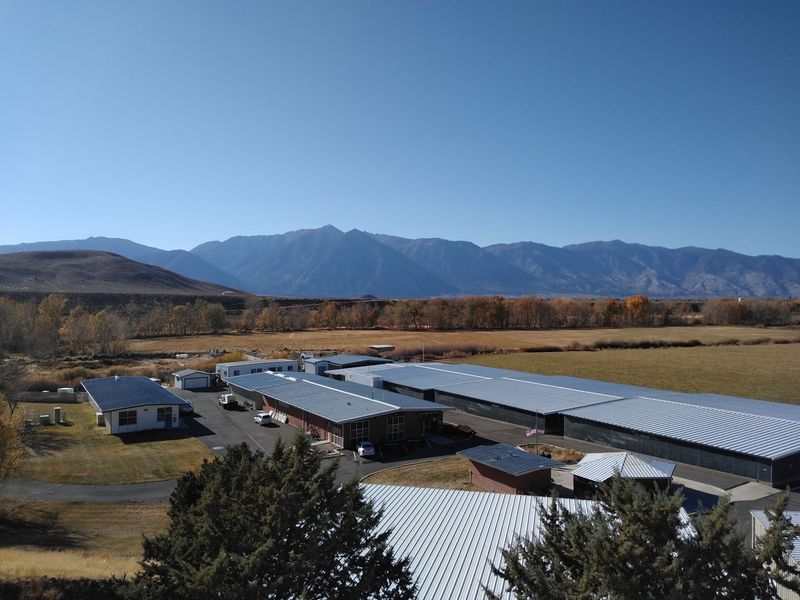
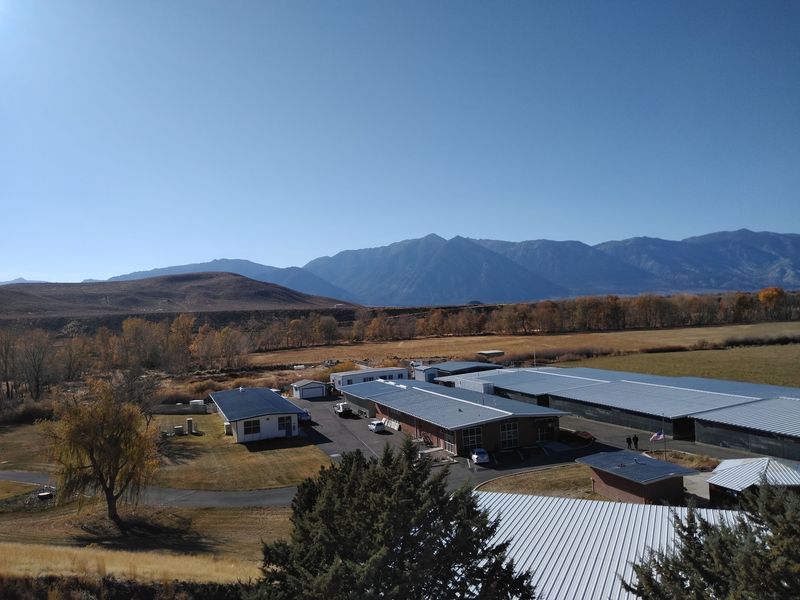
About five miles south of Gardnerville, at 710 U.S. Highway 395 N, a cluster of low buildings and long concrete channels sits back from the road with a sign that many drivers read only after they have already passed it.
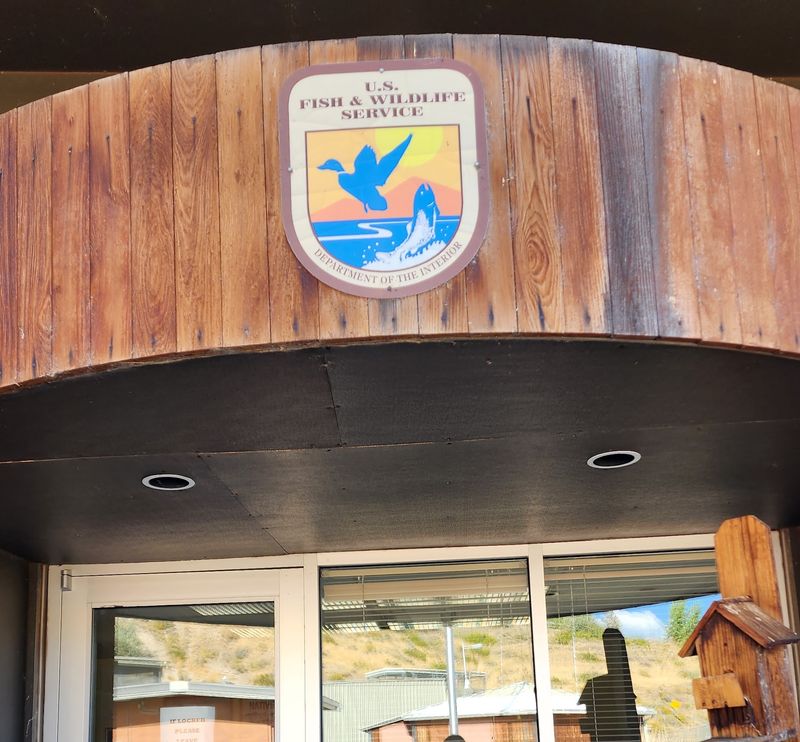
The Lahontan National Fish Hatchery Complex is run by the U.S. Fish and Wildlife Service, and it is not a museum pretending to be a workplace.
It is a workplace that happens to welcome the public.
Fish are raised here year-round for restoration projects and for fishing waters across western Nevada and the Eastern Sierra. Staff move between tanks and raceways with nets, hoses, and feed while visitors watch from a few feet away.
The drive from Reno runs roughly an hour south, depending on traffic through Carson City, and the route is straightforward two-lane and divided highway the whole way. Elevation here sits near 4,800 feet, so the air is dry and the light is sharp.
Admission costs nothing. There is no gate, no ticket booth, and no gift shop upsell waiting at the end, which makes it an unusually easy stop to fit into a longer Nevada day trip.
Why Nevada Needed a Hatchery Like This
Ancient Lake Lahontan once spread across much of northwestern Nevada, and its remnants include Pyramid Lake and Walker Lake. The trout that evolved in that system grew to sizes that sound invented until you see the numbers.
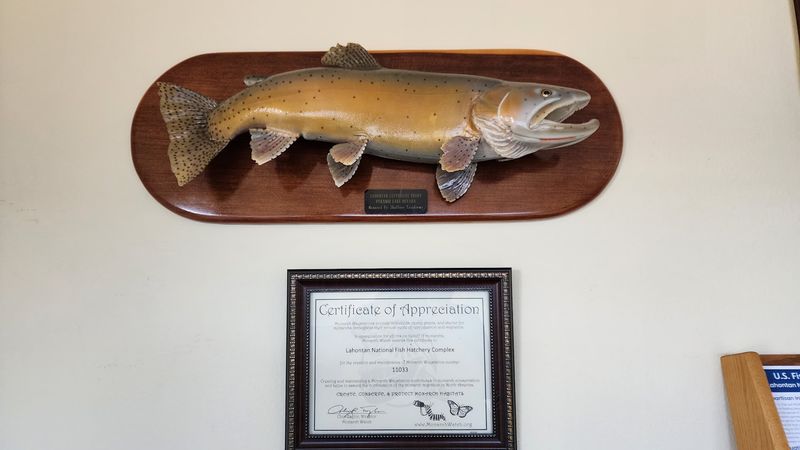
The Pilot Peak strain of Lahontan cutthroat trout kept here represents the original lake form of that fish, a species capable of exceeding 25 pounds and recognized as the largest inland cutthroat trout in the world. Losing that lake form from its home waters is the reason a federal hatchery complex exists in Douglas County at all.
Work at the facility feeds directly into recovery efforts across the Lake Tahoe, Truckee River, Pyramid Lake, and Walker Lake basins, plus the Eastern Sierra. The threatened trout is the headline species, but staff also support recovery activities for the Cui-ui, an endangered fish found only at Pyramid Lake.
That context changes how the raceways look. Those are not decorative fish circling in cold water.
Each one is part of a long, patient project to put a native Nevada species back into the lakes and rivers where earlier generations of anglers once found it.
Three Banks of Raceways and the Fish Inside Them
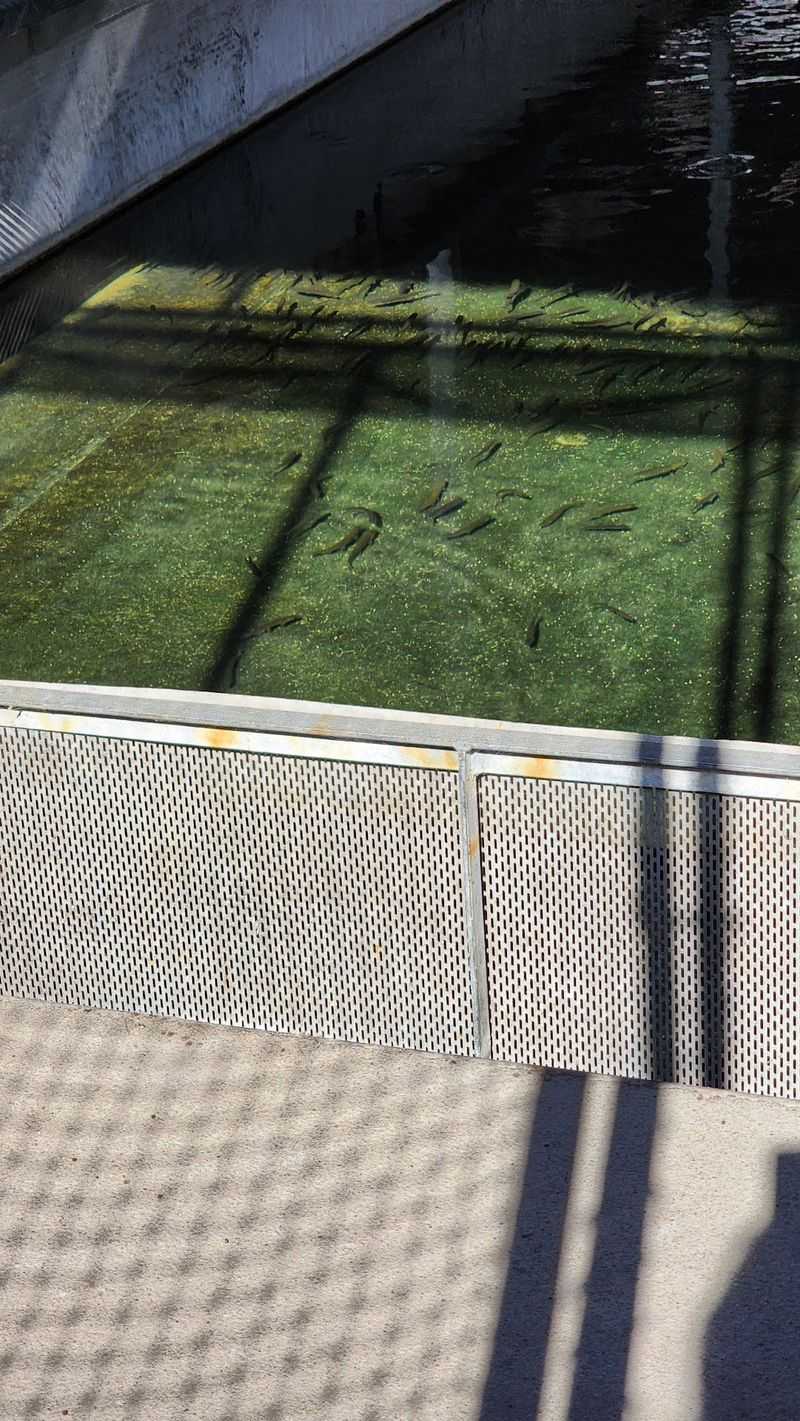
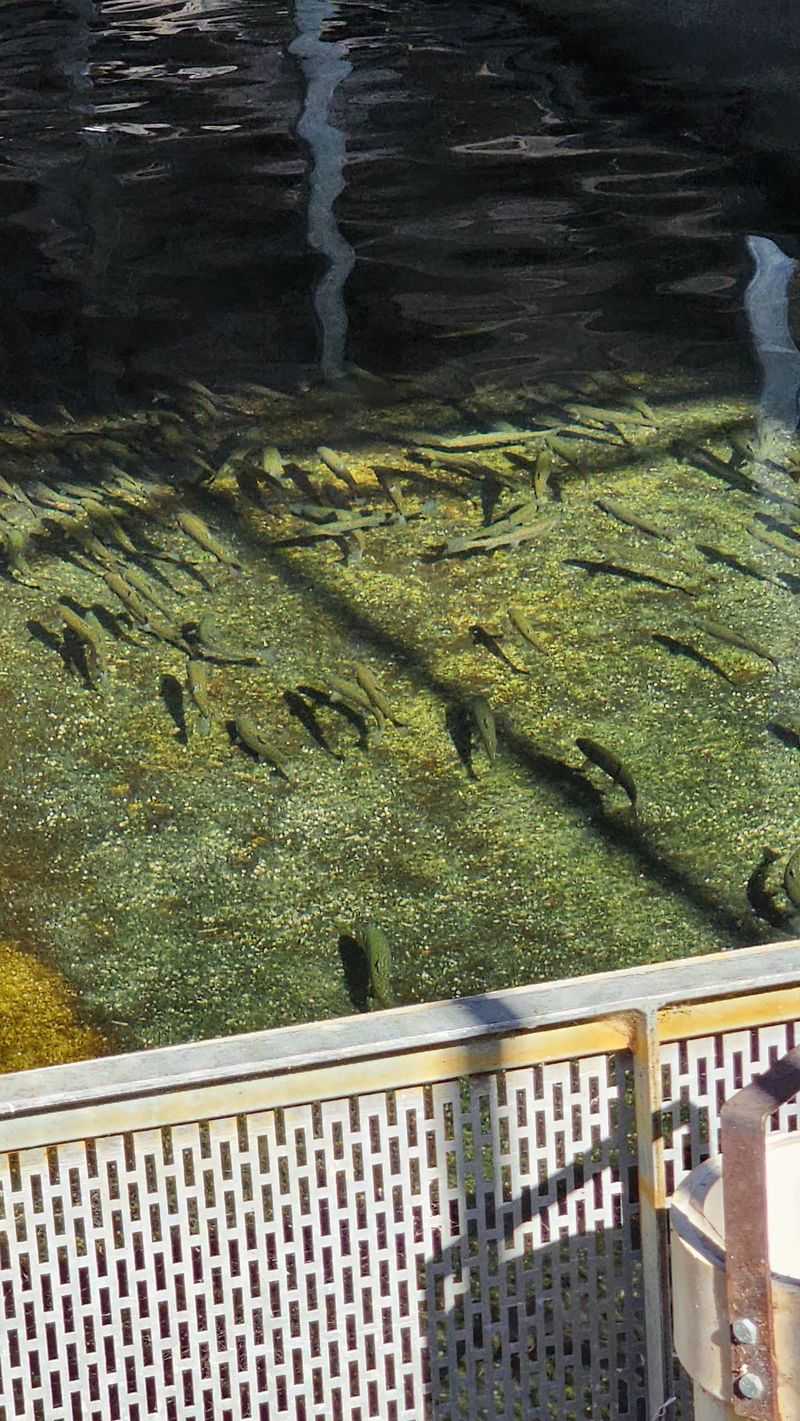
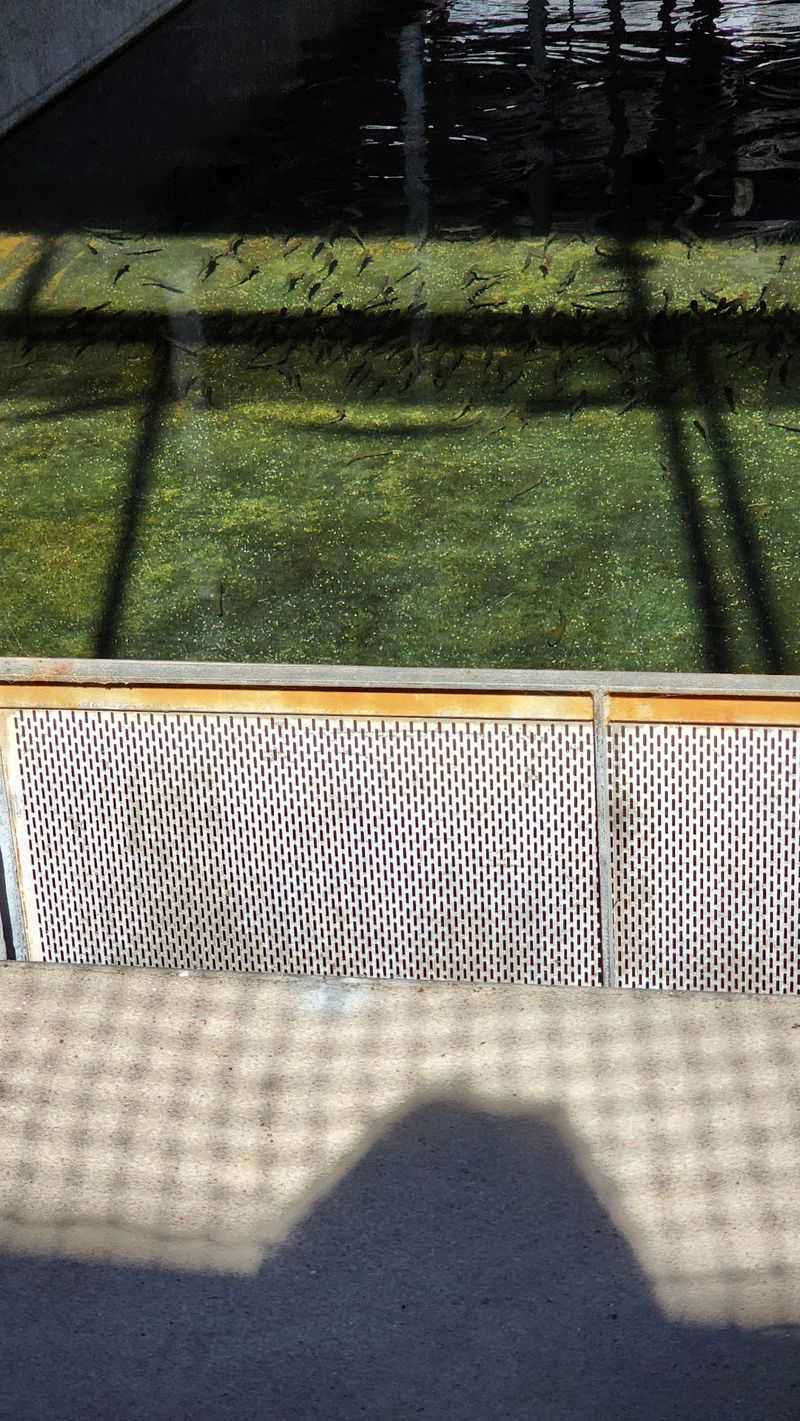
Step outside the visitor center and the main attraction is immediate: three banks of raceways, long rectangular channels of moving water packed with production fish at different stages of growth.
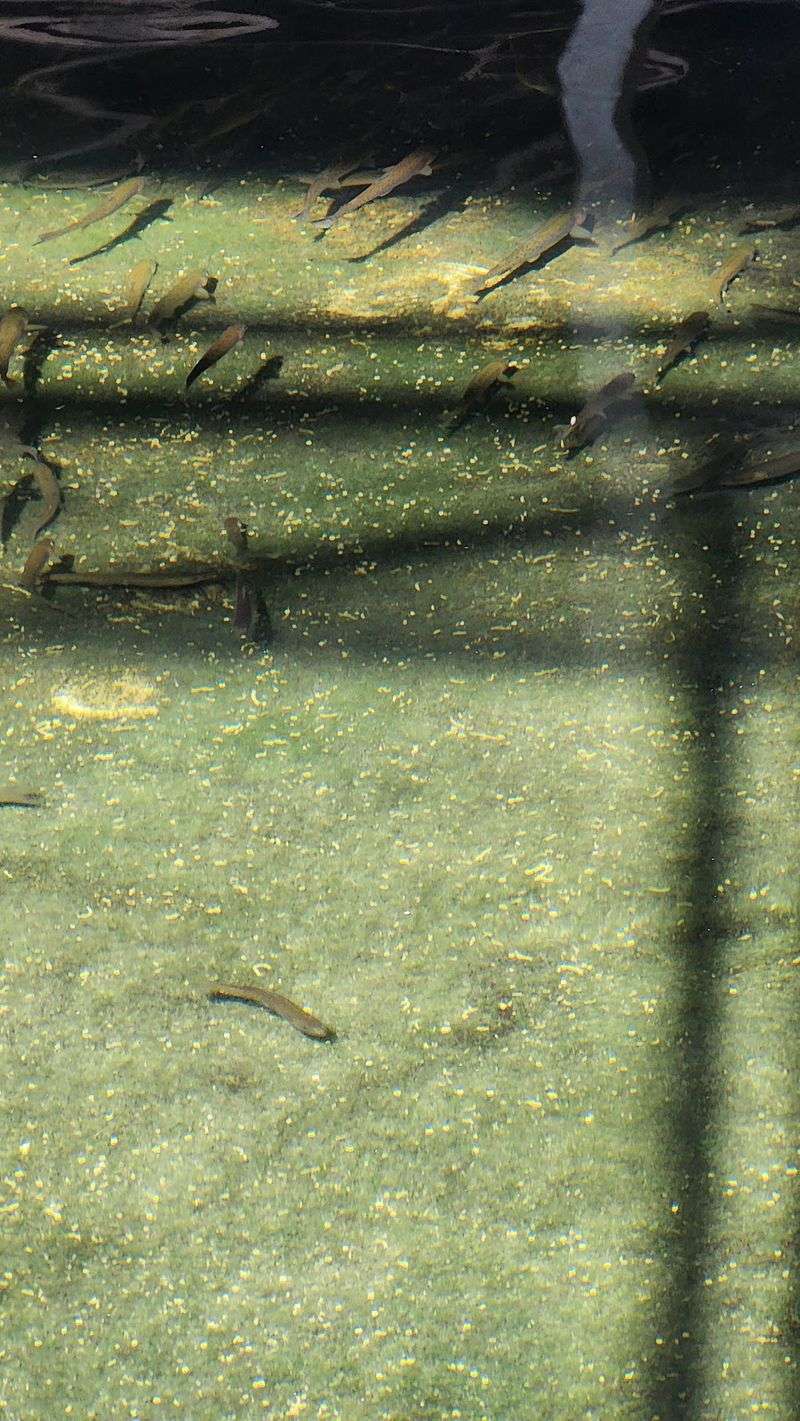
Little ones look like dark commas darting near the surface. Older fish hold steady against the current, thick-bodied and spotted, occasionally rolling sideways in a flash of silver when the light hits them right.
Kids figure out fast that tapping a shadow across the water makes the whole school shift at once.
Counting is hopeless and that is half the fun. The complex produces and stocks roughly 500,000 to 600,000 Pilot Peak strain Lahontan cutthroat trout in a typical year, split between recovery work and recreational fishing opportunities, so the population on site at any moment runs well into the thousands.
Comparing sizes between raceways gives children a natural lesson in growth stages without anybody lecturing. Parents tend to linger too, because there is something quietly satisfying about watching that much clean, cold water move.
Visitors frequently describe the fish viewing as the highlight, and several mention how educational the whole setup feels for younger children.
Inside the Visitor Center
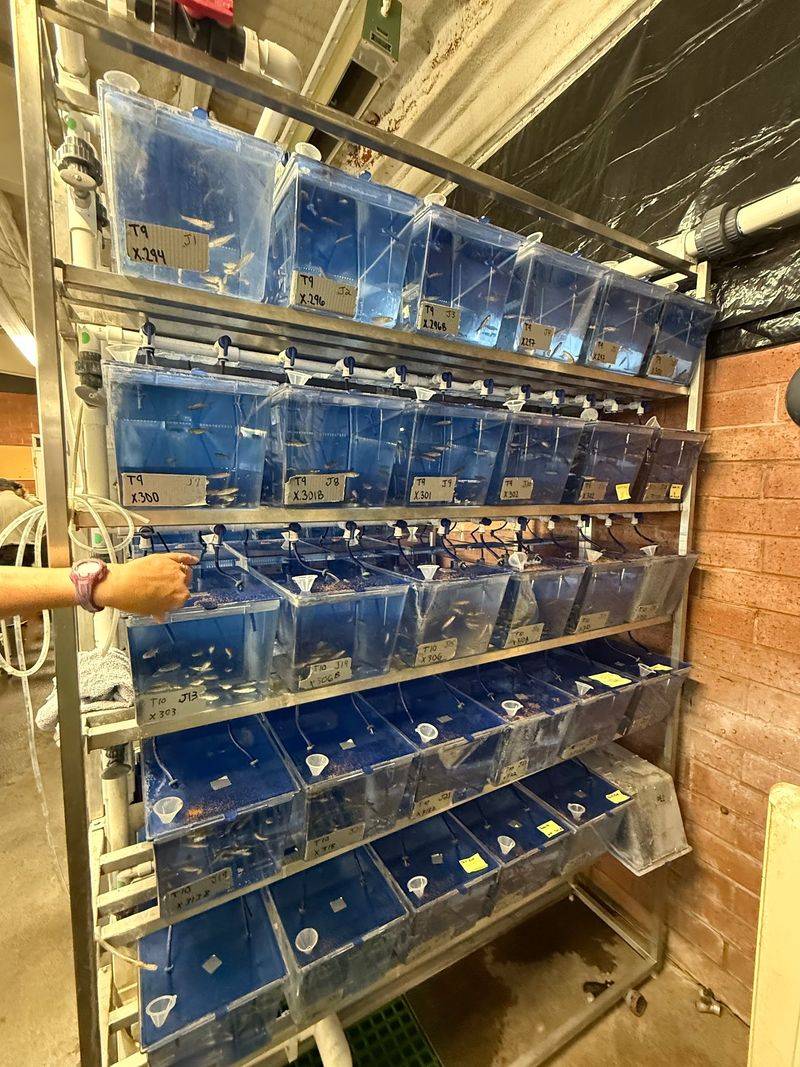
Modest is the honest word for it, and that works in its favor. The visitor center holds interpretive materials covering aquatic life in the Lahontan basin and the conservation work happening a few steps outside the door.
Panels walk through the life cycle of the cutthroat trout, the geography of the basins the hatchery serves, and why a fish that once thrived in a desert lake system needed human help to come back. Younger kids gravitate toward the pictures; older ones tend to read more than their parents expect.
Hours here are narrower than the grounds. The visitor center generally opens Monday through Friday from 10:00 AM to 2:00 PM, a four-hour window that rewards planning ahead.
Worth knowing: the outdoor viewing areas keep longer hours than the indoor space, so an early arrival still gets you raceway time even if the building has not opened yet. Staff on site are approachable and often happy to explain what is happening in a given tank.
Plan on twenty to thirty minutes inside, longer if your group asks a lot of questions.
Spawning Season and the Wednesday Window
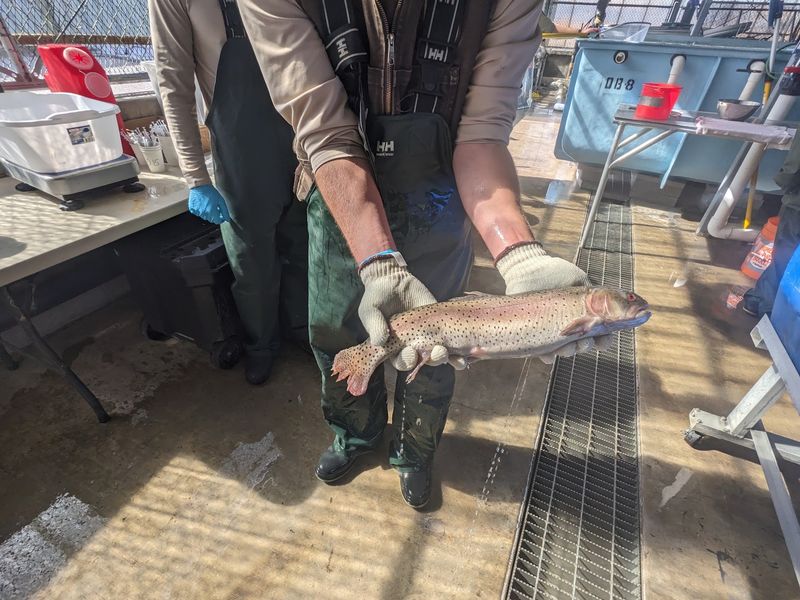
February through May is when the place gets genuinely busy behind the scenes. That stretch brings the spawning season, and with it a schedule of hatchery activities that visitors can sometimes watch firsthand.
Spawning work typically happens on Wednesdays during those months. Anyone hoping to see it should reach out to the hatchery ahead of time rather than showing up and hoping, since the timing depends on the fish and the workload rather than a fixed public schedule.
Other seasonal tasks land in the same window. Feeding runs, cleaning, and tagging all happen on the grounds, and catching any of them turns a quiet walk along the raceways into a live demonstration of how a fish recovery program actually functions day to day.
Spring also brings mild weather to the Carson Valley, which makes the outdoor portions more comfortable than a July afternoon.
If your group includes a curious kid who wants to know how fish get from eggs to a lake, this is the season that answers the question in a way no video can match. Call ahead and confirm before making the drive.
The Cui-ui and the Fish Elevator at Marble Bluff
A fish elevator sounds like something a child invented. It is real, and it belongs to the same complex.
The Marble Bluff Fish Passage Facility, part of the Lahontan complex, includes a fish lock that helps fish move past a dam on their way upstream. During spring spawning runs, visitors have a chance to see the endangered Cui-ui using it, a sight that exists almost nowhere else because the Cui-ui itself exists almost nowhere else.
The species is native to Pyramid Lake and found naturally in no other waters on earth.
Getting there is a separate trip from the Gardnerville hatchery, since Marble Bluff sits near the Pyramid Lake end of the Truckee River rather than in the Carson Valley. For families already planning a Pyramid Lake outing, though, the pairing makes a full day of Nevada fish country.
Timing matters enormously. Outside the spring run there may be nothing to see, so confirming conditions and access before driving out saves a long round trip across open high desert with limited services along the way.
What the Hatchery Sends Downstream
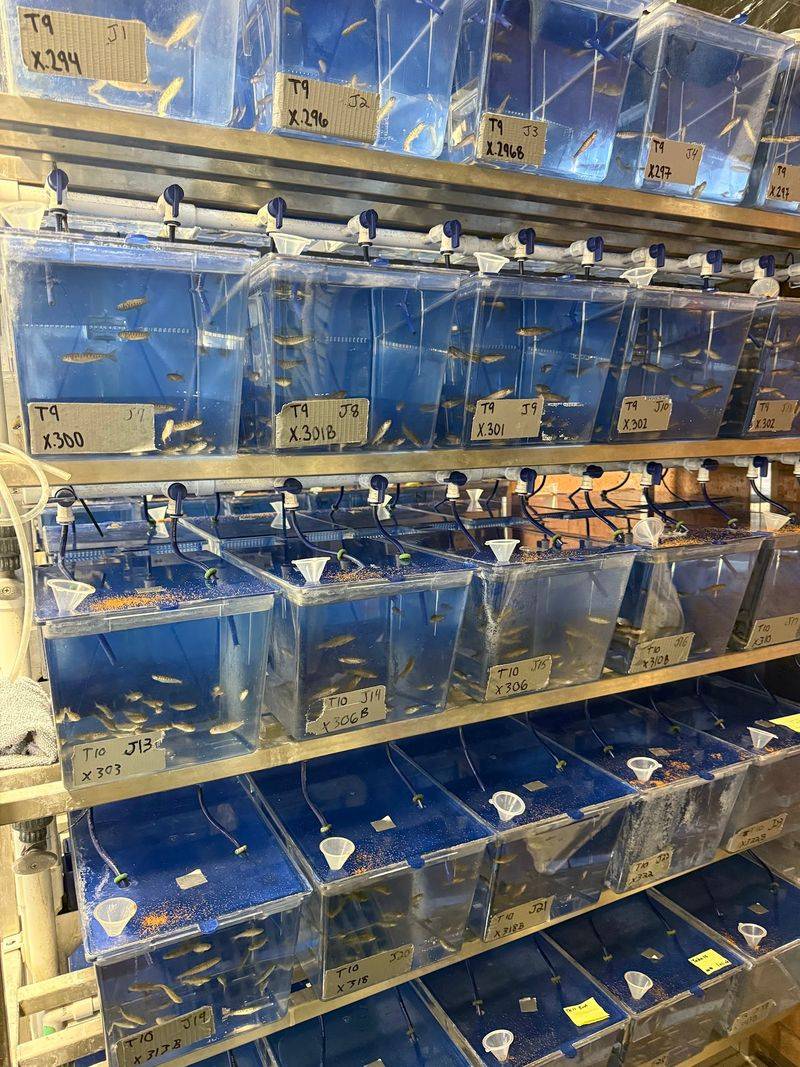
Half a million fish a year has to go somewhere. Production from this complex heads into the Lake Tahoe, Truckee, Pyramid, and Walker Lake basins, along with waters in the Eastern Sierra.
Part of that output supports formal recovery work, rebuilding populations of a threatened native species in the lakes where it originally lived. The rest supports recreational fishing, which is the part anglers in western Nevada notice most directly.
There is a nice payoff for visiting families in understanding that connection. A child who watches a six-inch cutthroat in a raceway near Gardnerville may later see a much larger version of the same strain pulled from Pyramid Lake by a relative with a fishing rod, and the two events are literally linked.
Nevada anglers have been talking about the return of these big lake-form cutthroat for years now, and the fish coming out of these channels are the reason that conversation exists.
Standing at the rail with that in mind reframes the whole stop. It is less a roadside curiosity and more a look at the starting line of something that plays out across hundreds of miles of Nevada water.
Carson Valley Scenery Around the Grounds
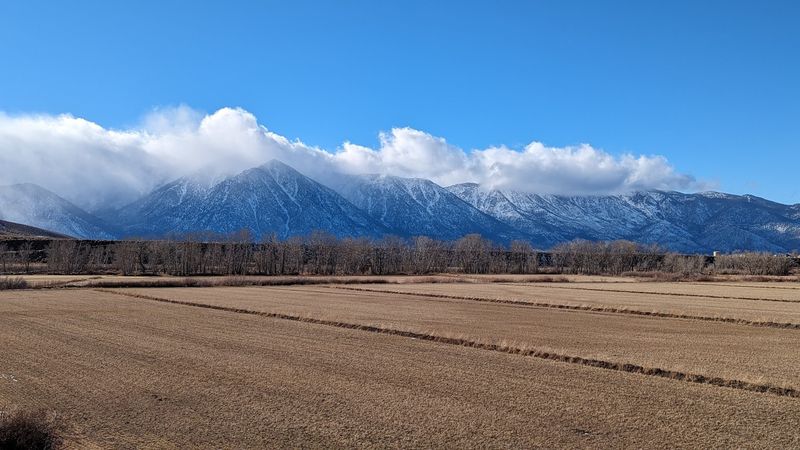
Look west from the parking area and the Sierra Nevada rises in a wall of granite and pine, close enough that on a clear morning you can pick out individual canyons.
The Carson Valley floor around the hatchery is ranch country: irrigated pasture, cottonwood windbreaks, hawks riding thermals over the fields. Late afternoon light out here turns the whole valley gold, and photographers who stop for the fish often stay for the view.
Shade is limited on the grounds. One visitor who came in summer noted there is some shade but not much, and recommended bringing sunscreen, which is sound advice at this elevation where the sun carries real bite even when the air feels cool.
Wind picks up in the afternoons, particularly in spring, so a light jacket earns its space in the car.
The setting matters because it changes the character of the stop. Rather than a windowless indoor attraction, this is essentially an outdoor walk with fish involved, and the surrounding landscape does a lot of the work in making a short visit feel worthwhile.
Who Gets the Most Out of a Stop Here
Grade-schoolers with an interest in animals tend to be the ideal audience. Repeat visitors have noted that the appeal can wear thin for kids on a second trip, so treating it as an occasional outing rather than a weekly habit keeps it fresh.
School and youth groups do well here. One group leader described it as the standout field trip of their summer program and praised the staff, and the topics that come up most often in visitor comments are trout, kids, and education, which tells you exactly what kind of experience people are having.
Retirees traveling with grandchildren get a low-effort win: flat ground, a short walk, no admission cost, and no pressure to spend anything once you arrive.
Anglers of any age find it interesting for different reasons, since the fish in these channels end up in waters they may already fish.
Toddlers who need constant activity may lose interest quickly. Anyone expecting a full aquarium experience with tunnels and touch tanks should adjust expectations downward and appreciate it for what it is, a real working facility that opens its doors.
Hours, Closures, and the Cost of Showing Up Blind
Nothing sours a family drive faster than a locked gate. One visitor made the trip only to find the place closed and flagged the limited hours, which is the single most useful warning anyone can pass along about this stop.
Public access to the hatchery generally runs weekdays from 8:00 AM to 3:00 PM, with federal holidays excluded. Saturday and Sunday are closed, so this is strictly a Monday-through-Friday outing, something to plan around if you are working with a school schedule.
The visitor center keeps the tighter window of 10:00 AM to 2:00 PM, Monday through Friday. Arriving around mid-morning gives you both the building and the outdoor raceways in one trip.
Federal facilities can also adjust operations for staffing, weather, or fish health reasons without much public notice.
Confirming before you drive is genuinely worth the two minutes, particularly if you are coming from Reno or Sparks and committing to a two-hour round trip. Hours in Nevada’s smaller communities shift more often than published listings suggest, and this facility is no exception.
Getting There and What a Family Actually Spends
Zero dollars. That is the admission cost for a family of four, a family of eight, or a school bus full of second-graders, and it holds no matter which day you come.
The realistic budget, then, is fuel. From Reno, the run down U.S. 395 through Carson City to Gardnerville covers roughly 50 miles and takes about an hour in normal traffic, which for most vehicles works out to somewhere in the range of ten to fifteen dollars of gas round trip.
From Carson City it is closer to twenty minutes each way.
Parking is on site and free. There is no ticket to buy, no membership to join, and no concession stand quietly draining your wallet.
Packing a cooler with sandwiches turns the trip into a genuine half-day outing for the price of groceries. Gardnerville and Minden sit just up the road for anyone who would rather stop for a bite on the way home.
For households watching every dollar, few Nevada outings deliver this much for this little, and that is the practical case for making the drive.
The Case for Making the Drive
Some outings earn their keep through spectacle. Others earn it by being genuinely interesting and genuinely free, and this one lands firmly in the second camp.
There are no rides, no cafe, and no gift shop. What there is instead is a federal facility quietly raising hundreds of thousands of a native Nevada trout, opening its grounds to anybody who wants to look, and trusting visitors to find the work as compelling as the staff do.
Many do. The educational value comes up repeatedly in what visitors say, and the fish themselves do most of the heavy lifting.
Go on a weekday, arrive between ten and two if you want the visitor center, bring sunscreen in summer, and confirm hours before leaving home.
Pair it with a drive through the Carson Valley or a stop in Minden and you have filled an afternoon for the cost of gas.
For Nevada families and retirees who measure a day trip by what it delivers per dollar, a place that asks for nothing and still sends kids home talking about giant cutthroat trout is hard to argue with.