
This Nevada Ramen Shop Has Been Serving Tokyo-Style Bowls Since 2010
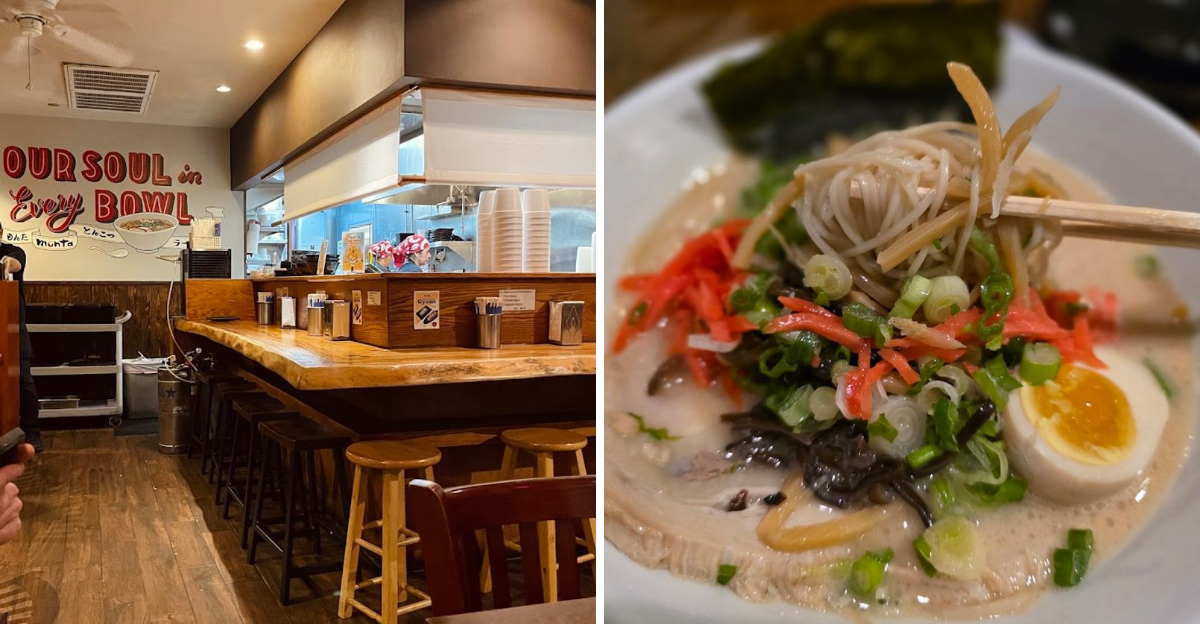
Sixteen years in, and this ramen shop still packs a room every single night. That’s the kind of staying power most restaurants in Nevada only dream about.
Step inside and the smell hits first, broth simmering since before sunrise, noodles cut to match each bowl exactly.
Awards from over a decade ago still hang quietly near the door. Nobody working there seems to brag about it.
Four broths, each one built completely from scratch. Hand-folded gyoza too, plus a noodle refill trick straight out of Japan.
There’s a vegan bowl that somehow keeps up with the rest, and a rice dish regulars order just as often as the ramen itself.
Curious what else is hiding on that menu? Nevada road trips do not get much tastier than this.
How Monta Ramen Became A Las Vegas Institution
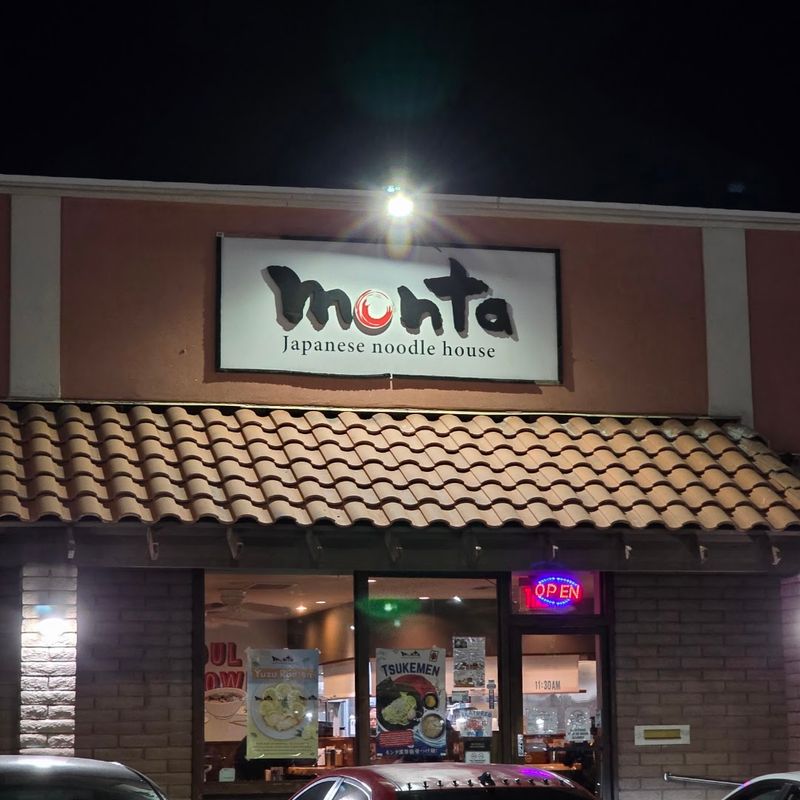
Sixteen years is a long time in the restaurant world. Monta Ramen opened in 2010 and has outlasted trends, competitors, and changing tastes across Las Vegas.
That kind of staying power does not happen by accident.
The spot sits in a modest strip mall on Spring Mountain Road. It does not rely on flashy signage or a big dining room to pull people in.
Word of mouth and consistent quality have done that work for years.
Awards from 2011 still hang quietly near the entrance. They are a small reminder of how early the recognition came.
The ramen scene in Las Vegas has grown significantly since then, but Monta Ramen remains a reference point for what the city expects from a serious bowl.
Locals treat it like a neighborhood fixture. Visitors make the drive from the Strip just to try it.
Monta Ramen is located at 5030 Spring Mountain Rd #6, Las Vegas, NV 89146.
The Broth That Takes Hours To Build
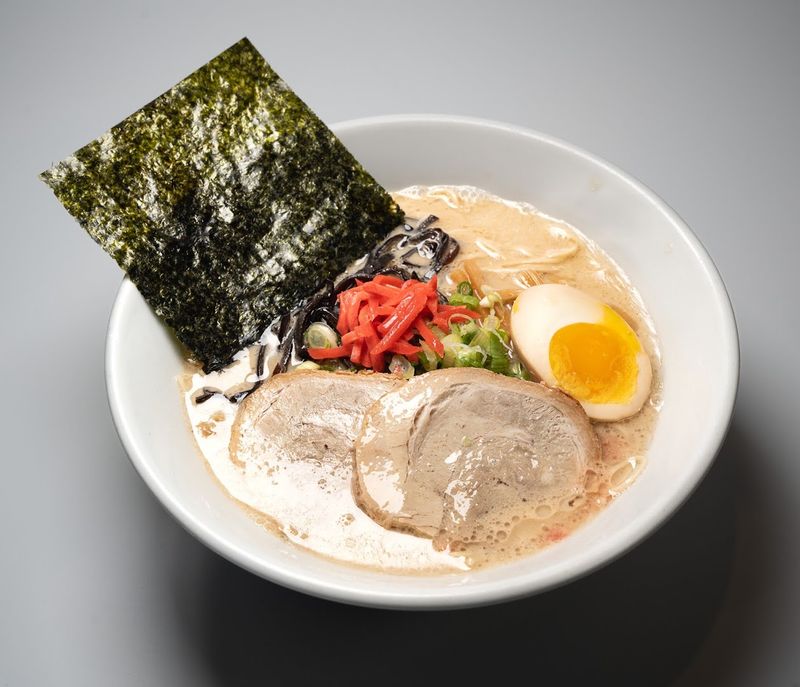
Good ramen starts with good broth. At Monta Ramen, the kitchen makes four styles of broth on-site daily.
None of them come from a shortcut.
The tonkotsu broth is the most talked-about option. It simmers for hours until the pork bones release a creamy, milky richness.
The result is a bowl that feels layered without being heavy.
Shoyu broth takes a different direction. It uses a clear, soy-based chicken base that reads clean and assertive on the palate.
Medium-thick wavy noodles work well with this lighter style.
Miso ramen combines pork and chicken broth with a distinct fermented depth. The balance between savory and earthy keeps the bowl from feeling one-dimensional.
Each broth reflects a different regional Japanese tradition.
The Kuro Ramen features pork broth infused with roasted black garlic oil. That addition adds a smoky, complex layer to an already rich base.
Every style shows the same level of care and daily preparation.
Noodles That Actually Match The Bowl
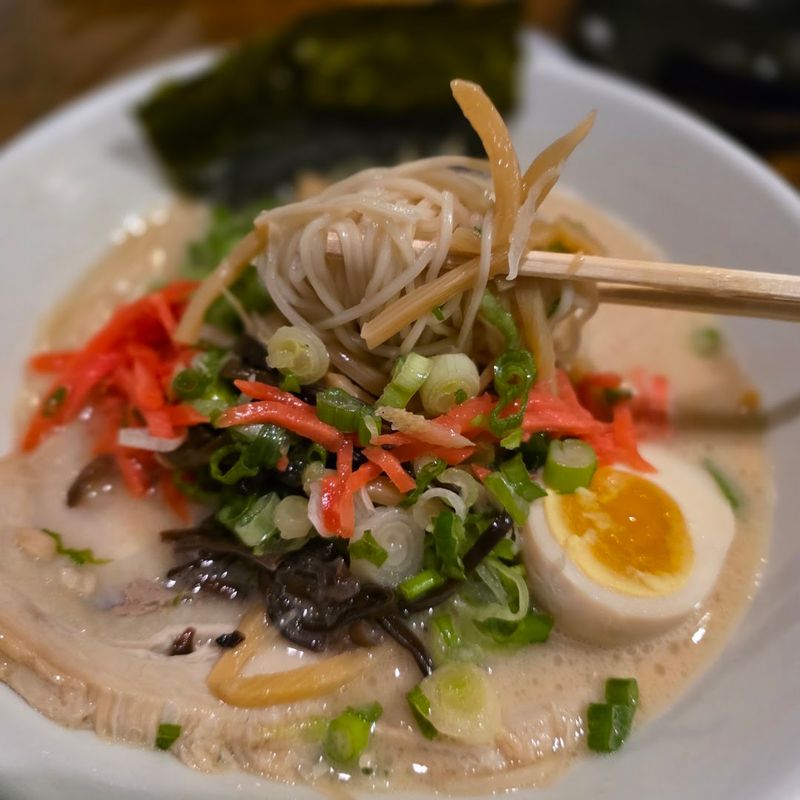
Not every ramen shop pays close attention to noodle pairing. Monta Ramen does.
Each broth style is matched with a specific noodle type, and that detail changes the eating experience noticeably.
Thin noodles go with the tonkotsu and kuro broths. They absorb flavor quickly and hold up without turning soft.
The result is a consistent bite from the first noodle to the last.
Medium-thick wavy noodles accompany the shoyu and miso options. The added surface area catches more broth with each lift of the chopsticks.
That texture difference makes the bowl feel more substantial.
Thick wavy noodles appear in the Tsukemen, a Japanese dipping-style dish. The noodles are served cold alongside a separate bowl of hot broth.
Diners dip as they go, controlling the ratio of noodle to soup.
Cold noodles are also available for those skipping the soup entirely. They come topped with chashu, egg, cucumber, bean sprouts, and tomato.
Sesame or yuzu sauce finishes the dish.
The Cozy Interior That Feels Like Japan
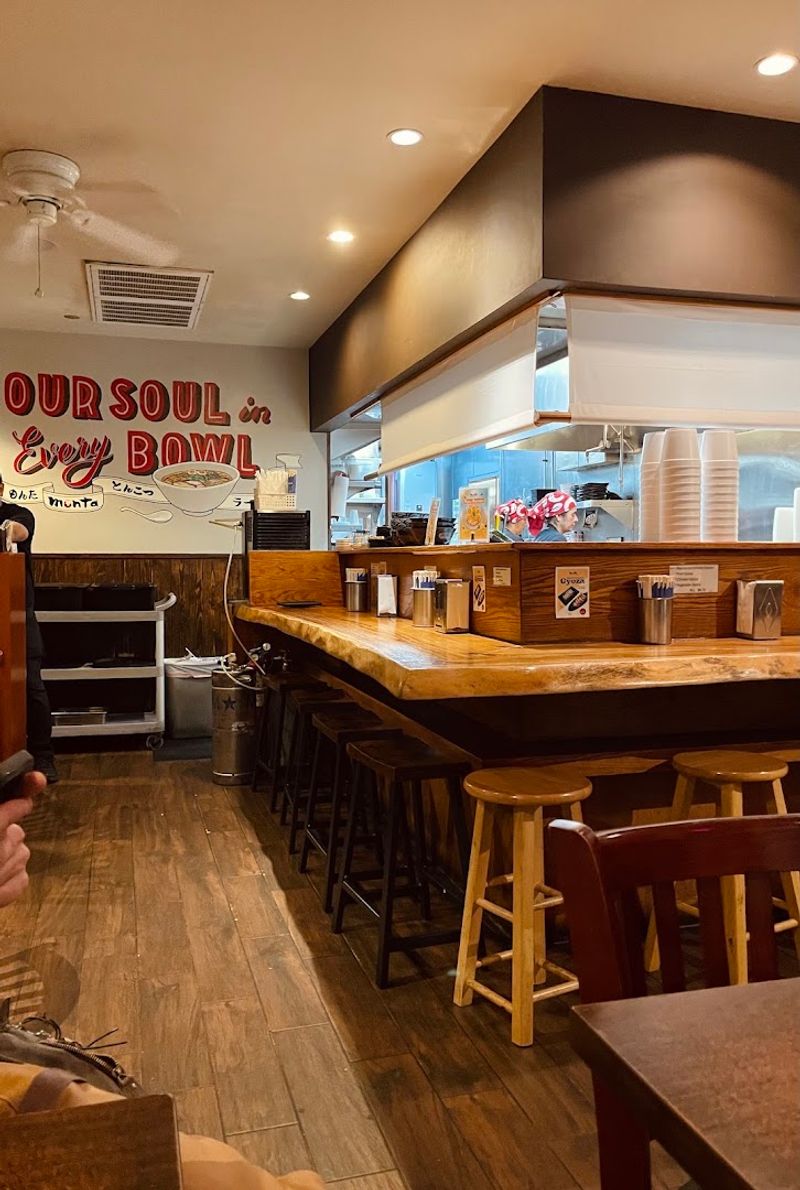
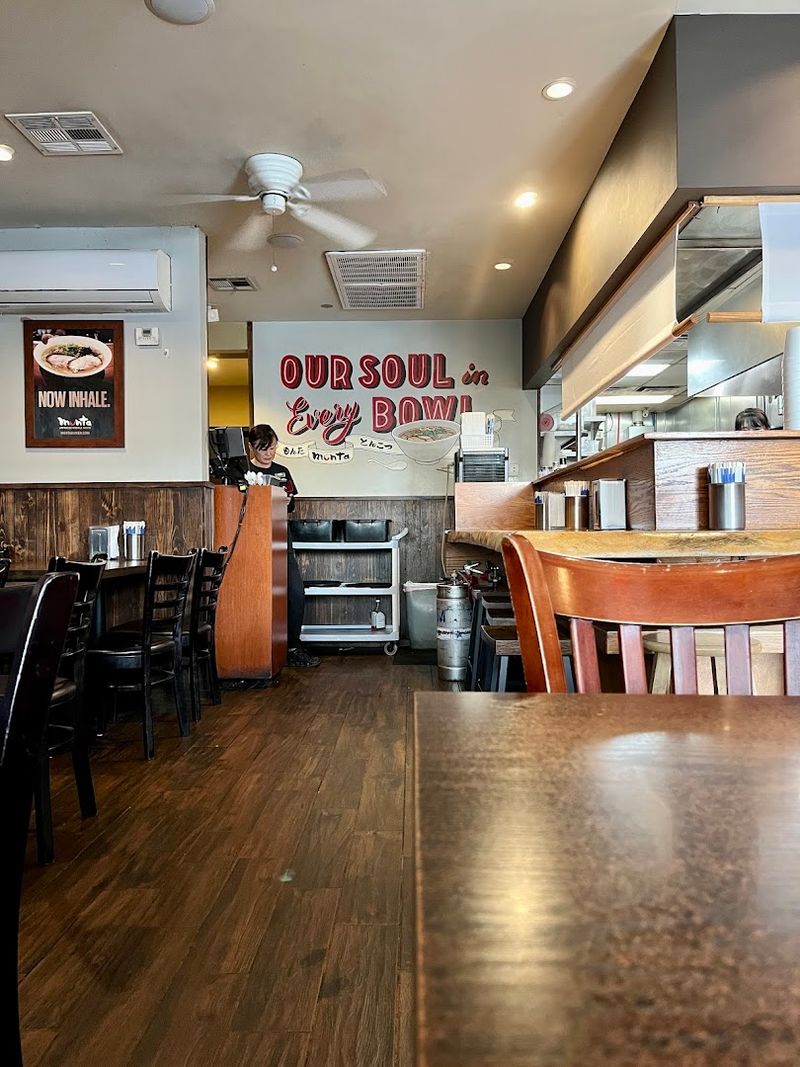
Forget the sprawling dining rooms found elsewhere on the Strip. Monta Ramen fits roughly twenty seats inside, and that intimacy is part of the appeal.
The space feels intentional, not cramped.
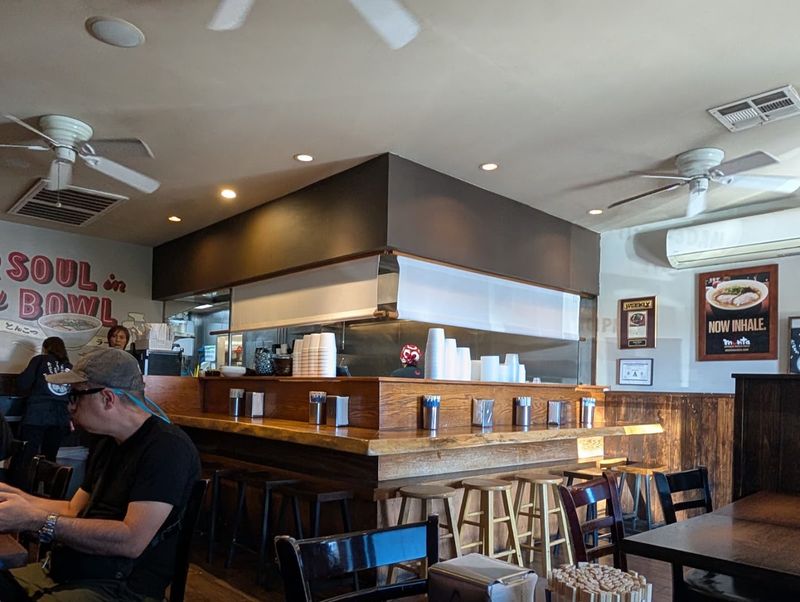
An L-shaped counter runs along part of the room. Guests seated there can watch the kitchen in action.
The open layout keeps the energy visible and the pace honest.
Pale wood finishes keep the aesthetic clean and unfussy. Small ramen house models and figurines sit on shelves around the room.
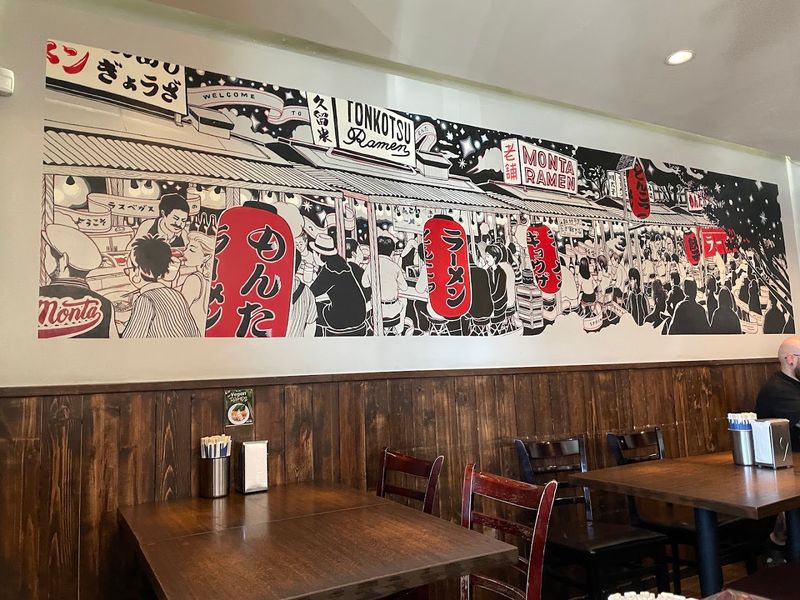
Artwork lines the walls without overwhelming the space.
The lighting is warm without being dim. The noise level stays lively but conversational.
Diners seated at tables have enough room to spread out comfortably.
Many visitors describe the setting as reminiscent of a real Tokyo noodle stall. The compact format encourages focus on the food rather than the surroundings.
It is the kind of place where the atmosphere works quietly in the background, letting the bowl take center stage.
Toppings That Earn Their Place In The Bowl
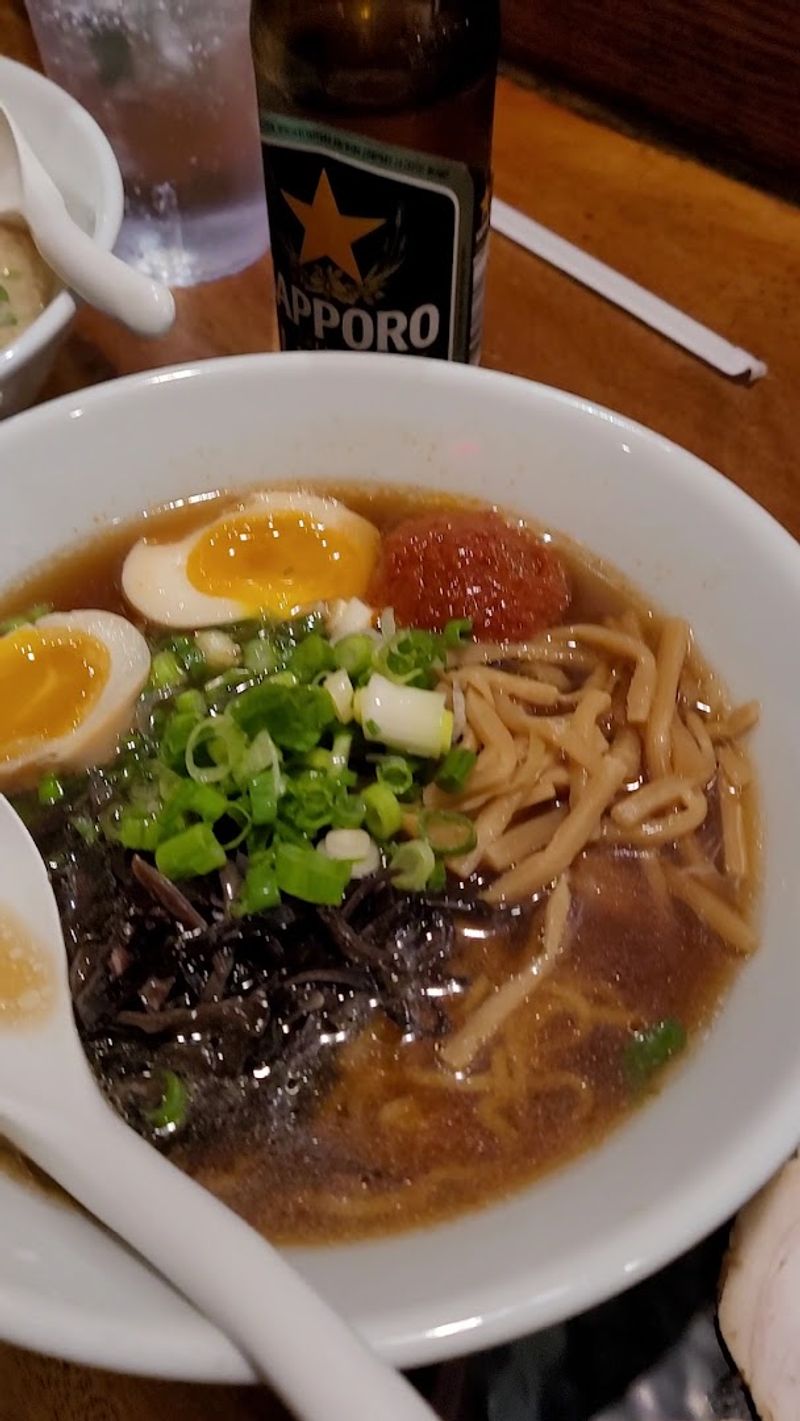
Toppings at Monta Ramen are not just decoration. Each one serves a purpose in the bowl.
The chashu pork is a standout, slow-cooked until tender and placed in generous portions.
Soft-boiled eggs add a creamy richness when broken into the broth. Green onions bring sharpness and freshness.
Bamboo shoots and black mushrooms contribute texture and a subtle sweetness.
The Kurume-style ramen includes large planks of pork rather than thin slices. That format gives the bowl a heartier, more rustic feel.
Imported soy sauce from Japan is used in the preparation, adding an authentic depth.
Deluxe versions of each ramen come with more toppings included. Additional chashu or extras can be added at an extra charge.
The kitchen also offers naruto, a fish cake, as a topping option on select bowls.
Every component is prepared with attention to how it interacts with the broth. Nothing feels like an afterthought.
The balance between toppings and base is part of what keeps people coming back.
Gyoza Worth Ordering Before The Ramen Arrives
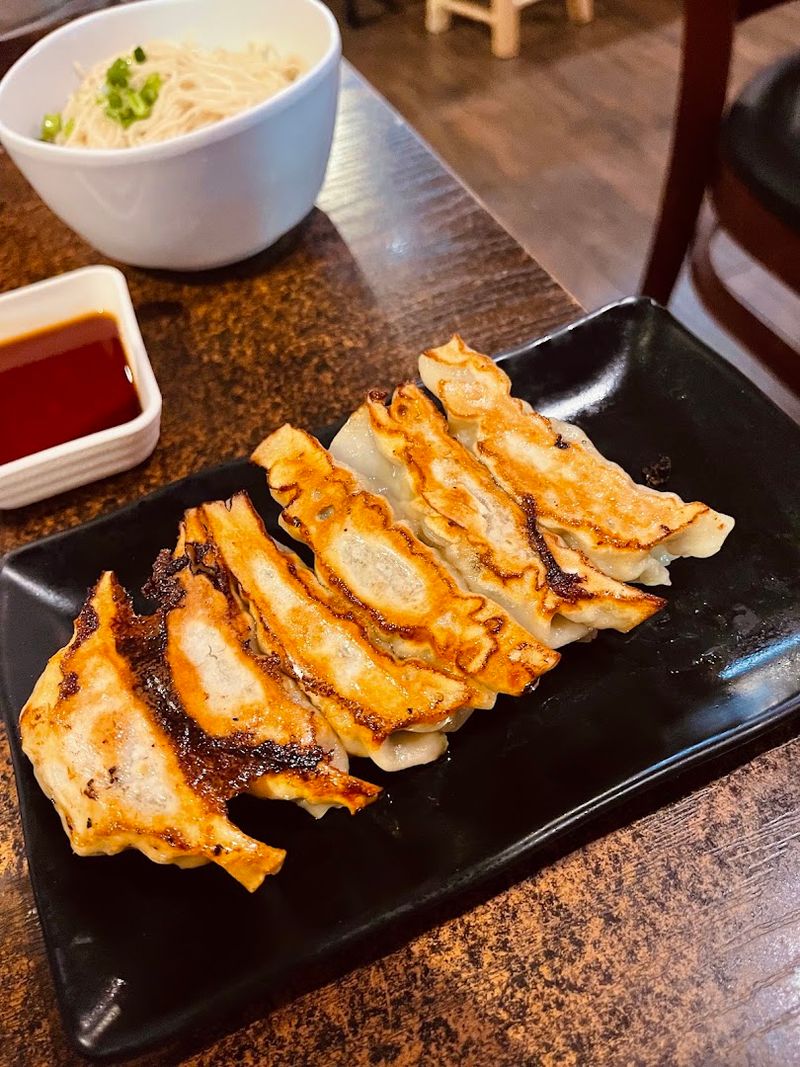
Gyoza at Monta Ramen is made by hand. The kitchen offers multiple fillings, all folded fresh before hitting the pan.
That process shows in the final result.
The wrappers are thin and delicate. One side crisps up golden in the pan while the inside stays juicy and packed with flavor.
The dipping sauce alongside them is simple and well-matched.
Chicken gyoza is a popular choice. Pork gyoza follows the same handmade approach.
Both versions hold up to the broth-heavy meal that follows without feeling too heavy on their own.
Takoyaki, Japanese octopus balls, is another appetizer on the menu. They arrive on an Aebleskiver pan with dancing bonito flakes on top.
The presentation is playful and the flavor is savory.
Fried chicken karaage also appears as a starter option. The pieces tend to come out crispy on the outside and juicy inside.
Starting with a small plate before the ramen arrives is a reasonable strategy for building out the full meal.
Rice Bowls And Fried Rice For Good Reason
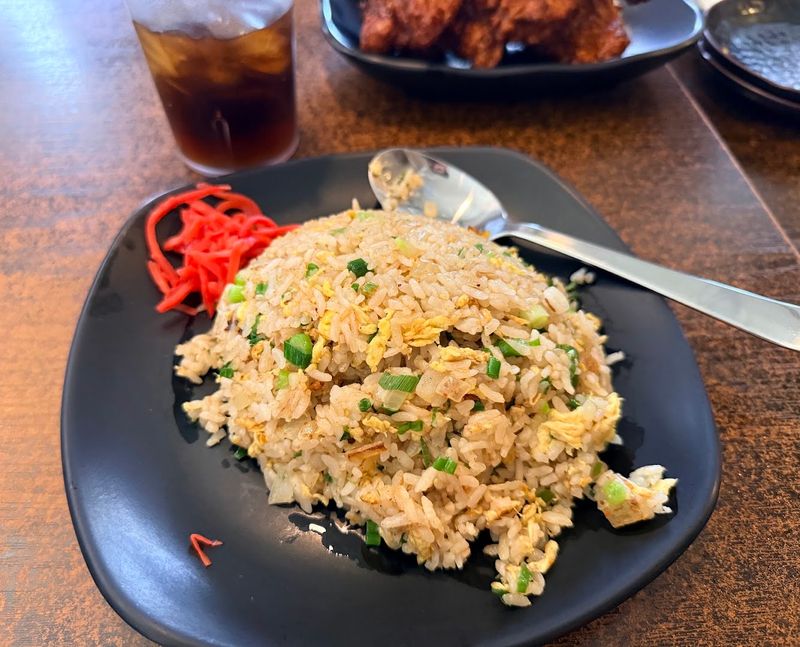
Ramen is the main event, but the sides at Monta Ramen are worth considering on their own terms. Fried rice comes in a couple of variations that go beyond a basic filler dish.
Kimchi Fried Rice brings a fermented tang and mild heat. Takana Fried Rice uses a pickled mustard green that adds a sharp, savory note.
Both versions are made to order rather than sitting under a heat lamp.
Mini rice bowls offer a smaller, focused option. The chashu bowl tops rice with slices of braised pork belly.
Some versions include mentaiko, a spicy cod roe, for an extra punch of umami.
These sides work well for those who want to stretch the meal or share across the table. The fried rice in particular has built a loyal following among regulars.
It is consistently described as well-seasoned and satisfying.
Ordering a bowl of ramen alongside a rice dish is a common approach at Monta Ramen. The kitchen handles both without any drop in quality or timing.
The Kaedama System Explained
Finishing the broth but running out of noodles is a real problem. Monta Ramen solves it with the kaedama system, a traditional Japanese approach to noodle refills.
The concept is simple and satisfying.
When the noodles are gone but broth remains, diners can request a fresh portion of noodles to drop into the bowl. The broth stays hot and the second round of noodles picks up all the remaining flavor.
Nothing goes to waste.
This practice is common in ramen shops across Japan. Bringing it to Las Vegas is one of the details that sets Monta Ramen apart from more casual noodle spots.
It reflects a genuine understanding of how ramen is meant to be eaten.
The kaedama option is available for an additional charge. It is worth knowing about before sitting down, especially if ordering one of the richer, more complex broths.
Those tend to be the ones people want to finish to the last drop.
Regulars often plan for it. First-timers tend to discover it mid-meal and wish they had known sooner.
Vegan Ramen That Does Not Feel Like A Compromise
Plant-based ramen has a reputation for being an afterthought at meat-focused noodle shops. Monta Ramen takes a different approach.
The vegan option is built with the same care as every other bowl on the menu.
The broth is vegetable-based and surprisingly rich. It does not rely on the depth that pork bones provide, yet it still delivers a full, satisfying flavor.
The kitchen clearly put thought into how to achieve that without shortcuts.
Noodles, tofu, and fresh vegetables make up the base of the bowl. Spice levels can be adjusted to preference.
The dish holds up as a complete meal rather than a stripped-down alternative.
Diners with dietary restrictions often find fewer real options at ramen restaurants. Having a genuinely developed vegan bowl available makes Monta Ramen a more inclusive choice.
Groups with mixed dietary needs can eat together without anyone settling for something underwhelming.
The vegan ramen has built its own following among regulars. It stands as proof that a focused kitchen can deliver quality across the entire menu, not just the most popular items.
Practical Tips For Visiting Monta Ramen
Monta Ramen is small. The dining room holds around twenty seats, and the kitchen does not slow down for anyone.
Knowing what to expect before arriving makes the visit smoother.
Lines form during peak meal times. Going slightly before or after the typical lunch and dinner rush tends to mean shorter waits.
Weekday visits are generally less crowded than weekend ones, though that can vary.
The restaurant operates on a cash-only basis. Bringing exact change or smaller bills saves time at the end of the meal.
There are ATMs nearby if needed, but planning ahead is easier.
Counter seating at the bar is available for solo diners or pairs. It is a good option when the wait for a table feels long.
The view of the open kitchen from the counter adds to the experience.
Service moves quickly. Ordering promptly when ready helps keep the rhythm of the room moving.
Staff are attentive even during busy periods.