
This Nevada Rockhounding Spot Lets You Hunt For Beautiful Garnets
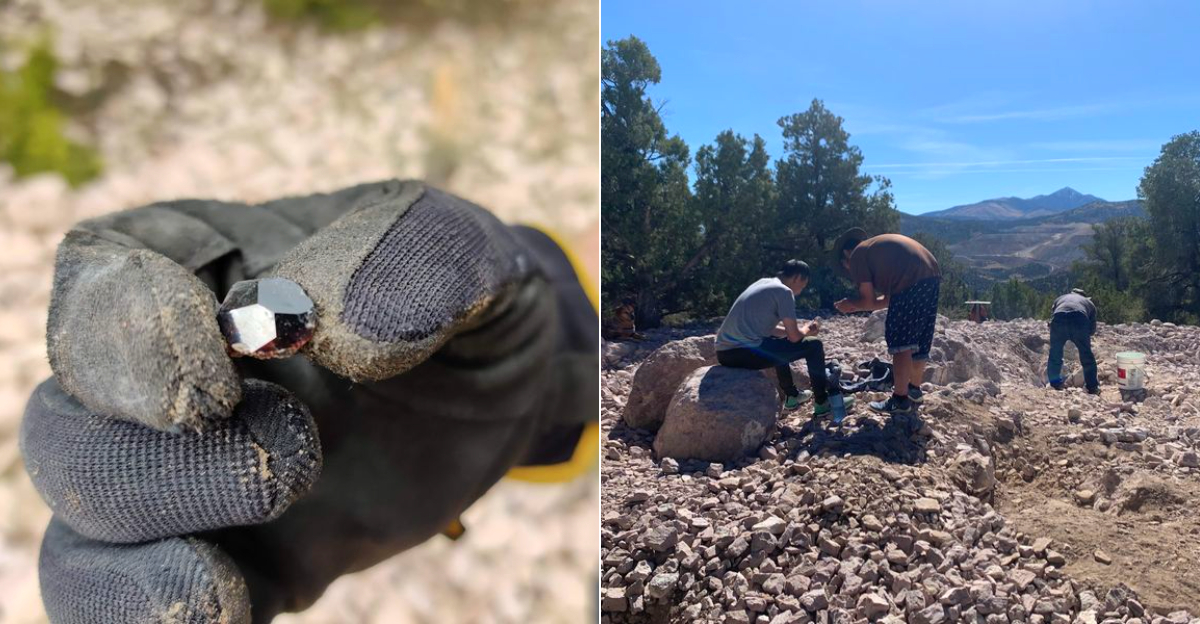
Tiny treasures are hiding right beneath the surface. Finding one with your own hands makes the adventure even better. This Nevada outing turns an ordinary day outdoors into a real-life treasure hunt. The terrain is rugged, open, and made for exploring.
You do not need fancy equipment or years of experience to join the fun. A little patience can lead to a sparkling reward. Families can search together, beginners can try their luck, and experienced rockhounds can spend hours scanning the ground for exciting finds.
There is something satisfying about spotting a stone, brushing away the dirt, and realizing you uncovered it yourself. No gift shop can match that feeling.
Come ready to explore, get a little dusty, and keep your eyes on the ground. The next glimmer could become the souvenir you talk about long after the adventure ends.
What Makes This Nevada Spot A Rockhound Favorite
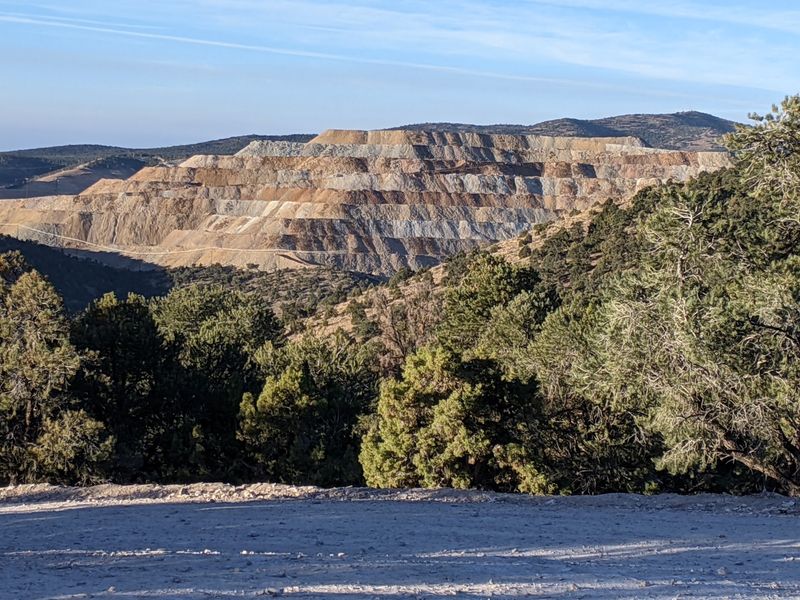
Some places just have a way of stopping you in your tracks. Garnet Hill is one of those rare outdoor spots where the ground itself becomes the attraction.
The site sits in a remote corner of Nevada, surrounded by wide-open land and volcanic rock formations that have been weathering for millions of years.
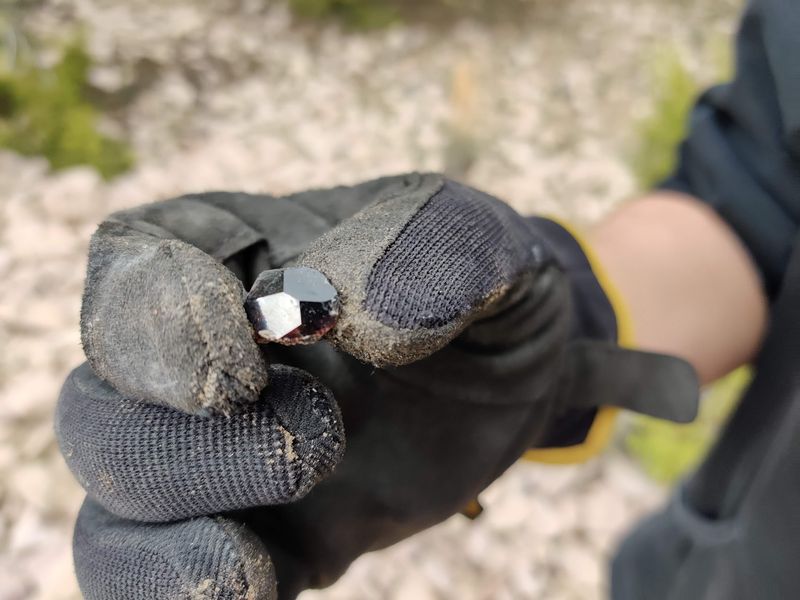
What makes this place stand out is what those rocks hold inside them. Tiny red garnets, sometimes called almandine garnets, are naturally embedded in the rhyolite rock scattered across the area.
You do not need to dig deep or use heavy equipment. Many garnets sit right on the surface or just barely beneath it, making the hunt accessible to almost anyone.
Nevada has a long history of mining and mineral exploration, and Garnet Hill fits right into that tradition. The Bureau of Land Management oversees the site, and collecting is allowed for personal, non-commercial use.
That means you can legally take home what you find, which adds a real sense of reward to the whole experience.
Families, solo adventurers, and geology enthusiasts all find something meaningful here. You spend time outdoors, you learn about earth science in a hands-on way, and you leave with actual gemstones. That combination is hard to beat.
Understanding The Garnets You Will Find Here
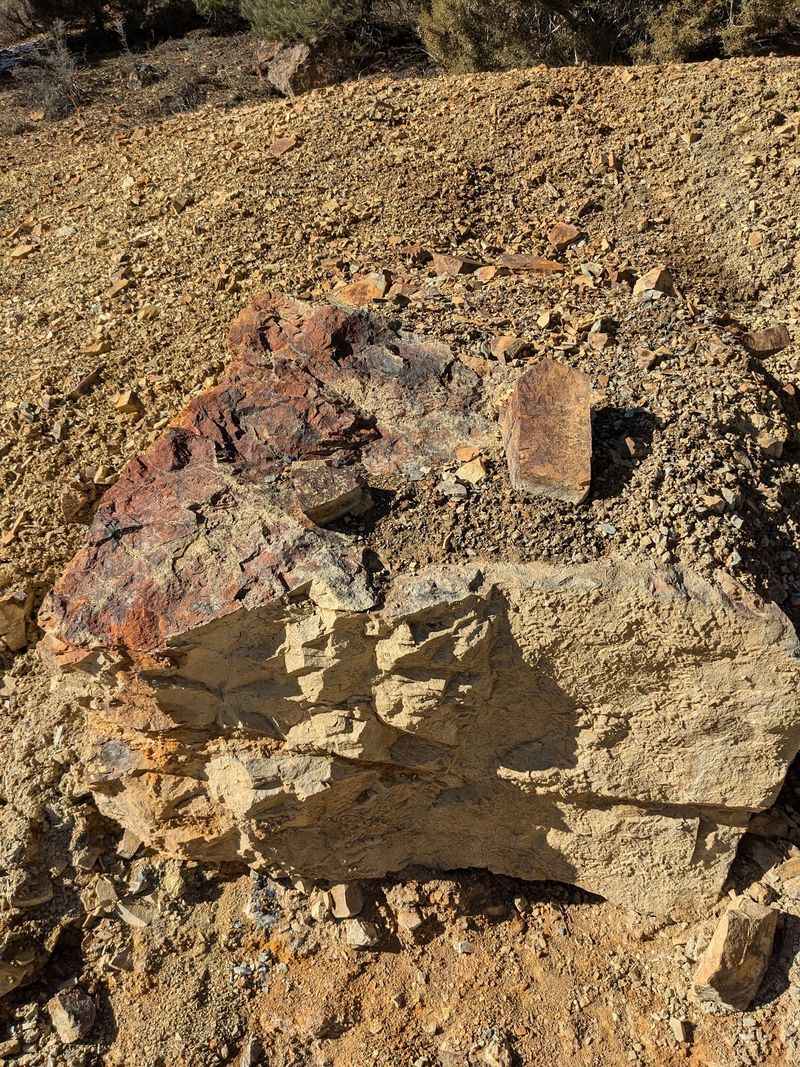
Not all garnets look the same, and the ones at Garnet Hill have their own distinct character. The garnets found here are primarily almandine garnets, a variety known for their deep red to reddish-brown color.
They tend to be relatively small, with dark red coloring that makes them eye-catching.
These garnets form inside rhyolite, a type of volcanic rock. Over thousands of years, the rock erodes and breaks down, slowly releasing the garnets embedded within it.
That is why you can find loose garnets scattered across the ground without needing to crack open every single rock you see. The natural weathering process does a lot of the work for you.
Garnets rank between 6.5 and 7.5 on the Mohs hardness scale, which means they are fairly durable. They are hard enough to survive years of outdoor exposure without losing their shape or color.
That durability also makes them popular for use in jewelry, though the ones you find here are best appreciated as natural specimens.
Learning a bit about garnet formation before your visit can make the experience richer. When you understand what you are looking for and why it formed the way it did, each find feels more meaningful. Nevada geology has a lot to teach, and this site is a great starting point.
How To Prepare For Your Visit
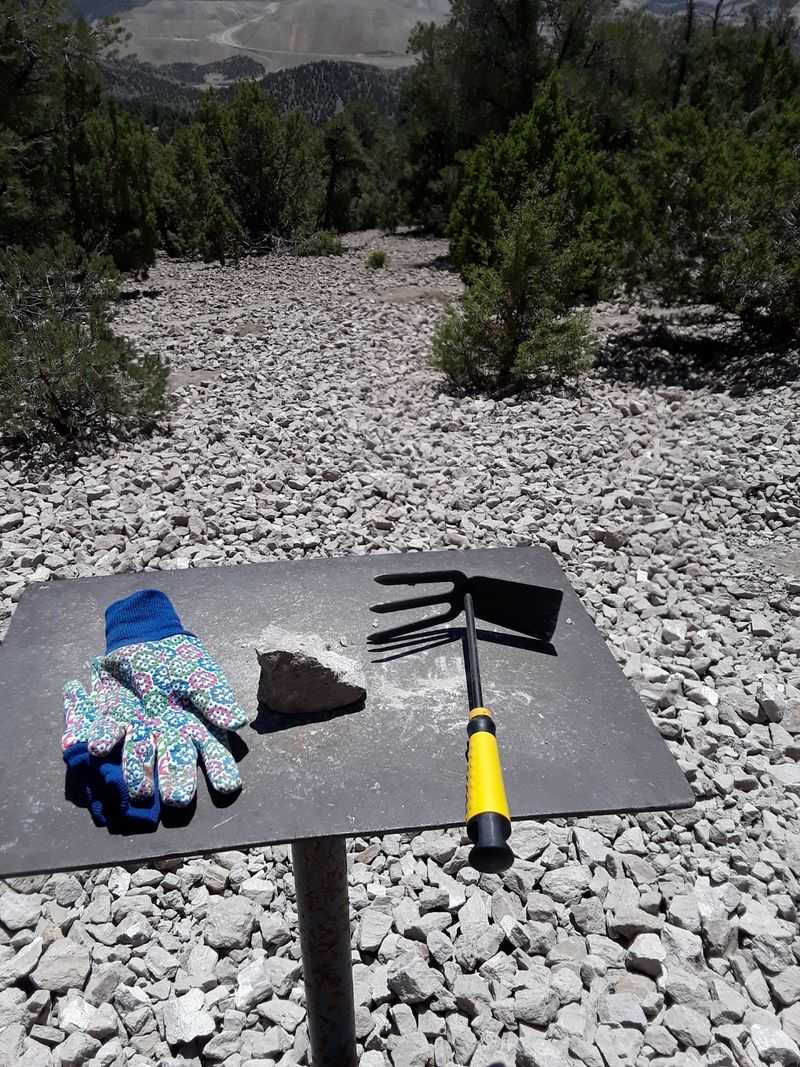
Preparation makes a real difference when you visit Garnet Hill. The site is open and exposed, which means the sun can be intense depending on the time of year. Bringing plenty of water, sunscreen, and a hat should be at the top of your checklist before you head out to Ruth, Nevada.
You do not need expensive tools to collect garnets here. A small hand trowel or garden spade works well for scraping loose soil.
A mesh screen or sifter is especially useful because it lets you shake away dirt and sand while keeping the garnets behind. Some visitors also bring a small brush to clean off rocks as they search.
Wearing sturdy shoes or hiking boots is a smart move. The terrain is rocky and uneven, and you will likely be crouching, kneeling, and moving around a lot as you search. Knee pads are optional but surprisingly helpful if you plan to spend a few hours on the ground.
Pack a small container or zip-lock bag to store your finds safely. It is easy to lose tiny garnets in a pocket or loose bag. A clear container lets you see your collection building up as the day goes on, which adds to the excitement.
Checking the weather before you go is also a good idea. Nevada temperatures can swing significantly, so planning around mild conditions will make your trip much more enjoyable.
Getting There And What To Expect On Arrival
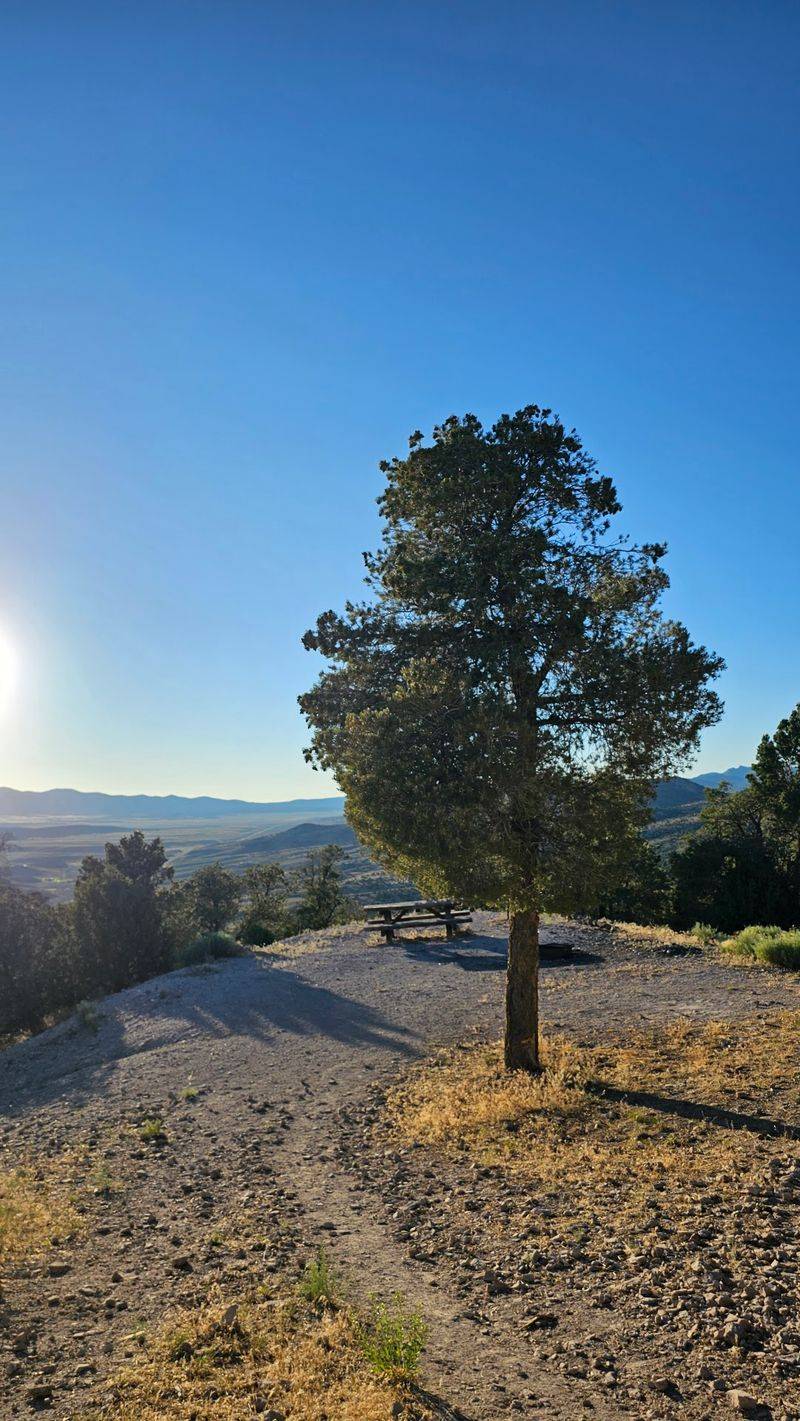
Garnet Hill sits in a fairly remote part of Nevada, so knowing what to expect before you arrive helps you plan better. The site is located near Pole Line Rd in Ruth, NV 89319, in White Pine County.
Ruth is a small community, and services in the area are limited, so stock up on supplies before you make the drive out.
The road leading to the site is unpaved and can be rough in spots. A vehicle with decent ground clearance is helpful, though many visitors have made the trip in standard passenger cars during dry conditions.
Checking road conditions ahead of time is always a good idea, especially after rain or winter weather.
When you arrive, you will find an open, undeveloped area managed by the Bureau of Land Management. There is no visitor center or entrance fee, and the site retains a largely undeveloped feel.
The experience is raw and natural, which is a big part of the appeal. You are essentially exploring open land on your own terms.
Signage can be minimal, so using a GPS or downloading offline maps before your visit is a practical move. Some visitors use rockhounding forums and community groups online to get more specific directions and tips from people who have been there before.
The area rewards patience and attention. Take your time scanning the ground, and you will start to notice the small red flashes that indicate a garnet nearby.
Rules And Regulations Every Visitor Should Know
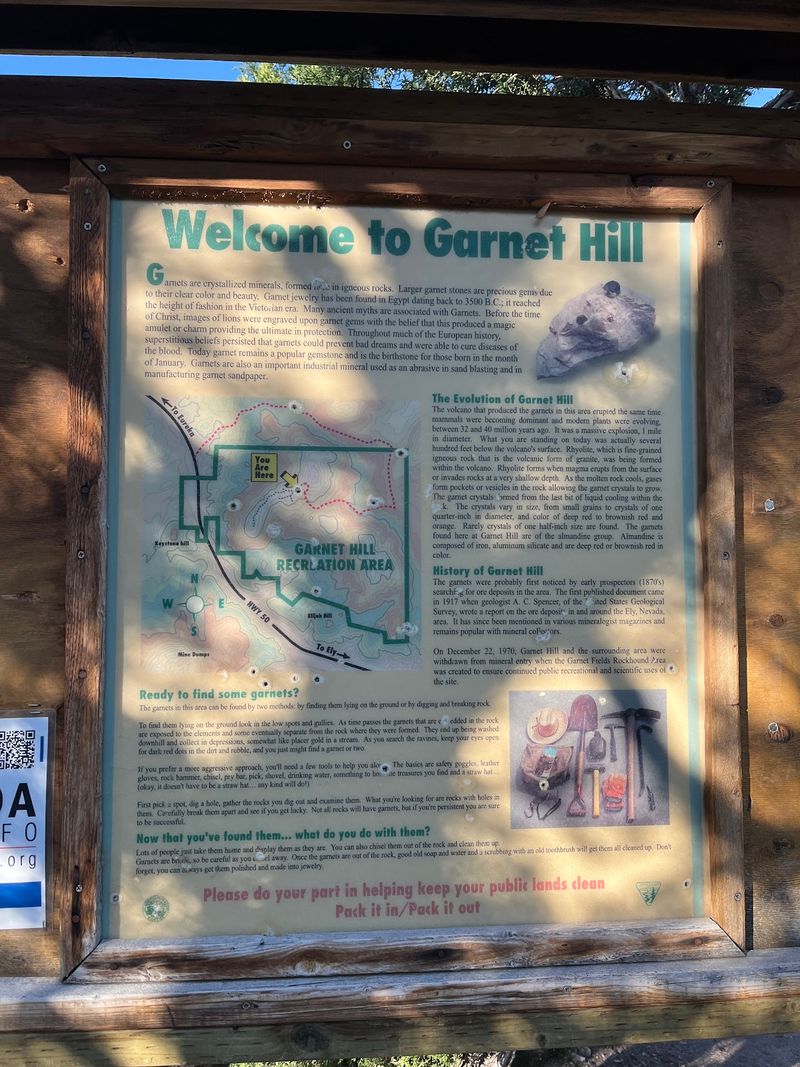
Rockhounding at Garnet Hill is a genuinely open and welcoming activity, but there are rules in place to keep the site sustainable and enjoyable for everyone.
The area falls under Bureau of Land Management jurisdiction, which means federal guidelines apply to what you can collect and how you collect it.
Personal, non-commercial collecting is generally permitted in reasonable amounts under BLM rules. This is not a commercial mining operation, so heavy digging, power tools, or large-scale excavation are not allowed.
The goal is to enjoy the site while leaving it largely intact for future visitors.
You should not remove any large rocks or disturb the landscape beyond light surface collecting. Filling in any holes you dig is good practice and helps maintain the natural appearance of the area.
Respecting the land is part of what makes sites like this one remain open to the public over time.
Leaving no trace is a principle that applies here as it does on any public land. Pack out everything you bring in, including food wrappers, containers, and any other trash. Nevada has strict outdoor recreation guidelines, and responsible behavior helps protect access for everyone.
If you are unsure about specific rules before your trip, contacting the local BLM field office is a reliable way to get current and accurate information. Regulations can change, and staying informed is always the right approach.
Best Times Of Year To Plan Your Trip
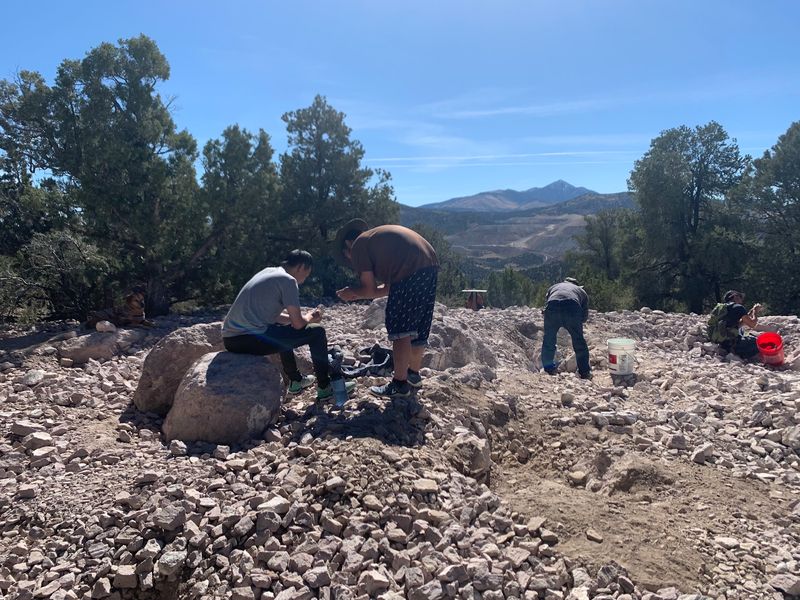
Timing your visit to Garnet Hill can make a big difference in how much you enjoy the experience. Nevada weather in this part of the state can be extreme at both ends of the spectrum.
Summers bring intense heat, and winters can bring snow and freezing temperatures that make the terrain difficult to navigate.
Spring and fall are widely considered the best seasons for a visit. Temperatures during these months tend to be mild and comfortable, making it easier to spend several hours outdoors without worrying about heat exhaustion or icy ground.
Wildflowers sometimes appear in spring, which adds a bit of color to the otherwise earthy landscape.
If you do plan a summer visit, going early in the morning is the smartest approach. Temperatures can climb quickly once the sun is fully up, and the exposed terrain offers very little shade.
Bringing extra water beyond what you think you will need is always a safe strategy in dry Nevada conditions.
Fall visits have their own appeal. The air is crisp, the light is golden, and the crowds, if there are any, tend to thin out. You get more space to search and a quieter overall experience.
Checking local weather forecasts for White Pine County before you leave home gives you a clearer picture of what conditions to expect. A little planning goes a long way toward making your trip both safe and rewarding.
Tips For Finding The Best Garnets On Site
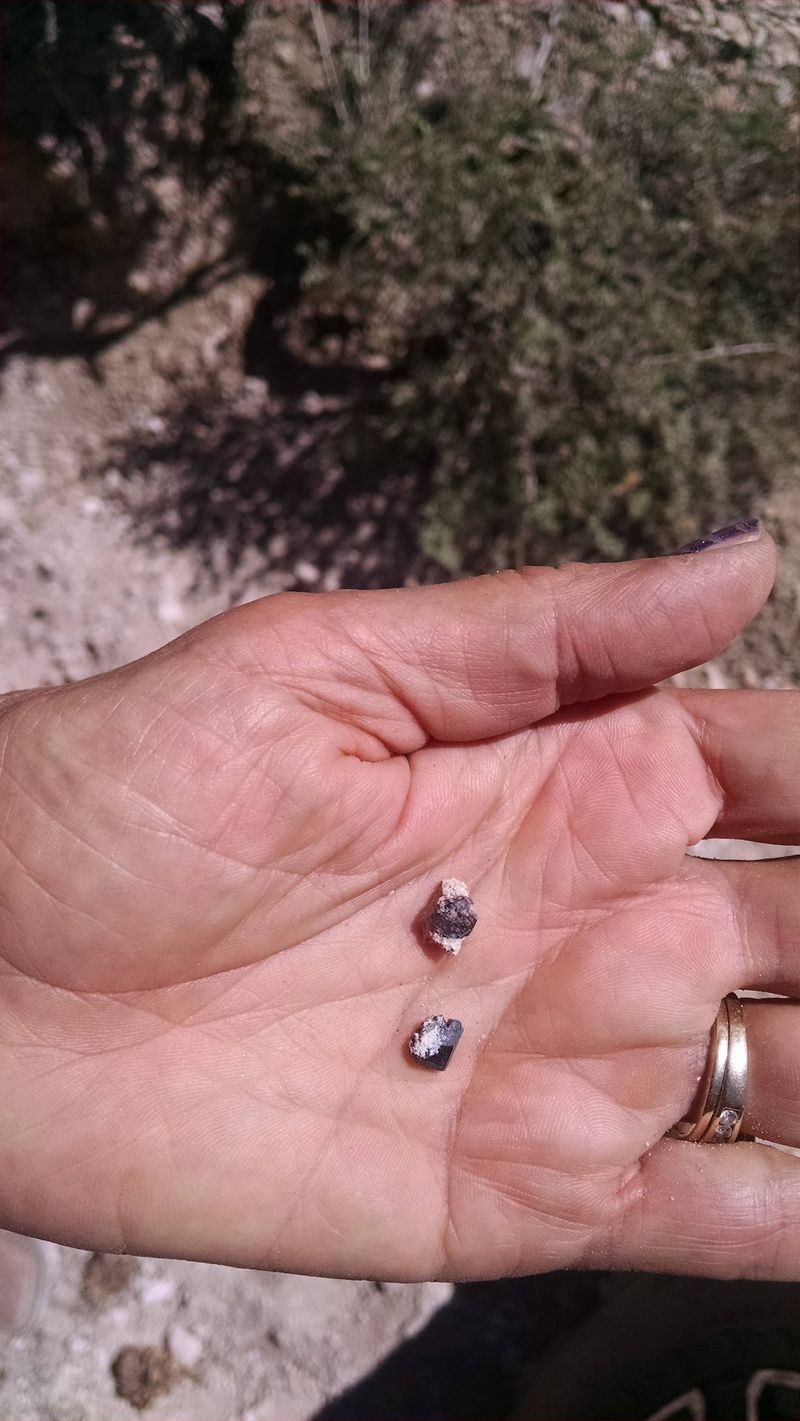
Finding garnets at Garnet Hill is genuinely satisfying, and a few practical strategies can help you find more and better specimens. The first thing to understand is that garnets tend to concentrate in areas where the rhyolite has broken down most completely.
Look for zones where the rock has crumbled into smaller fragments and loose gravel.
Scanning the ground slowly and methodically is more effective than rushing across large areas. Garnets catch light in a distinctive way, showing a slightly glassy or reflective surface compared to the surrounding rock and soil.
Training your eye to notice that difference takes a little time but gets easier as you go.
Using a sifter over a patch of loose soil can reveal garnets that are too small to spot by sight alone. Shake the sifter gently and watch for the small red or dark-reddish stones that remain behind after the fine material falls through.
This technique is especially useful in areas where the rock has fully decomposed.
Searching after a light rain, when conditions are safe, can also be productive. Moisture brings out the color in stones and washes away dust that might otherwise hide small garnets from view.
Patience is probably the most important tool you can bring. Some visitors find garnets quickly, while others spend more time searching before their luck turns. Either way, the process itself is enjoyable and genuinely connects you to the natural world around you.
Why This Nevada Rockhounding Spot Is Worth Exploring
Garnet Hill offers something that most outdoor destinations simply cannot. You come home with something real, something you found yourself, pulled from the earth in a landscape that has barely changed for centuries.
That is a powerful experience, and it is one that stays with you long after the drive home.
The site appeals to a wide range of people. Families with kids find it educational and exciting. Geology enthusiasts appreciate the scientific side of the experience. Casual hikers and outdoor lovers enjoy the open terrain and the sense of discovery that comes with every step.
Nevada has no shortage of dramatic landscapes and outdoor experiences, but Garnet Hill stands apart because of what it gives you to take home.
A small jar of garnets collected on a sunny afternoon in White Pine County becomes a permanent reminder of a day well spent in the natural world.
The area is not the easiest place to reach, but that is part of what makes it feel special. You earn the experience a little, and that effort can make the garnets you find feel even more meaningful.
If you enjoy being outdoors, learning something new, and connecting with the geological history of the American West, Garnet Hill deserves a real place on your list. Plan your visit, pack your gear, and let the land do what it has been doing for millions of years.