
This Nevada Wildlife Refuge Is The Largest Outside Of Alaska
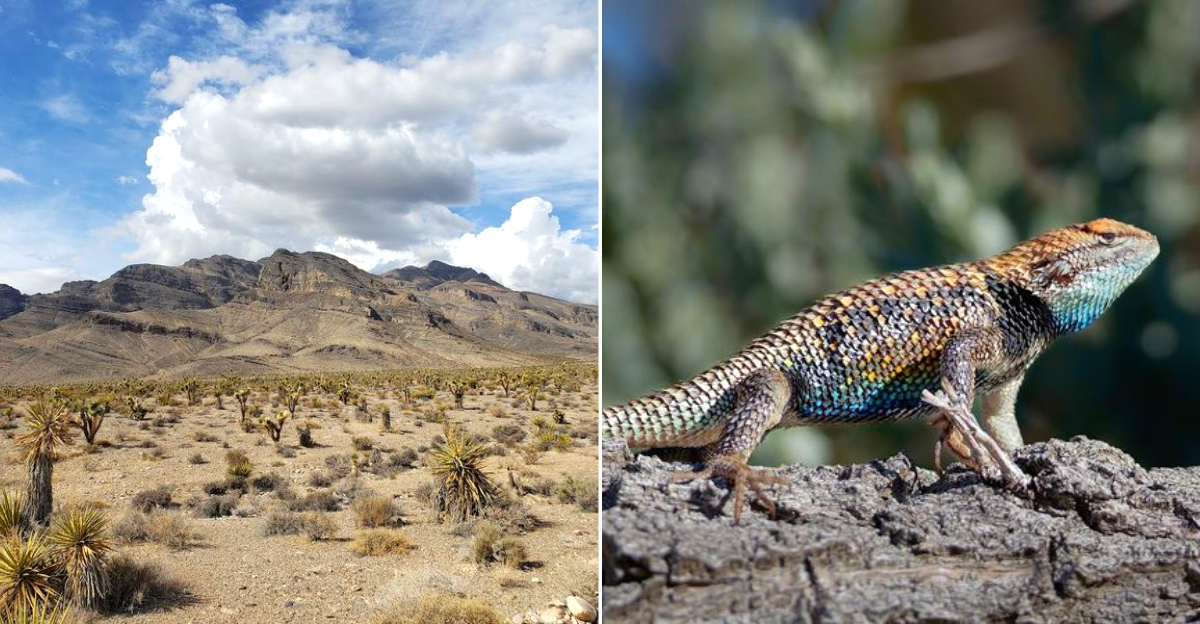
The desert feels enormous here, with rugged mountains, empty roads, and wild terrain stretching far beyond the horizon. Nevada protects a breathtaking landscape where silence feels powerful and every turn reveals something dramatic.
How often can you leave city lights behind and suddenly spot bighorn sheep on rocky slopes? Golden eagles circle overhead, hidden springs support wildlife, and hardy plants survive in places that seem almost impossible.
This is more than a quick photo stop. Bring water, pack binoculars, and prepare for an adventure beneath a sky that seems to go on forever.
The Sheer Size Of This Refuge Will Blow Your Mind
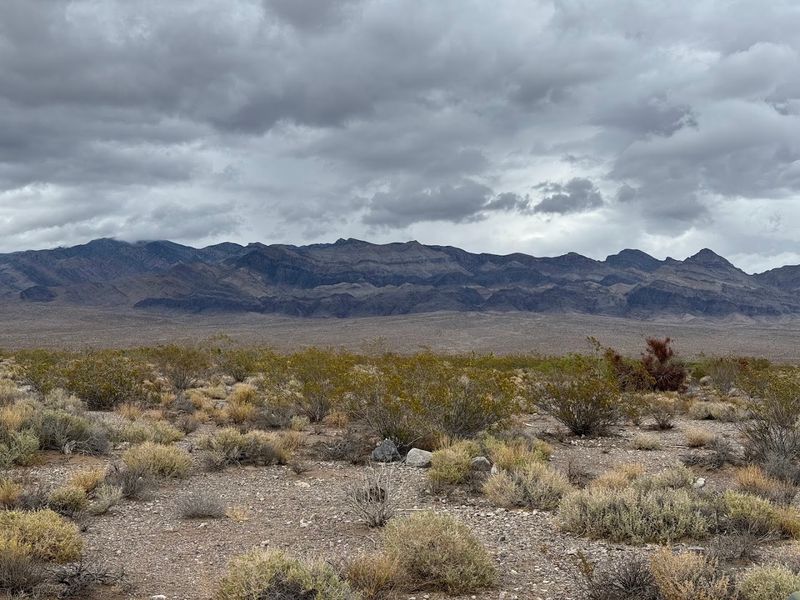
Most people have no idea just how massive this place really is. At nearly 1.6 million acres, the Desert National Wildlife Refuge in Nevada ranks as the largest national wildlife refuge in the contiguous United States.
To put that in perspective, it is bigger than the entire state of Rhode Island. That is a lot of desert to explore.
The refuge was established in 1936 specifically to protect the desert bighorn sheep, a species that thrives in the rocky mountain terrain found throughout the area. Over the decades, the protected land has grown to support an extraordinary range of plants, animals, and ecosystems.
You get rugged mountain ranges, dry desert flats, and surprising pockets of green all in one place.
When you visit, the scale of the landscape hits you right away. The mountains rise dramatically from the valley floor, and the sky feels enormous overhead. You can spend a full day here and still only scratch the surface of what the refuge has to offer.
For anyone who appreciates the raw power of the American West, the size of this refuge makes it genuinely unforgettable. Plan your trip and prepare to be amazed by just how much wild land exists so close to a major city.
Meet The Desert’s Most Impressive Climbers
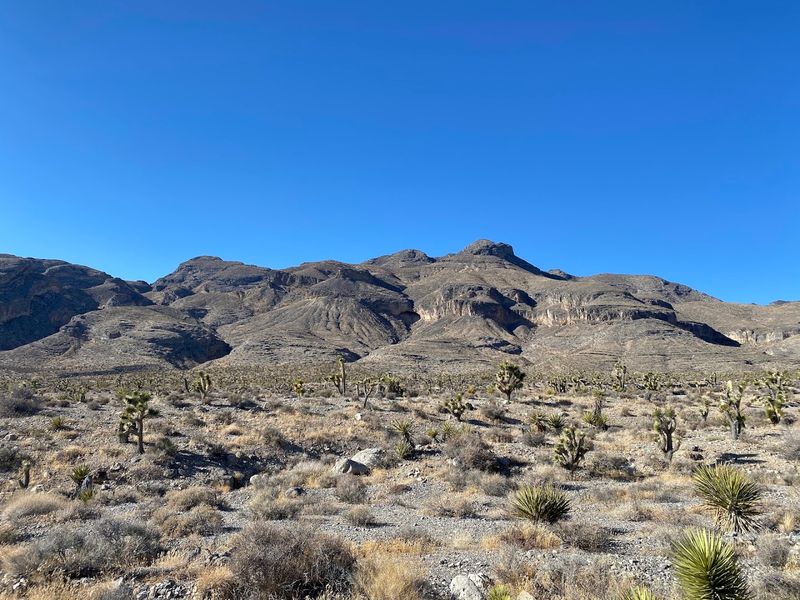
Few wildlife sightings match the thrill of spotting a desert bighorn sheep in its natural habitat. These animals were the main reason the refuge was created in the first place, and they remain its most iconic residents today.
The males carry thick, curved horns that can weigh up to 30 pounds on their own, making them one of the most recognizable animals in the American Southwest.
Desert bighorn sheep are built for this environment. Their hooves have hard outer edges and soft inner pads that grip rocky surfaces with surprising precision. You might spot them scaling steep cliff faces that would seem impossible for any large animal to climb.
Watching one move across a boulder field is honestly one of the coolest things you can witness in Nevada.
The refuge protects several distinct herds across its mountain ranges. Because the land covers such a wide area, the sheep have room to roam freely without much human interference.
Early morning and late afternoon are the best times to look for them, as they tend to move more actively during cooler parts of the day. Bring a pair of binoculars, scan the rocky ridgelines, and stay patient.
A sighting of these powerful animals in the wild is the kind of moment you will talk about for years after your visit.
Begin Your Adventure At Corn Creek Visitor Center
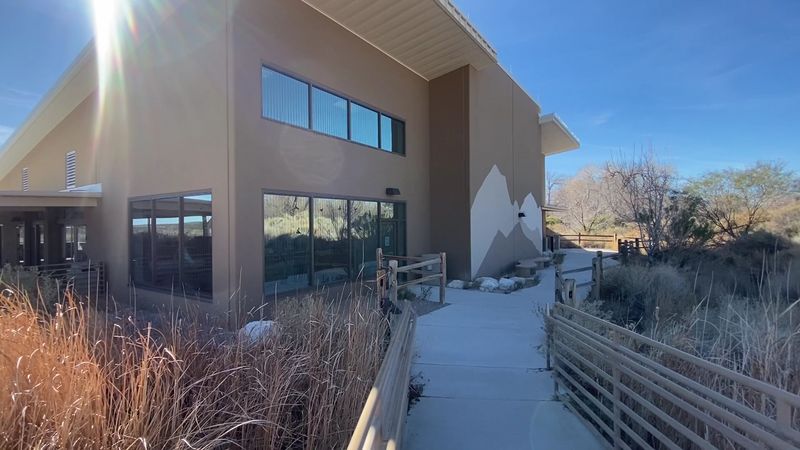
At the refuge entrance, Corn Creek flows from a natural spring and transforms the area into a lush, green oasis. The Corn Creek Visitor Center is built around this spring, and the contrast between the green habitat here and the dry desert beyond is genuinely striking.
Trees, shrubs, and flowing water create an environment that feels almost dreamlike against the backdrop of the Nevada landscape.
The visitor center itself is packed with interesting exhibits about the refuge’s history, wildlife, and ecology. Staff and volunteers there are consistently friendly and ready to answer questions. Interactive displays make the experience engaging for both kids and adults.
One of the most fascinating features is a small aquarium that houses the Pahrump Poolfish, a species with only a small number of individuals left in existence.
You can also learn how rangers actively prevent invasive species like crayfish from spreading through the spring system using specially designed metal pipes.
The visitor center hours are typically until 4:00 PM, so plan to arrive with enough time to enjoy everything inside before heading out onto the trails. It is a genuinely rewarding stop that adds real depth to your overall refuge experience.
Hiking Trails That Suit Every Type Of Explorer
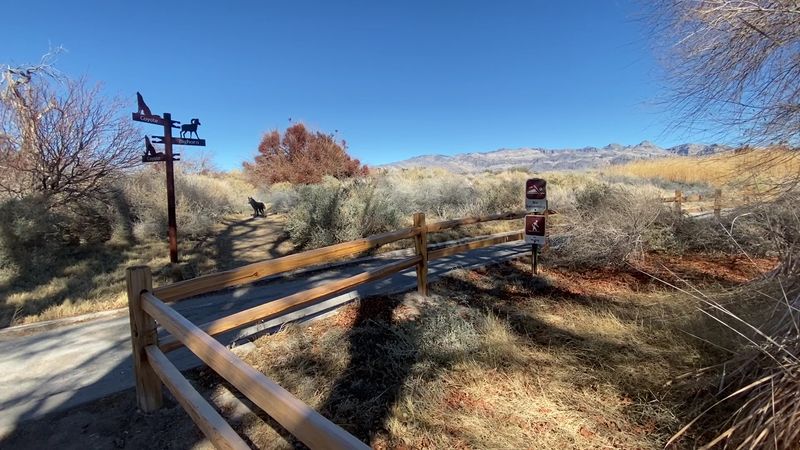
You do not need to be an experienced hiker to enjoy the trails at this refuge. The paths around the Corn Creek area are well-maintained, clearly marked, and comfortable for walkers of all fitness levels.
Gravel surfaces keep things stable underfoot, and interpretive signs along the way give you something interesting to read as you go. A typical loop around the visitor center area covers about 1.5 miles and takes roughly an hour at a relaxed pace.
For those who want more of a challenge, the refuge opens up into far more rugged backcountry terrain. High-clearance vehicles are recommended for exploring deeper areas with fossil sites, remote mountains, and quiet trails.
The solitude out there is remarkable, and the scenery rewards every extra mile you travel.
A few practical tips will make your hike much more enjoyable. Bring more water than you think you need, especially during the summer months when temperatures can climb significantly. Wear sunscreen and a hat since much of the trail system is exposed to direct sunlight.
Sturdy footwear with good grip handles the gravel and dirt paths well. Dogs are welcome on leash, making this a great outing for pet owners too.
The trails genuinely offer something for everyone, from casual strollers to dedicated outdoor adventurers looking for a real Nevada wilderness experience.
A Sacred History That Predates Modern Nevada
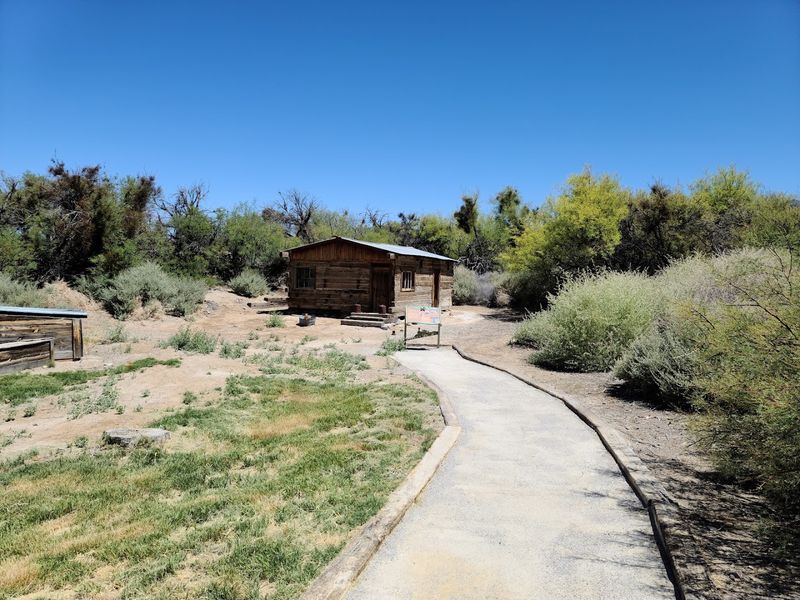
Long before the refuge was officially established, this land held deep importance for the Southern Paiute people, also known as the Nuwu.
They lived in and around this area for thousands of years, relying on the natural springs, plants, and animals that made survival possible in such a dry environment.
Their connection to this land runs far deeper than any modern designation, and visiting here gives you a real sense of that layered history.
Throughout the trails, interpretive signs share details about both the natural and human history of the area. Learn about the ancient peoples who lived here, the wildlife they relied on, and the ecology that made Corn Creek vital.
Near the visitor center, an old cabin built from railroad ties and spikes offers a glimpse into Nevada’s past.
Taking time to read these signs as you walk transforms a simple nature hike into something much richer. History and ecology are woven together here in a way that feels organic rather than forced.
You leave with a greater appreciation for how long humans and wildlife have shared this corner of the Mojave Desert.
For anyone curious about the American West, the historical layers of this refuge make it far more than just a pretty landscape to pass through.
Wildlife Diversity Beyond The Famous Bighorn
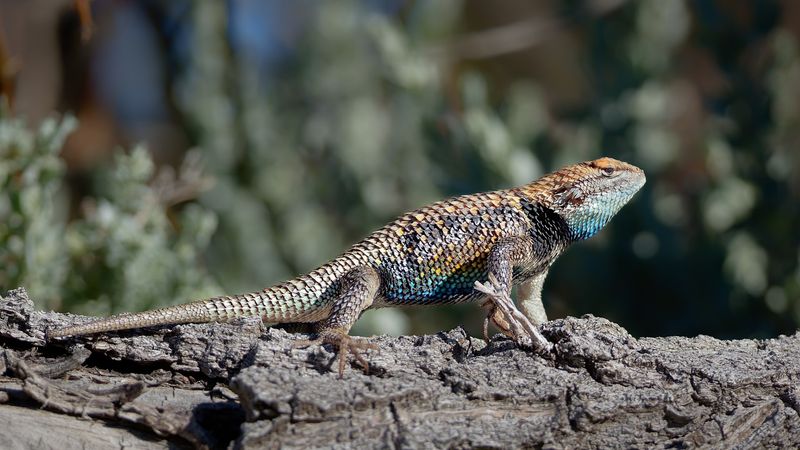
Desert bighorn sheep get most of the attention, but the wildlife variety at this refuge goes well beyond one famous species. Birdwatchers will find the area especially rewarding. Corn Creek attracts dozens of bird species year-round, with even greater variety during migration seasons.
Bringing binoculars and a field guide can turn a casual stroll into an exciting birding adventure.
Lizards are everywhere once you start paying attention. The large ones that seem to do push-ups when they pause are a favorite sighting for many visitors. Bats become active at dusk and can be seen swooping overhead in impressive numbers near the spring area.
Desert tortoises occasionally cross the roads in the refuge, so keep an eye out and give them plenty of space if you spot one.
Smaller critters like crayfish thrive in the spring-fed waterways, which surprises many first-time visitors who expect only dry desert. Fruit trees near the visitor center attract birds and insects, adding another layer of life to the landscape.
The sheer variety of creatures living within this refuge is a reminder of just how resilient desert ecosystems can be when they are properly protected.
Every visit brings the chance to spot something new, which is one of the reasons so many people return to this Nevada refuge again and again.
Camping And Stargazing In A True Dark Sky Setting
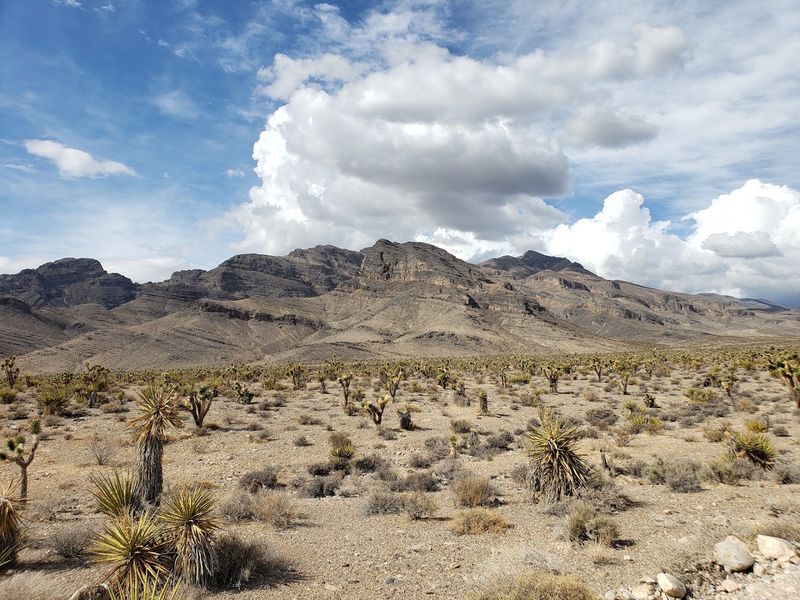
Camping at the Desert National Wildlife Refuge puts you in one of the darkest night sky environments anywhere near Las Vegas. Once you get away from the city glow, the stars come out in a way that is hard to describe until you have actually seen it.
Meteor showers are especially spectacular from here, and astrophotography enthusiasts regularly make the trip out for exactly that reason.
Campgrounds within the refuge are accessible by high-clearance vehicles, and the experience is about as far from a polished resort as you can get. That is entirely the point.
Falling asleep to the sounds of the desert, with no city noise and minimal light pollution, resets something in you that daily life tends to wear down. Early risers are rewarded with golden desert sunrises that paint the mountain ranges in warm, dramatic colors.
If you plan to camp, preparation matters. Bring all the water, food, and supplies you need before you arrive, since there are no stores or services deep within the refuge. A high-clearance vehicle with off-road capability handles the terrain much more comfortably than a standard car.
Check the weather forecast carefully, as the area is prone to flash flooding during thunderstorms. When conditions are right, though, spending a night under the Nevada sky at this refuge is an experience that stays with you long after you head back to civilization.
Why This Wild Nevada Escape Is Worth The Trip
There is something genuinely special about a place this large and this wild existing just a short drive from one of the busiest cities in America.
The Desert National Wildlife Refuge offers a complete change of pace from the Las Vegas Strip, and the transition happens faster than most people expect. Within minutes of turning onto Corn Creek Road, the city disappears and the desert takes over completely.
The refuge is free to visit, the trails are accessible to most fitness levels, and the wildlife viewing opportunities are outstanding year-round. Families, solo hikers, birdwatchers, photographers, history enthusiasts, and campers all find something worth coming back for.
The staff at the visitor center are knowledgeable and welcoming, and the exhibits inside add real educational value to any visit.Nevada is filled with natural wonders, but few combine size, accessibility, history, and ecological richness quite like this one.
Reaching the refuge is straightforward from Las Vegas via I-11 north, with the turnoff coming up at highway speeds, so watch for signage early. The address is 16001 Corn Creek Road, Las Vegas, NV 89124.
Contact the refuge office or check the official website for current details. Make the trip, take your time, and let this extraordinary piece of the American desert remind you why protecting wild places matters so much.