
This Oklahoma Mountain Lake Was Built Over A Town Destroyed By A Tornado
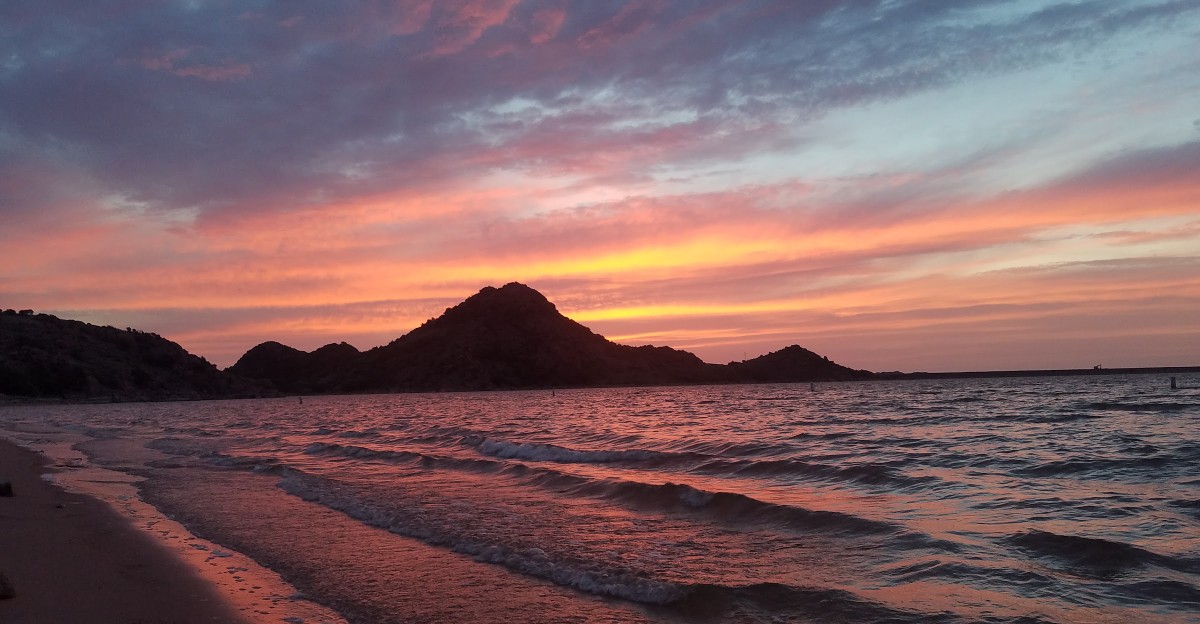
Granite peaks, tea-tinted water, and a whole town hiding under the waves. Yes, really.
Picture rugged mountains rising out of the Oklahoma prairie, wind rippling across a mountain lake so clear it glows amber in the sun. Fishing lines drift lazily.
Campfires crackle on the shore.
It feels peaceful. Almost too peaceful.
Below that calm surface sleeps a frontier town, destroyed by a tornado and swallowed by rising water once the dam was built. Old streets.
Old storefronts. Old stories.
And when drought pulls the water back, the past starts peeking out again. Spooky?
A little. Fascinating?
Absolutely.
You might come for the granite views and the summer splash. You will leave talking about the ghost town beneath your boat, and Oklahoma keeps that story waiting for curious travelers.
A Frontier Town Called Lugert
Picture a frontier town with a bank, a lumberyard, and no real roads. Lugert had exactly that around 1901 or 1902.
The town grew on a modest patch of land in what is now southwestern Oklahoma. It took its name from the man who owned that land and ran the main store.
Life moved at the pace of horses and wagons. Trails replaced streets, and travelers bumped along dusty paths to reach town.
In its prime, Lugert held roughly a few hundred residents. It boasted a bank, two hotels, two restaurants, and a lumberyard.
The general store did double duty as the post office. Locals picked up flour and letters in the same trip, which sounds pretty efficient.
The nearby Wichita Mountains added some drama to daily life. Rugged granite hills rose just beyond town and framed every sunset.
That wild edge gave Lugert a true Old West flavor. Shopkeepers likely kept one eye on the counter and another on the horizon.
Today, the story of this lively settlement lives on through Lake Altus-Lugert. Knowing its roots makes every glance at the water feel richer.
Bring that history along before visiting. The lake suddenly becomes a time capsule instead of just a pretty view.
The Spring Storm That Changed Everything
Lunchtime rarely comes with a twister. On April 27, 1912, Lugert got one anyway, around half past noon.
A powerful tornado roared across the prairie and slammed into town. Within minutes, the storm flattened nearly every business building.
Records say just one business out of dozens stayed standing. News accounts described piles of rubble and bare prairie where shops once stood.
Imagine walking out after the winds calmed. Familiar storefronts would have simply vanished from the landscape.
Some residents chose to rebuild parts of town. Their grit kept Lugert going for a while longer.
Still, the population slowly began shrinking after the storm. Businesses never quite bounced back to their old busy level.
The local school hung on into the 1930s. That small detail shows how stubborn this community stayed through tough times.
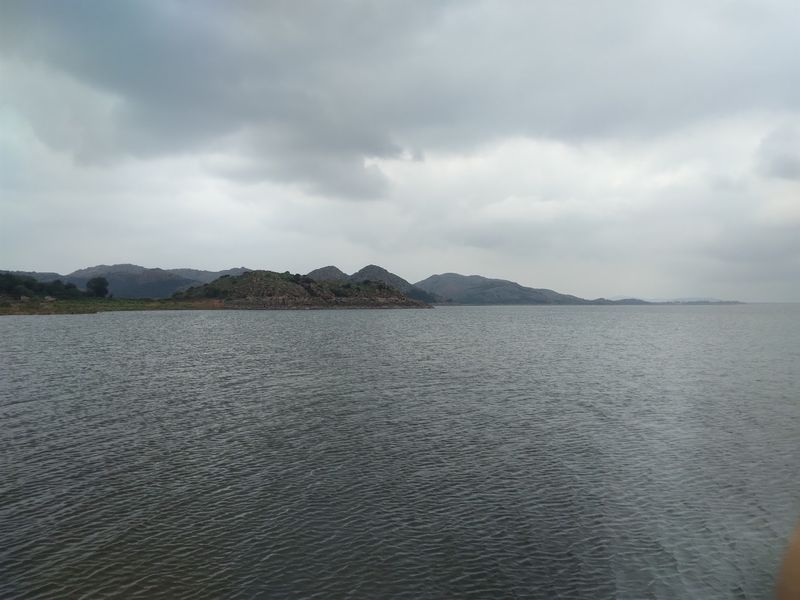
Visitors to Lake Altus-Lugert can reflect on this chapter while gazing across the water. Spring skies here still turn moody fast, so keep an eye on weather alerts.
Checking the forecast before a trip makes sense in this part of the Great Plains. Storm season can bring sudden changes, and planning ahead keeps any outing smooth.
How A Dam Drew The Water In
Thirsty cities need clever plans. In 1927, the City of Altus built a dam across the North Fork of the Red River.
That first structure created Lake Altus. Its main job was supplying water for people living in Altus.
Farmers nearby soon wanted water too. Cotton fields in this dry corner of the plains needed steady irrigation.
The federal government stepped in with the Rivers and Harbors Act of 1938. That law approved a much bigger reservoir.
Crews started raising the dam in 1941. World War II then paused the work for a few years.
Building picked back up later in the war, and the Bureau of Reclamation lists the larger concrete gravity dam as completed by 1945.
As the water rose, it crept over the old townsite of Lugert. Streets, foundations, and memories slipped quietly beneath the surface.
The new name, Lake Altus-Lugert, honors both the city and the lost town. It feels like a fitting handshake between past and present.
Spend a moment near the dam during a visit. The concrete wall tells a story of patience, wartime delays, and big dreams for dry land.
Ghostly Foundations In Dry Seasons
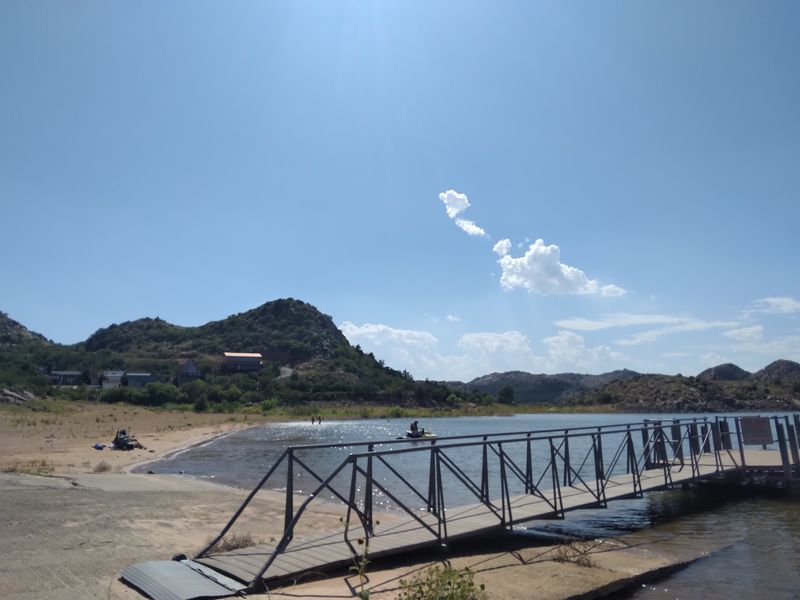
Droughts usually bring bad news. At this lake, they sometimes bring a peek into history.
When water levels drop, old foundations from Lugert can rise into view. Outlines of houses and other structures appear along the exposed lakebed.
Seeing them feels like reading a page from an old diary. The shapes hint at kitchens, shops, and porches from long ago.
Water levels at Lake Altus-Lugert shift a lot over time. Irrigation needs and dry weather both play a role.
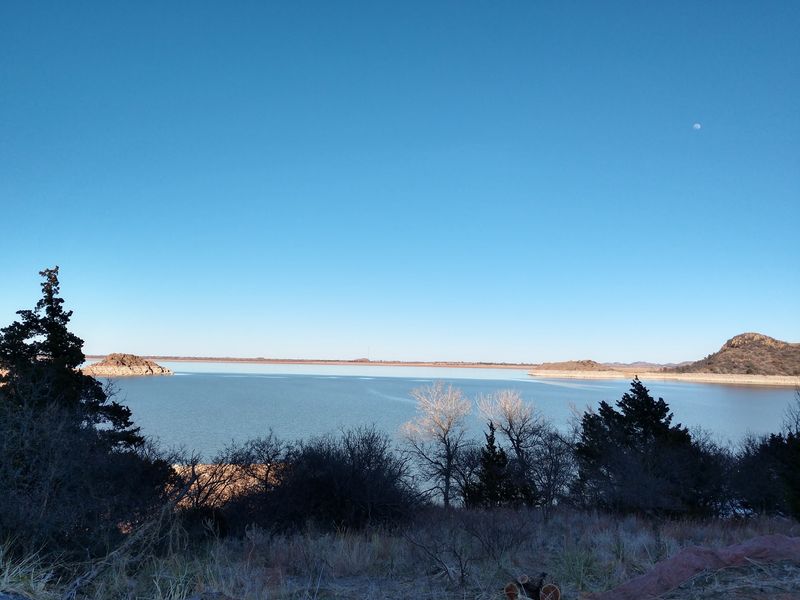
Visitors have noticed seasons when the lake sits well below normal. That can mean a longer walk from the parking lot to the water.
Spotting remains is never guaranteed. Conditions change from year to year, so expectations should stay flexible.
Respect matters here. Leave any items or stones exactly where they rest, and treat the area like an outdoor museum.
Wear sturdy shoes if exploring exposed shoreline. Mud can hide soft spots, and the ground may feel uneven underfoot.
Bring a camera and plenty of curiosity. A low-water day can turn a simple lake visit into a surprising history lesson.
Granite Peaks And Tea-Colored Water
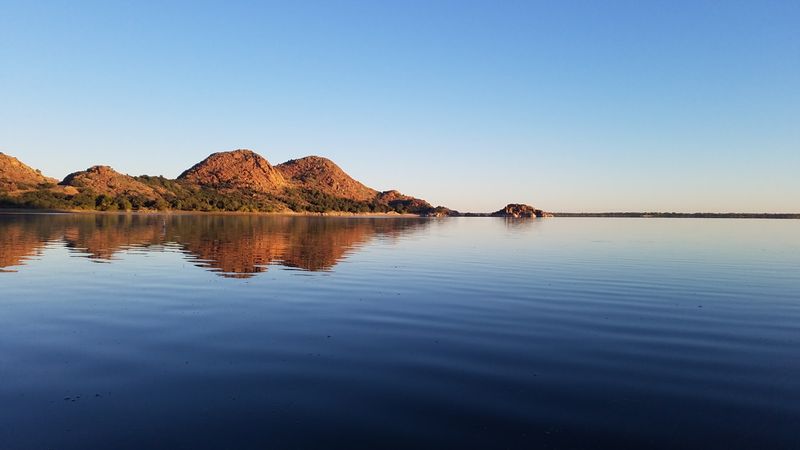
Mud lakes, step aside. This one plays by different rules.
Lake Altus-Lugert sits among the Quartz Mountains on the line between Greer and Kiowa counties.
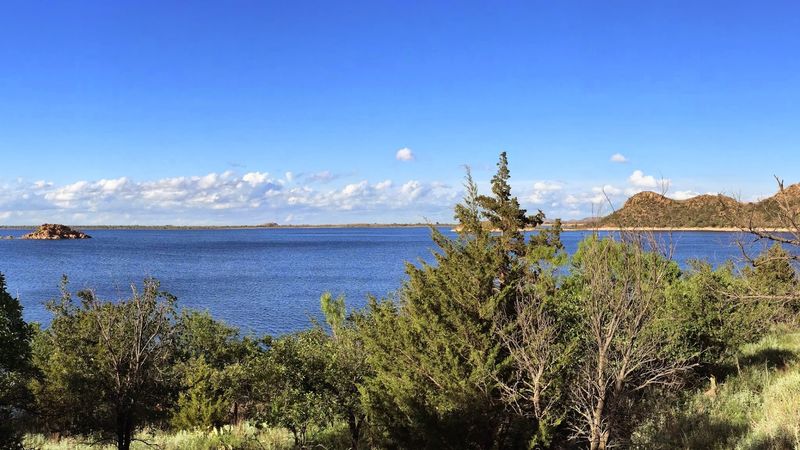
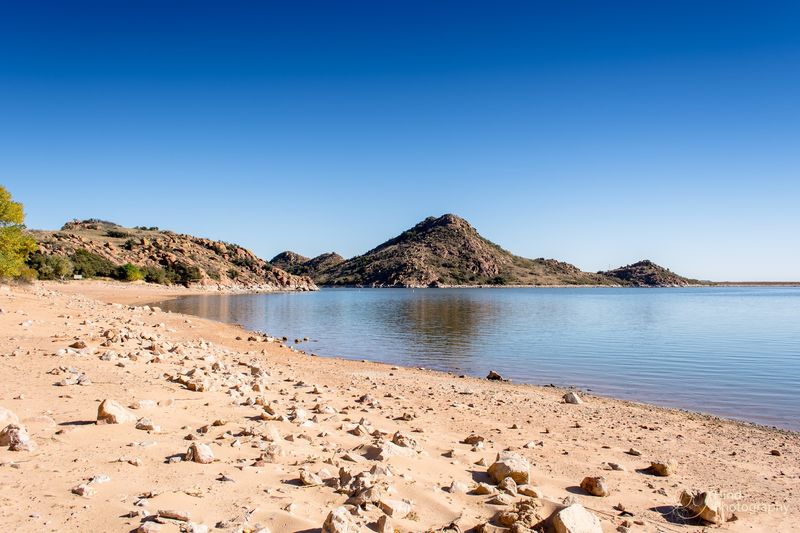
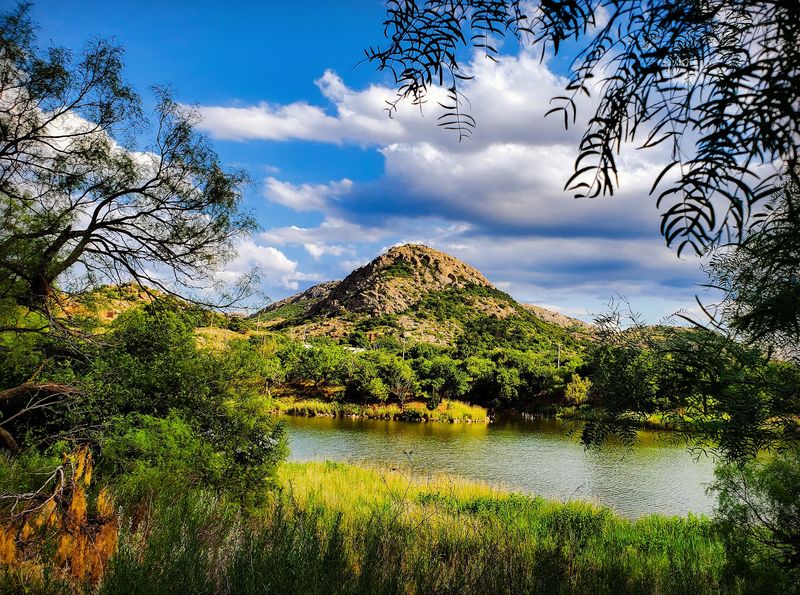
Rugged granite peaks rise right from the shoreline, which surprises many first-time visitors.
Most folks picture flat prairie when they think of Oklahoma. These rocky hills flip that idea upside down.
The water also stands out. It looks clear, though it carries a tea-stained tint.
That clarity sets it apart from many murky reservoirs in the region. Sunlight dances across the surface and shows off the warm color.
Sunrises draw plenty of praise from regulars. Soft morning light paints the granite in glowing shades.
Photographers should plan for early mornings or late afternoons. Shadows stretch across the hills and add depth to every shot.
Wind can pick up quickly out here. A light jacket helps, even on days that start calm.
Spend a quiet hour simply watching the water meet the rocks. The scenery feels peaceful, a little wild, and completely unexpected for the plains.
Casting Lines Above Old Streets
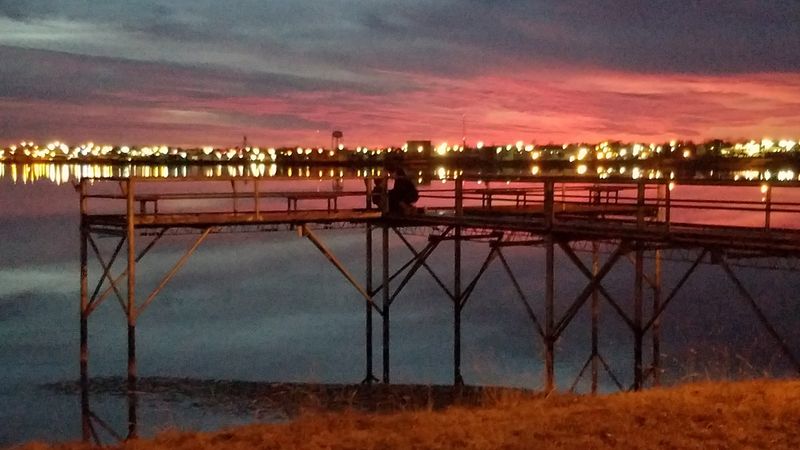
Fish do not care about history. They just love a good hiding spot, and this lake offers plenty.
Fishing ranks among the most popular activities at Lake Altus-Lugert. Anglers line the rocky banks and launch boats across the open water.
Catfish draw a loyal crowd. Many visitors also chase other species, depending on the season.
There is something fun about knowing an old town lies below. Your bait might drift past a former street corner.
Fishing success can change with water levels. Low seasons may shift where fish gather, so stay flexible.
Talk to local bait shops or park staff for current tips. They often know which coves are producing.
Always check state fishing license rules before casting. Regulations can change, and staying current avoids headaches.
Night fishing rules may vary, so confirm them ahead of time. A quick check prevents disappointment after a long drive.
Pack sunscreen, water, and a comfy chair. Patience pays off here, and the mountain views make waiting feel like a bonus.
Splash Time And Summer Fun
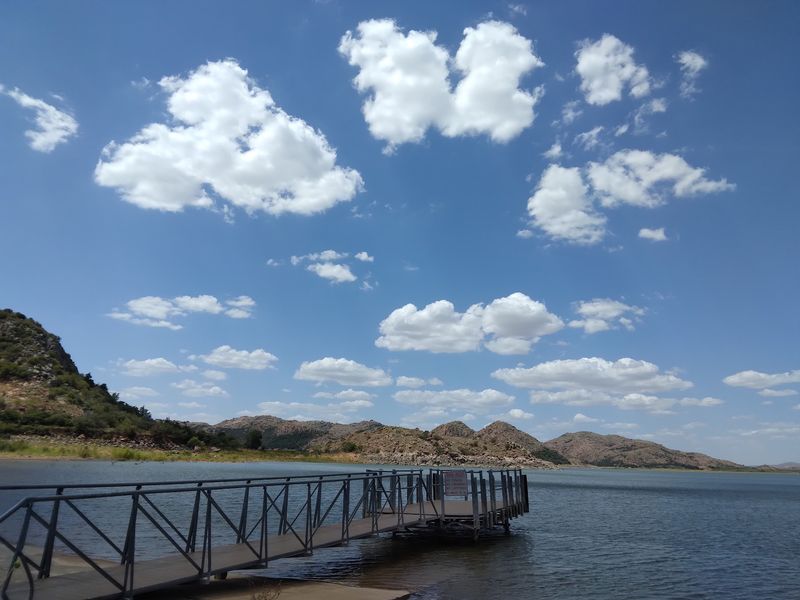
Hot day? Grab a towel and head for the water.
Lake Altus-Lugert has long attracted skiers and boaters. The open stretches give plenty of room to carve wakes.
Summer sun beats down hard in this region. That heat makes a cool splash feel even better.
Some visitors have spotted free life jackets hanging for public use. If you borrow one, return it so the next guest can stay safe.
A small dock offers a handy spot for photos. Kids and grown-ups alike enjoy posing with mountains in the background.
Swimming conditions depend on water levels. Shallow seasons may limit where deeper fun happens.
Always check posted signs before jumping in. Rocks can lurk under the surface, especially near the rugged shoreline.
Weekdays tend to feel calmer than weekends. Fewer crowds mean easier parking and more space on the water.
Bring a hat, plenty of water, and a cooler packed with snacks. With good planning, a summer day here can feel like a private mountain getaway.
Campfires Under Quartz Mountain Skies
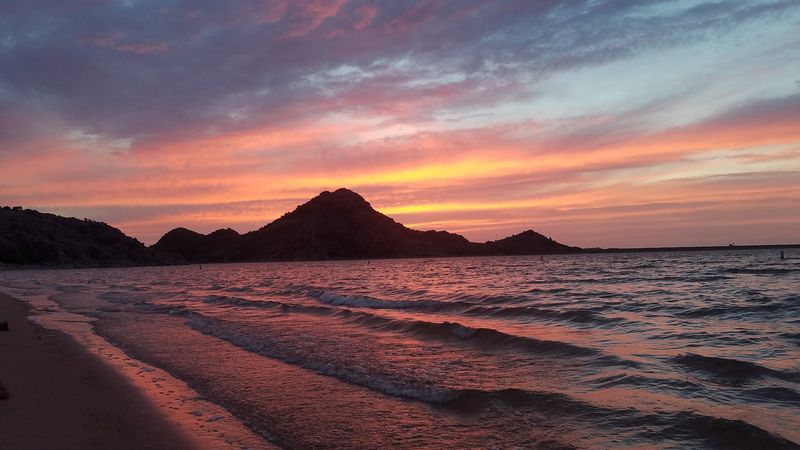
Stars shine brighter far from city lights. Camping near this lake proves it every clear night.
Quartz Mountain State Park sits right next to Lake Altus-Lugert. It offers camping options for tents and RVs.
Wake up to granite peaks glowing at dawn. That sight beats any alarm clock.
Primitive camping draws adventurous visitors. Availability can vary, so check with the park before packing gear.
Cabins also dot the area for those wanting walls and a roof. They make a cozy choice for families or first-timers.
Bring layers for chilly nights. Temperatures can swing a lot between afternoon and evening.
Wildlife may wander near campsites. Store food securely and keep a tidy site.
Friendly park rangers often help with questions. Their local knowledge can point you toward great trails and quiet spots.
Reserve ahead during busy seasons. Holidays and warm weekends may fill up fast.
Toast marshmallows, tell stories about the sunken town, and watch the sky fill with stars. Few campsites come with this much history built in.
Art, Lodging, And Lakeside Views
Culture and canoes rarely share a shoreline. Here, they sit side by side.
Quartz Mountain State Park & Lodge rests along the shore of Lake Altus-Lugert, home to the Oklahoma Arts Institute programs.
The original lodge opened in 1955. A fire claimed it in 1995, sadly ending that chapter.
A new lodge opened in March 2001 with guest rooms, cabins, and the Robert M. Kerr Performing Arts Center.
An outdoor amphitheater adds extra charm. Picture music drifting across the water as granite peaks catch the evening light.
The resort hosts arts programs and events at different times. Schedules can change, so check details ahead of time.
Even without staying overnight, the grounds make a pleasant stop. Stroll around, snap photos, and soak up the setting.
Families enjoy the mix of comfort and nature. It works well for anyone who loves scenery but prefers a soft bed.
Consider pairing a lodge stay with lake time. That combo turns a simple trip into a well-rounded escape.
Smart Tips Before Heading Out
Good trips start with good planning. A few smart moves make this one smoother.
Lake Altus-Lugert sits in Greer and Kiowa counties, Oklahoma 73655, near the community of Lugert.
Water levels change often. Call ahead or check recent reports to know what conditions look like.
Remember the lake serves a working purpose. It stores irrigation water for farmland across southwestern Oklahoma, especially cotton fields.
It also supplies water for the city of Altus. That busy role explains why levels rise and fall.
Restrooms may sit far from the water when levels drop. Plan stops before heading down to the shore.
Spring and fall often bring milder temperatures. Summer runs hot, while winter can feel surprisingly cold.
Pack sunscreen, snacks, a map, and refillable water bottles. Cell service may feel spotty in rugged areas.
Above all, take time to remember Lugert. A little history turns this lake into more than a weekend stop, and it leaves visitors with a story worth sharing back home.