
This Old Beachfront House In Biloxi Survived Katrina, And Its Rose Garden And Mossy Oaks Make An Easy Fall Stroll
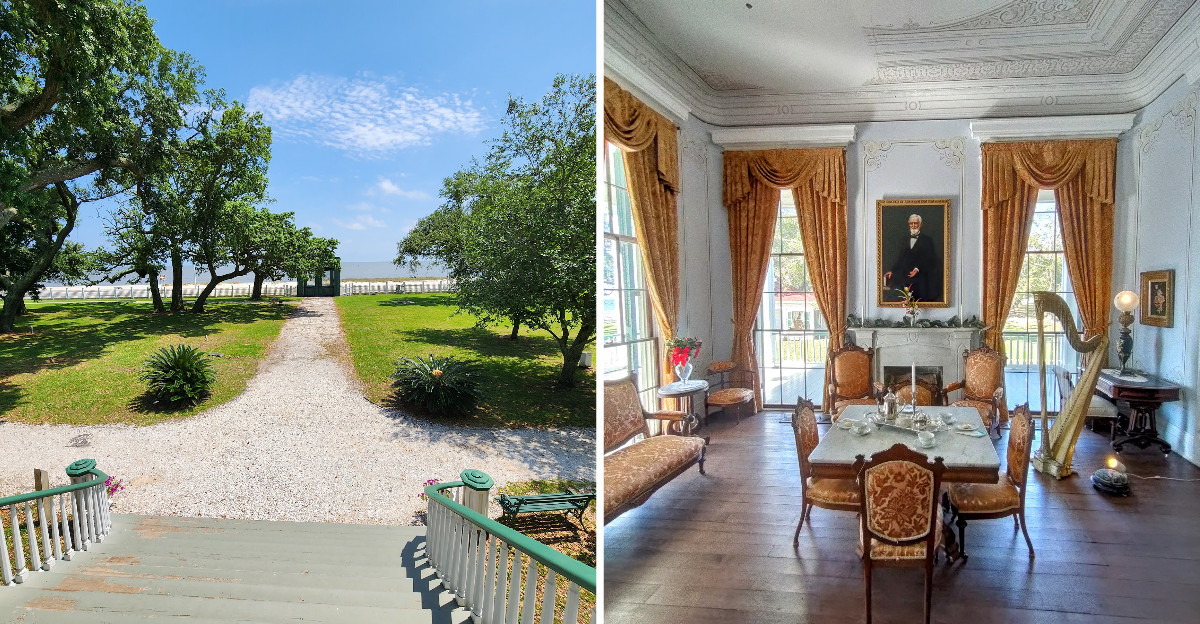
Some places look like a quick roadside stop until you step out of the car and the shade swallows you whole. That happened on a hot afternoon along the Gulf Coast of Mississippi, where a pale old house sits under giant oak trees with moss hanging like gray lace.
Behind it, paths wind past roses, bridges, and quiet corners that take far longer to explore than you expect. It is a spot where history, storms, and gardens all share the same patch of sandy ground.
A Beachfront Estate Facing the Gulf
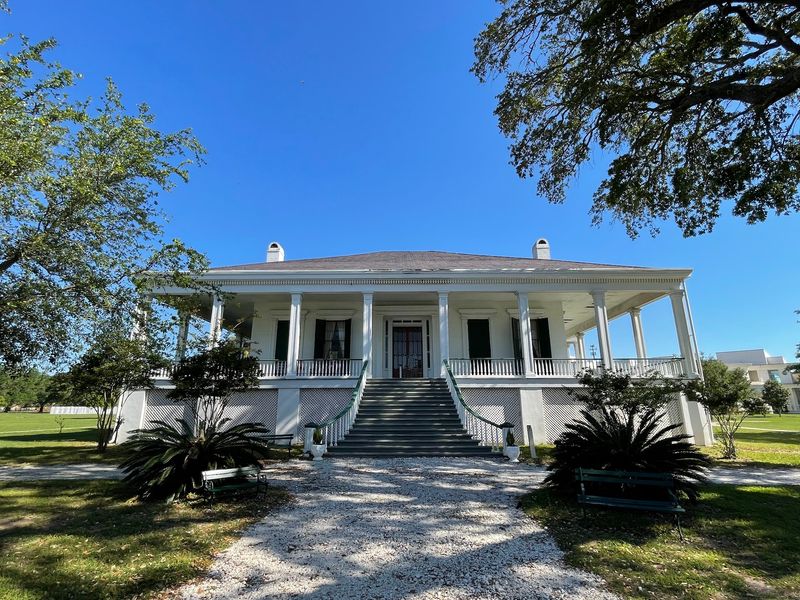
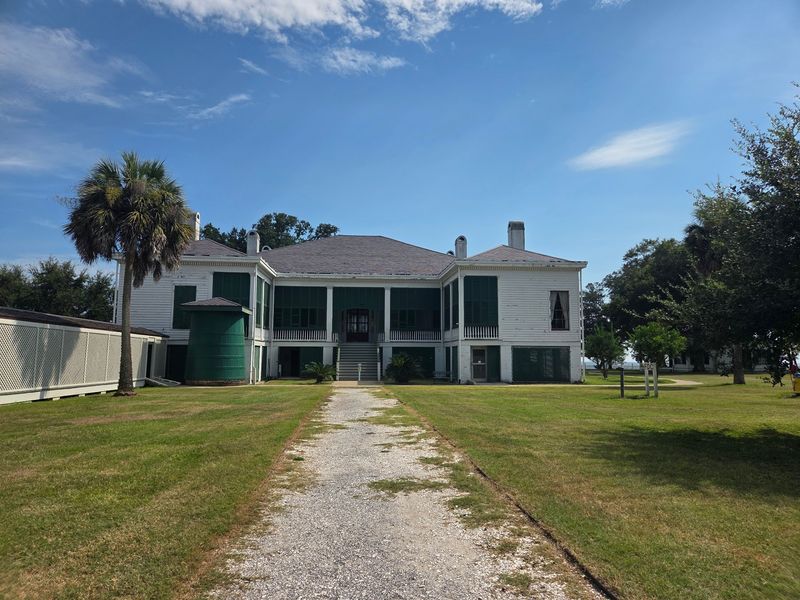
Across Beach Boulevard from the sand, a raised white house with a deep front porch looks out at the Gulf of Mexico. The estate is Beauvoir, sitting at 2244 Beach Blvd in Biloxi, and it is listed as a National Historic Landmark.
Most people know it as the last home of Jefferson Davis, the president of the Confederacy. The property also holds the Jefferson Davis Presidential Library and Museum, several historic outbuildings, and a Confederate Memorial Cemetery.
That mix makes it part house museum, part library, and part garden walk.
Size surprises first-time visitors. The grounds cover somewhere around 52 to 65 acres, which is a lot of land for a beachfront lot on a busy coastal road.
Walking paths, nature trails, a botanical garden, and a restored rose garden spread out behind the main house.
For families, that space changes the whole visit. Adults can linger over exhibits while younger travelers stretch their legs under the trees outside.
The setting feels calm even with traffic rolling by out front, mostly because the oaks soak up so much of the noise and heat. Plan on treating it as both a history stop and an outdoor ramble rather than a quick look.
How the House Came Through Katrina
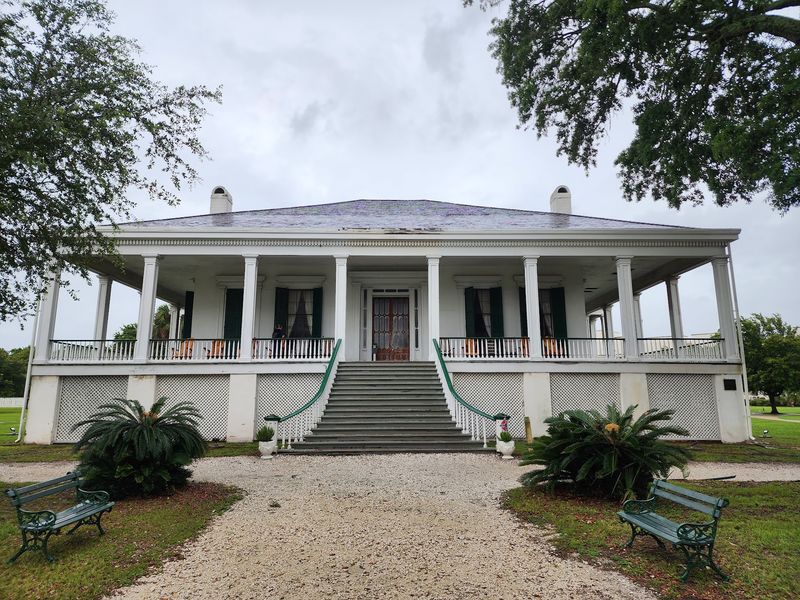
Hurricane Katrina hit the Mississippi coast in 2005, and Beauvoir took serious damage. Few beachfront buildings escaped that storm untouched, and this one sits only a road away from the water.
Restoration work afterward aimed to bring the mansion and its grounds back to their 19th-century look. Visitors who saw the place years ago often comment on how much work went into that recovery.
Some describe returning after a long gap and being impressed by the progress, while others note that renovations were still underway during their trip.
Guides often weave the storm into the tour. Guests mention hearing how the house became a tourist attraction and how it made it through so many hurricanes over the decades.
For families, that angle can be a handy teaching moment about coastal life and why old buildings need constant care.
Not every corner feels polished, and a few people have found parts of the property worn. Still, many visitors say they are amazed the home and land stay in such shape while sitting on the Gulf between storms.
Seeing a survivor like this up close gives the gardens outside an extra layer of meaning too.
Live Oaks Draped in Spanish Moss
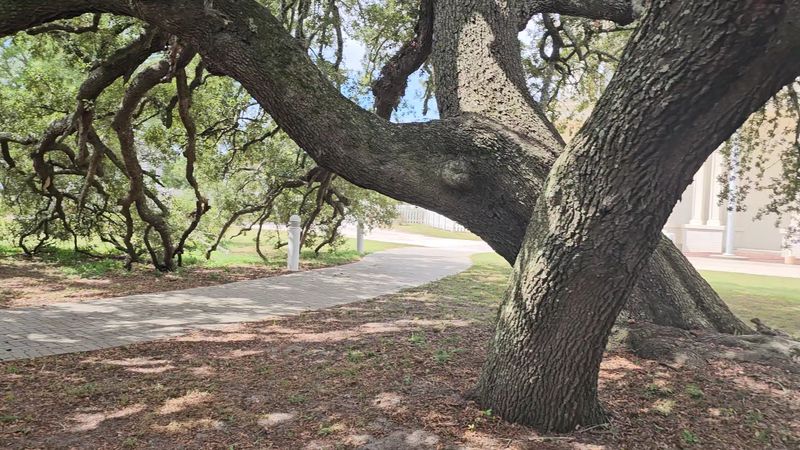
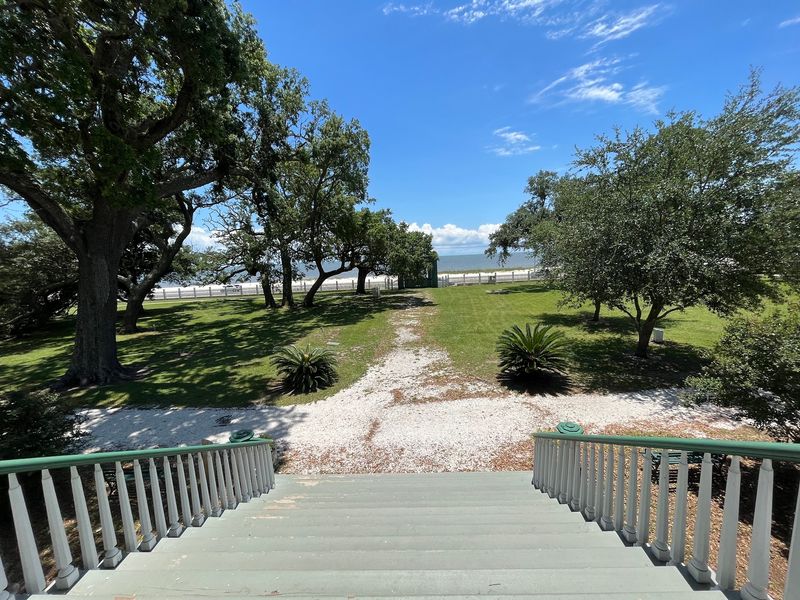
Look up before you look anywhere else. The live oaks at Beauvoir spread their limbs wide and low, and long strands of Spanish moss sway from nearly every branch.
These trees do a lot of the heavy lifting for the Southern mood of the place. They shade the lawns, frame the front of the house, and turn a simple stroll into something that feels slower and older.
On a sticky coastal afternoon, the difference between sun and oak shade is easy to feel on your skin.
Children tend to notice the moss right away, since it looks a bit like an old man’s beard hanging from the sky. It is a fun way to start a chat about how plants on the Gulf Coast grow differently than they do farther north.
Parents can point out how the roots and trunks have stood through years of wind and salt air.
Photographers will find plenty to work with too. Morning and late-day light filters through the canopy in soft patches across the grass.
Many guests say the scenery alone made the stop feel worthwhile, even before they set foot inside the home or museum.
Varina’s Heritage Rose Garden
Old roses have a different look than the tidy ones sold at the grocery store. They ramble, bloom in looser shapes, and often carry a stronger scent, and Beauvoir has a whole garden devoted to them.
Varina Davis, the wife of Jefferson Davis, loved this heritage rose garden. It has been carefully restored with varieties suited to the period, so what you see today reflects the kinds of flowers that might have grown here in the 1800s.
That attention to detail turns a pretty flower bed into a small window on daily life at the house.
Families can make a game of it. Ask younger visitors to find the brightest bloom, the biggest bush, or a rose that smells sweetest.
Older kids might enjoy learning that gardeners save and replant these historic types so they do not vanish.
The rose garden pairs nicely with the formal grounds and the wider botanical areas. Together they show that the estate was a working, living home with spaces meant for enjoyment, not just a stage for history lessons.
Bloom times change through the year, so the display shifts depending on when you arrive.
Botanical Paths, Trails, and Little Bridges
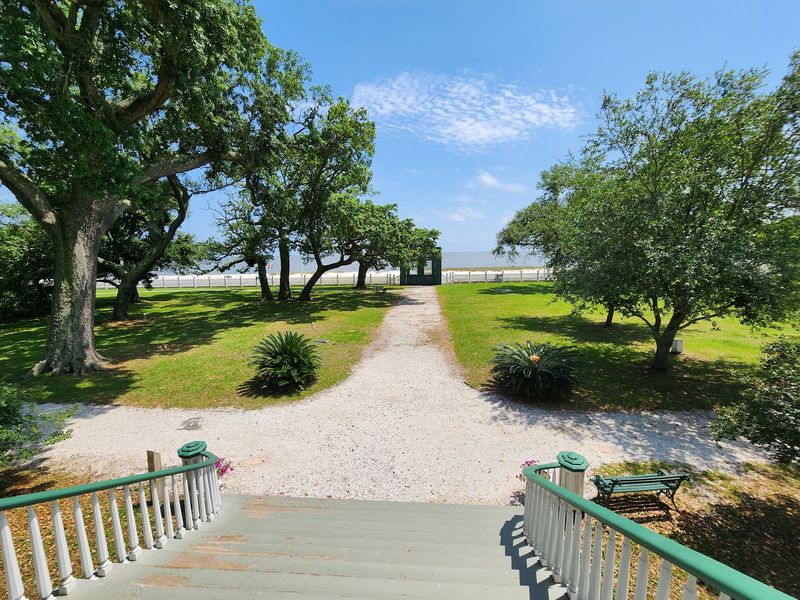
Past the house, the estate opens into a network of walking paths and nature trails. A botanical garden sits among them, giving plant lovers another reason to wander off the main lawn.
Small bridges cross parts of the back grounds, and visitors mention enjoying them as they explore toward the rear of the property. These spots break up the walk and give children a target to reach next.
A bridge, a bend in the trail, a patch of shade, then another bridge, it keeps restless feet moving.
History peeks through here too. An orange grove once grew behind the main house, a reminder that the land was used for more than looks.
Today the trails mix that past with the quiet of a coastal woodland garden.
Summer on the Gulf can be steamy, and many guests strongly suggest carrying a bottle of water. Comfortable shoes help, since the acreage adds up quickly once you start following paths.
Some families split up here, with one adult touring inside while others ramble outdoors, then meet back by the oaks. That flexibility suits groups with mixed ages and energy levels.
Inside the Beauvoir House Tour
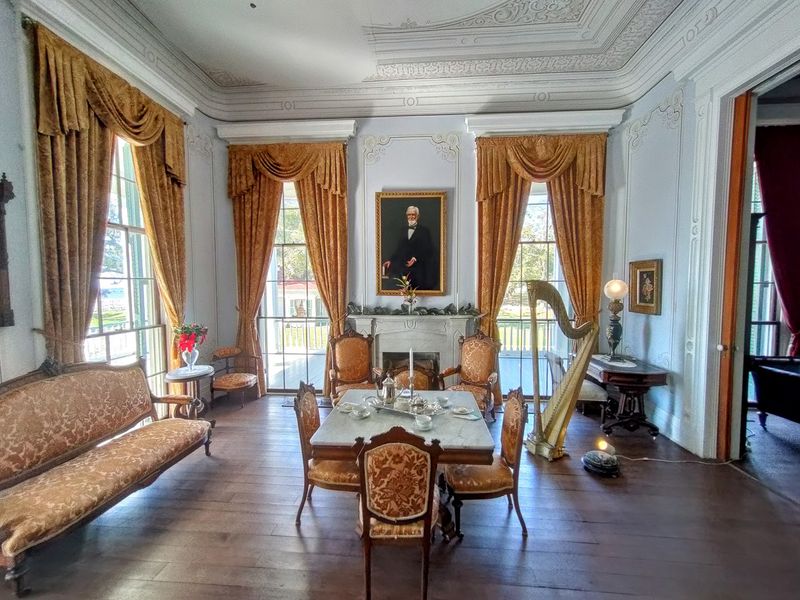
Guided tours carry most of the indoor experience. Visitors repeatedly praise the guides as knowledgeable, funny, and full of pride in the house’s story, with several names coming up again and again in comments.
Tours cover the Davis family, the earlier owners, and how the property was used over the years. One tip from guests: the grandfather clock is a big deal, so pay attention when it comes up.
A short documentary in the on-site theater can help set the stage before you head into the house.
Expectations matter here. Some guests wish they could step into more rooms or hear more about the furnishings, since parts of the tour happen from the foyer looking in.
Others note that there may not be much seating, which can be tough for older visitors on hot days.
Families should weigh their children’s patience. Parents have shared that the tour runs about an hour of standing and listening, which suits older kids, around 11 and up, better than toddlers.
If your crew can handle that, the stories tend to stick. If not, the grounds outside offer an easy alternative.
Presidential Library and Museum Exhibits
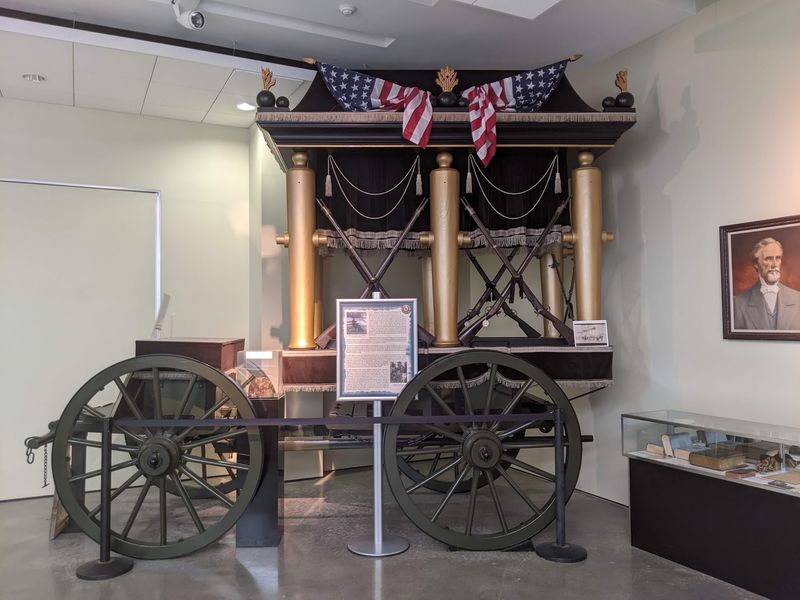
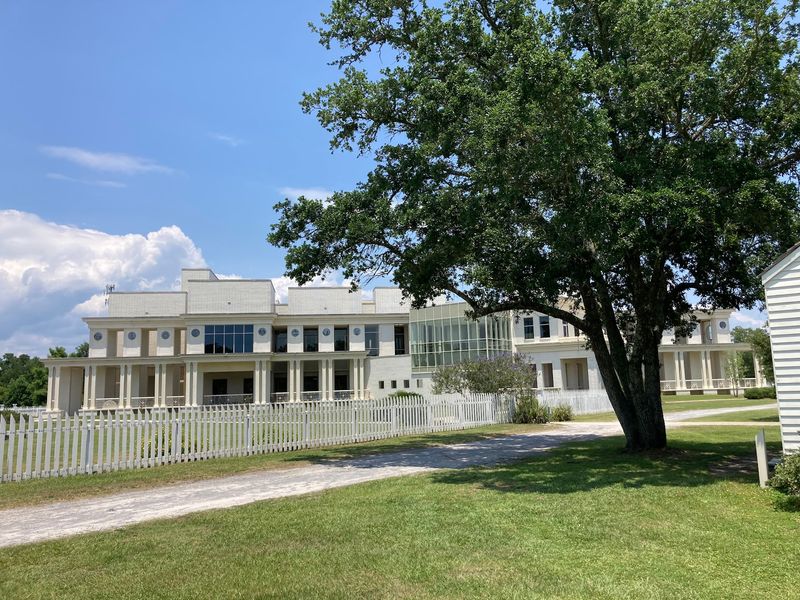
A large white building on the grounds houses the Jefferson Davis Presidential Library and Museum. It draws more mentions from visitors than almost anything else on the property.
Inside, guests describe a large number of artifacts arranged with clear care. Several people point out that it feels thoughtfully placed rather than crowded.
For some, it was their very first presidential library visit.
Library staff earn special praise. Visitors share stories of a librarian with real passion for the collection who helped track down books mentioning their own ancestors.
Genealogy fans may want to set aside extra time and bring family names to ask about.
The subject matter is complicated, and reactions vary widely. Some visitors appreciate the depth of material on Southern history, while others feel uncomfortable with how the Confederacy is presented, and a few have reported feeling unwelcome.
Families who visit may want to talk ahead of time about different viewpoints on this era, and use the exhibits as a starting point for honest conversation.
A gift shop sits near the exhibits with plenty of books and other items. Free water has also been mentioned, a small kindness on a sweltering coastal day.
Cemetery Grounds by Golf Cart

Toward the back of the estate lies the Confederate Memorial Cemetery. Rows of markers rest under the trees, and visitors also mention a tomb of an unknown soldier.
Many guests describe the cemetery as peaceful and moving. It is a quieter part of the property where voices naturally drop and families tend to slow down.
Some visitors call it spiritually stirring, while the broader history of the site leaves others with mixed feelings.
Getting there is half the fun for some groups. Golf carts are available to rent, and one past visitor mentioned a price of $15, though rates may have changed.
Riding a cart lets you cover the trails, bridges, and cemetery without wearing out small legs or grandparents in the heat.
Kids usually love the cart part, so it can be a nice reward after the indoor tour. Remind everyone that the cemetery is a place of respect, which means walking gently and keeping voices low.
A cart ride paired with a short stop here gives a fuller picture of how big and varied these grounds really are.
Hours, Admission, and Visiting Tips
Doors open every day of the week from 9 AM to 5 PM, Sunday through Saturday. That steady schedule makes it easy to slot into a Gulf Coast trip, rain or shine.
Ticket prices have shifted over time. One guest a couple of years back paid $13 for adult admission, while a more recent visitor mentioned spending $15.
Check the official website at visitbeauvoir.org before heading over for current rates and tour details.
Plan for a few hours if you want the full experience. The house tour lasts roughly an hour, and the museum, library, gift shop, and grounds can easily fill the rest of an afternoon.
Golf cart rentals are an option if walking the acreage sounds like too much.
Summer calls for water bottles, hats, and sunscreen, since much of the visit happens outdoors in coastal heat. Older guests might want a folding stool, as seating during the house tour can be limited.
The address is 2244 Beach Blvd in Biloxi, right along the main beachfront road, so it is simple to find by car.
A Thoughtful Stop on the Coast
Few stops on the Mississippi coast pack so much into one beachfront property. Old oaks, restored roses, trails with little bridges, a museum, and a historic home all share the same ground.
Families who love being outside will likely get the most from the gardens and paths. History-minded visitors, especially those curious about genealogy or Gulf Coast storm recovery, may find the library and tours rewarding.
Very young children might do better with a shorter outdoor loop than the full indoor tour.
The site tells a hard chapter of American history, and it does so from a particular point of view. Some guests feel at ease here, while others leave uneasy.
Going in with open eyes and a willingness to talk through those questions as a family can make the visit more meaningful.
On a good day, the breeze off the water moves the moss, the roses are blooming, and the shade feels like a gift. Whether you spend an hour on the trails or a full afternoon inside, the grounds offer plenty to notice, discuss, and remember long after you pull back onto Beach Boulevard.