
This Overlooked Massachusetts Island Sits Just Offshore Yet Feels A World Away
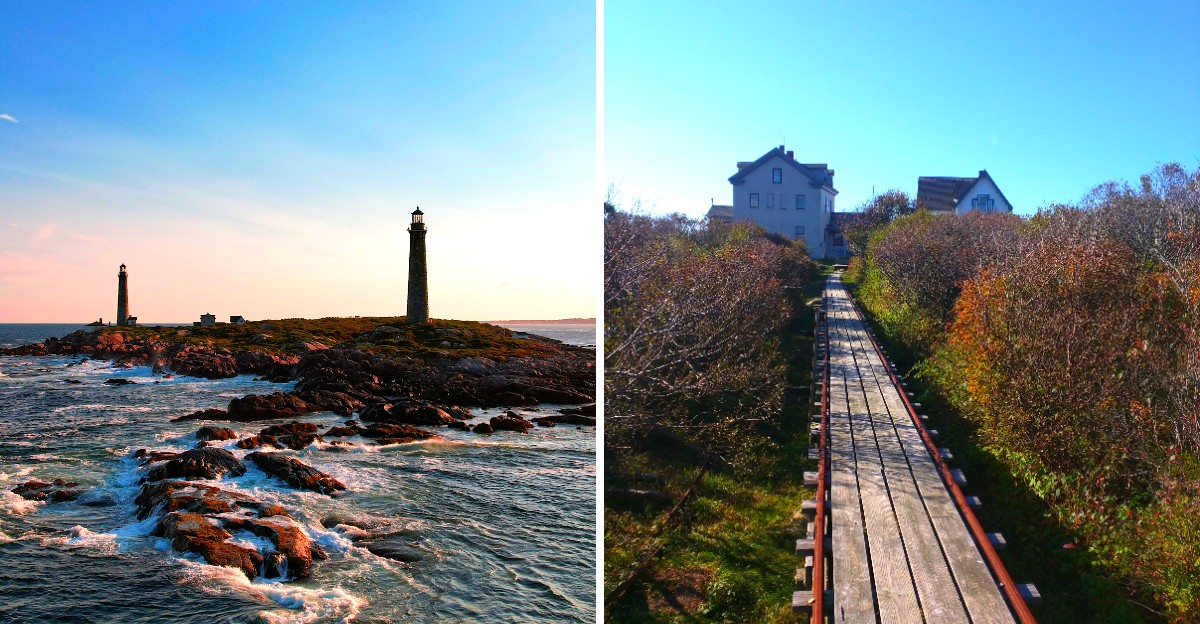
How can an island sitting just off the Massachusetts coast feel so far removed once you reach it?
The answer starts with the boat ride. Mainland streets fade behind you, open water takes over, and a small rocky island slowly comes into view with twin lighthouse towers rising above the shore.
There are no busy commercial strips waiting at the dock. Instead, visitors find ocean views, walking paths, old buildings, and a landscape shaped by wind and saltwater. The pace changes almost immediately.
Massachusetts is known for famous coastal stops, but this one feels different because getting there takes a little more effort. That extra distance is part of what makes the visit memorable.
Historic buildings, dramatic scenery, and the unusual sight of two lighthouse towers give this offshore escape a character that is hard to confuse with anywhere else nearby.
The Only Operating Twin Lighthouses In America
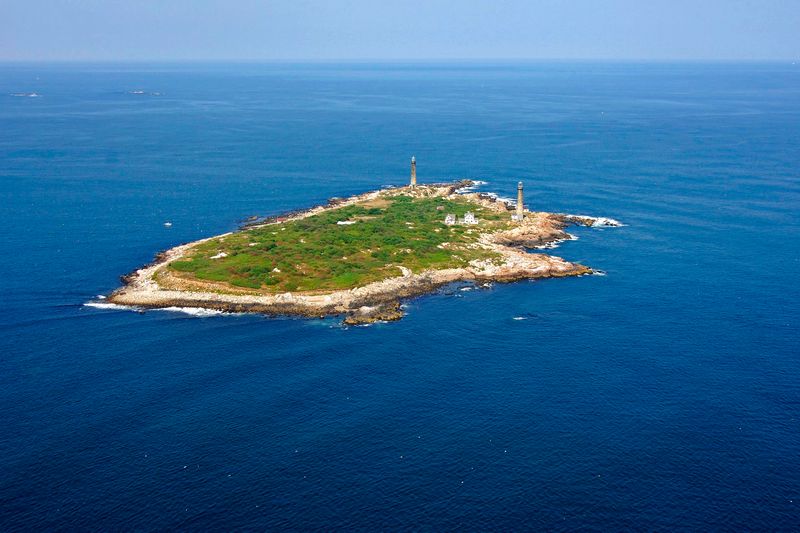
Two towers, one island, zero duplicates anywhere else in the country. Thacher Island holds the only operating twin lighthouses in the United States.
The pair you see today went up in 1861, replacing older wooden versions from 1771. Each granite tower rises 124 feet from its base.
Builders stacked 10-ton granite blocks and lined the interior with a brick wall two feet thick. That kind of construction explains why both towers still stand after more than 160 winters of salt spray.
Inside, 156 steps spiral upward to the lamp room. The lights sit roughly 164 to 166 feet above the sea, high enough to be seen far out on the water.
The towers sit exactly 900 feet apart, and that spacing matters. When a mariner lines up both lights in a single vertical column, the bearing points true north.
South Light runs automatically now and flashes red every five seconds. North Light shows a steady yellow beam and came back to life in 1989, after sitting dark since 1932.
One original piece of the story lives on the mainland. The first-order Fresnel lens from the south tower is on display at the Cape Ann Museum in Gloucester, where you can study its glass prisms up close before or after your trip.
A Shipwreck Story That Gave The Island Its Name
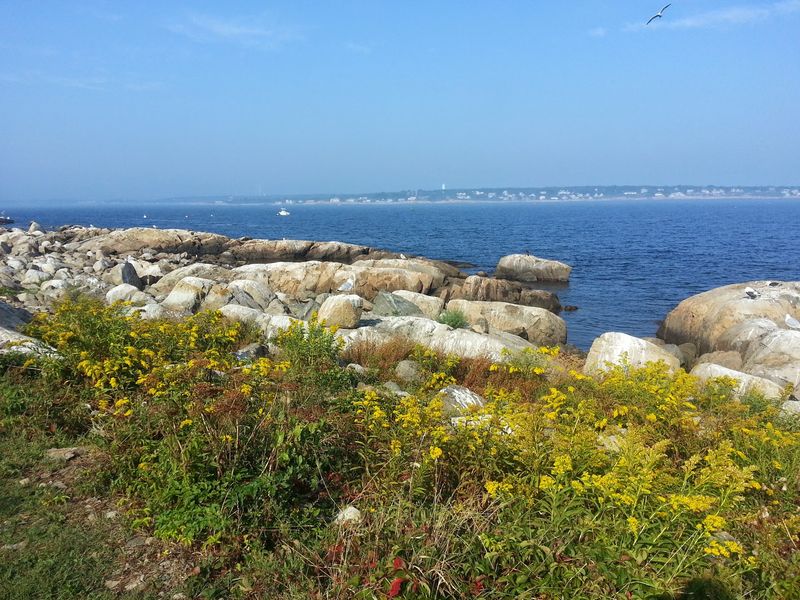
Names usually come from founders or kings. This one came from a storm.
In 1635, the vessel Watch and Wait wrecked near this rocky outpost during the Great Colonial Hurricane. Anthony Thacher and his wife, Elizabeth, reached shore alive.
Twenty-one other passengers did not make it, including the couple’s children. The colonial government later granted Anthony the island as compensation for everything he had lost.
He gave it a blunt name: Thacher’s Woe. Over the centuries the name softened into Thacher Island, though the original version still shows up in old accounts.
Knowing that backstory changes how the place feels underfoot. The same ledges that wrecked a ship in a hurricane now hold two towers built to warn sailors away from exactly that kind of trouble.
There is Revolutionary history layered in, too. Waters around this stretch of the Massachusetts coast saw sea battles, including the first capture of a British warship by a commissioned continental vessel.
Recognition came formally in 2001, when the National Park Service designated the entire island and its structures a National Historic Landmark. That title covers not just the lighthouses but the whole 54-acre landscape.
Read the story before you go. Standing on that shoreline afterward hits differently when you know what happened there.
Catching The Seasonal Launch From Rockport
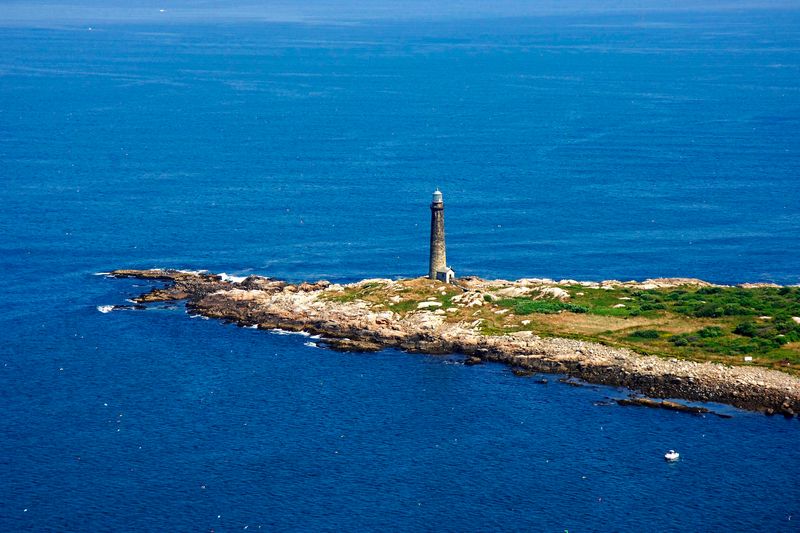
Getting there is half the fun, and it starts at a town dock. The Thacher Island launch leaves from the dock beside the Sandy Bay Yacht Club in Rockport.
The crossing takes about 15 minutes. That is barely enough time to finish a coffee, yet long enough for the mainland to shrink behind you.
Service runs seasonally, roughly mid-June through mid-September. Trips typically happen on Wednesdays, Saturdays, and some Tuesdays. Reservations are required, not optional.
Fares are straightforward. Adults pay $40, children under 12 pay $10, and Rockport residents pay $15 per adult.
Riding the launch also covers your landing fee, which saves a small step on arrival. Everyone else over 14 pays a $5 landing fee unless they qualify for a waiver.
Waivers apply to Rockport residents, members of the Thacher and Straitsmouth Islands Association, holders of a National Park Service America the Beautiful pass, and anyone with a valid Federal Duck Stamp.
One firm rule deserves attention before you pack. Pets are not allowed anywhere on the island, because the northern section is a protected wildlife refuge.
Climbing 156 Steps Up The North Tower
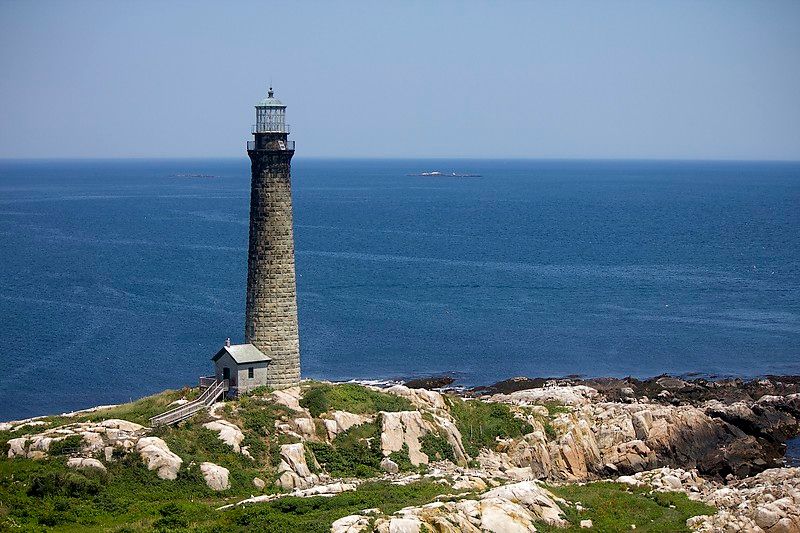
Some attractions let you look. This one lets you climb. Once ashore, you can head up the North Tower, the one that shows a fixed yellow light. The staircase winds through 156 steps of stone and iron.
Take it slowly and use the handrail. The stairwell narrows as you rise, and the air cools inside all that granite and brick.
At the top, the payoff arrives fast. You are standing more than 160 feet above the Atlantic, with open ocean on one side and the Cape Ann shoreline on the other.
From that height you can trace the whole 54-acre island below. The second tower stands 900 feet off, lined up the way mariners have used it for generations.
Wear real shoes. Sandals and smooth soles are a poor match for old stone steps, and there is no elevator hiding anywhere.
Bring water, too, plus a hat if the sun is out. Shade is limited on the open ledges between buildings.
North Light carries its own comeback story. Deactivated in 1932, it went dark for decades before being relit in 1989 through preservation work.
Climbing a tower that was nearly forgotten makes the view feel earned rather than handed over.
Birds, Seals, And 22 Protected Acres
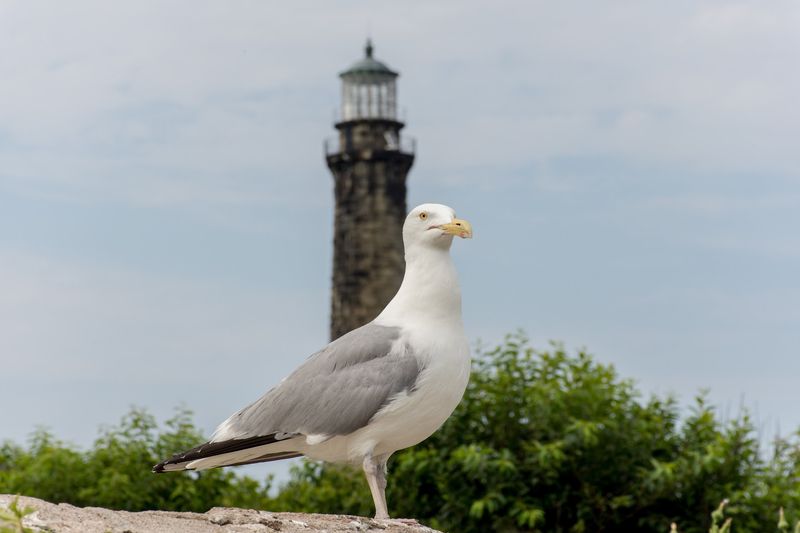
Feathers outnumber people here by a wide margin. The northern 22 acres form the Thacher Island National Wildlife Refuge, established in 1972.
The U.S. Fish and Wildlife Service manages it as part of the Parker River National Wildlife Refuge, working alongside the Town of Rockport. That partnership keeps the habitat intact while still allowing access.
Herring gulls and great black-backed gulls nest across the rocky ground. During migration seasons, songbirds drop in to rest and refuel before continuing their long journeys.
Think of the island as a roadside stop for travelers with wings. Without spots like this, those crossings would be much harder.
The water around the island stays busy, too. Seals, waterfowl, loons, grebes, cormorants, and alcids all frequent these offshore habitats.
Bring binoculars and a field guide if you have them. Even casual observation from the trails turns up plenty during a single afternoon.
Nesting gulls can be protective, so give them room and stay on marked paths. Keeping your distance protects the birds and keeps your hat on your head.
That refuge status is also the reason behind the no-pets rule. One curious dog can undo a whole nesting season, which makes the policy easy to respect.
Three Miles Of Trails, A Museum, And A Visitor Center
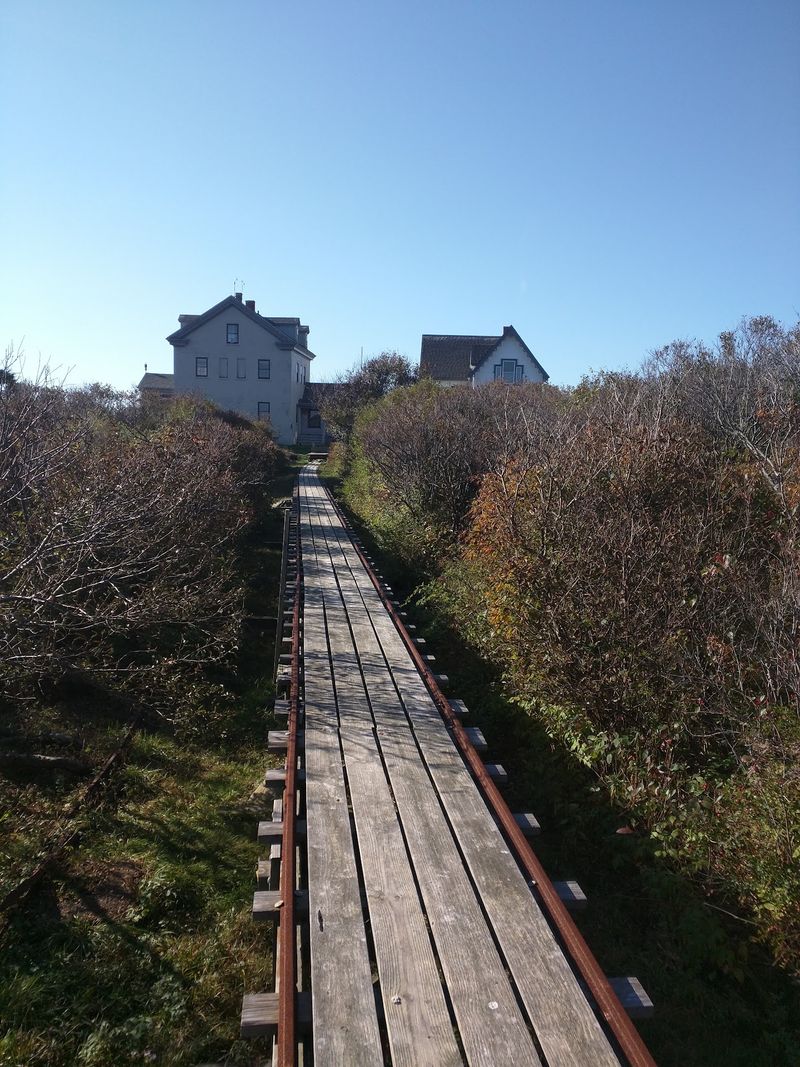
Three miles of trails on 54 acres means you can cover a lot without ever hurrying. Paths loop past keeper houses, ledges, and open views of the water.
Volunteers maintain every foot of those trails. That upkeep is why the routes stay walkable instead of vanishing under brush and briars.
A visitor center and museum sit on the island as well. Both give context to the towers, the tramway, and the whistle house you pass along the way.
Plan on several hours if you want to see it properly. Rushing a lighthouse island defeats the entire purpose of crossing the water.
Opening hours follow the sun. The island is open from sunrise to sunset, with no lights guiding your way besides the ones on top of the towers.
Food and drink do not appear out of thin air here. Pack a lunch, water, and sunscreen, then carry your trash back off with you.
Weather shifts quickly a mile offshore. A light windbreaker earns its space in your bag even on warm July afternoons.
Google Maps lists the address simply as Rockport, MA 01966, which suits a place reached only by boat. The mailing address for the island association is P.O. Box 73, Rockport, MA 01966.
Camping, Moorings, And Kayak Crossings
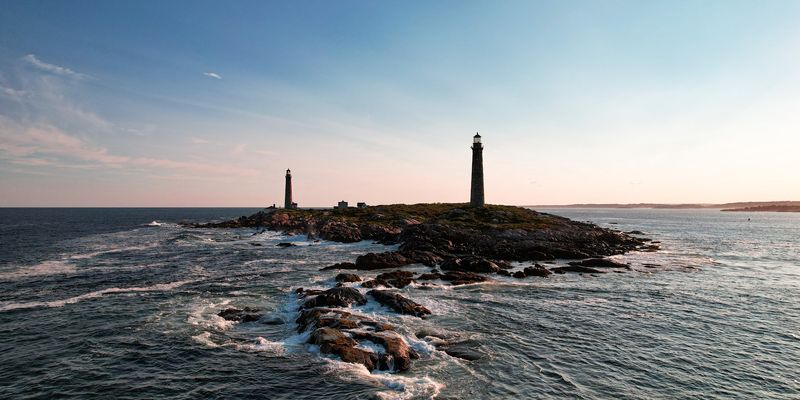
Falling asleep between two lighthouses is an unusual way to spend a night. A small campground on the island makes it possible from July through mid-September.
Reservations are required, and spots are limited. Boaters have options, too. Three guest moorings sit roughly 50 yards offshore for private vessels.
Paddlers are welcome as well, and kayaking here is popular from the Rockport shoreline. A suggested donation of $5 per person supports island upkeep.
Open water demands real respect. Wind, swell, and boat traffic can all change conditions quickly, so check the forecast and your skills honestly before launching.
Landing fees still apply for anyone over 14 who arrives on their own. The same $5 charge and the same waiver list cover private arrivals.
Anyone staying overnight should pack like a camper, not a day-tripper. Extra water, warm layers, and a headlamp all belong in the dry bag.
Waking up to gull calls and open Atlantic light is the reward. Few places in Massachusetts offer a morning quite like it.
The Volunteers Keeping It All Standing
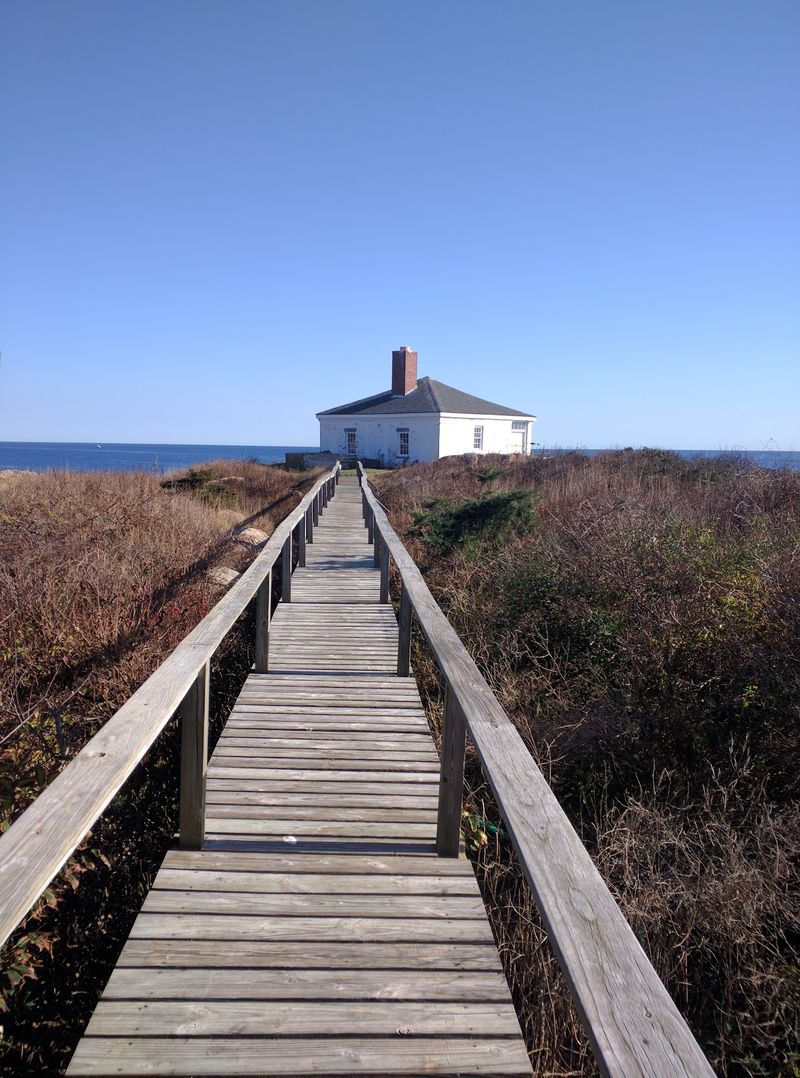
Granite lasts a long time. Wooden keeper houses, a tramway, and a whistle house need constant attention.
That work falls largely to the Thacher and Straitsmouth Islands Association, a nonprofit founded in 1981. It operates alongside Rockport’s Thacher Island Committee.
The group is volunteer-driven. Members handle historic preservation, building maintenance, fundraising, and the events that keep the whole effort funded.
Trail clearing counts, too. Those three miles of paths stay open because people show up with tools and a free Saturday.
Consider what that means for anyone arriving by boat. The stairs you climb and the museum you browse exist because a community decided the place was worth saving.
Small contributions add up quickly in a setup like this. Landing fees, launch fares, and suggested donations all feed directly back into the island.
Membership is another way in. Joining the association supports the work and waives the landing fee on future trips.
National Historic Landmark status, granted in 2001, recognizes the buildings and the island together. Protection on paper still needs hands to back it up.
Thacher Island sits barely a mile off one of the busiest stretches of coast in Massachusetts. It stays wild because people chose to keep it that way.