A small white house beside a quiet lake in Mississippi does not look like it should hold a record. Yet scientists studied its wooden beams and found that people started building it around 1757, long before the United States even existed.
That makes it the oldest standing building between the Rocky Mountains and the Smokies, and its walls are packed with oyster shells, moss, and centuries of stories. Once you learn how it was made and who lived there, a simple drive along the coast turns into a trip back through time.
A Colonial Survivor on the Mississippi Gulf Coast
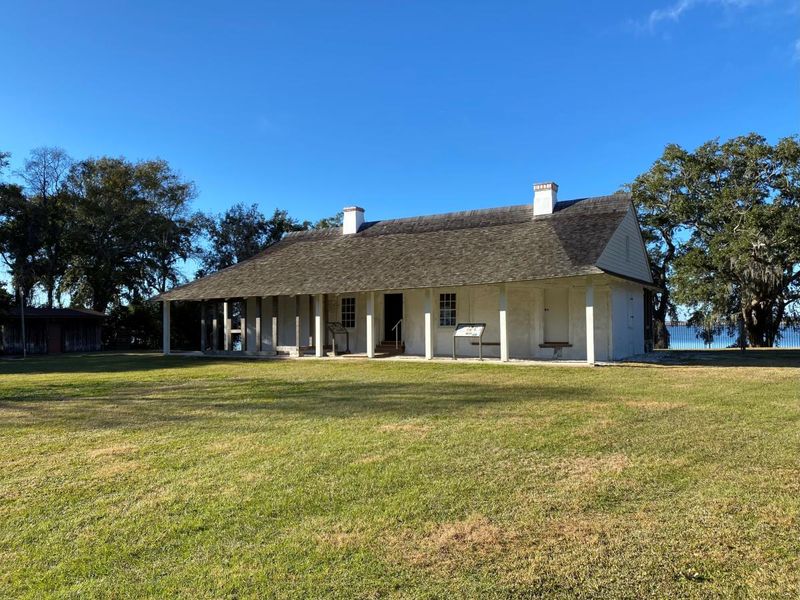
Along Fort Street in Pascagoula sits a modest cottage that quietly outranks nearly every building in the middle of the country. The LaPointe-Krebs House is the oldest standing structure in Mississippi, and researchers believe it is likely the oldest between the Appalachian and Rocky Mountains.
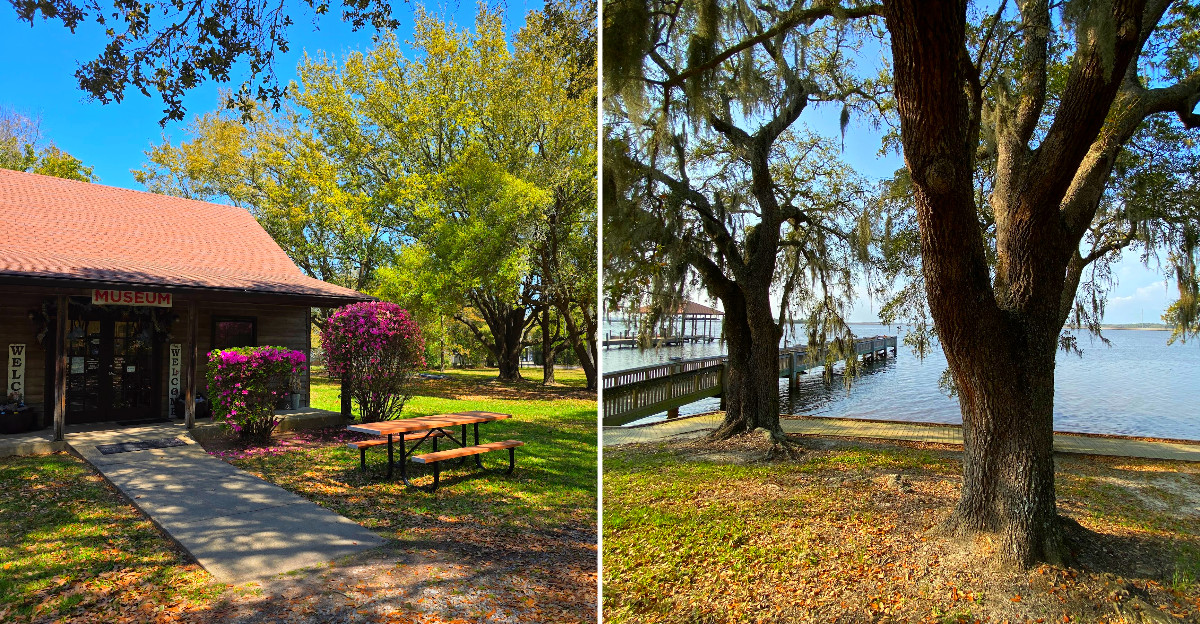
Today the house and its 3.5-acre estate operate as the La Pointe – Krebs Museum, managed by the LaPointe-Krebs Foundation. The group works to protect the building and share the many layers of history connected to it, from early Native American life to French, Spanish, British, and American rule.
First-time visitors often expect a grand mansion. Instead, they find something more personal: a low, sturdy home that has outlasted storms, wars of empire, and changing flags.
The setting helps, too, since the house faces Krebs Lake and catches breezes coming off the water.
A separate building near the entrance holds the main exhibits, along with restrooms and air conditioning for those hot Gulf Coast afternoons. That is where you pay admission and begin learning before heading out toward the historic house itself, which sits closer to the water.
The layout lets you take in the story first, then see it standing right in front of you.
Tree Rings That Settled the Age Question
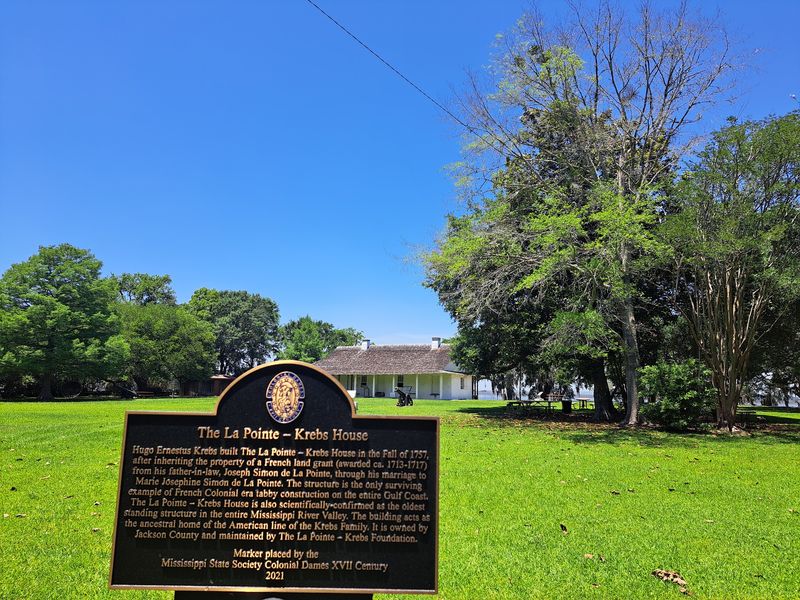
How do you prove a house is more than 260 years old when nobody left a building permit behind? Scientists turned to dendrochronology, the study of tree rings, to read the age directly from the wood.
Every tree adds a ring each year, and those rings grow wider or narrower depending on rainfall and weather. By comparing patterns in the beams to known records, experts can pinpoint when the trees were cut.
The results showed that work on the earliest portion of the house began around 1757.
That date places the building firmly in the French colonial era, decades before the American Revolution. It also gave the house its bragging rights.
Plenty of old homes claim early dates based on family legends, but this one has scientific backing, which is part of why its title as the oldest building between the Rockies and the Smokies carries real weight.
Visitors who enjoy puzzles tend to find this chapter especially satisfying. One reviewer pointed out that the structure is held together with wooden pins rather than metal nails, another clue to its age.
Standing next to those timbers, it becomes easier to grasp just how far back the story stretches.
Oyster Shell Walls Built to Last
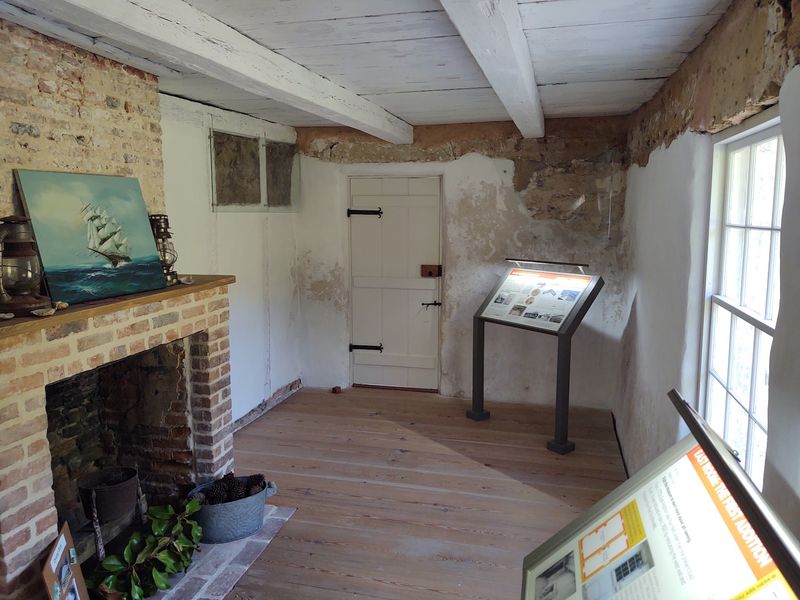
Crushed oyster shells, lime, sand, ash, and water. That was the recipe early builders used for the original central and eastern rooms, mixing it into a material called tabby concrete.
Workers packed the wet mixture into wooden forms and let it harden in place. The finished walls measure roughly 12 inches thick, which helped the house stay cooler in summer and stand firm against Gulf Coast weather.
Even the floors in these early rooms were made of tabby.
Here is the remarkable part: the house is the only remaining example of this kind of tabby construction on the Gulf Coast and across the entire former Colony of New France. That territory once stretched across a huge piece of North America, so being the last survivor is no small detail.
Up close, you can sometimes spot shell fragments peeking out of the surface. Kids especially enjoy hunting for them, and it turns a history lesson into something hands-on and memorable.
Visitors often mention tabby as the single most surprising thing they learned, since few people realize that seafood leftovers once became building blocks. On a coast famous for its oysters, it makes perfect sense that shells ended up holding a home together for centuries.
Moss, Mud, and the Western Room
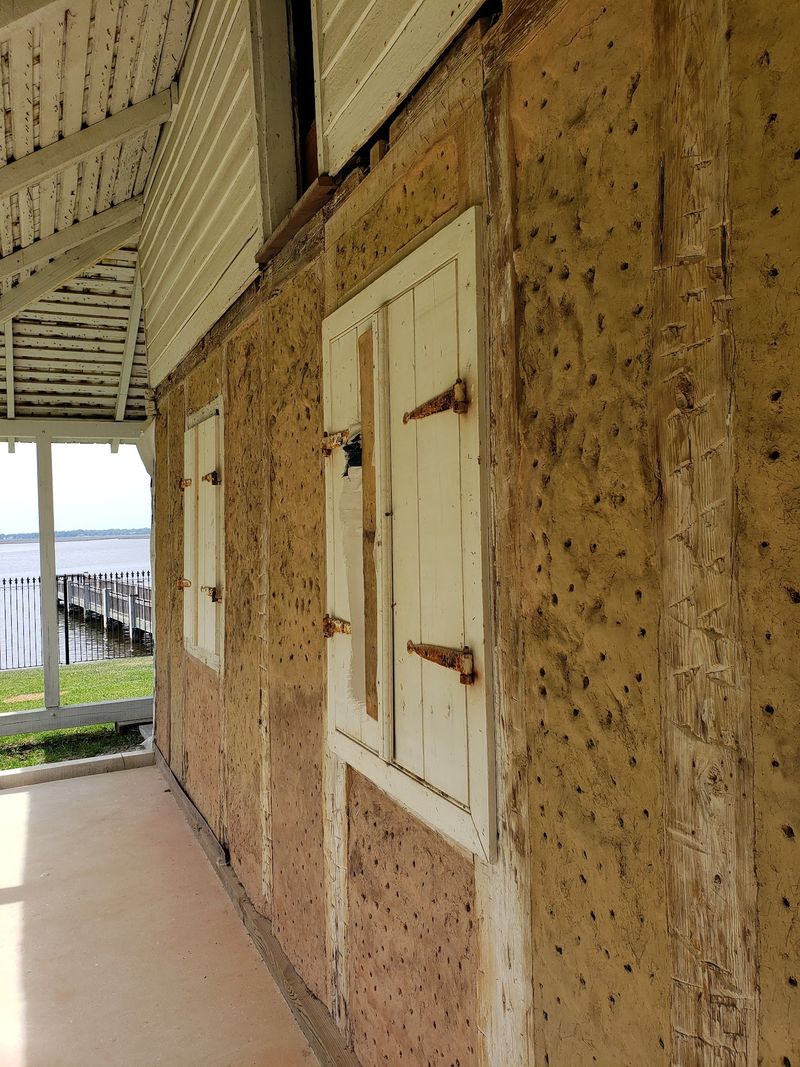
Around 1790, the household needed more space, and the builders switched methods. The western room went up using the French technique called poteaux-sur-sole, which means posts on a sill.
Upright timbers rested on a horizontal beam and formed the frame. The gaps between those posts were filled with bousillage, a mix of Spanish moss and Mississippi soil.
Workers often shaped the mixture by hand into rolls that looked a bit like loaves of bread before pressing them into place.
Comparing the two sections side by side is one of the best parts of a visit. The tabby rooms show one way of solving the problem of building near the coast, while the moss and mud walls show another.
Together they read like a timeline of practical problem-solving, using whatever the land and water offered.
Spanish moss still drapes the live oaks along the Mississippi coast today, so you can easily connect the material in the walls to the trees outside. Museum displays explain these unique building methods clearly, and guests frequently say that seeing the techniques explained makes the house feel far less like a relic and more like the clever work of real neighbors who lived here long ago.
Cattle, Indigo, and Generations of Krebs
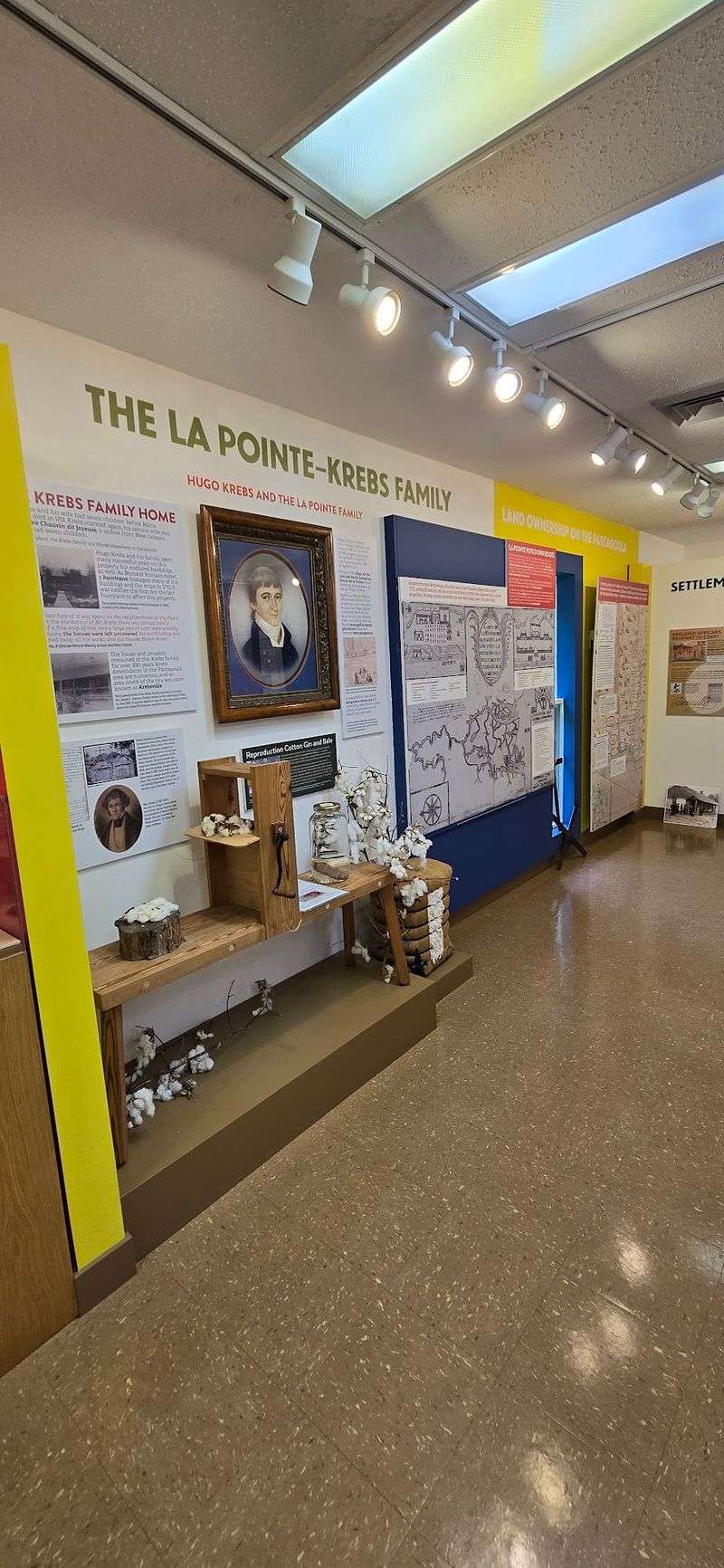
Long before it was a museum, this land belonged to Joseph Simon dit La Pointe, a French Canadian plantation owner. His family first raised cattle here, then shifted to growing indigo and wax myrtle.
When La Pointe passed on, the property went to his daughter, Marie-Josephe, and her husband, Hugo Ernestus Krebs. Their descendants kept living in the house for more than a century, which explains why both family names are attached to it today.
The lake out front even carries the Krebs name.
That long family thread gives the place a warmth that many historic sites lack. Exhibits explain the family in detail, and the museum lays out a property history timeline that helps you follow who lived here and when.
Grandparents, parents, and children all passed through these same rooms, adapting the home as their needs changed.
The wider story stretches even further. Displays trace Gulf Coast history from the Spanish to the French, British, and American eras, so you come away understanding how often this region changed hands.
There is also a cemetery on the grounds, a frequent topic among visitors, and it adds a quiet, reflective note to the family history told inside.
Older Stories Beneath the Floorboards
Picture a pottery shard baked right into a wall that has stood since the 1700s. Archaeologists have actually found pieces like that, along with animal bones, mixed into the tabby and bousillage of the house.
Those fragments came from the Pascagoula people, who lived in this area until about 1750. When colonial builders gathered shells and soil for their walls, they scooped up traces of that earlier life too.
In a way, the house preserved a record of the people who called this shoreline home first.
Experts consider the site one of the most important archaeological locations on the Gulf Coast. That reputation shows up in the museum, where artifacts are a big draw and displays cover history from ancient times to the present.
For curious kids and adults alike, this section of the story adds real depth. It reminds you that the record-setting house is only one chapter, sitting on top of a much longer human story.
Visitors often describe the experience as a full history lesson, and the artifact collection is a large part of why. Take your time with these cases, since the small details are where the oldest stories hide.
Lakeside Grounds, a Pier, and Easygoing Afternoons
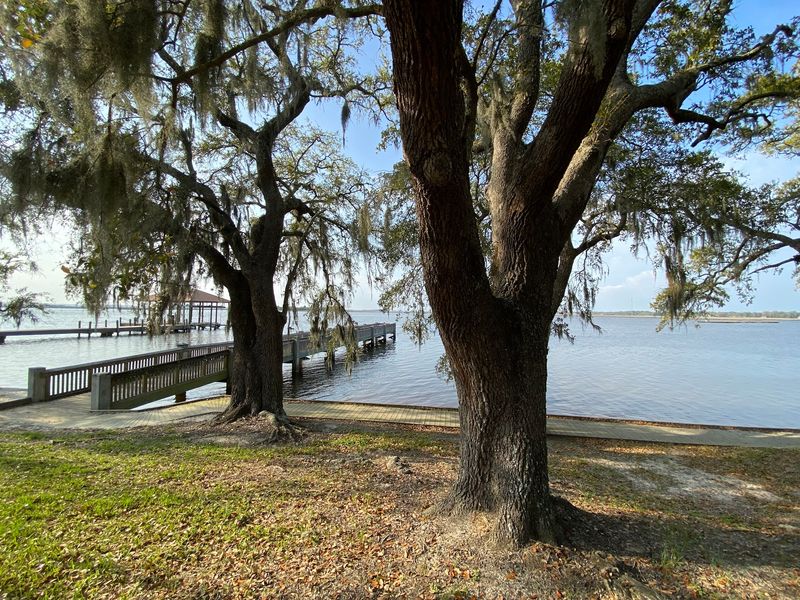
Quiet is the word that comes up most. Visitors describe the museum as understated and laid back, the sort of stop where nobody rushes you along.
Much of that calm comes from the setting on Krebs Lake. A walking trail runs down by the water, and a pier offers wide views that guests often mention as a highlight.
Grounds are well kept, so families can stroll comfortably between the exhibit building and the historic house.
The experience is largely self-guided, with plenty of reading material throughout. Some guests wish for more storytelling, while others have enjoyed tours from volunteers described as knowledgeable and passionate.
The staff has shared that newer docents are being trained to lead tours, so your experience may depend on who is working that day.
Special events add another layer. The property has hosted an after-hours Cemetery Legends Tour, complete with live music and stories told as the sun set over the water.
Cyclists may also roll up unexpectedly, since the site sits along the Pascagoula bike route, a street-based trail. History fans, families with school-age kids, and travelers who prefer peaceful afternoons over crowds will all find something here to enjoy.
Planning Your Stop on Fort Street
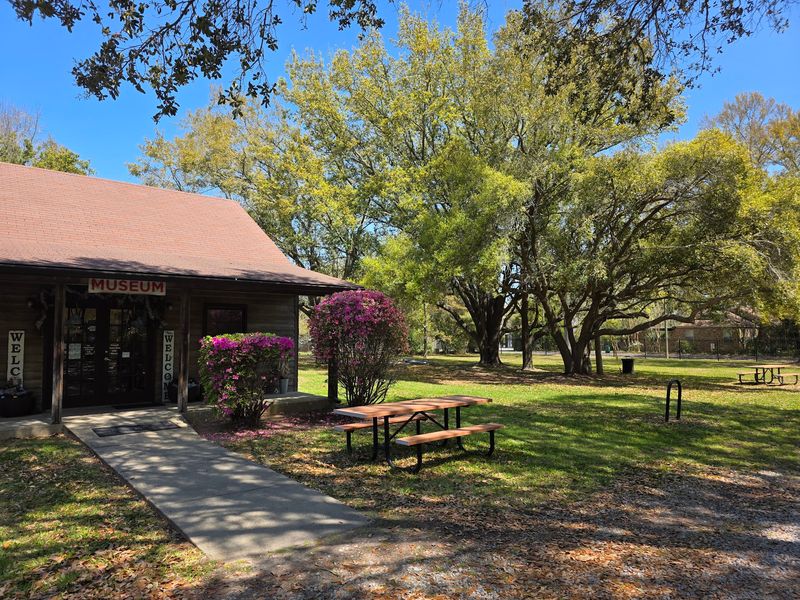
Timing matters here, because the schedule has one quirk. The museum opens 10 AM to 5 PM on Monday, Tuesday, Wednesday, Friday, and Saturday, and from noon to 5 PM on Sunday.
Thursday is the day it stays closed.
You will find it at 4602 Fort St in Pascagoula. Admission is paid in the front building, and visitors consistently describe the cost as very affordable, which makes this an easy add-on to any Gulf Coast road trip.
Plan for at least an hour or two if you want to read the exhibits, see the house, and walk out to the pier.
Restoration has been a big part of the story. Hurricane Katrina caused serious damage in 2005, and extensive work followed to protect the building’s historic character.
Visitors over the years have watched that effort unfold, and the house remains a carefully maintained landmark.
So is it the right fit for your family? If you like history that you can touch, see, and stand beside, the answer leans toward yes.
Few places let you look at oyster shell walls from the 1750s and then watch the sun drop over the same lake the first builders saw.