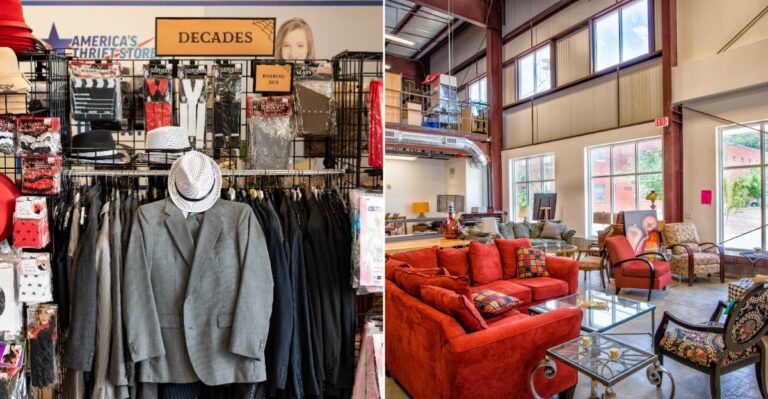
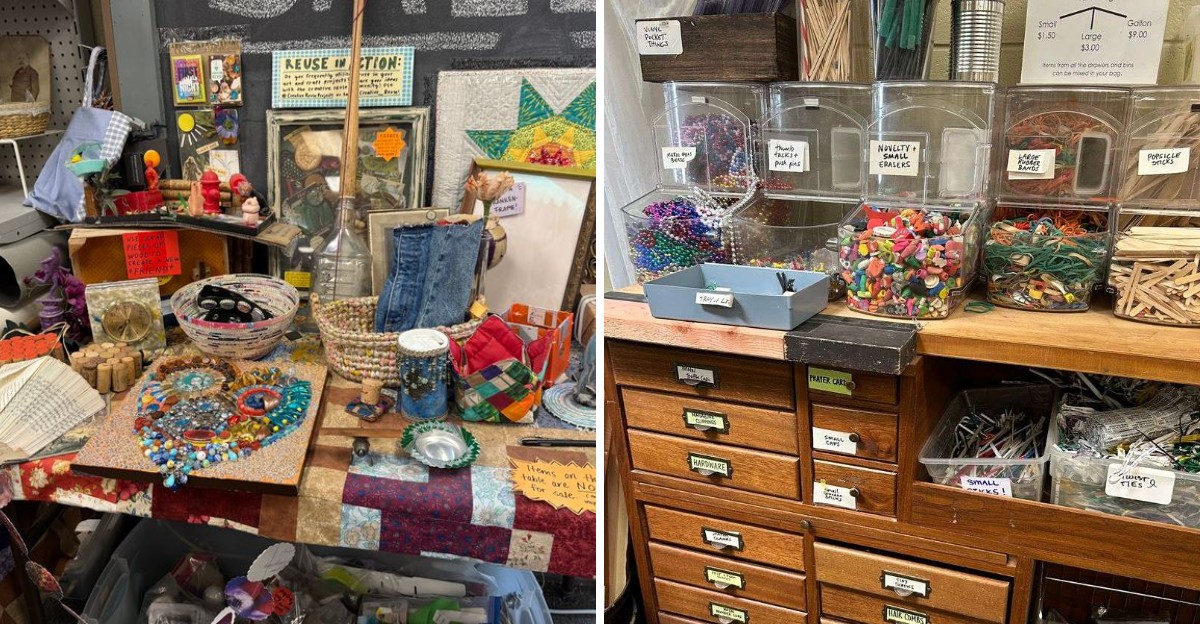
Buttons, bolts of fabric, and a box of vintage wigs can all end up in the same shopping bag. That mix is normal at this Pennsylvania craft shop.
Every item on the shelves arrived as a donation. Local businesses and neighbors drop off what they no longer need.
The stock shifts daily, so no visit looks quite like the last one. Who knows what turned up this morning?
Prices stay low, and a fill-a-bag system rewards clever packing. How much could you squeeze into one sack?
Crafters gladly drive for hours to load their trunks here. Old trophies, maps, and cassette tapes wait beside yarn and beads.
Could a box of castoffs spark your next big project? Pennsylvania makers seem to think so, and they keep coming back for more.
A Craft Store Powered By Donations
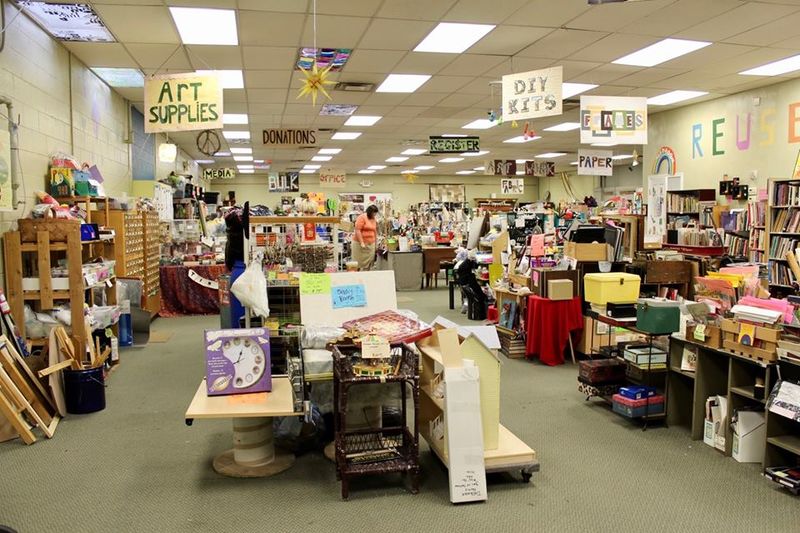
The Pittsburgh Center for Creative Reuse is a non-profit shop built on donated materials. It sells art supplies, fabric, yarn, beads, paper, and picture frames.
Nothing here comes off a factory line.
Businesses and everyday people drop off what they no longer need. Then the shop puts it back on the shelf for new makers.
That’s the whole magic trick.
The inventory changes daily, so a shelf that looked empty last week might be full today. That’s why shopping here feels like a treasure hunt.
You can’t plan it perfectly, and that’s half the fun.
Crafters, teachers, and families all find something useful. A sewing fan might spot a stack of notions.
A parent might find paper for a rainy afternoon.
The shop calls its mission creativity, conservation, and community through reuse. That’s a lot of purpose for a store full of buttons, ribbon, and odds and ends.
It’s also a good reminder that one person’s leftovers can be another person’s next big idea.
Bring a loose plan and an open mind. The shelves will do the rest.
The Bulk Section Is Where Trunks Get Loaded
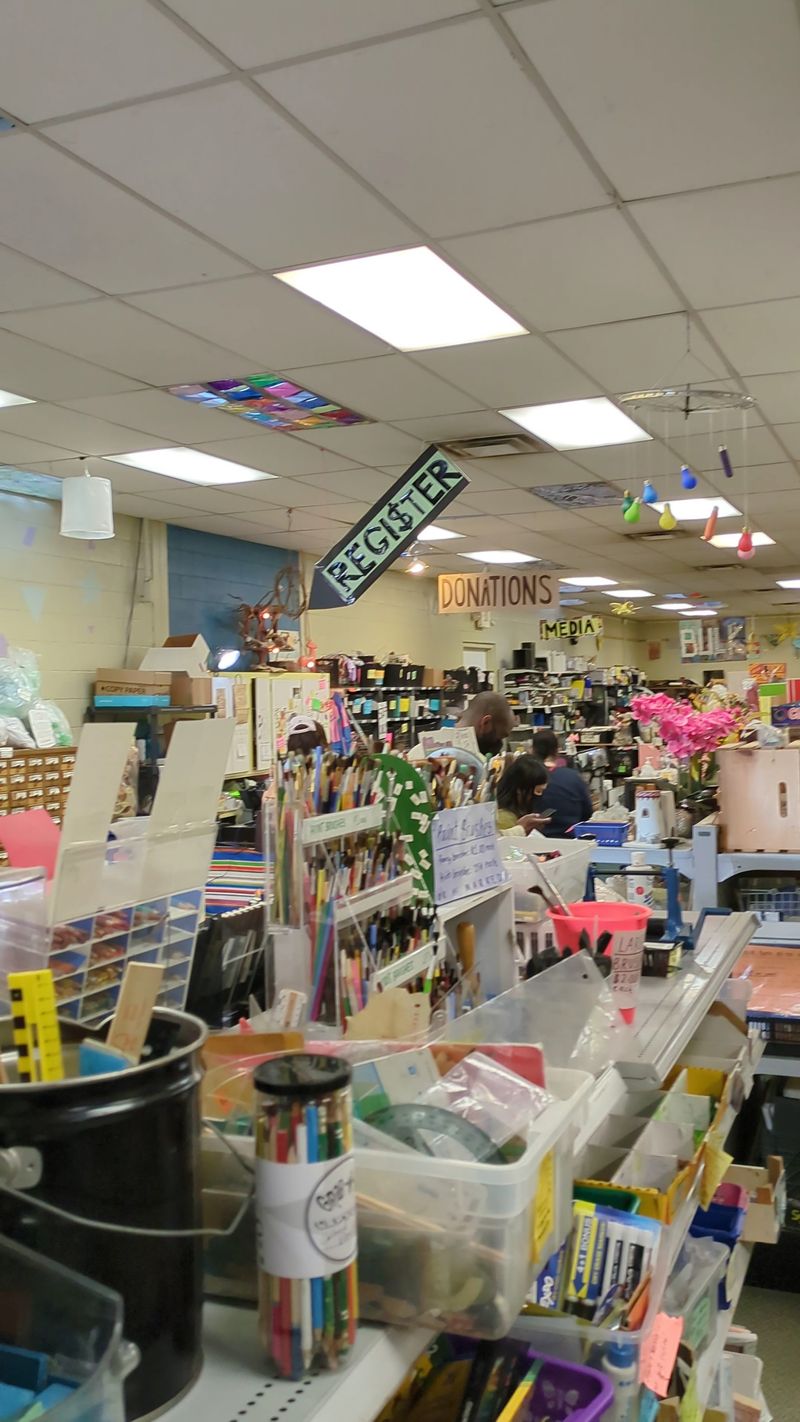
Let’s talk about the Bulk Section. Shoppers fill a small, medium, large, or extra-large bag with materials and pay a set price for the bag.
The more you can fit, the better the deal gets.
That setup is a big reason teachers and families love the place. A classroom project can eat up a lot of supplies.
A bag system makes stocking up simple and budget-friendly.
Think of it like a puzzle. You’ll want sturdy items on the bottom and flat pieces on top.
Smart packing means more treasures per bag.
Every cent from sales supports the shop and its programs. So a full bag helps the mission, too.
That’s a nice bonus when your craft closet is already bursting.
Plan a little before you start grabbing. Decide what projects you have in mind, then scan for supplies that fit.
You might still leave with a surprise or two, and honestly, that’s the point.
Bring a tote or a roomy trunk, just in case. Crafters have been known to need the space.
Spend A Little, Take Home A Lot
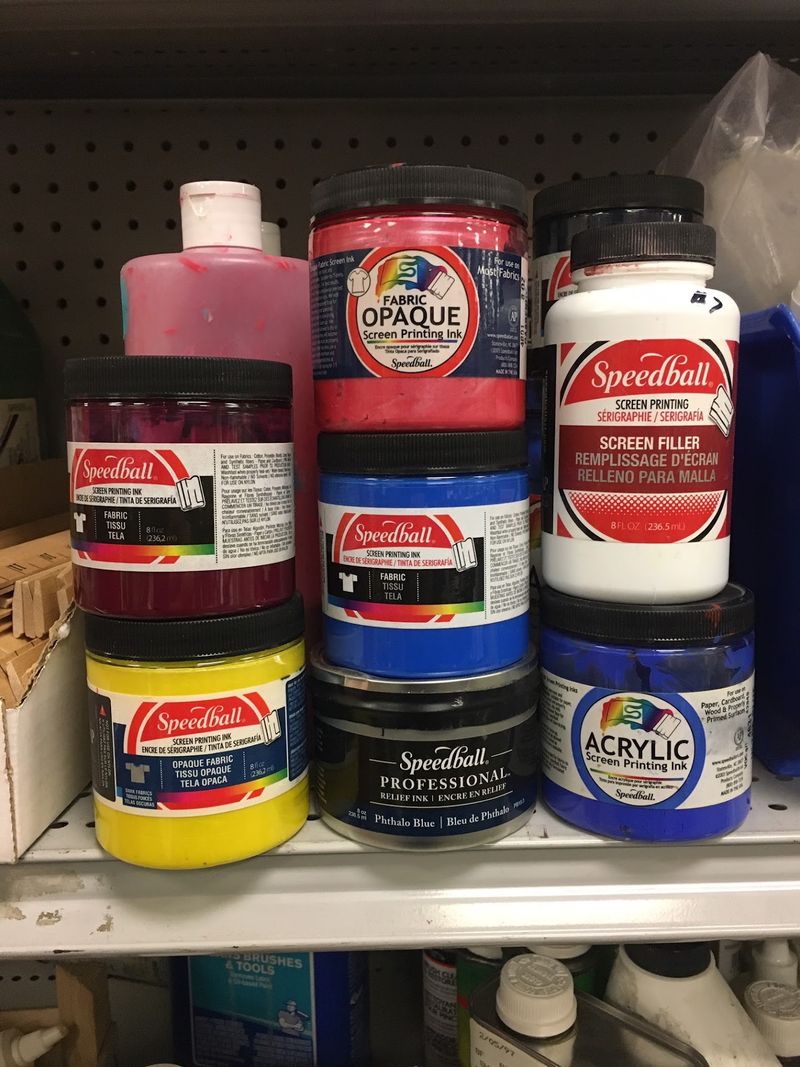
Low prices are the headline here, and the Pittsburgh Center for Creative Reuse is known for affordable pricing. A basket of supplies can cost far less than the same items bought new.
That’s the pull for many crafters.
The secret is the donated stock. The shop doesn’t buy a warehouse of new goods.
It sells what the community gives, then puts the money back into its work.
Affordable doesn’t mean boring, either. Picture frames, yarn, beads, and fabric all share the shelves.
Even a small budget can fill a project box.
It also helps you try new hobbies without worry. Maybe you’ve wanted to test out weaving or collage.
A few inexpensive supplies make that leap feel a lot less scary.
Teachers can stretch classroom funds. Parents can stock up on paper and markers.
Artists can grab experimental materials without sweating the cost.
Not every item will be a showstopper, so check things before you buy. A quick test of pens or markers is smart.
Then you can shop with confidence and still save.
Cassette Tapes, Wigs, And Other Wild Finds
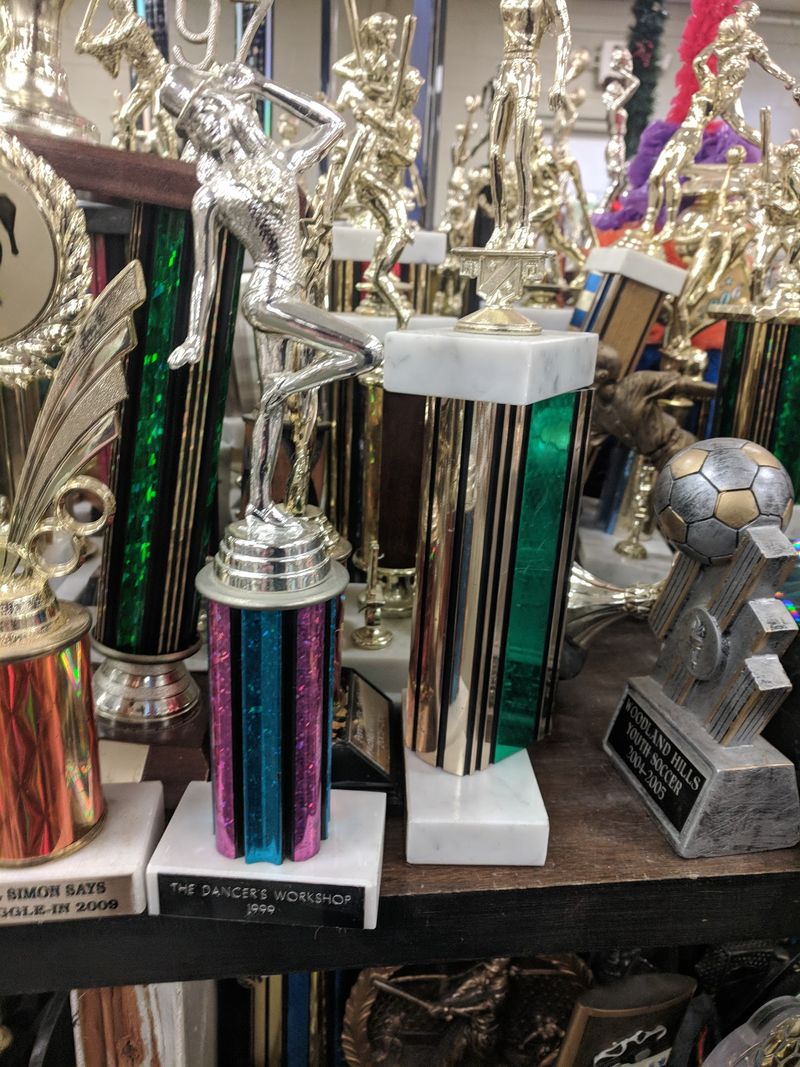
Where else can you shop for yarn and a vintage wig on the same trip? The shelves here hold some truly odd treasures.
Birthday candles, clocks, fake pumpkins, and trophies all show up.
There’s more. Maps, postcards, dolls, art prints, newspaper clippings, and old yearbooks appear in the mix.
Cassette tapes sit in the lineup, too.
These oddities are a gift for makers. A trophy could become a quirky award for a friend.
A pile of maps could turn into a collage or a wrapped present.
Even forgotten family photographs have turned up on the shelves. That adds a curious, slightly mysterious feel to the browsing.
Every item had a past life before landing here.
Because everything is donated, you can’t guess what’s next. That’s the charm and the challenge.
Come with a few project ideas, then let the finds redirect you.
Don’t rush through the aisles. A second look often reveals a piece you missed.
Good luck leaving with only the thing you came for.
Fabric, Yarn, And A Sewer’s Happy Place
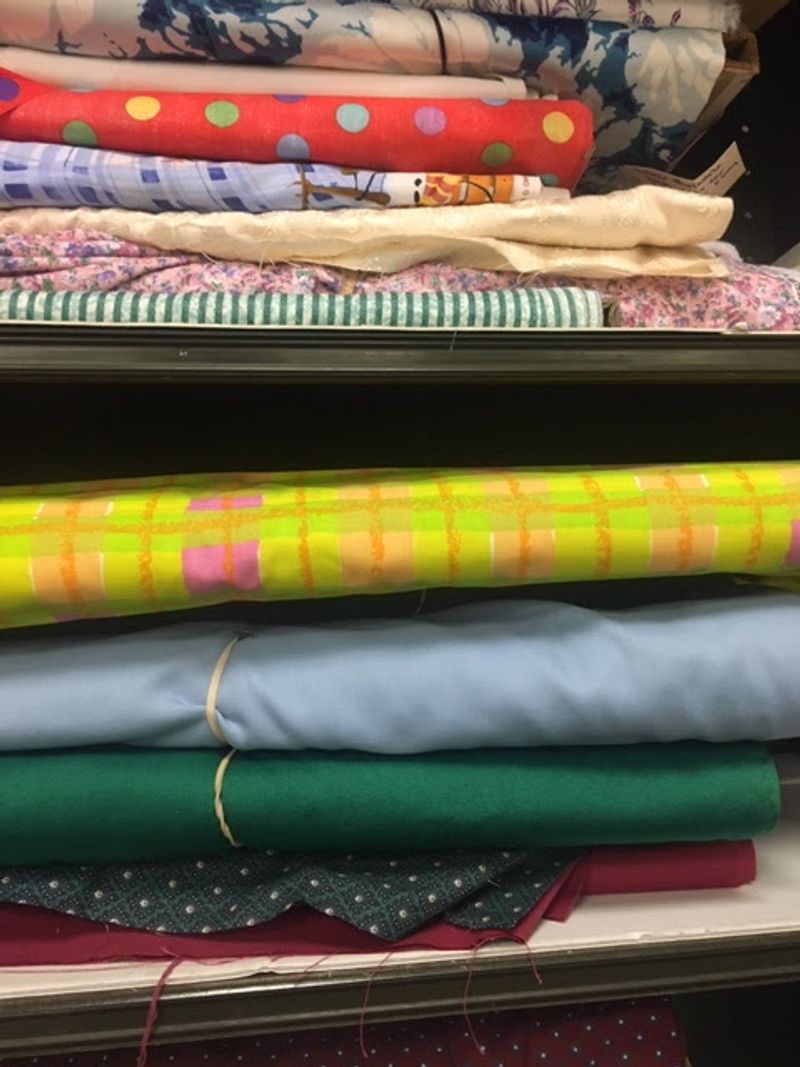
Textile fans have plenty to explore. The shop stocks fabric, yarn, and sewing supplies, and full bolts of fabric have turned up.
A recent video even called it a Creative Reuse motherlode.
Knitting needles and crochet hooks also appear in the inventory. So a yarn lover can build a whole kit in one stop.
That’s a handy shortcut.
Fabric is great for more than clothes. You can sew bags, pillow covers, or costumes.
You can also cut scraps into patches for repairs.
Since stock changes daily, patience pays off. A pattern you love might appear one week and vanish the next.
If you see it and love it, grab it.
Check colors in good light before checkout. Think about how much you’ll need for your project.
Fabric adds up fast, and a bolt can go a long way.
Beginners can start small with a bag of scraps. Experienced sewers can hunt for rare textures.
Either way, the needle-and-thread crowd will feel right at home.
The Idea Center Gives Your Brain A Push
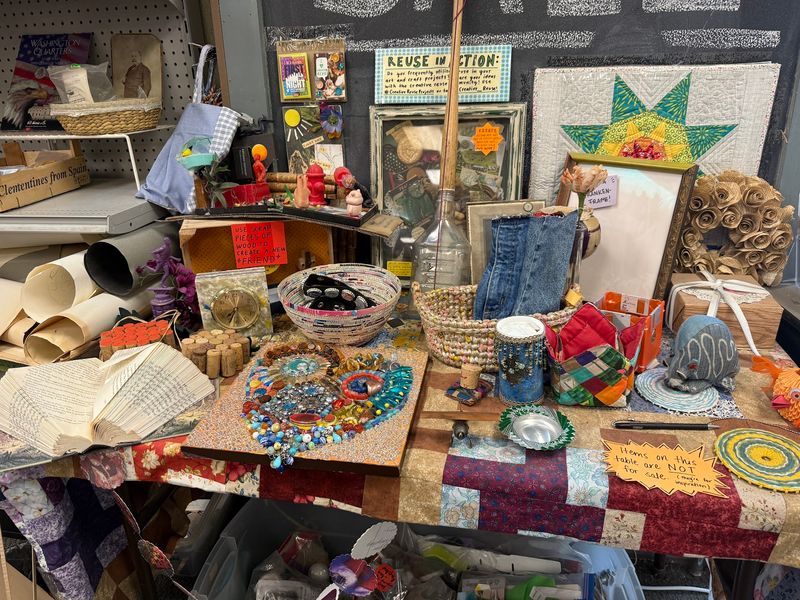
Staring at a pile of buttons and wondering what to do? The Idea Center can help.
It showcases projects made from reused materials, so visitors can see what’s possible.
That kind of inspiration is a big deal. A jar of mismatched parts feels more exciting when you see a finished piece nearby.
Suddenly the clutter looks like potential.
The center also offers hands-on programs and workshops about reuse. It provides custom kits and video tutorials, too.
So the learning doesn’t stop when you leave.
Teachers can borrow ideas for classrooms. Parents can find simple projects for a weekend.
Artists can spark a new series from a single odd object.
Take a few minutes to study the displays before you shop. Notice how makers combine textures, colors, and shapes.
Then look at the shelves with fresh eyes.
You might find that your next favorite project starts with something you didn’t expect. That’s the spirit of the place.
Creativity grows when you let leftovers lead.
Fifty-Two Tons Kept Out Of Landfills
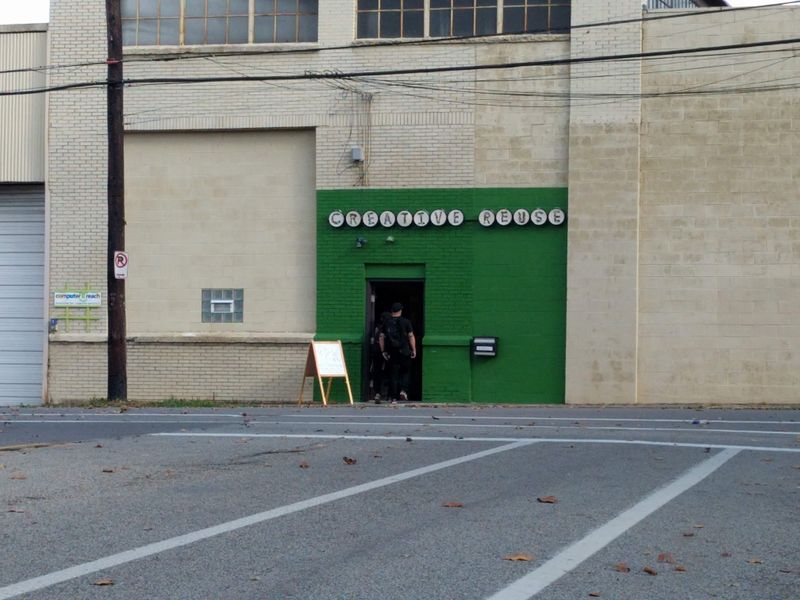
In a single year, the center diverted 52 tons of potential waste from landfills.
That’s a staggering amount of paper, fabric, and gadgets. It all found a second life instead.
The story began small. The group started out of a van in 2007.
In 2008, a partnership with the Pennsylvania Resources Council gave it a new home.
It first lived on the second floor of Construction Junction’s warehouse space. Then it outgrew that room and moved to the ground floor of the same building.
Growth like that says a lot about community support.
Every sale supports the shop and its programs. So your purchase does double duty.
You get supplies, and the mission gets fuel.
Reuse also encourages a different way of thinking. Instead of tossing something, you ask what it could become.
That habit can spread to your home, too.
Next time you clean out a craft closet, remember the shop accepts donations. Larger drop-offs may need an appointment, so check ahead.
A little planning keeps the process smooth.
Finding The Shop On North Lexington Street
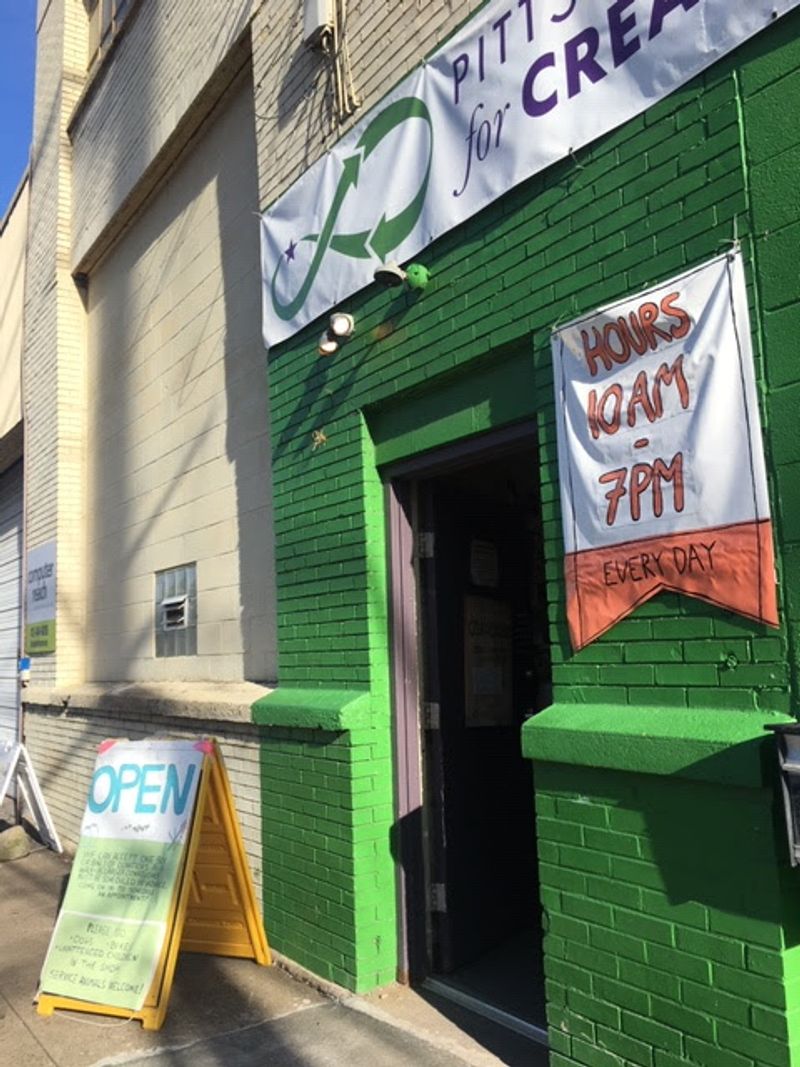
The address to plug into your map is 214 N Lexington St, Pittsburgh, PA 15208. The shop sits where Wilkinsburg, Homewood, and Point Breeze meet.
It’s in the East End of Pittsburgh, Pennsylvania.
The Pittsburgh Center for Creative Reuse shares a building with Construction Junction. But it has a separate entrance around the corner.
Look for the right door so you don’t wander into the wrong shop.
Parking is a plus for road-trippers. Anyone hauling supplies home will appreciate an easy load-up.
That matters when you leave with more than you planned.
The shop is open every day, from 11 AM to 5 PM. Check the latest hours before you travel, since schedules can change.
A quick look online saves a wasted drive.
Check the shop’s website for any current visitor policies before you go.
Pair your trip with Construction Junction next door. Two reuse stops in one visit make a fine day.
Tips For Packing The Trunk Like A Pro
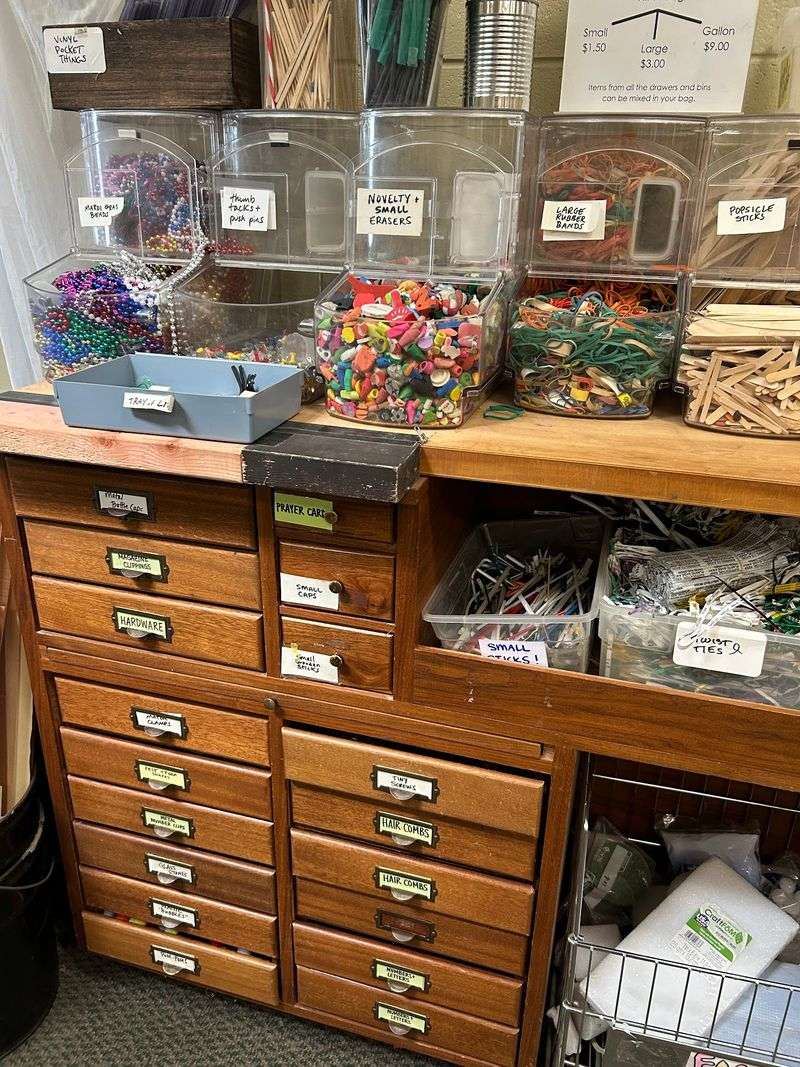
A little prep goes a long way before a big haul. Measure your trunk space and bring sturdy bags.
Boxes help with fragile items like frames.
Start with a list of project needs. Maybe it’s paper, beads, or fabric.
A list keeps you focused while the shelves tempt you.
Test small items when you can. Pens and markers are worth a quick check.
Then you won’t carry home a dud.
Give yourself time to wander. The stock is ever-changing, and the best finds often hide in the corners.
A relaxed pace turns shopping into a mini adventure.
Bring items to donate, too. Bags of unused supplies can go to a new home.
For larger donations, make an appointment first.
Finally, stay flexible. You might arrive for yarn and leave with a vintage typewriter or a stack of maps.
That’s the beauty of the Pittsburgh Center for Creative Reuse, and it’s why people fill their trunks and plan the next visit.