
This Quiet New Hampshire Town Still Rents Airbnbs For Under $90 A Night Year-Round

A hundred bucks barely buys a hotel closet these days. New Hampshire quietly proves that math wrong in one small city built on lilacs and brick.
Rentals here still hover under ninety dollars a night, all year, no peak season markup in sight. Central Square anchors a downtown of granite facades, indie shops, and cafes that never rush anyone out.
A river trail winds past pines and kayak launches near Main Street. An opera house hides inside city hall.
Purple blooms take over every spring, earning the place a nickname locals say with real pride.
New Hampshire has flashier coastal towns, sure, but few stretch a travel budget quite like this one. Trails, theater, festivals, and rock bottom rates in one square mile?
Worth planning a weekend around.
Rentals That Refuse To Spike In Peak Season
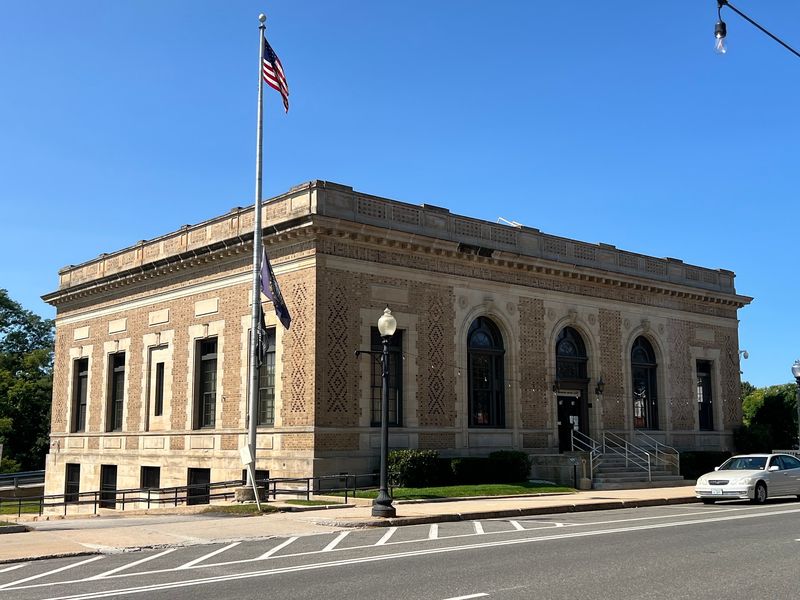
Most New England towns double their rates the moment leaves turn. Rochester does not seem to play that game.
Listings in this Strafford County city have been advertised starting around $70 per night before taxes and fees. That pricing appears across the calendar, not just in slow months.
The stock leans practical rather than luxurious. Think tidy apartments, spare rooms in older homes, and small houses on quiet residential streets.
Many sit within a short drive of Central Square, which keeps transportation costs low. Free municipal parking helps too.
Rates always vary by host, season, and demand, so confirm details before booking anything. Longer stays sometimes bring the nightly figure down further.
For travelers using Rochester as a base, the savings compound quickly. Money not spent on lodging goes toward trail days, theater tickets, and second helpings at dinner.
Visitors wanting the city itself can reach it at Rochester, New Hampshire, in the United States, with the Rochester Historical Society and Museum located at 58 Hanson Street.
Budget travel rarely feels this uncomplicated, and that is precisely the appeal here.
Brick, Granite, And A Square That Still Works
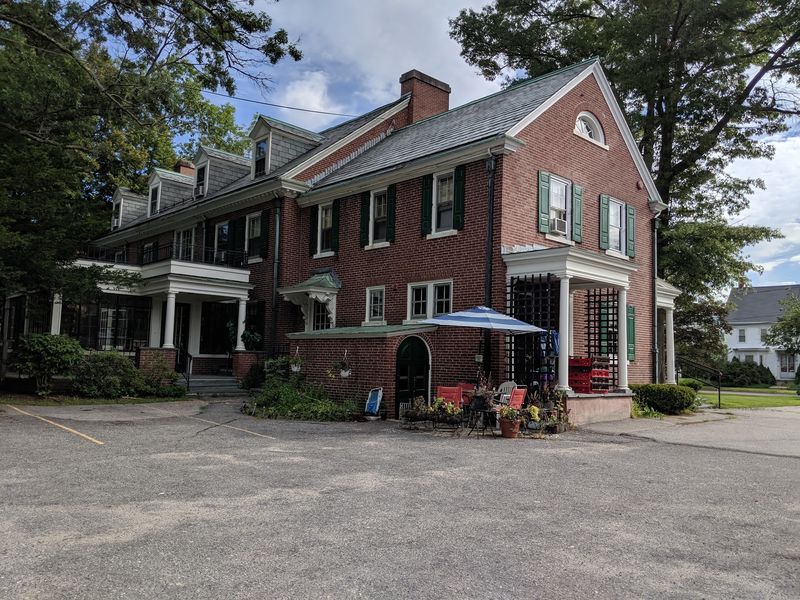
Central Square anchors everything. Stand there once and the layout of downtown Rochester makes instant sense.
Brick-and-granite facades line the surrounding blocks. Independent shops, cafes, and restaurants fill the ground floors.
Factory Court deserves a detour. Once a plain alley, it now serves as a pedestrian walkway that comes alive in warmer months.
Everything clusters within a few blocks, which suits walkers perfectly. No shuttle, no circling for a space.
Free parking sits in municipal lots and along nearby streets, a small mercy that regular visitors appreciate.
Boutiques here stock handcrafted goods and work by local artists. Gift hunting becomes a legitimate afternoon activity.
The Rochester Farmers Market draws shoppers after fresh produce and homemade items throughout the growing season.
Larger plazas and malls sit outside the core for anyone needing national chains. The contrast between the two shopping worlds is stark.
Downtown moves at a pace that encourages lingering rather than rushing. That alone separates it from busier Seacoast stops.
Three Centuries Of Mill Town Grit
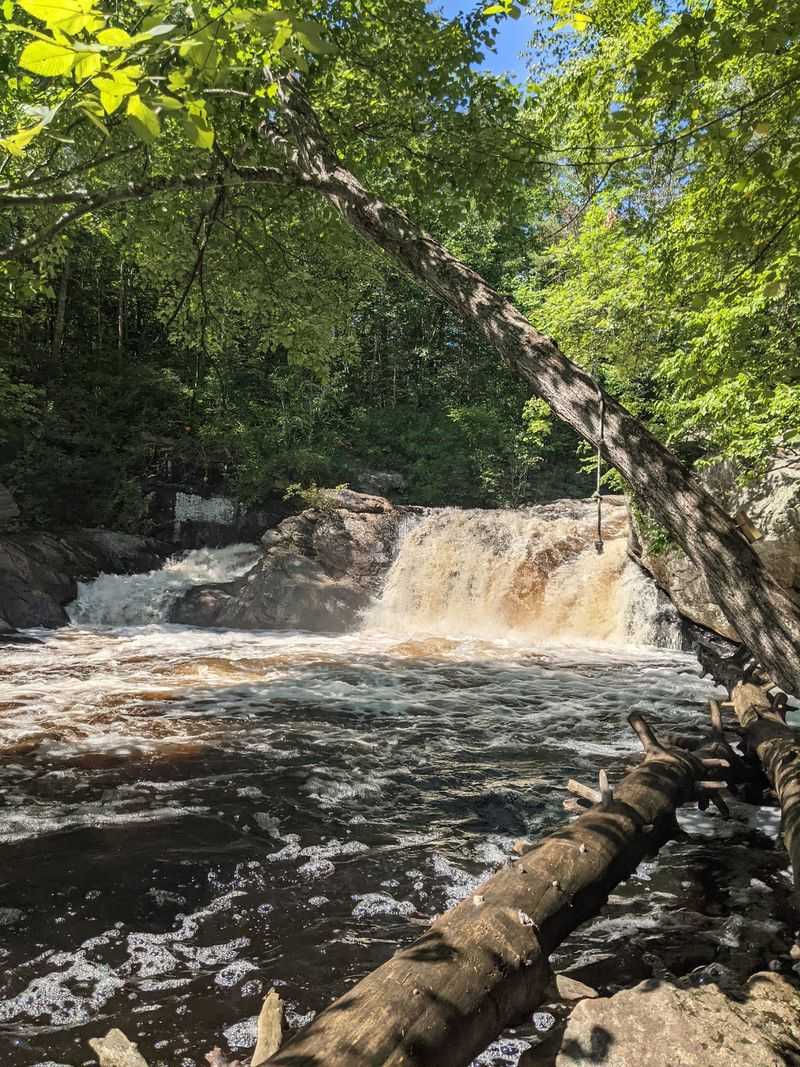
Founded in 1722. That date carries weight in a region where old means something specific.
Rochester built its early identity around textile mills powered by moving water. The Cocheco River did the heavy lifting.
Those mills eventually faded. What replaced them was a service-based and increasingly diversified economy, including manufacturing and high-tech employers.
The Rochester Historical Society and Museum occupies a historic Victorian home on Hanson Street. Exhibits trace the city’s growth and its place in regional history.
Displays cover industry, everyday life, and the shifts that reshaped the community over three centuries.
History buffs get context that makes the downtown architecture read differently afterward. A brick wall stops being just a brick wall.
The city also contains the villages of East Rochester, Gonic, and North Rochester, each with its own local character.
Population sat at 32,492 in the 2020 census, ranking Rochester among the larger cities in New Hampshire while keeping a small-town feel.
Understanding the past here makes the present far more interesting to walk through.
An Opera House Hiding Inside City Hall
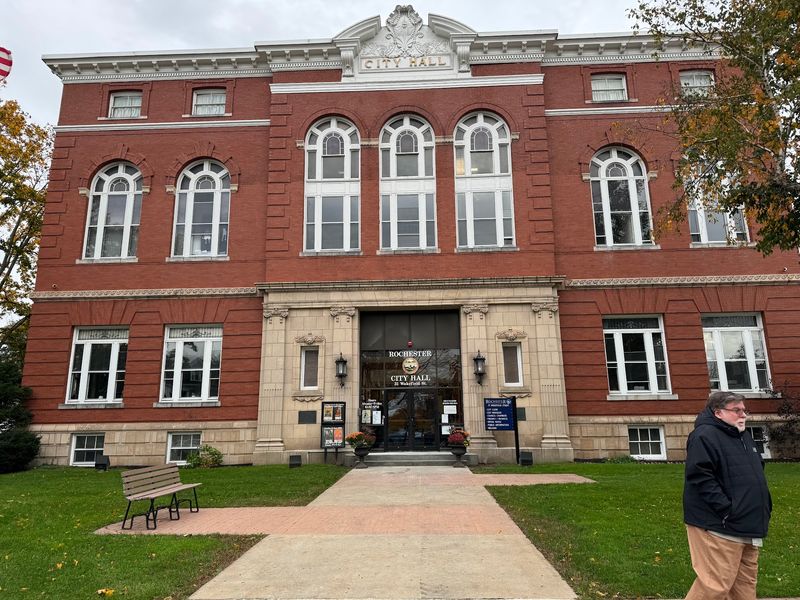
A working theater tucked inside a municipal building. That combination is not something travelers encounter often.
The Rochester Opera House sits within City Hall at 31 Wakefield Street. Performances run through the year.
Programming spans concerts, comedy, musicals, and community theater productions. Local talent shares the calendar with touring acts.
Nearby, the Rochester Performance and Arts Center on North Main Street adds an intimate recital hall, an art gallery, and classes.
The Rochester Museum of Fine Arts rounds out the arts picture with rotating exhibitions.
Public art spills onto the streets too. Murals and sculptures decorate downtown blocks, forming an informal self-guided walking tour.
Several restaurants and businesses host live entertainment, meaning music often finds visitors rather than the reverse.
Ticket prices for community productions generally stay approachable, which fits the overall spirit of the city.
Check schedules ahead of a trip, since offerings shift by season and availability changes.
For a city this size, the cultural output punches noticeably above expectations, and locals seem quietly proud of that fact.
Riverside Paths A Block From Main Street
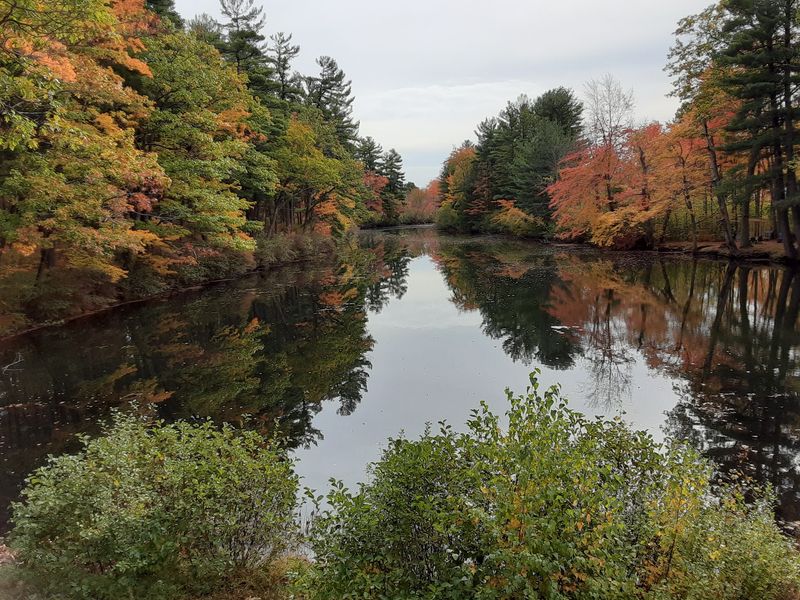
Steps from storefronts, the noise drops away. The Cocheco Riverwalk pulls that trick off nicely.
The path traces the river through Rochester, offering an easy stroll for anyone needing a break from pavement.
Hanson Pines ranks high among local favorites. Wooded walking trails wind through tall pines there.
The same spot includes a public pool and a launch for kayaks and canoes on the Cocheco.
Paddlers get river access without hauling boats far from downtown. That convenience matters on a short trip.
The Rochester Common provides a playground, a bandstand, and tracks suited to walking or running laps.
Gonic Trails appeal to those wanting rougher terrain, plus a disc golf course threaded through the woods.
Mount Blue Job offers a hiking option nearby for anyone chasing a summit view.
Trail conditions change with weather and season, so check before heading out in shoulder months.
Green space here never requires a long drive, which explains why so many residents seem to be outside on any decent afternoon.
Why They Call It The Lilac City
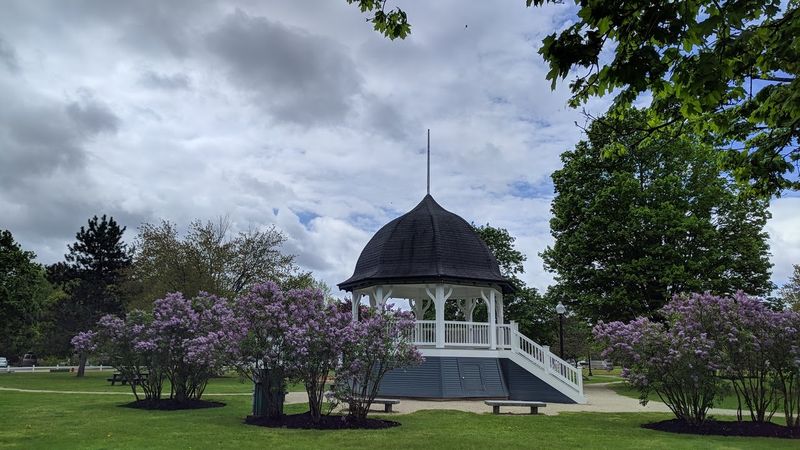
The nickname is not marketing fluff. Lilacs really do take over in spring.
Rochester earned its Lilac City title through those blooms, and locals celebrate accordingly.
An annual Lilac Family Fun Festival lands in spring, filling public spaces with activities aimed at all ages.
The purple flowers appear in yards, parks, and along older streets throughout the season.
Spring visitors get the flowers plus mild weather for walking the Riverwalk without breaking a sweat.
Photographers should aim for late morning light, when the blooms show their color best against brick.
Bloom timing depends on the year’s weather, so exact peak dates cannot be promised in advance.
The lilac theme carries into local identity beyond the festival, showing up in signage and community branding.
Anyone planning a New Hampshire spring trip could do worse than building it around this small purple obsession.
Pair the flowers with a farmers market stop and an afternoon downtown for a full, low-cost day.
Few nicknames feel this literally earned once you actually stand among the bushes.
Bigfoot Hunts, Zombie Walks, And Elves On Shelves

A Bigfoot Scavenger Hunt. A Zombie Walk.
Elf Off the Shelf. Somebody in Rochester clearly enjoys their job.
Free community events run almost every month here, which keeps the calendar unusually full for a city this size.
PorchFest turns neighborhood porches into stages. Free Comic Book Day draws readers downtown.
Autumn brings the Zombie Walk and Downtown Trick-or-Treat, both firmly aimed at families.
Winter leans on the Festival of Trees and the Elf Off the Shelf hunt, giving cold months a reason to leave the house.
Summer features a festival at the Rochester Commons plus a Fourth of July celebration with activities and fireworks.
The Granite State Fair, historically known as the Rochester Fair, carries the most history, an old-fashioned agricultural tradition spanning over 120 years.
Thousands attend each fall for livestock, rides, and food that only tastes right at a fairground.
Event dates shift annually, so confirm schedules before locking in travel plans.
Free admission at many gatherings pairs well with those affordable nightly rates, stretching a modest travel budget considerably further.
A Launchpad For Mountains And Lakes
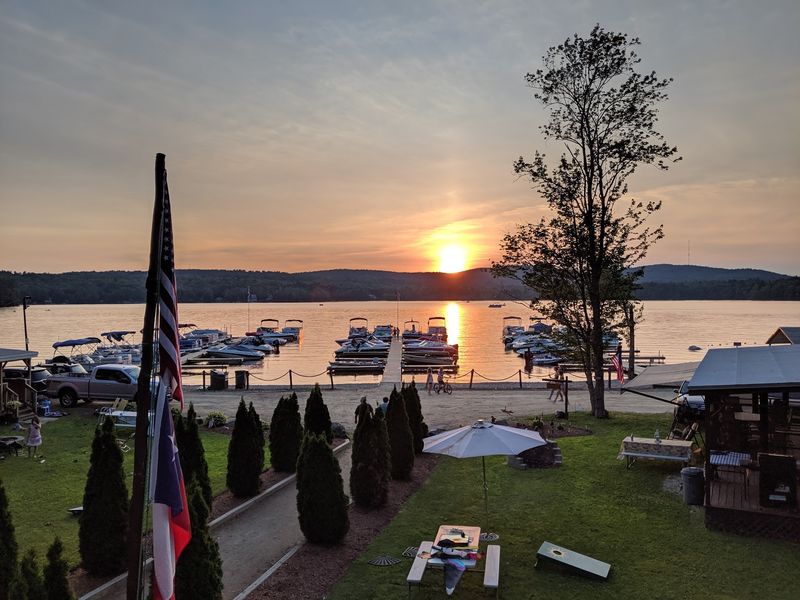
Location does a lot of work for this city. Rochester sits in the Seacoast region and functions as a practical hub.
Drive north and the Lakes Region opens up. Keep going and the White Mountains appear.
The coast lies within reach in the other direction, making day trips flexible rather than committed.
Rochester stands as the largest city in the Seacoast area, which means services, groceries, and gas are never a hunt.
Basing a trip here trades oceanfront pricing for interior affordability. The drive time cost is modest.
Autumn travelers benefit most. Foliage routes through New Hampshire fill fast, and inland lodging often stays available longer.
Winter visitors can reach ski country north of town while sleeping somewhere considerably cheaper.
The Cocheco River runs through the city itself, so scenery starts before the car even leaves.
Plan driving times realistically, since mountain roads slow down in poor weather.
Smart travelers have used strategies like this for decades, and Rochester happens to sit in an especially convenient spot on the map.
Four Seasons, Four Different Cities

Return in a different season and the place barely looks familiar. Rochester rearranges itself four times a year.
Spring belongs to the lilacs and softening trails. Everything smells like wet earth and flowers.
Summer sends people to the Cocheco River for kayaking and slow riverside walks under full green canopy.
Parks and trails hit their peak usability then, and evening events move outdoors.
Autumn delivers the foliage that New Hampshire built a reputation on. Reds and golds crowd the riverbanks.
Winter quiets everything down. Fresh snow settles over the Common and downtown rooftops, and the streetlights do the rest.
Cold-weather visitors should pack layers and expect icy sidewalks in places.
Because rental pricing stays low year-round, off-season trips become genuinely practical rather than a compromise.
February in a warm apartment near downtown has its own appeal for readers and slow travelers.
Each season offers a different reason to book, which is rarer than it sounds in small New England cities.
Pick a month, pack accordingly, and the city will hand over something worth seeing.
Small City Warmth Without The Tour Buses
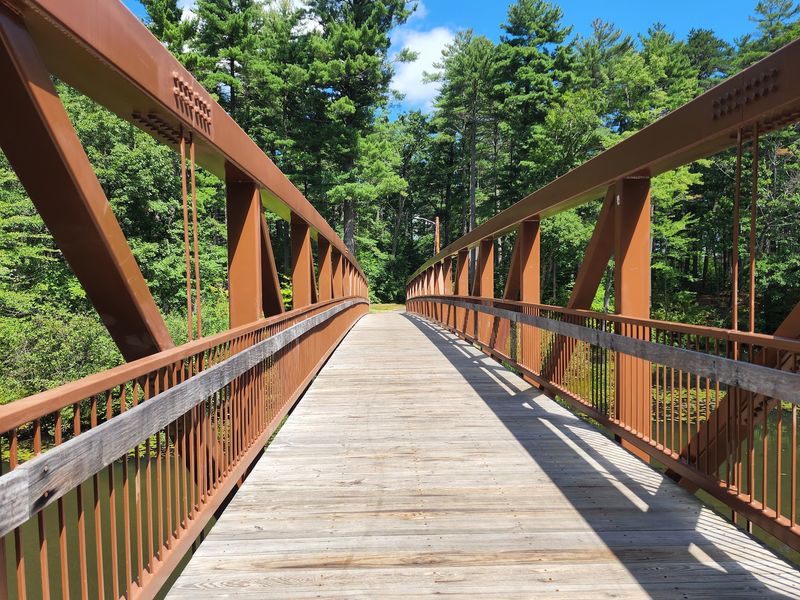
Ask directions once and the conversation lasts ten minutes. That happens a lot in Rochester.
The community leans hard on family values, work ethic, and a volunteer culture that residents mention with obvious pride.
Neighbors turn out for individuals in need and for local organizations alike. It shows in how many events run on unpaid help.
Downtown has shifted over recent years into a more artsy, active destination, and that change came largely from local effort.
Crowds stay manageable. Popular Seacoast towns fill with visitors, while this city keeps room to breathe.
Great Bay Community College maintains a campus here, and Spaulding High School houses a regional technology center training students for skilled trades.
Those institutions keep the population mixed and the economy steady rather than seasonal.
Restaurants downtown highlight local flavors, and many host live music that locals actually attend.
Visitors looking for a quiet, affordable New Hampshire base will find the welcome here refreshingly unforced.
Between the low nightly rates, the trails, the theater, and the festivals, Rochester makes a strong case for skipping the obvious destinations entirely.