
This South Carolina River Town Is So Peaceful Visitors Never Want To Leave
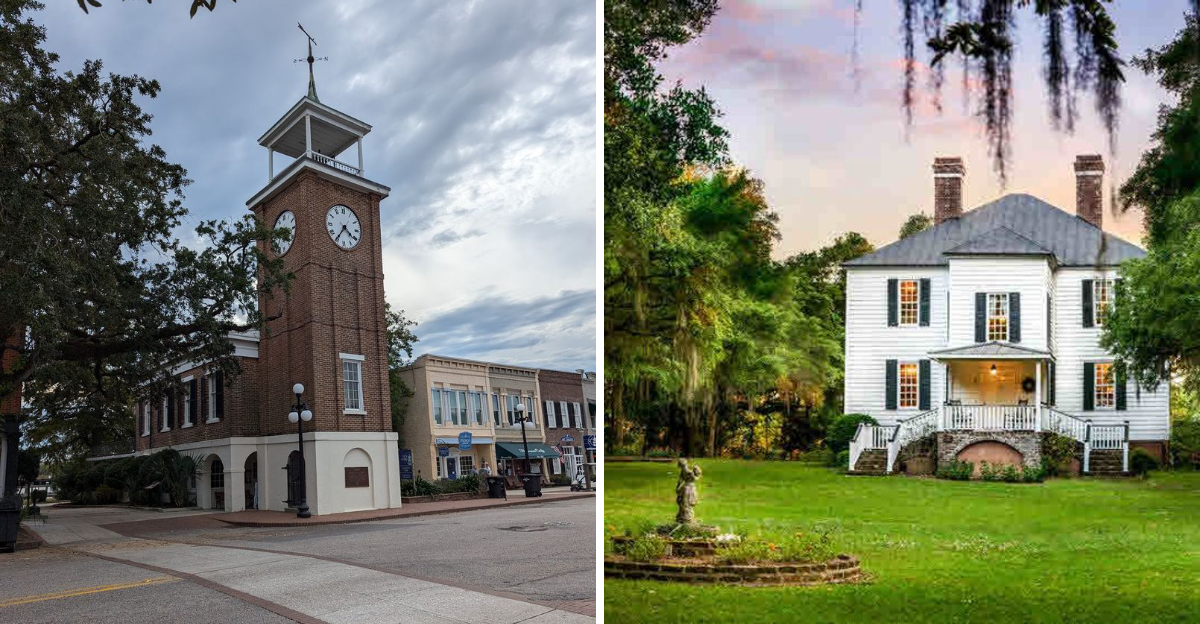
If your idea of a good afternoon is sitting near the water with nowhere else you need to be, this South Carolina town gets it right.
You watch a few boats go by, wander around for a bit, then find yourself back near the river because, really, why leave? There is plenty to do, but nothing makes you feel like you need to race through it.
That balance is what makes this place stand out. South Carolina has plenty of towns built around the water, but this one feels especially good when you need a break from crowded attractions and packed schedules.
A few hours can turn into most of the day before you notice. By then, leaving starts to feel like the least appealing part of the visit.
Where Four Rivers Shake Hands With The Sea
Few small towns can claim four rivers as neighbors. The Waccamaw, Great Pee Dee, Black, and Sampit rivers all feed the waters around Winyah Bay before they ultimately reach the Atlantic.
That watery setup shaped everything, including the busy port that made Georgetown important in the 1700s. Ships once loaded cargo where pelicans now coast overhead.
Standing at the waterfront, you notice how wide and quiet the view feels. Marsh grass stretches toward the horizon, and the current does most of the talking.
Anglers, kayakers and boaters all find room to spread out. If you like scenery served with salt air, this corner of South Carolina delivers.
Bring binoculars, because ospreys and herons treat the bay like a private cafeteria. Sunrise is usually the calmest stretch of the day, so early risers get the smoothest water.
Ever wondered what four rivers sound like when they finally agree on something? Here, the answer is mostly a soft hush.
Front Street, Where Browsing Becomes The Plan
Shopkeepers here still greet people by name. Front Street runs beside the river with boutiques, antique shops, bookstores and cafes tucked into old brick buildings.
Awnings shade the sidewalk, and parking is usually simple compared with bigger coastal towns. Many storefronts date to the 1800s, so the architecture is half the entertainment.
You can find handmade jewelry, coastal art and gifts made by South Carolina artisans. Ice cream counters and bakeries give walkers a good excuse to pause.
Weekday mornings feel calm, while weekends bring more visitors and a livelier hum. Hours can vary by season, so a quick check before you drive over saves disappointment.
Benches sit along the way for anyone traveling with small children or tired feet. Shop owners are usually happy to share directions, history or dinner suggestions.
Curious how long a two-block walk can take? Somehow, an entire afternoon.
That slow drift is exactly the point.
Golden Grains And A Clock Tower With Stories
Rice once ruled this stretch of the Lowcountry. Plantations along the rivers grew Carolina Gold, and the port shipped enormous amounts of it during the 1800s.
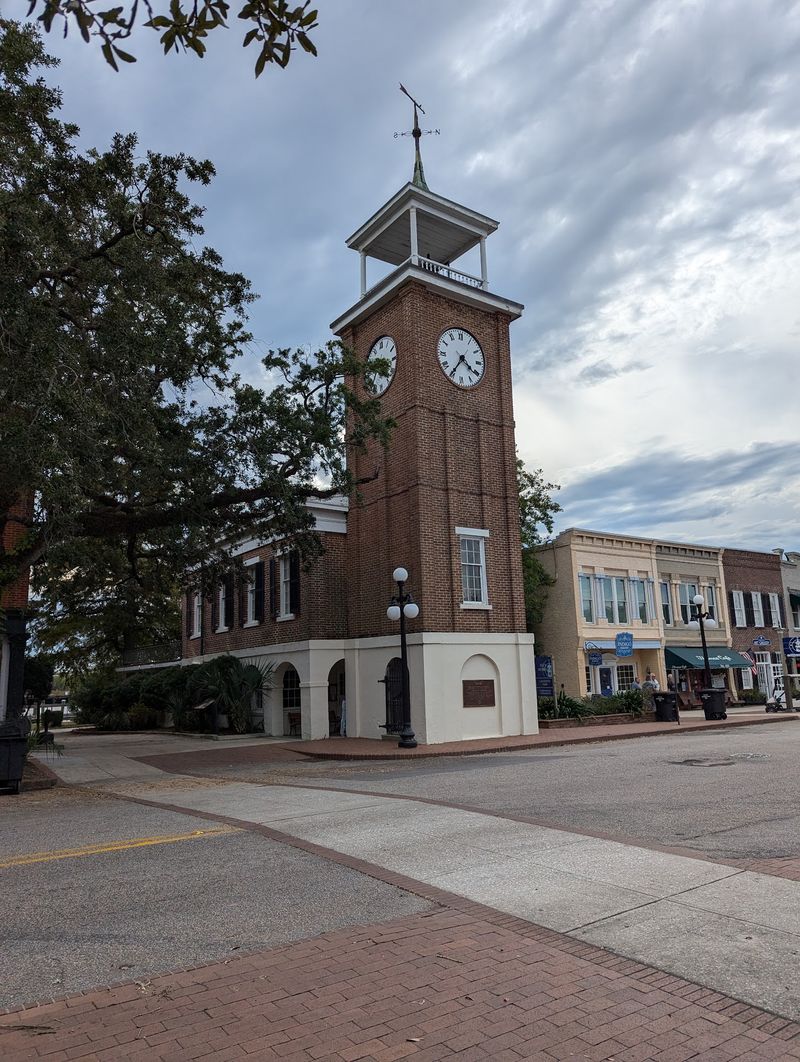
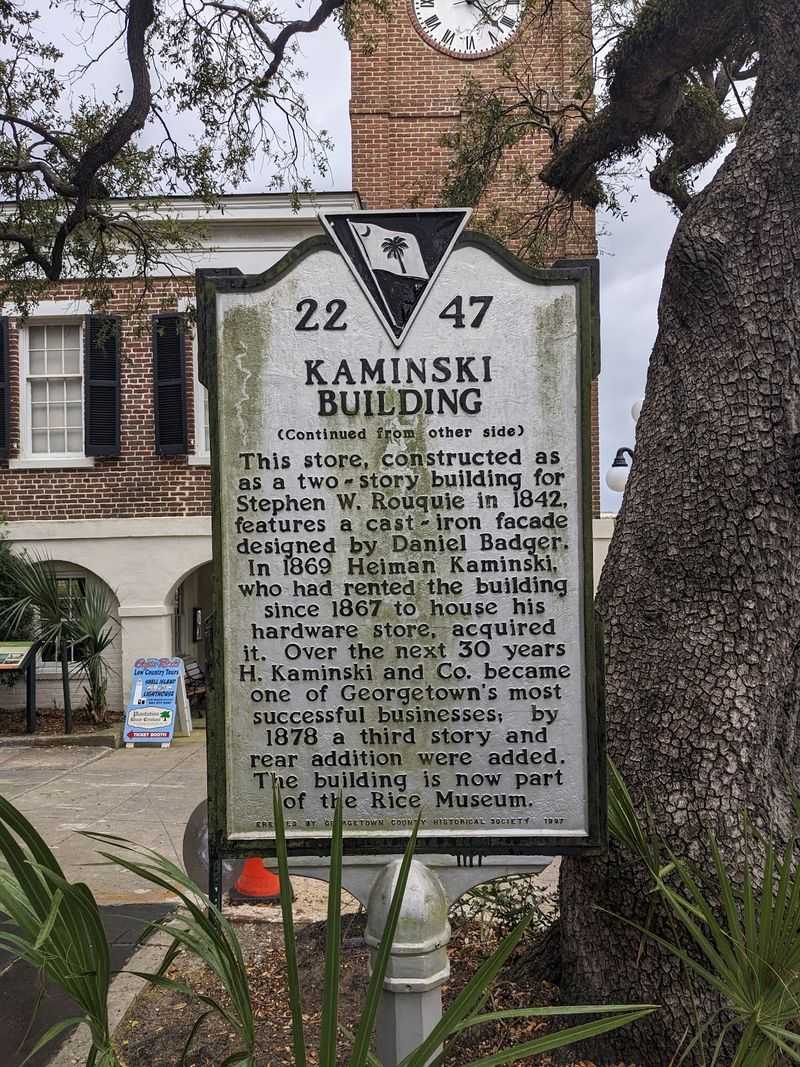
The Rice Museum explains that history inside the Old Market Building, easily spotted by its clock tower. You can find it at 633 Front Street, Georgetown, South Carolina 29440.
Their knowledge of water control shaped the fields, and that story deserves the attention it now receives.
Displays also include information about the Brown’s Ferry Vessel, an early colonial boat recovered from the Black River. Plan an hour or so, longer if you enjoy reading every label.
Hours and admission details change, so checking ahead is wise. The building itself has served many roles over the years, which makes the tour feel layered.
History buffs tend to leave with more questions than they arrived with.
Gullah Geechee Roots You Can Still Hear
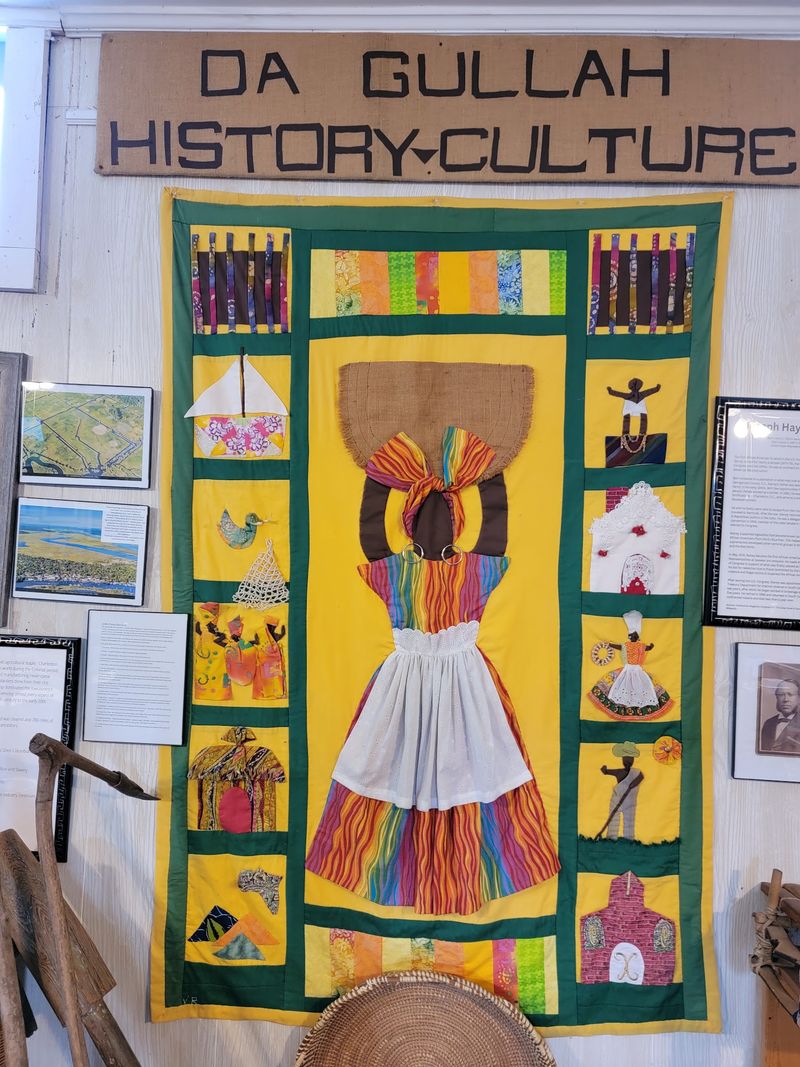
Culture here runs deeper than any postcard suggests. Georgetown sits inside the Gullah Geechee Cultural Heritage Corridor, which stretches along the southeastern coast.
Descendants of West Africans kept language, crafts, cooking and music alive across generations. Sweetgrass basket weaving remains one of the most recognized traditions in the region.
The Gullah Museum of Georgetown shares quilts, storytelling and local history with visitors. Rice dishes, okra soup and fresh seafood show up on menus with clear Gullah influence.
Listening matters more than snapping photos, especially when someone shares family memories. Guided walks and community events sometimes highlight this heritage, though schedules vary through the year.
Asking politely before photographing people or crafts is simply good manners. Understanding this history changes how the marsh, the fields and the old streets look.
South Carolina holds few cultural threads as strong as this one. Bring curiosity, patience and a real willingness to learn.
Antebellum Homes And A Church From The 1700s
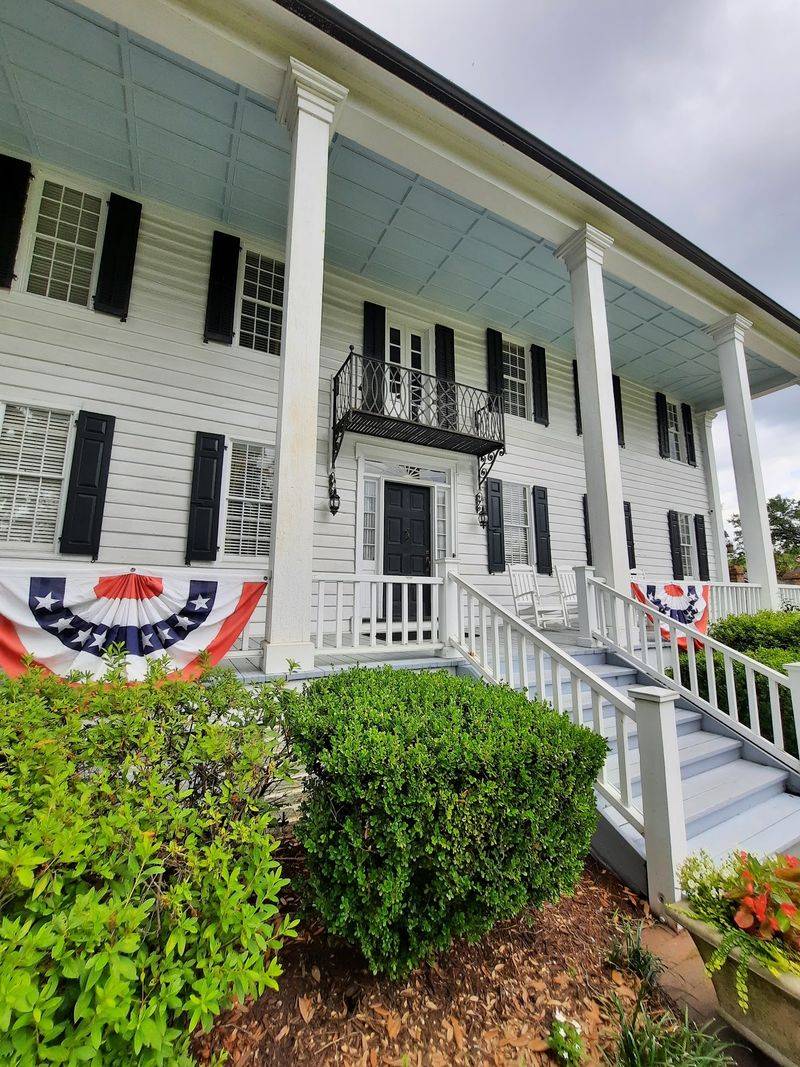
Nearly the entire downtown core carries historic designation. Streets like Prince, Highmarket and Front hold homes built well before the Civil War.
Porches, shutters and live oaks set the mood without any effort. Prince George Winyah Episcopal Church dates to the 1700s and still holds services.
The Kaminski House Museum, an eighteenth-century home overlooking the river, offers guided tours of period furnishings.
Walking maps are available around town, and self-guided routes work well. Most houses remain private residences, so admiring from the sidewalk is the respectful approach.
Spring brings blooming gardens, while autumn offers cooler air for longer walks. Some tours run seasonally, so confirming times before arriving prevents a locked door.
Architecture fans can easily fill a morning counting details on doorways and columns. Georgetown is the third-oldest city in South Carolina, and the buildings quietly prove it.
Bring water, because shade comes and goes.
Hobcaw Barony’s Quiet Research Reserve
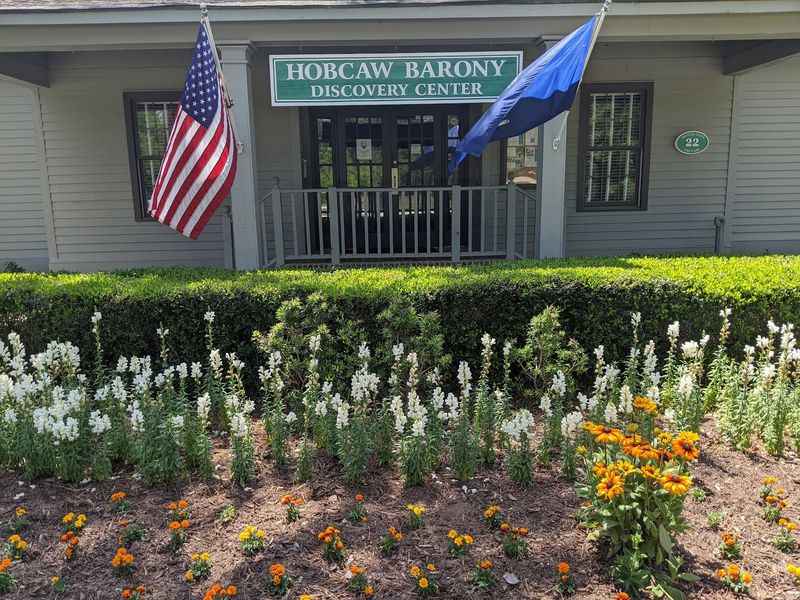
Thousands of acres of forest and marsh sit just north of town. Hobcaw Barony was once a winter retreat and is now a research reserve managed by the Belle W.
Baruch Foundation.
Universities study wildlife, water and forests across the property. Public access happens through scheduled tours and programs rather than casual drop-ins.
Guides cover natural history, old buildings and the people who lived and worked there. Reservations are usually required, so booking early is smart during busy months.
Birders enjoy the variety, especially near the water and pine woods. Bug spray earns its keep in warmer weather.
The visitor center offers exhibits if you have limited time. Photography is welcome in most areas, though guides will explain any limits.
Few places let you see the Lowcountry landscape studied and protected at the same time. Think of it as nature class without the homework.
Comfortable walking shoes and a full water bottle round out the packing list.
A River Plantation With A Signer’s Story
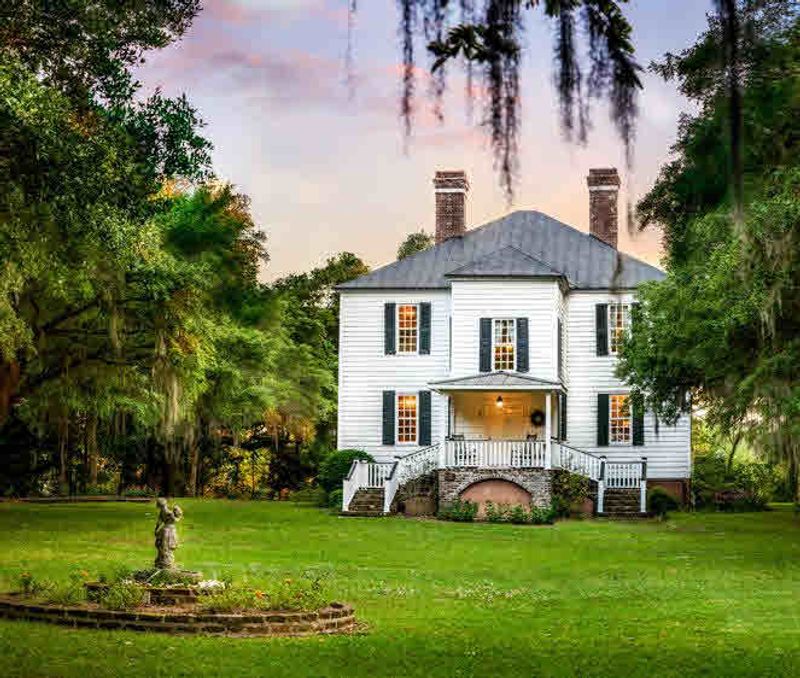
About twelve miles south, Hopsewee Plantation sits above the North Santee River. Built in the 1700s, the house was the birthplace of Thomas Lynch Jr., a signer of the Declaration of Independence.
Guided tours cover the main house, grounds and the property’s rice-growing past. Slave cabins on site address the lives of people who worked the fields.
A tea room on the property serves light fare, and hours can change by season. Moss-draped oaks line the approach, which slows most drivers down naturally.
Sweetgrass basket classes have been offered here, though availability varies. Calling ahead helps, since tour times are limited compared with larger attractions.
The river view behind the house is quietly one of the best in the county. Families with older kids usually manage the tour comfortably.
History here is honest rather than polished, and that makes it worth the drive. Give yourself extra time to linger by the water afterward.
North Island’s Lighthouse, Best Seen By Boat
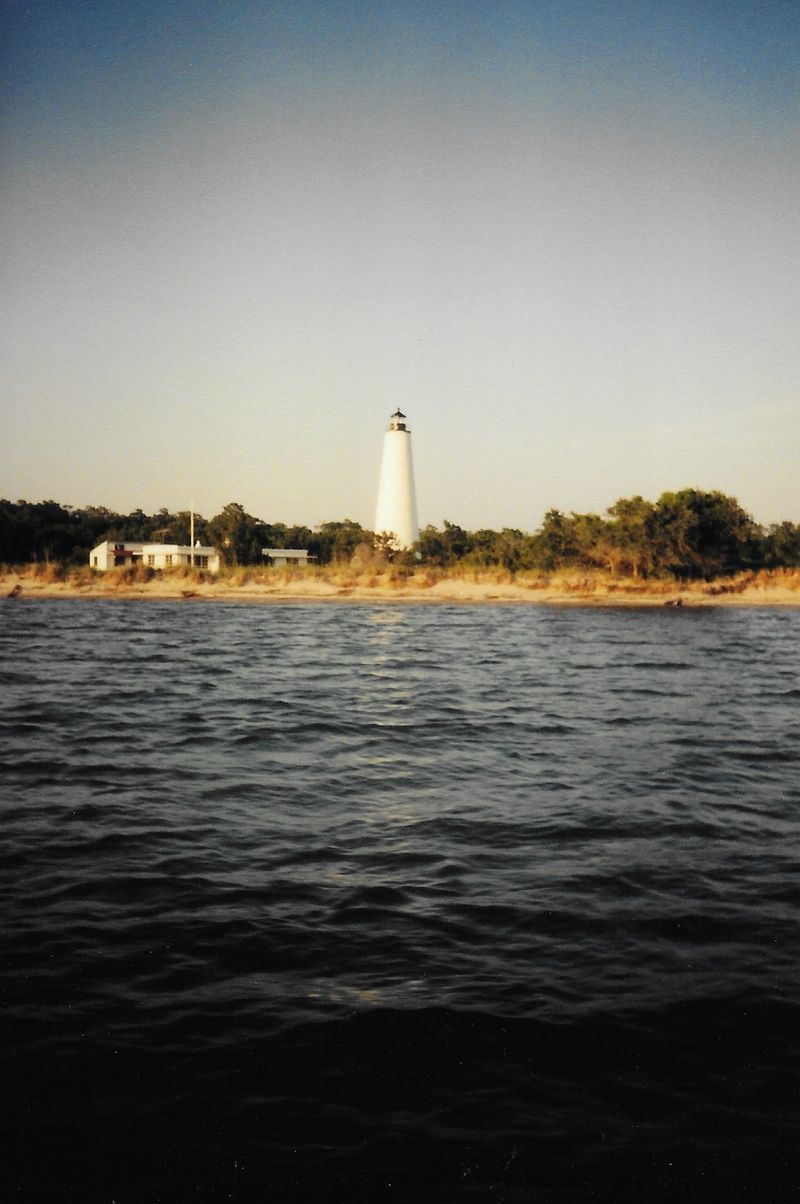
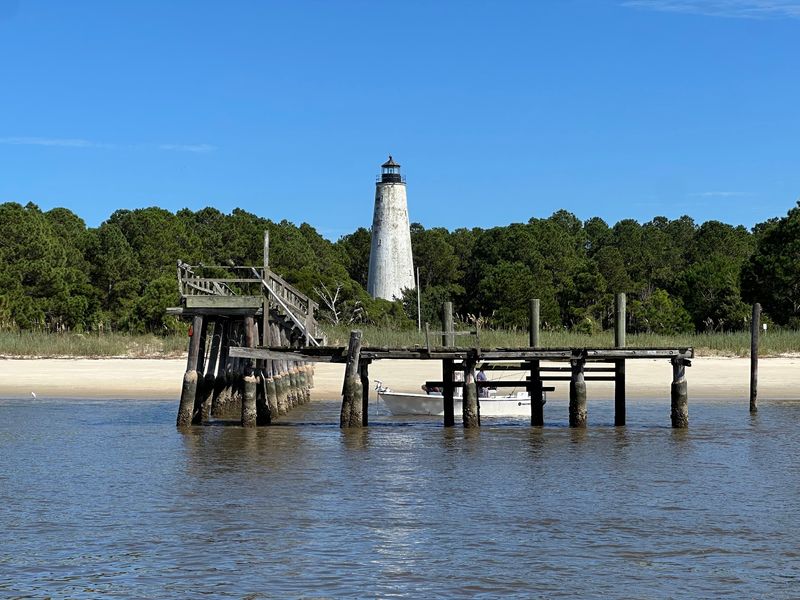
Out at the mouth of Winyah Bay stands the Georgetown Lighthouse. Built in the early 1800s, it is the oldest active lighthouse in South Carolina.
The tower sits on North Island and is not open for tours. Boat cruises and charters from the waterfront offer the clearest views.
Trips often pass shorebirds, dolphins and quiet stretches of undeveloped shoreline. Weather can cancel departures, so flexible plans work best.
Bring a light jacket, because breeze on the water feels cooler than the dock. Sunset cruises are popular, and seats fill quickly in peak season.
Cameras with zoom lenses do the lighthouse justice from a distance. Some operators also run harbor tours focused on local history and the old port.
Motion-sensitive travelers may want to sit mid-boat and face forward. Spotting that white tower across the water feels like a small reward for showing up.
Ready to trade traffic noise for engine hum and gull chatter?
Festivals, Boat Shows And Small-Town Traditions
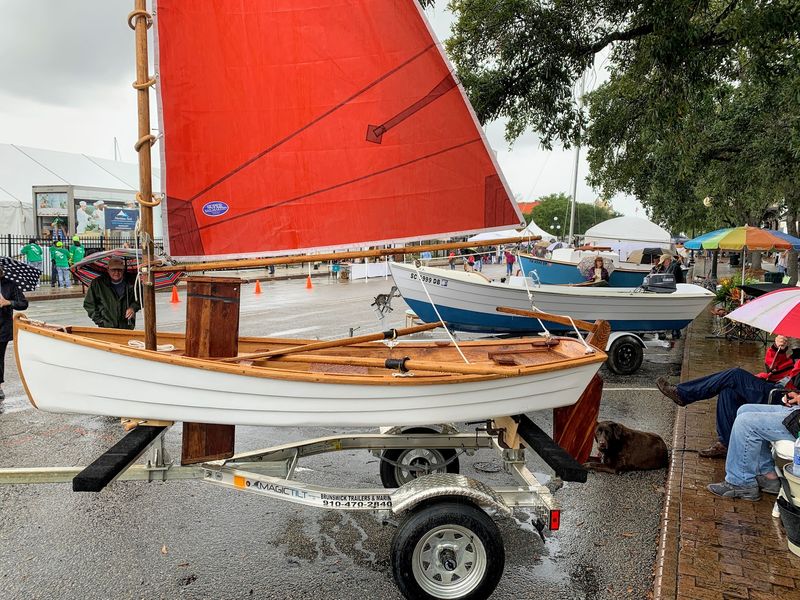
Every autumn, the waterfront fills up for the Wooden Boat Show. Craftsmen display handmade vessels, and boatbuilding challenges draw big crowds along the harbor.
The event has become one of the town’s best known traditions. Other gatherings appear through the year, including markets, holiday parades and harbor celebrations.
Winter brings lighted decorations along Front Street, which suits the historic backdrop. Dates shift annually, so checking the city website before booking travel is sensible.
Lodging fills faster during festival weekends, especially in the small downtown inns. Arriving early helps with parking, which tightens quickly near the water.
Free entertainment often includes music, demonstrations and food vendors. Families with strollers manage fine, though crowds thicken by midday.
Volunteers run much of it, which explains the friendly atmosphere. You get a real sense of how much residents care about their river.
Come for the boats, stay for the conversations you did not expect.
Beaches, Gardens And Easy Escapes Nearby
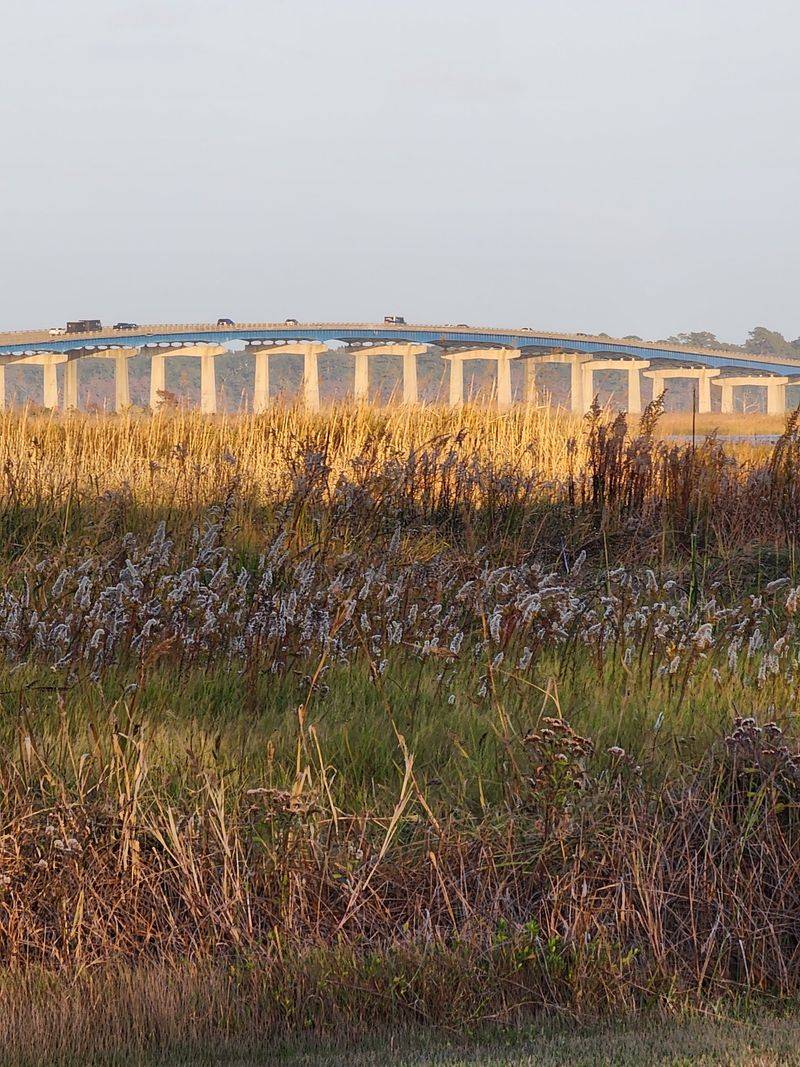
Georgetown County spreads well beyond the historic downtown. Huntington Beach State Park offers marsh trails, birding and a wide stretch of Atlantic shoreline.
Brookgreen Gardens, across the highway, combines sculpture, gardens and a small zoo. Pawleys Island and Murrells Inlet add beach time and seafood stops.
Most of these sit within a short drive up Highway 17. Admission fees and hours apply at parks and gardens, so plan around them.
Summer weekends get busier, while early spring feels calmer. Bug spray, sunscreen and a beach towel cover almost every scenario.
Basing yourself in town keeps costs lower than staying beachside. Quiet mornings downtown pair nicely with afternoons by the ocean.
By the end of a few days, the slow rhythm of this South Carolina river town starts to feel like your own. Guests keep extending stays for that reason, and honestly, who could blame them?
Pack light, drive slow, and let the marsh set the schedule.