
This Stunning Florida Town Hosts A Massive Seafood Festival Every September
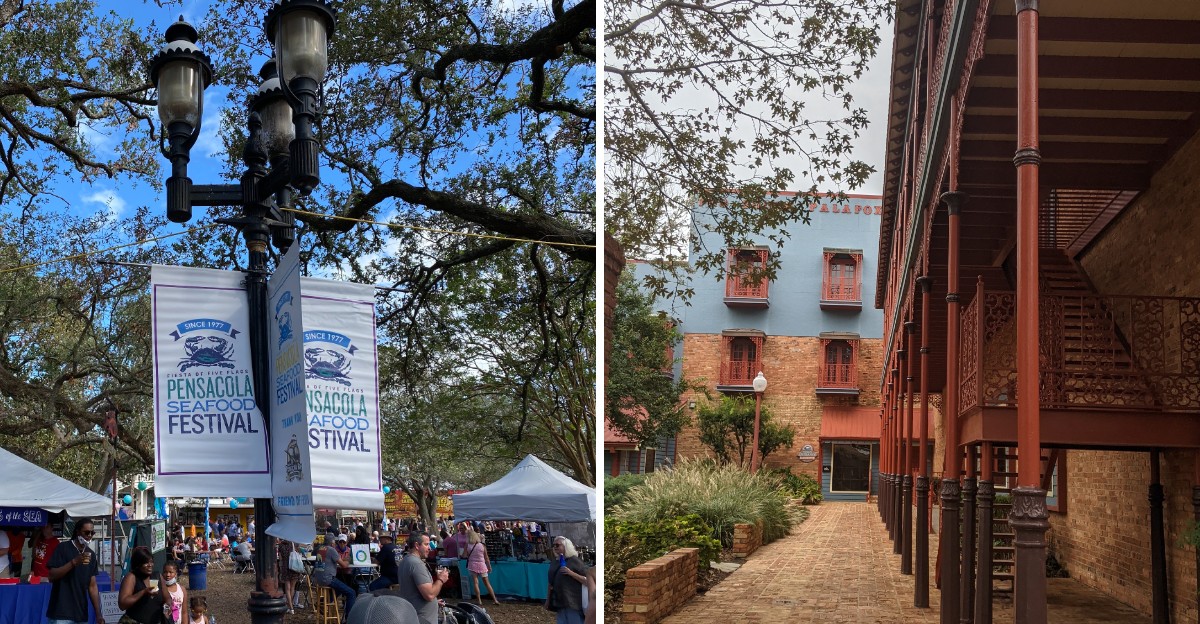
Picture crab cakes, fried shrimp, and gumbo lined up along shaded brick walkways. Every September, one stunning Florida town turns its downtown square into a seafood lover’s playground.
Thousands show up for grilled catches, live music under century-old oaks, and rows of handmade coastal crafts. Salty sea breeze and towering canopies keep the crowd comfortable even when the sun bites hard.
Locals treat the weekend like an unofficial start to fall, returning year after year with the same favorite booths in mind. History hides in plain sight too, tucked into brick streets steps from the festival tents.
Florida beaches with sugar-white sand sit only minutes away for anyone craving a detour. Curious which town pulls off a seafood festival this massive every year?
Start clearing your September calendar.
Where Gulf Seafood Takes Center Stage
Grilled shrimp, crab cakes, and crawfish in the same afternoon. That is the pull of the Pensacola Seafood Festival, and the reason crowds fill Historic Seville Square every September.
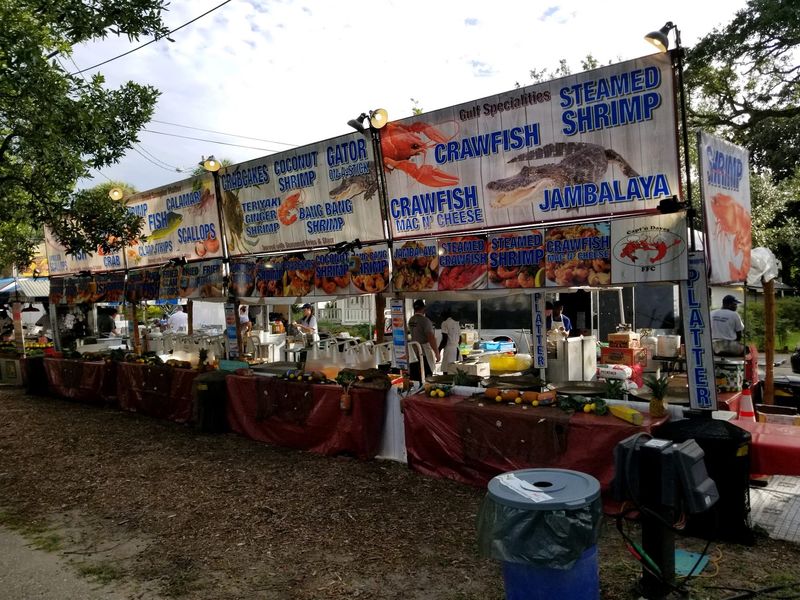
Vendors line the walkways with fryers, grills, and steaming pots. Menus lean heavily on Gulf of Mexico catches, so expect shrimp prepared several ways, oysters, fish tacos, and thick seafood gumbo.
Portions tend to be small and shareable, which works in your favor. Splitting plates with friends lets everyone sample more booths before getting full.
Non-seafood options usually show up too. Funnel cakes, kettle corn, and other festival standards keep picky eaters and kids happy.
The festival is organized by Fiesta of Five Flags, a Pensacola nonprofit based at 125 S Alcaniz St Ste 1, Pensacola, FL 32502. Proceeds support community programming, so your lunch does a little extra work.
Arrive hungry and pace yourself. Popular booths draw longer lines around midday, and the early afternoon stretch tends to be busiest.
Bring cash as a backup. Some vendors accept cards, but card readers can slow down when the square fills up.
A September Tradition Decades In The Making
Long-running festivals earn their crowds. The Pensacola Seafood Festival has been a fall fixture for decades, growing from a modest community event into one of the region’s largest outdoor gatherings.
Fiesta of Five Flags runs the show. The organization takes its name from the five nations whose flags have flown over Pensacola across its long history, which explains the heavy dose of heritage woven through local celebrations.
The September timing is deliberate. Summer heat begins easing, school is back in session, and Gulf seafood is plentiful, so the calendar lines up neatly.
Attendance regularly climbs into the tens of thousands across the weekend. That makes it a people-watching event as much as an eating one.
Locals treat it as an unofficial start to fall in the Panhandle. Families return year after year, often with the same route through the booths.
Dates shift slightly each year, so check before booking travel. Hotels downtown tend to fill early for festival weekends.
Tradition, food, and a historic square add up to something worth repeating annually.
Live Music Drifting Through The Trees
Music is the festival’s soundtrack, and it rarely stops. Multiple stages operate around Historic Seville Square, keeping something playing from late morning until evening.
Lineups usually mix regional acts. Blues, rock, country, jazz, and Gulf Coast party bands all tend to appear across the weekend.
The setup is casual. Many visitors bring folding chairs or blankets, stake out a shady patch, and eat while the band plays.
Sound carries well under the oaks. Even if you wander toward the far booths, a bass line usually follows you.
Evening sets tend to draw the liveliest crowds. Temperatures drop, the light softens, and the square takes on a relaxed neighborhood-party feel.
Families with small children often prefer the earlier hours. Fewer people, shorter lines, and easier stroller navigation make mornings the smart play.
Schedules are posted at the festival and online ahead of time. Picking a couple of must-see acts helps structure an otherwise wandering day.
Bring a portable phone charger if you plan to stay late. Photos, maps, and set times drain batteries quickly in Pensacola’s warm September air.
Historic Seville Square And Its Shady Oaks
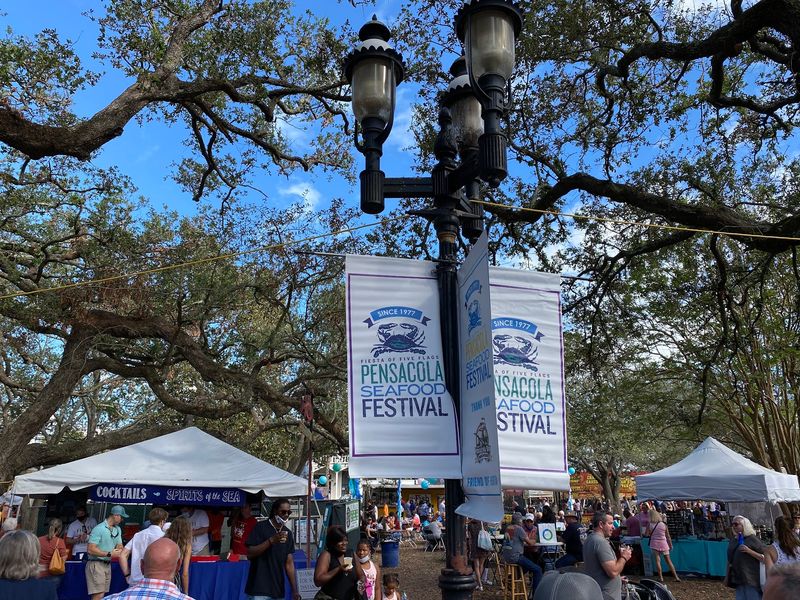
Picture a city park older than the United States itself. Historic Seville Square sits in the heart of Pensacola’s oldest neighborhood, and it has served as public gathering ground since the late 1700s Spanish colonial era.
Massive live oaks spread over the lawn, dripping with Spanish moss. That canopy matters in September, when Florida sunshine still hits hard by early afternoon.
Brick walkways cut across the grass, connecting benches, a gazebo, and open lawn space. During the festival, tents fill those lawns while music carries from stage to stage.
Around the square you will spot restored homes, churches, and storefronts in the Seville Historic District. Many date to the 1800s, painted in soft colors with deep porches and iron details.
Even without a festival, the square rewards a slow walk. Interpretive markers explain the Spanish, British, and American chapters that shaped this corner of the Gulf Coast.
Comfortable shoes help. The pathways are uneven in spots, and the surrounding blocks invite wandering far longer than expected.
Shade, history, and sea breeze make an easy combination.
Artists, Makers, And Coastal Crafts
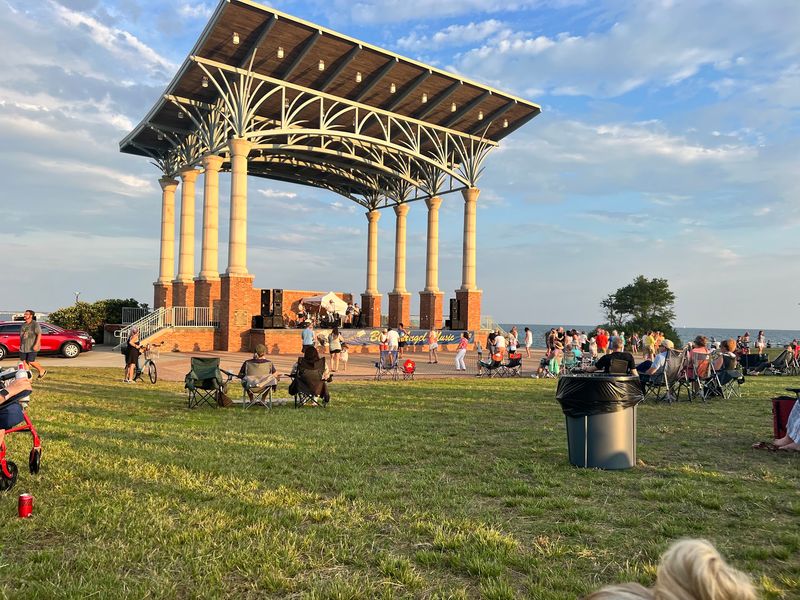
Not everything at the festival is edible. Rows of art and craft booths stretch through Historic Seville Square, offering a break between plates of shrimp.
Expect coastal-themed work. Painters, photographers, potters, jewelry makers, and woodworkers regularly set up, many drawing inspiration from the Gulf shoreline.
Prices range widely. Small prints and handmade earrings sit alongside larger canvases and furniture pieces, so browsing costs nothing and buying is flexible.
Vendors are usually happy to chat. Ask about materials or technique, and you will often get a story about a local beach, bird, or boat.
Shopping early has advantages. Popular items sell out, and carrying purchases gets harder once your hands hold food.
A reusable tote folds flat in a pocket and saves you from juggling bags. Sunglasses and a hat round out the essentials for an afternoon on the square.
Pensacola’s arts community stays active year-round, so the festival booths often serve as an introduction. Several artists operate studios or galleries nearby in the downtown district.
Come for the seafood, leave with something handmade tucked under your arm.
Exploring The Seville Historic District On Foot
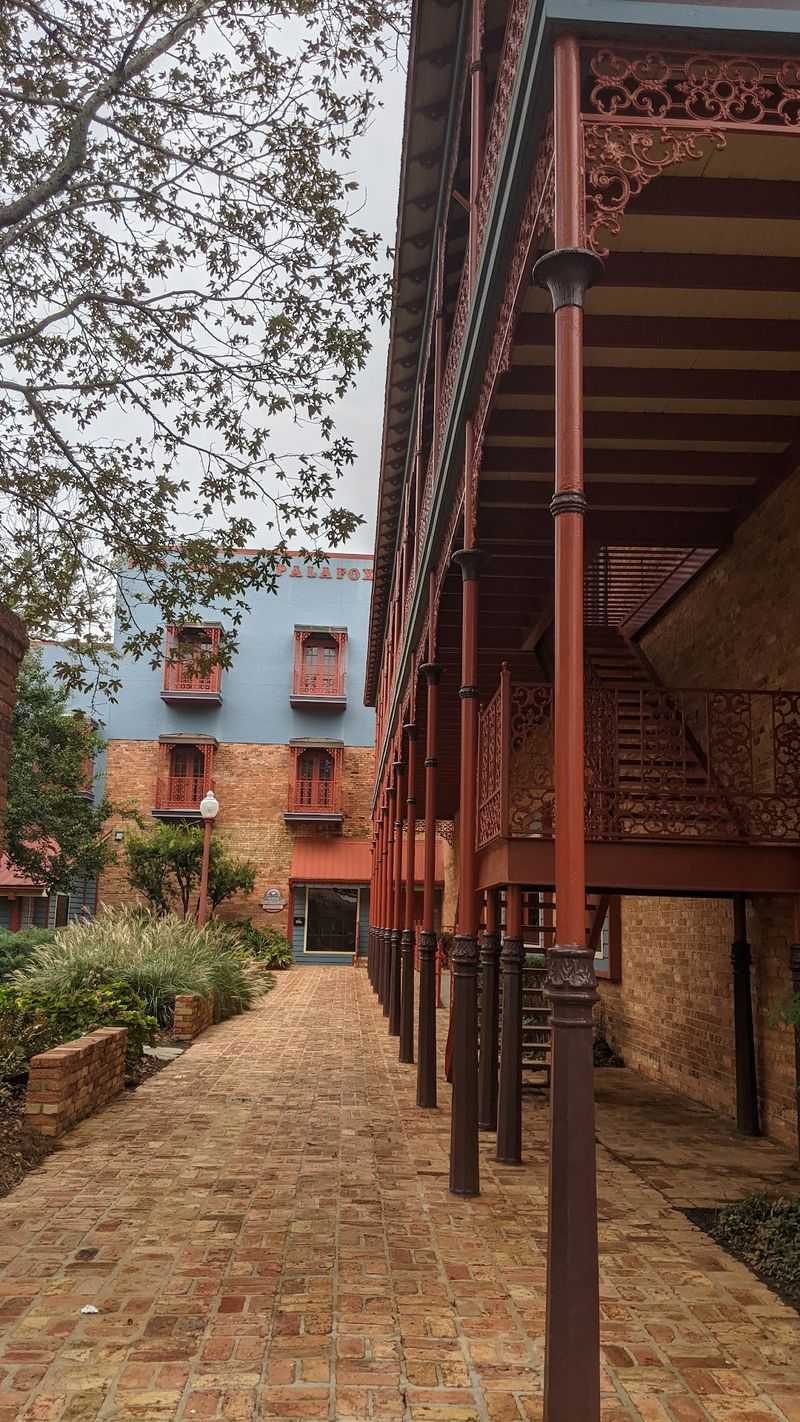
Step a block off the square and the pace slows. The Seville Historic District surrounds Historic Seville Square with restored cottages, Creole-style homes, and brick-lined streets.
Pensacola’s roots run deep here. Spanish settlers established a colony in 1559, and while it did not last, the city claims one of the earliest European settlement attempts in the continental United States.
Historic Pensacola Village sits within walking distance. Museums and preserved buildings there explain the region’s shifting flags and maritime past.
Street names hint at that history. Zaragoza, Alcaniz, and Tarragona all nod to Spanish influence that still shapes the neighborhood’s character.
Restaurants and small shops fill several nearby corners. On festival weekends they get busy, but weekday visits feel quiet and unhurried.
Walking is the best way to see it. Distances are short, sidewalks are shaded, and parking downtown gets tight during big events.
Photographers should aim for morning or late afternoon. Low sun through the oaks lights up the old porches beautifully.
History and hush make a fine contrast to festival noise.
Getting There And Parking Without Stress
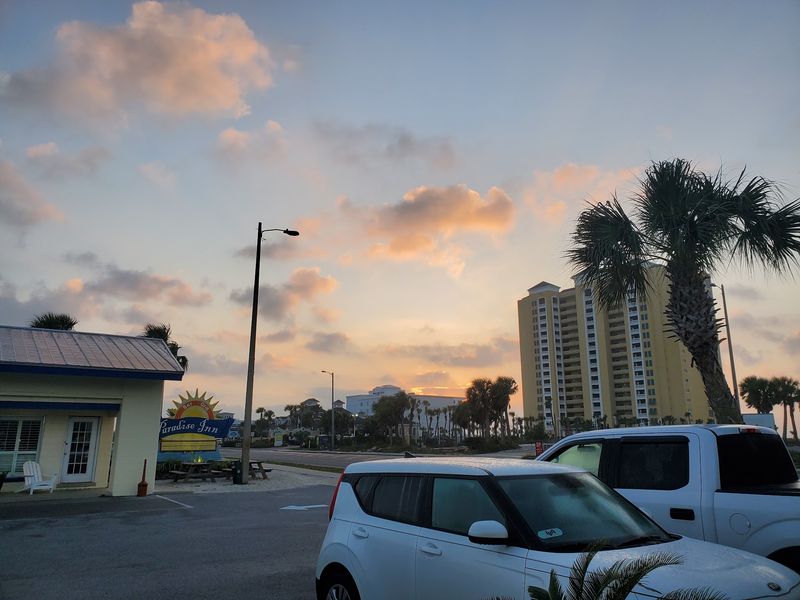
Parking downtown during festival weekend takes a little strategy. Historic Seville Square sits in the eastern edge of downtown Pensacola, surrounded by residential streets with limited spaces.
Public lots and garages operate within a few blocks. Walking ten minutes from a garage usually beats circling the square hoping for a miracle spot.
Arriving before midday helps considerably. Crowds thicken through the afternoon, and nearby streets fill fast.
Rideshare drop-offs work well. Drivers know the area, and skipping the parking hunt saves real time.
Pensacola International Airport sits a short drive away for visitors flying in. Downtown hotels put the square within easy walking distance, which simplifies everything.
Respect residential parking rules. The surrounding neighborhood is a working historic district, and driveways are not festival parking.
Admission to the festival has traditionally been free, with food and drinks purchased individually at booths. Confirm details for the current year, since event policies can change.
Comfortable shoes matter more than you think. Between parking, wandering booths, and exploring the district, step counts climb quickly in Florida’s warm September weather.
Beaches, Bay Views, And Nearby Detours
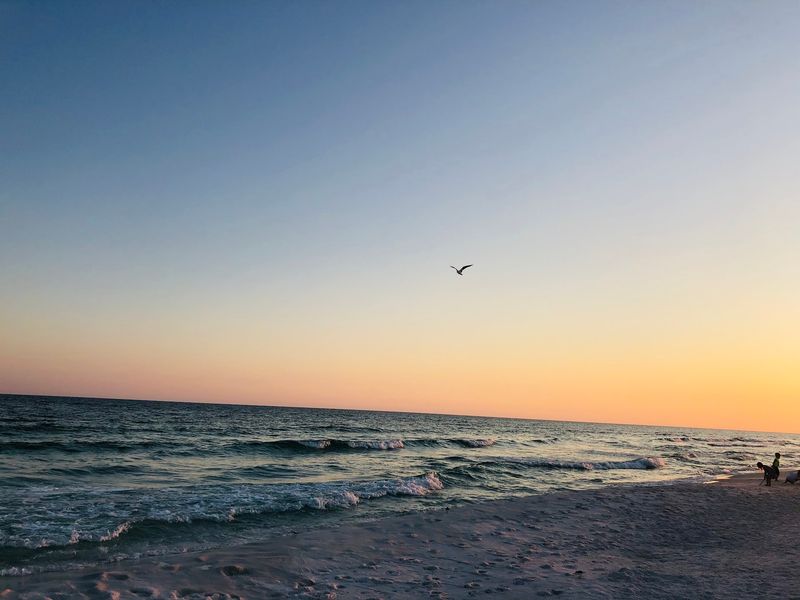
Sugar-white sand sits minutes from the festival grounds. Pensacola Beach, out on Santa Rosa Island, is famous for quartz sand and clear emerald water.
September often delivers warm Gulf temperatures with thinner summer crowds. Swimming, shelling, and long shoreline walks all work well.
Gulf Islands National Seashore protects large stretches of nearby shoreline. Undeveloped dunes and sea oats replace high-rise views there.
Pensacola Bay separates downtown from the barrier islands. The bridge crossing offers wide water views worth the short drive.
Fort Pickens anchors the western tip of Santa Rosa Island. The 19th-century brick fortification pairs history with beach access in one stop.
Weather in September can include tropical systems. Watching forecasts before travel is simply practical along the Gulf Coast.
Splitting the day works nicely. Morning beach time followed by an afternoon at Historic Seville Square makes for a full but relaxed itinerary.
Pack a towel and sunscreen even for a festival-focused trip. Pensacola’s coastline is too close to skip, and the contrast between sand and shaded square is part of the appeal.
Family Fun Between The Food Booths
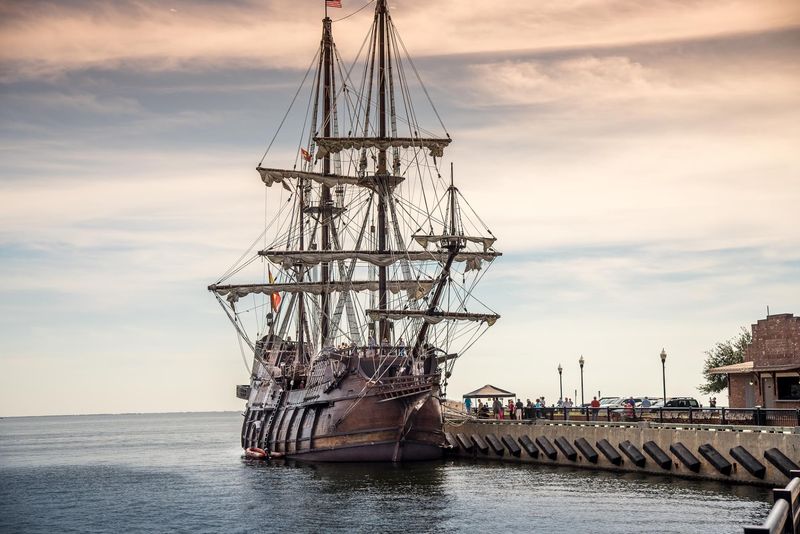
Kids do not survive on gumbo alone. The Pensacola Seafood Festival typically includes activity areas aimed at younger visitors, which buys parents time to eat in peace.
Face painting, games, and hands-on crafts often appear. Details vary year to year, so checking the schedule ahead helps set expectations.
Historic Seville Square helps naturally. Open lawn space lets children run while adults stay parked in the shade nearby.
Strollers work best during the quieter morning hours. Once the walkways crowd, maneuvering becomes a challenge.
Pack water bottles and snacks for small children. Even with shade, Florida’s September humidity adds up quickly.
Establish a meeting point early. Large crowds and multiple entrances make a designated landmark genuinely useful for families.
Nearby attractions extend the day. Historic Pensacola Village and downtown museums give kids something structured after hours of festival wandering.
Restrooms are available on site, though lines form during peak hours. Planning bathroom breaks around less busy stretches saves frustration.
A little preparation turns a chaotic crowd into a fun family outing.
Why This Panhandle City Wins Fall Travel
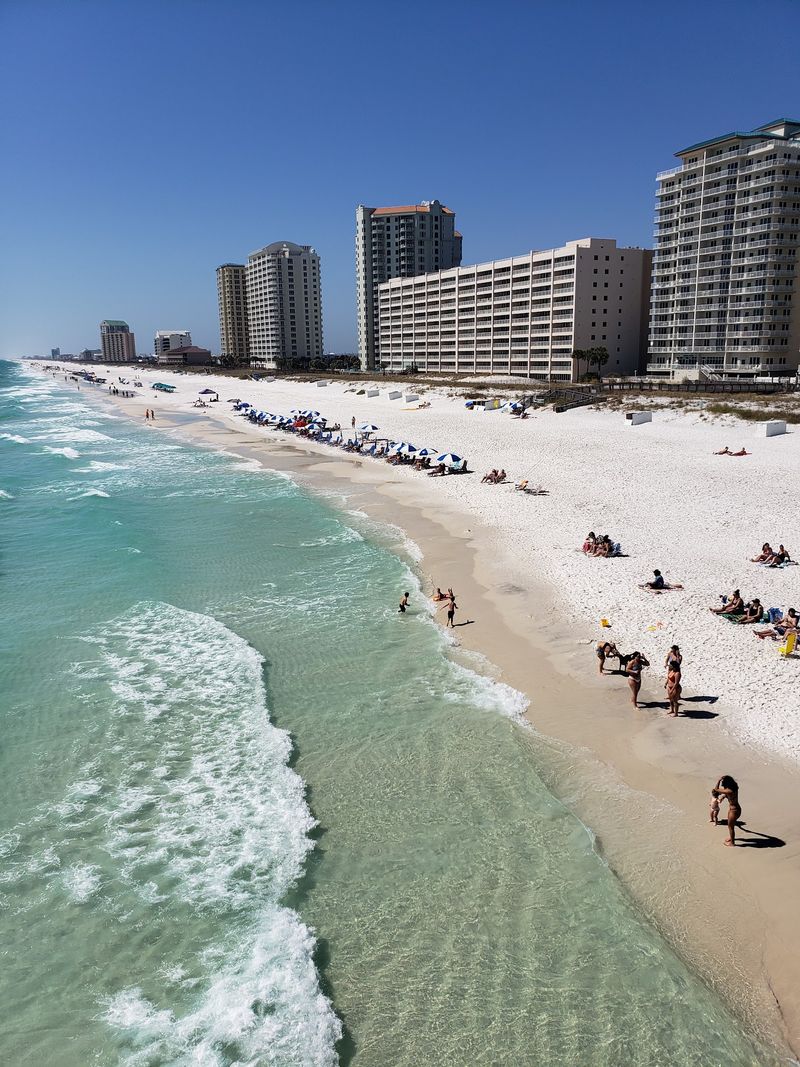
Fall favors Pensacola. Summer heat begins loosening its grip, Gulf water stays swimmable, and hotel rates often ease after peak season.
The Pensacola Seafood Festival gives September a clear anchor. Building a weekend around Historic Seville Square means food, music, art, and history all sit within a few blocks.
Florida’s westernmost city feels different from the peninsula. Spanish colonial roots, deep naval history, and Panhandle accents give it its own identity.
Walkability is a real advantage. Downtown Pensacola packs museums, restaurants, and historic streets into a compact area.
Two or three days covers plenty. One day for the festival, one for the beach, and one for museums and neighborhood wandering works well.
Booking early pays off for festival weekends. Downtown rooms are limited, and demand climbs when the tents go up.
Check official sources for current year dates and any schedule changes. Event details can shift, especially with Gulf weather in the mix.
Between the shrimp, the oaks, and the shoreline, Pensacola makes a strong case for a September road trip through Florida.