
This Tennessee Town Still Has Homes Under $200,000 And Its Population Is Growing
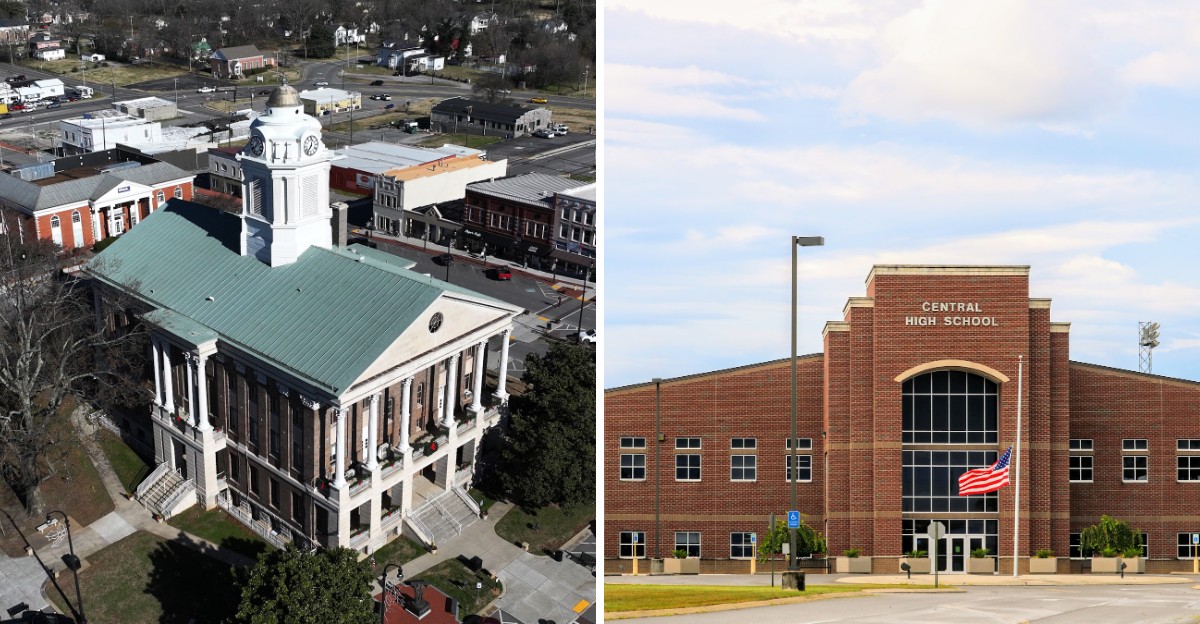
About 50 miles southeast of Nashville, a Tennessee town still has houses listed for under $200,000. That price gets attention, especially when so many buyers are watching every dollar.
There is a catch. Those lower-priced houses represent only part of the market, and an affordable listing can come with repair bills, taxes, and insurance costs that change the math.
Meanwhile, the population grew roughly 11 percent between 2020 and 2025. Builders are pursuing new housing, but more construction does not automatically mean more bargains.
I have to admit, what makes this town interesting is the combination. Local jobs, access to bigger cities, public schools, and a hospital in town give prospective residents more to consider than the purchase price alone.
Finding an affordable house is one thing. Understanding what that money actually buys, and how life here is changing as more people arrive, makes the story even more interesting.
Your Budget Might Actually Survive This House Hunt
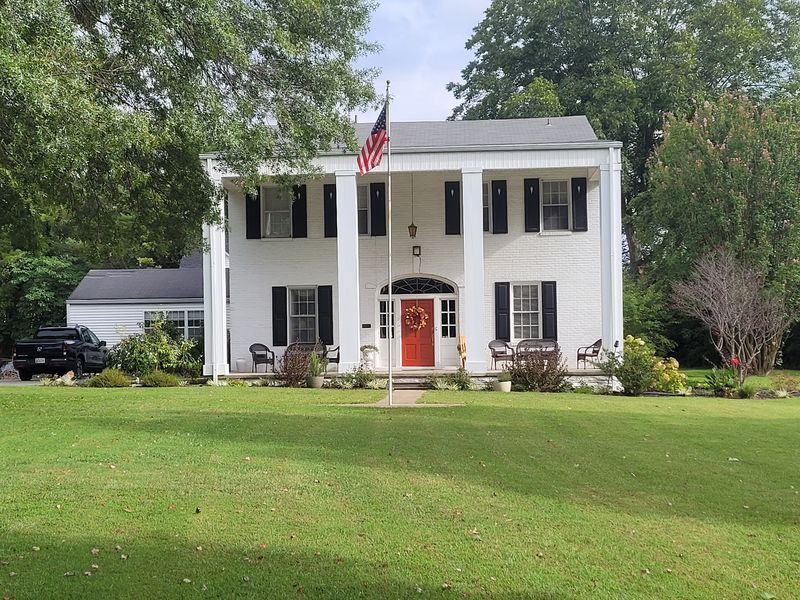
Shelbyville, Tennessee pulls off a rare trick for a growing town near Nashville. It still has homes listed under $200,000.
Weichert Realtors listed roughly 30 properties priced between $100,000 and $200,000 in June 2026, including land and other property types. Listings in that range have included two-bedroom, one-bath houses around 965 square feet.
That’s a starter home, not a closet.
Now for some honesty. The median listing price sits around $339,445, so the bargains aren’t the whole market.
The U.S. Census Bureau reports a median owner-occupied home value of $244,000 for 2020–2024, showing that typical home values are above the $200,000 mark.
Overall housing costs run about 22.9 percent below the national average. The total cost of living comes in roughly 8 percent cheaper than the U.S. average.
Food, transportation, and healthcare also trend lower.
Median household income runs about $55,000 a year. That number matters because affordable homes only help if local paychecks can cover them. Here, the math looks friendlier than in many nearby suburbs.
My advice? Set up listing alerts and move quickly.
Homes in the lower price range rarely sit around long in a town that’s adding residents every year.
New Neighbors Keep Showing Up, And The Numbers Prove It
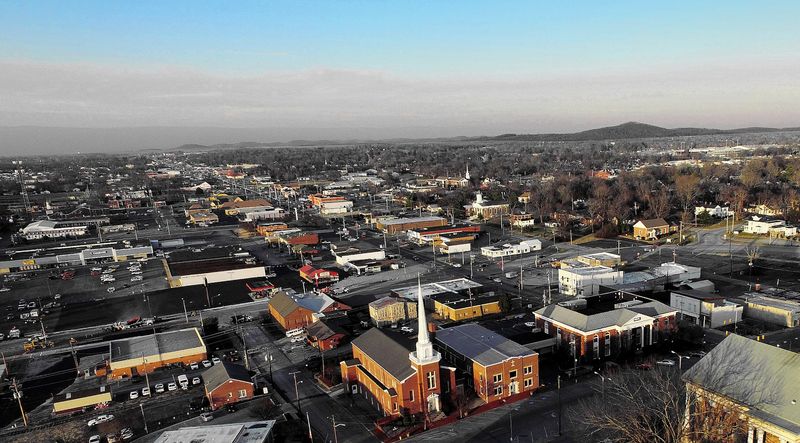
Back in 2020, the census counted 23,557 people in Shelbyville. The U.S. Census Bureau estimated Shelbyville’s population at 26,146 in 2025. That’s an increase of approximately 11 percent since 2020.
The city is growing at roughly 2.15 percent a year. Projections point to more growth ahead.
Not bad for a place founded more than two centuries ago.
Location explains a lot. Shelbyville sits about 50 miles southeast of Nashville.
That gives residents room to breathe while keeping the big city within reach for work, concerts, or a flight out.
Shelbyville also serves as the county seat of Bedford County, Tennessee. That means courts, county offices, and plenty of everyday services sit right in town.
You won’t drive forever to renew paperwork.
Growth brings change, of course. More traffic and new construction usually tag along. Still, a town of under 30,000 people keeps a scale where faces start looking familiar.
Want to stay in the loop before moving? Local outlets like Shelbyville Now and the Shelbyville Times-Gazette cover city news.
Reading them is a smart way to learn the town before you sign anything.
What Homes Under $200,000 Actually Look Like In Shelbyville
A price below $200,000 can still buy a house in Shelbyville, but buyers should know what that budget usually covers.
Recent listings have included a two-bedroom, two-bath house priced at $155,000 with 858 square feet of living space. Another three-bedroom, one-bath property was advertised for $180,000 with just over 1,000 square feet.
Those are actual houses, not empty lots. However, availability changes frequently.
The larger picture matters just as much. Redfin reported a median Shelbyville sale price of approximately $271,000 for the three months ending September 2026.
That puts a $200,000 budget below the middle of the market and helps explain why shoppers have fewer choices at that price.
Before making an offer, buyers should look beyond the listing photos. Roof condition, plumbing, heating and cooling systems, and potential repair costs can make an inexpensive house considerably more expensive.
Property taxes, insurance, and closing costs also belong in the calculation.
One important detail is easy to miss. Real estate websites sometimes include vacant land in searches for properties under $200,000.
Filtering specifically for houses gives buyers a more accurate picture of what’s available.
Shelbyville still offers genuine opportunities for budget-conscious buyers, provided they’re realistic about home size, condition, and overall expenses.
New Home Construction Could Change What Buyers Find Next
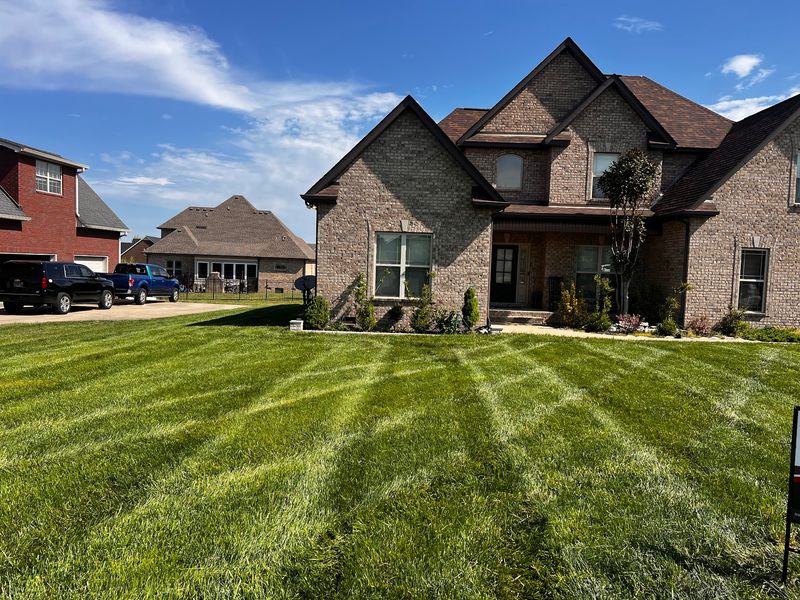
A growing population raises an important question in Shelbyville. Can the town build enough homes to keep up with demand?
Building permit figures show construction is active. During the 12 months ending in August 2026, permits authorized 202 housing units in Shelbyville, all in single-unit buildings.
That shows continued interest in building homes, although permits don’t necessarily mean construction is finished or properties are available to purchase.
Larger developments are taking shape too. In May 2026, city leaders approved the Remington Farms planned development along Union Street after discussions about traffic, infrastructure, and public services.
For prospective buyers, this activity matters. New construction could eventually provide more housing choices, but additional homes don’t automatically mean more properties priced below $200,000.
New houses often carry different costs than older properties, and prices depend on size, location, and construction expenses.
Anyone considering a move should pay attention to both existing listings and upcoming developments. Checking proposed home prices, construction timelines, and neighborhood plans can reveal opportunities that aren’t immediately obvious.
Shelbyville’s population is increasing, and its housing market is responding with additional construction.
The important question is whether that new supply will help preserve affordable options for buyers in the years ahead.
The Cost Of Living Goes Beyond Finding An Affordable House
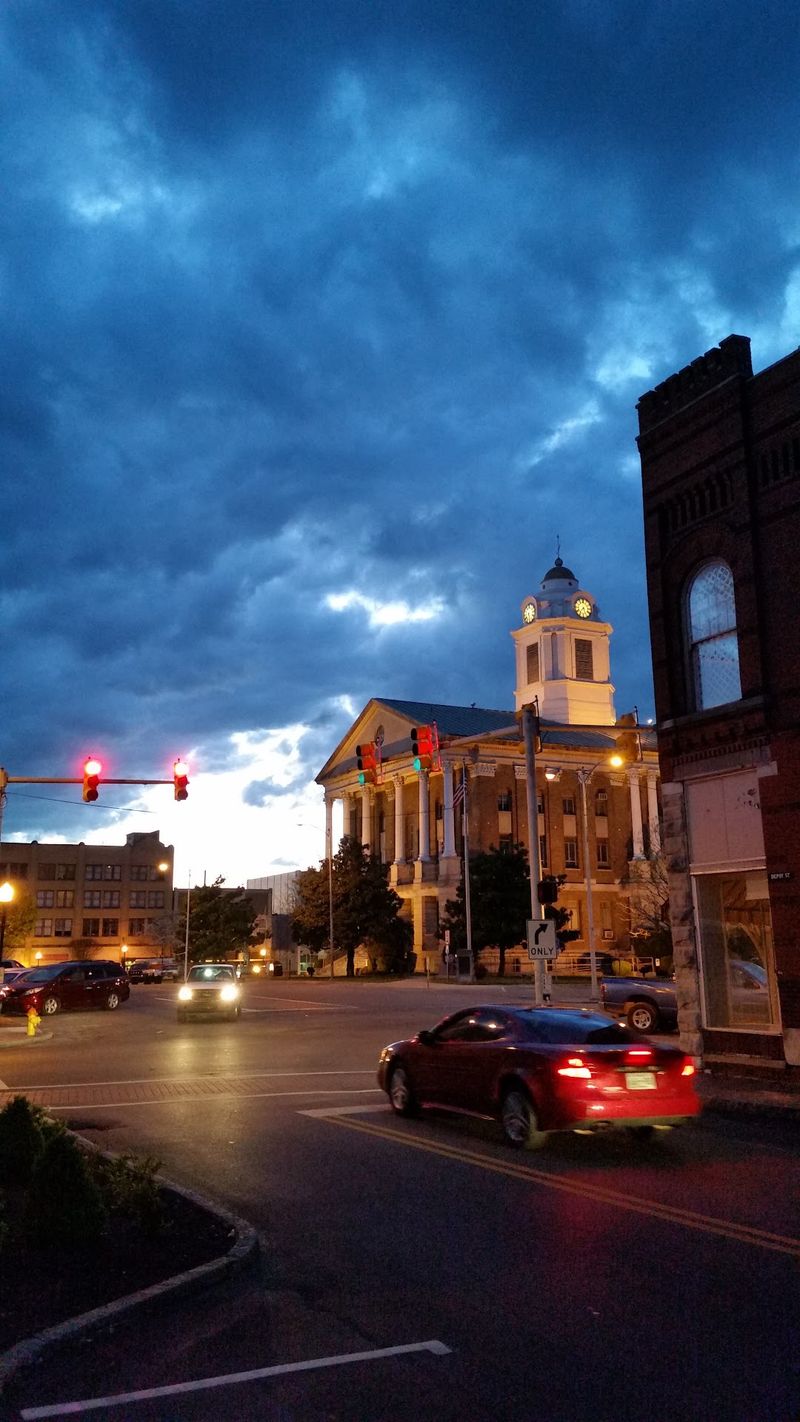
A house priced under $200,000 can look like a bargain in Shelbyville, but the purchase price is only one part of what it costs to live there.
Property taxes deserve a closer look. Tennessee taxes residential property using 25 percent of its appraised value, with local tax rates applied to that assessed amount.
A home inside Shelbyville city limits can face both city and Bedford County property taxes, so buyers should request an estimate for the exact address.
There is one financial advantage: Tennessee does not tax earned income at the state level. Still, that doesn’t eliminate sales taxes or everyday household expenses.
Shelbyville Power, Water, and Sewerage System supplies electric, water, and sewer services locally. Utility bills can differ depending on the home’s size, insulation, heating system, and usage.
Transportation matters too. A household commuting regularly to Murfreesboro or Nashville should budget for fuel, vehicle maintenance, and time on the road.
Insurance premiums and repair costs can change the picture further, particularly for an older home with an aging roof or cooling system.
Before choosing a property, compare estimated mortgage payments, taxes, insurance, utilities, and commuting costs. That full monthly figure is a more useful measure of affordability than the listing price alone.
Local Jobs And A Convenient Location Help Explain The Population Growth

Shelbyville’s population increase is more than a prediction. The U.S.
Census Bureau counted 23,557 residents in 2020 and estimated 26,146 in 2025.
That’s roughly 11 percent growth in five years, a meaningful change for a city of this size.
Part of Shelbyville’s appeal may be its combination of local jobs and access to larger Middle Tennessee communities.
Major area employers include Tyson Foods, Marelli, the Walmart Distribution Center, Bedford County Schools, and Vanderbilt Bedford Hospital.
That mix provides employment opportunities in manufacturing, logistics, education, and healthcare.
Location adds another advantage. Shelbyville sits approximately 25 miles from Murfreesboro and 50 miles from Nashville.
Residents have access to larger employment and shopping centers without necessarily living in those cities, although commuting times depend on traffic and the route.
Of course, not every newcomer arrives for the same reason.
Some may prioritize work opportunities, while others appreciate housing prices, family connections, or the town’s everyday conveniences.
Population growth also brings practical questions about roads, schools, and future housing supply.
For prospective buyers, the important point is that Shelbyville is attracting more residents while still offering some houses below $200,000.
Understanding both trends gives a clearer picture of the town’s future.
What Families Should Know Before Moving To This Growing Town
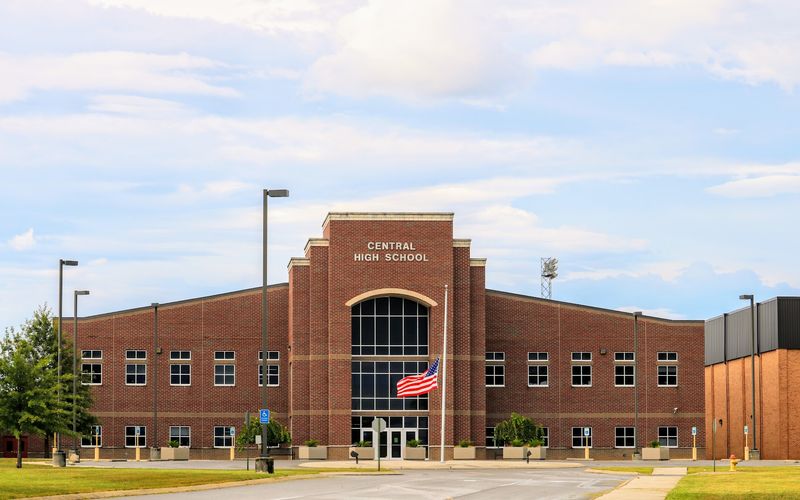
Families considering Shelbyville have several practical details to check before choosing a neighborhood, starting with schools.
Public schools are operated by Bedford County Schools, which includes Shelbyville Central High School, Harris Middle School, and several elementary schools. Attendance zones matter because the school assigned to a home may not be the one closest to it.
The district opened Cartwright Elementary School in August 2024 and adjusted school boundaries as part of that process. Parents should confirm current assignments and transportation options directly with the district before buying.
Healthcare is another important consideration. Vanderbilt Bedford Hospital is in Shelbyville and offers emergency care around the clock, along with services such as primary care, surgery, and rehabilitation.
That gives residents access to a local hospital without traveling to a larger city for every appointment.
Daily routines deserve attention as well. Families can use local parks and recreation programs, but should also check childcare availability, grocery access, and the actual drive between home, school, and work.
Shelbyville’s growing population makes planning especially important. A neighborhood that seems convenient during a weekend visit may feel different during weekday traffic.
Checking these details first helps families judge whether an affordable home will also fit their everyday needs.