
The 9 Small Tennessee Lake Towns With Main Streets That Feel Like A Trip Back In Time
One Tennessee downtown sits lower than the lake beside it, protected by an earth-and-stone dike constructed between 1942 and 1943. When a new dam threatened to flood the old Main Street, the town fought back and saved it.
I love that kind of stubborn.
That story sent me looking for more lake towns that held tight to their past. The search turned up courthouse squares, a general store with old-time music on Saturday nights, and a rebuilt frontier fort on a hill above the water.
One town hosted the most talked-about courtroom fight of the 1920s. Another sits close to the log cabin where a Nobel Peace Prize winner was born.
Each spot lets you trade a morning on the water for an afternoon on sidewalks made for slower days. So which one gets your first road trip?
1. Dandridge
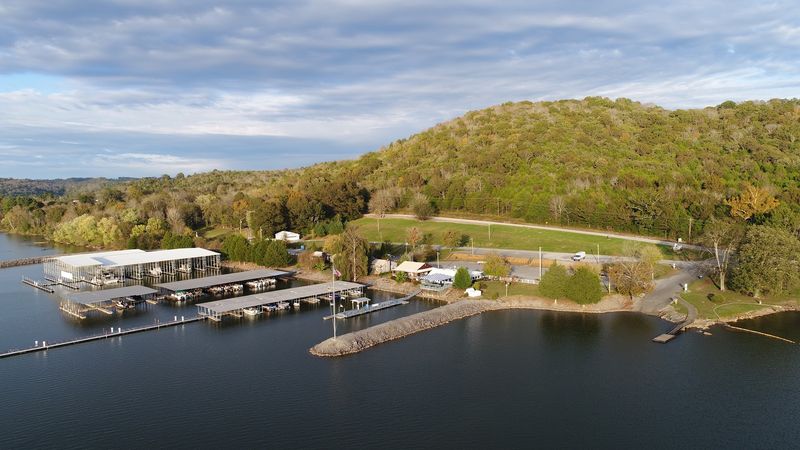
Most towns run from floodwater, but Dandridge built a wall and dared Douglas Lake to try it. That earth-and-stone dike was constructed between April 1942 and July 1943 to protect the historic downtown from the new reservoir.
The town itself goes way back. Founded in 1783, it’s officially the second oldest town in Tennessee.
Its name honors Martha Dandridge Washington, the very first First Lady. Pretty fancy namesake for a small lake town, right?
The downtown is a National Historic District, so the old buildings get serious respect. You can follow a self-guided walking tour that covers 21 historic sites.
Grab a brochure at the Dandridge Visitors Center or Town Hall before you start. Then let your feet do the time traveling.
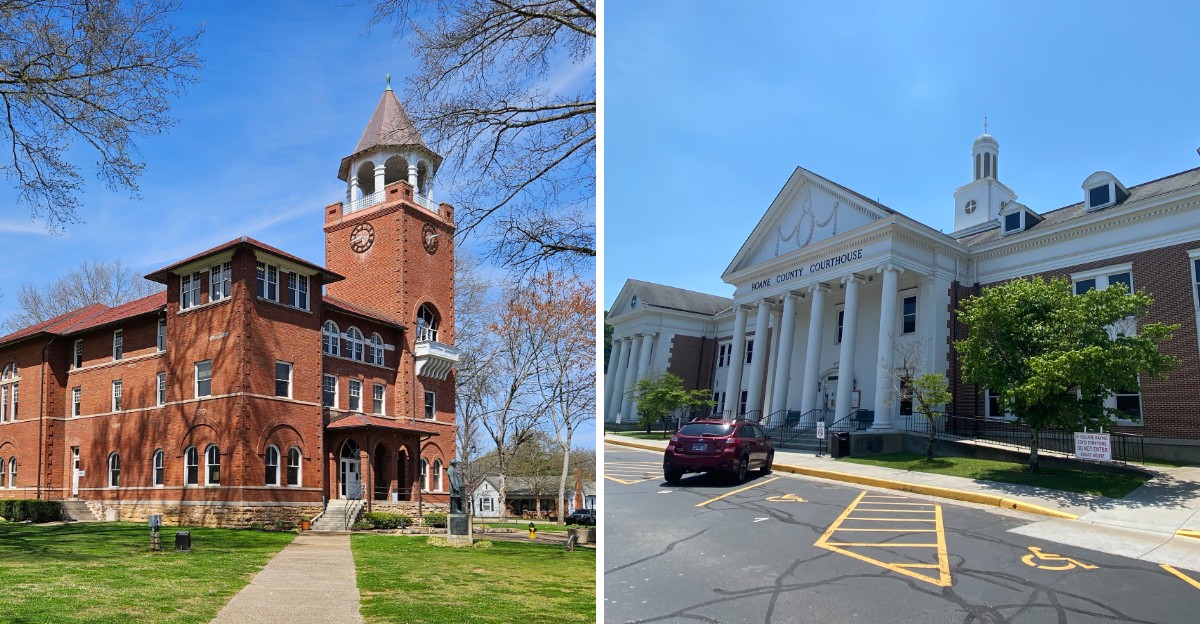
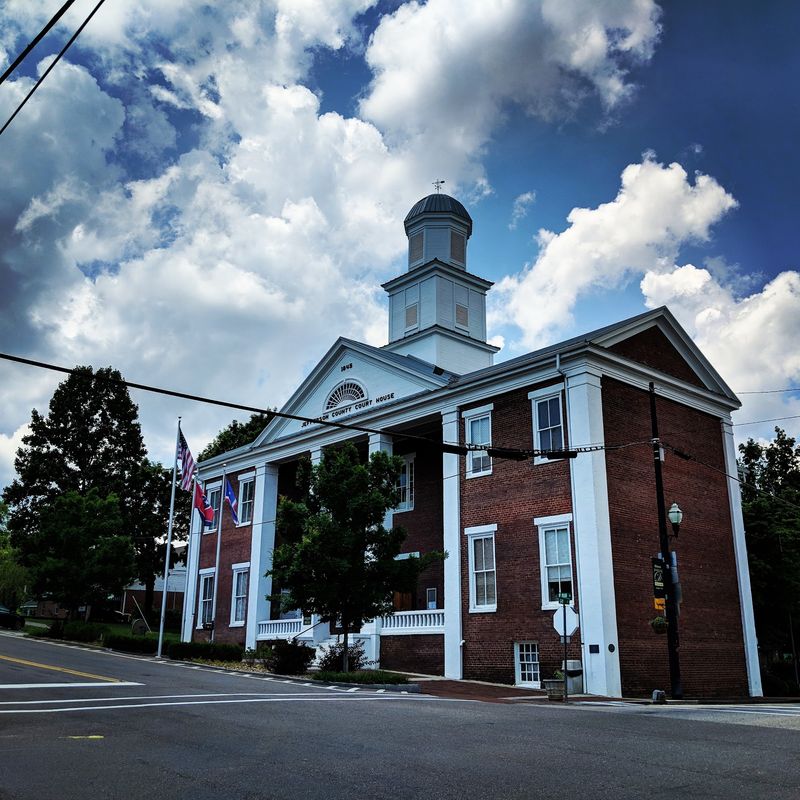
Keep an eye out for the Jefferson County Courthouse, finished in 1845. It ranks among the oldest courthouses in the state.
Old taverns are another big deal here. Four from the early days are still standing, which is a lot of history for one small downtown.
Town Hall now lives inside the Hickman Tavern, built around the 1820s. Shepard’s Inn hosted three presidents: Andrew Jackson, James K.
Polk, and Andrew Johnson.
Hungry after all that walking? The Tinsley-Bible Soda Fountain is known for its Bible Burger, milkshakes, and banana splits.
Shoppers can browse the Maxwell House, also called the 1882 Building, with gift shops tucked under one Victorian roof. Then wander back toward the dike and admire the wall that saved it all.
2. Granville
Saturday night in Granville comes with a fiddle soundtrack. The T.B. Sutton General Store hosts old-time and bluegrass music that turns a country store into a small concert hall.
The store dates to the 1880s, and it still looks the part. Wooden shelves and an old counter give the place a feel straight out of great-grandpa’s photo album.
You can grab a meal there too. Supper before the music is part of the fun for plenty of visitors.
Granville sits on the shore of Cordell Hull Lake in Jackson County. It’s tiny, and that’s the charm.
The town has leaned into its history in a big way. Restored buildings line the streets, and the Granville Museum shares stories about life along the Cumberland River.
River trade once kept this place busy. Steamboats and farm goods were the big news long before anyone owned a car.
Spring is a great time to plan a trip. Heritage Day brings crafts, music, and old-fashioned fun to town each year.
Want a quieter day? Walk the streets slowly, read the historic markers, and peek into the shops.
Fishing and boating on Cordell Hull Lake are close by. So you can cast a line in the morning and tap your toes by evening.
Few small towns pack this much personality into so few blocks. Granville proves that size doesn’t decide how much fun a Main Street can be.
3. Winchester
A famous singer once called this courthouse square home. Dinah Shore, the TV and music star, was born in Winchester and spent her early childhood there before her family eventually settled in Nashville.
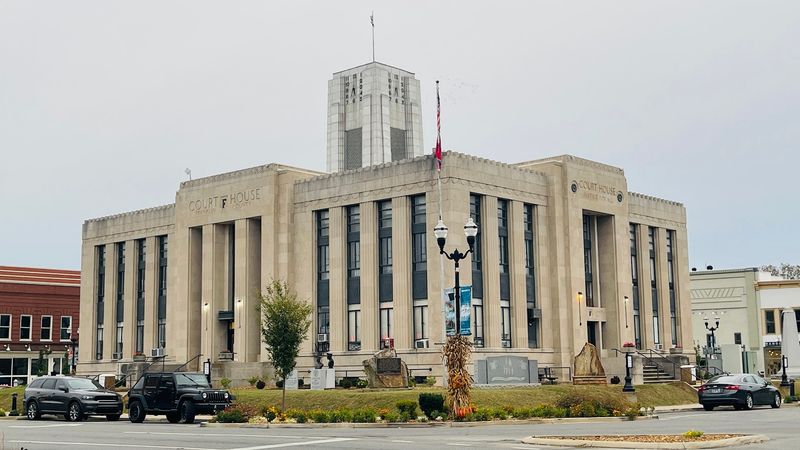
Today the town wraps around the Franklin County Courthouse. Brick storefronts frame the square like a picture from an old postcard.
Winchester is one of the main gateway towns to Tims Ford Lake, with boating, fishing, and waterfront recreation just minutes from downtown. That means boat ramps and beach time sit just minutes from downtown sidewalks.
Tims Ford State Park is a favorite for hiking, fishing, and paddling. After a day outdoors, the square is an easy place to slow down.
History buffs should check out the Old Jail Museum. The building once held prisoners and now holds stories about Franklin County’s past.
Exhibits cover local history, including the Civil War era. It’s a fun stop if you like poking around old rooms with tall ceilings.
Back on the square, you can browse local shops and grab a bite. The pace feels slower here, and that’s a compliment.
Look up while you walk. The old buildings have details that modern shopping centers simply skipped.
Winchester also makes a solid home base for exploring southern Tennessee. Small towns and country roads fan out in almost each direction.
So pack a swimsuit and comfortable walking shoes. Lake time and square time pair nicely here.
4. Kingston
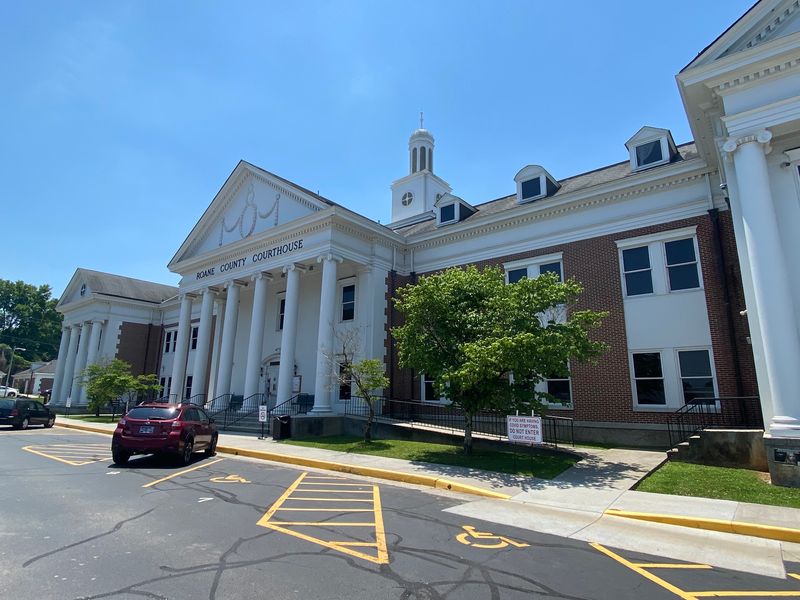
Kingston once served as the capital of Tennessee for exactly one day. That happened in 1807, and the town has been proud of it ever since.
Talk about a short term in office. Still, it makes for a great trivia answer at your next family dinner.
The town sits on Watts Bar Lake, where the Clinch and Tennessee Rivers meet. Water views pop up around plenty of corners here.
For a big dose of history, head to Fort Southwest Point. The frontier fort was partly rebuilt on its original site, high on a hill above the water.
Wooden blockhouses and walls show what life looked like for soldiers in the 1790s. The view from up top is a nice bonus too.
A small museum on the grounds shares more of the story. You’ll learn about the fort’s role in early U.S. military operations and territorial disputes involving settlers and the Cherokee Nation.
Downtown Kingston centers on Kentucky Street and the Roane County Courthouse area. Old brick buildings give the streets a classic small-town look.
Spend some time at the waterfront parks too. They’re great spots for a picnic, a stroll, or just watching boats drift by.
Kingston blends lake fun and frontier history without trying too hard. It’s an easy day trip that feels much older than the drive suggests.
Just don’t ask locals to campaign for capital status again. One day was plenty.
5. Spring City
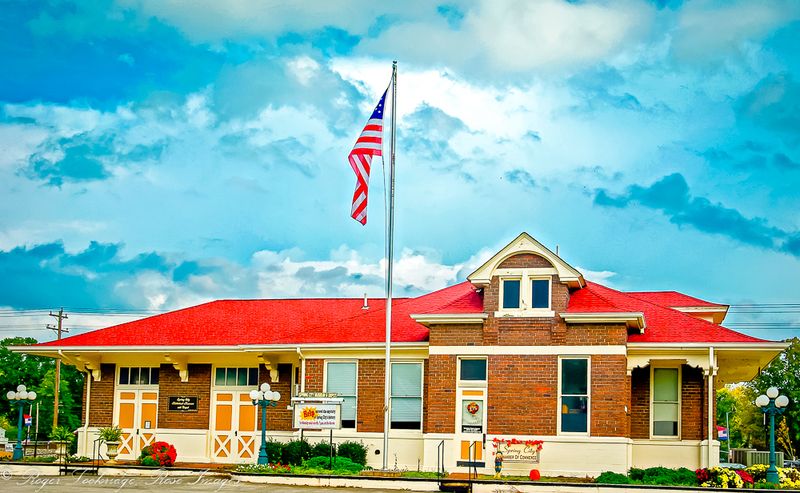
Railroad tracks run right through the heart of Spring City, and the town’s old-fashioned downtown still looks remarkably connected to its railroad past.
The real showpiece is the historic Spring City Depot, a beautifully restored early-1900s train station with red roofing, brick walls, and white decorative trim.
Today, the building houses the Spring City History Museum and Chamber of Commerce. Inside, photographs, artifacts, and exhibits tell the story of how the railroad helped transform this quiet Tennessee community.
One fascinating exhibit covers the Rhea County Spartans, a group of women who supported Confederate soldiers during the Civil War and were later accused of spying.
Step back outside, and Front Street offers more reminders of the town’s earlier days. Older commercial buildings, local restaurants, and small boutiques create a downtown atmosphere that feels pleasantly removed from modern shopping centers.
There’s even a community theater nearby. Tennessee Valley Theatre hosts plays, musicals, and special performances, keeping another old-fashioned tradition alive.
What makes Spring City especially appealing is that the railroad isn’t just a museum exhibit. Trains still pass through town, adding real movement and sound to its historic setting.
Watts Bar Lake is only a short drive away, offering fishing, boating, and beautiful waterfront scenery.
Spend your morning exploring the depot, grab lunch downtown, and head toward the lake afterward.
It’s the sort of Tennessee town where the journey through history starts before you even leave Main Street.
6. Celina
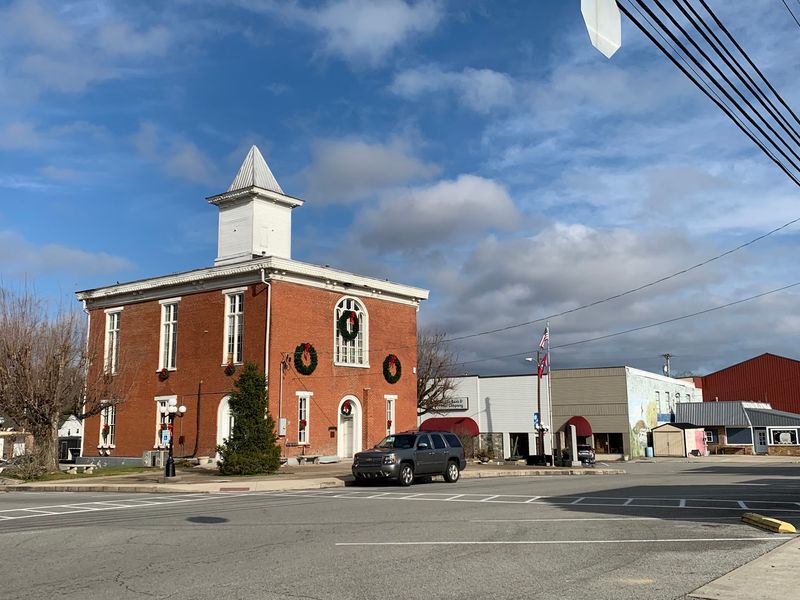
Some Tennessee towns have a historic courthouse square. Celina has one where the courthouse bricks were actually made from clay dug right out of the square itself.
That remarkable building has stood since 1873, making it one of the most interesting landmarks in the Upper Cumberland region.
Its Italianate-style architecture, tall windows, and distinctive cupola give downtown Celina the appearance of a place that hasn’t completely surrendered to modern times.
But the courthouse is more than a beautiful old building. It has become a cultural arts center, with historical exhibits, performances, and community celebrations.
Visitors can also learn about a distinctly local tradition at the Rolley Hole Marble Museum, which celebrates the region’s competitive marble-playing heritage.
The surrounding streets are worth wandering, too. Family-owned businesses and modest storefronts preserve the atmosphere of a traditional Tennessee county seat.
Celina wasn’t always centered around this square. The community once developed closer to the Cumberland and Obey Rivers, where boats transported lumber, crops, and livestock toward Nashville.
As the town evolved, its downtown gradually shifted toward the courthouse.
That history gives the streets an interesting story beyond their vintage appearance.
And there’s another reason to visit. Dale Hollow Lake, famous for its clear waters and excellent fishing, sits just minutes away.
Grab lunch downtown, admire the courthouse, and spend the afternoon beside the lake.
Few places combine a historic Tennessee square and waterfront adventures quite so naturally.
7. Byrdstown
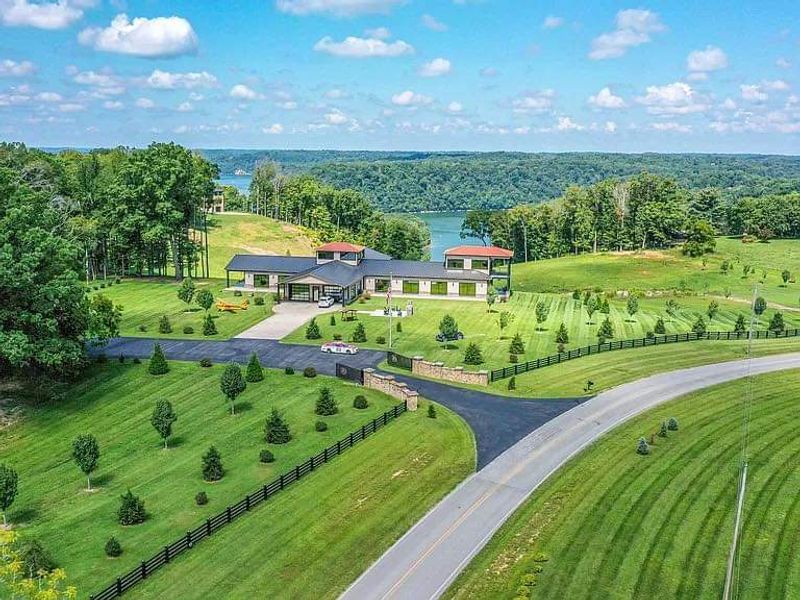
A stone courthouse with an old-fashioned cupola stands at the heart of Byrdstown, giving this little Tennessee community a downtown landmark that’s hard to overlook.
The Pickett County Courthouse, completed in 1935, was built using regional Crab Orchard stone. Its Colonial Revival design and distinctive roofline make it feel like something from an earlier chapter of Tennessee history.
The building replaced an older courthouse that was destroyed by fire in 1934. Today, it’s listed on the National Register of Historic Places.
But here’s something even more interesting. Near the courthouse stands the Arch Miller Building, constructed around 1880 to 1882.
Its first floor served commercial purposes, while the upper floor once hosted county court meetings and later a Masonic lodge.
That’s a remarkable piece of Byrdstown’s early history hiding among the downtown buildings.
Main Street has another nostalgic attraction worth noticing: an old Gulf service station with a colorful mural. It’s a cheerful reminder of the days when independent filling stations were familiar sights along America’s highways.
The surrounding storefronts, small businesses, and quiet streets add to the sense that Byrdstown prefers a slower pace.
Nearby Dale Hollow Lake provides the perfect contrast, with boating, swimming, and fishing just a short drive away.
History lovers can also visit Cordell Hull Birthplace State Park, honoring the Tennessee statesman who received the Nobel Peace Prize.
Spend some time around the courthouse before heading to the water. Byrdstown’s charm is easy to miss if you drive straight through.
8. Dayton
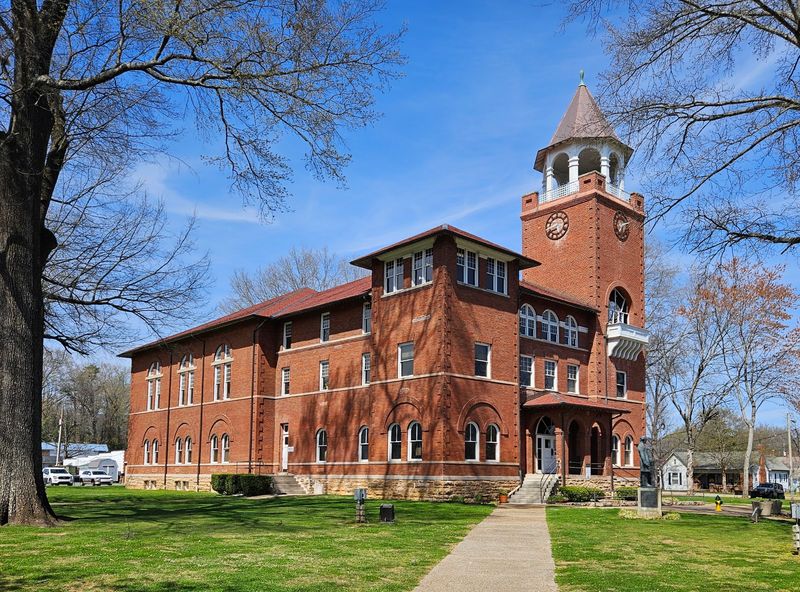
In 1925, the whole country turned its eyes toward one small-town courtroom. The Scopes Trial happened in Dayton, and it became one of the most famous trials in American history.
The case was about teaching evolution in public schools. Big names William Jennings Bryan and Clarence Darrow faced off in the courtroom.
Here’s the fun part: the Rhea County Courthouse still stands. You can visit the actual courtroom where the trial took place.
A museum in the courthouse basement tells the full story. Photos and displays help you understand why the trial grabbed so much attention.
Out front, statues of Bryan and Darrow stand on the lawn. They make for a great photo, especially if you like history with a little drama.
Each summer, the town hosts the Scopes Trial Play and Festival. Actors bring the courtroom story back to life right where it happened.
Dayton also sits near Chickamauga Lake on the Tennessee River. That means fishing and boating are easy to add to your trip.
The lake is known for big bass, so anglers often have this area on their radar. Bring your gear if you like a challenge.
Downtown Dayton mixes old brick buildings with local shops and places to eat. It’s easy to walk around after the courthouse tour.
Few towns let you stand inside a famous chapter of American history. Dayton does, and it makes the trip unforgettable.
9. Smithville
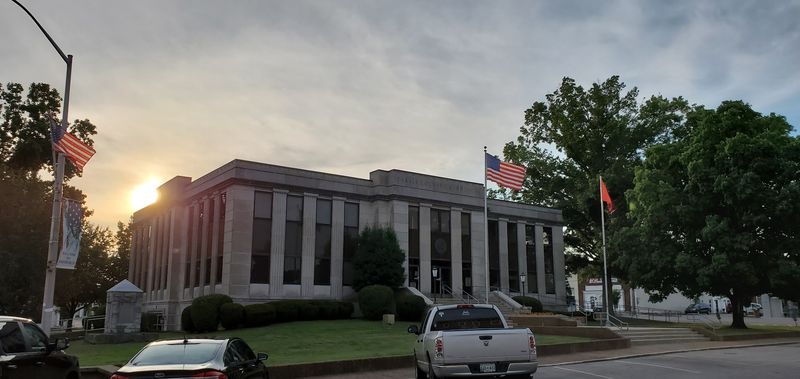
Fiddles, banjos, and clogging shoes take over Smithville’s public square each summer. The Smithville Fiddlers Jamboree has been a beloved tradition since the early 1970s.
Musicians compete in old-time and bluegrass categories. Craft booths fill the area around the courthouse, adding to the festival feel.
Even outside festival weekend, the square keeps its old-school look. The DeKalb County Courthouse sits at the center, surrounded by local businesses.
It’s the kind of downtown where you can park once and walk around for a while. Small shops and local eateries make it easy to linger.
Center Hill Lake is just a short drive away. Its deep, clear water and green hills make it a popular spot in Middle Tennessee.
Edgar Evins State Park sits on the lake’s shore. You’ll find hiking trails, cabins, and an observation tower with wide views.
Boaters love the coves and bluffs around Center Hill. Kayakers can find quieter corners to paddle and explore.
Smithville blends music history with lake fun in a way that feels relaxed. It’s great for families who want a little of both.
Plan ahead if you’re going during the Jamboree. The square gets busy, so arriving early helps you grab a good spot.
Bring a lawn chair and an open ear. You might leave humming a fiddle tune all the way home.