
This Virginia Mountain Town Became So Popular Locals Barely Recognize It Anymore
You know a mountain town has changed when locals start planning errands around tourist traffic. That is exactly what seems to be happening in this corner of Virginia. Streets that once felt calm can now crawl with cars on busy weekends.
Parking fills up early. Restaurant waits stretch longer. Even a quick afternoon downtown can feel completely different than it did a few years ago.
The attention did not appear out of nowhere. This place has the mountain scenery, historic character, and small businesses that travelers love finding. But popularity has brought a new problem.
People who remember quieter days are watching their hometown adjust to crowds that keep getting bigger. Some welcome the energy and money visitors bring. Others miss the slower pace that made the town special in the first place.
So how did this small Virginia community become one of the state’s most talked-about mountain escapes, and what has all that attention changed?
How A Sleepy Railroad Village Turned Into Trail Town USA
Back in the early 1900s, this valley echoed with logging trains and sawmill whistles, not trekking poles. Timber built Damascus, and when the forests thinned out, the trains eventually stopped rolling.
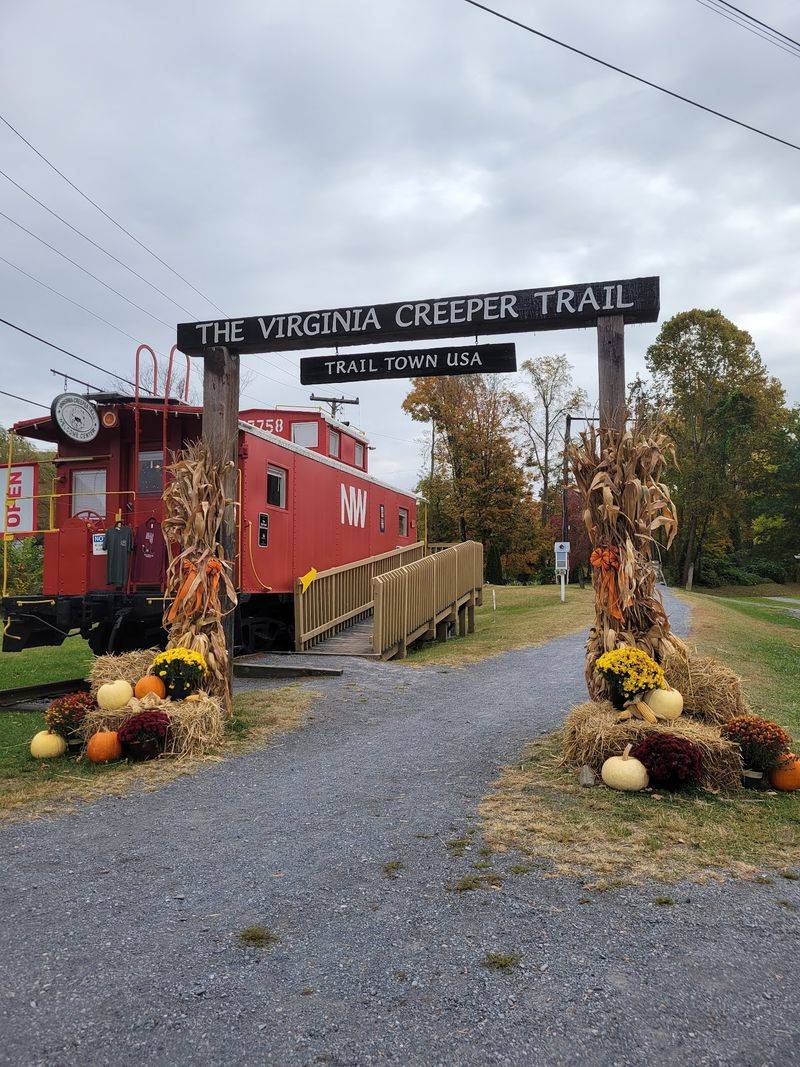
What saved the town was something nobody expected. The Appalachian Trail was routed right down the main sidewalk, and later the abandoned rail bed became the Virginia Creeper Trail.
Suddenly a quiet Virginia village had two of the most beloved paths in the eastern United States crossing through it.
Locals started calling it Trail Town USA, and the nickname stuck like pine sap. Seven trails in total converge here, which is a wild number for a place this size.
Older residents remember when you could nap on Laurel Avenue. Now they dodge shuttle buses.
Funny how a town can be rescued and rattled by the very same thing, isn’t it?
When The Appalachian Trail Walks Down Your Main Street
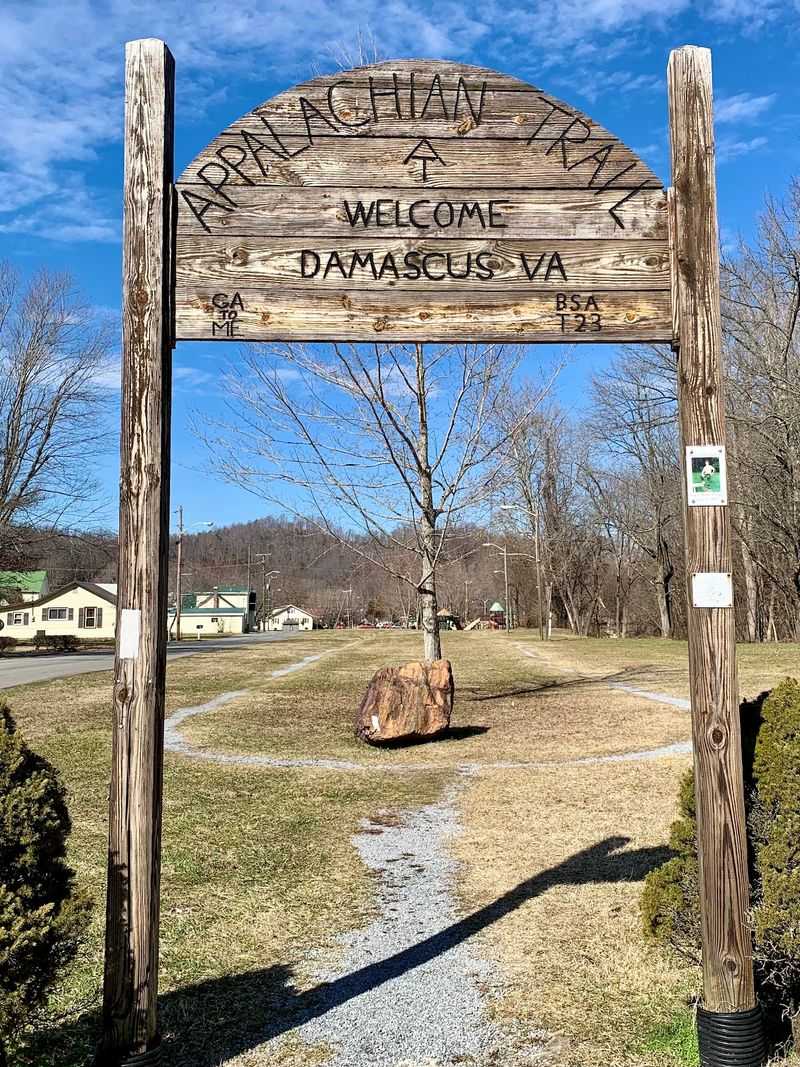
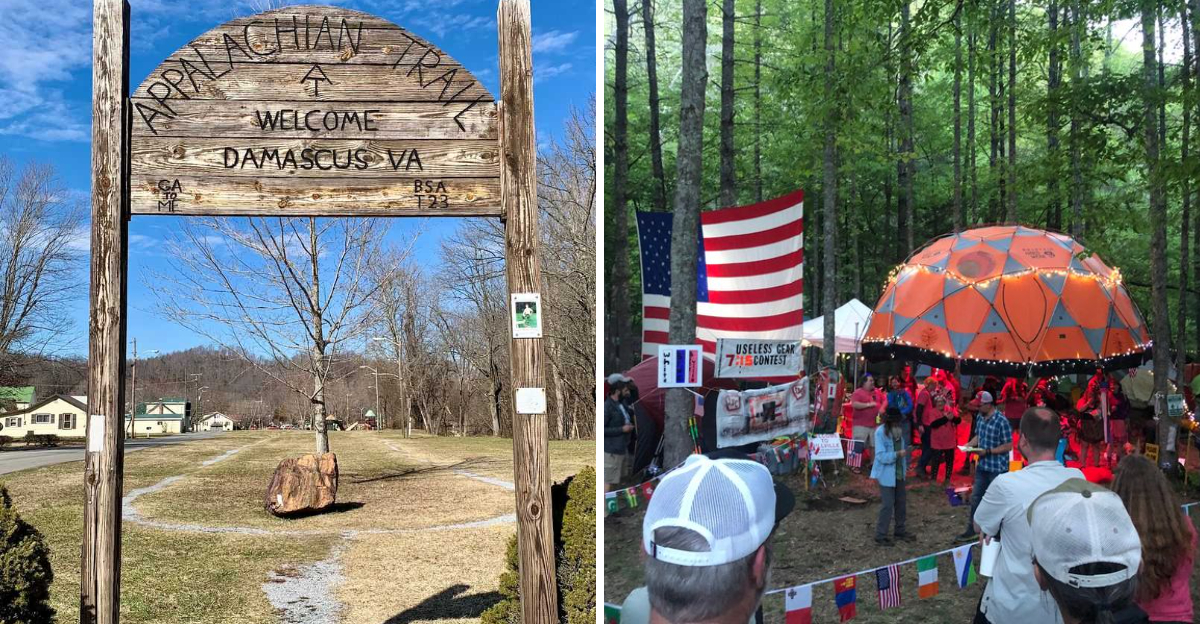
Very few towns can say a national scenic trail runs through their downtown, but here the white blazes are painted on street posts and utility poles.
I followed them on foot one morning, past a hardware store, a church, and a hostel porch full of hikers eating pizza. The trail crosses the Laurel Creek bridge and slips back into the woods almost apologetically.
Thru-hikers walking from Georgia to Maine reach Damascus around 470 miles in, usually hungry, usually limping. Locals have seen thousands of them, and many can spot a first-timer by the size of the pack.
That constant parade of strangers changed the rhythm of the place. Some residents love the energy, others miss the calm.
Ever had a famous footpath as a neighbor? Around here, it’s just Tuesday.
The Virginia Creeper Trail And Its Downhill Fame
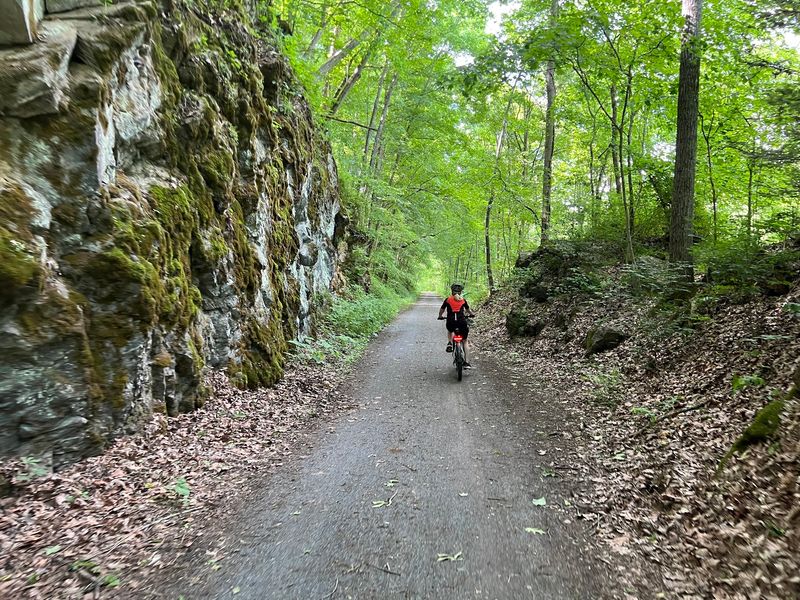
The Virginia Creeper Trail is one reason this tiny mountain town can suddenly feel much bigger on a busy weekend. Cyclists arrive early, bike shops get moving, and fall Saturdays can bring a noticeable jump in visitors.
The full trail stretches roughly 34 miles between Abingdon and Whitetop, with Damascus sitting near the halfway point. It follows an old railroad route that helped turn the town into a major biking destination.
There is one important change in 2026. The famous 17-mile downhill ride between Whitetop Station and Damascus remains closed after severe Hurricane Helene damage.
It is scheduled to reopen March 31, 2027.
For now, riders can tackle the roughly 17-mile section between Abingdon and Damascus. Local outfitters still offer rentals and shuttle service, and fall weekends remain especially popular.
Planning an October ride? Reserve the shuttle early.
This may be a small Virginia town, but peak foliage season does not always feel small.
Trail Days, The Festival That Swallows The Town
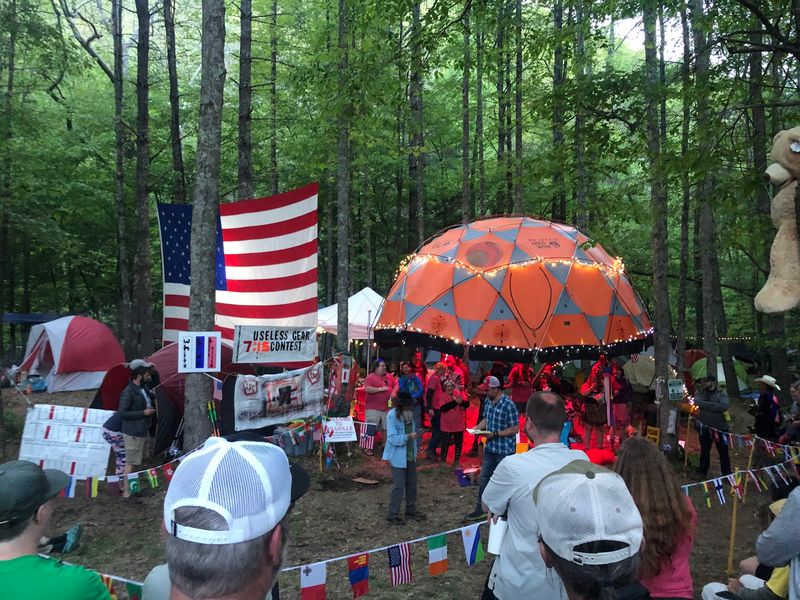
Imagine a town of under 800 people hosting a crowd that swells into the thousands. That’s Trail Days every May.
Hikers, former hikers, and hiker-adjacent folks flood in for a weekend of gear swaps, talent shows, and the famous Hiker Parade, where marchers get gleefully soaked by water balloons.
The festival began in 1987 to mark the Appalachian Trail’s 50th anniversary, and it never really stopped growing. Tent City springs up in the woods, guitars come out, and stories get taller by the hour.
For residents, it’s a mixed bag. Some rent out yards and sell lemonade.
Others plan a vacation elsewhere that exact weekend.
If you go, arrive early, bring cash, and accept that you will hear at least one very long story about blisters. Honestly?
Worth every minute.
Hostels, Inns, And The Great Lodging Squeeze
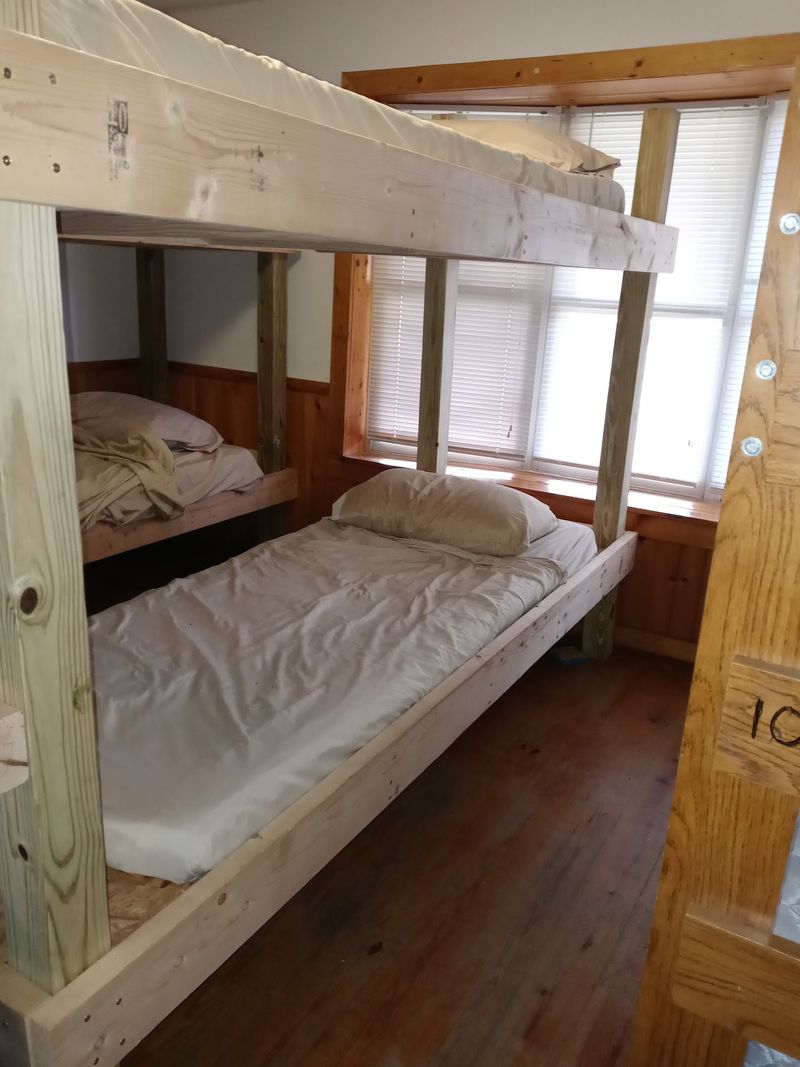
Beds here have become a hot commodity, and that’s one of the biggest changes locals mention.
Damascus offers hiker hostels, bunkrooms, small inns, cabins, and a growing pile of vacation rentals. During spring thru-hiker season and peak fall color, availability gets thin fast.
The hostel culture is genuinely charming. Shared kitchens, laundry that never stops running, and porch conversations that stretch past midnight.
Longtime residents have watched houses shift from family homes to short-term rentals, which raises prices and changes who your neighbors are. It’s a familiar story in popular mountain towns across Virginia.
My practical tip: reserve months ahead for May and October, and consider a weekday visit if you want elbow room. Sunday through Thursday feels like a different town entirely.
Sleep tight, and maybe pack earplugs for those hostel snorers.
Where Hungry Hikers And Tourists Eat
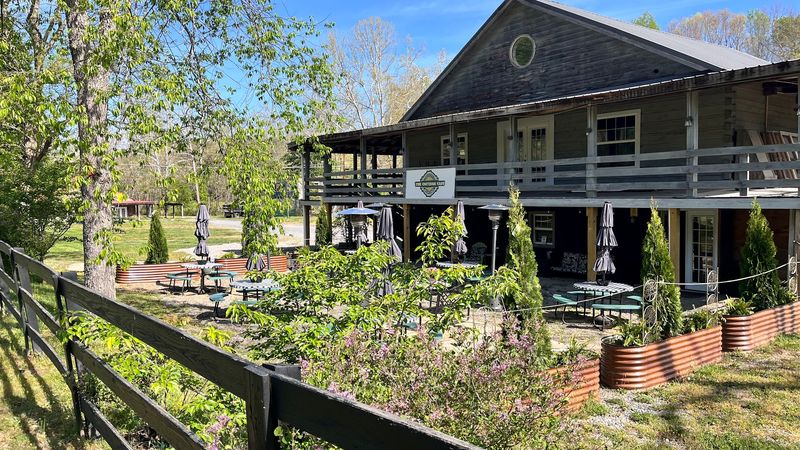
Nothing motivates a hiker like the promise of a real meal, and this town knows it.
You’ll find casual cafes, a pizza spot, barbecue, and breakfast plates piled high. Portions lean generous, because the clientele burns calories for a living.
Coffee shops here have become unofficial town squares. I sat with a lukewarm refill and heard three different trail rescue stories before nine in the morning.
The flip side is crowding. Restaurants that once served a small Virginia community now handle waves of visitors, and wait times in peak season can surprise you.
Go early or go late. Also, tip well, since staffing a tiny town’s kitchens during festival weekends is no joke.
Hungry yet? The pie alone justifies the drive.
Fly Fishing, Tubing, And The Creeks Nobody Talks About
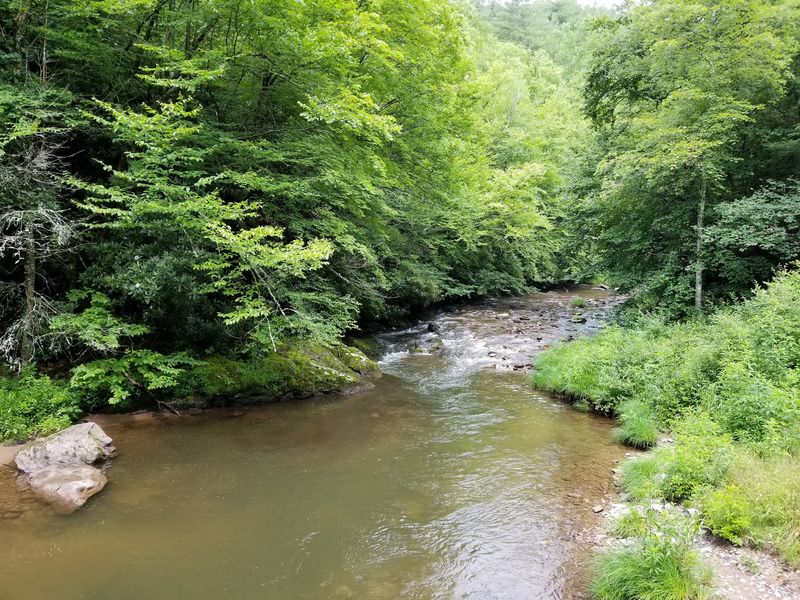
Trails hog the headlines, but the water around Damascus deserves its own fan club.
Whitetop Laurel Creek is one of the most respected trout streams in the state, with wild rainbows and browns hiding behind boulders. Anglers wade in with fly rods and endless patience.
Summer brings tubers drifting down the Holston’s South Fork, and swimming holes get discovered by kids every single June.
What I love is how quickly the noise drops once you step off the main trail corridor. Twenty yards of rhododendron and suddenly it’s just moving water.
A Virginia fishing license is required, and some stretches have special regulations, so check the rules before casting.
Locals will point you toward the good spots if you’re friendly. Just don’t post the coordinates online, okay?
Some secrets deserve to stay slippery.
Autumn Color And The Crowds That Chase It
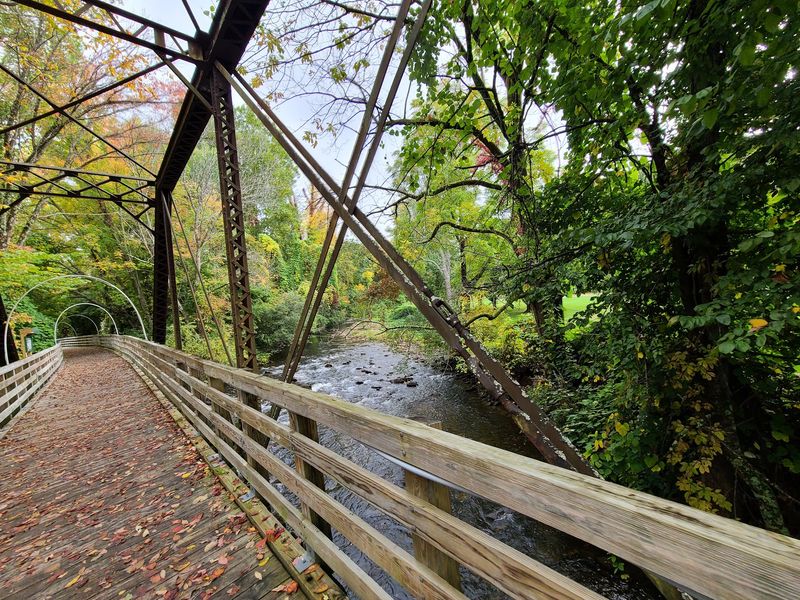
October can make this little Virginia town feel much busier than its size suggests. Fall color brings another wave of visitors just as the mountains begin changing around Damascus.
Early to mid-October is usually a strong window for color along the open section of the Virginia Creeper Trail. Fall weekends are especially popular, so bike rentals and shuttle reservations can disappear quickly.
There is one major difference in 2026. The trail between Damascus and Whitetop Station remains closed after Hurricane Helene damage.
Riders can currently use the roughly 17-mile stretch between Abingdon and Damascus.
Downtown gets livelier during peak season, and finding the easiest parking spot may take a little planning. Going midweek can help you avoid the busiest fall Saturdays.
October here is beautiful enough to explain the attention. Just do not arrive expecting a sleepy mountain town all to yourself.
Wild Ponies, High Meadows, And Grayson Highlands Nearby
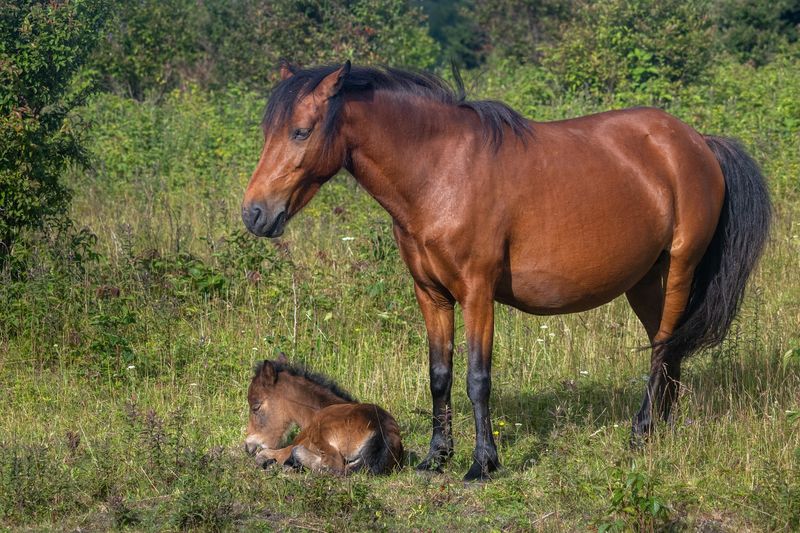
Roughly a half hour drive from town, the landscape opens up into something that looks borrowed from Scotland.
Grayson Highlands State Park has grassy balds, boulder fields, and herds of shaggy wild ponies that graze along the Appalachian Trail. They keep the meadows from growing over, so they’re basically employed landscapers with excellent hair.
Mount Rogers, the tallest point in Virginia at 5,729 feet, rises nearby under a spruce and fir canopy that smells like Christmas year-round.
Plenty of Damascus visitors treat this as their big day trip, which is part of why the town’s lodging fills so fast.
Bring layers, because weather up on those balds changes its mind constantly. And please admire the ponies from a distance.
They may look cuddly, but they’ve got opinions and teeth.
Being A Guest The Town Actually Welcomes
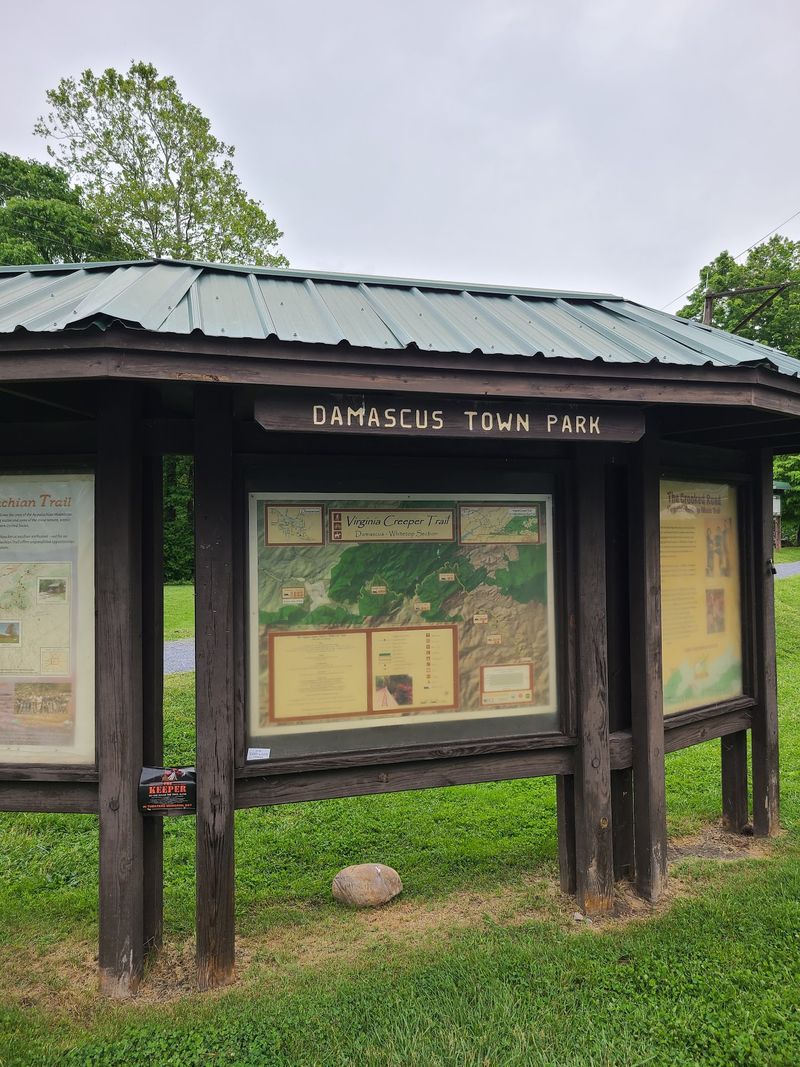
Here is the part more visitors should remember before arriving.
Damascus may be famous for its trails, but it is still a real Virginia town where people live their everyday lives. The neighborhoods are part of the community, not part of the attraction.
A little consideration goes a long way. Respect private spaces, leave things clean, and spend a little money with local businesses while you are there.
The crowds are not going away anytime soon. How visitors behave will help decide what this town feels like in the years ahead.
Enjoy the trails, enjoy the town, and leave behind the kind of impression that makes locals glad you came.