
After Dark, This Missouri Aquarium Becomes A Grown Up Underwater Getaway
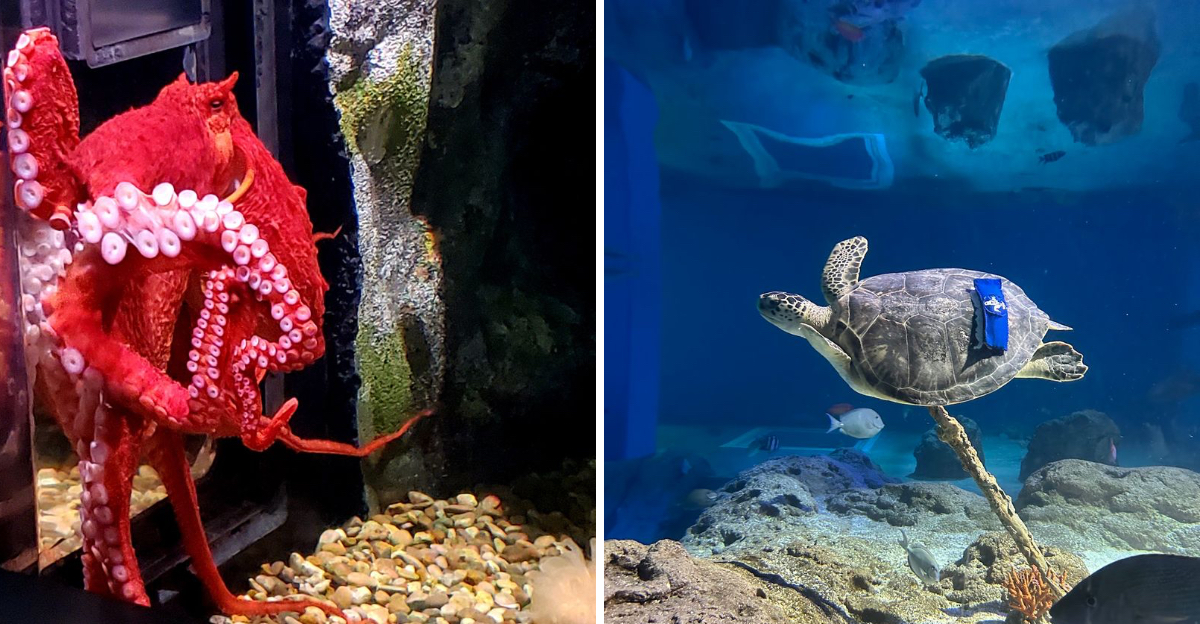
What happens when a splashy family favorite swaps bright daylight for shadow? The mood flips fast, the pace slows down, and this cheerful daytime stop turns into a surprisingly grown getaway once the lights change.
Glass tanks glow against dim light while slow, graceful shapes drift past overhead like a hushed underwater show.
Crowds thin out, voices drop, and reflections ripple across old metal beams in ways daylight never allows, as the whole room borrows a completely different mood.
Somewhere inside this Missouri attraction, an ordinary stop turns into a quiet evening surprise made for grown-up curiosity.
Missouri visitors craving a fresh date night or a calmer outing might want to look closer, since the after-dark side rarely gets talked about.
A Train Shed That Traded Locomotives For Lionfish
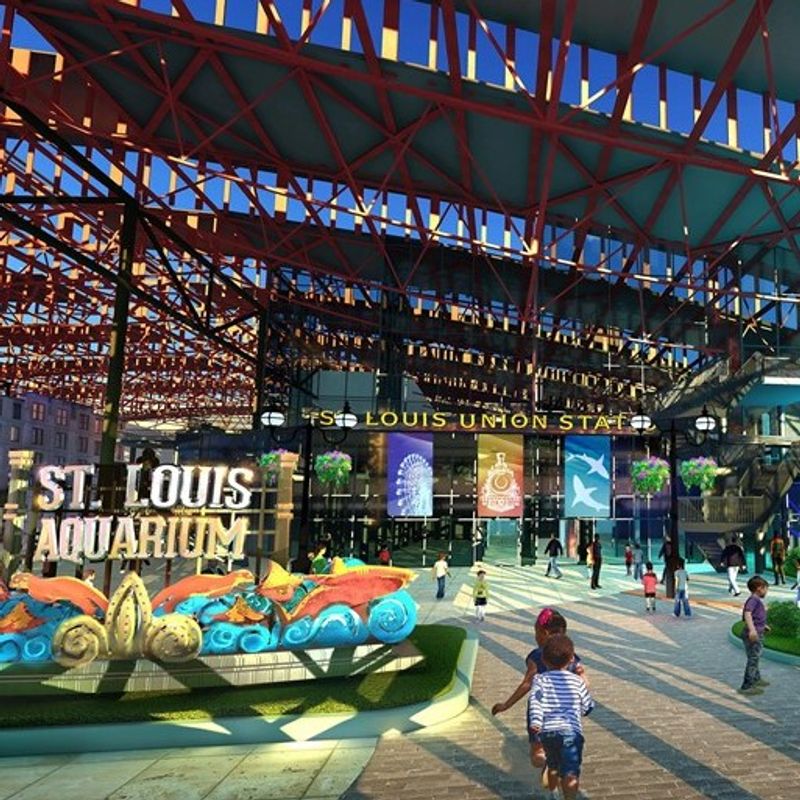
Steel arches built for steam engines now shelter sharks. That switch alone makes the setting worth the trip.
The aquarium occupies roughly 120,000 square feet across two floors, tucked inside a nearly 500,000-square-foot iron umbrella train shed. The shed carries National Historic Landmark status, so builders worked around original columns, footings, and foundations rather than clearing them away.
Late-1800s as-built drawings guided much of the construction. Modern life support systems, including thousands of feet of piping, thread through a structure designed long before anyone imagined coral reefs in the Midwest.
Under evening light, those overhead trusses read differently. Shadows stretch, reflections ripple across old metal, and the industrial bones feel almost theatrical.
Visitors will find the entrance at 201 S 18th St, St. Louis, MO 63103, right in the heart of downtown. Parking sits close, and validation is typically available.
History buffs and fish fans rarely share a venue this comfortably. Here, both walk away satisfied.
The Virtual Rail Ride That Starts Every Visit
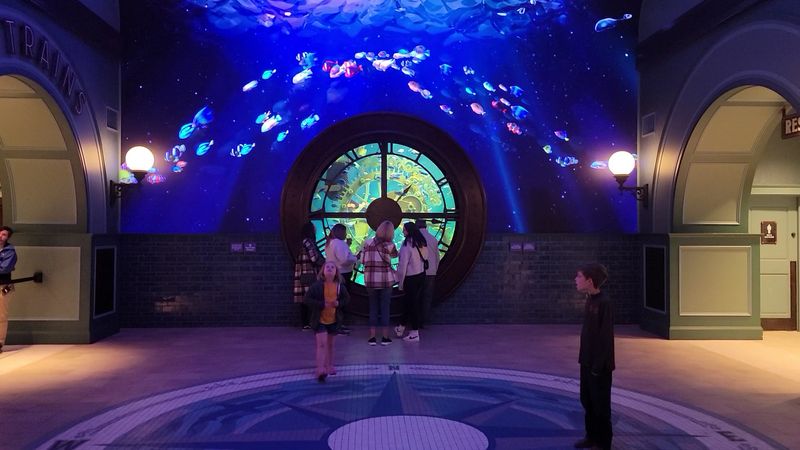
Most aquariums start with a turnstile. This one starts with a boarding call.
Guests step into a full-size replica passenger rail car for a short multimedia journey. Screens replace windows, and the ride nods directly to the station’s railroad past.
The virtual trip begins in 1894, the year Union Station opened its doors. It rolls through the 1904 World’s Fair before arriving at the confluence of the Mississippi and Missouri rivers.
A St. Louis-born actor narrates the whole thing, which adds hometown weight to the storytelling.
Reactions vary. Some guests call it the cleverest opening in any aquarium they have visited, while others prefer to move straight toward the tanks.
Beyond the car sits the Grand Lobby, where a large curved 4K screen arcs overhead with shifting ocean imagery. Evening visitors often linger there longest, since the ceiling show reads far more dramatically without daylight competing.
Consider it a warm-up act with surprisingly good production values.
Shark Canyon Under Low Light
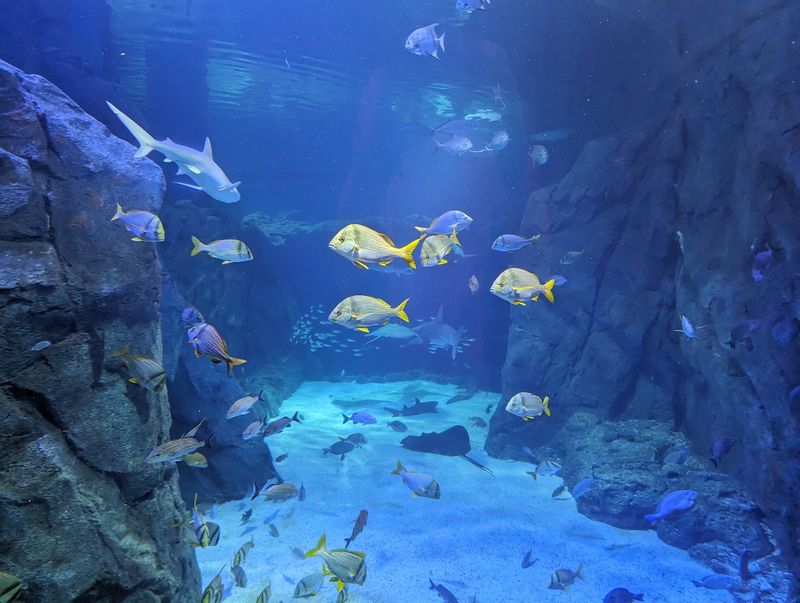
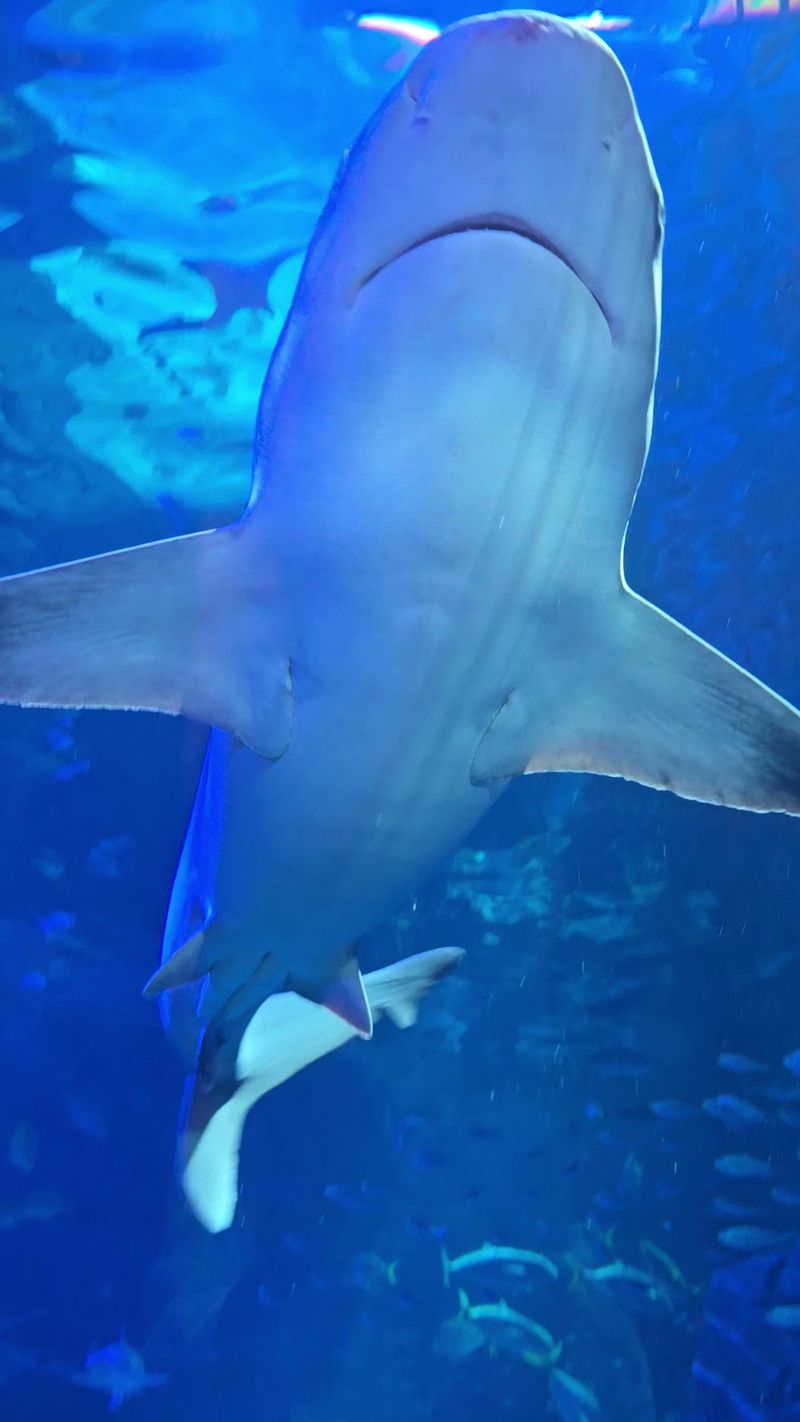
Eight shark species share one enormous room. That number tends to stop conversation cold.
Shark Canyon holds around 250,000 gallons of saltwater and anchors the entire attraction. Four lesser devil rays share the space, along with two green sea turtles that cruise the upper water like they own the lease.
Multiple viewing angles let guests watch from different heights. Divers enter the habitat during scheduled presentations, explaining behavior and conservation while animals circle nearby.
Evening changes the mood considerably. Ambient light drops, the tank’s glow dominates, and the crowd noise that fills weekend afternoons largely disappears.
Sharks move with a slow confidence that rewards patience. Standing still for ten minutes reveals far more than a quick lap of the room.
Photographers favor the lower viewing panels, where reflections cause fewer problems.
Anyone expecting a fleeting glance should plan for longer. This tank has a way of holding attention hostage.
Home Waters And The Fish Nobody Expects
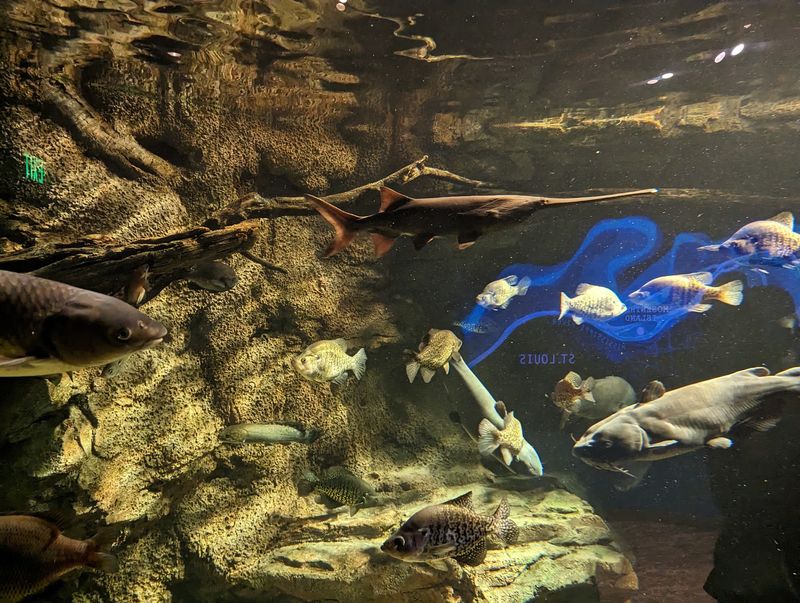
Local rivers get top billing before any tropical showstopper appears. Smart choice.
Early habitats focus on the Mississippi and Missouri river confluence, a meeting point most residents drive past without thinking twice. Alligator gar drift with prehistoric calm.
Paddlefish sweep through with those unmistakable snouts leading the way.
Sturgeon and hefty catfish round out the cast, and they are considerably larger than most visitors expect.
North American river otters bring energy to the same stretch of the route. Their exhibit draws steady crowds, though it has occasionally closed for care and updates, so schedules can shift.
What makes the section land is proximity. These animals live minutes away, in water many guests cross weekly on a bridge.
Missouri rarely gets credit for aquatic biodiversity. Fifteen minutes here quietly fixes that.
Staff often stand nearby, ready to answer questions about native species and the health of local waterways.
Jellyfish, Dragons, And One Very Clever Octopus
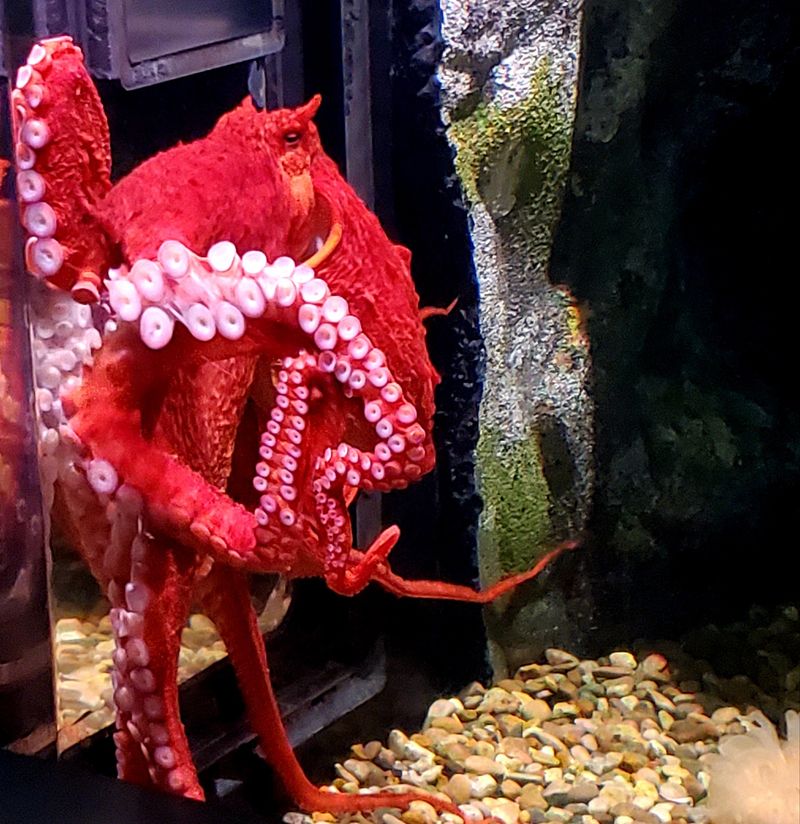
Ready for the weird stuff? The Deep delivers it.
This section gathers creatures built for pressure, darkness, and camouflage. Leafy sea dragons float like drifting plant matter, and spotting the actual animal takes a second look.
Jellyfish tanks pulse in slow rotation, lit so the bells seem to glow from inside. Guests routinely name them the most hypnotic stop on the route.
A giant Pacific octopus rounds out the highlights. Watching it shift color and texture, or press suckers against the glass, feels like meeting something genuinely thoughtful.
Lighting stays dim throughout, which makes an after-dark visit feel especially cohesive. The transition from lobby to deep zone barely registers.
Camera flash does not belong here, and staff will politely say so. Higher ISO settings work far better anyway.
Quiet observation pays off in this gallery. The longer the stare, the more the animals reveal.
Touch Pools Adults Refuse To Skip
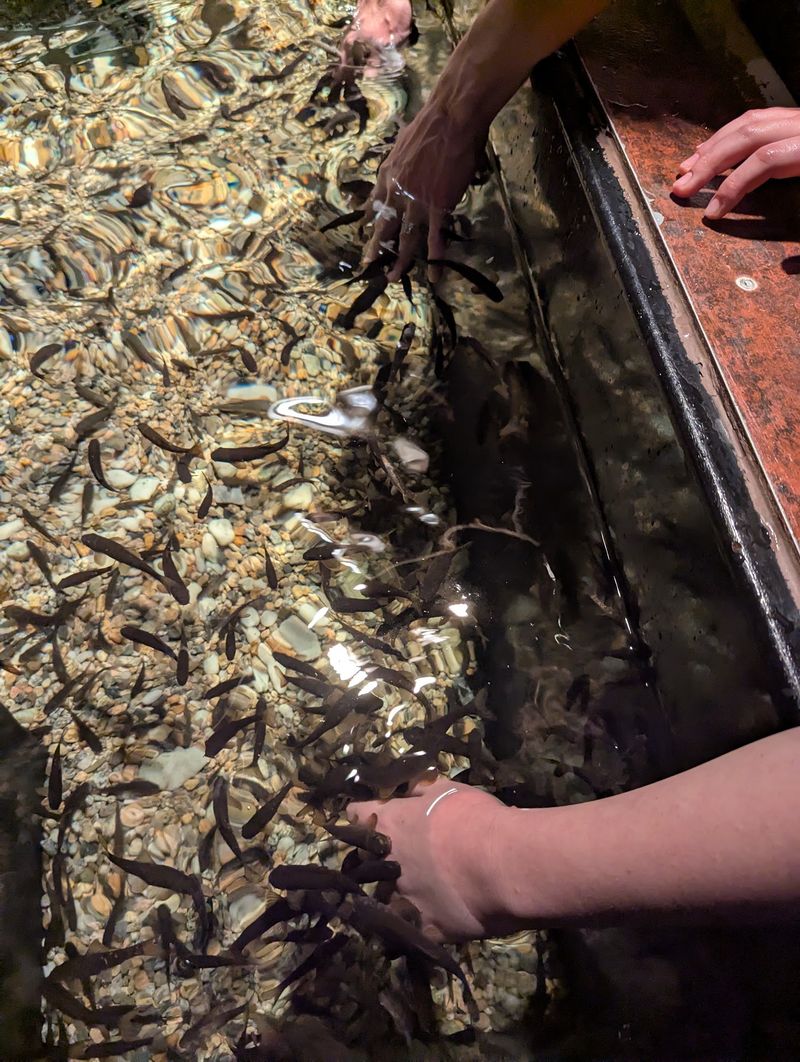
Hands go in the water. Dignity goes out the window.
Nobody minds.
Touch pools sit at the center of the experience and consistently rank as the most talked-about feature. Stingrays glide under fingertips with a surface that feels smoother than anyone predicts.
Small sharks occupy their own pool, and a separate station lets guests touch jellyfish. Invertebrate tanks add sea stars and other slow-moving residents.
Stingray feeding is offered for a small additional charge, and reviewers mention it constantly as a highlight worth the upgrade.
Then there is the doctor fish station, where tiny fish nibble dead skin from submerged hands. Descriptions range from ticklish to buzzing to unforgettable.
Staff stationed at each pool explain proper technique and share species details freely. Conversations here often stretch longer than planned.
Grown-ups arrive skeptical and leave with wet sleeves. That tracks.
Sharks After Dark And The Adult Crowd
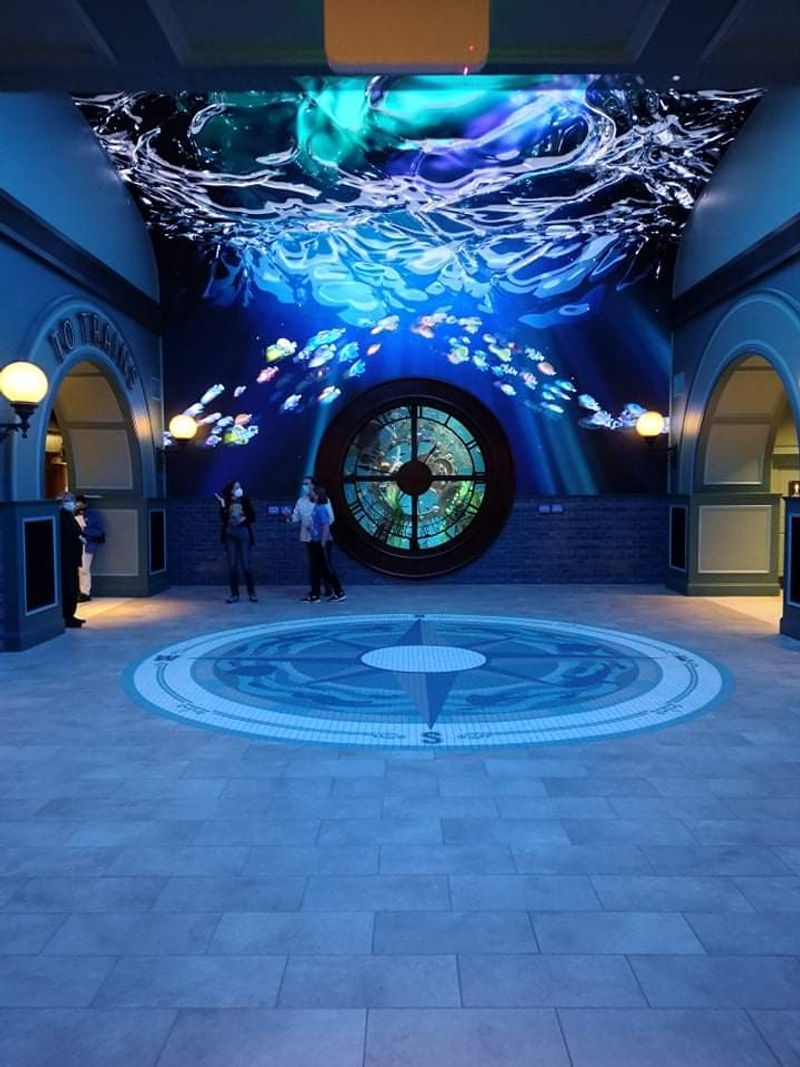
Daytime belongs to strollers. Evening belongs to everyone else.
Special evening programming shifts the tone toward a slower, more grown-up pace. Crowds thin, volume drops, and the pace slows to something closer to browsing than shuffling.
Softer lighting does most of the heavy lifting. Tanks turn into glowing panels, and reflections scatter across the historic walls in ways the daytime sun never allows.
Event formats and dates change through the year, so checking current listings before planning matters.
The appeal is simple. Same animals, entirely different atmosphere, and room to actually stand in front of a habitat without waiting a turn.
Conversations with staff tend to run longer during these nights too, since fewer guests compete for attention.
Missouri offers plenty of evening outings. Few include a sea turtle passing overhead while the room hums quietly.
Photography Nights For The Camera Crowd
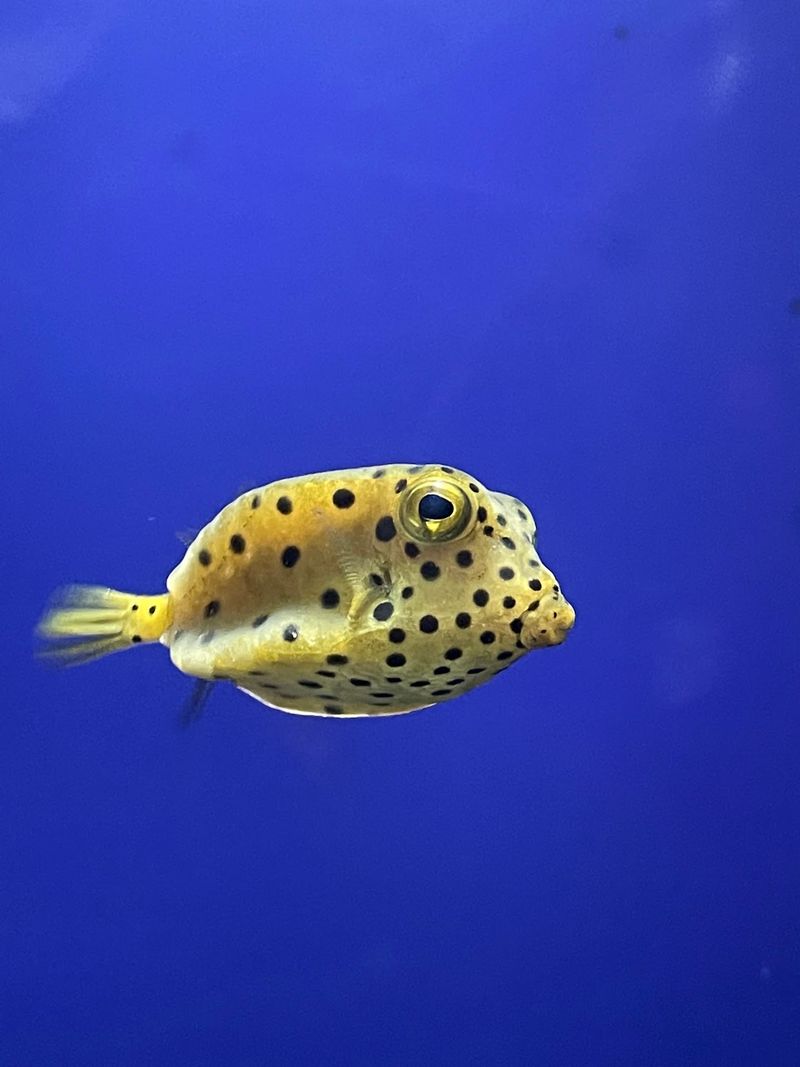
Shooting through curved glass in dim light breaks most cameras’ confidence. A class helps.
The aquarium hosts occasional photography nights led by its own photography team. Sessions typically run about two hours and focus entirely on aquatic subjects.
Instruction covers the usual headaches. Uneven lighting, stubborn reflections, and fish that refuse to hold a pose all get addressed directly.
Participants get room to work without navigating around general admission traffic, which changes everything when a tripod is involved.
Skill levels vary widely at these events. Phone shooters and full-frame owners often stand at the same tank comparing results.
Availability depends on the calendar, so these nights are not a guaranteed option on any given week.
For anyone who has ever fought glare in front of a jellyfish tank, the format solves a very specific frustration. Better images, fewer elbows, and a few new tricks worth keeping.
Thirteen Thousand Animals, Forty Four Habitats
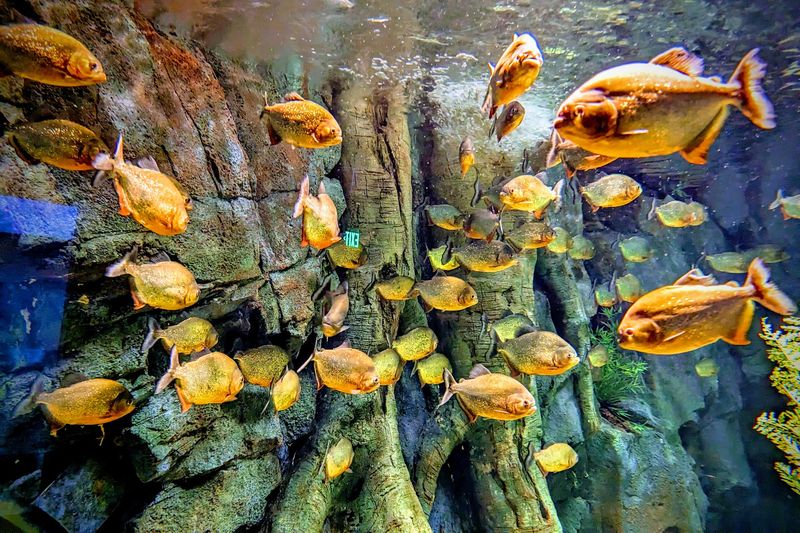
Numbers help set expectations. Over 13,000 animals live across 44 habitats here.
Habitats stretch from muddy river systems to coral reef environments and cold deep-water zones. Rare residents include blue lobsters, which draw plenty of double takes.
Archerfish rank among the sleeper hits. They spit water to knock prey off perches, and guests occasionally catch a stray squirt for their trouble.
Animal ambassador presentations rotate throughout the day, bringing out species like snakes and other land-dwelling creatures with handlers ready to explain.
Footprint matters too. The building limits how large the attraction can grow, so the design leans toward density and interaction rather than sprawling walkways.
Most guests report finishing in one to two hours at an unhurried pace.
Set expectations accordingly and the visit lands well. Come expecting a giant coastal facility and the scale may surprise.
The Ferris Wheel Waiting Outside The Door
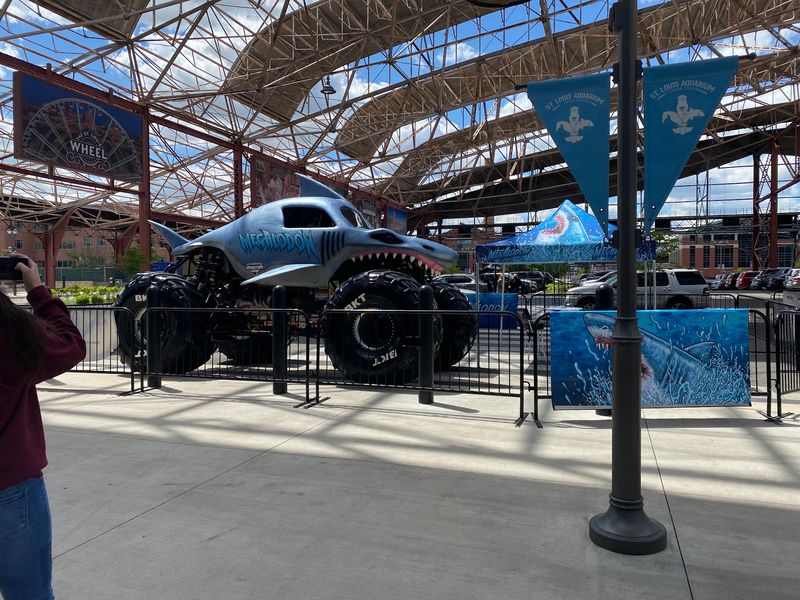
The fun does not stop at the aquarium exit. Not remotely.
Union Station operates as a full entertainment complex, and the aquarium anchors one corner of it. A large Ferris wheel dominates the outdoor plaza after sunset.
Fire and light shows run over the lake, drawing crowds who gather along the walkways. A vintage-style carousel spins nearby for anyone in a nostalgic mood.
Mini golf covers 18 holes on site, and a ropes course adds vertical challenge for guests wanting something more physical.
Restaurants line the complex, offering options before or after an evening at the tanks.
Combo tickets bundle several attractions together and often carry validity windows measured in weeks, which lets visitors split activities across separate trips.
Plan for a full evening rather than a quick stop. The plaza has a way of extending schedules well past intention.
Timing Tricks For A Smoother Visit
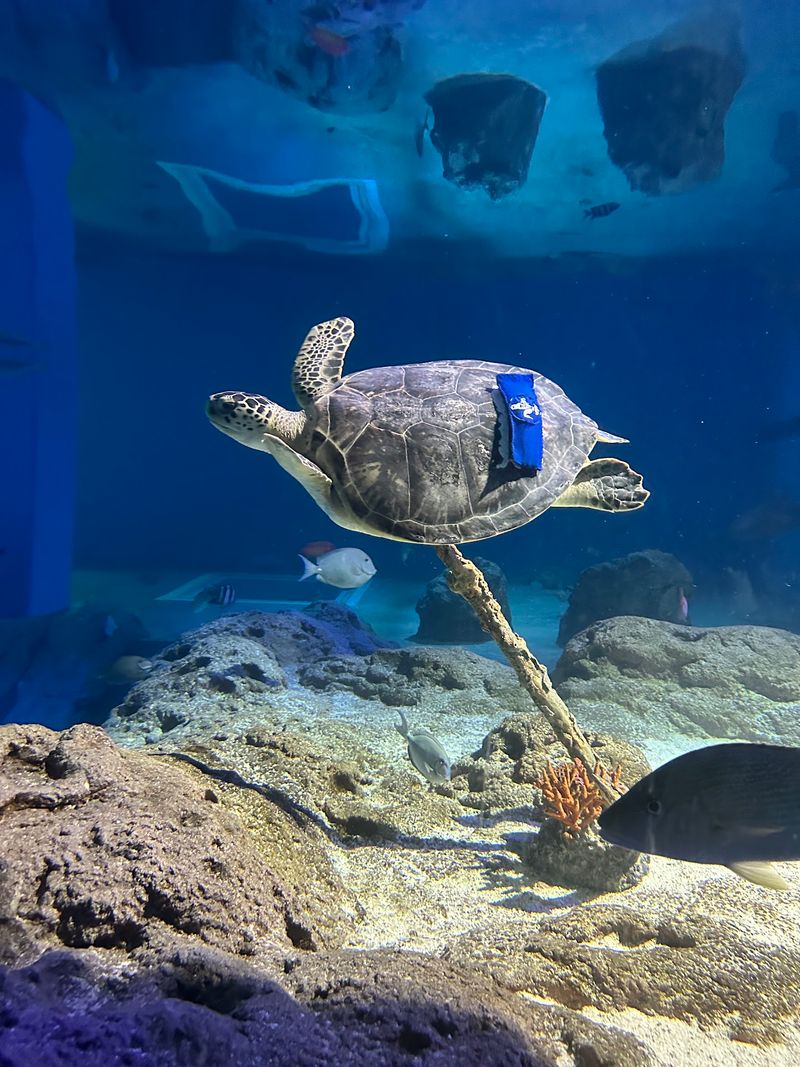
Timing separates a pleasant visit from a shoulder-to-shoulder shuffle.
Weekend middays bring the heaviest traffic, especially around touch pools and the otter habitat. Later hours generally run calmer, and hours differ by day, so confirming before arriving saves frustration.
Buying tickets online ahead of time is widely recommended by past visitors. Combo packages tend to offer better value for anyone planning rides or additional attractions.
Parking is available on site with validation, though a small fee may still apply.
Comfortable shoes help, since the route covers two floors. Sleeves that roll up easily help even more, given how many touch stations appear along the way.
Presentations at Shark Canyon and the animal ambassador stage happen at set times. Asking a team member at the entrance about the day’s schedule prevents missing them.
A little planning turns a good outing into a smooth one.
Why The Staff Steal The Show
Ask one question about jellyfish. Prepare for a ten-minute masterclass.
Team members stationed throughout the route consistently earn praise for depth of knowledge and willingness to chat. They handle everything from touch pool etiquette to detailed species questions.
Turtle talks, otter commentary, and invertebrate pool conversations turn passive viewing into something closer to a guided walk.
During quieter evening hours, those interactions stretch longer. Fewer guests means more one-on-one time with people who clearly enjoy the subject.
Animal care and conservation messaging threads through most presentations without feeling like a lecture.
The gift shop sits near the exit for anyone wanting a souvenir, and photo services capture moments along the route.
The tanks supply the spectacle. The people supply the context, and that combination is what keeps this Missouri attraction from feeling like a simple walk past glass.