
This West Tennessee Creek Bank Gives Up Fossil Seashells, And You Keep What You Dig
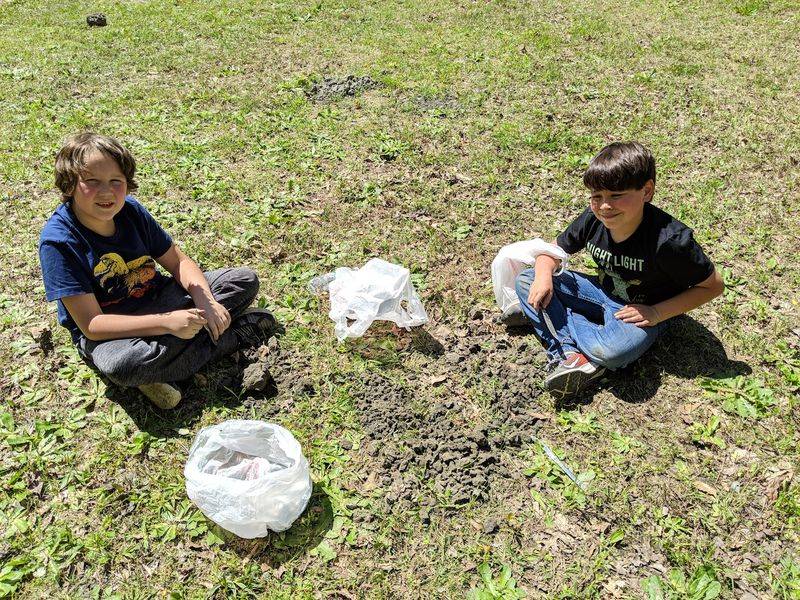
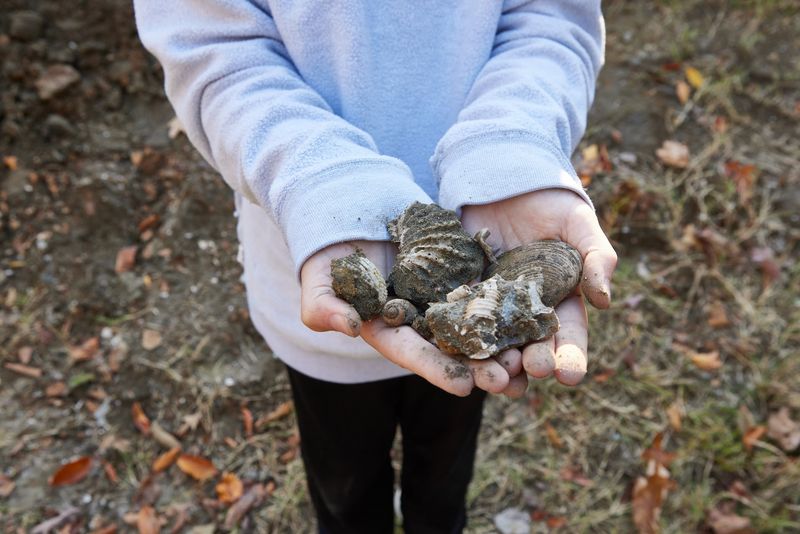
There is a shallow creek in West Tennessee where the mud still holds seashells from an ocean that vanished around 73 million years ago. You can wade in, scrape the gray clay with a hand tool, and pull out a clam or a snail shell that still shines with a faint pearly gleam.
Best part: what you find goes home in your bag, not into a locked display case. For $20 and a Saturday morning, that is one of the cheapest ways in Tennessee to hand a kid something genuinely ancient.
A Gray Clay Creek Bank in McNairy County
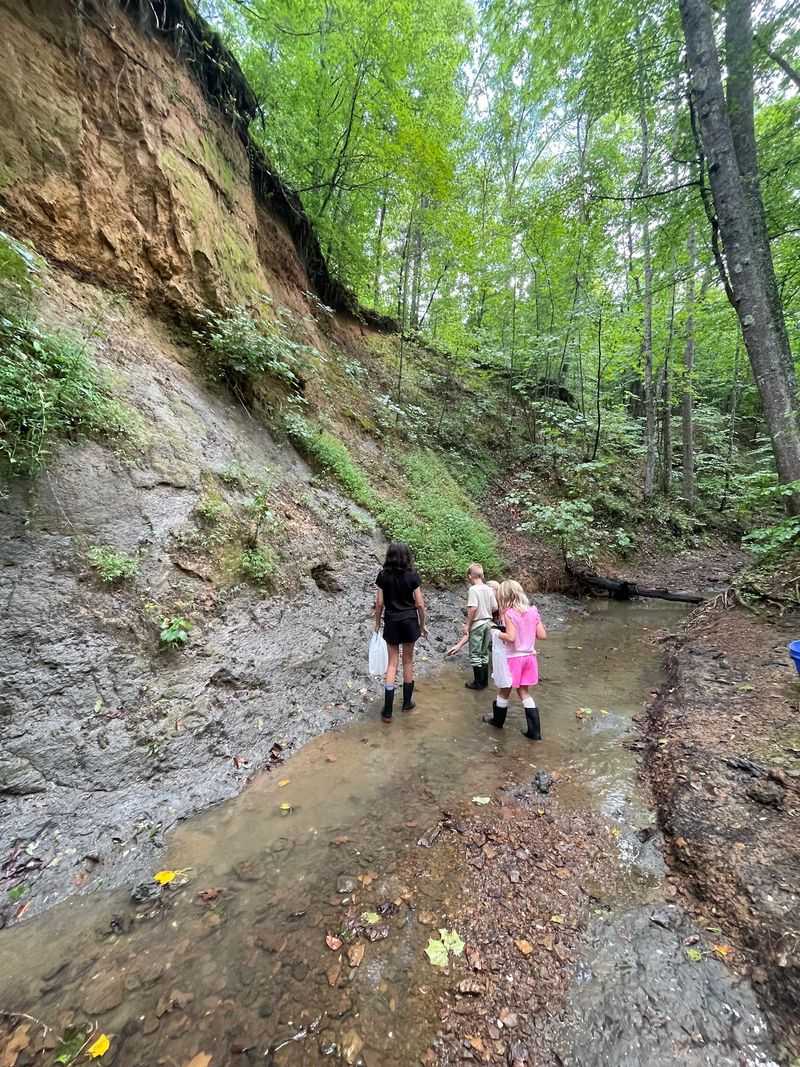
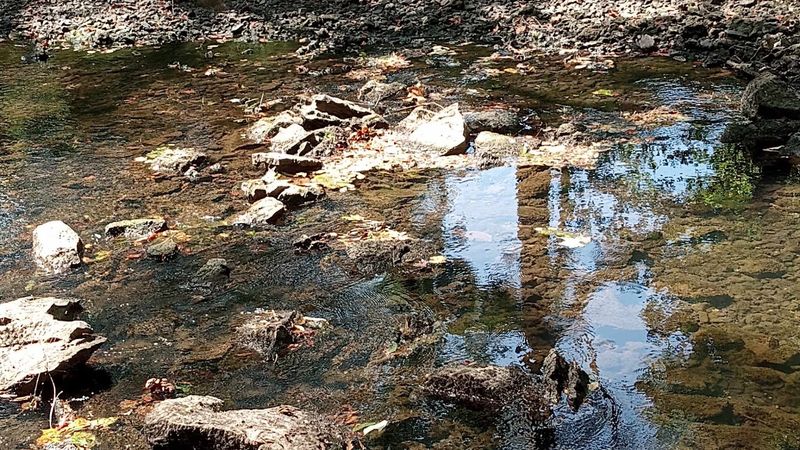
Out on Hardin Graveyard Road outside Adamsville, a gravel drive leads to a cluster of simple buildings, a mowed field, and a path down to a creek that looks entirely ordinary until someone hands you a tool.
Coon Creek Science Center is run by the University of Tennessee at Martin, and although Google lists it as a museum, the real exhibit is outdoors and underfoot. The gray clay along the water is packed with marine fossils, and the center’s whole purpose is getting people into it.
McNairy County sits in the rolling farm country between Memphis and the Tennessee River, so the setting is quiet: pasture, pine, and a two-lane road with almost no traffic. Address is 2983 Hardin Graveyard Rd, Adamsville, TN 38310.
What surprises most first-timers is how unglamorous it looks. There is no gift shop spectacle, no animatronic display, no ticket booth line.
Just staff, a short talk, buckets, and a creek that has been giving up seashells since long before Tennessee had a name.
It holds a 4.7-star rating across 29 reviews, with fossil collecting the most-mentioned topic.
When West Tennessee Sat Under a Seaway
Roughly 73 to 76 million years ago, the spot where you park your car was underwater. The Western Interior Seaway split North America in two, and West Tennessee lay near its eastern shoreline, collecting shells, sand, and soft mud on the seafloor.
That seafloor hardened into what geologists call the Coon Creek Formation, a Late Cretaceous marine clay that scientists study far beyond Tennessee. Its reputation rests on preservation quality rather than sheer size.
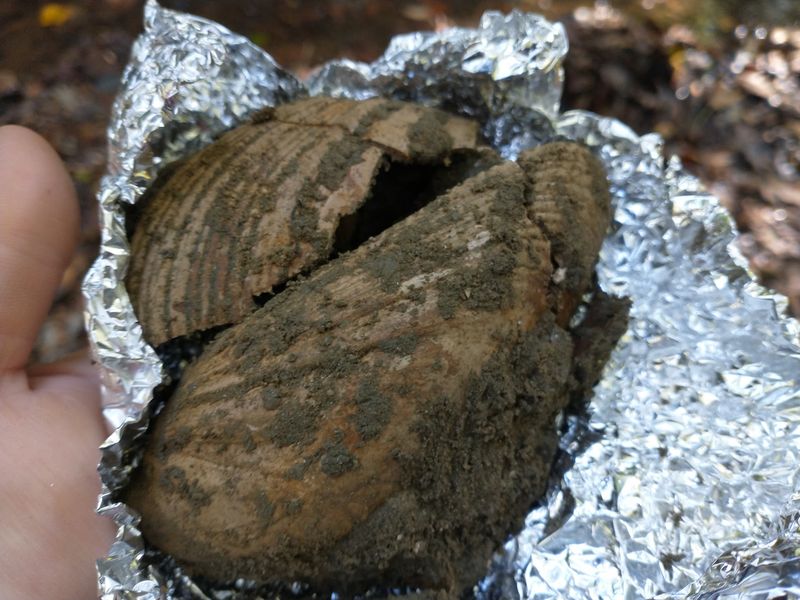
Instead of fossils turned entirely to stone, many Coon Creek specimens still carry their original shell material. Some clam and snail shells keep a faint mother-of-pearl shimmer, which is unusual for anything that old and part of why researchers have paid attention here for decades.
More than 600 species of marine invertebrates have been identified from the formation. That list covers crabs, bivalves, gastropods, ammonites, and even delicate specimens like the ghost-crab, creatures whose thin shells rarely survive millions of years intact.
Standing in the creek with that context makes the digging feel different. You are not sifting through random gravel.
You are working through an ancient shoreline that got buried fast and quietly, one layer at a time.
Keep What You Dig, Plain and Simple
Most fossil sites in the country end with the same sentence: look, photograph, leave it. Here the rule flips.
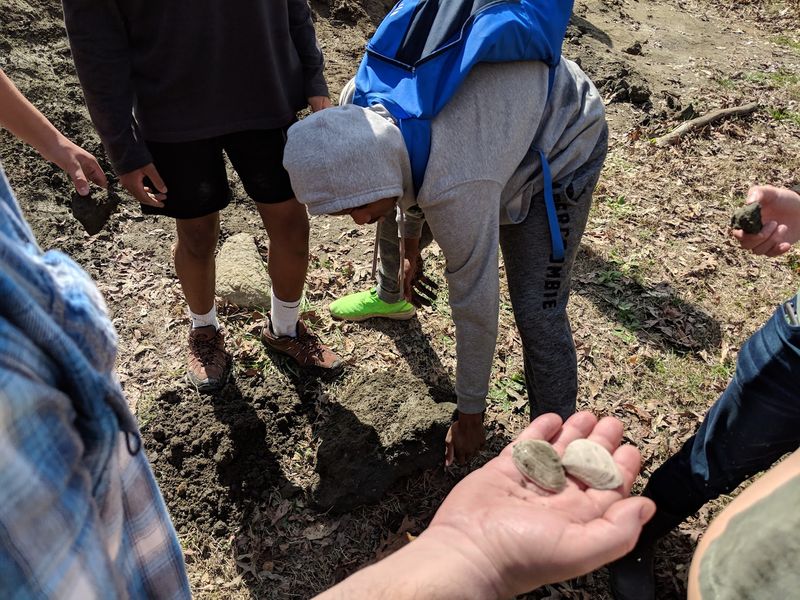
Whatever ordinary shells and invertebrate fossils you pull from the clay during a public dig, you take home.
One visitor summed up the appeal in a handful of words, noting simply that you get to keep what you dig. Another mentioned collecting fossils during a college paleontology course back in 1998 and still having every one of them years later.
Oysters and snails turn up most often, so nobody leaves with an empty bag. Larger bivalves, crab fragments, and the occasional coiled shell show up too, depending on where you work and how patient you are.
There is a thoughtful exception. If something rare or scientifically important surfaces, visitors are given the option to donate it for research, with credit going to the person who found it.
That means a kid could end up listed as the discoverer of a genuine specimen.
A shoebox of shells on a bedroom shelf costs nothing extra and lasts a lot longer than a souvenir keychain from a gas station.
The $20 Four-Hour Public Dig
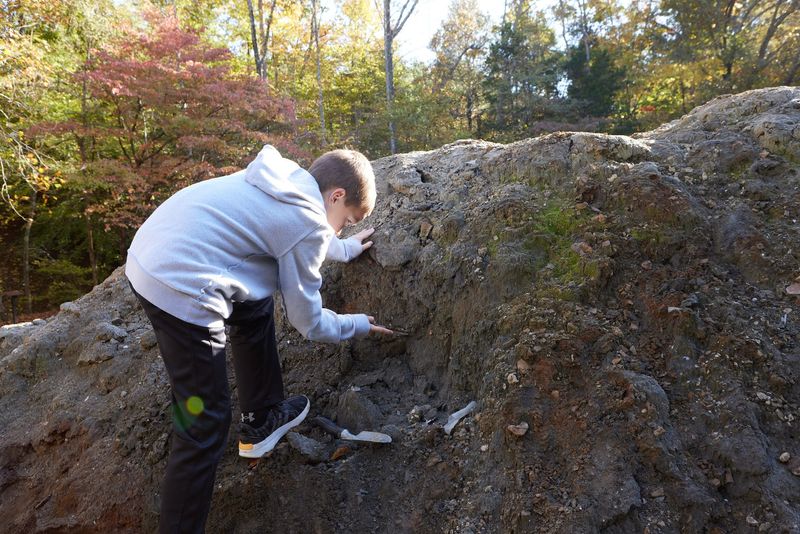
Twenty dollars per person buys a four-hour session. That is the entire public dig price, and for a Tennessee family it lands well under the cost of a chain restaurant dinner for four.
Four hours sounds long on paper. In practice it fills up fast between an opening presentation, the walk down to the creek, the actual digging, and cleaning what you have found before packing it away.
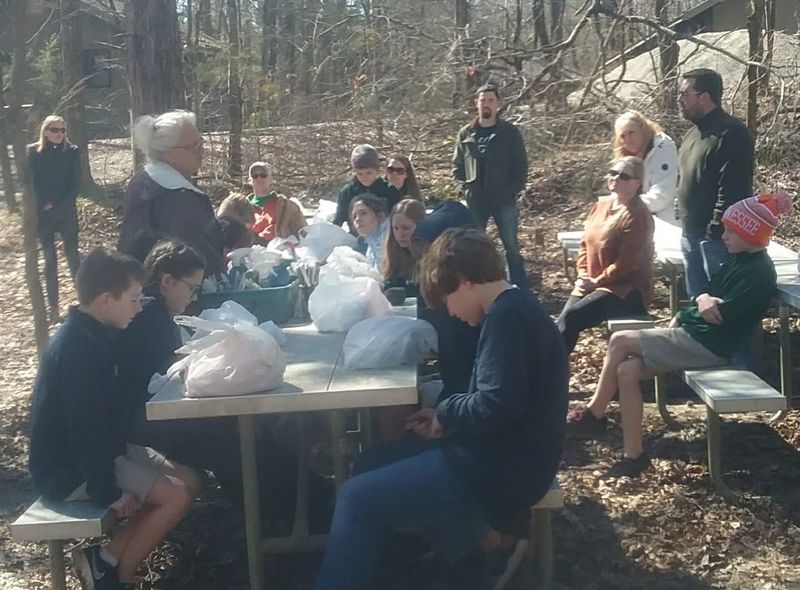
Families who have gone through the program describe the introductory presentation as both entertaining and genuinely informative, with staff working patiently through a steady stream of questions from children. One church group brought kids ranging from six to thirteen and reported that every age found something to enjoy.
Private group bookings are also available with a $200 minimum, which suits a homeschool co-op, a scout troop, or a large family reunion that wants the creek to itself.
Pricing and scheduling can shift seasonally, so confirm the current rate when you reserve. Even with a two-hour drive factored in, the math stays friendly: a full day out, four people digging, and a bag of Cretaceous shells to show for it.
Community Days on the Third Saturday
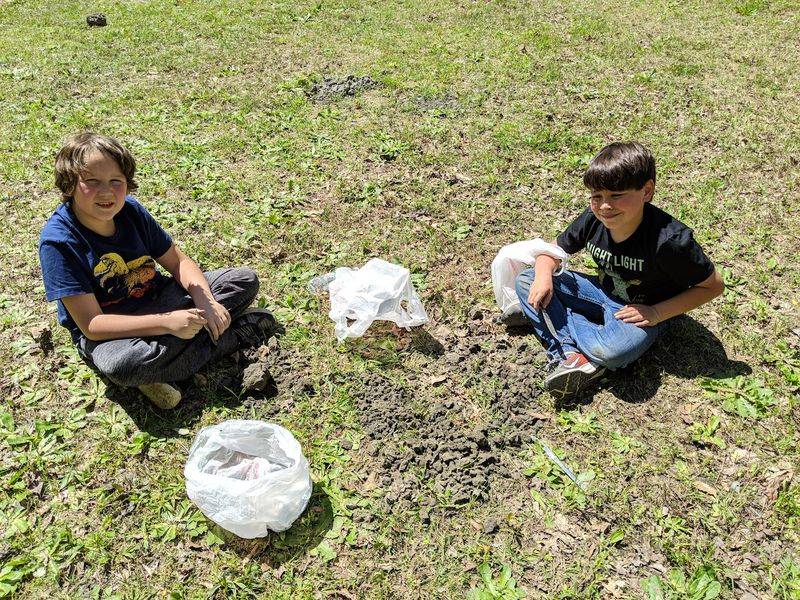
Mark the third Saturday of the month on your calendar, because that is when the gates open specifically for the general public. Community Days are the designated slot for individuals and families who are not part of a school or organized group.
Reservations are required. The center runs by appointment only, which keeps group sizes manageable and means staff can actually answer questions instead of herding a crowd.
That appointment-only setup catches some travelers off guard. Showing up unannounced on a random weekday afternoon will not work, no matter how far you drove, so the booking call comes before the gas station stop.
Planning ahead pays off in another way. Spots on a single monthly Saturday can fill, especially in pleasant weather when word gets around among Memphis and Jackson families looking for something different.
School groups make up a large share of the calendar the rest of the month, and reviews reflect that history: kindergarten classes, field trips from Memphis schools, and a multi-day student program that one teenager remembered fondly despite patchy phone signal.
Check the current schedule before committing, since dates and session times can change through the year.
Tools, Buckets, and the Gear You Should Pack
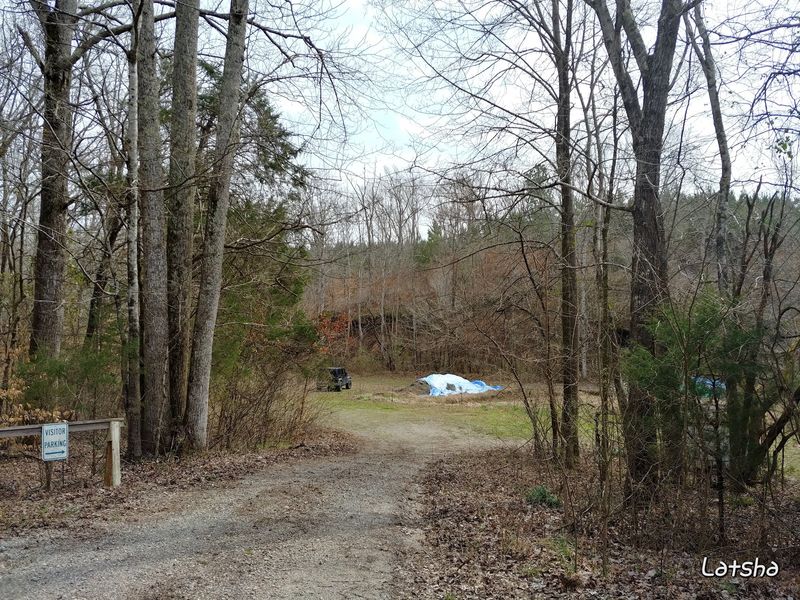
Basic digging and cleaning tools come with the session, so nobody needs to buy a rock hammer beforehand. The center supplies what you need to work the clay and rinse your finds.
Smart extras make the difference on the ride home. Aluminum foil protects fragile shells, zip-lock bags keep small pieces together, labels help you remember what came from where, and a bucket or backpack carries everything without crushing anything.
Clothing matters more than you might guess. Wear old clothes you genuinely do not mind staining, because gray clay does not politely rinse out, and choose closed-toed shoes that handle both a short hike and standing in moving water.
Sunscreen, bug repellent, and plenty of water round out the list. There is no shade on demand in a creek bed, and West Tennessee mosquitoes are enthusiastic from spring through early fall.
One visitor who came the day after heavy rain described shells sitting loose in the water, easy pickings, but also noted the cold and wet conditions and recommended warm layers plus a full change of clothes. That advice holds for any cool-weather session.
Toss a towel and dry shoes in the trunk.
Staff Who Actually Answer the Questions
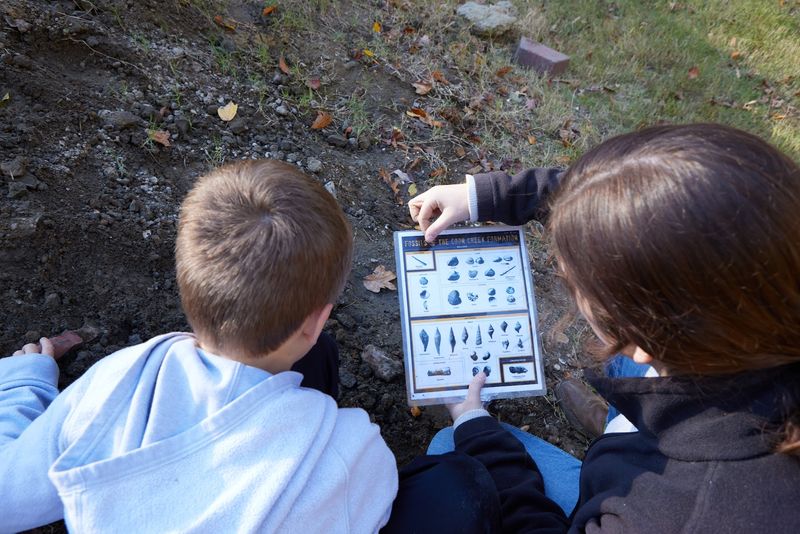
Ask a seven-year-old what a fossil is and you will get forty follow-up questions. The people running these digs seem built for exactly that.
Reviews circle back to staff repeatedly. A teacher who brought a kindergarten class praised the staff member who fielded every question, and a church group noted how patient the team stayed with a pack of kids aged six to thirteen.
Because the University of Tennessee at Martin operates the site, the expertise runs deep. Faculty and students have long been part of the program, and longtime visitors credit the university’s paleontology staff with making the creek’s history understandable rather than technical.
Two regulars mentioned excellent staff specifically, and paleontology came up as a recurring topic in reviews. That combination matters: knowledge is useless at a family attraction if nobody can translate it for a third grader.
The opening presentation sets the tone before anyone touches clay. You learn what you are looking for, why it is there, and how to handle something delicate without breaking it.
Walking into the creek already knowing the difference between an oyster and a gastropod makes the digging click.
Wet Feet, Muddy Knees, and No Strollers
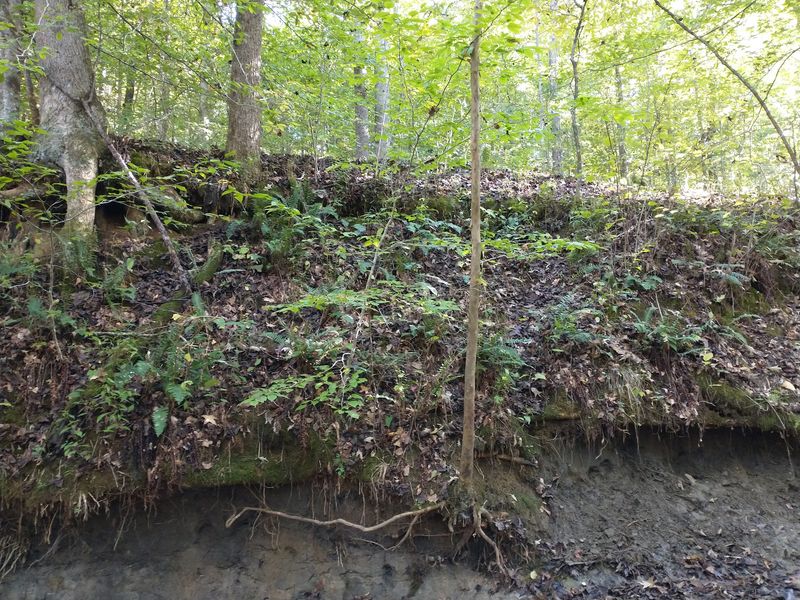
Nobody stays clean. The experience happens entirely outdoors and involves walking a short distance from the buildings and then stepping down into the creek itself, so wet shoes and muddy clothes are the standard souvenir.
Strollers do not work in the creek area. Parents of small children should plan on carrying them through certain stretches, which is worth thinking through if you are traveling with a toddler and a five-year-old at the same time.
Footing is uneven in places, the way any natural streambed is. Closed-toed shoes with decent grip beat sandals, and a hiking style shoe you can hose off later is ideal.
Weather shapes the day considerably. Rain before a session can loosen shells right into the shallow water, which one visitor described as a lucky break, though it also means cold, soggy conditions worth dressing for.
Accessibility is honest rather than perfect: handicap parking sits closer to the Mess Hall, but the creek requires walking and wading. Anyone unsteady on uneven ground should ask about options when booking.
Kids, predictably, consider the mud a feature rather than a drawback.
Restrooms, Parking, and Spotty Cell Signal
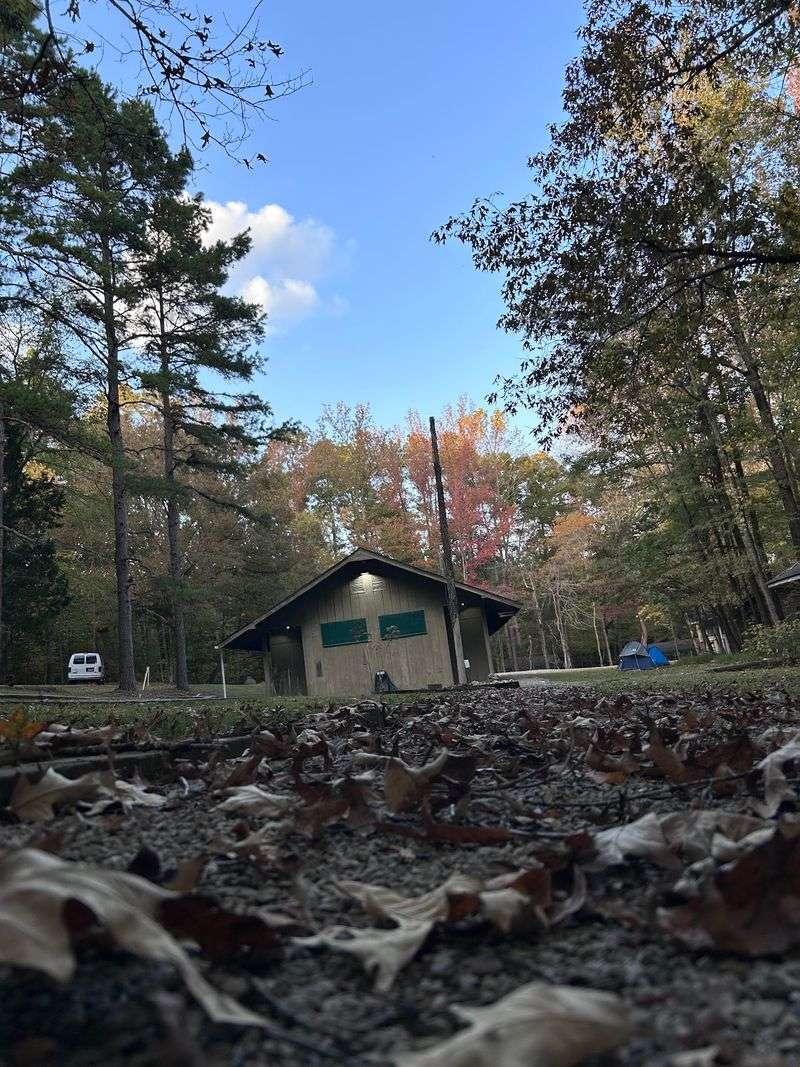
Practical details save a trip. Restrooms sit near the Mess Hall rather than down by the water, so factor in the walk back up before anyone gets desperate mid-dig.
One longtime visitor made a point of mentioning clean bathrooms, which counts for a lot at a rural outdoor site where you might expect a portable unit and nothing else.
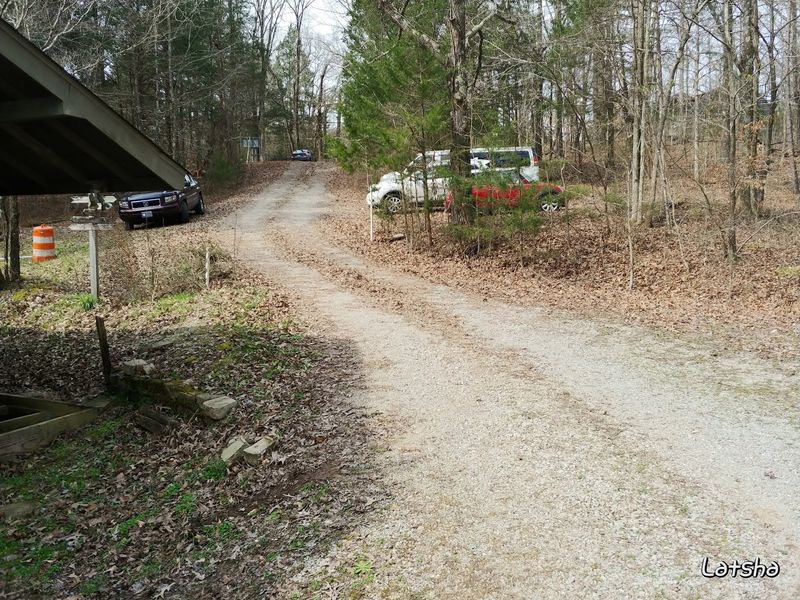
On-site parking exists but is limited, and carpooling is encouraged. If your group is rolling in three vehicles, consolidating to two makes life easier for everyone.
Handicap parking is positioned closer to the Mess Hall.
Cell reception is unreliable out here. A student who spent three days at the center on a school program griped about the signal, and that has not changed with the rural terrain.
Download your directions before you leave the highway, tell whoever needs to know that you will be unreachable for a few hours, and treat the silence as part of the deal.
Pack a cooler with drinks and snacks too. There is no concession stand in the woods, and four hours of digging builds an appetite faster than expected.
Getting There from Memphis, Nashville, or Chattanooga
Memphis families have it easiest. The drive runs about 90 minutes east, which makes this a comfortable there-and-back Saturday with time for lunch on either end.
From Nashville, count on roughly 2 hours and 35 minutes covering about 136 miles southwest. Long enough to need a coffee stop, short enough that you are home before dark.
Chattanooga sits farther out at approximately 4 hours and 15 minutes, which pushes the trip into overnight territory unless your crew tolerates early alarms and long car games.
Jackson, Savannah, and Corinth all sit reasonably close, so travelers already exploring West Tennessee or northern Mississippi can fold the dig into a larger loop.
Adamsville itself is small, and the center sits outside town on Hardin Graveyard Road. Rural addresses and weak signal make a pre-loaded map or written directions genuinely useful rather than just cautious.
One recent visitor described it as a great place to experience history close to Memphis, and that proximity is exactly the selling point. Gas, admission for a family of four, and a sit-down meal still keeps the whole outing modest by day-trip standards.
Where to Eat in Adamsville Before or After
Digging works up a serious appetite, and Adamsville has a couple of solid options within easy reach of the creek.
The Sawmeal Restaurant & Steakhouse leans into homemade cooking, the kind of plate-filling small-town meal that suits a group coming in hungry and slightly muddy. It sits conveniently in town, so no long detour required.
For something different, La Casita serves authentic Mexican food in Adamsville as well. Between the two, you can swing from meat-and-potatoes comfort to tacos depending on what the car votes for.
The Come and See Community Kitchen also operates locally, providing free meals to anyone in need, a detail worth knowing about the town itself.
Timing tip: if your dig runs a morning session, eating afterward means you can change into dry clothes first and enjoy the meal properly. Small-town hours vary, so be flexible if you are arriving late in the afternoon.
Either way, budget maybe fifteen dollars a head for lunch and the whole day, admission included, still lands in the range of an ordinary evening out. Bring a cooler for the drive as backup.
Who Gets the Most Out of a Day in the Clay
Curious kids are the obvious audience, but they are not the only one. Retirees with an interest in geology, homeschool families building a science unit, and adults who simply never outgrew collecting rocks all fit this place well.
Age range is broad. A group that included children as young as six reported that everyone stayed engaged, and college students have used the site for formal paleontology coursework for decades.
Grandparents traveling with grandchildren may find the creek walk demanding, though the presentation and the cleaning station near the buildings offer a comfortable way to stay involved without wading.
Anyone who hates dirt should probably pick a different Saturday. The whole appeal is hands in the clay, water over your shoes, and fingernails that need scrubbing afterward.
Teachers get real mileage here too, judging by how often school trips come up in reviews, from kindergarten classes to multi-day student programs.
One longtime local called it a community treasure, and repeat visitors talk about returning with different groups. That kind of loyalty usually signals an experience that holds up past the first novelty.
Best Seasons and Weather Realities
Spring and fall hit the sweet spot. Mild temperatures make standing in creek water pleasant rather than punishing, and fall in particular brings comfortable air with fewer insects.
Summer sessions mean heat and humidity, which is exactly when cool water underfoot stops being a complaint. Extra water bottles and sunscreen move from suggestion to necessity.
Cold-weather digs happen, and visitors have gone through them. One described unseasonably cold conditions but still came away with several good fossils, while another recommended warm clothes and a backup outfit after digging a day post-rainfall.
Rain timing is its own variable. Water moving through the creek can expose fresh shells, so a session shortly after a storm sometimes produces easier finds, though the tradeoff is chill and muck.
Since the program runs by appointment on set dates, your options are limited to whatever third Saturday you can book. Watch the forecast and dress for the actual day rather than the season on paper.
Check hours and availability before driving out, especially in winter when rural schedules can shift. A quick confirmation beats a two-hour drive to a locked gate.
Worth the Drive and the Dirty Laundry
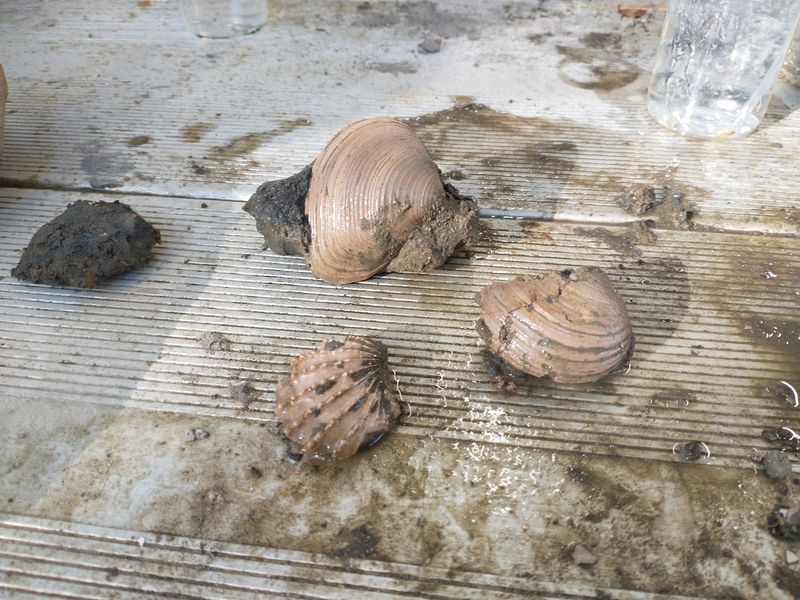
Some outings fade by the next weekend. A jar of 73-million-year-old seashells on a shelf does not, which is the strongest argument for making the drive out to Hardin Graveyard Road.
The value math is straightforward. Twenty dollars a head, four hours of guided digging, university-trained staff answering questions, and a bag of fossils that legally belongs to you at the end.
Nobody should expect polish. Facilities are simple, the signal is bad, the clay stains, and strollers stay in the car.
Those are the honest tradeoffs for a genuine field experience rather than a curated exhibit.
With a 4.7-star average across 29 reviews and fossil collecting as the standout topic, the reaction has been consistent over years. One visitor who came in the late 1990s still keeps the specimens collected then.
Reserve ahead, aim for a third Saturday, pack old clothes and foil, and plan lunch in Adamsville. Confirm current pricing and hours when you call, since details can shift seasonally.
Then let the kids get filthy. That is the whole point, and the shells are the receipt.