
This West Virginia Train Ride Is A Spectacular Way To Experience Fall Foliage
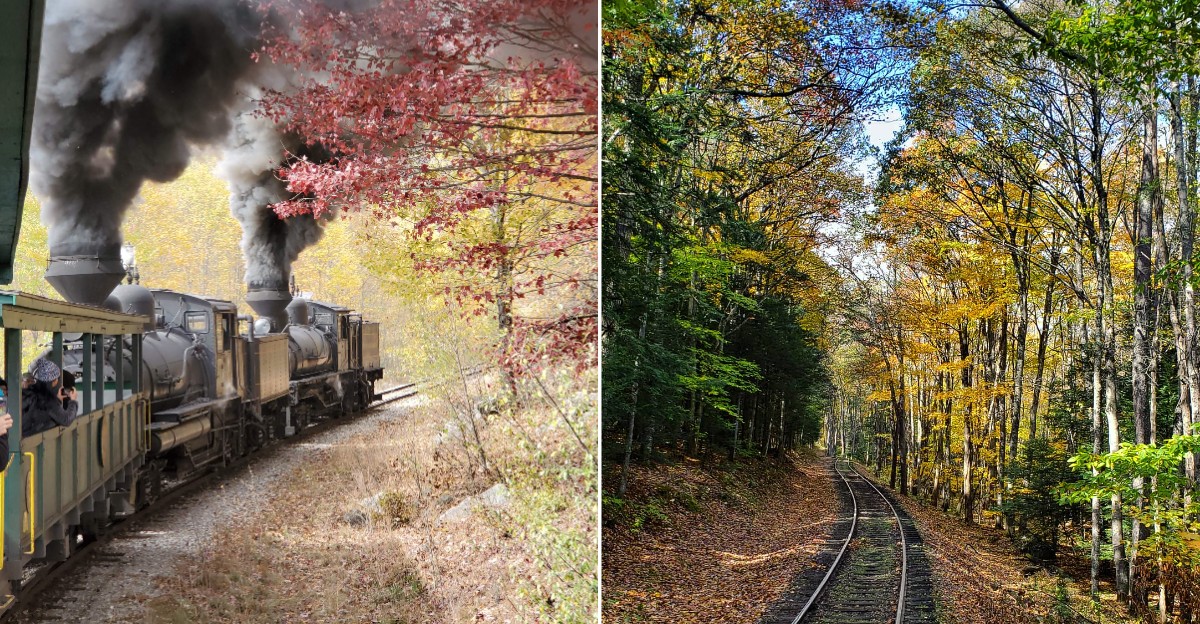
Picture a steam whistle echoing across a mountain covered in red, orange, and gold. That sound is waiting for you in West Virginia.
Every autumn, the hills here turn into a giant painting, and one of the best seats in the house sits on a slow, chugging train. The air smells like crisp leaves and coal smoke.
The wheels click and clank as the engine pushes uphill, one steep grade at a time. Kids press their noses to the rails.
Grown-ups forget about their phones, partly because the cell signal up here is spotty at best.
That is part of the charm. West Virginia has plenty of pretty drives, but nothing quite matches rolling through the forest behind a century-old locomotive.
You get history, fresh mountain air, and wide views that stretch for miles.
So grab a warm jacket and a camera. The leaves only last a few weeks, and the best tickets go fast.
Ready to find out why so many families come back year after year?
All Aboard A Living Time Machine
Steam hisses. A whistle wails.
Suddenly the year feels more like 1920 than today. Welcome to Cass Scenic Railroad State Park, one of the most unique stops in all of West Virginia.
The railroad started in 1901 as a logging line for the West Virginia Pulp and Paper Company. Workers hauled giant trees down the mountain to the mill in town.
When the timber business faded, the state stepped in and bought the line in the early 1960s. The first tourists climbed aboard in 1963, and riders have been smiling ever since.
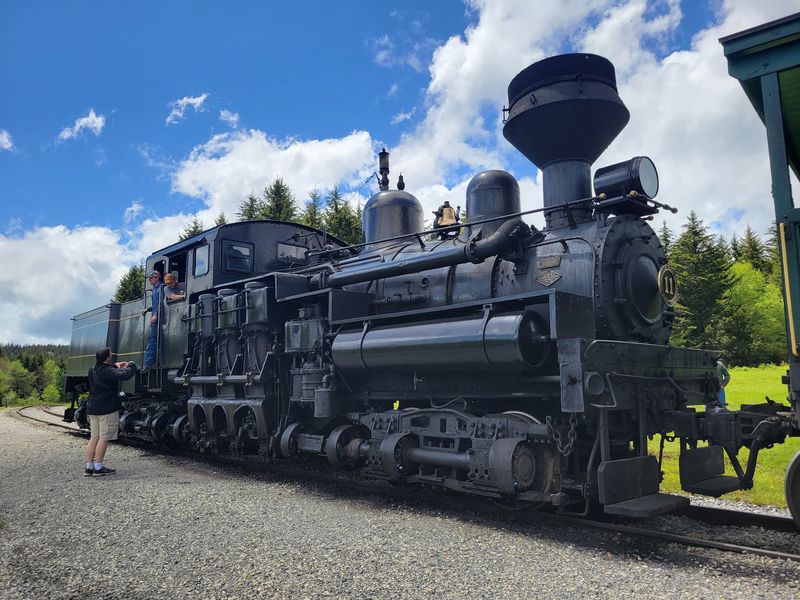
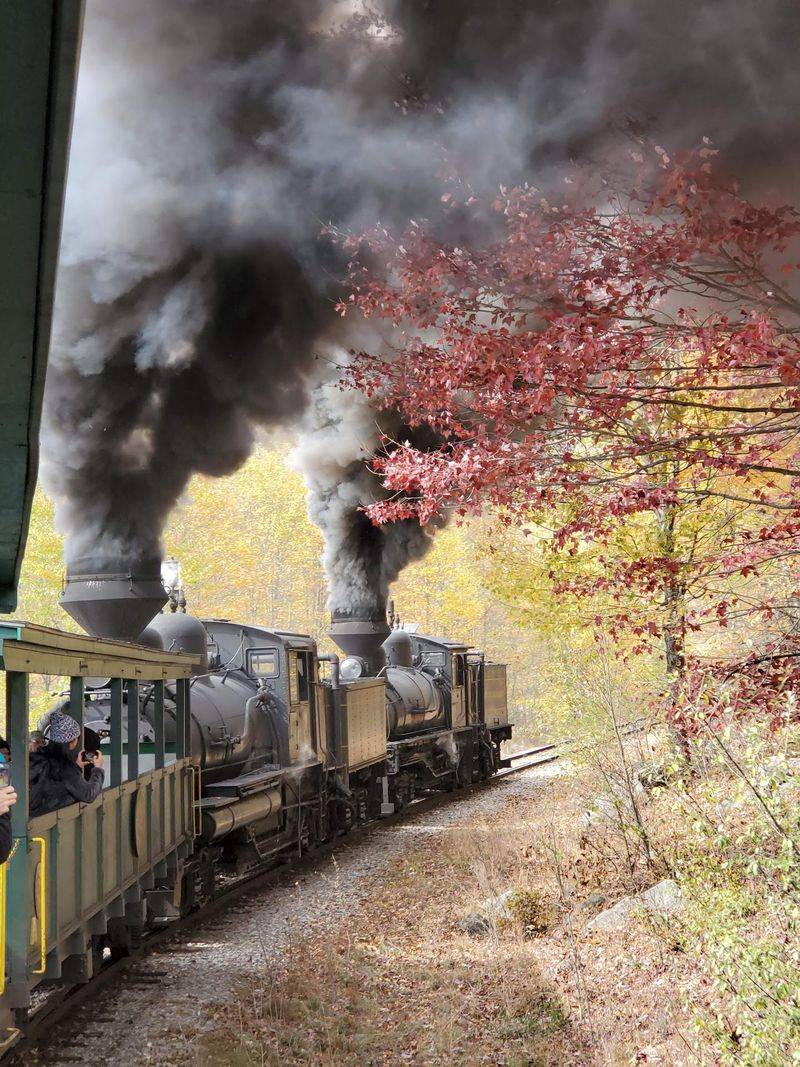
What makes it so special? The engines are the real deal.
The park owns one of the largest collections of Shay locomotives anywhere, along with a Heisler and a Climax.
Shays look a little odd at first. They have gears on the side instead of the usual big wheels and rods.
That design lets them crawl up very steep hills that would stop a normal train cold. Watching the gears spin is half the fun.
Before boarding, take a few minutes to walk the platform. Look at the iron, the brass, and the black smoke curling into the sky.
Can you guess how old the engine pulling your train might be? Ask a crew member.
They love sharing those stories.
Leaves Turning Gold On Cheat Mountain
Timing is everything with fall leaves. Here, the mountain itself helps you out.
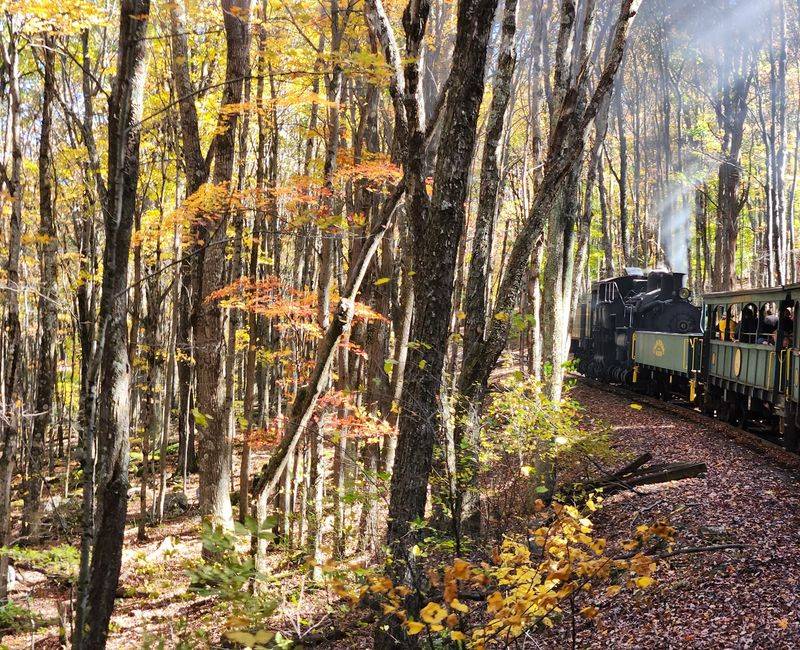
The train climbs so high that the colors change at different times along the same ride.
Up on Cheat Mountain, the leaves can hit their peak by mid to late September. Down in the lower valleys, bright color often hangs around into mid to late October.
That means you might see green, gold, and fiery red all in one trip. Pretty great deal, right?
Many of the train cars are open. There are no glass windows blocking your view.
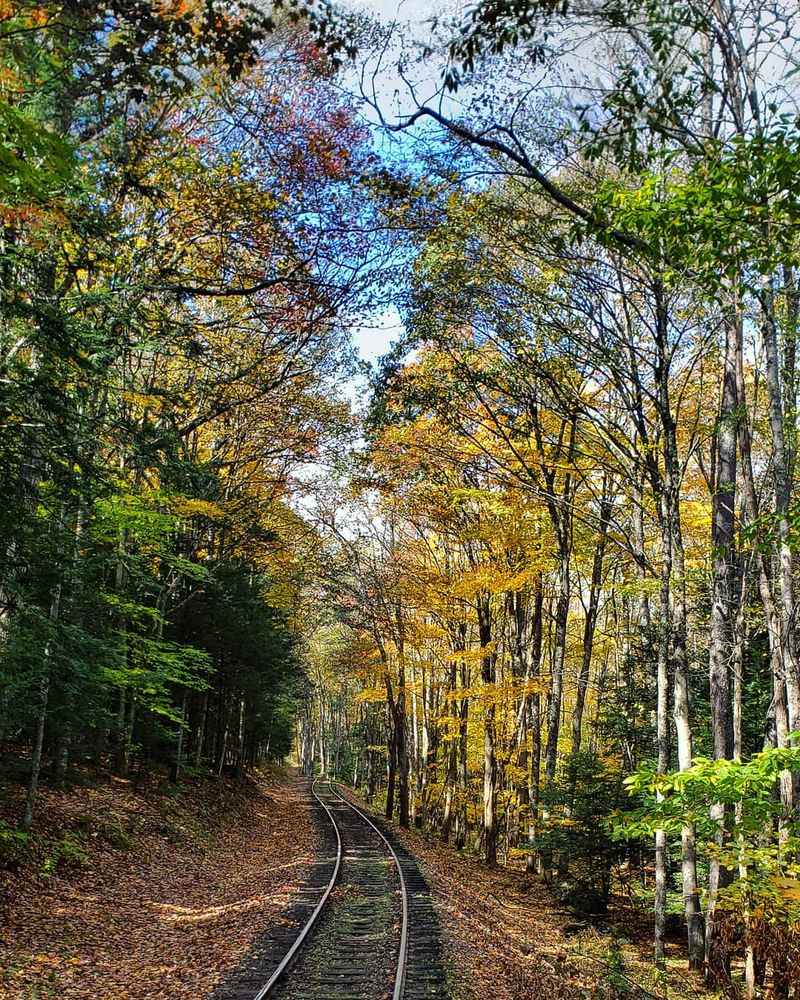
You can feel the cool breeze, smell the pine and fallen leaves, and hear every chug of the engine. It feels more like riding through the forest than looking at it.
Bring a camera with a strap, so it stays safe on bumpy stretches. Sit on different sides going up and coming down for fresh angles.
Also, keep your eyes on the switchbacks. The train zigzags up the slope, so you often get a look back at the track you just climbed.
One fun trick is to pick a favorite color before you board. Maybe it is maple red or birch yellow.
Then try to spot the brightest tree of that shade. Which color do you think will win your car’s vote by the end of the ride?
Kids love this game, and grown-ups secretly do too.
Climbing High To Bald Knob
Here is a wild fact. The ride from town to Bald Knob changes the climate as much as driving about 800 miles north into Canada.
All of that happens in one afternoon on a train.
The Bald Knob trip covers about 22 miles round trip. It takes around four and a half to five hours.
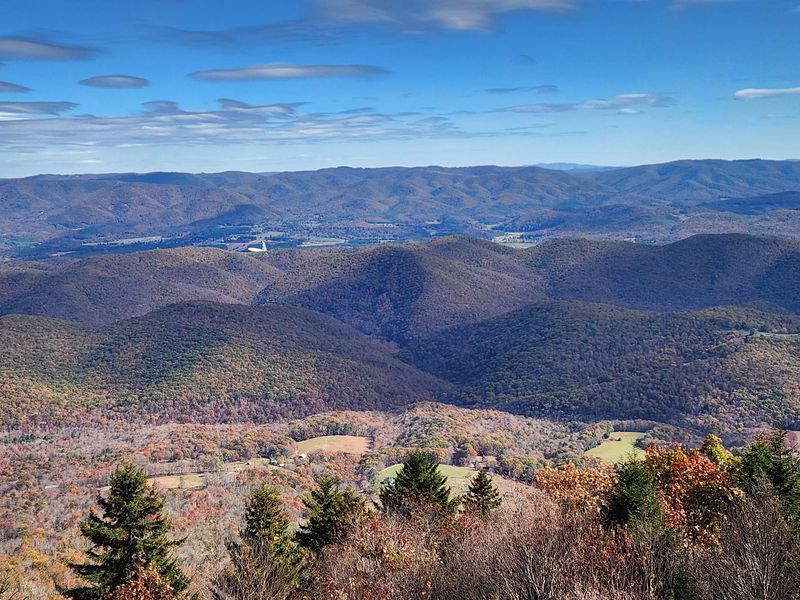
Along the way, the train climbs 2,390 feet, reaching an elevation of 4,842 feet.
At the top, the view opens wide. On a clear day, you can see across the mountains into two states.
In fall, those ridges look like a quilt stitched in orange, red, and gold. Many visitors say this is the moment they remember most.
Getting there is an adventure too. Some grades reach an incredible 8 to 11 percent.
Most trains would never try that. The geared engines push the cars upward, huffing and puffing like a determined little hero.
Plan smart for this longer ride. Pack layers, because the summit can be 10 to 15 degrees cooler than the base.
A hat and gloves are not silly here in October.
A Shorter Ride, Big Rewards
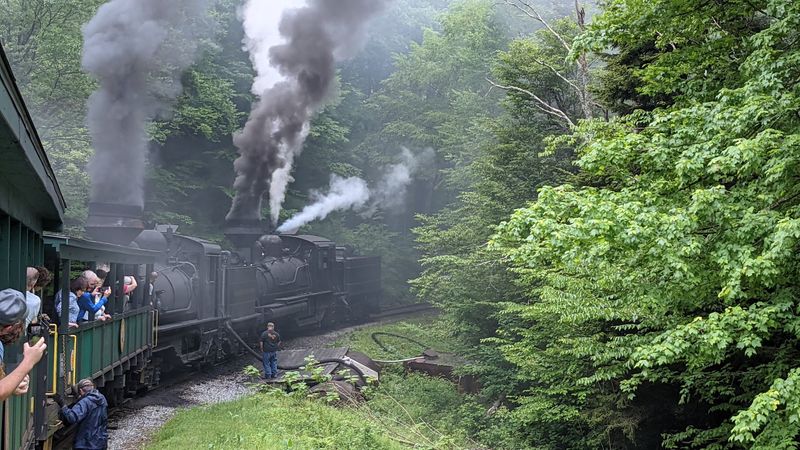
Not everyone has five hours to spare. Little ones get wiggly.
Some folks just want a taste before going big. Good news, the Whittaker Station trip fits that bill nicely.
This ride lasts about two hours round trip. The train climbs the lower slopes of Cheat Mountain and works its way through switchbacks.
The engine actually changes direction as it zigzags upward, which is a neat thing to watch.
At Whittaker Station, you get to hop off and explore. The stop features a re-created 1940s logging camp.
Picture rough wooden cabins, heavy tools, and old equipment that loggers once used deep in these woods. Life back then was hard, loud, and cold.
Walking around the camp helps the history click. You can imagine workers eating big breakfasts before a long day with saws and axes.
Ask yourself, could you handle a whole winter living in a camp like this?
This trip works well for families with younger kids, first-time riders, or anyone short on time. You still get the whistles, the steam, and the colorful slopes.
You just get back to town sooner for ice cream or a stroll.
Fall weekends fill up fast, even for the shorter ride. Book online ahead of time through the official railroad site.
Then you can relax and simply enjoy the trip.
Riverside Rolling And Ghost Towns
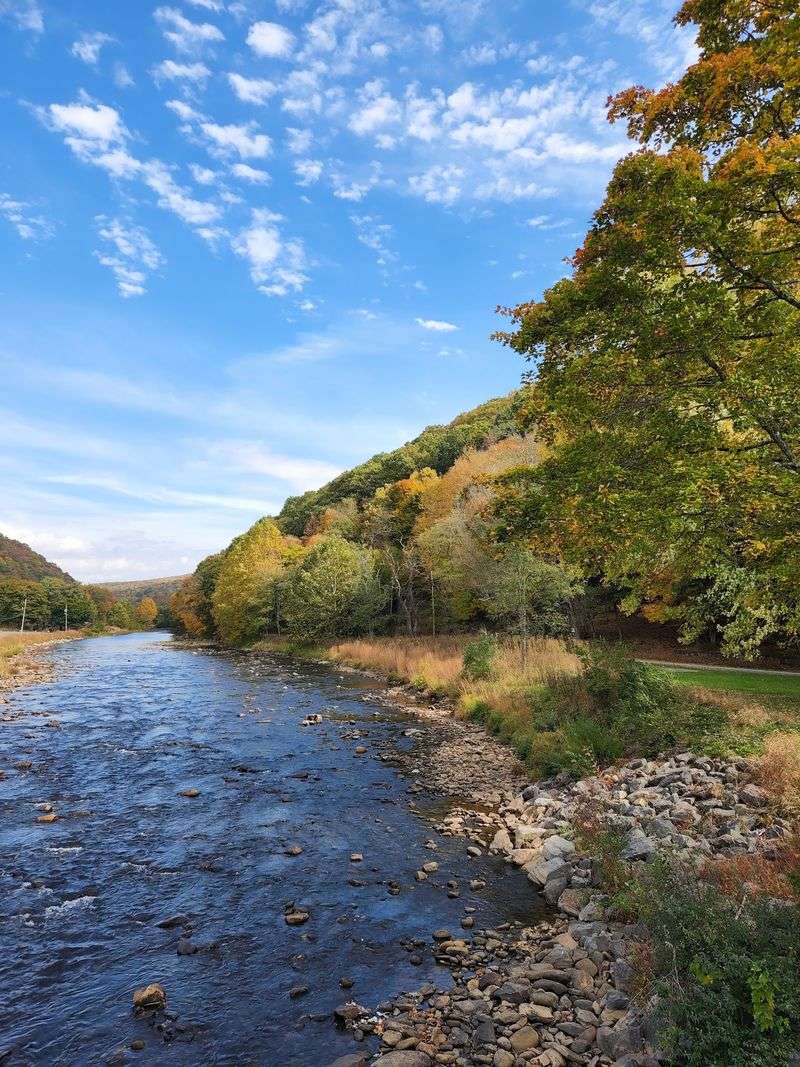
Some travelers crave quiet more than height. For them, the Greenbrier Express is a calm, peaceful pick.
It rolls along the Greenbrier River instead of charging up steep slopes.
This trip runs about six hours round trip from Cass to Durbin. The route follows the gentle river through a remote part of the Monongahela National Forest.
In autumn, the trees lean over the water, and their colors reflect in the slow current. It is like seeing the foliage twice.
Bring a snack, a book, and maybe a sketchpad. The pace is slow, which is exactly the point.
Keep watch along the banks. You never know what wildlife might be wandering near the water.
Craving something spookier? Special excursions head to Spruce, a former town that now sits empty.
Spruce was once known as one of the highest and coldest incorporated towns east of the Mississippi River. People really lived and worked up there, even through brutal winters.
Trips to Spruce are offered only at certain times, so check the schedule carefully. Seats can be limited.
It is a rare chance to visit a lonely spot most people never see.
So which sounds better to you, a lazy river cruise on rails or a trip to a vanished mountain town? Either answer is a win.
Sleep Where Loggers Once Lived
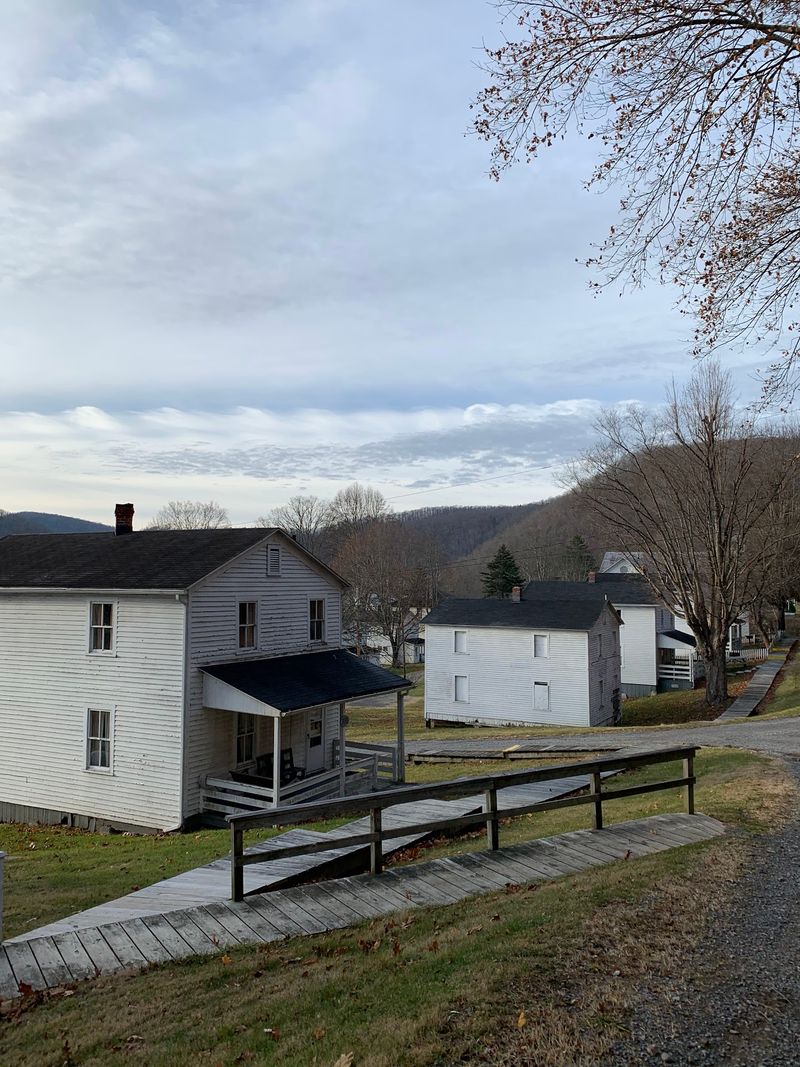
Most towns tear down old buildings. This one kept them.
The whole community was built between 1901 and 1908 as a company town for loggers, and it still looks remarkably like it did back then.
Neat rows of white houses line the streets. Many of these restored company houses are open for overnight stays.
They can hold anywhere from two to fourteen guests. That makes them handy for couples, big families, or a whole group of friends.
Staying overnight changes the whole trip. You can catch the morning mist rising off the mountains.
You hear the first whistle of the day from your porch. Then you walk to the station without rushing a long drive.
Fall is the busiest time for these houses. Leaf season crowds snap them up early, so reserve as soon as your dates are set.
The houses are available year-round, even when the trains are not running.
A few tips help. Cell service in the area can be weak, so download maps before you arrive.
Plan grocery runs ahead, since the park sits in a remote spot. Bring cozy socks for chilly autumn nights.
Want more history? Guided walking tours share stories about the homes, churches, and offices around town.
After the tour, which house would you have picked if you were a logger’s family?
Penny Candy And Soda Fountains
Sweet tooth alert! Right in the middle of town sits the Cass Company Store, and it is packed with treats and treasures.
Back in logging days, workers bought their goods at the company store. Today it serves visitors instead.
Inside, you will find a gift shop, souvenirs, local handmade crafts, and jars of classic penny candy. Kids tend to make a beeline straight for those jars.
The real star is the original 1922 soda fountain counter. It has been around for more than a hundred years.
Grab a seat, order something sweet, and imagine the loggers who stood here long ago. Can you picture what they might have ordered after a long week on the mountain?
The store also handles rentals for outdoor fun. Mountain bikes, e-bikes, and kayaks are all available here.
That makes it an easy first stop before heading out on the trail or the river.
Looking for a souvenir that is truly local? Skip the generic stuff and check out the artisan items.
Handmade goods from West Virginia makers make better keepsakes than a plain magnet.
Hungry for a real meal? The nearby restaurant serves breakfast through dinner with views of the river and the tracks.
Hours change by season, so check online before you visit. Then stroll over and treat yourself after the ride.
Museums, Music, And Final Tips
Old photos, rusty saws, and stories galore wait just steps from the tracks. If the train sparked your curiosity, the museums will feed it.
The Cass Historical Museum offers free exhibits about the railroad and the community. Visitors often say it is small but full of pictures and artifacts.
The Catty Neighbors Logging Museum, next to the restaurant, shows tools and historical photos from the timber days. The Cass Historic Theater plays a short documentary about the town and its trains.
Love music? Pickin’ on the Porch happens on Saturdays from May to October.
Local musicians play, and listeners are welcome to sing along. Would you be brave enough to join in on a chorus?
Now, a few smart planning tips. Buy train tickets online at mountainrailwv.com, and book early for fall weekends.
Hours for trains, museums, and dining shift with the seasons, so check the official schedule first. The train season usually runs from May through October.
The steam engines can be loud, so pack earplugs for sensitive ears. Expect a little soot on your jacket, too.
Wheelchair users can reserve the accessible car, number 13, in advance.
Ready to go? Point your map to 12363 Cass Rd, Cass, WV 24927, and give yourself extra driving time on mountain roads.
West Virginia’s autumn colors are waiting.