
This Wisconsin Lighthouse Has One Of The Most Breathtaking Views In The Midwest
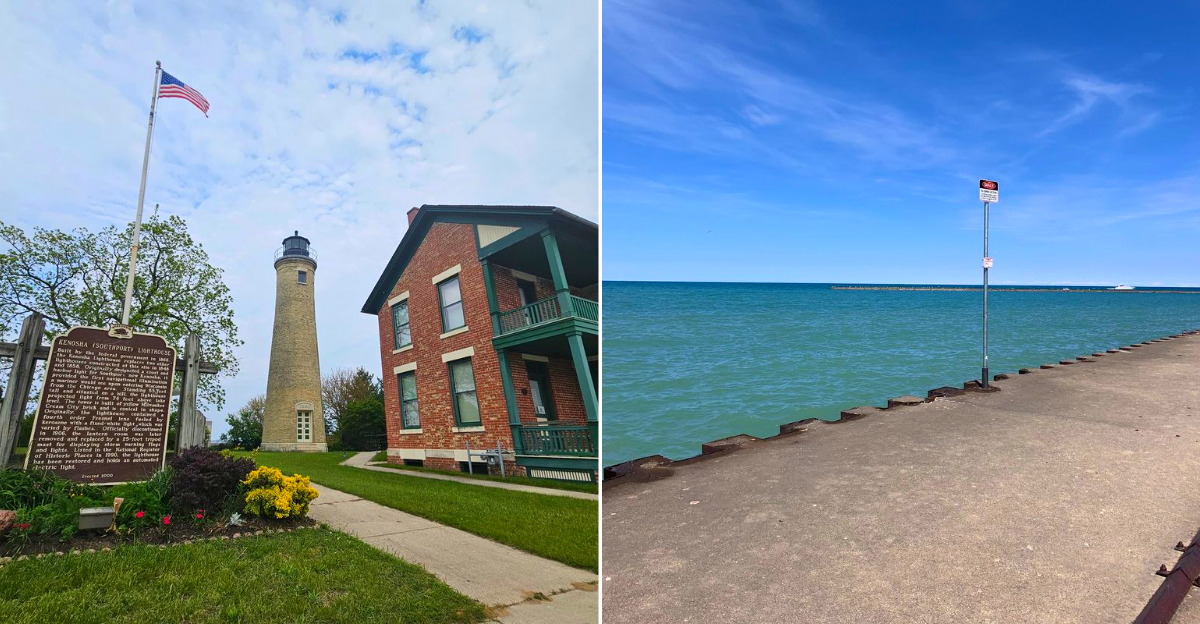
A tall brick tower beside endless blue water is enough to stop almost anyone in their tracks. In Wisconsin, the experience gets even better once you head inside and start climbing the spiral stairs.
The tower dates back to the 1800s, and every level adds another piece of the story. A restored keeper’s home, historic artifacts, ship models, and maritime displays bring the past to life without making the visit feel heavy.
Then comes the view. The higher you climb, the wider the water seems to stretch. Fresh air and sweeping scenery make the final steps feel completely worth it.
There is more to enjoy once you are back outside. The surrounding shoreline is easy to explore, giving you room to slow down and enjoy the setting a little longer. History, scenery, and a memorable climb all come together in one stop that feels made for a relaxed day out.
A Climb To The Top Rewards You With Endless Water
Seventy-two steps stand between you and one of the widest views in the Midwest. The spiral staircase inside Kenosha (Southport) Light Station leads up 72 steps to the lantern room.
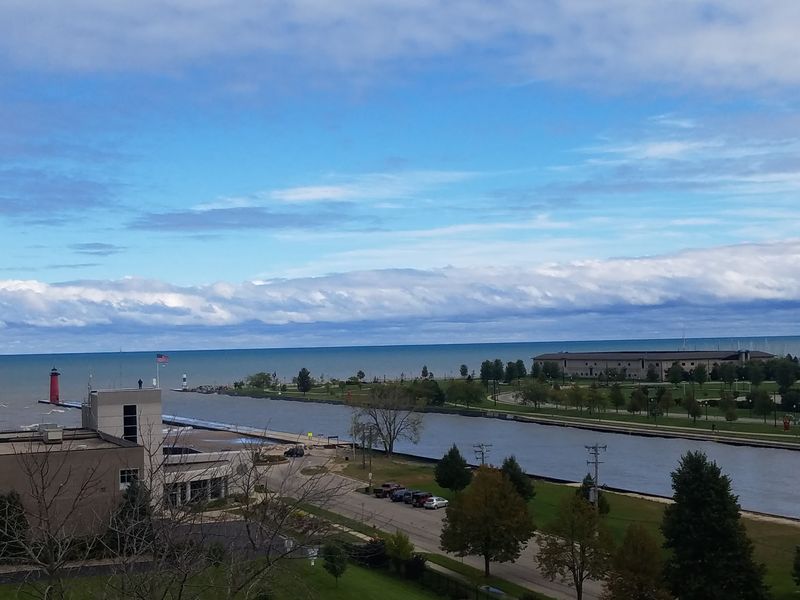
At the top, the tower opens up to Lake Michigan in every direction. You see the harbor below, boats moving in and out, and water that fades into the sky with no clear line between them.
On bright days the lake shifts through shades of blue and green. On cloudy days you get moody gray water and a horizon that feels endless. Both are worth the climb.
The tower rises 55 feet, and the space near the top gets warm in summer, so bring water and take your time. If heights make you nervous, the steps are steady and enclosed, which helps a lot.
Pack a camera or keep your phone handy. Morning light hits the front of the building nicely, while late afternoon gives you softer color across the water. Either way, you will want a photo before heading back down.
An 1866 Brick Tower With Serious Staying Power
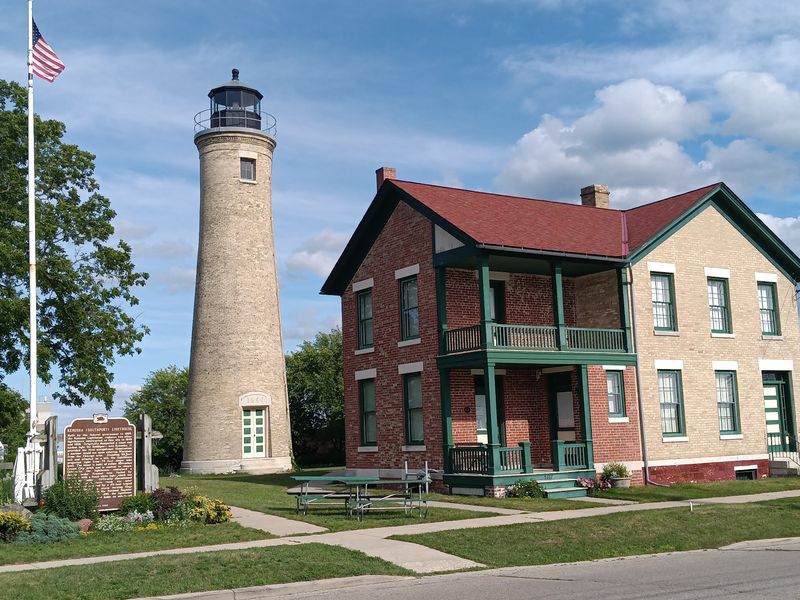
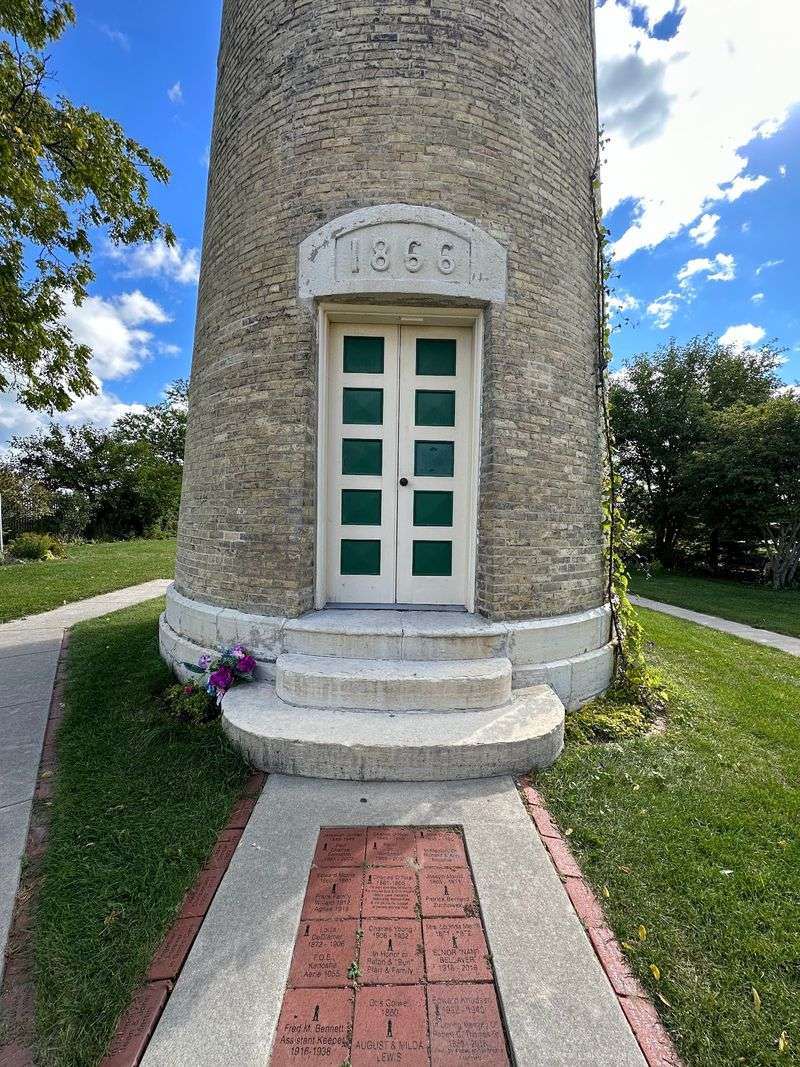
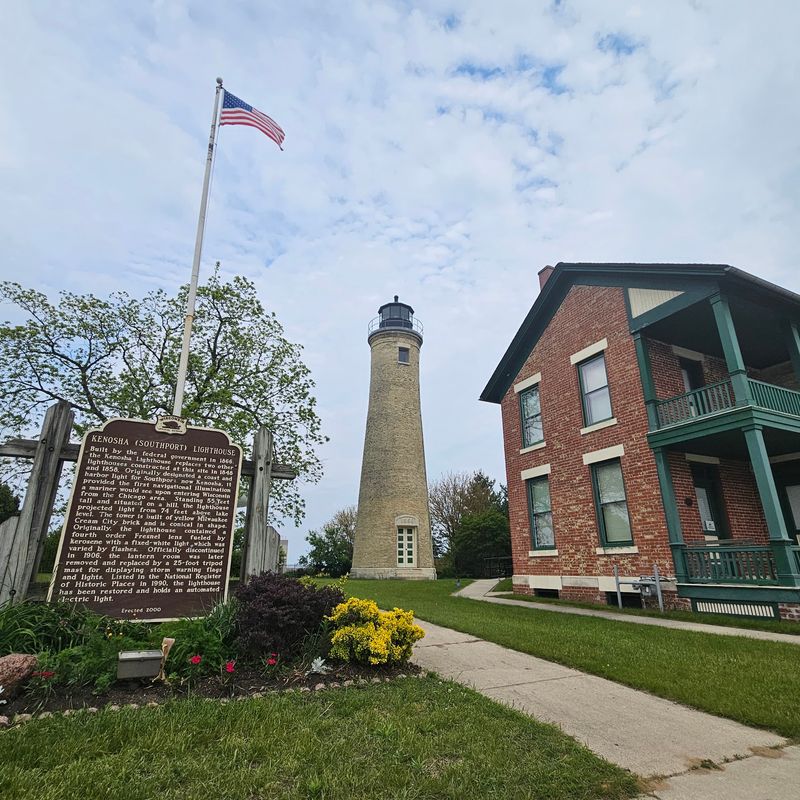
Built in 1866, this tower has watched over the shoreline through storms, shipping booms, and complete changes in how sailors find their way. The brickwork alone tells you something about the care that went into it.
Kenosha (Southport) Light Station survived long stretches when nobody was sure what to do with it. Restoration work by the Kenosha History Center brought the tower and the keeper’s residence back to life, and the results look sharp from every angle.
You can see the craftsmanship in the details. The color of the brick, the shape of the windows, and the lantern room at the top all reflect building styles from the mid 1800s.
Kenosha was once called Southport, which is where the second half of the name comes from. Little facts like that turn a quick photo stop into something more interesting.
Take a slow lap around the outside before you go in. You will notice how the tower connects to the house, how the grounds are kept, and how the whole property fits into the neighborhood around it. It is a solid piece of Wisconsin history standing right where it always has.
Inside The Keeper’s House, History Feels Personal
Two floors of the keeper’s residence are open to walk through, and each room carries something worth pausing over. The downstairs kitchen is restored to the 1907–08 period, with period furnishings and historic paint colors.
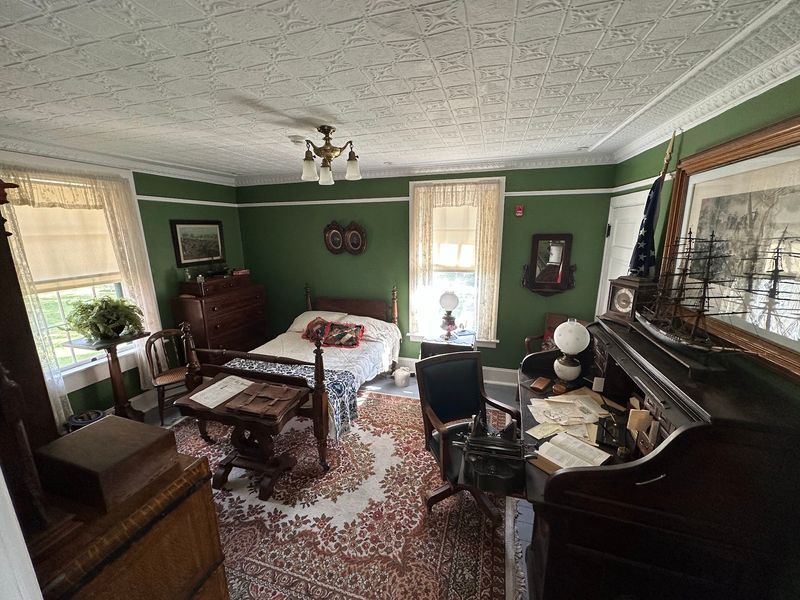
Upstairs, a restored bedroom gives you a sense of how small and practical life was for the people who ran the light. No frills, just what the job required.
The museum side of Kenosha (Southport) Light Station holds artifacts, old photographs, maps, and history walls packed with details about the harbor. You can read at your own pace without feeling rushed.
What sticks with most visitors is how ordinary the space feels. Keepers lived here with their families, hauled fuel up the tower, and kept the light burning through weather that most of us would never want to face.
Plan on thirty to forty five minutes inside if you like reading displays. Kids usually gravitate toward the ship models and the old tools. Admission to the house is free, though donations help keep the doors open. A small fee applies if you want to climb the tower itself.
The Fresnel Lens Story Will Change How You See Lighthouses
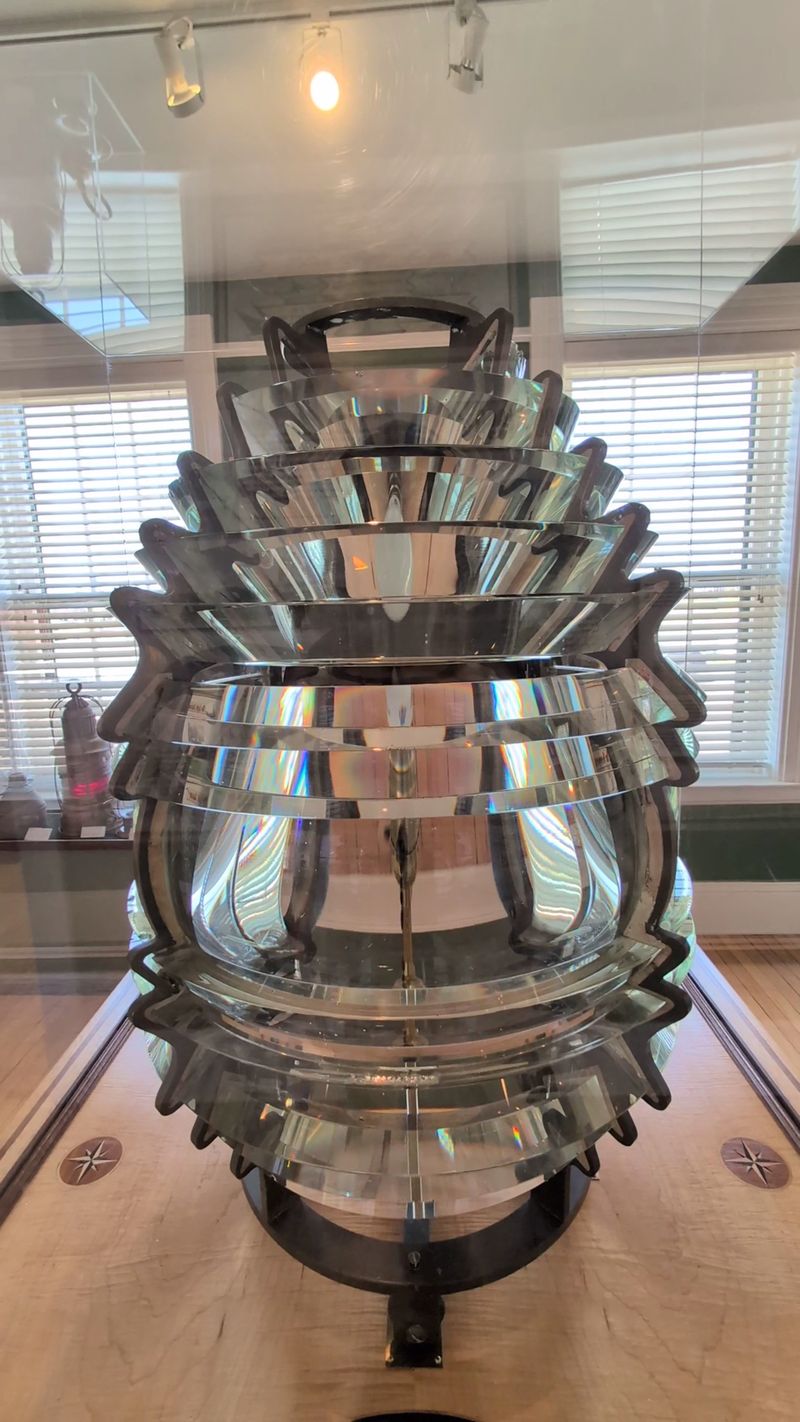
Glass rings stacked into a beehive shape may not sound thrilling until someone explains what they do. A Fresnel lens takes a modest flame and bends the light into a beam that carries for miles across open water.
Kenosha (Southport) Light Station has a fine example on display, and the explanation that comes with it is one of the highlights of the visit. You learn how each prism catches and redirects light instead of letting it scatter.
Getting these lenses to the top of a tower was its own challenge. They were heavy, fragile, and expensive, and hauling one up a narrow spiral staircase took real planning.
The museum also covers how fog signals worked, which matters just as much on nights when nothing is visible. Sound guided ships when light could not. Ask questions while you are there. The people staffing the site know the technical side well and enjoy walking visitors through it.
Once you understand the lens, every lighthouse you visit afterward looks different. That is the kind of takeaway that makes a small museum stop stick with you.
Shipwreck Tales And Model Ships Fill The Upper Level
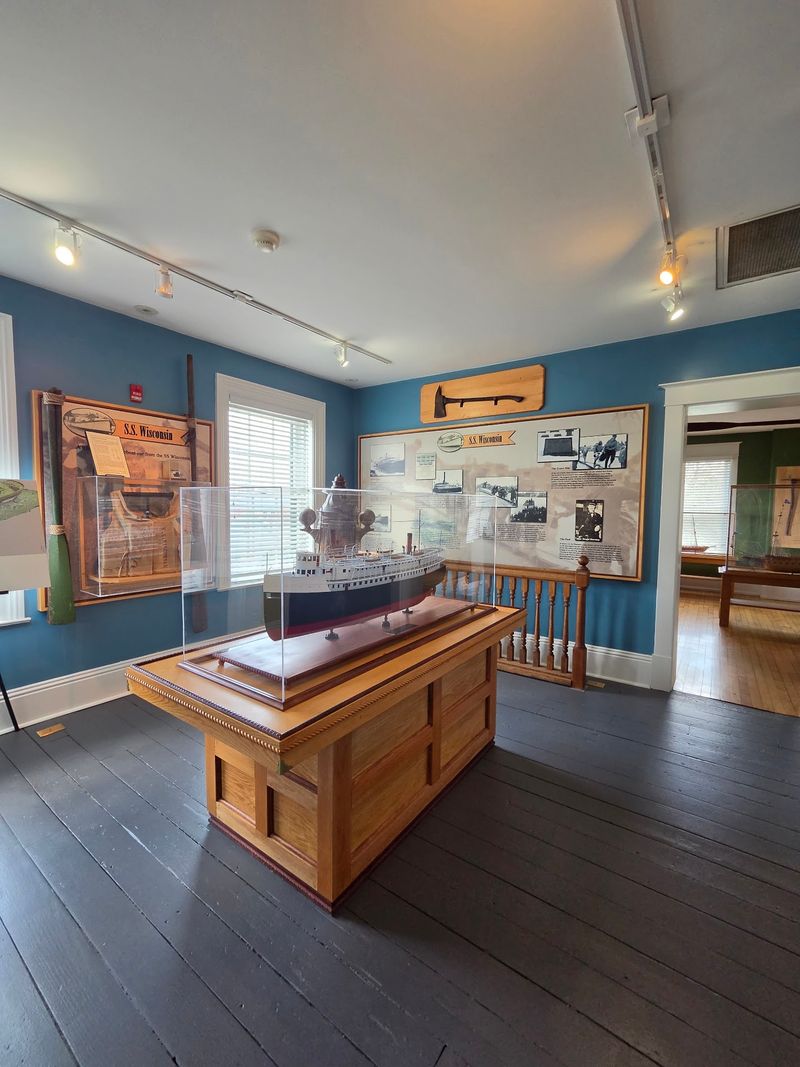
Great Lakes shipping came with real danger, and the upper level of the museum does a good job showing why. Displays cover wrecks, rescues, and the vessels that once moved goods and passengers along this shoreline.
The story of the Wisconsin draws the most attention. That ship connects directly to the waters off Kenosha, and hearing the details adds weight to the view you just took in from the tower.
Handcrafted model ships sit throughout Kenosha (Southport) Light Station, and several were built by staff members themselves. The level of detail on the rigging and hulls is impressive up close.
Maritime fans will find plenty to study here. Charts, vintage photos, and fishing exhibits round out the picture of what life on the water looked like in this part of Wisconsin.
Even if you did not grow up around boats, the human side of these stories lands. Crews faced sudden storms with far fewer tools than we have now.
Give yourself time on this floor. It is easy to breeze past, but the shipwreck material is the emotional heart of the whole museum.
Guides Here Turn Facts Into Great Conversation
Plenty of small museums hand you a brochure and let you wander. Here, you get someone who genuinely wants to talk about what you are looking at.
Longtime volunteers at Kenosha (Southport) Light Station have spent years learning the harbor’s history, and some have been leading tours for well over a decade. They cover lighthouse operations, Great Lakes shipping, and the families who lived on site.
You will find the address at 5117 4th Ave, Kenosha, WI 53140, which puts you in a quiet residential area near the water. Call ahead if you want to confirm tower access before driving out.
Bring your questions. Ask about the fog signal, the lens, the keepers, or the ships that went down offshore.
Conversations often wander into unexpected territory, and that is part of the charm. A quick stop can easily stretch into an hour once you get talking.
If you travel with kids, encourage them to ask something too. Hearing an answer straight from a person who cares about the subject beats reading a sign every time.
Shoreline Walks, Piers, And Beaches Sit Right Nearby
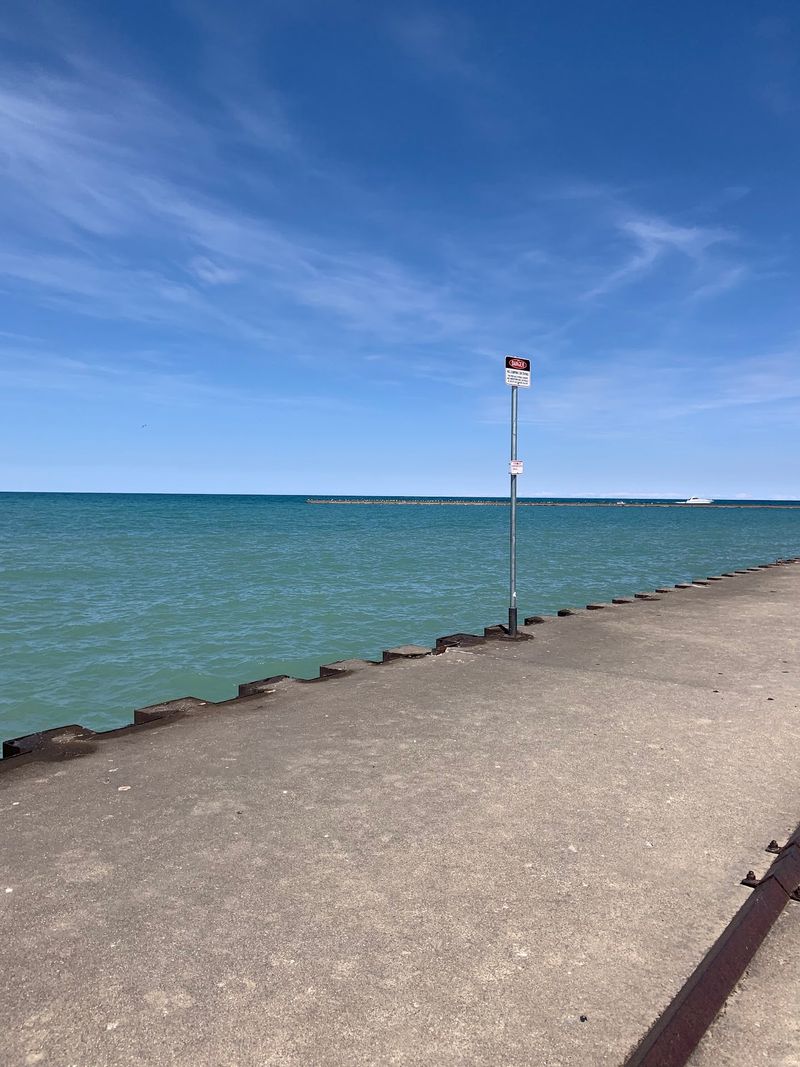
The lighthouse is the anchor, but the surrounding lakefront turns a short visit into a half day outing. Walking paths run along the shore, and a fishing pier gives you a different angle on the harbor.
Beaches sit within easy reach, so you can bring a towel and stretch out after touring Kenosha (Southport) Light Station. The water is cool, the sand is clean, and the whole area stays well maintained.
Parking is available, and many visitors find spots behind the park closer to the shore. Arriving earlier in the day usually makes that easier. You will also spot other harbor lights in the distance, which makes the area a favorite for anyone collecting lighthouse photos across Wisconsin.
Bring comfortable shoes. The ground is mostly flat, but you will cover more distance than you expect once you start following the water.
Sunrise over the lake is worth setting an alarm for if you are staying overnight nearby. The tower catches early light beautifully, and the shoreline is quiet before the day picks up. It is an easy, relaxed way to start a trip.
Planning Your Trip Makes The Visit Even Better
A little planning goes a long way with a site like this. Hours run Thursday through Saturday from 10 AM to 4 PM, with Sunday hours from noon to 4 PM, and the site closes Monday through Wednesday.
Tower climbing is seasonal, with the 2026 season running from May 1 through October 25. The museum grounds stay lovely to walk year round.
Entry to the keeper’s house at Kenosha (Southport) Light Station is free with donations welcomed, and a small separate charge covers the tower climb. Dress in layers. Lake breezes can be cool outside while the tower gets warm inside, especially on sunny afternoons.
Combine the stop with other things happening along the Kenosha waterfront. Museums, parks, and the streetcar line are all close together, which makes the area easy to explore without much driving.
More than anything, give yourself unhurried time. The view from the top, the stories inside, and the quiet stretch of Wisconsin shoreline outside all deserve more than a quick glance before you move on.