
Welcome To Mississippi’s Own “Little Poland,” Where An Old-School Market Keeps Traditional Polish Flavors Alive
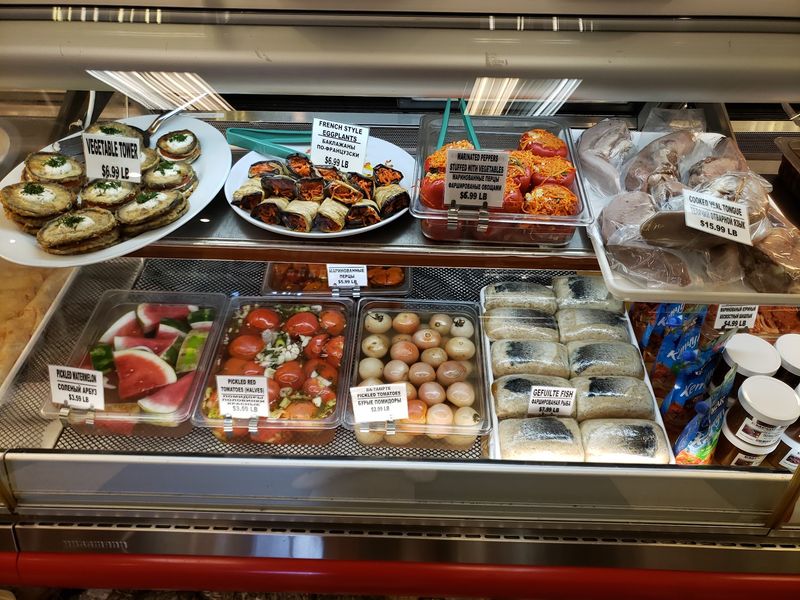
A road trip through central Mississippi can hand you a surprise, like a town sign carrying a Polish hero’s name. We went looking for a classic Polish market and found something different: a story of history, honest food hunting, and family kitchens.
Polish flavors here survive through a famous name, a few grocery shelves, and home cooks willing to roll dough. Here is what we learned, and how your family can taste Poland without leaving the state.
1. A Town Named After a Polish Hero
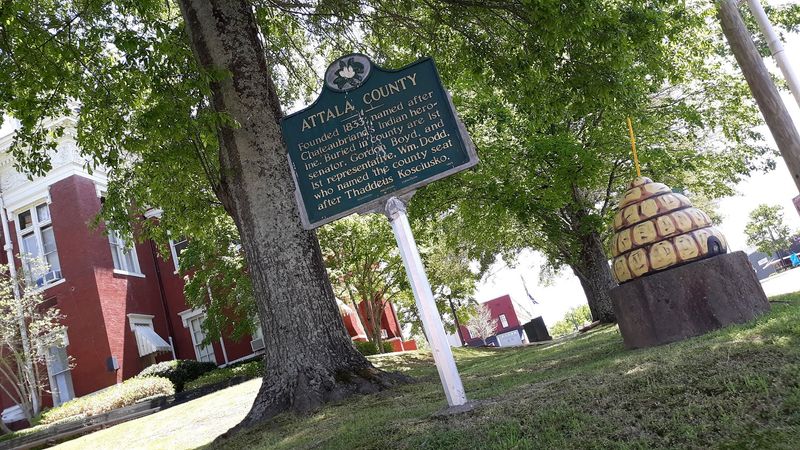
Back in 1833, settlers in central Mississippi picked a name that still makes visitors pause. They chose to honor Tadeusz Kosciuszko, a Polish engineer and military leader who helped the American colonies during the Revolutionary War.
His designs for defenses at Saratoga and West Point played a big role in the fight for independence.
Kids usually love hearing that a hero from across the ocean volunteered to help a brand-new country. Kosciuszko later returned to Poland and led an uprising for his own homeland’s freedom.
Thomas Jefferson counted him as a close friend, which makes for a fun history connection during homeschool lessons or school projects.
Spelling the town name trips up almost everyone, and that is part of the charm. The Mississippi town drops a letter compared with the general’s original Polish spelling.
Ask your kids to spot the difference on signs as you drive in.
Families should know the name reflects admiration rather than a large Polish population. Historical records show very few Polish immigrants ever settled in Mississippi, with the 1890 census counting only about 120 residents born in Poland, Bohemia, or Russia combined.
The real legacy here is a story, and stories make terrific road trip fuel.
2. The Honest Truth About the Market Hunt
Plenty of travel stories promise a perfect little shop around every corner. Ours comes with a reality check that parents will appreciate before loading everyone into the car.
Current research turns up no confirmed, dedicated Polish market operating in Mississippi.
Searches for Polish delis, grocery stores, and restaurants across the state come back empty. Online discussions from the Memphis area, just over the northern border, point out a lack of Eastern European markets too.
A Polish food truck and small shelves inside international grocers are the main options people mention.
So why write about it at all? Because the hunt itself teaches kids something valuable about how immigrant food traditions travel, settle, and sometimes stay tucked inside home kitchens instead of storefronts.
Polish heritage in Mississippi mostly lives in family recipes, church cookbooks, and holiday tables.
Planning tip: call ahead before driving anywhere advertised online as Polish or Eastern European, since small businesses open and close quickly. Check recent listings and social media pages for updated hours.
That small step can save a cranky afternoon with hungry children in the back seat.
Treat the search as an adventure rather than a guaranteed stop. Some of the best family memories come from exploring together.
3. Pierogi Night at Home
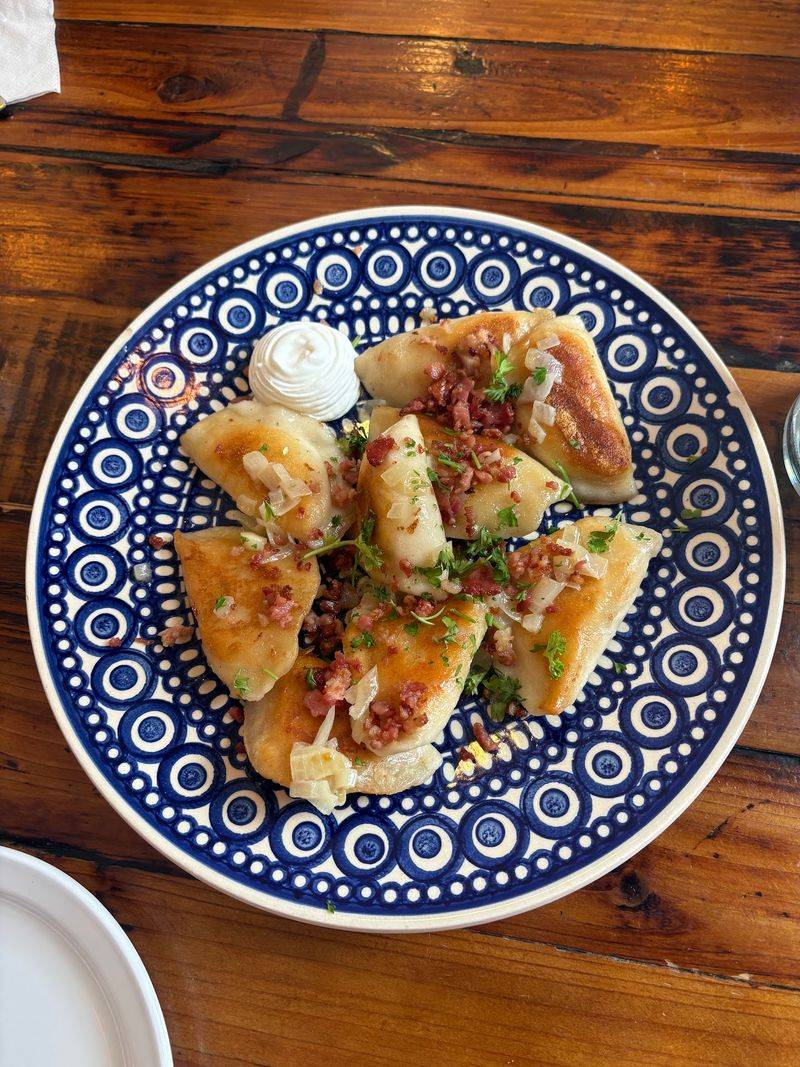
Flour on the counter, a rolling pin, and a bowl of mashed potatoes can turn any Tuesday into a mini trip to Krakow. Pierogi are Poland’s beloved filled dumplings, and they happen to be one of the most kid-friendly cooking projects around.
Small hands are perfect for pinching edges closed.
Classic fillings include potato and cheese, sauerkraut with mushrooms, or sweet versions stuffed with fruit. Polish families often boil them first, then pan-fry them in butter with onions until golden.
Sour cream on the side is traditional and almost always a hit.
Here in Mississippi, local ingredients can add a fun twist. Try a sweet potato filling or blueberries picked during summer season at a nearby farm.
Kids get a lesson in how recipes change when they travel to new places.
Making a big batch works well for busy families. Uncooked pierogi freeze beautifully on a baking sheet before going into bags, ready for quick dinners later.
Frozen store-bought pierogi also show up at many major grocery chains across the state, which is handy on rushed weeknights.
Assign roles to keep everyone busy: one child cuts circles, another scoops filling, and a grown-up handles the stove.
4. Kielbasa on the Grill
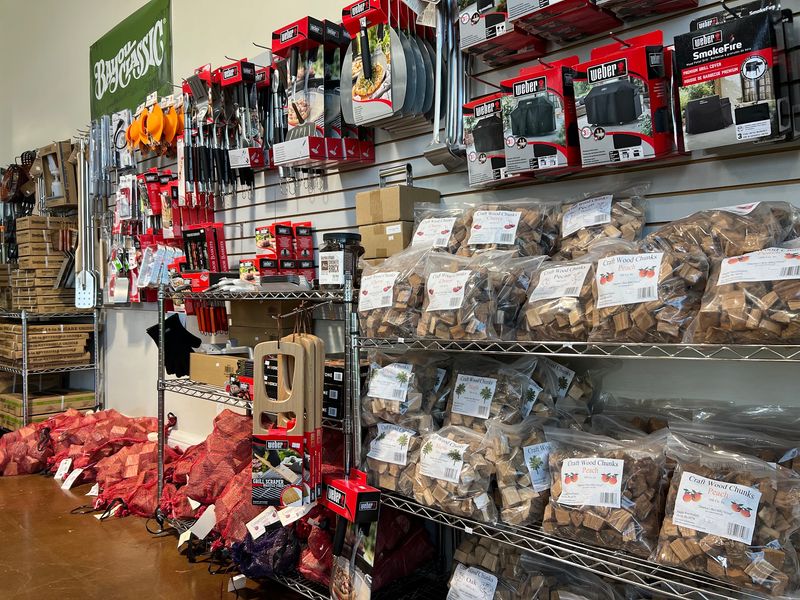
Smoky, garlicky, and a little peppery, kielbasa is the Polish sausage most Southern families already know without realizing it. Packages labeled Polish sausage sit in the meat case at nearly every supermarket in Mississippi.
That makes it the easiest Polish flavor to bring home tonight.
In Poland, the word kielbasa simply means sausage, and dozens of regional styles exist. Some are thin and dry for snacking, while others are thick and juicy for grilling.
American versions tend to be smoked and ready to heat, which is great news for parents short on time.
Grilling is a natural fit for Mississippi weather much of the year. Slice links on the diagonal, char them lightly, and serve alongside sauerkraut or a simple cabbage slaw.
Kids who resist cabbage might warm up to it when it sits next to something sizzling.
Fun fact for the dinner table: kielbasa feels right at home here because smoked sausage already plays a starring role in Southern cooking. Gulf Coast gumbo and red beans often use similar links.
Talking about those shared flavors helps children see how food traditions overlap across very different cultures.
Pair with boiled potatoes and dill for a quick, filling Polish-style plate.
5. International Grocery Aisles
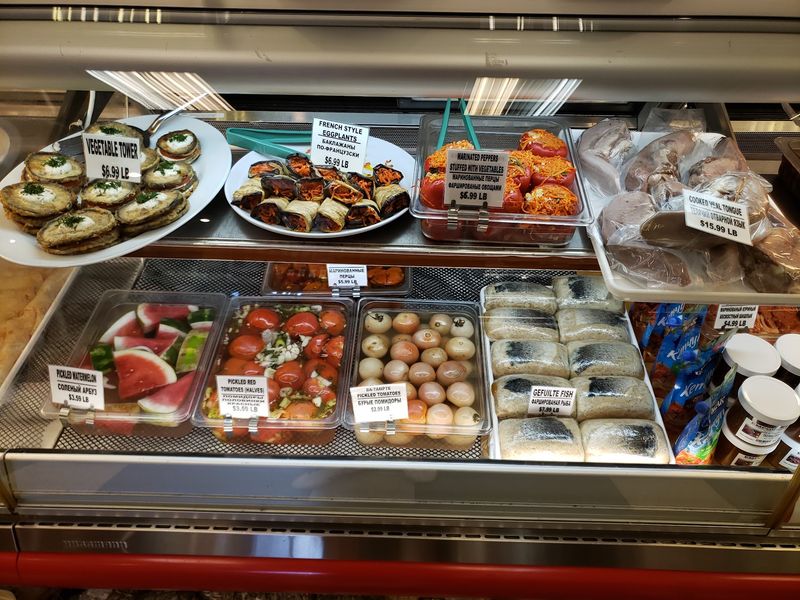
Tucked between Mexican spices and Asian noodles, a short shelf of Eastern European goods can feel like finding treasure. Larger international grocery stores in Mississippi’s bigger cities and in nearby Memphis sometimes stock Polish and Slavic products.
Selection changes often, so each visit brings something new.
Look for jarred dill pickles, beet spreads, buckwheat groats, poppy seed fillings, and chocolate-covered wafer cookies. Labels printed in Polish turn the aisle into a reading game for older kids.
Younger children can hunt for letters with little marks, like the slashed L or dotted Z.
Parents can turn a quick shopping stop into a small family challenge. Give each child a budget of a few dollars and ask them to choose one item they have never tried.
Taste-testing at home afterward becomes an easy, low-cost cultural lesson.
Before heading out, call the store and ask whether they carry Eastern European items. Staff at smaller international markets are often happy to point you toward specific shelves or special orders.
Weekday mornings tend to be calmer, giving kids more room to browse without crowded aisles.
Bring a cooler bag if you plan to buy refrigerated sausages or cheeses on a longer drive.
6. Paczki and a Mardi Gras Connection
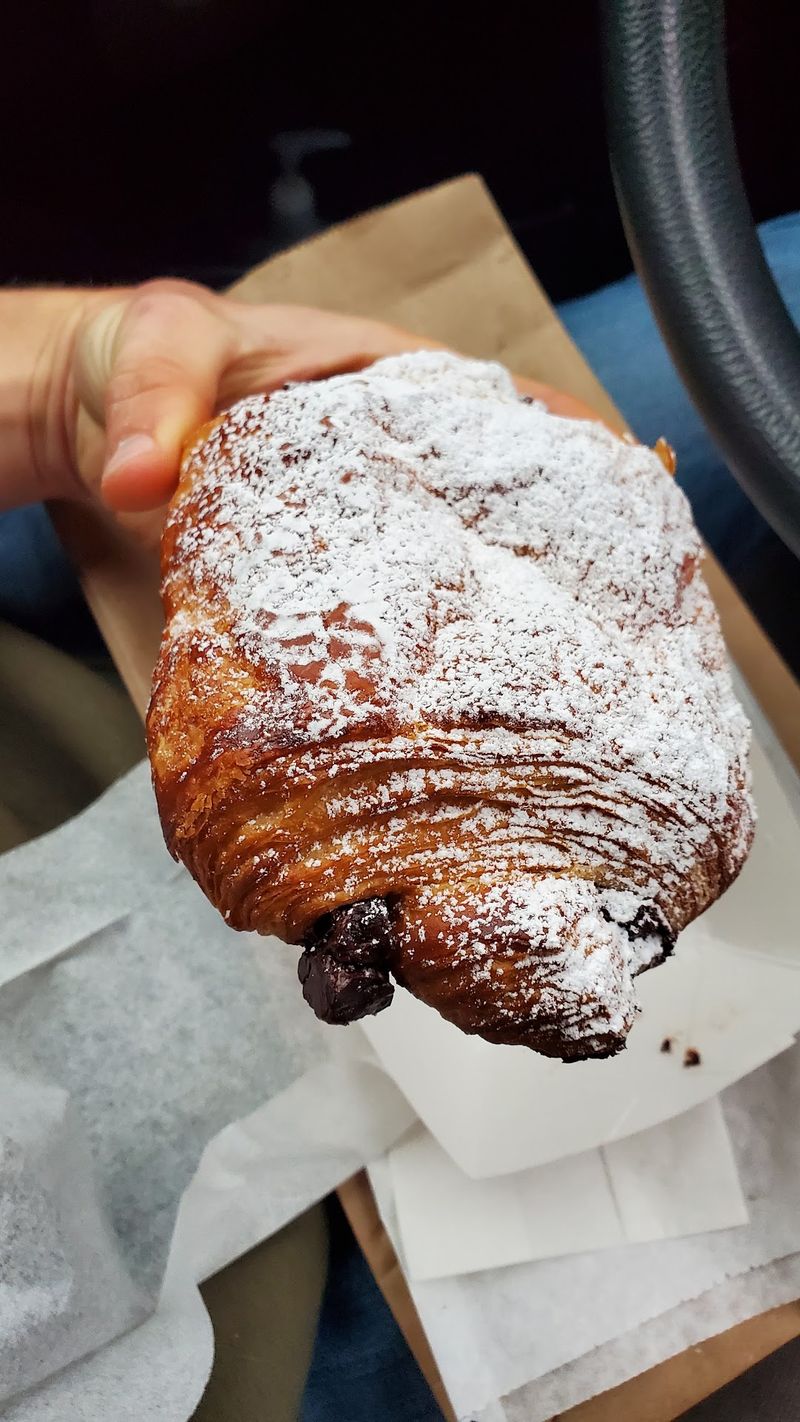
Mississippi already loves a pre-Lent party, and Poland has its own sweet way of celebrating. On Fat Thursday before Lent, Polish families line up for paczki, rich round doughnuts filled with rose jam, custard, or fruit.
Polish American communities often enjoy them on Fat Tuesday instead.
Gulf Coast towns host lively Mardi Gras parades every winter, which creates a fun bridge between cultures. King cake might rule the season locally, yet paczki make a tasty side story for curious kids.
Comparing the two pastries is a delicious way to talk about traditions.
Paczki dough is richer than a standard doughnut, using eggs, butter, and sometimes a splash of citrus. The result is dense, tender, and very filling.
One is usually plenty for a child, so consider sharing.
Finding authentic paczki in Mississippi takes some effort, since no dedicated Polish bakery is confirmed in the state. Some local bakeries may make them by request, so asking ahead in February is smart.
Baking them at home is another option for families comfortable with frying.
Plan a family pastry day during Carnival season, then trade notes on which treat won the vote.
7. Natchez Trace Information Stop
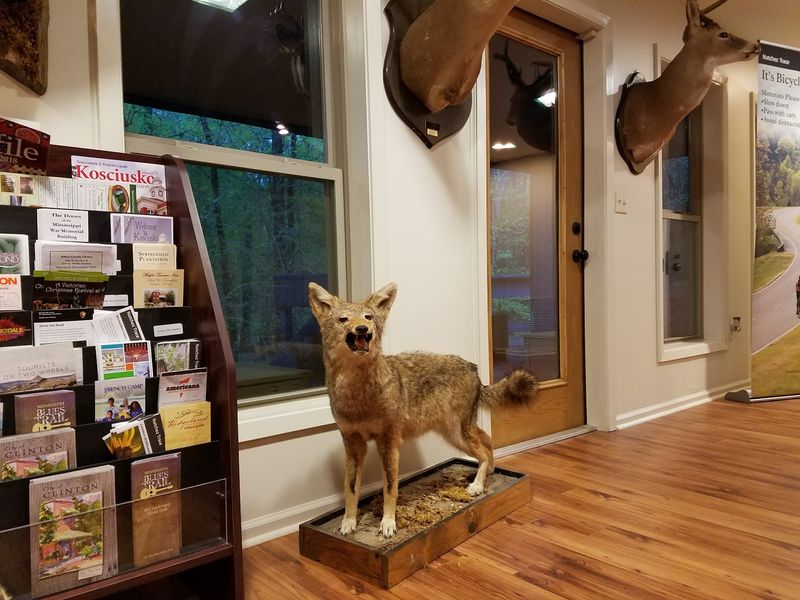
Scenic driving and a history lesson combine nicely along the Natchez Trace Parkway, which passes right by the town honoring the Polish general. Near milepost 160, travelers find an information center that shares local history, including the story behind the name.
Restrooms and parking make it a smooth break with kids.
The Trace itself stretches 444 miles from Natchez to near Nashville, following an old path used by Native Americans, traders, and travelers. Families can pair a quick history stop with short walking trails at other pullouts.
Little legs appreciate the chance to stretch.
Hours can vary, so checking ahead is wise before building a whole afternoon around this stop. Volunteers often run information centers along the route and may share stories about the area.
Asking kids to prepare one question in advance helps keep them engaged.
Picnic tables along the Parkway offer a perfect setting for a Polish-inspired lunch packed from home. Think kielbasa sandwiches, pickles, and leftover pierogi.
Commercial trucks are not allowed on the Trace, so the drive feels calm and relaxed.
Download offline maps beforehand, since cell service can be spotty in wooded stretches of central Mississippi.
8. Planning a Family Polish Food Day
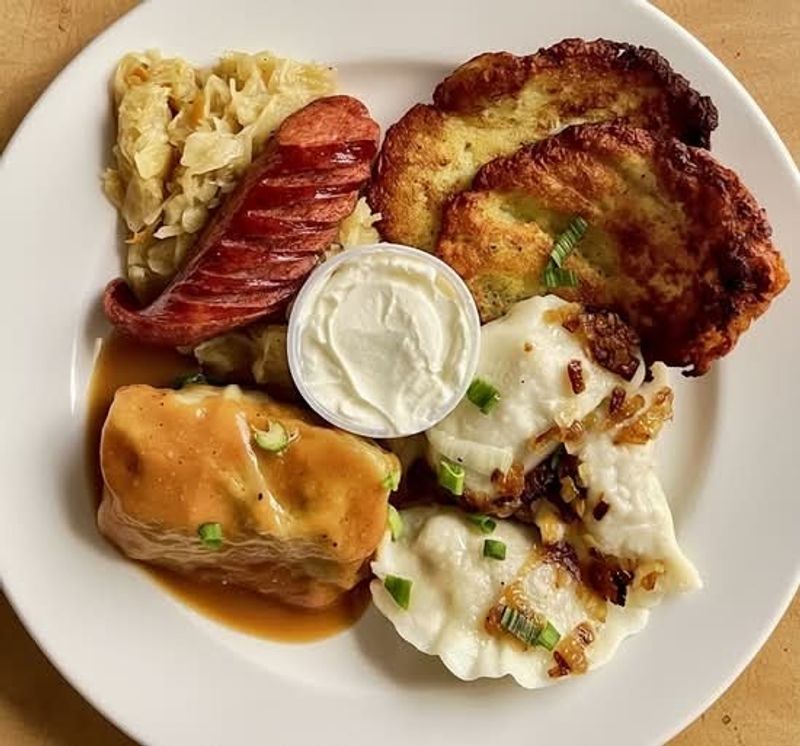
Turning all these pieces into one memorable day takes just a little planning. Start in the morning with a drive to the town named for Kosciuszko and a stop along the Natchez Trace.
Kids get history, scenery, and a picnic before lunchtime ends.
Afternoons work well for grocery hunting. Swing by an international market or your regular supermarket to gather kielbasa, sauerkraut, pickles, and frozen or homemade pierogi supplies.
Let each child choose one surprise item from the shelves.
Evening becomes the big finale. Cook together, set the table, and play Polish folk music from a streaming service while dinner simmers.
A printed map of Poland on the table invites questions about cities like Warsaw and Krakow.
Budget-friendly travel is a major perk here. Most stops are free, groceries cost about the same as a regular dinner, and the history lesson needs no ticket.
Families on tight schedules can split the plan across two weekends or squeeze it into a single weekday off school.
Polish flavors in Mississippi may not live inside one old-school storefront, yet they thrive wherever families gather to cook and share. Your kitchen can become the market that keeps them going.