
The Gulfport, Mississippi Discovery Center Where A Giant Indoor Play Maze Fills A Whole Rainy Afternoon
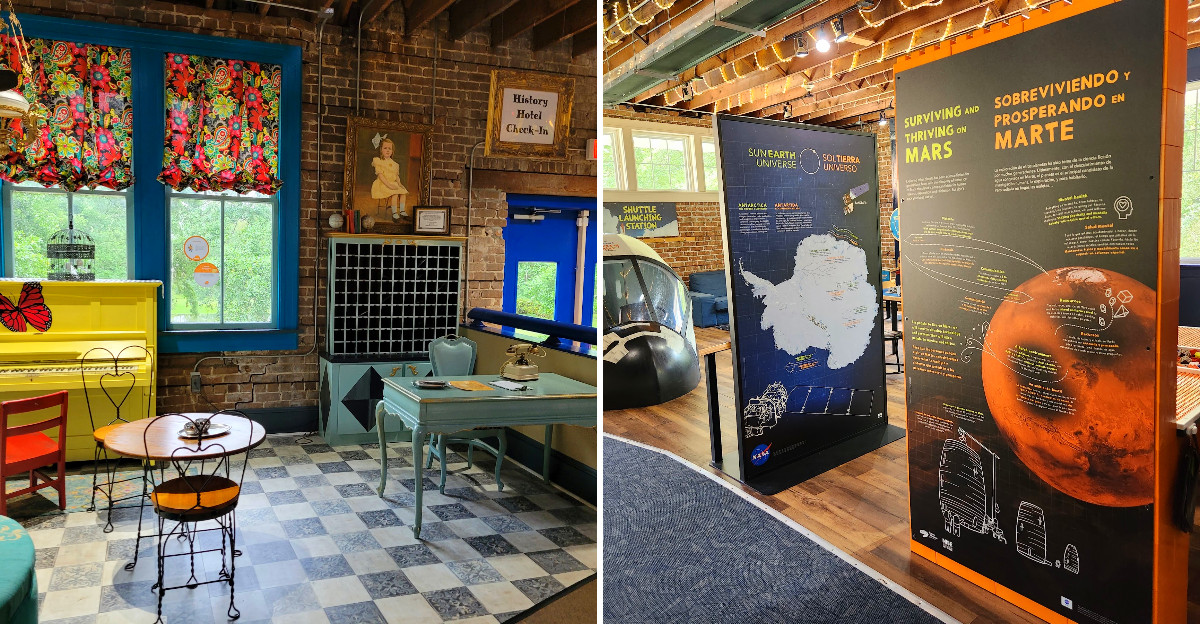
Rain was hammering the Mississippi coast, the kids were restless, and we needed a plan fast. A friend pointed us toward an old brick schoolhouse with a climbing maze inside that supposedly reached all the way to the top floor.
We figured it might buy us an hour of quiet. It ended up swallowing the entire afternoon, and nobody wanted to leave.
A Century-Old Schoolhouse on Dolan Avenue
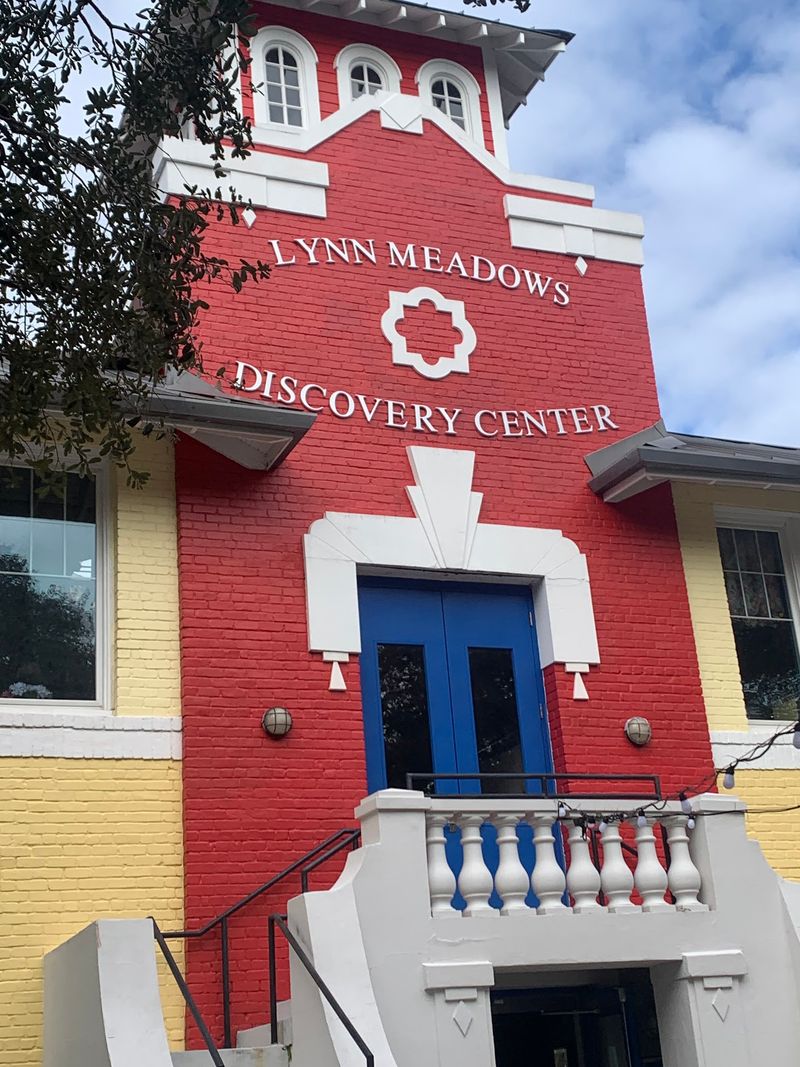
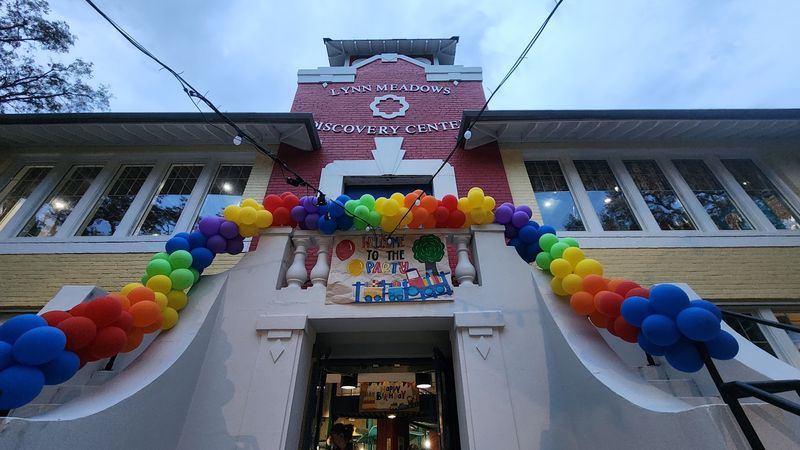
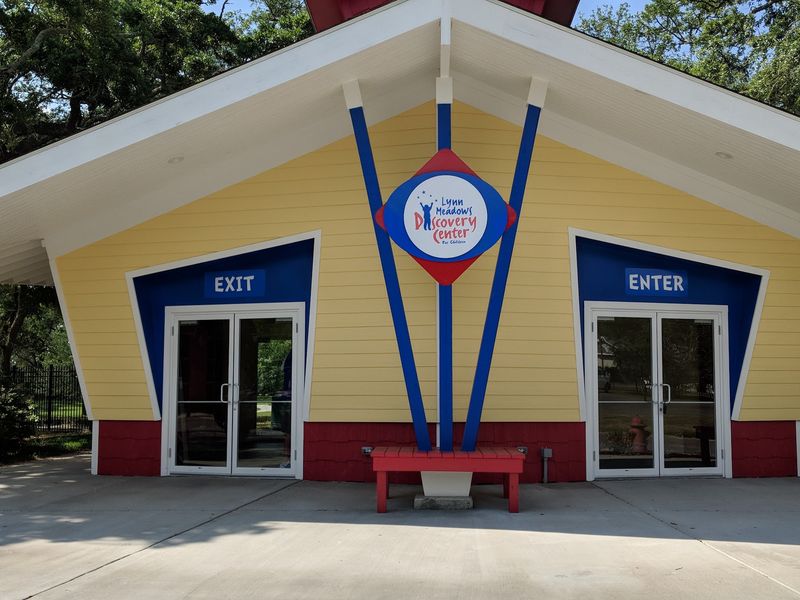
Brick walls, tall windows, and a front lawn shaded by trees give the building on Dolan Avenue the look of a classic small-town school. Lynn Meadows Discovery Center sits at 246 Dolan Ave in Gulfport, a short drive from the beaches of the Mississippi Gulf Coast.
Inside, the classrooms have become a children’s museum packed with hands-on play. Roughly 15,000 square feet of indoor exhibits stretch across multiple floors, and the grounds outside add tree houses, play structures, and a seasonal splash pad.
Families get both halves of a day in one stop, which matters a lot when the weather keeps changing its mind.
The center holds the title of Mississippi’s first children’s museum. That history shows up in how confident the place feels, with exhibits built around pretend play, art, science, and plenty of climbing.
For parents, the appeal is simple. Kids from toddlers to preteens find something to do, and the layout lets everyone wander at their own pace.
Visiting families from Mobile, Biloxi, and beach rentals in Long Beach make the trip regularly, and locals keep returning for years. Plan on more time than you expect, because most groups lose track of the clock here.
From Classrooms to a Statewide First
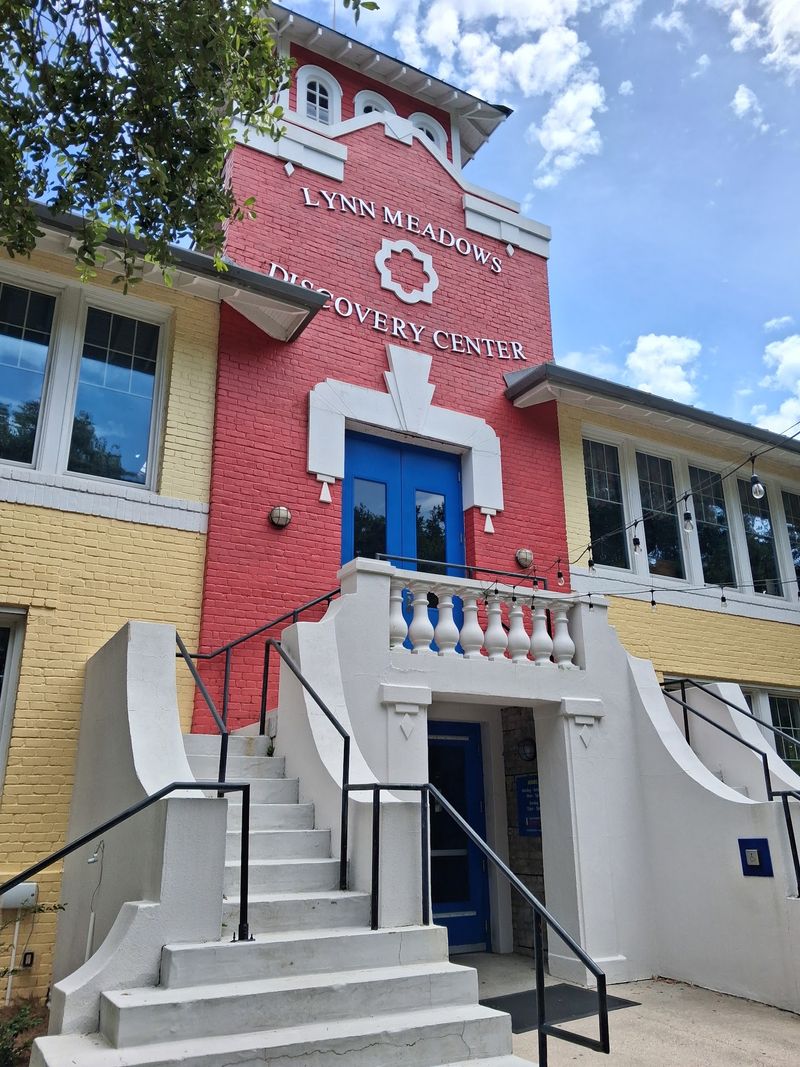
Back around 1915 and 1916, children filed into this building for regular school lessons. More than a hundred years later, kids still show up to learn, just with far more climbing and pretend play involved.
The renovation kept the character of the old schoolhouse while turning its rooms into themed exhibit spaces. Visitors often mention how interesting it is to explore a historical school site that still serves an educational purpose.
The bones of the building, from its proportions to its multiple floors, shape how the exhibits flow from one area to the next.
Recognition followed the transformation. In 2016, the center received the National Medal for Museum and Library Services, a national honor for institutions that serve their communities in meaningful ways.
Being named Mississippi’s first children’s museum adds another layer of pride to the story.
Parents can share some of this background with older kids during the visit. A quick conversation about what school looked like a century ago turns a play day into a small history lesson.
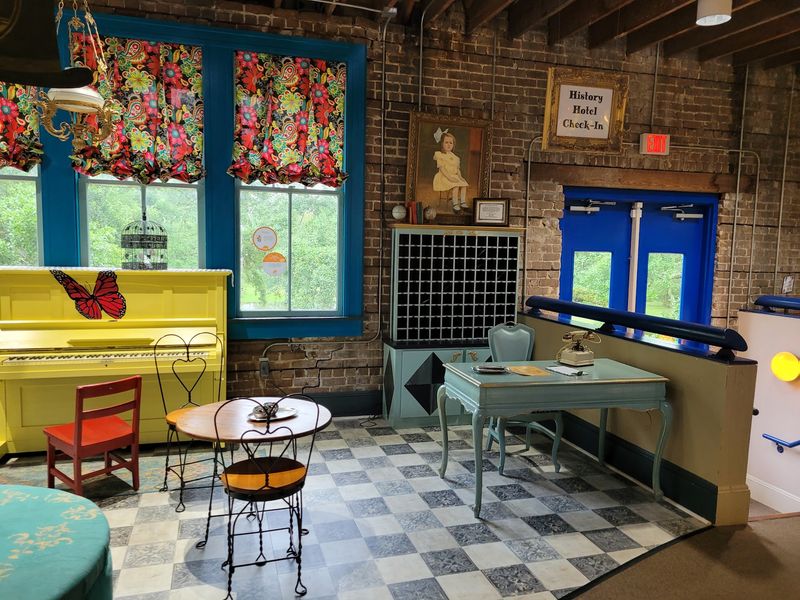
The History Hotel exhibit inside picks up that thread nicely, so curious children can connect the old building around them to the past it represents.
The Super Colossal Climbing Structure
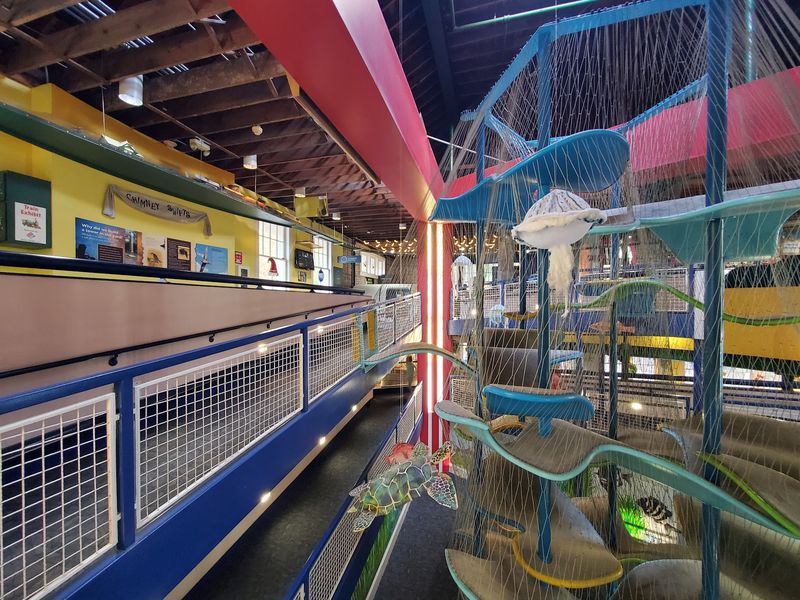
Straight up through the middle of the museum rises the reason most rainy afternoons disappear here. The Super Colossal Climbing Structure spans the full height of the building, letting kids climb from one floor toward the next through a winding indoor maze.
Its design draws on the sea, with a feeling of reaching toward the stars as climbers move higher. Children crawl, scramble, and squeeze through passages while parents track bright shirts from below.
Some adults even join in, which tends to delight the kids more than anything else.
Safety comes up often in family feedback. The structure is enclosed so children cannot tumble out, which lets parents relax a little while energetic climbers burn off steam.
It sits at the center of the action, making it an easy meeting point when everyone splits up to explore.
A practical tip: dress kids in clothes that move well and keep socks on hand. Climbers tend to circle back to the maze again and again between other exhibits, so expect repeat trips.
On a day when outdoor play is washed out, this single feature can handle an impressive share of the afternoon by itself.
Pretend-Play Rooms for Tiny Veterinarians and Shoppers
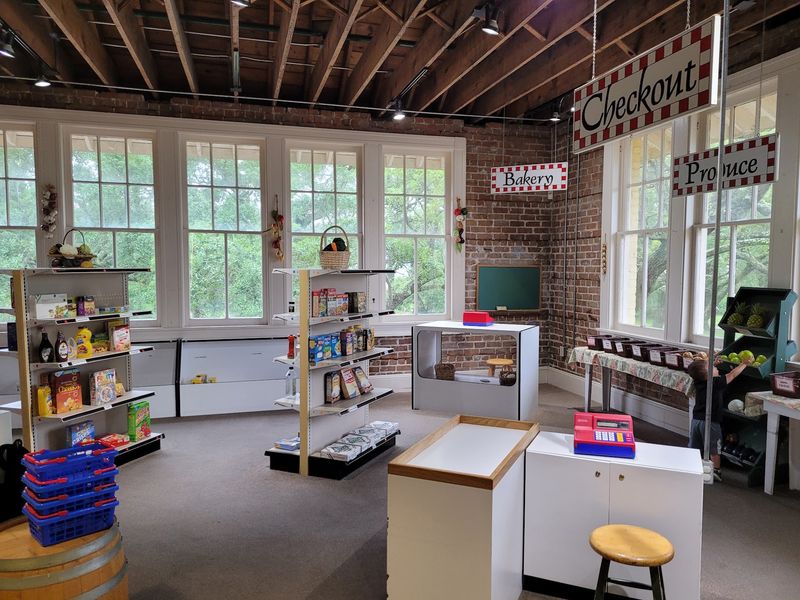
Stuffed patients wait on exam tables in The Little Pet Vet, where children slip into the role of animal doctor. A few steps away, To Market, To Market offers a miniature grocery store with carts, shelves, and checkout play.
Imaginative play ranks among the most praised parts of the museum. Parents describe a wide range of stations that keep three-year-olds busy, and older kids happily join in too.
Captaining a fishing boat at The Port is another favorite role, connecting play to the working waterfront of the Gulf Coast.
More scenes wait around corners. A mock WLMDC-TV News Station lets young reporters deliver the day’s headlines, while the Dolan Avenue Depot gives train lovers a station of their own.
A miniature town invites kids to run from shop to shop, building stories as they go.
For families, the real payoff is screen-free time. Children trade tablets for teamwork, chatting with new friends and inventing games on the spot.
Staff crews walk the floor resetting props and returning items to their places, so each room stays ready for the next pretend customer, patient, or anchor.
Art Studio Projects That Steal the Show
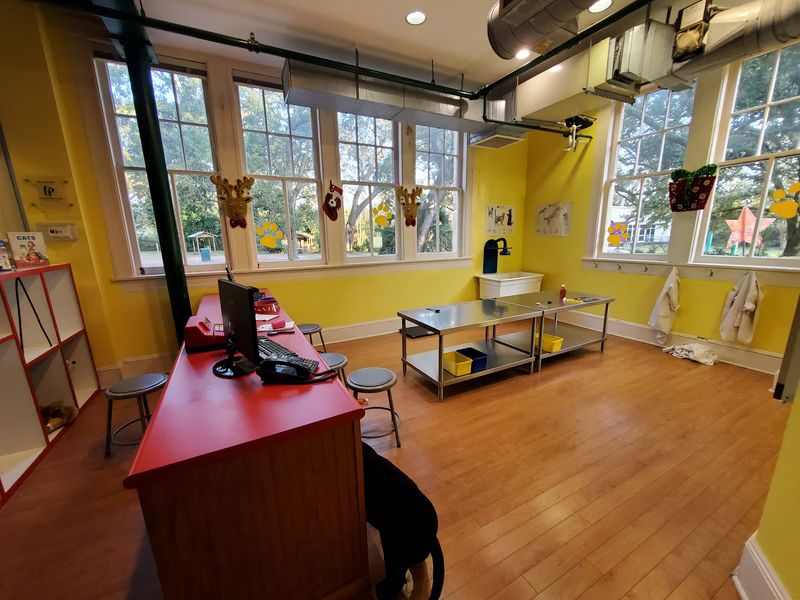
Ask a group of kids what they remember best, and plenty will name the Art Studio before the climbing maze. Families repeatedly call it a highlight of the day, even for children aged eight and eleven.
The studio usually offers a hands-on project, so visitors leave with something they made themselves. Regular members note that there always seems to be a fun craft waiting, which keeps repeat visits feeling fresh.
Kids sit down, focus, and create, giving parents a welcome calmer stretch between bursts of running around.
Timing it well can help the whole day flow. Many families use the studio as a reset after the climbing structure, letting heart rates come down before heading to the next exhibit.
Others save it for the end so children can carry home a finished piece as a souvenir.
Little hands can get messy, so a pack of wipes in the diaper bag is a smart move. The creations themselves make great keepsakes from a coastal trip, especially if rain kept the family off the beach.
A drawing or craft from this room often ends up on the refrigerator at home for weeks.
Bear Camp Bayou and Space for the Littlest Explorers
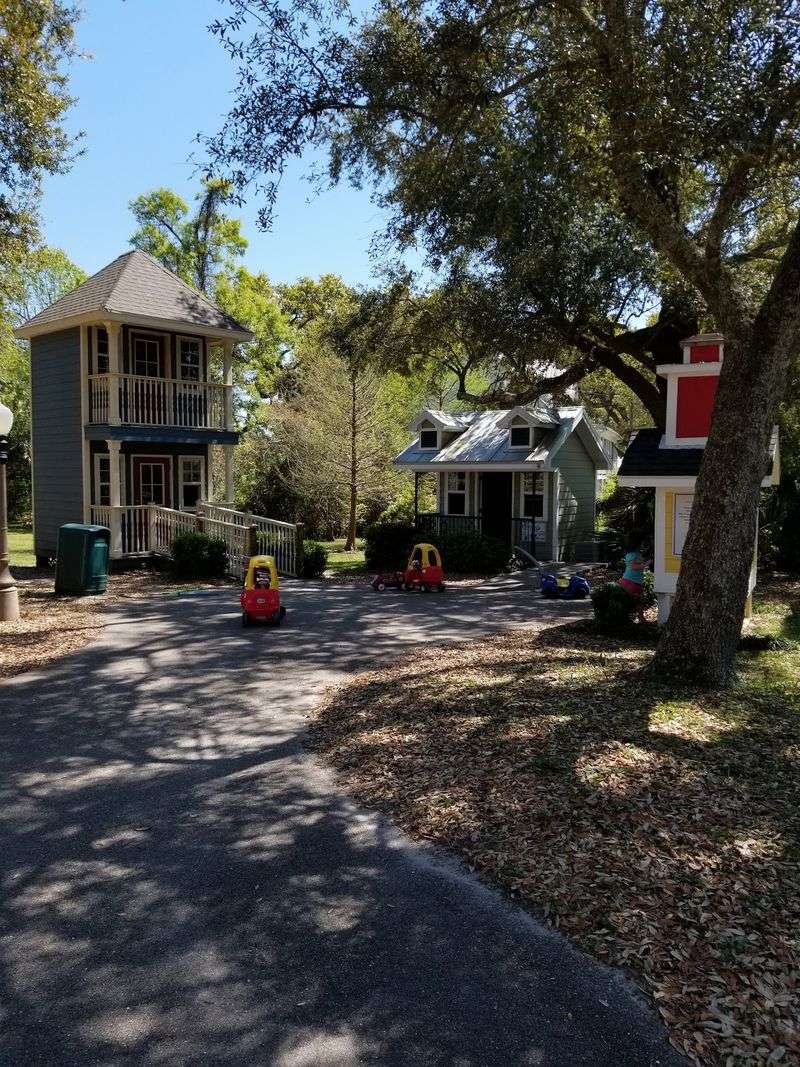
Toddlers need room to wobble without getting bumped by bigger kids, and Bear Camp Bayou delivers exactly that. The area is set aside for children ages four and younger, giving them a safe, scaled-down place to play.
Parents of very young children appreciate the separation. Little ones can crawl, stack, and explore while caregivers stay close without worrying about speeding nine-year-olds.
Families who have visited for nearly twenty years describe the tiny tot space as part of what makes the museum work for every age.
A Sensory Space offers another calmer option. Children who feel overwhelmed can step into a quieter room designed for low stimulation, and families mention that low-sensory support is available for those who need it.
That flexibility matters for kids with different needs and temperaments.
Planning around nap time pays off here. Arriving after a morning rest often means a happier toddler with energy to spare.
Siblings can split up with one parent heading to the climbing maze while the other stays in the bayou, then everyone regroups. Few attractions handle a three-year-old and an eleven-year-old this smoothly under one roof.
Science Room, History Hotel, and Learning in Disguise
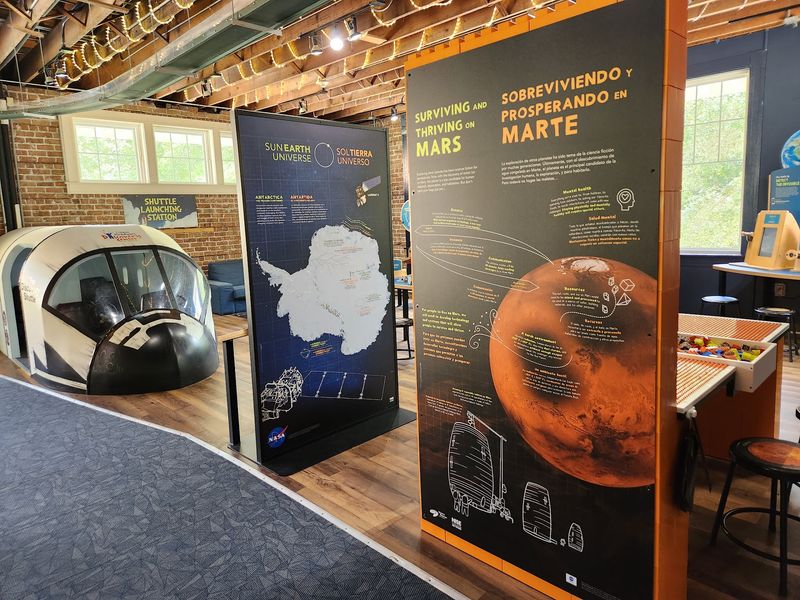
Learning sneaks in quietly at this museum. Between the climbing and pretend play, kids wander into the Science Room and the History Hotel, where hands-on exhibits invite questions without feeling like homework.
Parents often point out that the center is educational as well as fun, which makes the price of admission feel even better spent. The museum supports STEM-style exploration, letting children test ideas, push buttons, and figure things out on their own.
Older siblings tend to linger longer here than they would admit.
One visitor summed it up well, noting that the building and campus continue the original mission of education. A former school still teaching children, just through play, makes for a neat story to share during the visit.
Exhibits get heavy daily use, so occasionally a piece may be under repair. Most families take that in stride, since the staff keeps working on upkeep and there is always another station nearby.
A good strategy is to let kids lead, then ask them to explain what they discovered on the drive home. Hearing a six-year-old describe a science experiment in their own words is a reward of its own for any parent.
Tree Houses, Patios, and the Splash Pad Outside
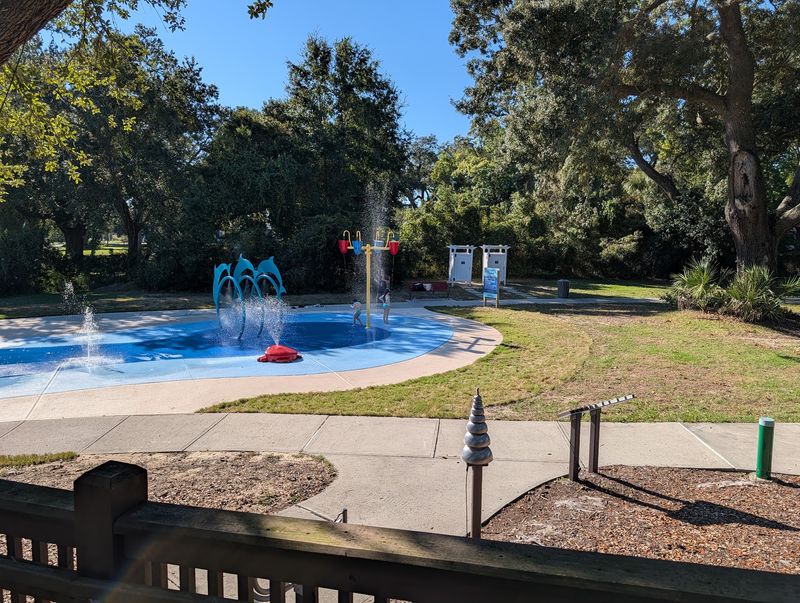
Once the clouds break, the fun moves outdoors. Wooden tree houses, climbable play structures, and shady grounds give kids a second museum to explore, and many families describe the campus as peaceful and beautiful.
The splash pad draws huge excitement in warmer months. Families commonly finish their day there, so packing swimsuits and a towel is a smart idea.
One small tip from visitors: the splash pad power button can be easy to miss, so ask staff if the water is not running.
Some outdoor structures show their age, and repairs happen from time to time, which is normal for a place loved this hard. Even so, the tree houses rank among the most talked-about features, and kids treat them like a castle in the woods.
Outdoor patio areas and picnic benches round out the setup. After hours of indoor climbing on a stormy morning, a dry afternoon outside lets kids stretch their legs in fresh air.
On truly soaked days, the indoor exhibits carry the whole visit just fine, so the weather never ruins the plan, it only changes the ending.
Comfort Details That Make Parents Breathe Easier
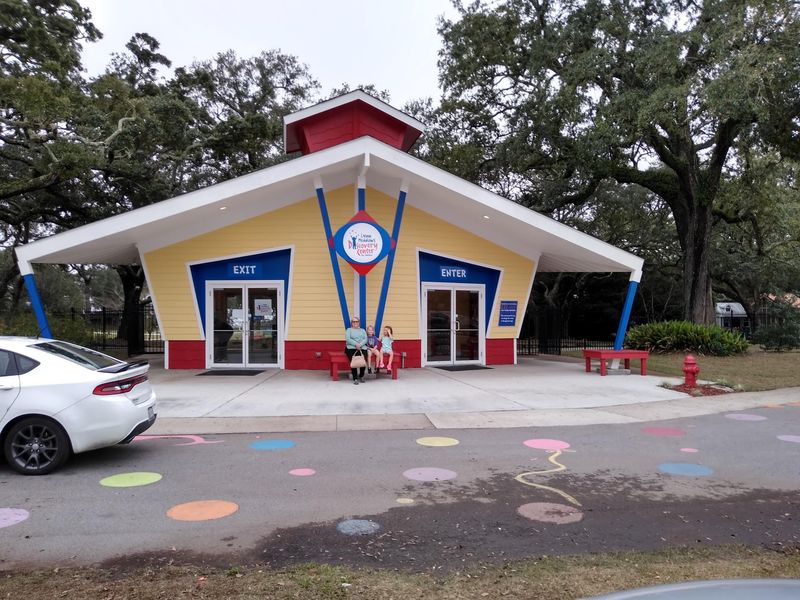
Strollers, diaper bags, and snack pouches all come along easily. The center includes an elevator, stroller-friendly pathways, changing tables in restrooms, and a nursing room on the second floor.
Food rules work in families’ favor. There is no cafe on site, but visitors are welcome to bring their own picnic lunch to the outdoor tables, and some parents mention being able to step out and return later.
A small gift shop carries snacks and drinks, plus souvenirs for little ones.
Cleanliness earns frequent praise. Staff crews circulate to tidy exhibits and return items to their spots throughout the day.
A few honest notes help with planning: indoor areas can feel warm when crowded, benches for parents are limited, and visitors mention there are no family restrooms, something solo dads with daughters may want to know ahead of time.
Small preparations go a long way. Bring refillable water bottles, since fountains are available, and dress kids in light layers.
Packing lunch saves money and lets everyone refuel at the picnic tables before tackling the climbing maze for round two.
Sensory Sundays, Free Fridays, and Special Events
Mark the calendar for the second Sunday of each month. Sensory Sundays offer a calmer experience designed for children with sensory needs, and parents of nonverbal kids describe these visits as both fun and full of learning.
Budget-minded families should note the last Friday of the month. On those evenings, visitors report the museum stays open late with free admission from 5 to 8 PM.
Expect bigger crowds, but plenty of families still call it a great time.
Other events pop up through the year. A free Community Birthday Party has drawn happy families, and longtime fans recall a New Year’s Eve celebration made just for kids, complete with a countdown and balloons.
Camps are also offered, giving local parents another option during school breaks.
Checking the event schedule before a trip can shape the whole visit. Families wanting quiet may prefer a regular weekday, while those chasing a bargain can aim for the free evening.
Children who struggle with noise benefit most from the Sunday sensory program, where the pace slows down and exploring feels more comfortable for everyone involved.
Hours, Memberships, and Timing a Smart Visit
Doors open at 10 AM Monday through Saturday and close at 5 PM. Sunday hours run from noon to 5 PM, which makes a great after-church or post-brunch outing.
Most families spend two and a half to three hours inside, and many stay longer once the splash pad enters the picture. Arriving around 2 PM on a Saturday worked well for one visiting family, who had much of the museum nearly to themselves.
Weekday mornings can be quieter too, so watch for school groups and plan around them.
Memberships come up often among regulars. Local families who visit several times a week say an annual pass pays for itself quickly, and the center offers reciprocal benefits with other science museums.
Out-of-town visitors sometimes return twice on a single trip, which can tip the math toward membership as well.
Getting there is simple, with the museum on Dolan Avenue in Gulfport, an easy hop from Biloxi and Long Beach. Admission is considered reasonable for the hours of play involved.
Leave room in the schedule for a picnic so the day feels relaxed instead of rushed.
Why Rainy Days on the Coast Point Here
Storm clouds over the Gulf no longer have to wreck a vacation. With a towering climbing maze, rooms full of role-play, a busy art studio, and spaces for toddlers and sensory needs, this museum turns a soggy forecast into a full afternoon.
Range is its biggest strength. Toddlers have their bayou, preteens chase each other through the climbing structure, and parents get clean spaces, an elevator, and room for a packed lunch.
Grandparents and military families visiting the coast fit right in as well.
Honest expectations help. Busy days can feel warm indoors, some outdoor pieces show wear, and seating for adults is limited.
None of that seems to slow down the kids, who tend to beg for another round on the maze before the doors close.
For families heading to Gulfport, Biloxi, or Long Beach, keeping this stop in the back pocket makes good sense. Sunny skies add tree houses and splashing to the mix, while rainy ones show off everything inside the old schoolhouse.
Either way, the drive home usually comes with tired children, a fresh craft, and a few new stories to tell.