
8 Wisconsin Day Trips Under Two Hours From Milwaukee Where You Can Spend Most Of The Day On Foot

A great day trip does not need a suitcase. Sometimes a short drive and a good pair of shoes are enough. Wisconsin has plenty of towns built for that kind of escape.
Park once. Then spend the day wandering. Browse local shops. Follow the water. Duck into a museum. Stop for coffee when something smells too good to ignore.
That slower pace is the whole point. You notice old buildings, quiet parks, colorful storefronts, and small details that disappear when you are rushing.
The towns below make exploring easy. Their downtowns stay compact, attractions sit close together, and scenic paths give you plenty of reasons to keep moving.
Leave the car where it is. Stretch your legs, follow whatever catches your eye, and let the day unfold without much of a plan.
1. Cedarburg Keeps Its Stone Mills And Shops Within Easy Reach
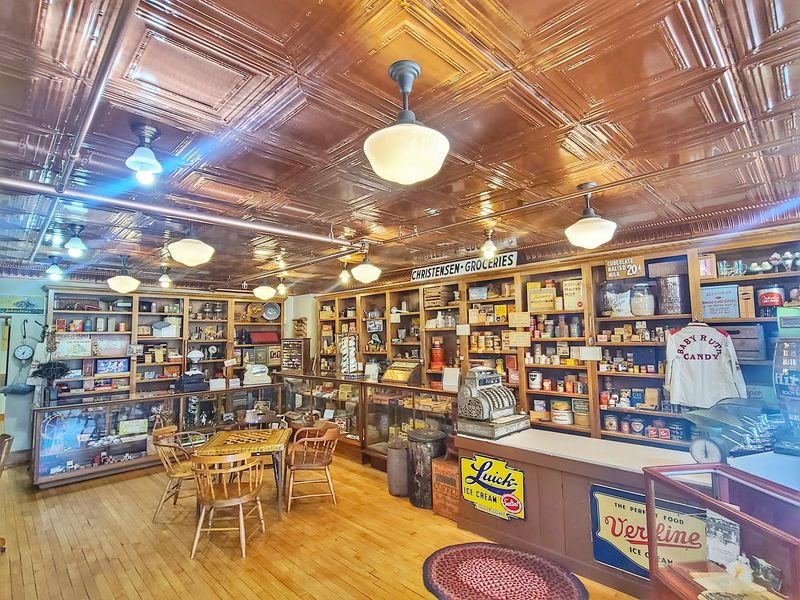
Limestone buildings from the 1800s still line the main street here, helping give Cedarburg its distinctive historic character. That is the reason a walk through Cedarburg feels different from a walk through most small towns.
Washington Avenue runs about five blocks of nearly continuous historic storefronts, filled with art galleries, bakeries, antique dealers, and craft shops. You can cross the street a dozen times and never feel rushed.
At the north end sits the Cedarburg Cultural Center, and just beyond it, the Cedar Creek Settlement, a former woolen mill from 1864 that now holds small shops and studios under thick stone walls. Peek into the courtyard behind it where the creek runs past.
If your legs still feel good, the Ozaukee Interurban Trail passes right through town on an old railway corridor. A short stroll north or south gives you shade, quiet, and views of the creek.
Stop by the Cedarburg Visitor Center at N58W6194 Columbia Road, Cedarburg, WI 53012 for a printed walking map, which points out dates and original uses of the older buildings. Reading those markers turns an ordinary stroll into something closer to a scavenger hunt.
Fun bit of history: Cedarburg once had five mills powered by Cedar Creek, and those early mills played a major role in the town’s development. That is why everything clusters so tightly together.
Drive time from Milwaukee runs about 25 minutes, making it the shortest trip on this list. Arrive by mid-morning, and you will have hours to spend on foot before you think about heading home.
Weekends bring more energy and more open doors, while weekdays give you quieter sidewalks. Either way, one parking spot is all you need for the entire day.
2. Port Washington Puts A Harbor, A Bluff, And A Lighthouse On One Loop
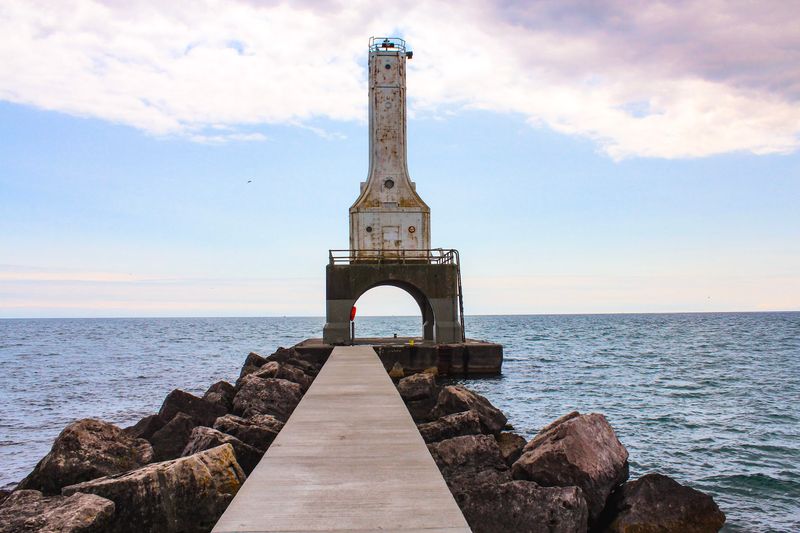
Few towns hand you a harbor, a hilltop view, and a lighthouse walk all within a few blocks of each other. Port Washington does exactly that, and the whole thing works as one loop.
Start along the marina, where a paved path follows the water past docked boats and benches facing Lake Michigan. Follow the north breakwater out to the 1935 lighthouse for open water on both sides of you.
Then turn inland. Franklin Street climbs gently past brick storefronts holding coffee shops, bookstores, home goods, and a candy maker or two. The buildings date largely to the late 1800s.
The climb worth making is St. Mary’s Hill, reached by a long public staircase off the downtown grid. At the top, the old church looks out over rooftops and the lake beyond, and the view rewards every step.
Information, maps, and event schedules are available at the Visit Port Washington Visitor Center, 126 E Grand Ave, Port Washington, WI 53074, right in the middle of everything.
Bring layers. Wind coming off the lake keeps this stretch of Wisconsin cooler than inland towns, even in July, and that breeze is honestly part of the appeal on a hot day.
Fishing shaped this place for generations, and you will still see charter boats heading out in the early hours. The 1860 Light Station museum near the bluff opens seasonally and gives you a look at how keepers lived.
You can reach Port Washington from Milwaukee in roughly half an hour. Because everything sits so close, families with young kids do well here; nobody has to walk far between the next interesting thing. Plan on a late lunch by the water and an unhurried afternoon on the pier.
3. Lake Geneva Has A Shore Path That Runs Past Century-Old Estates
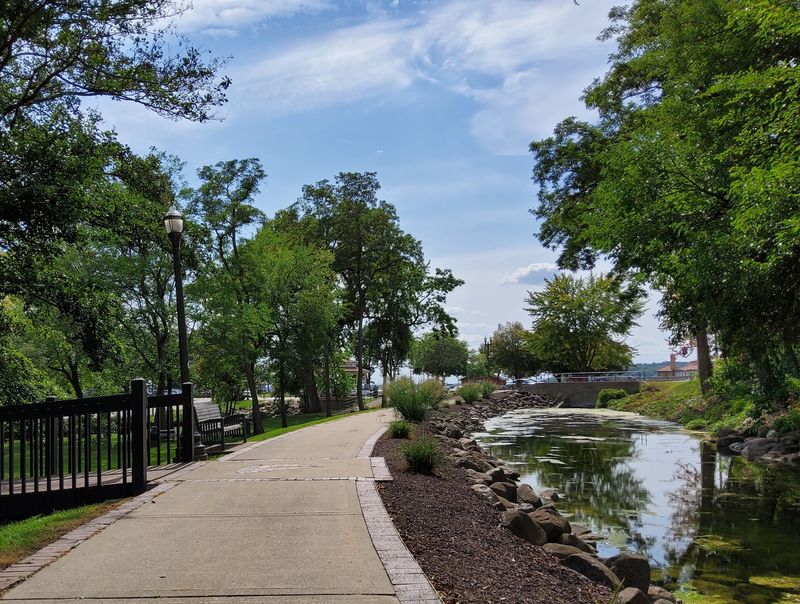
A shoreline footpath of roughly 21 to 26 miles circles Geneva Lake, and it crosses the private lawns of some of the grandest homes in the state. Native peoples used routes along the shoreline long before early settlers established protections that helped preserve public access to the path.
You do not need to walk all 21 miles. Most visitors head west out of town for two or three miles, then turn back, and that alone delivers estate after estate, boathouses, gardens, and constant lake views.
Downtown works well on foot too. Broad Street and Main Street hold ice cream counters, bakeries, outfitters, and gift shops packed into a few walkable blocks.
Stop at the Lake Geneva Visitor Center, 201 Wrigley Drive, Lake Geneva, WI 53147, which sits right beside the lakefront and hands out shore path maps marked with entry points and distances.
Wear real shoes. The path shifts between gravel, flagstone, packed dirt, and the occasional root, and flip flops will make you regret your choices about a mile in.
Library Park, next to the beach, gives you a shaded place to rest with the water directly in front of you. Riviera Beach and the pier area stay busy on summer weekends but calm considerably in September.
Chicago families built these summer homes after the 1871 fire, which is why the architecture looks far more elaborate than a small Wisconsin town would suggest.
Figure about 75 minutes of driving from Milwaukee. Go early, claim a parking spot near the lakefront, and you will not need the car again until dinner. Fall brings color along the shoreline and thinner crowds, which many walkers consider the ideal combination for this particular trip.
4. Kenosha Runs Vintage Streetcars Between Its Museums And Lakefront
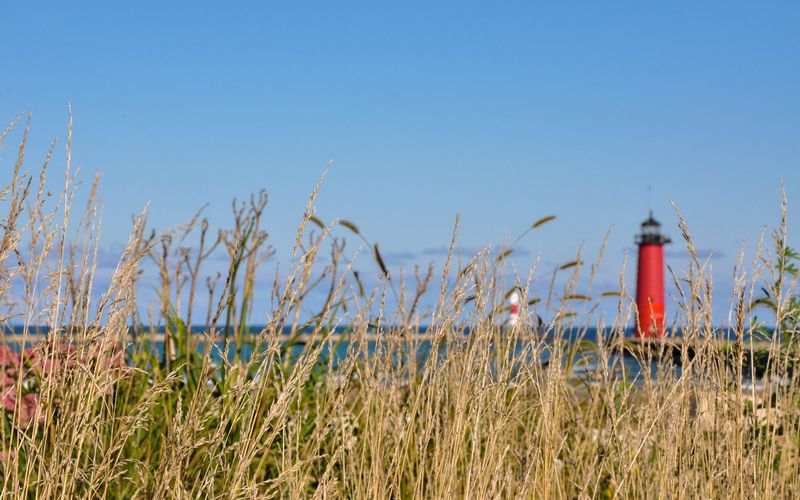
Here is a rare thing: a lakefront district with three museums, a harbor, two beaches, and a vintage streetcar loop connecting them, all free or low cost to enter. Kenosha built its walking district on purpose.
The streetcars run on a two mile loop through downtown and along the harbor, and hopping aboard costs almost nothing. Use them when your feet need a break, then get back out and keep going.
The Kenosha Public Museum offers free admission, while the nearby Civil War Museum combines free areas with a paid admission exhibit. Farther north along the lakefront, the Southport Light Station rises above Simmons Island, and its tower opens for climbing on select days.
Simmons Island Beach gives you sand and a long pier. Walk out to the pierhead lighthouse for a clear view back at the skyline. Maps, event calendars, and trip help come from the Visit Kenosha Visitor Information Center at 600 52nd Street, Suite 200, Kenosha, WI 53140.
Saturday mornings in the warm months bring the HarborMarket to the streets downtown, with produce, baked goods, and crafts filling several blocks. Timing your visit for that adds a lot of life to the walk.
Fifth Avenue and 56th Street hold most of the coffee shops and casual restaurants, so lunch never sits far from wherever you are.
Kenosha sits about 40 minutes south of Milwaukee along the Wisconsin shoreline, which makes it one of the easiest trips on the list. The flat terrain helps too, since almost nothing here involves a hill.
Strollers, wheelchairs, and tired kids all handle this route better than most, and you will still cover plenty of ground by evening.
5. Sheboygan Blends A Working River Harbor With Serious Art
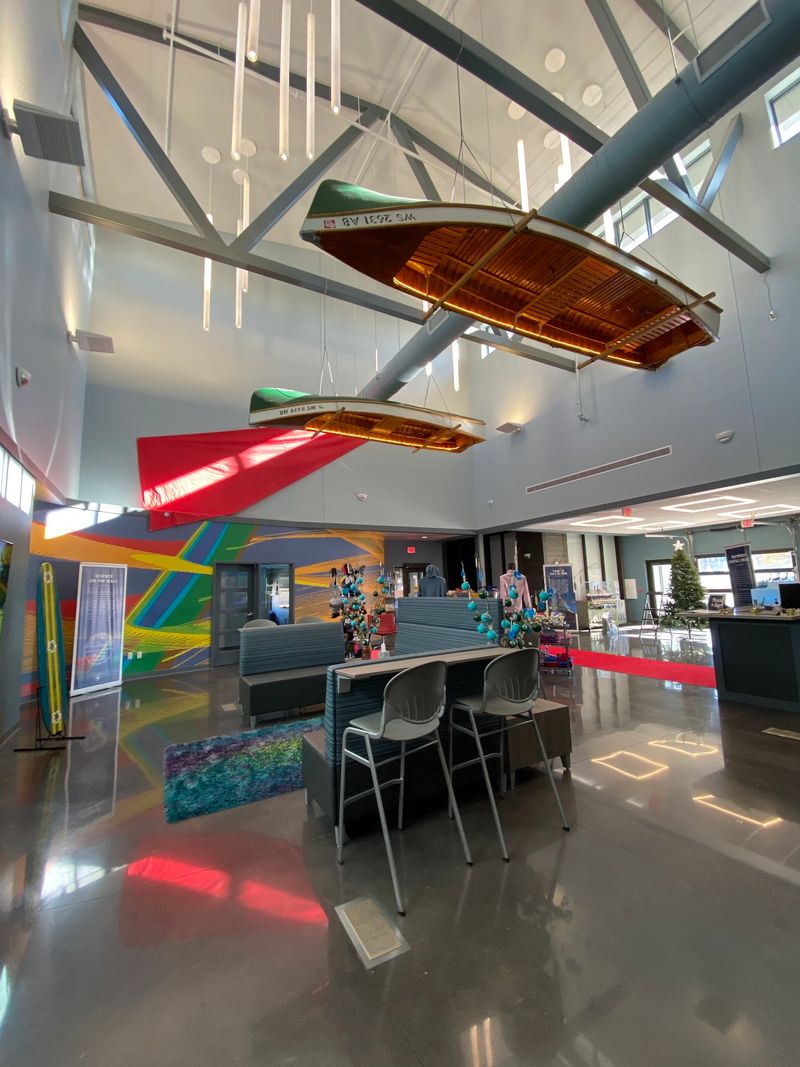
Bright wooden fishing shanties still stand along the river channel, only now they hold shops and small restaurants instead of nets. That stretch of Riverfront Drive is where a Sheboygan walk should begin.
The boardwalk follows the channel out toward Lake Michigan, passing charter boats, kayakers, and a marina. Keep going and you reach Deland Park and North Beach, where the sand runs wide and clean.
Then head inland for something completely different. The John Michael Kohler Arts Center on 6th Street holds one of the most unusual collections in the country, including preserved works by self-taught artists, and its restrooms are themselves art installations worth seeing.
Eighth Street forms the spine of downtown, with bakeries, cheese shops, and a long-running family bratwurst tradition that Sheboygan takes seriously. Order one on a hard roll and you will understand the local pride.
Trip planning help is available at the Visit Sheboygan Visitor Center, 826 S 8th Street, Suite 1, Sheboygan, WI 53081, an easy stop near the shops.
Sheboygan has a long food-making tradition, and downtown still gives visitors plenty of locally rooted places to stop between attractions. It also draws surfers to the lake, which surprises most first-time visitors.
The drive from Milwaukee takes about an hour heading north. Park near the riverfront and you can reach the beach, the arts center, and downtown all on foot, with roughly two miles total between the farthest points.
Mornings tend to be calm along the water, and afternoons warm up downtown. Give yourself at least four hours here, since the arts center alone can absorb a good chunk of your day if the exhibits catch you.
6. Racine Pairs Lakefront Paths With Frank Lloyd Wright Landmarks
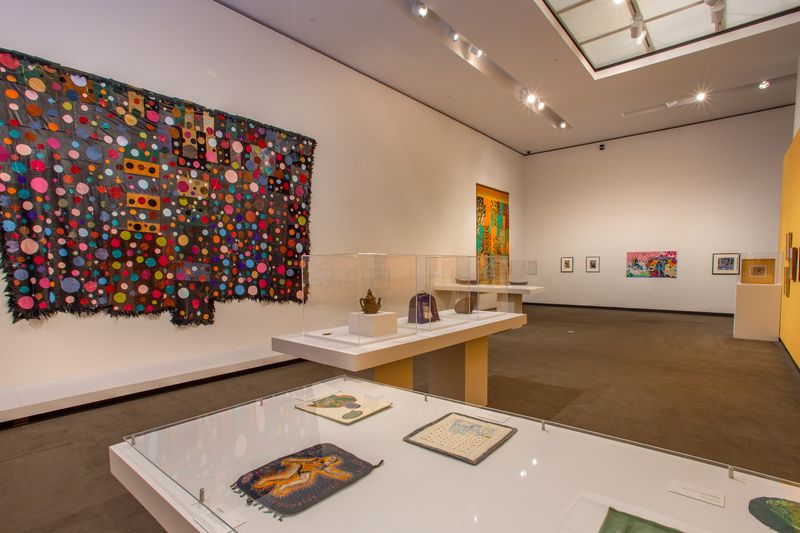
Racine holds one of the largest collections of contemporary craft art in North America, and it sits in a building you can walk to from the harbor in about ten minutes. That combination of water and art defines the day here.
Begin at the Racine Art Museum, 441 Main Street, Racine, WI 53403, where galleries focus on ceramics, fiber, glass, and metal. The companion Wustum Museum sits farther out, but the Main Street location is the walkable one.
From there, Main and Sixth Streets carry you past bookshops, coffee roasters, and a bakery known statewide for kringle, the flaky oval pastry Danish settlers brought to Wisconsin. Buying one to take home is practically expected.
Walk east and you hit the marina and Pershing Park, then the Root River mouth. North Beach stretches for blocks with soft sand and a boardwalk, an easy addition if the weather cooperates.
Architecture fans should look up the SC Johnson campus, home to Frank Lloyd Wright’s Administration Building and Research Tower. Free tours run on a schedule and require advance reservations, so book before you drive down.
Wind Point Lighthouse, north of town, still operates and remains one of the tallest on the Great Lakes, though reaching it means driving a few minutes.
Racine sits roughly 30 minutes south of Milwaukee. Downtown parking gives you easy access to the museum, shops, and harbor, while North Beach extends the outing farther along the lakefront.
My suggestion: do the museum first while your energy is high, then let the lakefront fill the rest of the afternoon. Sunset over the harbor makes a fitting end before you point the car north again.
7. Madison Squeezes A Capitol, Two Lakes, And A Farmers Market Together

Wisconsin’s State Capitol stands on Madison’s narrow isthmus between Lakes Mendota and Monona, creating an unusually walkable downtown setting. Everything funnels toward the center.
The Wisconsin State Capitol at 2 E Main Street, Madison, WI 53703 anchors the whole district. Free guided tours run daily, and the observation deck near the dome opens seasonally for a view across both lakes.
State Street runs eight blocks from the Capitol to the university campus, closed to most traffic and lined with shops, bookstores, music venues, and food from just about everywhere. You can browse the entire stretch in an hour or stretch it across an afternoon.
At the far end sits the Chazen Museum of Art, free to enter, and beyond it the Memorial Union Terrace with its colorful sunburst chairs facing Lake Mendota.
Saturday mornings from April through November bring the Dane County Farmers Market, the largest producer-only market in the country, wrapping the entire Capitol Square. Foot traffic moves counterclockwise by unspoken agreement, so join the flow.
The Olbrich Botanical Gardens and the lakeshore path along Monona offer more walking if you have energy left, though those require a short drive or bus ride. Expect about 90 minutes of driving from Milwaukee, which puts Madison at the far end of this list but well within range.
Park in one of the Capitol Square garages, since street parking downtown tests everyone’s patience. Once parked, you genuinely will not need the car.
Comfortable shoes matter here more than anywhere else on the list, because the natural route easily adds up to four or five miles without you noticing. That is a good problem to have.
8. Beloit Turns An Old Mill District Into A Riverwalk Destination
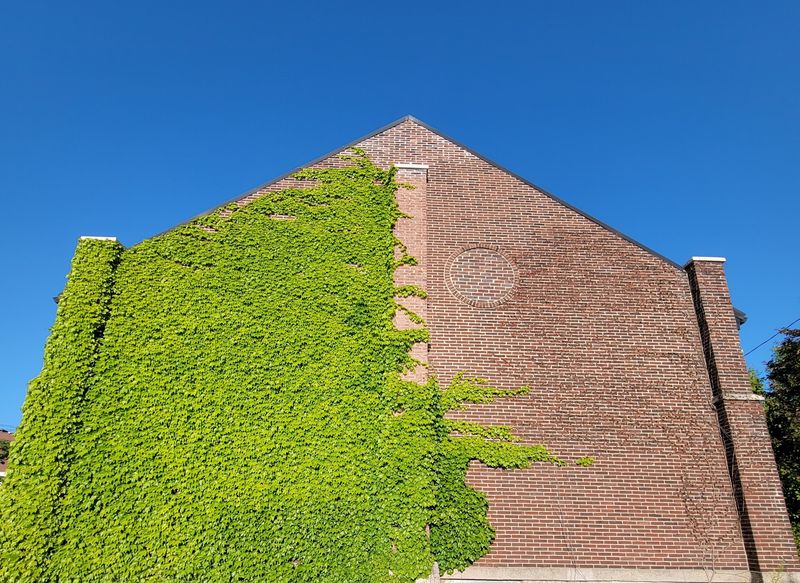
Old brick mill buildings along the Rock River could easily have been left empty. Instead, Beloit turned them into a riverwalk district that keeps growing, and walking it feels like watching a town rewrite itself.
The riverwalk runs along both banks with landscaped paths, public art, and pedestrian bridges linking the sides. Ironworks, a former engine factory, now holds offices, a hotel, and gathering spaces inside its original walls.
Cross into downtown and East Grand Avenue delivers coffee shops, bakeries, a chocolate maker, and small boutiques within a couple of blocks. The Beloit Farmers Market fills these streets on Saturday mornings in season.
Beloit College’s campus rises just uphill, and it holds an unexpected piece of history. Twenty Native American burial mounds are preserved there among the academic buildings.
One of them is a turtle-shaped effigy mound. The Logan Museum of Anthropology and Wright Museum of Art on campus both welcome visitors at no charge.
For maps and current happenings, Visit Beloit at 656 Pleasant Street, Beloit, WI 53511 can point you toward whatever is open that day. Riverside Park stretches north along the water with wide lawns and shade, a good place to sit when your legs ask for it.
Beloit sits at the Wisconsin and Illinois border, about 90 minutes southwest of Milwaukee. The compact layout means the riverwalk, downtown, and campus all connect on foot, roughly a mile and a half from end to end.
I would suggest starting on the riverwalk, working into downtown for lunch, then finishing with the mounds and museums on campus.
Every one of these eight towns proves the same point: the best way to see Wisconsin is slowly, on your own two feet, with the car keys forgotten in your pocket.