
12 Neighborhoods New York Locals Say Changed The Moment Tourists Found Them
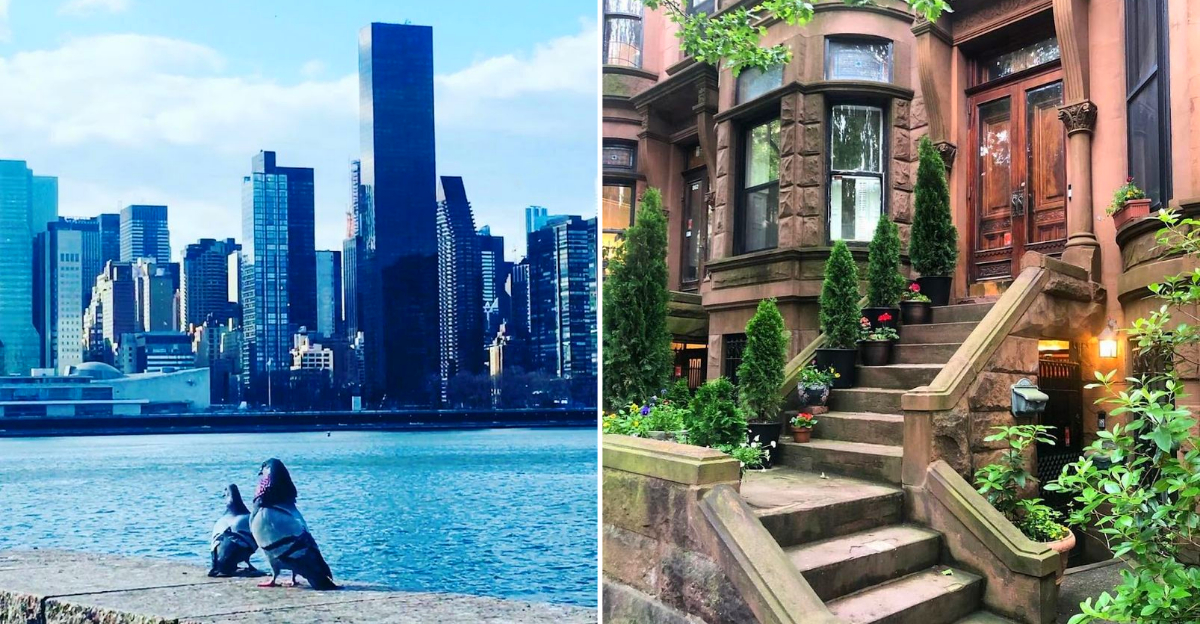
Ask around long enough, and you’ll notice locals in these New York neighborhoods all tell some version of the same story, just with different street names attached.
A coffee shop goes viral. A line forms that wasn’t there last spring. Within a year, the bodega that used to know your order by heart is gone, replaced by something with better lighting and worse prices.
What’s strange is how differently each neighborhood handled the shift once it hit. A few dug in and somehow kept their edge intact, tourists and all.
Others folded fast, trading grit for gloss the second enough outsiders showed up with cameras.
Longtime residents don’t always agree on whether the change was good or bad, but they all agree on the timeline down to the season, like watching a slow motion replay of the exact moment their block stopped being just theirs.
1. Williamsburg — Brooklyn
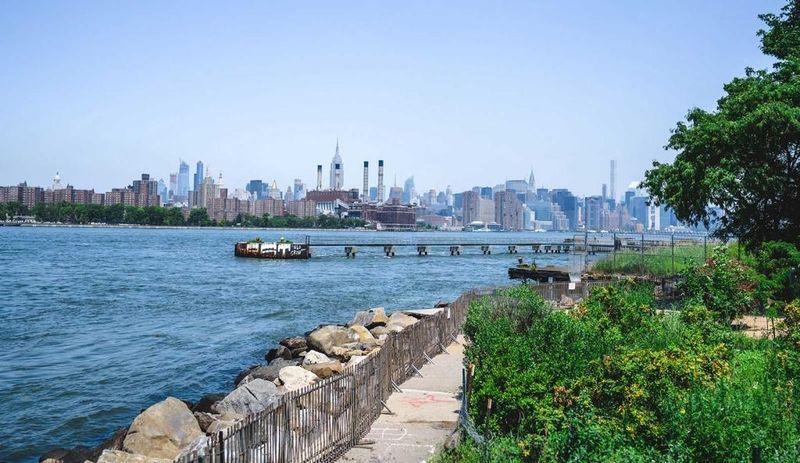
Bedford Avenue used to be a place where artists paid low rent and made real work. Now it reads more like a guidebook highlight than a neighborhood street.
The transformation happened fast, and longtime locals watched it unfold block by block.
Rising rents pushed out the original creative community that gave Williamsburg its reputation in the first place. Vintage shops gave way to boutique hotels, and the corner spots that served the neighborhood for decades got replaced by brunch spots with hour-long waits.
It is a bit ironic that the very cool factor that attracted visitors ended up erasing what made it cool.
Today, Williamsburg at 388 Bedford Ave and surrounding blocks is packed with visitors most weekends. The foot traffic alone has changed how residents move through their own neighborhood.
New York has seen gentrification in many places, but Williamsburg became the textbook example everyone references. If you want a quieter slice of what it used to feel like, go on a Tuesday morning before the crowds show up.
2. DUMBO — Brooklyn
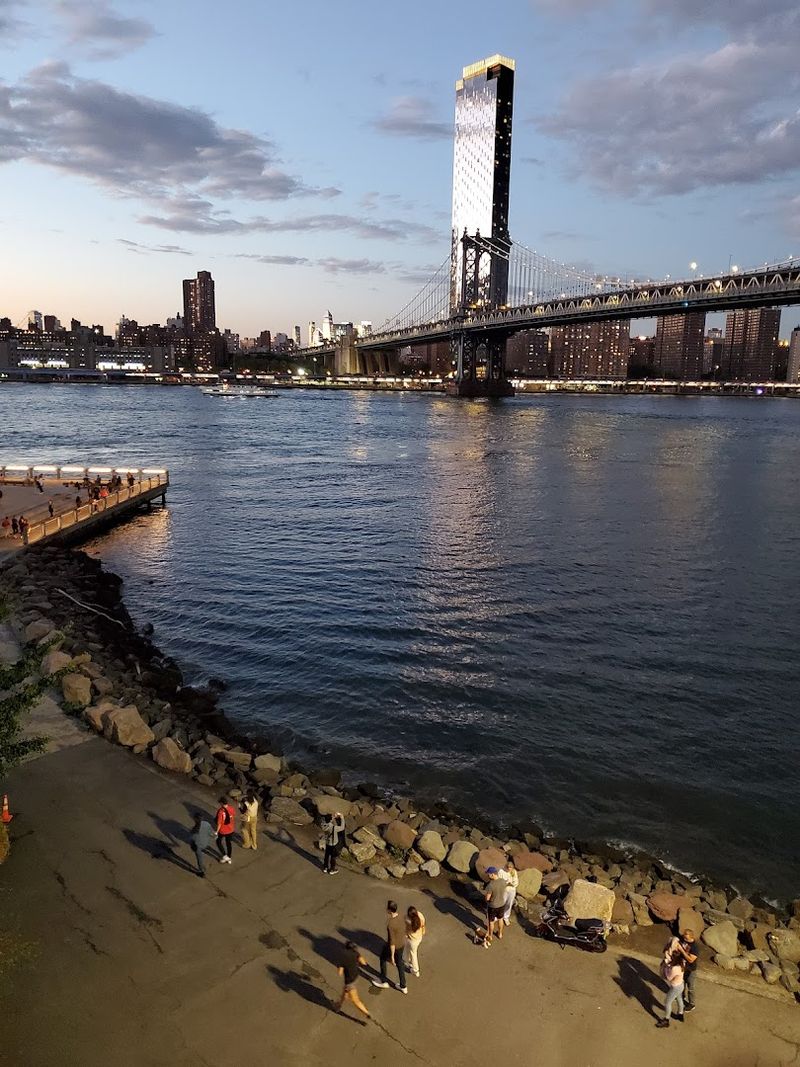
Washington Street in DUMBO became one of the most photographed spots in all of New York, and that one viral image changed the neighborhood permanently. What was once a quiet industrial area full of warehouses and working artists became a destination.
The bridge framed perfectly between the buildings turned into a postcard that millions of people wanted to recreate in person.
Residents who lived there before the Instagram era describe the neighborhood as genuinely peaceful. Morning walks felt private, and the community had a tight, creative energy that was hard to find elsewhere in the city.
That energy did not vanish overnight, but it thinned out considerably as tour groups and weekend visitors took over the sidewalks.
Running a simple errand on Washington Street near the corner of Water Street now means navigating around clusters of people holding up their phones.
The cobblestone streets look stunning in photos, but they are less charming when you are just trying to get home with groceries.
DUMBO is still beautiful, no argument there, but locals will tell you it stopped feeling like theirs the moment the algorithm found it.
3. Lower East Side — Manhattan
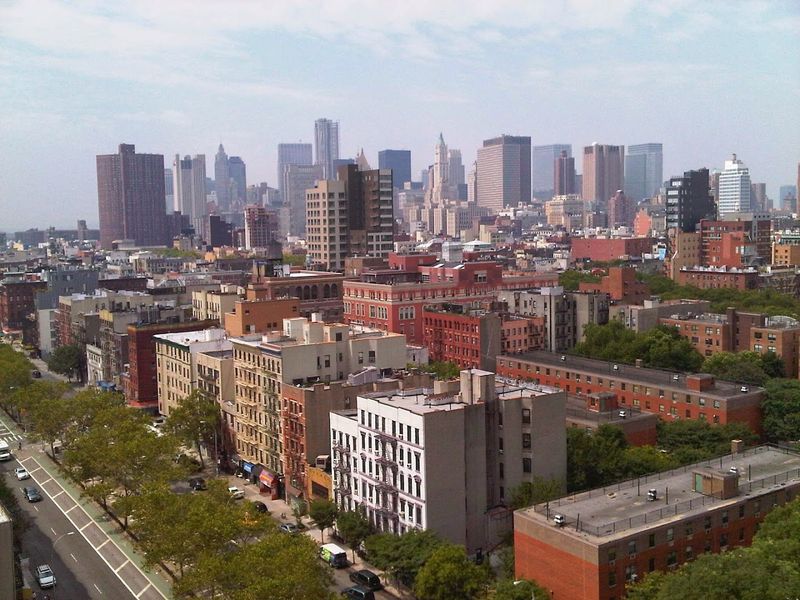
The Lower East Side has one of the richest cultural histories in all of Manhattan. Generations of immigrant families built their lives on streets like Orchard and Delancey, and the neighborhood carried that layered identity for decades.
Then the hotel developers arrived, and the math started changing for everyone who already lived there.
New hotels brought new visitors, and new visitors brought new businesses aimed squarely at people passing through rather than people staying put.
Long-standing local shops found themselves priced out as landlords realized what the block could fetch from a trendy tenant.
The rents climbed, the longtime residents moved out, and the neighborhood quietly lost pieces of itself.
Around the corner from the famous Katz’s Delicatessen at 205 East Houston Street, you can still feel echoes of what the neighborhood used to be. But the surrounding blocks tell a different story.
Boutique bars and rooftop venues now sit where community staples once operated.
New York has always been a city that reinvents itself, but locals on the Lower East Side will say reinvention and replacement are two very different things, and they know which one happened here.
4. Bushwick — Brooklyn
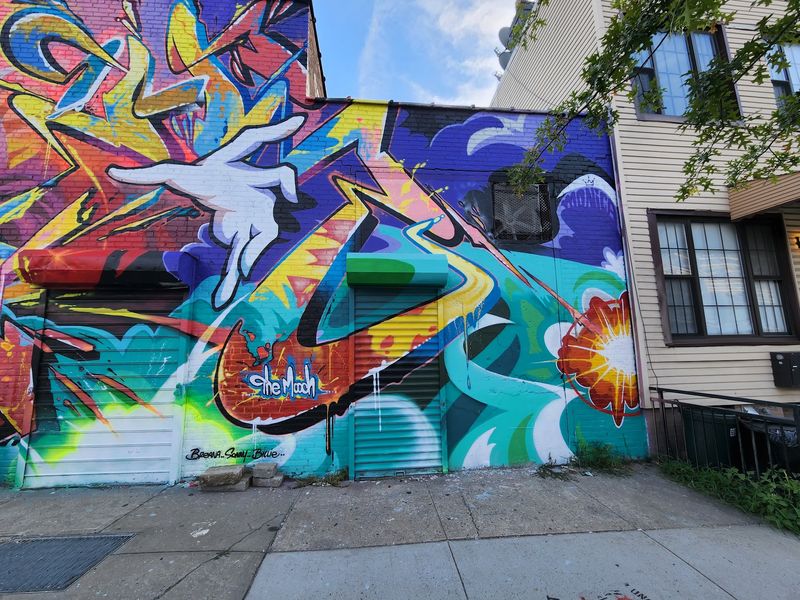
Bushwick pulled off a rare trick: it became famous for its art without the art world’s permission. Massive murals started appearing on building walls along Jefferson Street and the surrounding blocks, and suddenly people were making trips just to see them.
The Bushwick Collective turned the neighborhood into an open-air gallery, which is genuinely impressive and also exactly how the changes began.
Artists who moved to Bushwick in the first place did so because it was affordable. The irony is not lost on anyone: the murals they created to express themselves became the marketing material that raised their own rents.
Studios got converted, leases got expensive, and the working artists who built the neighborhood’s identity had to start looking elsewhere.
Today the neighborhood around Wyckoff Avenue and Troutman Street sees heavy weekend foot traffic from visitors doing self-guided art walks. The creative energy has not fully left, but it shares space now with tour groups and content creators.
Locals describe a neighborhood that feels split between its original self and the version that exists for outside consumption. Bushwick is still worth visiting, but go knowing that the people who made it special are slowly being priced out of their own story.
5. Harlem — Manhattan
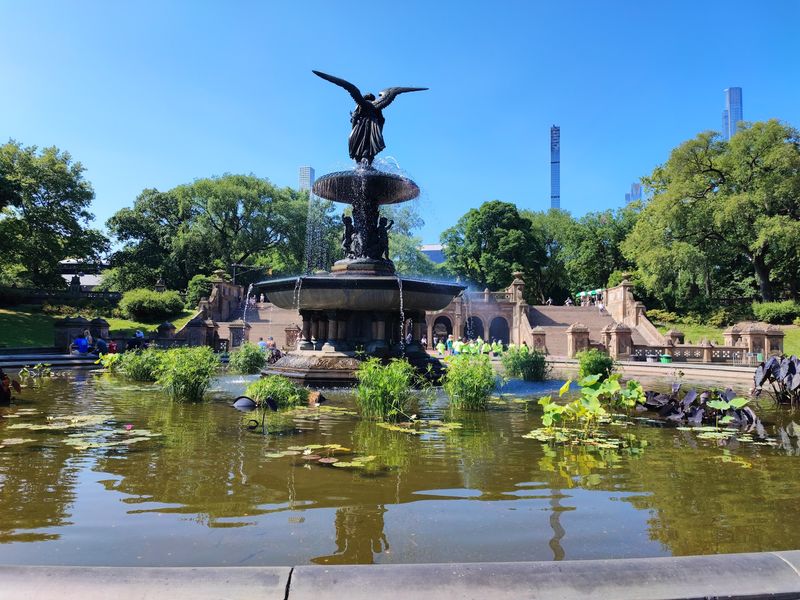
Harlem carries a cultural weight that very few neighborhoods anywhere in the world can match. It has been the heartbeat of Black American art, music, and intellectual life for over a century.
The Apollo Theater at 253 West 125th Street still stands as a monument to that legacy, and the brownstones lining the side streets are genuinely stunning.
But the neighborhood has been changing in ways that feel uncomfortable to many longtime residents.
More affluent newcomers began arriving, hotel projects followed, and rents climbed to levels that pushed out lower-income families who had lived there for generations.
The cultural identity of Harlem is not something that can be easily replicated once it is scattered across other boroughs.
Visitors come to Harlem looking for the soul food, the gospel music, the history, and the architecture. What they sometimes miss is that the community sustaining all of that is under real pressure.
New York City has a complicated relationship with its own cultural treasures. Harlem deserves to be celebrated, but celebration without preservation is just tourism.
Locals want visitors to spend money at Black-owned businesses and actually engage with the neighborhood rather than treat it like a museum exhibit.
6. East Village — Manhattan
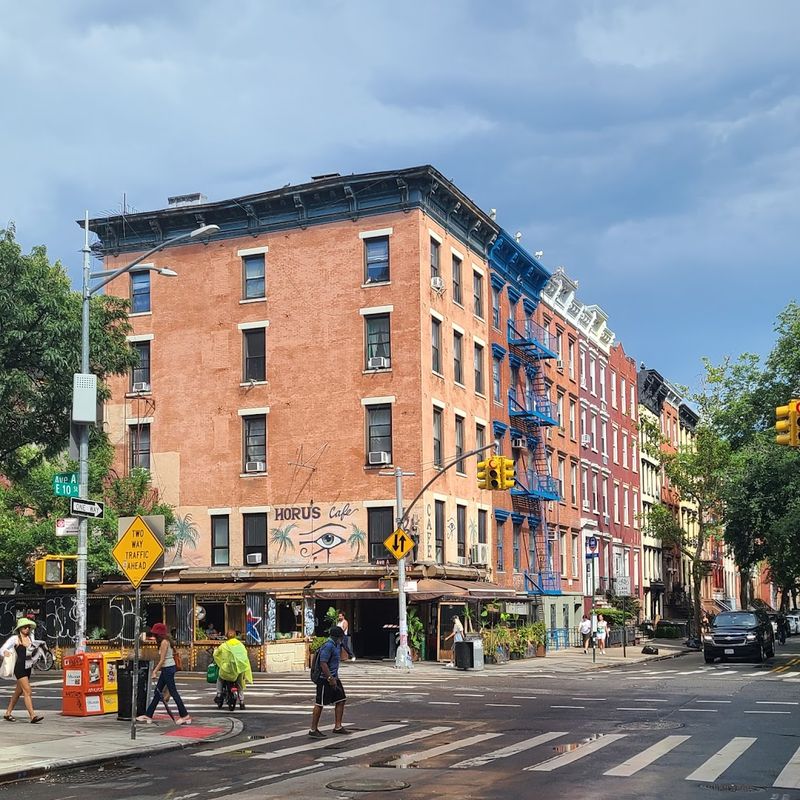
St. Marks Place used to be the kind of street that made parents nervous and musicians feel at home. The East Village was raw, loud, and unapologetically itself for decades.
It gave New York punk rock, underground theater, and a counterculture identity that attracted people from all over the world who felt like outsiders everywhere else.
That magnetic quality eventually worked against the neighborhood. Visitors came to see the famous street at 8 St. Marks Place and the surrounding blocks, and the foot traffic that followed made the area commercially attractive in a very different way.
Chain restaurants moved in. Rents jumped.
The venues that hosted experimental performances and local bands quietly shut their doors one by one.
What replaced them was a cleaned-up, photogenic version of edginess. You can still find great food and interesting shops in the East Village, but locals describe a neighborhood that traded its genuine weirdness for a curated aesthetic.
The spirit is still there in flashes, usually in spots that have not been discovered yet. If you find one of those places, do everyone a favor and keep it to yourself for just a little while longer.
7. Astoria — Queens
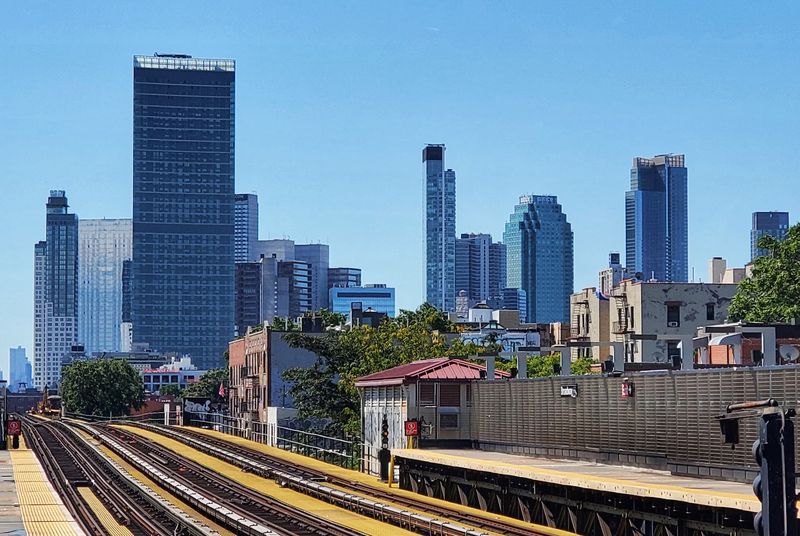
Astoria used to be Queens’ best-kept secret, and locals loved it that way. The Greek community along Ditmars Boulevard built something genuinely special over generations: real bakeries, family-run tavernas, and a neighborhood rhythm that felt nothing like Manhattan.
It was the kind of place where you became a regular after two visits.
Food blogs and travel guides eventually caught on, and Astoria started appearing on every list of underrated New York neighborhoods. The attention brought new residents and new businesses, and the neighborhood began shifting from community-centered to destination-focused.
Prices at restaurants near 31st Street and Broadway crept upward as the audience expanded beyond the locals.
To be fair, Astoria has held onto more of its character than many neighborhoods on this list. The Greek delis are still there.
The diversity is still real. But longtime residents notice the changes in small, specific ways: the new coffee shop that replaced the old hardware store, the weekend brunch crowds that spill onto sidewalks built for a quieter pace of life.
Astoria is still one of the best places to eat in all of New York, but the days of it being a total secret are well behind it now.
8. Red Hook — Brooklyn
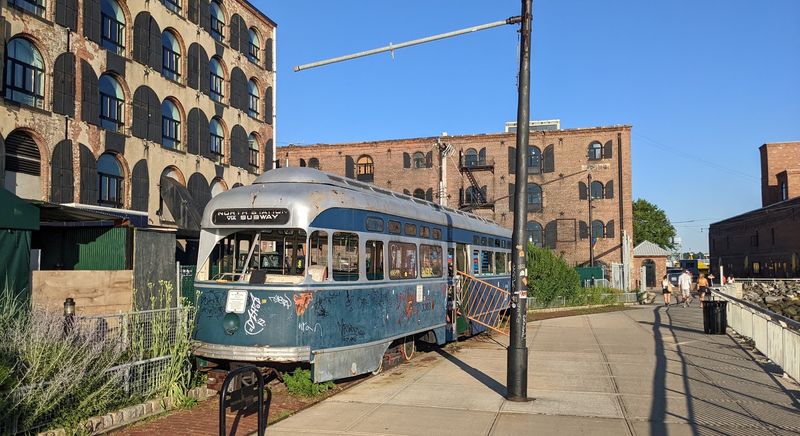
Red Hook sits at the southwestern tip of Brooklyn with waterfront views that would make any real estate agent faint with excitement. For a long time, the neighborhood’s relative isolation kept it under the radar.
There is no subway stop in Red Hook, and getting there requires a bus or a long walk, which historically kept casual visitors away.
Food destinations changed that equation significantly. The Red Hook Ball Fields near Clinton Street became famous for their weekend food vendors serving authentic Latin American dishes, and the word spread fast.
Ikea opened a massive store there in 2008, bringing its own wave of foot traffic that the neighborhood was not exactly designed to absorb. Suddenly Red Hook was on the map.
Boutique shops and destination restaurants followed, and property values climbed accordingly. The working waterfront character that defined the neighborhood for generations began giving way to a more polished, visitor-ready version of itself.
Locals who appreciated Red Hook precisely because it required effort to reach now find themselves sharing it with people who discovered it on a top-ten list. The views are still unbeatable.
The vibe, longtime residents will tell you, is not quite what it was.
9. Greenpoint — Brooklyn
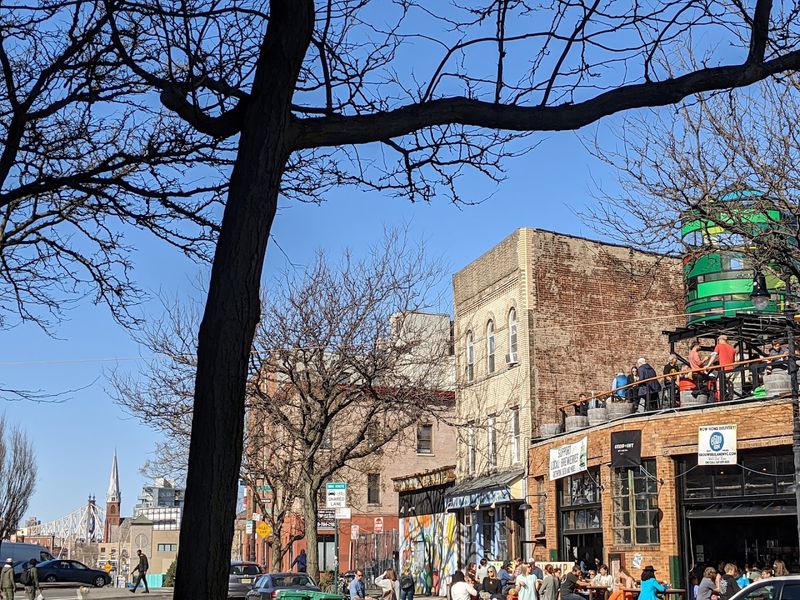
Greenpoint is the northernmost neighborhood in Brooklyn, and for years it operated quietly as a Polish-American enclave with a strong community identity.
Manhattan Avenue was lined with pierogi spots, specialty butchers, and shops that catered to the people who actually lived there.
It was functional, warm, and completely uninterested in being trendy.
The overflow from Williamsburg’s gentrification pushed northward and found Greenpoint. Young professionals who could no longer afford Williamsburg rents moved in, followed by the businesses that cater to them.
The character of Manhattan Avenue around the area of Greenpoint Avenue shifted gradually but noticeably. The Polish delis held their ground better than most, which is a genuine credit to the community.
What changed most visibly was the social fabric. Longtime residents describe feeling like guests in their own neighborhood as new coffee shops and boutique fitness studios replaced the practical businesses they relied on.
New York has seen this pattern play out in borough after borough, but Greenpoint locals feel it especially sharply because the neighborhood was so self-contained before. It did not ask to become a destination.
It just happened to be next door to one, and proximity turned out to be enough.
10. Long Island City — Queens
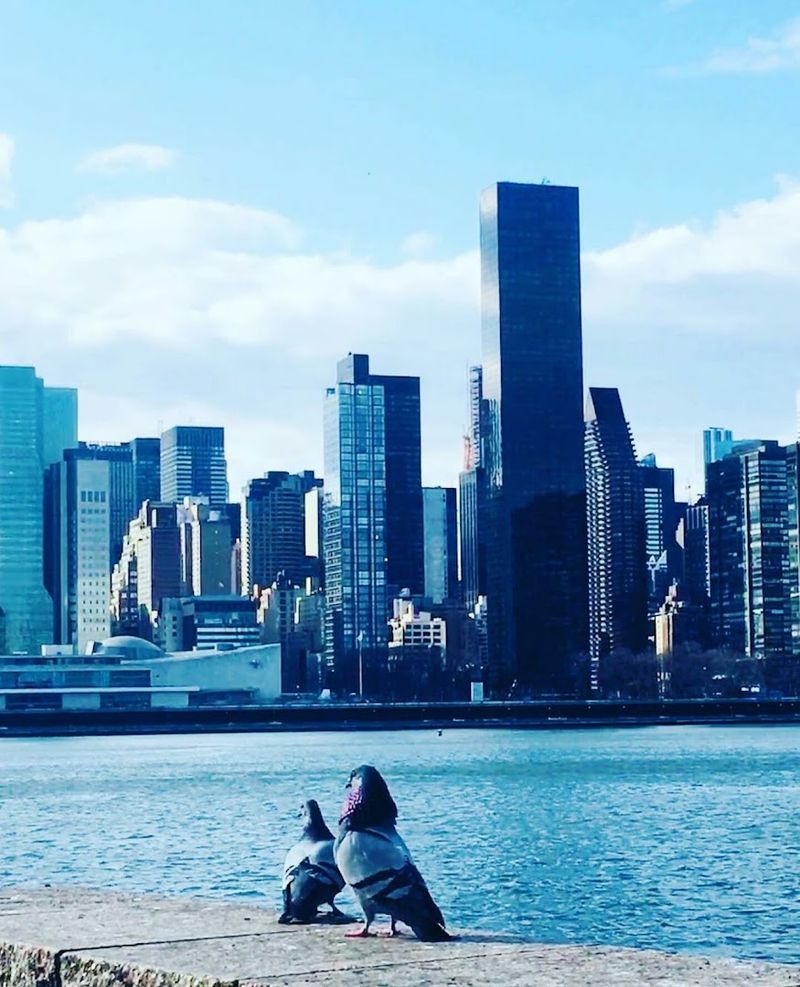
Long Island City went from industrial backwater to luxury condo corridor faster than almost any neighborhood in New York.
The views of Manhattan from the Queens waterfront are legitimately spectacular, and developers figured out that spectacular views plus proximity to Midtown equals serious money.
Construction cranes became the neighborhood’s unofficial mascot.
The Amazon HQ2 announcement in 2018 briefly threatened to accelerate all of that even further before the deal fell through, but the development had already taken on a momentum of its own.
Glassy towers replaced warehouses along the waterfront near Center Boulevard, and the new residents who moved in found a neighborhood that felt more like a lifestyle product than a living community.
Locals and observers alike describe Long Island City as beautiful on the surface but lacking the organic texture that makes a neighborhood actually feel alive. The restaurants and shops that serve the new condo population are polished but generic.
There is very little of the gritty, creative energy that defined the area before the cranes arrived. Visitors come for the skyline views and the MoMA PS1 contemporary art center at 22-25 Jackson Avenue, which remains excellent.
But if you are looking for a neighborhood with roots, you may need to keep searching.
11. Park Slope — Brooklyn
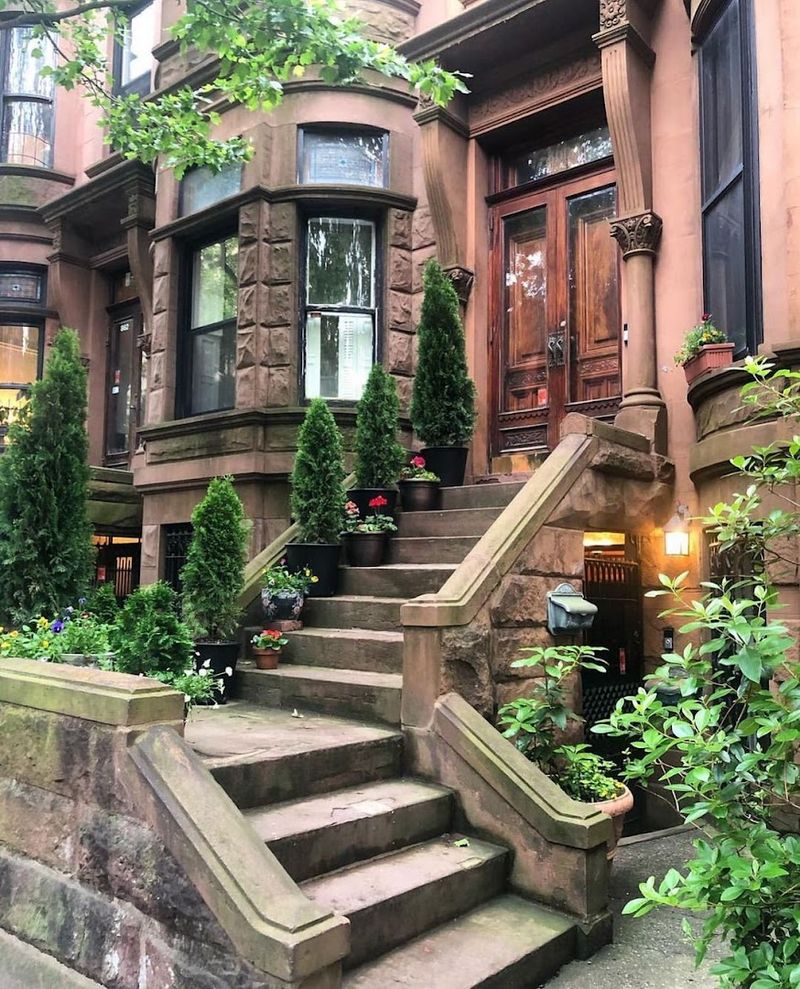
Park Slope has the kind of brownstone architecture that makes people stop mid-sidewalk and just stare. The streets around Prospect Park are genuinely beautiful, and the neighborhood built a reputation as one of the most livable places in all of New York.
Families loved it. Professionals loved it.
Eventually, everyone loved it, and that love had consequences.
What began as a desirable residential neighborhood gradually became a destination. Seventh Avenue between Union and 9th Street filled with boutiques, farm-to-table restaurants, and specialty shops aimed at a demographic with significant disposable income.
The prices followed the reputation upward until Park Slope became one of the most expensive neighborhoods in Brooklyn.
Longtime residents describe a neighborhood that priced out the diversity that once made it interesting.
The community feel is still present in some ways, especially around Prospect Park, which remains one of the great public spaces in New York.
But the economic reality of living in Park Slope now requires a level of income that excludes a large portion of the people who made the neighborhood appealing in the first place. It is a genuinely lovely place to visit and a very expensive place to stay.
12. The Bowery — Manhattan
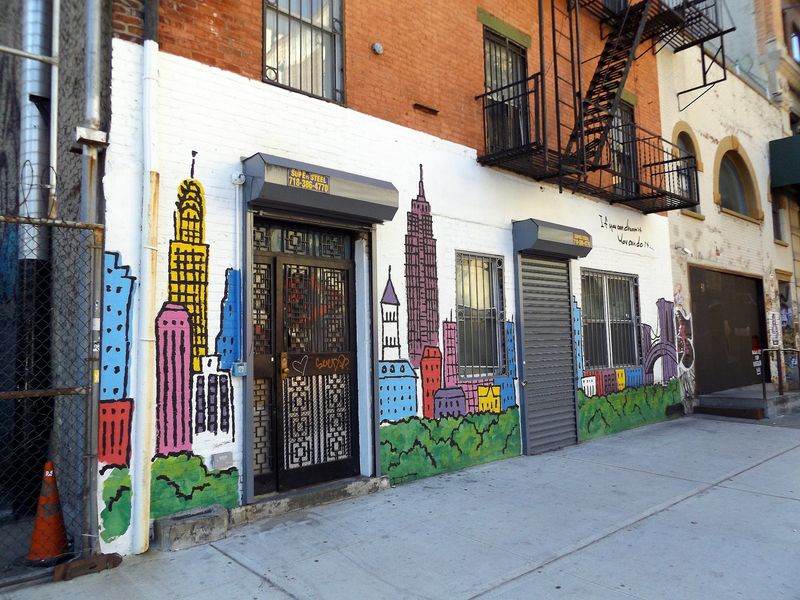
The Bowery has one of the most dramatic transformation stories in all of New York City. For most of the twentieth century it was known as a rough stretch of lower Manhattan associated with flophouses and hard times.
Artists moved in during the eighties and nineties because the rents were low and the city largely left them alone. That creative period gave the street a complicated, fascinating energy.
Then the hotels arrived. New boutique and luxury properties opened along the stretch near Bowery and Houston Street, and the neighborhood flipped faster than most people expected.
Restaurants and shops followed the hotel guests, and the Bowery became a destination rather than a thoroughfare. The transformation happened in almost real time, and locals watched with a mix of awe and exasperation.
The old signs advertising lighting fixtures still hang on a few buildings, a nod to the hardware district the street once hosted.
The CBGB storefront at 315 Bowery is now a clothing store, which tells you everything you need to know about how completely the neighborhood reinvented itself.
New York always changes, but the Bowery changed with unusual speed and finality. What it gained in polish, many locals feel it lost in personality.