
12 Nevada Museums Where Families Find The Stories Textbooks Left Out
A wrong turn off a Nevada highway once landed me in a parking lot beside a low brick building with a hand-lettered sign, and two hours later I was still inside reading about miners, schoolteachers, and dam workers. Nevada is packed with small museums like that, plus a few big ones, and together they tell the parts of state history that school textbooks skip entirely.
Many charge a couple of dollars or nothing at all, which makes them an easy afternoon for families and retirees watching every dollar. Here are twelve places across the state where the real stories live, from silver mines to neon signs to pioneer trails.
1. Atomic Museum, Las Vegas
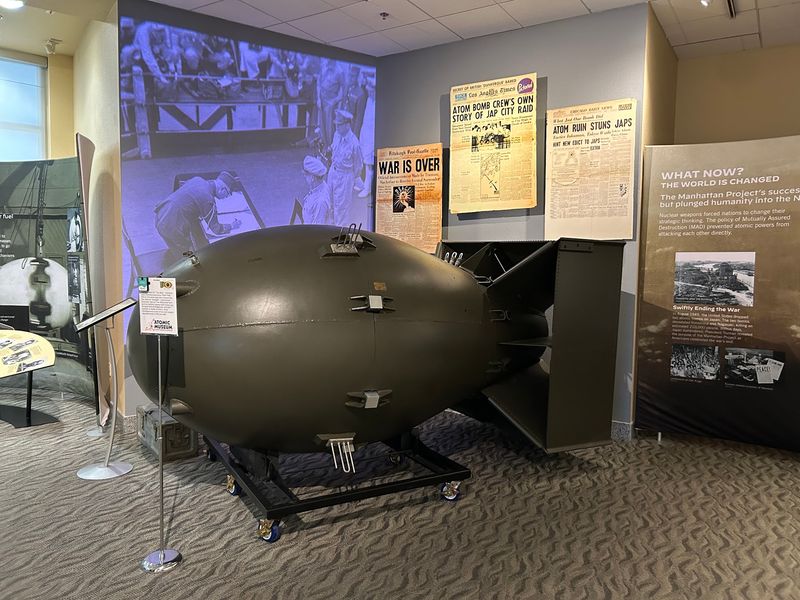
Cold War history happened in Nevada’s backyard, and this Smithsonian affiliate on East Flamingo Road is where families can finally see the full picture. Exhibits walk visitors through the basics of nuclear science before moving into the story of testing conducted north of Las Vegas, and how those decades shaped the state.
Rare artifacts fill the galleries, spanning the earliest testing years through modern times. A bunker room simulation gives kids a sense of what observers experienced, and multi-media displays plus a theater keep younger attention spans engaged.
Hands-on stations help break down concepts that textbooks tend to summarize in a single paragraph.
Practical notes matter for a Las Vegas outing: parking is free in the lot and on the street, restrooms and changing tables are available, and the museum is listed as good for kids. Doors open daily from 9 AM to 5 PM, and Thursday evenings tend to be the calmest stretch of the week.
The gift shop leans into Fallout-themed merchandise, which usually wins over teenagers who came reluctantly. Admission prices can change, so confirm before you drive over.
2. The Mob Museum, Las Vegas
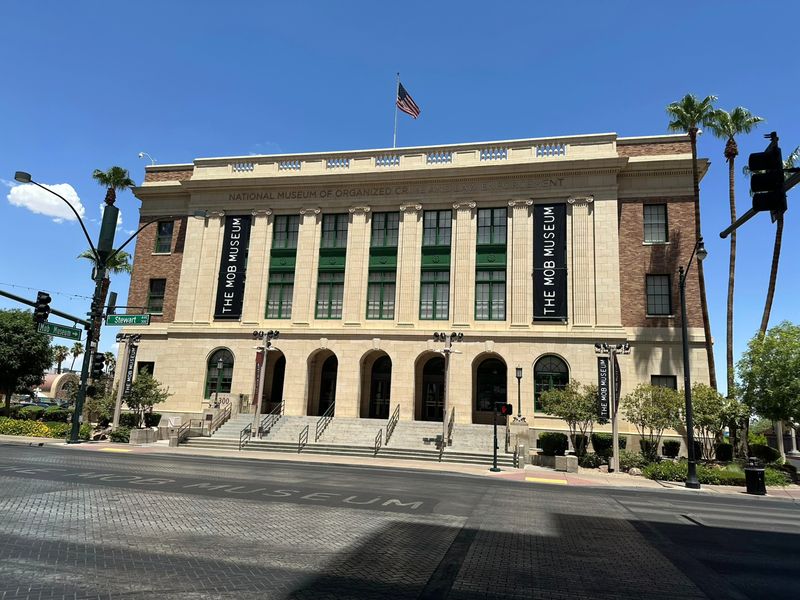
Housed in a genuine former federal courthouse on Stewart Avenue, this downtown museum tells a chapter of Las Vegas history that rarely makes it into a classroom lesson plan. Interactive exhibits trace organized crime’s rise across the country and the law enforcement response that followed, with Nevada’s own political and economic story woven throughout.
What makes it unusual is the building itself. The courtroom where real hearings took place still stands, giving the storytelling a weight that no reproduction could match.
Displays also cover the science of crime solving, which tends to fascinate middle schoolers who arrive expecting something dull.
Hours run daily from 9 AM to 9 PM, and quieter windows fall on weekday mornings and Monday or Wednesday evenings. Friday afternoons and Saturday evenings get crowded, so advance tickets are recommended.
A cafe and restaurant sit on site, along with free wi-fi and changing tables.
Parking options include free street spots, on-site parking, and paid lots nearby. Active military discounts are offered, and the museum is listed as family-friendly and good for kids.
Check current pricing before planning your day.
3. The Neon Museum Las Vegas, Las Vegas
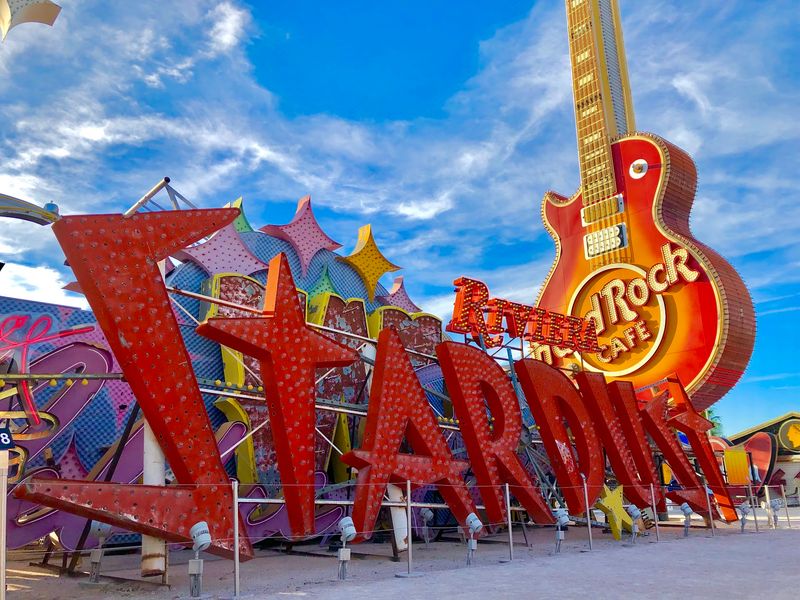
Giant letters that once towered over Fremont Street now rest in a gravel lot north of downtown, and walking among them feels like flipping through the city’s family photo album. Signs date from the 1930s forward, some lovingly restored and relit, others left weathered exactly as they came down.
Guided tours are the heart of the experience. Guides explain which hotel each sign belonged to, why certain typefaces disappeared, and how argon and neon actually produce those colors.
Self-guided visits work too, though the stories behind individual pieces are what stick with kids.
Preservation is the real mission here. Many of these artifacts were headed for scrap before the museum stepped in, which makes the whole collection a lesson in what a community chooses to keep.
Doors are open daily from 3 PM to 11 PM, and Tuesday or Wednesday afternoons run quietest while Friday and Saturday nights fill up. Advance tickets are recommended.
Free parking is available, along with a cafe, gift shop, restrooms, and changing tables. Admission varies, so verify rates first.
4. Clark County Museum, Henderson
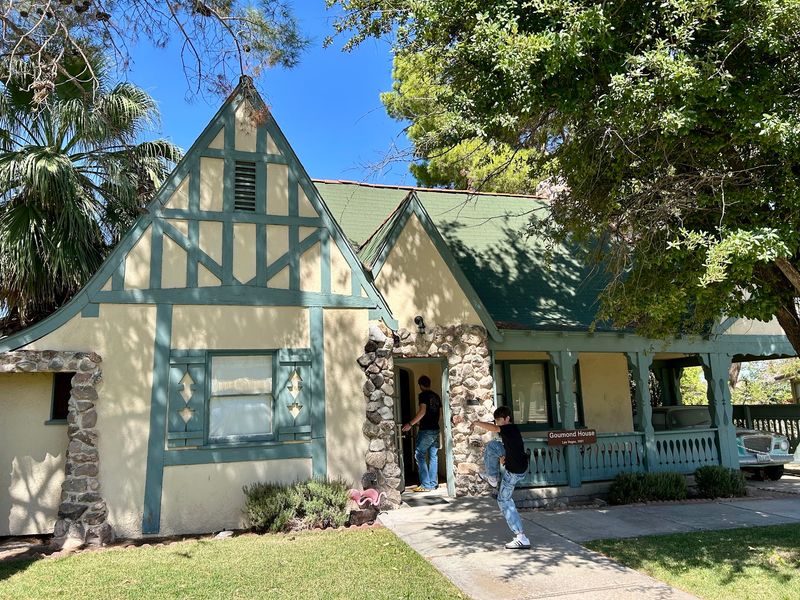
Thirty acres along South Boulder Highway hold something most museums cannot offer: an entire street of real houses you can walk into. Homes dating from the 1930s through the 1950s were relocated here and furnished to match their eras, so kids can compare a Depression-era kitchen to a mid-century living room in about ten minutes.
Beyond the houses sit train cars, a chapel, a telegraph setup, and heavy mining equipment left out in the open desert air. The indoor exhibit hall handles the long view, with dioramas covering prehistoric animals, Southwest Native American life, and the decades that turned Las Vegas into an entertainment center.
A desert botanical garden threads through the grounds, giving adults a shady pause while children keep exploring. A scavenger hunt keeps younger visitors moving with a purpose rather than trailing behind.
Hours run daily from 9 AM to 4:30 PM, and parking is free both on site and on the street. There is a gift shop and restrooms but no restaurant, so pack snacks.
Admission has long been one of the most affordable in southern Nevada, though rates should be confirmed.
5. Boulder City-Hoover Dam Museum, Boulder City
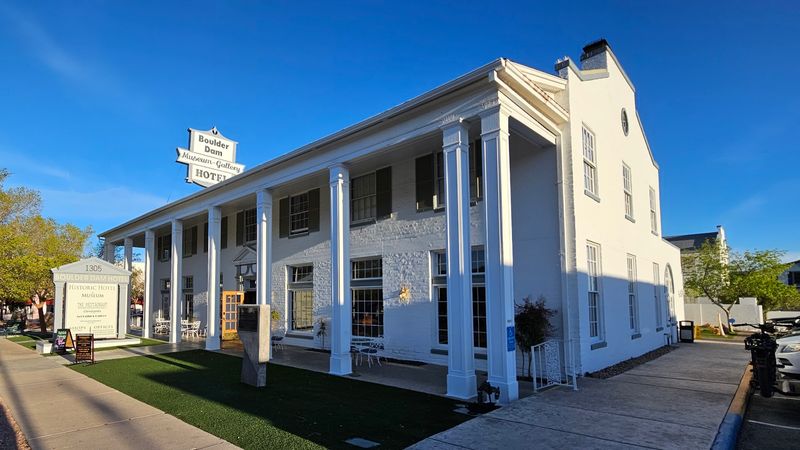
Most visitors to Hoover Dam never learn who actually built it. Upstairs in a beautifully restored historic hotel on Arizona Street, this museum fixes that with photographs, tools, and firsthand accounts from the laborers and their families.
Exhibits get wonderfully specific. Displays cover the methods and machinery used on the dam, the makeshift living conditions of the construction years, and small details like the hard hats that workers improvised from cloth and tar.
Interactive elements give kids something to push, lift, and try for themselves.
Boulder City’s own origin story runs alongside the dam narrative, explaining how a planned town appeared in the desert almost overnight. Memorials and plaques honoring the workforce dot the surrounding streets if you want to extend the afternoon on foot.
A realistic visit takes roughly half an hour to an hour, which makes it easy to pair with the dam itself, only minutes away. The building is open daily from 7 AM to 7 PM, with free parking, a gift shop, restrooms, and a restaurant and cafe on site.
Admission has been free, but confirm before driving out.
6. Lost City Museum, Overton
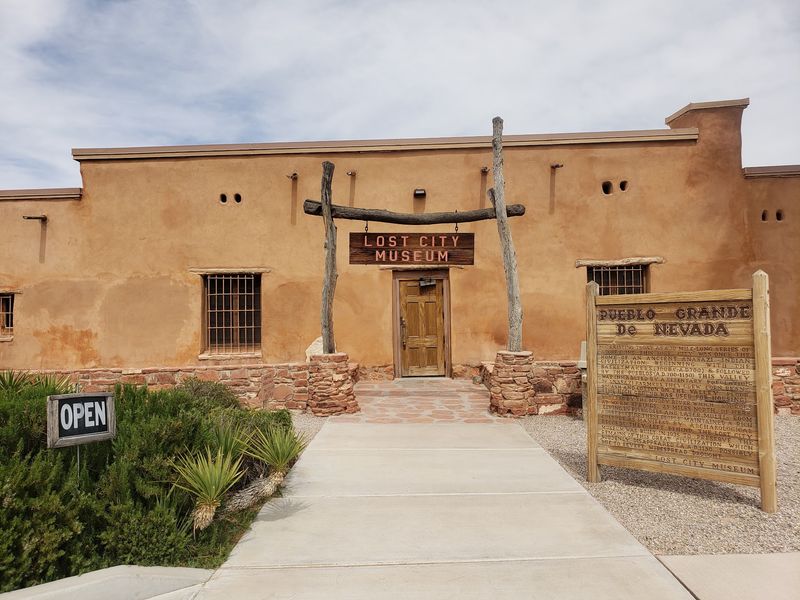
Long before anyone drew a state line across the Mojave, Ancestral Puebloan communities farmed and traded in the Moapa Valley. Their story anchors this museum on South Moapa Valley Boulevard in Overton, built specifically to preserve artifacts recovered before Lake Mead’s waters rose.
Inside, cases hold pottery, shell ornaments, and basketry so finely woven that children lean in without being told to. Interpretive panels explain not just what each object is but how researchers figured out its purpose, which quietly teaches archaeology as a process rather than a list of dates.
Outdoors is where the visit turns memorable. Pueblo replicas stand on the grounds where excavation actually happened, and picnic tables make a free lunch stop easy.
A TV room screening old Western footage adds an oddly charming detour.
Exhibits also address how the dam project, regional immigration, and settlement changed the valley, layering modern history atop ancient. Open Tuesday through Sunday from 8:30 AM to 4:30 PM and closed Mondays, with free parking and a gift shop.
Admission runs just a few dollars for adults; verify current rates.
7. Central Nevada Museum, Tonopah
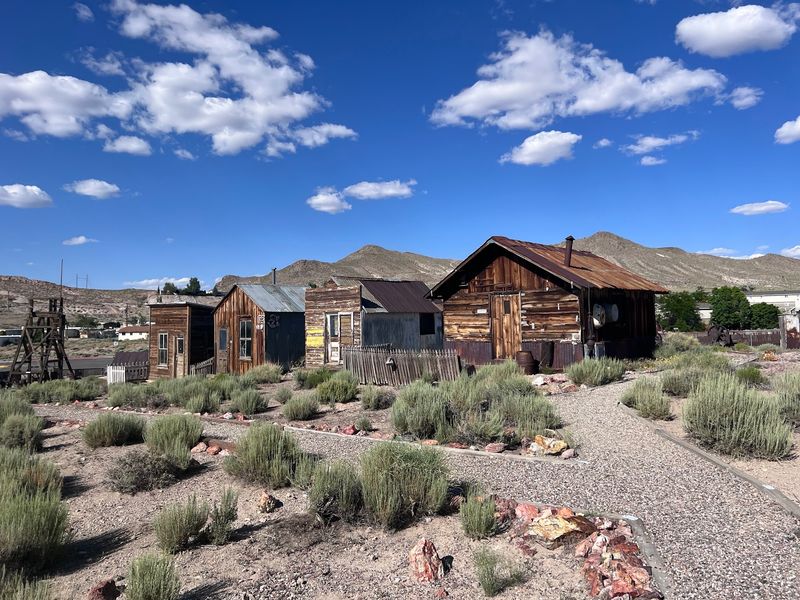
Halfway between Las Vegas and Reno, Tonopah sits at high desert elevation with a museum on Logan Field Road that punches far above its size. Indoor galleries cover Native American life in central Nevada, the silver boom that built the town, and the military chapter most people never hear about.
That military connection is the surprise. Artifacts from the World War II training airbase outside town sit alongside mining gear, tying one small community to a much larger story.
Outside, historic buildings and heavy equipment are arranged along a self-guided walking route, free to explore at your own pace. A scavenger hunt keeps children scanning displays instead of drifting toward the exit, and the staff know the region’s history well enough to send you off with three more stops to make.
Hours are Tuesday through Saturday, 9 AM to 5 PM, with Sunday and Monday closed, so plan the drive carefully. Parking is free, there is a gift shop and restrooms, but no restaurant on site.
Admission has been free, which stretches a fixed-income day trip nicely. Confirm hours seasonally.
8. Tonopah Historic Mining Park, Tonopah
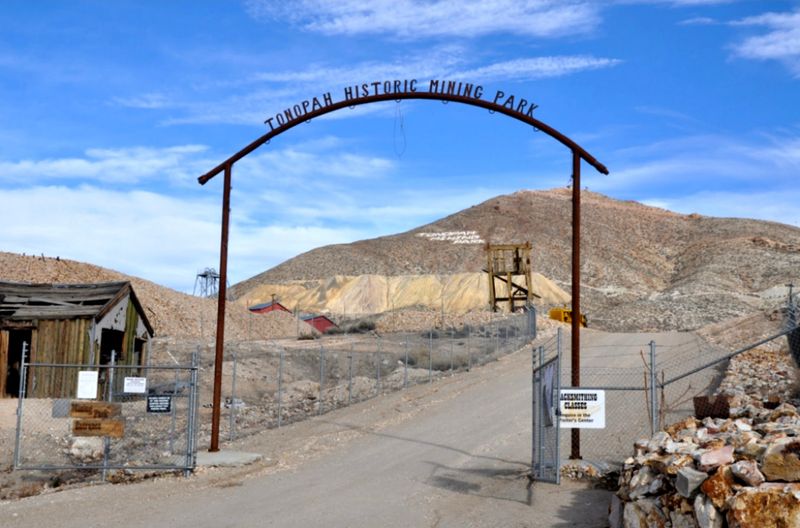
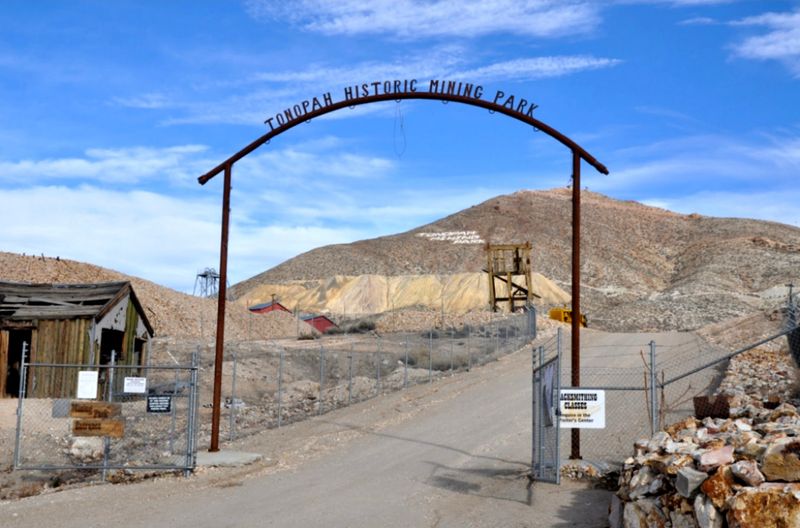
Climb the hill above town and you are standing on the actual claims that started Tonopah’s silver rush. Intact mining operations remain here, from boilers and hoist machines to cables, head rigs, ore carts, and square-set shafts, most of it open for self-guided wandering.
Start with the twenty-minute video and grab a map. Then follow the route through the lift house and mechanical shop, peer down a 500-foot shaft from a covered platform, and study mineral specimens pulled from these very tunnels.
Young kids handle the walk fine, though the grade from street level is steep enough that parking at the visitor center up top saves some effort.
What sets this apart from a display case is scale. Machinery sits where it worked, rusted and enormous, and the connection between raw rock and a town’s existence becomes obvious without anyone explaining it.
Guided tours and ATV tours of the grounds are also offered. Open daily 9 AM to 5 PM with a gift shop, theater, restrooms, and parking.
Admission has run around five dollars per person, so check current rates.
9. Hawthorne Ordnance Museum, Hawthorne
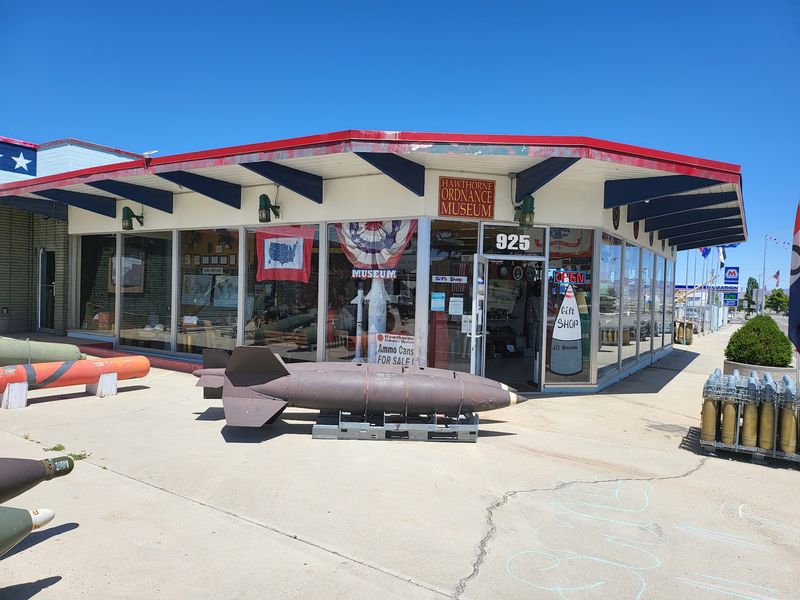
A tank parked out front is usually enough to get children out of the car, and at this Mineral County museum they are allowed to climb into it. Hawthorne has been home to a major ammunition depot for generations, and the collection here reflects that specialized local history better than any chapter summary ever could.
Displays inside cover an extraordinary range of ordnance, along with clear explanations of how such items are demilitarized and made safe. Military trucks that still run sit alongside the static exhibits, and the volunteers who keep the place going tend to have detailed knowledge of every item on the shelves.
The gift shop stocks genuine surplus hardware, including ammo cans at prices that make collectors pause. It is an unusual souvenir stand, and part of the charm.
Posted hours are Monday through Saturday, 10 AM to 6 PM, with Sunday closed, though a volunteer-run operation can close unexpectedly. Calling ahead is wise if Hawthorne is a long drive for you.
Parking is on site, restrooms are available, admission has been free, and tours are offered.
10. Historic Fourth Ward School Museum, Virginia City
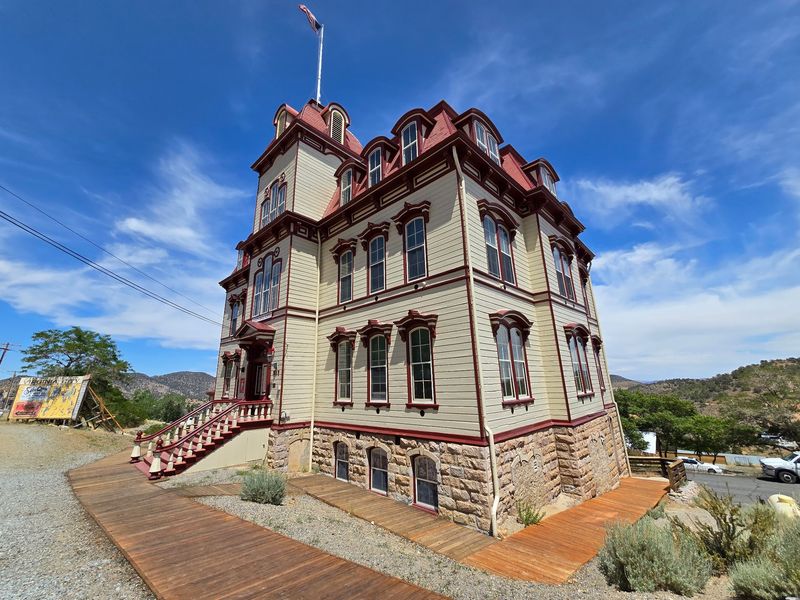
Four stories of 19th-century woodwork stand at the south end of C Street, and stepping into the preserved classroom is closer to time travel than any exhibit label can manage. Original desks sit in rows, historic maps hang on the walls, and the pencil marks students left behind are still visible.
Exhibits cover the Comstock Lode, the mining economy that made Virginia City boom, and the sheer number of children once educated inside this single building. Grandparents touring with grandkids often find the comparison to modern school life does the teaching for them.
Guided tours are available and add layers the signage cannot, from restoration work that continues year after year to the daily routines of frontier teachers. Live performances are part of the programming as well.
Doors open daily from 10 AM to 5 PM, with Saturday mornings and afternoons busiest and midweek mornings nearly empty. Free parking sits close by, and there is a gift shop and restrooms but no restaurant, so plan lunch elsewhere on the main street.
Active military discounts apply; confirm admission before your trip.
11. Churchill County Museum, Fallon
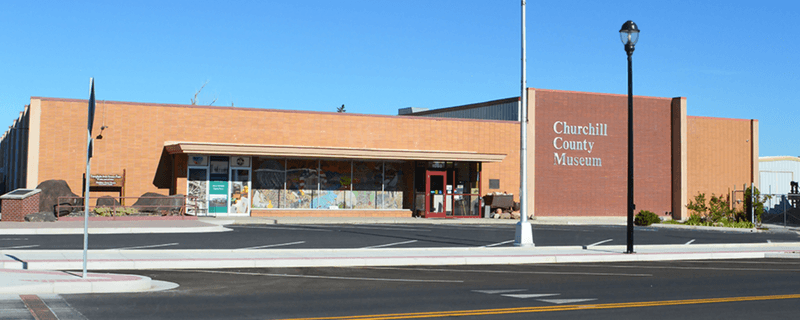
Farming country surrounds Fallon, and the museum on South Maine Street explains exactly how that happened. Exhibits trace the irrigation and water development projects that turned dry Lahontan Valley ground into productive fields, a story central to northern Nevada yet almost invisible in standard history lessons.
The collection is remarkably deep for a community museum. A mochila from Pony Express days, handmade quilts, and thousands of regional artifacts sit in cases that are clean, well labeled, and thoughtfully arranged rather than crammed.
Pioneer hardships get honest treatment, including the day-to-day work of keeping a homestead running.
Interactive displays serve adults and kids equally, and a scavenger hunt gives younger visitors a mission. Two families with small children can move through comfortably without anyone feeling rushed or shushed.
Hours run Tuesday through Saturday from 10 AM to 5 PM and Sunday from 10 AM to 3 PM, closed Mondays. Free parking is available on site and on the street, along with free wi-fi, restrooms, a gift shop, and tours.
Active military discounts are offered, and admission has been free. Verify details before making the drive.
12. California Trail Interpretive Center, Elko
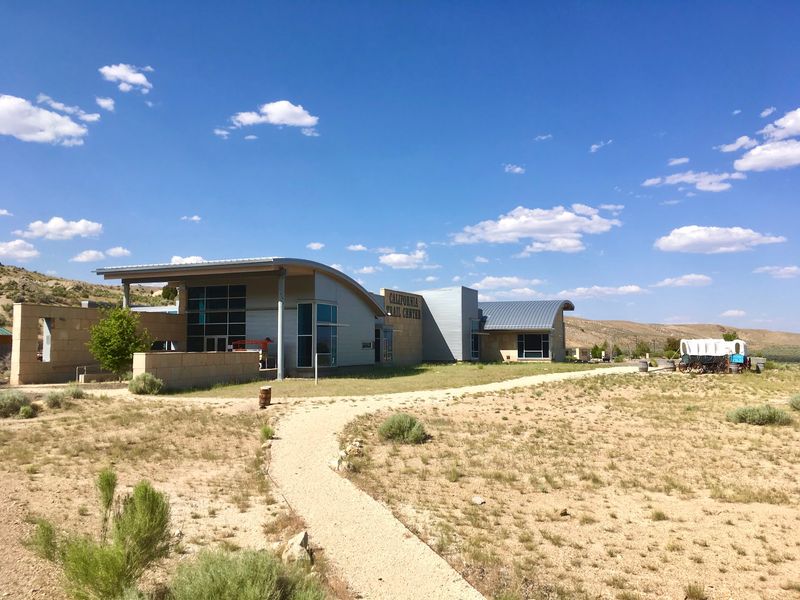
Thousands of wagons rolled through northeastern Nevada following the Humboldt River, and the center just off I-80 west of Elko brings that journey down to human scale. Large topographic maps show exactly where the trails ran, and dioramas place visitors alongside families who walked the whole distance.
Interactive exhibits are the strength here. Hands-on stations let kids test decisions emigrants faced, while a theater and occasional live performances fill in the emotional side of the story: what travelers carried, what they left behind, and what they hoped waited in California.
Walking trails outside let children burn off energy and see the actual landscape the wagons crossed, sagebrush and all. On-and-off access from the interstate makes this an easy break on a long Nevada drive rather than a separate expedition.
Open Wednesday through Sunday from 8:30 AM to 5 PM, closed Monday and Tuesday. Parking is free, restrooms are on site, and there is no restaurant, so bring a cooler.
Admission has been free, which is hard to beat for a full hour or two of genuine history. Confirm hours seasonally.
Twelve stops, twelve stories your kids will not read in class.