
8 Scenic Missouri Lake Towns That Offer A Peaceful Escape From The Usual Tourist Crowds
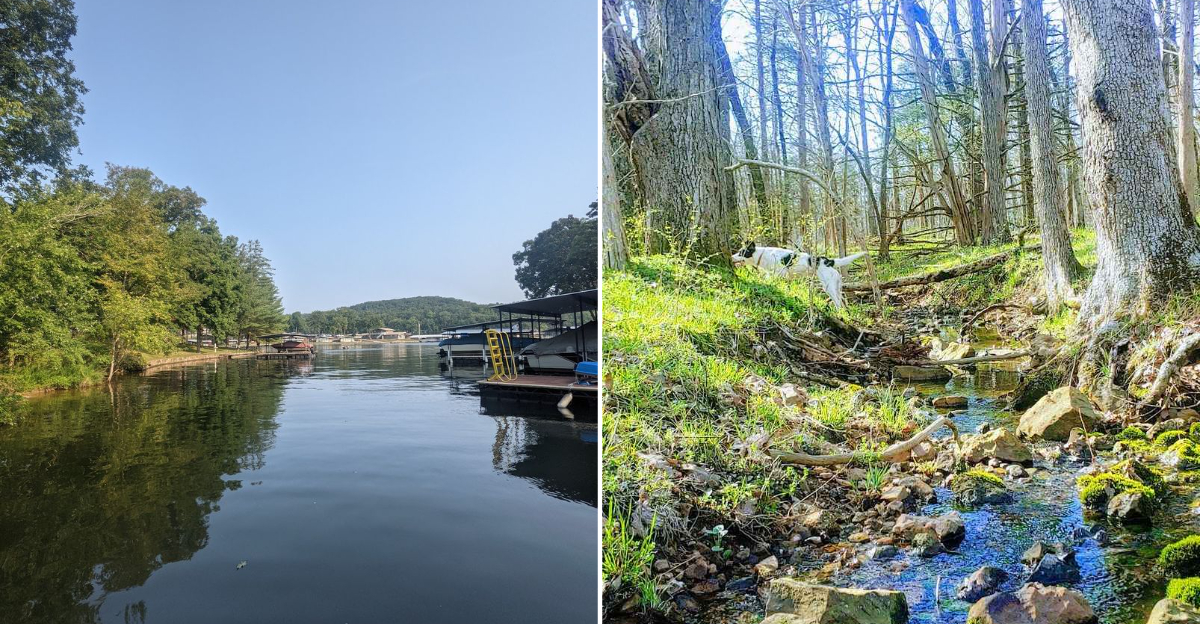
In a season packed with vacations and tourist-filled cities, if you’re looking for something quieter, these Missouri lake towns are exactly what you need. Streets here stay uncrowded compared to bigger name destinations nearby.
The water stays calm enough for easy swimming without heavy waves interrupting the relaxation. Locals treat these towns almost like a well-kept secret, appreciating the quiet more than convenience.
Nothing about these places feels commercialized despite their natural beauty and charm. Regulars know exactly which towns hold onto that peaceful atmosphere best throughout the busy summer season.
Visitors who do find these towns often wonder why they aren’t more widely known already. These lake towns proved that sometimes the best escape requires leaving the bigger crowds behind.
1. Gravois Mills
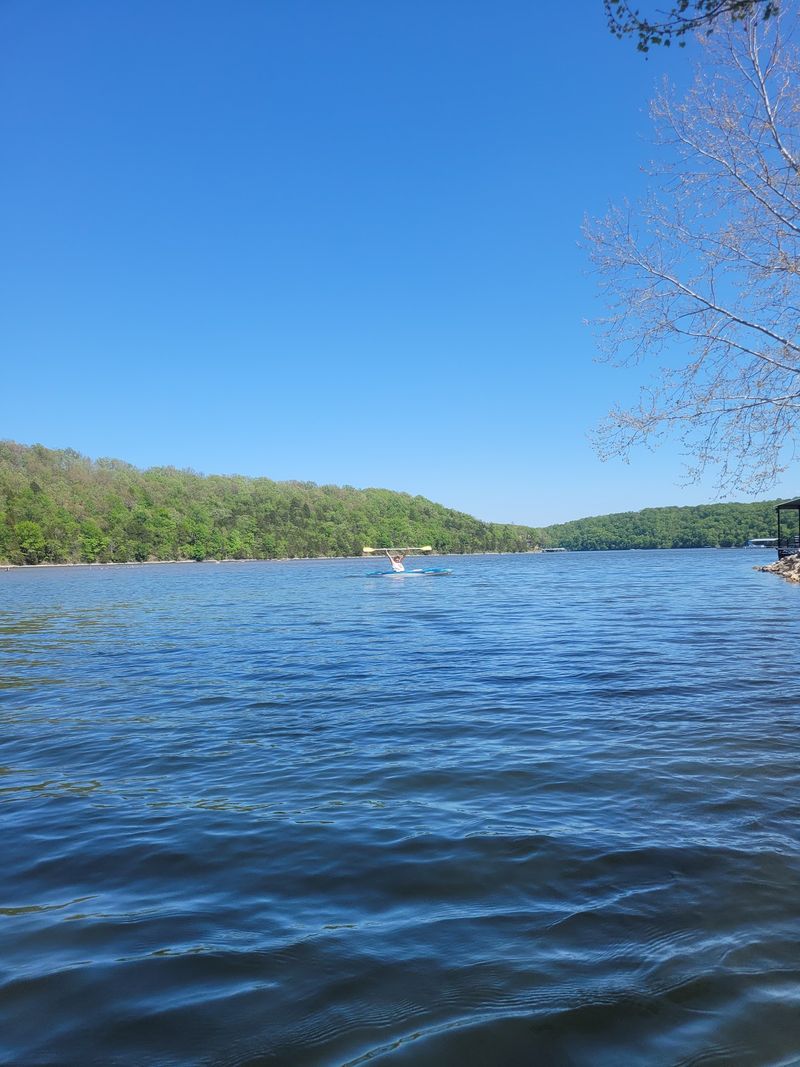
Locals have a nickname for this stretch of Lake of the Ozarks, and it says everything: the quiet side. Boat traffic thins, the coves go glassy, and the noise drifts somewhere else.
The town was platted back in 1884, taking its name from an old gristmill that once worked beside Gravois Creek. Zebulon Pike reportedly passed through the area in 1806, and Osage people lived here long before French settlers showed up.
History still stands in plain view. Old St. Patrick’s Church joined the National Register of Historic Places in 1979, and it remains one of the more photographed landmarks along Highway 5.
For anyone who likes trails more than throttle noise, the Gravois Mills Access covers 63 acres with walking paths, a picnic area, and a boat ramp. It works well for a slow morning or a fishing session that nobody interrupts.
Lake of the Ozarks State Park sits a short drive away and happens to be the largest state park in Missouri. Trails wander through oak and hickory woods, and shoreline campsites fill up with people who care more about loons than nightlife.
Jacob’s Cave adds an underground twist to the itinerary. Rock formations, cool air, and campsites nearby make it an easy break from the heat.
Waterfront restaurants line a few of the marinas, and the pace is refreshingly unhurried. Docks double as gathering spots, and conversations tend to run long.
Weekend trips work here because access is simple. Highway 5 runs right past town, so there is no maze of resort traffic to fight through.
Sunsets over the Gravois arm are the main event, and the crowd is usually a handful of anglers and a heron.
2. Sunrise Beach
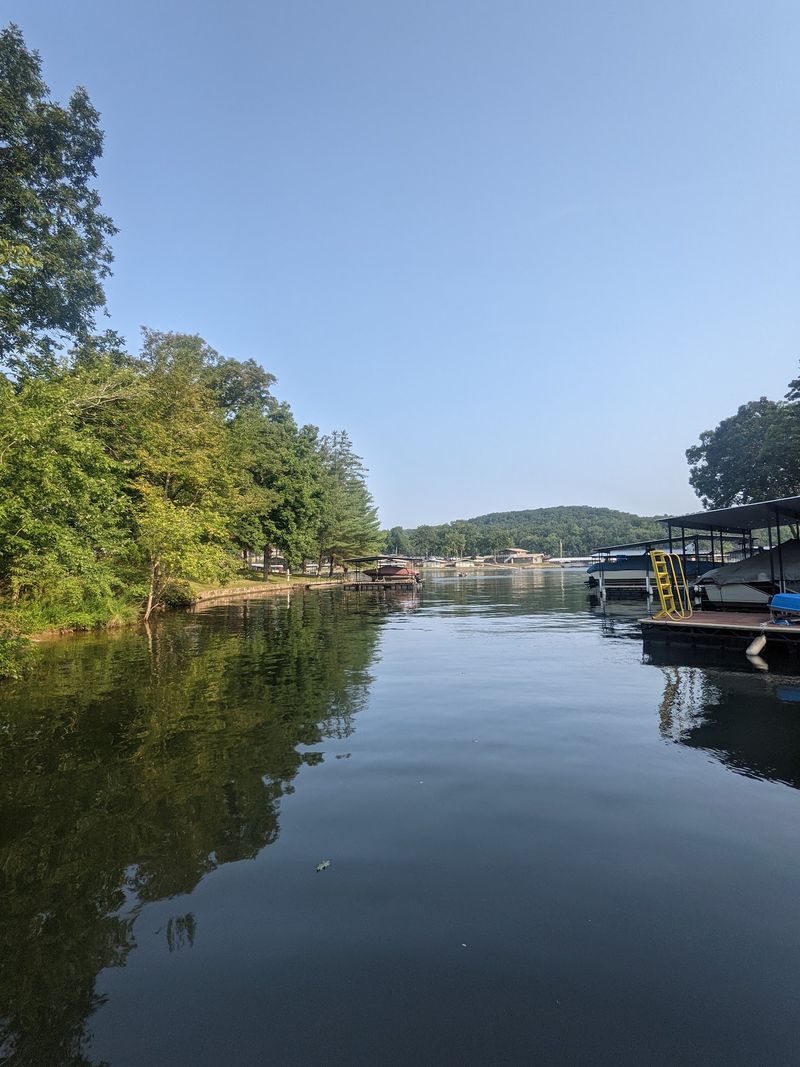
Two counties share this village, Camden and Morgan, and the split somehow adds to its low-key personality. It became an official town in 1932, the same year the post office opened, and the name came from its position near the lake.
Direct access to the Osage Arm is the big selling point. Lynch Hollow and Crabtree Cove stay calm enough for swimming, paddling, or dropping a line without dodging wakes all afternoon.
Shawnee Bend Public Access packs a lot into just over six acres of lakefront. A boat ramp handles the water crowd, while birdwatchers claim the shaded edges.
A short drive leads to Ha Ha Tonka State Park, where stone castle ruins sit above the water, and natural bridges look almost staged. Trails there deliver wide lake views without requiring mountaineering skills.
Lake of the Ozarks State Park is also close, offering campsites and paths that stay pleasantly empty on weekday mornings.
Commercial development is limited here on purpose, and the slower rhythm shows. Neighbors know each other, which explains why plenty of visitors end up house hunting.
Sweet stops give the town personality. The Littlest Chocolatier handles the candy cravings, and Sunrise Donuts Cafe and Bakery covers early mornings.
Then comes the plot twist nobody expects at a Missouri lake. Sunrise Beach Safari lets guests meet exotic animals including baby lemurs and a two-toed sloth.
Yes, a sloth. On the Lake of the Ozarks.
It is the kind of detail that makes people double-check the map.
Between quiet water, hiking, doughnuts, and lemurs, the town covers a strange but delightful range.
3. Kimberling City
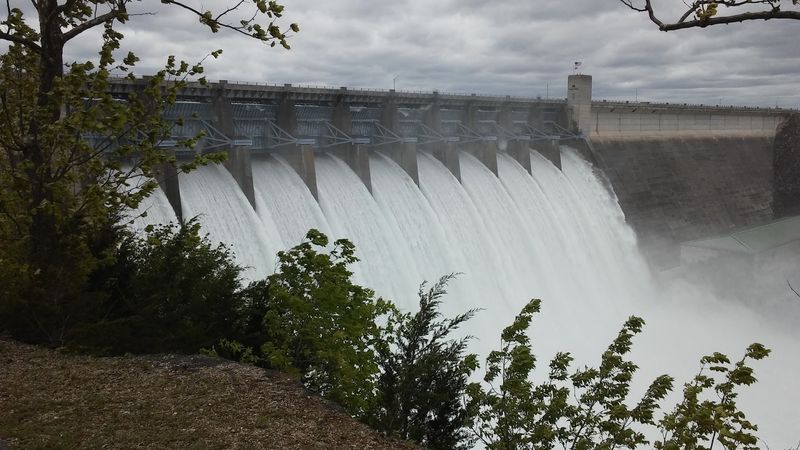
There is a bridge under the bridge. A hundred feet below the 1957 span that crosses Table Rock Lake, the original 1927 structure still sits preserved on the lakebed, swallowed when Table Rock Dam filled the valley.
That single fact tells the story of the whole area. An entire landscape was rearranged, and what replaced it is enormous.
Table Rock Lake covers more than 43,000 acres with over 800 miles of shoreline. Boaters, swimmers, and water-skiers spread out across it, and somehow it never feels shoulder to shoulder.
Anglers come for bass and crappie, and they come often. Quiet arms of the lake reward patience and a decent map.
Despite the word city in its name, the town holds around 2,500 residents. It reads more like a friendly neighborhood with a spectacular backyard.
Trails thread through the surrounding Ozark hills for hikers and cyclists. Dogwood Canyon Nature Park sits within easy driving distance and delivers waterfalls, bluffs, and paved paths.
Community spirit here has a memorable format. The town has hosted coffee mornings with the Chief of Police, which says plenty about how small-town life operates.
Evenings belong to the water. Sunsets over Table Rock look almost exaggerated, especially from a boat or from a shoreline spot like Moonshine Beach.
Compared with the neon energy of nearby tourist hubs, the mood here stays relaxed. Grocery runs, marina chatter, and long swims fill the day.
Fall brings color across the hills and thinner crowds on the launch ramps. Spring brings dogwoods and the first real fishing rush.
For a lake this big, the quiet is the surprise.
4. Warsaw
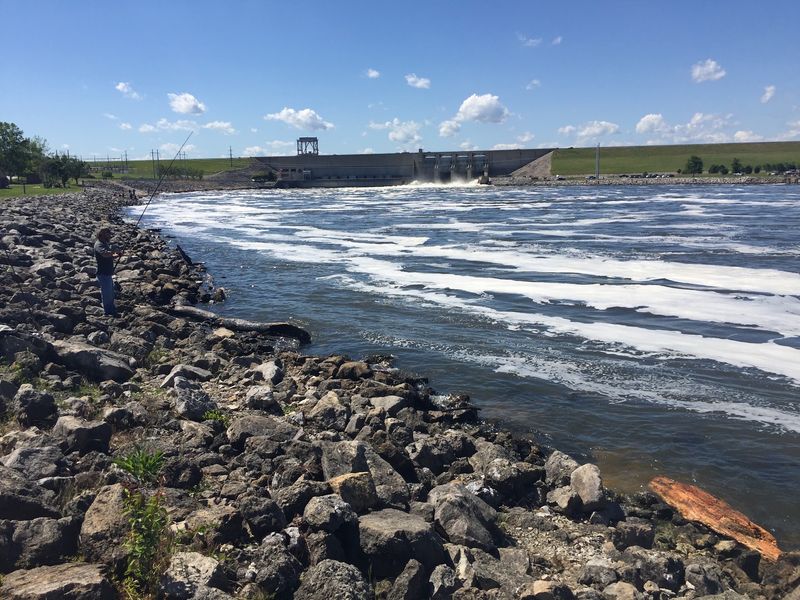
Most towns are lucky to sit beside one lake. This one wedges itself between Truman Lake and the Lake of the Ozarks, which means twice the shoreline and half the crowding.
Settlement started around 1820, and the town later thrived during the steamboat era. Civil War skirmishes rolled through, leaving stories that still get retold at the museum.
Its modern identity arrived with big water projects. Lake of the Ozarks was completed in 1931, and the Harry S. Truman Dam and Reservoir followed in 1979.
The Joe Dice Swinging Bridge is the landmark people photograph first. Built in the early 1900s, it now carries walkers instead of cars and connects town to trails along the Osage River.
Drake Harbor works as the social center. A waterfront park holds trails, an amphitheater, and boat slips on the Osage Arm, plus an elevated boardwalk called Steamboat Landing.
Cyclists head for Truman Lake Mountain Bike Park. Trails there are well maintained and range from beginner-friendly loops to routes that test your legs on Ozark terrain.
Rainy afternoons have a fix. The Benton County Museum digs into regional history, including how Truman Lake reshaped the surrounding countryside.
Fishing gets serious on Truman Lake, known for crappie and catfish. Wide open water also means room for sailboats and kayaks without traffic jams.
Driving distance from major cities keeps it practical for a weekend. Nobody needs a whole vacation week to make the trip worthwhile.
Family energy runs through town, with a relaxed pace and plenty of shoreline picnic spots. Sunsets over Truman Lake are wide and uncluttered.
5. Cole Camp

Zucchini races. That is a real event here, and it perfectly captures a town that calls itself the Festival City without a hint of irony.
The first post office opened in 1839, and several buildings date to pre-Civil War years. Downtown is listed on the National Register of Historic Places, which is rare for a community this size.
History runs deeper than architecture. One of the first land battles of the Civil War happened right here, a detail that surprises most visitors.
German heritage shapes daily life. Some residents still speak the Low German dialect their ancestors carried over, a living link to the 1800s.
Celebrations fill the calendar. The annual Cole Camp Fair features carefully built floats, while Oktoberfest brings authentic German food and music to the streets.
For context, the Cole Camp Museum holds Civil War artifacts alongside stories of German immigrant families. It is a small space with a lot packed in.
Geography here is a genuine split screen. Prairie rolls north of town, while deep valleys and clear streams of the Ozarks start just to the south.
That mix makes hunting and fishing productive. Truman Lake sits close enough for morning trips, and quiet country roads lead to the water.
Older farmhouses and barns dot the countryside, giving the drive a nostalgic feel. Fields change color with the seasons, and traffic is mostly tractors.
A Bushel and A Peck Bakery handles coffee and sweets for anyone who skipped breakfast. The Hotel Bellview, once a working hotel, now houses an antique shop worth browsing.
Tidy streets, orderly yards, and a slower clock define the place. It feels far removed from urban noise.
6. Big Lake
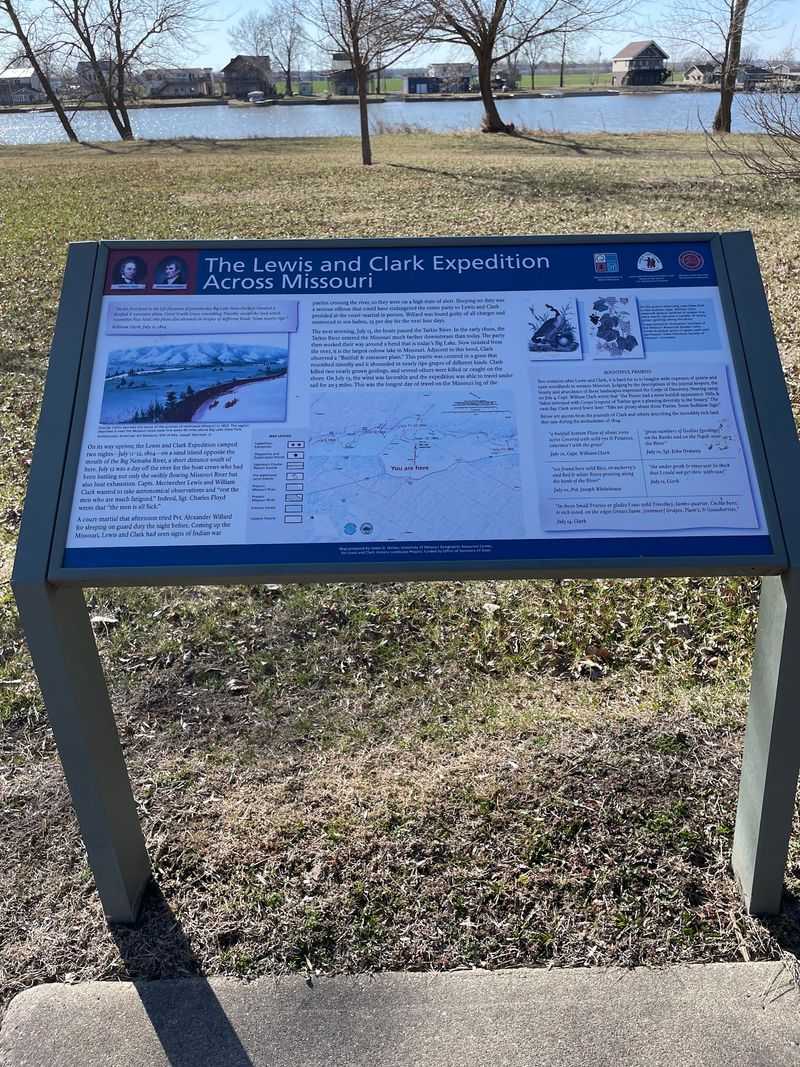
Picture thousands of snow geese lifting off the water at once. That happens twice a year in this corner of northwest Missouri, and the noise is unforgettable.
Big Lake is the state’s largest oxbow lake, a 650-acre crescent formed when the Missouri River abandoned an old channel centuries ago. Glaciers and a wandering river did all the landscaping work.
Long before settlers arrived, the region was home to the Iowa, Sac, and Fox tribes. Historians believe Lewis and Clark may have stopped nearby in 1804 during their expedition.
By the mid-1800s, cottages and resorts appeared along the shore. The early 1900s brought a four-story hotel and dance halls, making the lake a legitimate vacation destination.
Today the scene is calmer. Big Lake State Park and Resort covers 435 acres with boating, swimming access, and fishing for bass, catfish, and crappie.
Birders treat the place like a pilgrimage site. The park protects the largest wetlands marsh in Missouri’s state park system, drawing bald eagles, herons, egrets, pelicans, ducks, and geese.
Trails stay flat and well kept, which makes them ideal for casual walks with binoculars. No climbing required, just patience and a decent camera.
Campsites sit among mature trees and are arranged with privacy in mind. Nights get genuinely quiet, the kind that makes city dwellers uneasy at first.
Open sky is the real luxury here. Sunrises stretch across the water with nothing blocking the view.
Crowds are not part of the equation. Weekends bring families and anglers, but never a line at the boat ramp.
People often call it Missouri’s best-kept secret, and the description holds up.
7. Camdenton
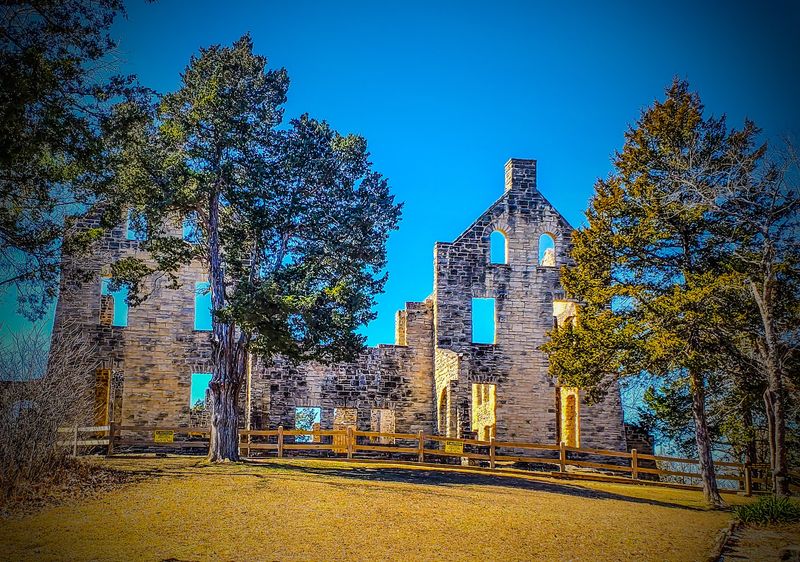
A ruined stone castle on a bluff above the lake sounds like a rumor. It is not.
A Kansas City business magnate built it at the turn of the century, and its crumbling walls still overlook the water at Ha Ha Tonka State Park.
The town itself is a product of engineering. Camdenton appeared in the 1930s after the old county seat of Linn Creek was flooded by the rising Lake of the Ozarks.
Art Deco touches still show up on a few buildings, quietly dating the place. Nearly 4,000 people live here now.
Ha Ha Tonka is the headliner for good reason. Sinkholes, caves, bluffs, and a rare natural bridge fill the park, along with more than 15 miles of hiking trails.
Underground, Bridal Cave takes over. Guided tours pass crystalline formations and an underground lake, and thousands of weddings have been held inside.
The Niangua River runs right through town and feeds the lake’s clearest section. Numerous natural springs keep the Big Niangua Arm noticeably cool and clean.
Fishing, boating, and swimming all come easy here. Quiet coves branch off the main channel, so finding solitude takes minimal effort.
Its nickname, Hub City of Lake of the Ozarks, reflects its central location rather than any big-city bustle. Highways meet here, then everything slows down.
Fall turns the bluff overlooks into a color show worth the hike. Spring brings wildflowers along the trail edges.
Compared with the busier resort strips down the road, the mood stays grounded and unhurried. Locals treat the parks as their backyard.
Castle ruins, caves, and clear water in one small town is a strong combination.
8. Pittsburg
Anglers chasing muskie in Missouri have exactly one destination, and this is it. Pomme de Terre Lake is the only lake in the state offering true muskellunge fishing, which makes this unincorporated community in Hickory County a bucket-list stop.
The lake name translates to apple of the earth, a French phrase that sounds fancier than it is. Spring-fed and covering roughly 7,800 acres, it was formed in the early 1960s.
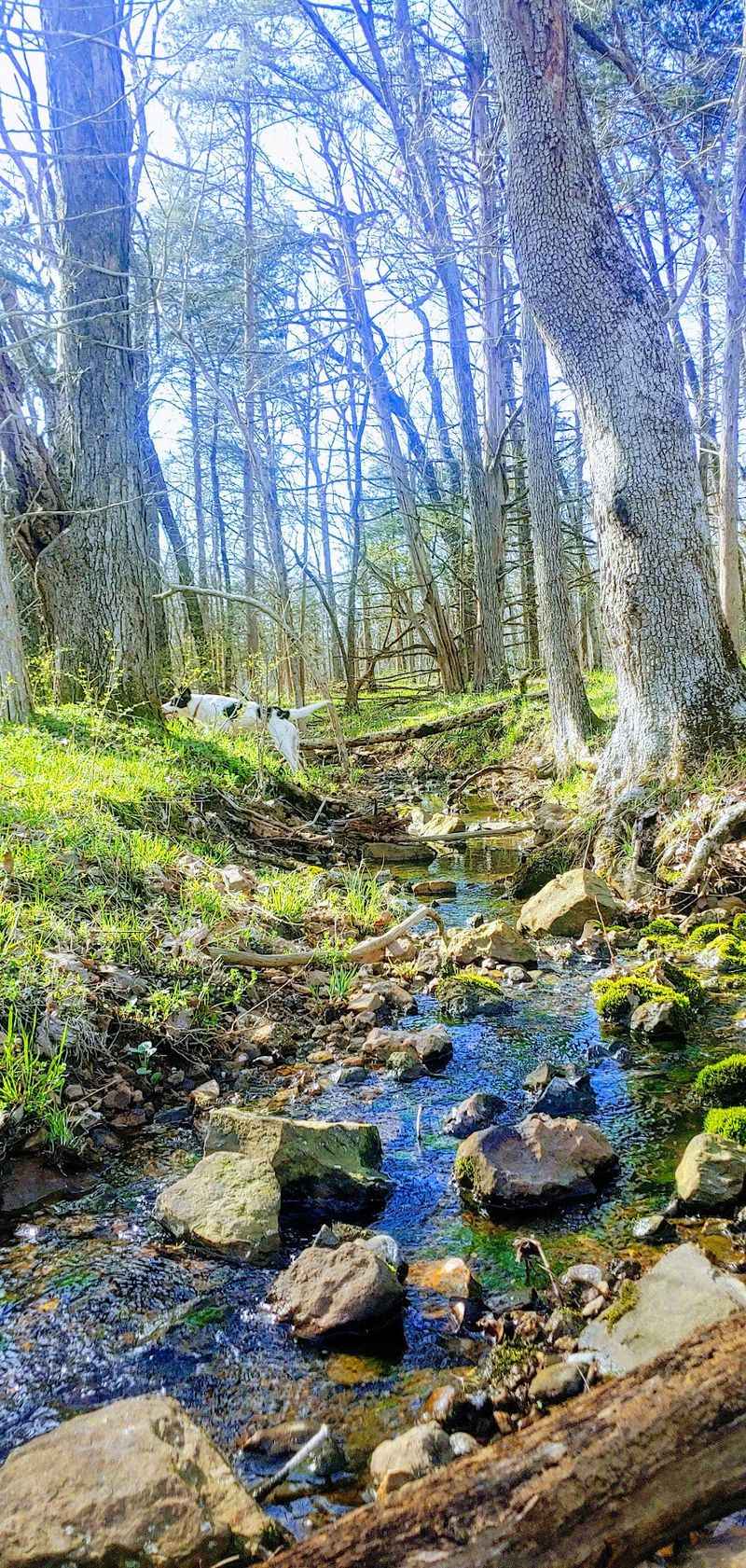
Rugged hills, rocky bluffs, and thick forest wrap the shoreline. Quiet coves make casting a line feel like a private appointment.
Walleye also draw serious attention here. Early mornings on the water are the local strategy, and boat ramps rarely feel busy.
The town sits about ten miles south of Hermitage, which keeps it comfortably off the main tourist route. Getting here requires intention, and that is part of the appeal.
Pomme de Terre State Park spreads along the lake with maintained trails winding through woods and past overlooks. Two public swimming beaches handle hot afternoons.
Overnight options go beyond tents. Campsites, yurts, and camper cabins give visitors a choice between rustic and slightly more comfortable options.
Wildlife shows up constantly. Deer along the tree line, herons in the shallows, and eagles overhead during colder months.
Pittsburg City Park offers open green space, walking paths, and picnic areas for a slow afternoon. It is the kind of park where nobody is in a hurry.
Evenings usually wind down around a fire pit with the lake going still. Stars come out fast when there are no city lights competing.
Small, scenic, and built around exceptional fishing, this spot rewards the drive.