
Arizona Has A Secret Lake Park With Beautiful Water, Great Fishing, And Ancient Ruins
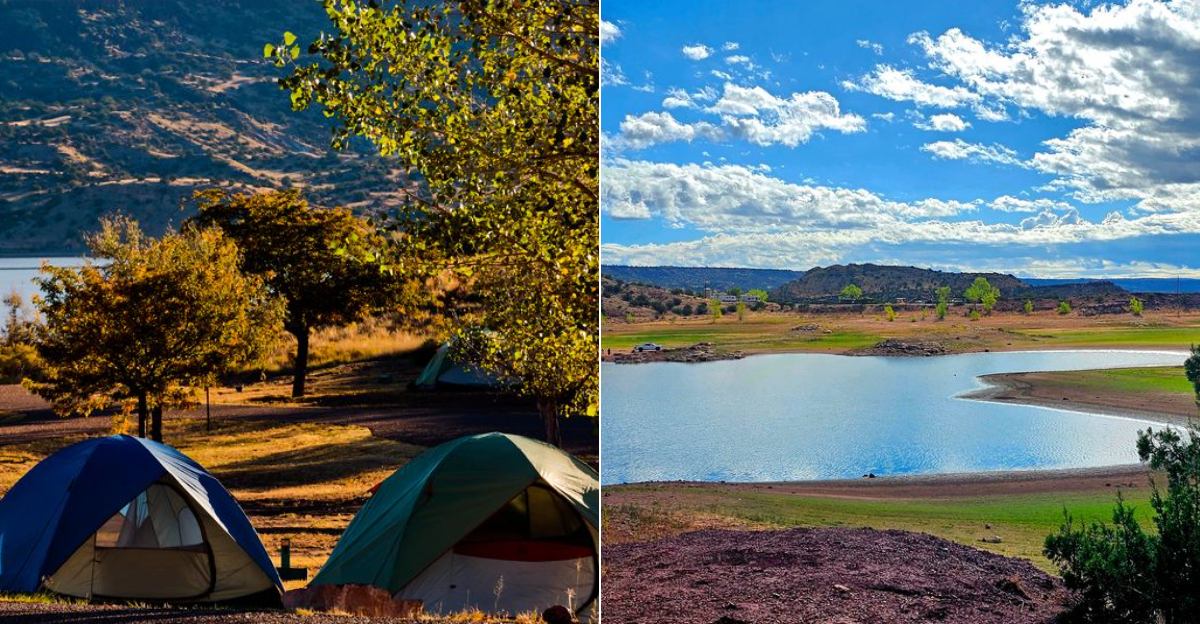
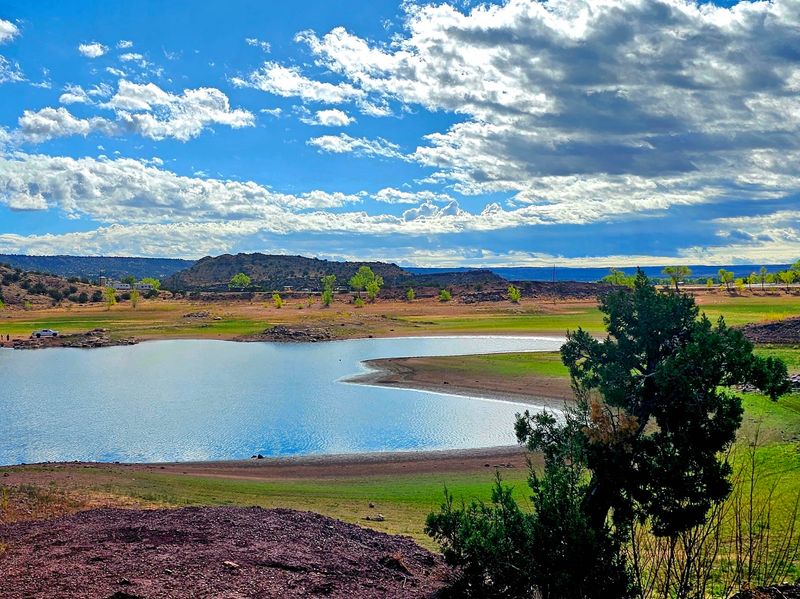
Most people picture Arizona as red rock, cactus, and heat that sticks to your skin. Then you drive northeast, climb to 6,000 feet, and suddenly there is a huge blue lake sitting in the high desert like it wandered in by mistake.
Boats skim across the surface. Anglers cast from the shore in the cool morning air. Kids splash near the sandy beach while elk graze somewhere on the ridge behind them.
The water here comes from snowmelt off some of the tallest peaks in the state, which keeps the lake full of life and the summer air pleasantly mild.
Above the shoreline, rocks hold carvings made thousands of years ago by people who walked these same hills long before highways existed.
You can hike to them in under an hour. You can camp beside the water, cook over a fire ring, and watch stars appear without a single city glow in the way.
Rangers here are known for being helpful, the bathrooms are clean, and dogs are welcome on a leash.
Best of all, this Arizona park stays quiet even in peak season. If you want a lake weekend without crowds, traffic, or overpriced everything, keep reading. This one deserves a spot on your map.
Meet Lyman Lake State Park
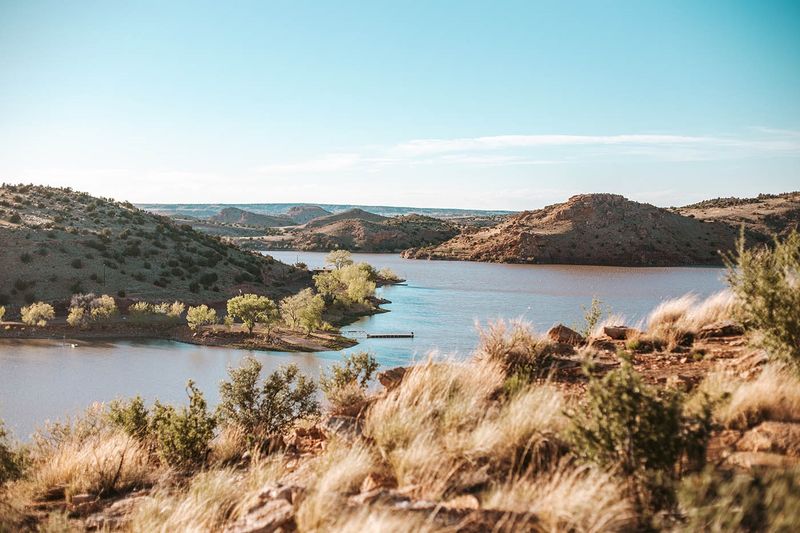
Say hello to Lyman Lake State Park, the northeastern Arizona spot that somehow stays off most travel lists. Lyman Lake became Arizona’s first recreational State Park.
The lake itself covers about 1,400 acres and was formed by damming the Little Colorado River. Snowmelt from Mount Baldy and Escudilla Mountain feeds it, which explains why the water stays cool while the rest of the state bakes.
Elevation is a big part of the appeal here. At 6,000 feet, summer highs usually sit in the 80s to low 90s instead of the triple digits you find down in Phoenix.
The park sits right off US-180 near St Johns, and it stays open 24 hours a day. Rangers at the entrance station have a reputation for being genuinely friendly and full of useful tips about where the fish are biting.
There is a small store on site that sells bait, forgotten essentials, souvenirs, and a surprisingly good selection of ice cream. Playgrounds keep younger kids busy between swims.
Visitors often say the park feels roomy and calm, even on busy weekends. You get lake access, history, and hiking in one place without fighting for parking.
Boating Without Size Limits
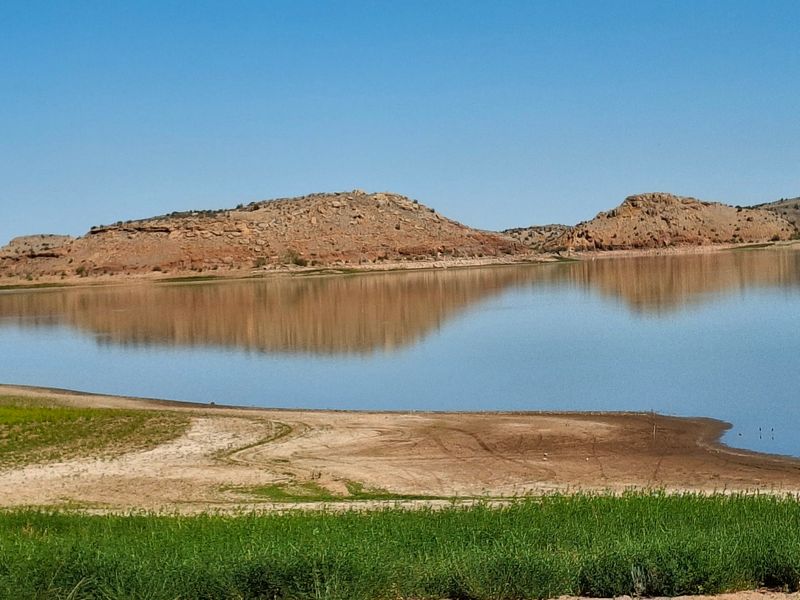
Here is something rare in northeastern Arizona: a lake with no size restrictions on boats. Bring the big rig, the fishing boat, the pontoon, or the jet ski, and nobody will turn you away at the ramp.
Two paved boat ramps sit near the visitor center, one double-wide and one single. Launching is quick, and you are on the water in minutes.
Waterskiing and tubing are popular across the open part of the lake. On warm afternoons you will see families taking turns behind the boat while everyone else watches from the shore.
Prefer things slow and peaceful? The west end of the lake is a 5 mph no-wake zone, which is perfect for paddling a kayak or drifting in a canoe without engine noise.
Non-motorized boats can launch from the ramps or from beach access points. Paddlers love the early morning hours when the surface goes glassy and sound carries across the water.
Rentals have been available at the park, so even travelers without their own boat can get out there. A sandy swimming beach gives swimmers a spot to cool off, though water levels and algae can vary by season.
Fishing For Walleye And Catfish
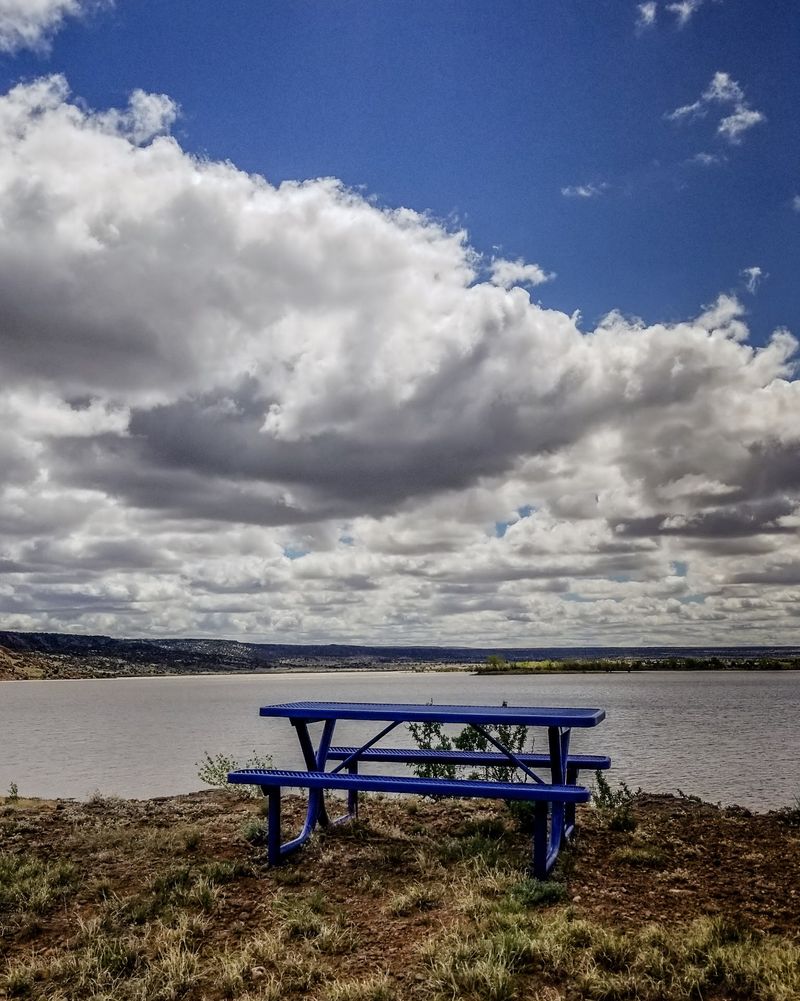
Anglers, this lake earns its reputation. Walleye, channel catfish, largemouth bass, carp, and green sunfish all swim in these waters, and each one brings a different kind of challenge.
Channel catfish stay active year-round. Old-school baits work best, so pack chicken liver, nightcrawlers, or even hot dogs and settle in.
Walleye fishing tends to pay off in the evening near the dam. Locals plan their whole trip around that golden hour when the light drops and the fish move shallow.
You can fish from shore, from a boat, or by wading into shallower stretches. That flexibility makes the park friendly for beginners and serious anglers alike.
A valid Arizona fishing license is required, so grab one before you arrive. The park store stocks bait and basic tackle if you forget something.
One important heads-up: a fish consumption advisory has been issued for walleye caught here because of elevated mercury levels. Many visitors simply practice catch and release.
Wind can shut down a fishing day fast, so check the forecast. Mornings are usually calmer than afternoons.
Nearby small lakes make it easy to fish several spots in a single day around this corner of Arizona.
Are you a patient bank angler or a boat-and-sonar type?
Rock Art Thousands Of Years Old
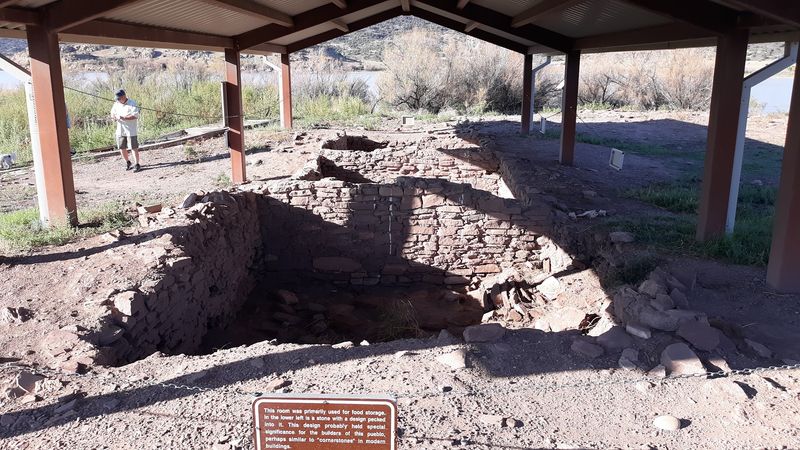
Long before anyone built a dam here, people lived on this land. Ancestral Puebloans occupied the area continuously since before 6000 BC, and they left messages behind in stone.
The park sits on ancestral lands of the Hopi and Zuni tribal communities. Those cultural ties are still very much alive today.
Petroglyphs cover boulders throughout the park. Some carvings may date back to the Archaic period, roughly 6000 BC to AD 300, while others came much later.
Different artistic styles appear side by side, which suggests several prehistoric cultures passed through or that traditions changed over many generations. Archaeologists study these variations closely.
Hopi oral tradition calls markings like these Tutuveni, meaning clan marks left behind during long migrations. Standing in front of one is a humbling moment.
You will spot spirals, animal shapes, human figures, and the water serpent symbol. Interpretive signs explain what researchers believe the images mean.
Large masonry pueblos from 1300 to 1400 AD also sit within park boundaries. Guided seasonal tours visit Rattlesnake Point Pueblo, an Ancestral Pueblo structure from the 1300s.
Please look but never touch, since skin oils damage the carvings permanently.
Two Trails To Ancient Carvings
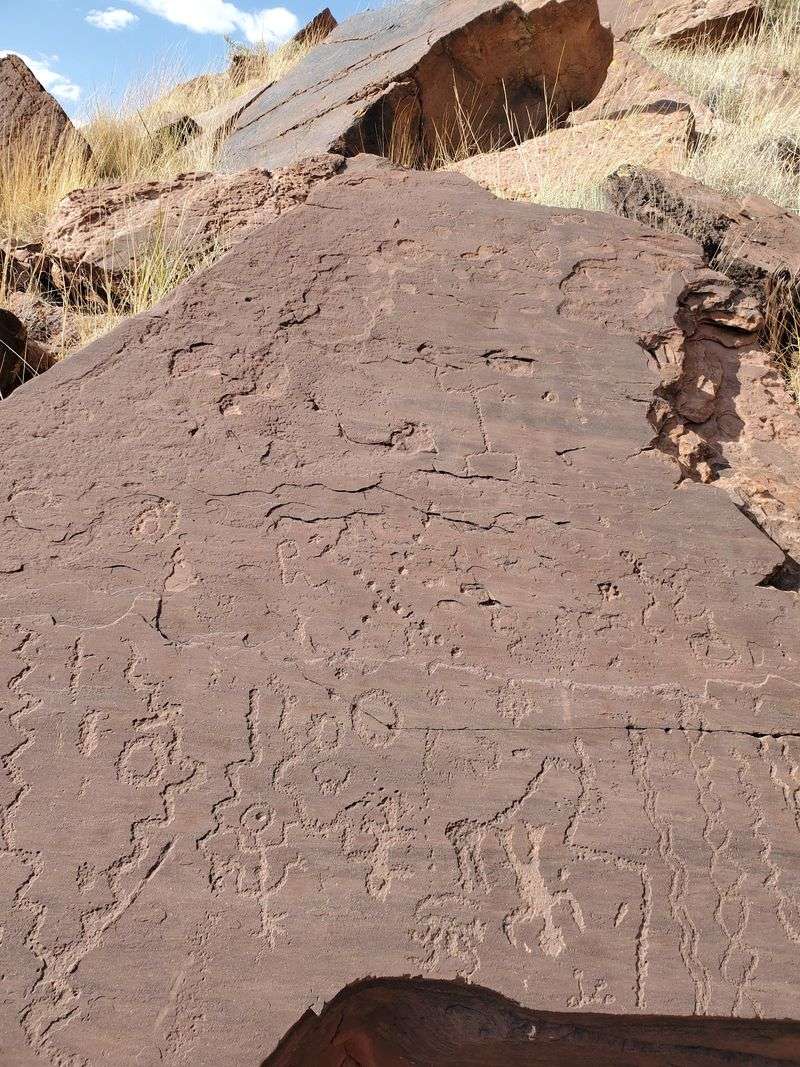
Two trails lead straight to the good stuff. The Peninsula Petroglyph Trail is a 0.7-mile self-guided loop starting near the campground, and it holds more than 200 visible carvings.
Expect a mild climb and a moderate rating. The reward at the top is a 360-degree view of the lake spreading out in every direction.
Several tourists describe this hike as a little challenging but absolutely worth the effort. Bring water and decent shoes, especially in warm months.
The second option is far more adventurous. The Ultimate Petroglyph Trail sits on the east side of the lake and can only be reached by boat.
That half-mile walk finishes at Ultimate Rock, a massive boulder covered in carvings estimated at 800 to 1,000 years old. Getting there by water makes the whole experience feel like a small expedition.
Interpretive signs along both trails explain migration spirals, clan symbols, and the water serpent. Kids tend to love hunting for shapes in the stone.
Morning light makes the carvings easier to see and photograph. Afternoon sun can wash them out.
Ask rangers about seasonal guided tours, since they add context you cannot get from a sign in Arizona or anywhere else.
Cabins And Lakeside Campsites
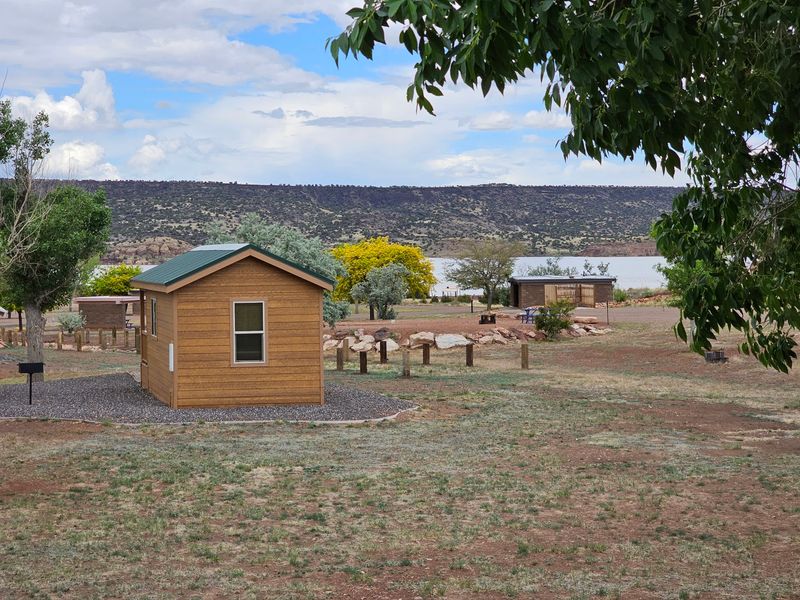
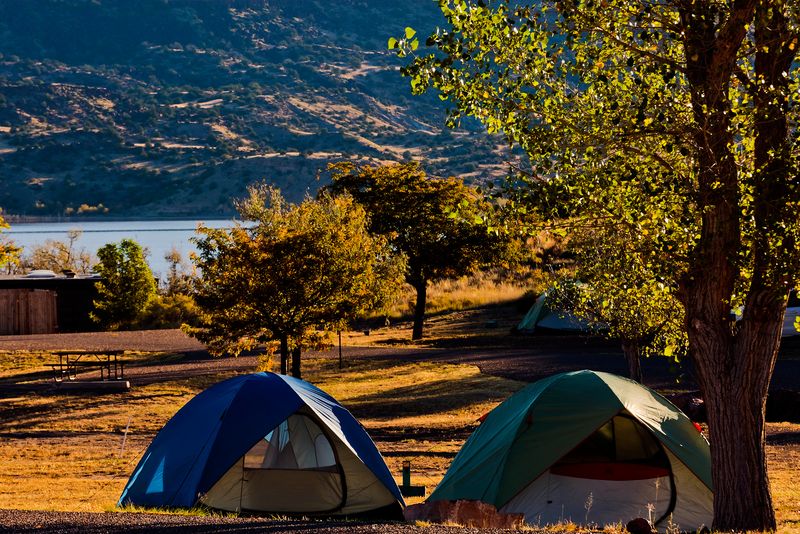
Sleeping here is half the fun. The park offers over 50 campsites, including RV spots with water, electric, and some with sewer hookups, plus plenty of tent sites.
There is no maximum RV length, so even the longest rigs fit. A dump station handles sites without sewer.
Most sites come with a picnic table and either a barbecue grill or a fire ring. Many have shade structures, which campers rave about on hot afternoons.
Want walls and a roof? Eight camping cabins are available to rent, each with lake views, a covered patio, electricity, lights, heat, and air conditioning.
The cabins sleep four to six people, and two are wheelchair-accessible. Visitors describe them as tidy, comfortable, and worth booking early.
Cabins have no running water inside, so plan on using the nearby restrooms and showers. Those facilities get cleaned daily and earn steady praise.
Bring your own drinking water. Iron content has made the tap water at some spigots unsafe to drink, and signs mark it clearly.
You can camp right down by the shoreline in certain areas, which is about as close to the water as Arizona camping gets.
Trails Beyond The Shoreline
Not everything here happens on the water. A network of trails wanders along the shoreline and up into high desert country, opening one view after another.
The Buffalo Trail is a moderate loop of roughly two miles. It got its name from a bison herd that once used this ground, which is a fun bit of history to carry with you.
Wildflowers pop up along the route in season. Some sections climb steeply, so take your time and pace yourself.
The Pointe Overlook Trail runs about one mile and finishes with an incredible vista. A steep stairway near the end gets your heart working.
Easier walks exist too, making the park friendly for families with small children or anyone who just wants a stroll before dinner. Trail difficulty ranges from gentle to moderately strenuous.
Cooler months are ideal for longer hikes. Spring and fall bring comfortable temperatures and softer light for photos.
Rock formations along the paths add character, and the lake keeps appearing between juniper branches. Dogs are welcome on a leash, which campers appreciate.
Carry water on every hike, even short ones, because dry Arizona air sneaks up on you.
Elk, Eagles, And Stargazing
Grab binoculars before you leave home. Pinyon and juniper woodlands surround the lake, and that habitat pulls in an impressive variety of animals.
Rocky Mountain elk, mule deer, pronghorn antelope, javelina, ground squirrels, cottontail rabbits, and coyotes all roam the area. Dawn and dusk are prime viewing hours.
Some visitors have even reported spotting wild mustangs during their stay. Moments like that stick with you long after the trip ends.
Birders do very well here. Bald eagles, golden eagles, osprey, egrets, sandhill cranes, and mountain bluebirds have all been recorded.
Along the shoreline you might find great blue herons, black ibises, and sandpipers picking through the shallows. Mergansers, grebes, mallards, and Canadian geese float on the open water.
Reptile fans can look for the plateau striped whiptail and the sagebrush lizard sunning on warm rocks. Watch where you step and give everything space.
When darkness falls, the show moves upward. Remote location plus high elevation means the night sky here goes deep and bright, and campers regularly mention stargazing as a highlight.