
This Underrated Nevada Zoo Deserves Way More Attention
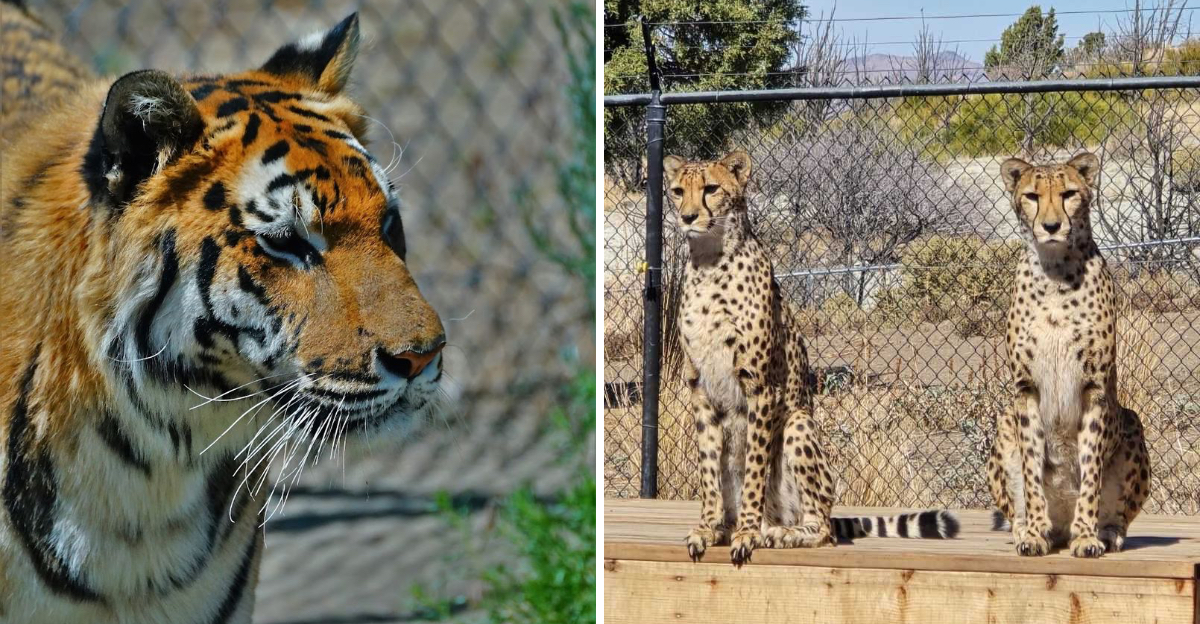
You need to see this. Nevada is hiding one of the most remarkable animal sanctuaries most travelers never hear about.
Picture a rescued tiger pacing past sun-warmed boulders while a jaguar tracks your every move with total calm. Every animal here arrived because it had nowhere else to go.
Nothing was bred, bought, or captured for display. That single fact changes how you look at each enclosure you pass, long before you reach the wilder residents waiting further down the trail.
There is far more happening here than one quiet walk past cages, from rare encounters to moments that only happen after the sun goes down. Nevada rewards travelers who slow down and look closer here.
Start planning your visit before word gets out.
A Sanctuary Born From Pure Passion
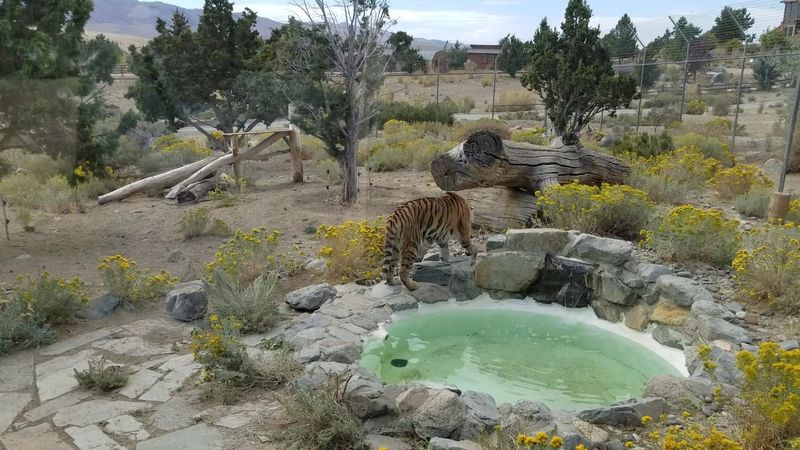
Passion built this place. Animal Ark was founded in 1981 by two people who simply refused to look away from animals in need.
What started as a small wildlife rescue effort grew into a full-scale sanctuary spanning 38 acres of northern Nevada foothills.
The founders brought construction skills and deep animal knowledge together. They carved out enclosures from raw, rugged land.
Every corner of the property reflects that original hands-on dedication.
Critically, Animal Ark has never bred, sold, or traded any of its animals. Every resident arrived because it had nowhere else to go.
Orphaned, injured, or non-releasable, each animal was given a permanent home instead of a temporary fix.
That founding philosophy still drives everything today. The sanctuary operates as a non-profit, meaning every dollar visitors spend supports animal care directly.
It is rare to find a place where the original mission has stayed this pure and this consistent across more than four decades of operation in Nevada.
The High Desert Setting Is Half the Experience
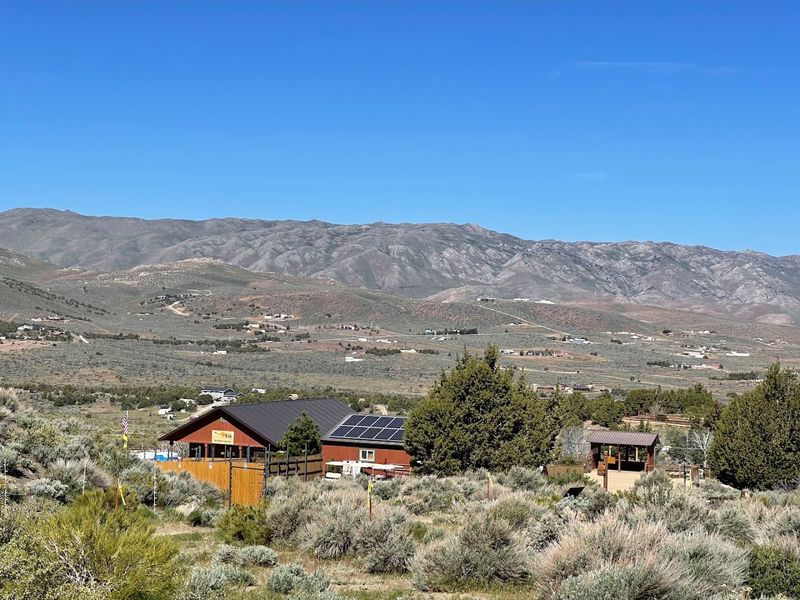
Picture rolling hills dotted with pinyon pines, sagebrush stretching in every direction, and mountain ranges visible on the horizon. That is the backdrop visitors walk into at Animal Ark, located roughly 30 minutes northwest of Reno, Nevada.
The high desert setting is not just pretty. It is purposeful.
Animals native to the Great Basin region feel genuinely at home in this landscape. Even the exotic species benefit from the dry air, open space, and natural terrain.
Sunlight floods the property on most days. The sky feels enormous out here, far from city haze and urban noise.
That quietness makes wildlife observation sharper and more satisfying.
Seasons transform the experience completely. Animal Ark closes for its regular winter season, but occasional special weekends open the gates so visitors can catch the animals in their thick winter coats.
Spring fills the hillsides with subtle wildflower color. No two visits feel identical, and the landscape itself becomes part of what makes this Nevada destination so unexpectedly memorable and worth returning to.
Enclosures That Actually Respect Wildlife
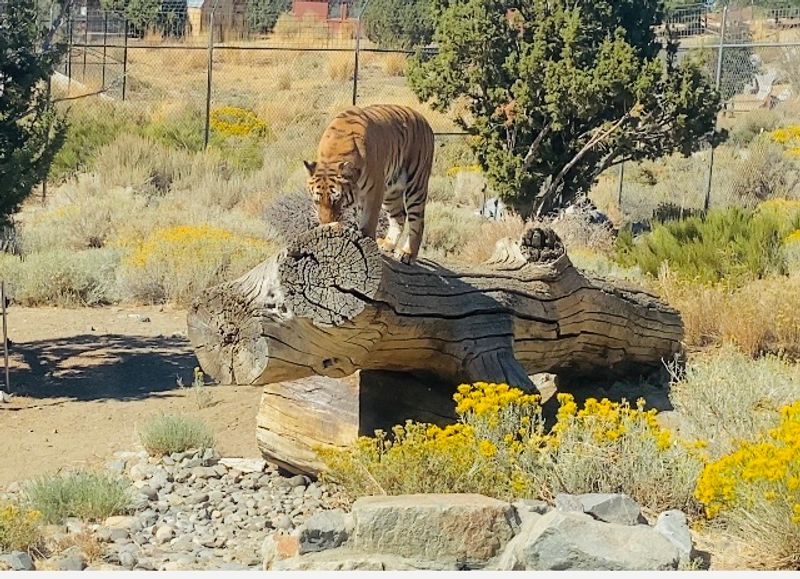
Cage after cage of concrete and chain-link is not what visitors find here. Animal Ark designs each enclosure to reflect the animal’s natural environment.
Boulders, native trees, local grasses, and natural terrain features fill every habitat.
The spaces are generous. Animals have room to roam, climb, hide, and rest without feeling exposed or confined.
Viewing areas allow close observation while still giving residents the option to retreat for privacy.
Signage at each enclosure tells the animal’s individual story. Visitors learn how each resident arrived, what species it belongs to, and what makes its biology remarkable.
Kids naturally gravitate toward these signs, reading backstories with genuine curiosity.
That design philosophy creates something rare. Visitors do not just see animals.
They understand them. The enclosures communicate respect rather than spectacle.
For a non-profit sanctuary in Nevada operating without the budget of a major metropolitan zoo, the quality of these habitats is genuinely impressive and speaks directly to the organization’s unwavering commitment to animal welfare above all else.
The Wildlife Roster Will Catch You Off Guard
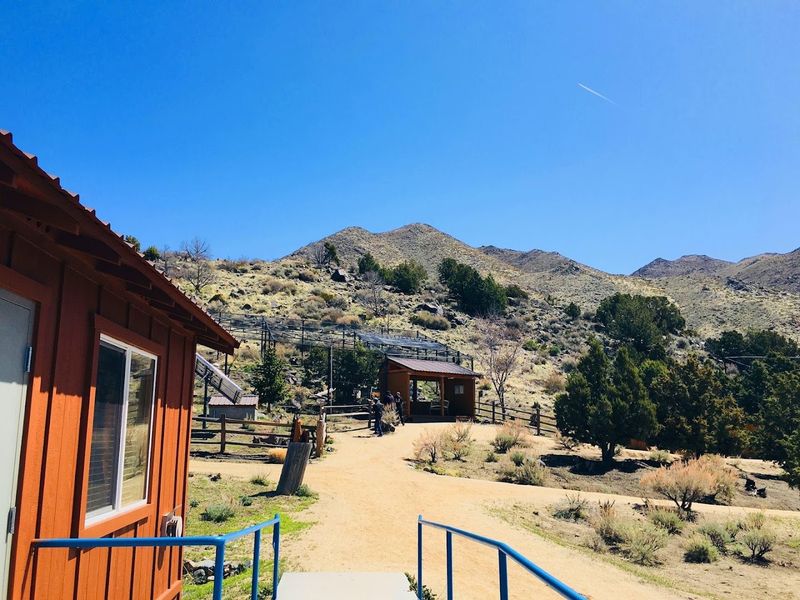
Most people expect to see a few foxes and maybe a deer. What they actually find at Animal Ark is a lineup that stops them cold.
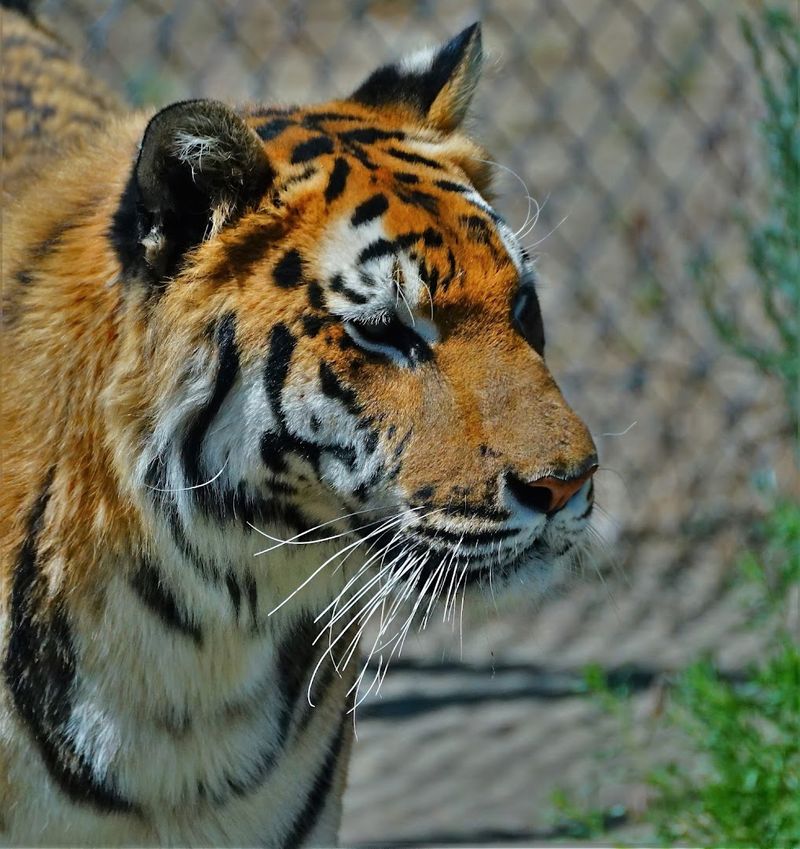
Bengal tigers pace through their habitats. Gray wolves trot along fence lines.
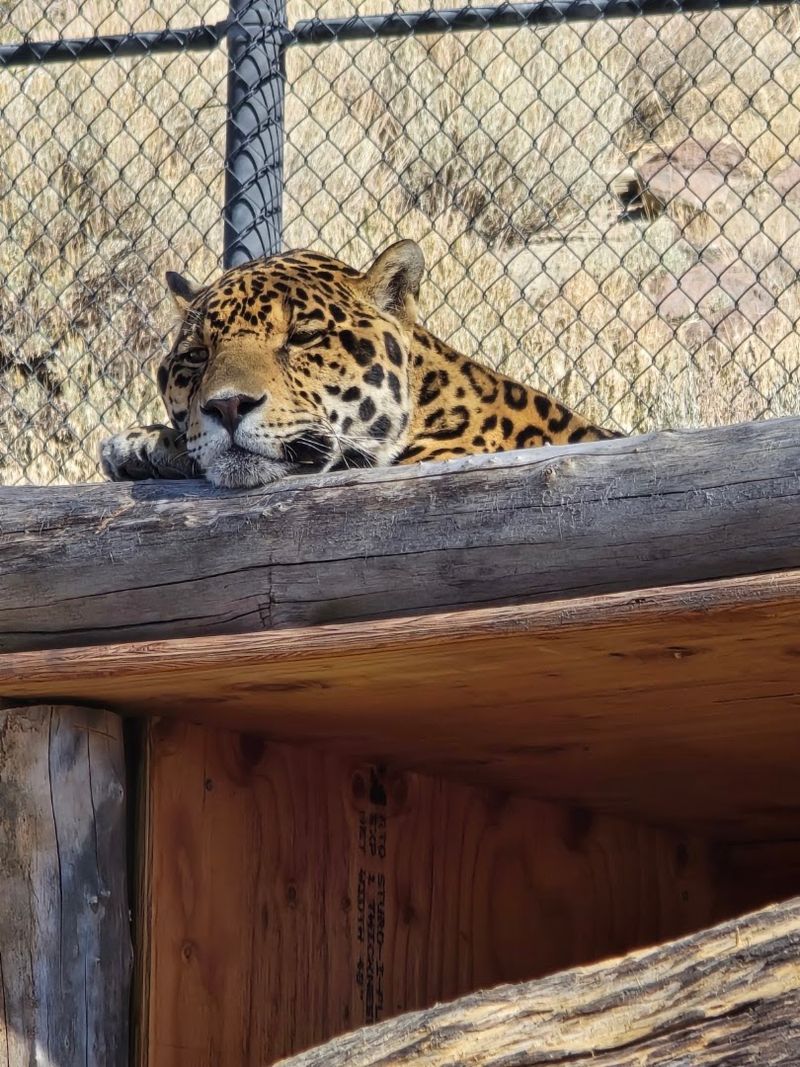
Jaguars watch visitors with calm, unsettling focus.
The sanctuary also cares for African servals, North American black bears, mountain lions, cheetahs, and birds of prey. Desert-native species like kit foxes and desert tortoises round out the collection beautifully.
Every single animal has a rescue story. None were captured for display.
All arrived because injury, human imprinting, or other circumstances made release impossible. That context changes how visitors experience each encounter.
Watching a tiger move through its Nevada habitat hits differently when you know it was rescued rather than bred for exhibition. The diversity of species here rivals institutions with far larger budgets.
Animal Ark manages this without compromising its core mission, which is permanent, dignified care for animals that need it most.
Special Events That Go Beyond the Ordinary
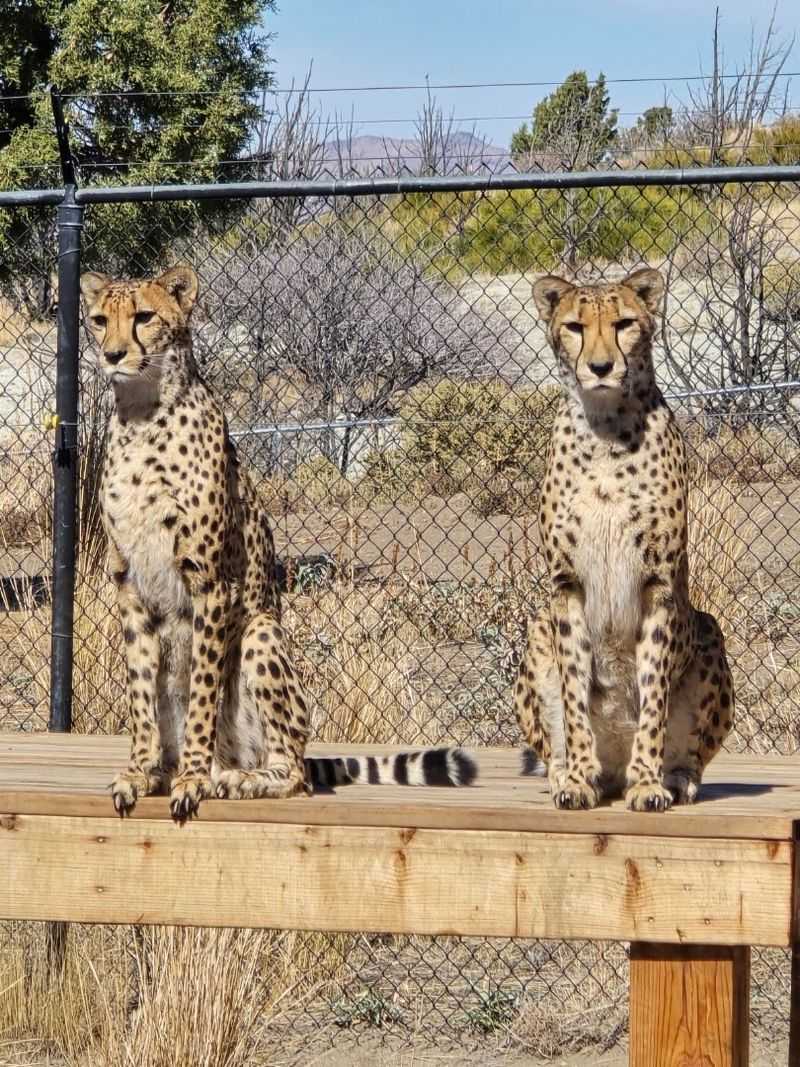
Watching a cheetah sprint is one of those experiences that rewires the brain. Animal Ark hosts a Cheetah Run event where guests witness these incredible felines hit top speed across an open stretch of ground.
It is brief, explosive, and completely unforgettable.
Wolf Howl Night offers something equally powerful. Visitors gather after dark and listen to the sanctuary’s wolf packs call into the Nevada sky.
Guides encourage guests to howl back. The wolves often respond.
It is eerie, beautiful, and oddly moving.
Seasonal events add further variety. Holiday-themed visits, egg hunts, and special feeding demonstrations have all drawn enthusiastic crowds.
Food trucks occasionally appear during larger events, turning a wildlife visit into a full family day out.
Feeding and training demonstrations happen throughout the day at various enclosures. Bears, raptors, and other residents participate.
These moments offer close observation and real educational value. Arriving early maximizes the chances of catching multiple demonstrations before midday heat sends the animals into shade.
The Trail Itself Is Worth Lacing Up For
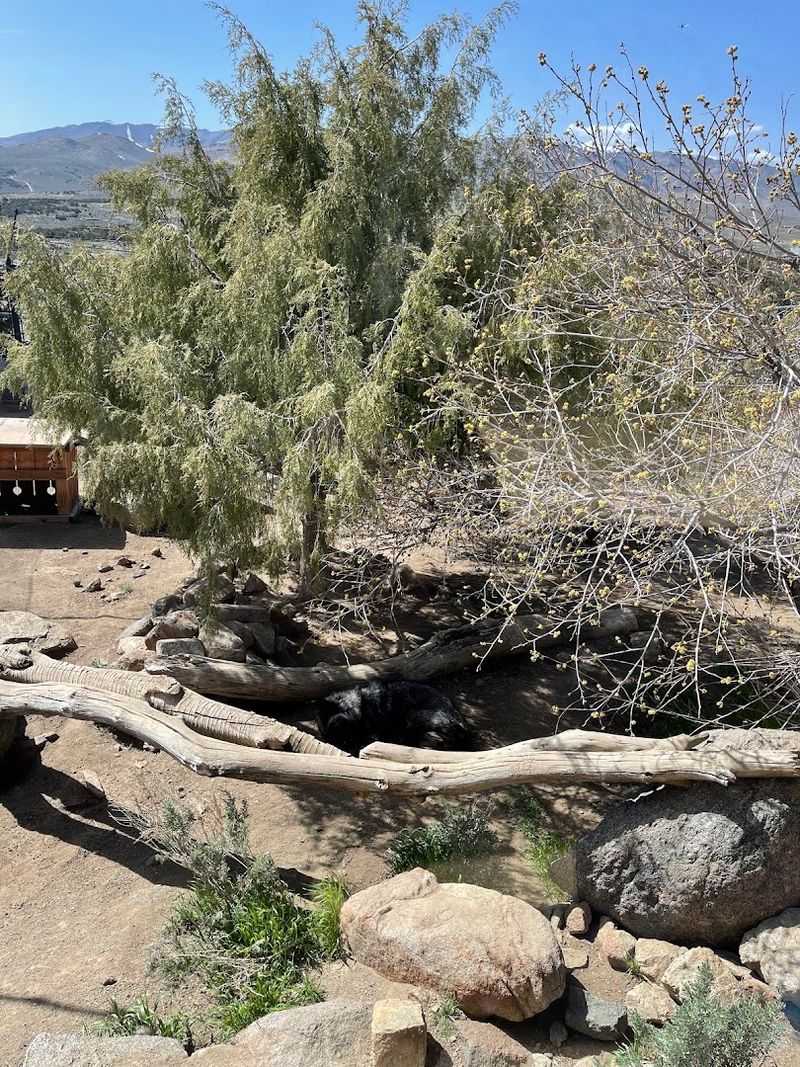
Flat, paved, and stroller-friendly this trail is not. Animal Ark’s pathway runs approximately one mile through the property on compact dirt and decomposed granite.
Some sections climb uphill. The terrain demands real footwear.
Sturdy sneakers or hiking boots are the clear choice. After rain or snow, waterproof options become essential.
Visitors who show up in sandals tend to regret it fairly quickly on the steeper stretches.
The trail’s natural surface is actually part of the charm. It feels like a hike rather than a zoo loop.
Views open up across the Nevada foothills as the path climbs. Benches placed along the route give younger visitors and those with limited mobility a chance to rest and catch their breath.
For families with very young children, the sanctuary offers golf carts available by advance reservation. This ensures that mobility challenges do not prevent anyone from experiencing the full property.
The trail rewards effort with perspective, both literally and figuratively, as the landscape unfolds around every bend.
Education Is Woven Into Every Corner
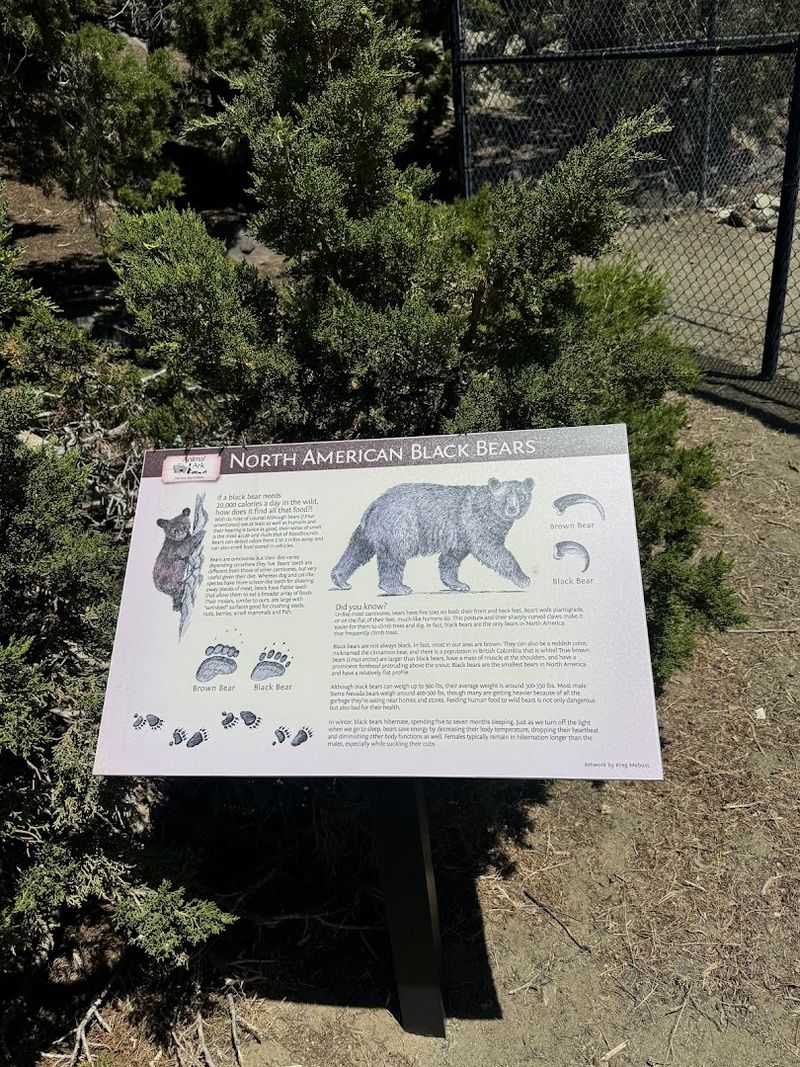
School groups arrive by the busload for good reason. Animal Ark has built education into the fabric of every visit.
Docent-led tours provide structured, informative walkthroughs for groups who want depth and context alongside their wildlife encounters.
Self-guided options suit visitors who prefer to move at their own pace. Detailed signage at each enclosure covers species biology, conservation status, and the individual animal’s rescue story.
The information never feels dry or textbook-heavy.
Keeper demonstrations bring learning to life. Watching a handler work with a serval or a raptor up close teaches behavioral concepts that no classroom can replicate.
Kids who witness a hawk feeding often ask sharper questions than adults standing right beside them.
Animal adoption programs extend the educational connection beyond the visit itself. Supporters can sponsor a specific resident, receiving updates and contributing directly to that animal’s care.
This model builds long-term conservation awareness. Animal Ark in Nevada treats education not as an add-on but as the entire point of opening its gates each day.
Accessibility Done Right
Not every wildlife sanctuary thinks carefully about visitors with mobility challenges. Animal Ark does.
Golf carts are available for reservation, specifically intended for elderly visitors, those with disabilities, and anyone whose physical condition makes the trail difficult to navigate on foot.
Reviews from visitors with bad knees, hip pain, and other mobility issues consistently highlight this feature. Several describe the golf cart as the reason they were able to see the entire property at all.
That kind of thoughtful accommodation matters enormously.
The carts add a layer of fun as well. Navigating the winding dirt paths in a cart brings its own small thrill, particularly on the hillier sections.
Groups of four have noted the experience creates memorable moments entirely separate from the animal encounters.
Advance reservation is recommended to guarantee availability. Visiting Animal Ark at 1265 Deerlodge Rd, Reno, NV 89508 should feel welcoming to everyone.
The sanctuary clearly understands that accessibility is not optional. It is part of genuine hospitality toward every visitor who walks, rolls, or rides through the gates.
Practical Tips for Getting the Most Out of Your Visit
Timing shapes everything at Animal Ark. Morning visits consistently outperform midday arrivals.
Animals are more active when temperatures are cooler. By noon, many residents retreat to shaded areas, making sightings less reliable.
Early arrival also positions visitors to catch feeding demonstrations before the day heats up.
Sunscreen and water are non-negotiable. The Nevada sun hits hard at this elevation, and the trail offers limited shade on its upper sections.
Hats help considerably. Layers make sense in cooler months, as mornings can be brisk even when afternoons warm up nicely.
Pets are not permitted inside the sanctuary, with the exception of certified service animals. That policy protects both resident animals and visiting pets from unnecessary stress.
Checking Animal Ark’s social media before heading out is always a smart move. Weather in the Nevada high desert can shift quickly, and the sanctuary occasionally updates visitors about conditions or schedule changes.
Planning ahead takes about five minutes and can save a wasted trip on an unexpected closure day.
The Gift Shop, Picnic Area, and Little Extras That Add Up
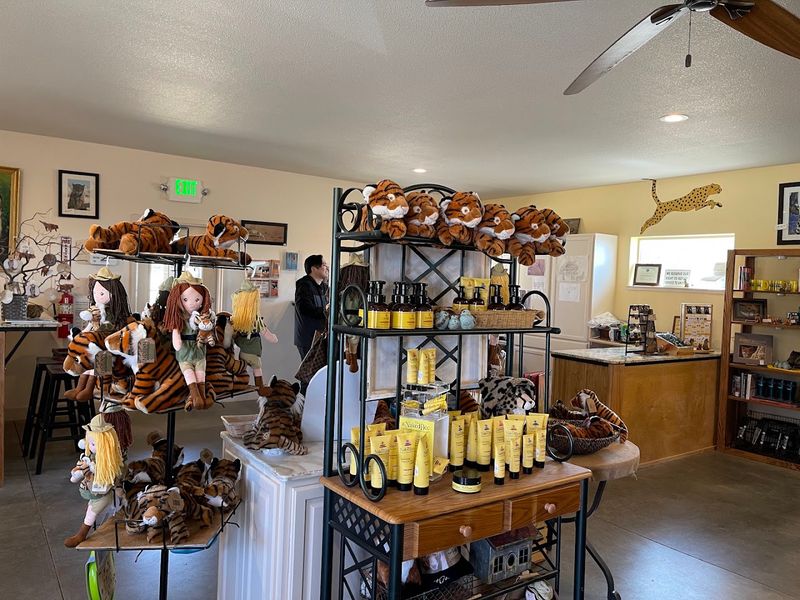
Wrapping up a wildlife walk with a browse through the gift shop feels like a natural ending. Animal Ark’s shop stocks plush toys, locally made artwork, educational books, and various branded merchandise.
Every purchase feeds directly back into animal care, which makes buying a stuffed cheetah feel considerably more satisfying than average souvenir shopping.
Snacks and ice cream are available for purchase on-site. After an uphill hike through the Nevada sun, cold ice cream lands exactly right.
Families often plan a post-trail snack stop as a reward for younger legs that pushed through the steeper sections.
The picnic area sits beneath trees near the visitor center. Visitors who bring their own lunch can settle in and watch the surrounding landscape while eating.
A playground area keeps younger children entertained during breaks.
These small amenities collectively create a full-day experience rather than a quick stop. Animal Ark earns its reputation not just through its animals but through the care it puts into every aspect of the visit, from the first gate to the last goodbye at the gift shop counter.