
10 Massachusetts Wildlife Sanctuaries And Rescue Centers Where Animal Lovers Can Get A Closer Look
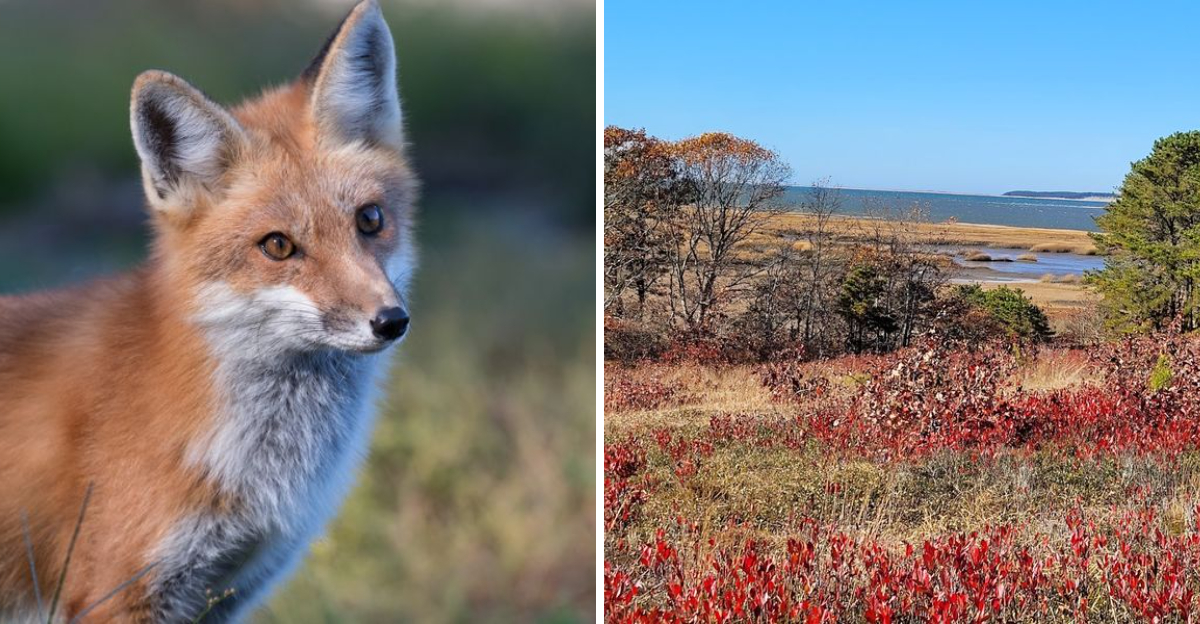
Massachusetts loves its animals, and it shows. Across the state, dedicated caretakers spend every day feeding, healing, and protecting creatures that would otherwise have nowhere to go.
Some arrived as orphans. Others survived injury or neglect before finding a second chance.
That work does not stay behind closed doors, though. Many centers open their gates so visitors can watch rehabilitation happen up close, meet resident animals, and learn what real conservation looks like outside a textbook.
Curiosity pulls people toward these places for good reason. Kids press their faces against enclosure glass.
Adults ask questions they never thought to ask before. Everyone leaves a little more aware of what shares this land with them.
These stops range from quiet farms raising rescued goats to bustling centers nursing injured raptors back to flight. Each one runs on passion more than profit.
Grab your curiosity and get ready to meet some remarkable animals. Massachusetts has plenty of places ready to show you around.
1. Wolf Hollow – North American Wolf Foundation, Ipswich
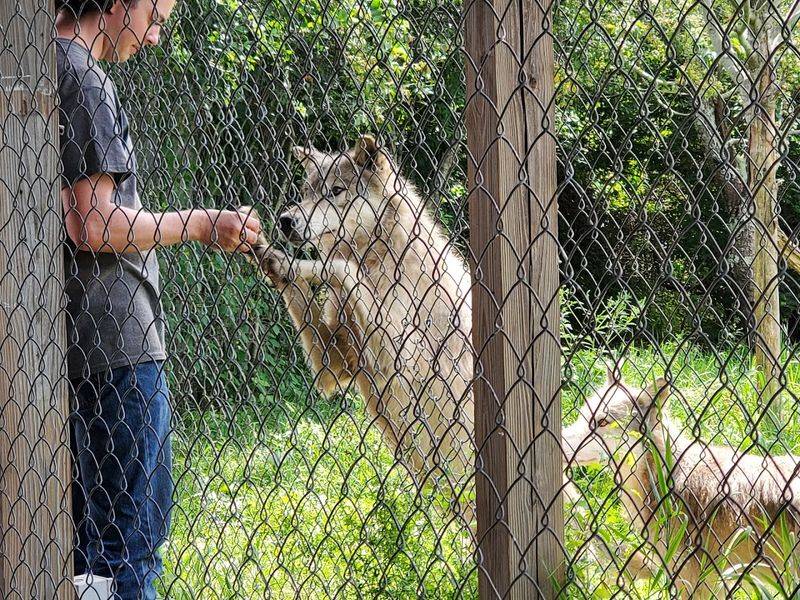
There is something quietly thrilling about standing just a few feet from a wolf and watching it move through its natural behavior, completely unbothered by human presence.
Wolf Hollow at 114 Essex Rd in Ipswich is one of the few places in New England where that experience is genuinely possible.
The North American Wolf Foundation runs this five-acre conservation center with a clear mission: change how people think about wolves and other native carnivores.
The sanctuary houses pure wolves and wolf-dog hybrids, each with its own story and place within the pack.
Weekend guided tours run about an hour and cover wolf behavior, pack dynamics, and conservation science. There are interactive elements and time for questions, making it engaging for all ages.
Weekday photography sessions are also available for those wanting to capture these animals in action.
What sets Wolf Hollow apart is its commitment to authenticity. The wolves are never trained to perform tricks or presented as pets.
They live as wolves should, and that honesty makes every visit feel genuinely meaningful. Wolves are keystone species, and this sanctuary makes sure you leave knowing exactly why that matters.
2. New England Wildlife Center, Weymouth
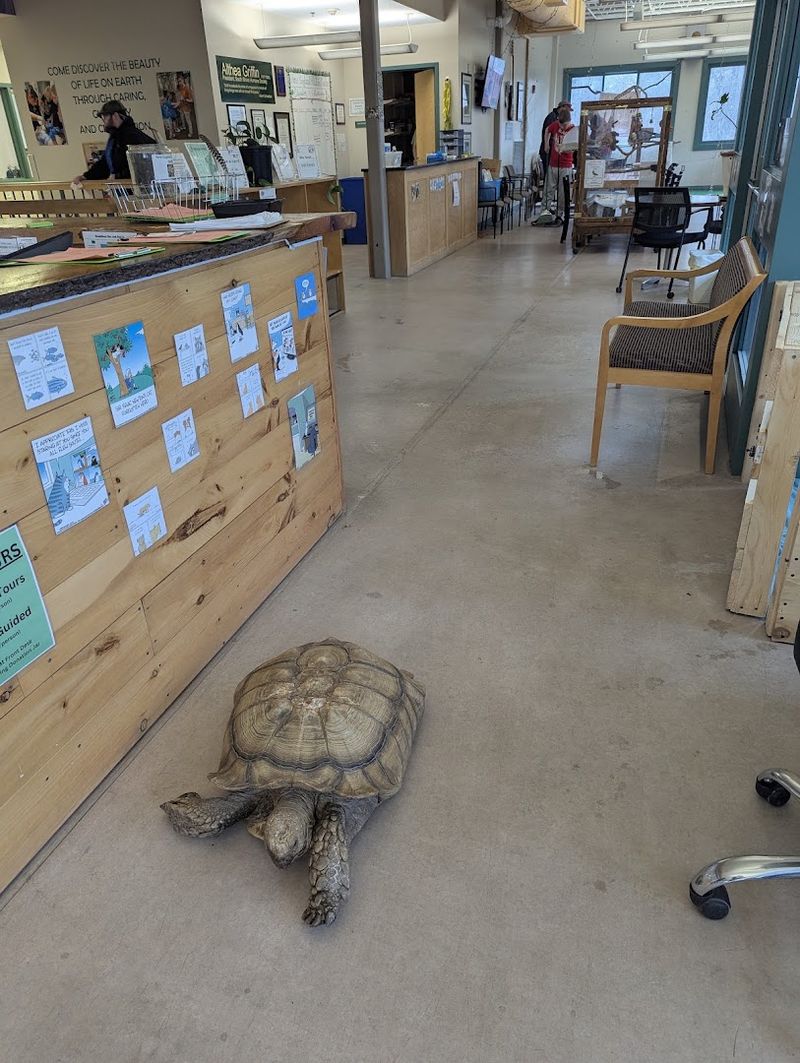
Not every wildlife center has a tree house, a theater, and a fully equipped hospital under one roof, but the New England Wildlife Center in Weymouth manages all three without breaking a sweat.
This non-profit institution is one of the most comprehensive wildlife care facilities in the entire Boston area.
The Jane Carlee Wildlife Hospital is the heart of the operation, treating sick, injured, and orphaned animals from across the region.
From tiny hummingbirds to heavy-shelled snapping turtles, the center provides care for around 225 native and naturalized New England species.
Beyond the hospital, the Weeziu Nature Center features a tree house, nature trails, and year-round outdoor exploration opportunities.
An in-house theater screens science and nature videocasts, and the center integrates STEM learning into its educational programming.
There is also the Odd Pet Vet, a clinic serving exotic pets, which speaks to the center’s broad commitment to animal welfare.
The philosophy here is rooted in a care-based approach to science education, and rehabilitated animals are always returned to the wild when possible.
Few places blend healing, education, and community quite so naturally like Located New England Wildlife Center at 500 Columbian St in Weymouth.
3. Cape Wildlife, Barnstable
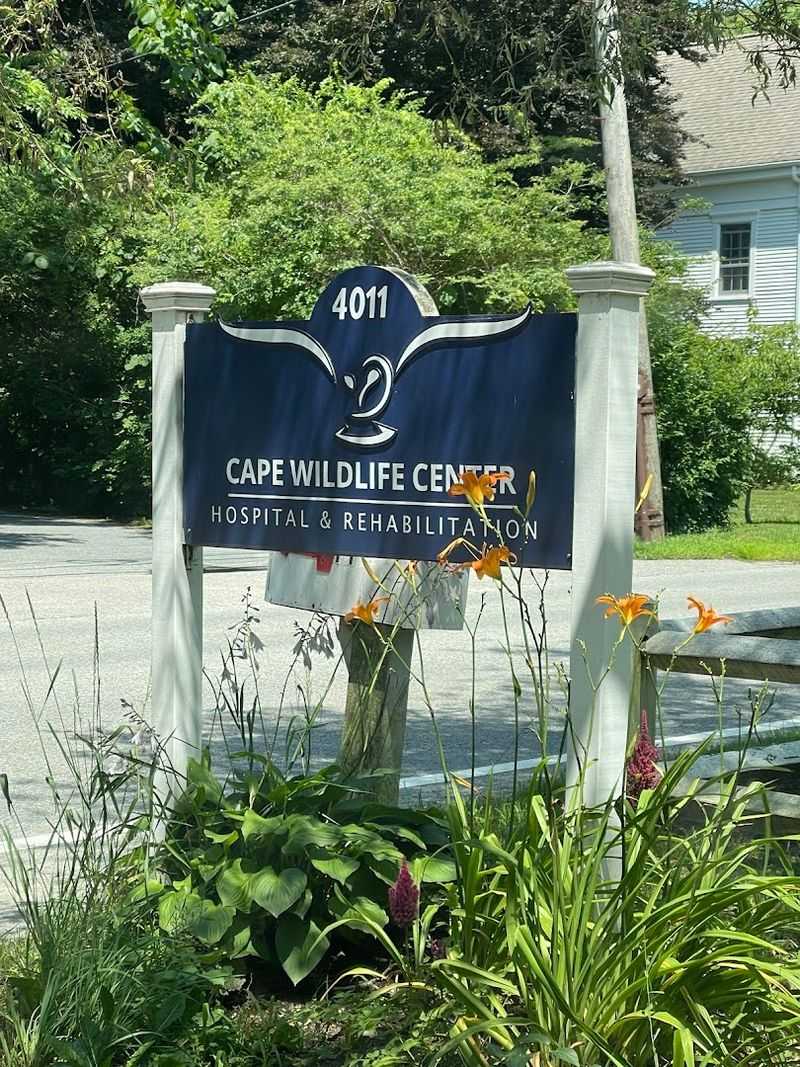
Cape Cod has long been celebrated for its beaches and seafood, but tucked along 4011 Main St in Barnstable is a place dedicated to a very different kind of coastal care.
Cape Wildlife Center operates as a full-service, non-profit veterinary clinic and education hub, treating the wild animals that share this iconic landscape with us.
Each year, the center treats thousands of animals across roughly 230 naturalized Massachusetts species, plus a wide range of bird species.
Many arrive after entanglements in fishing gear, road collisions, or window strikes, injuries that are heartbreakingly common along the Cape’s busy corridors.
As a branch of the New England Wildlife Centers network, Cape Wildlife brings serious medical expertise to the region.
Every animal treated here becomes part of a larger educational story, helping people understand both animal biology and responsible behavior around wildlife.
A dedicated wildlife emergency hotline means that anyone who spots an animal in distress can get guidance fast. The center transforms urgent moments into opportunities for awareness, turning each rescue into a lesson worth sharing.
On a peninsula famous for natural beauty, Cape Wildlife is the quiet force working to keep that beauty intact.
4. Cummington Wildlife Inc, Cummington
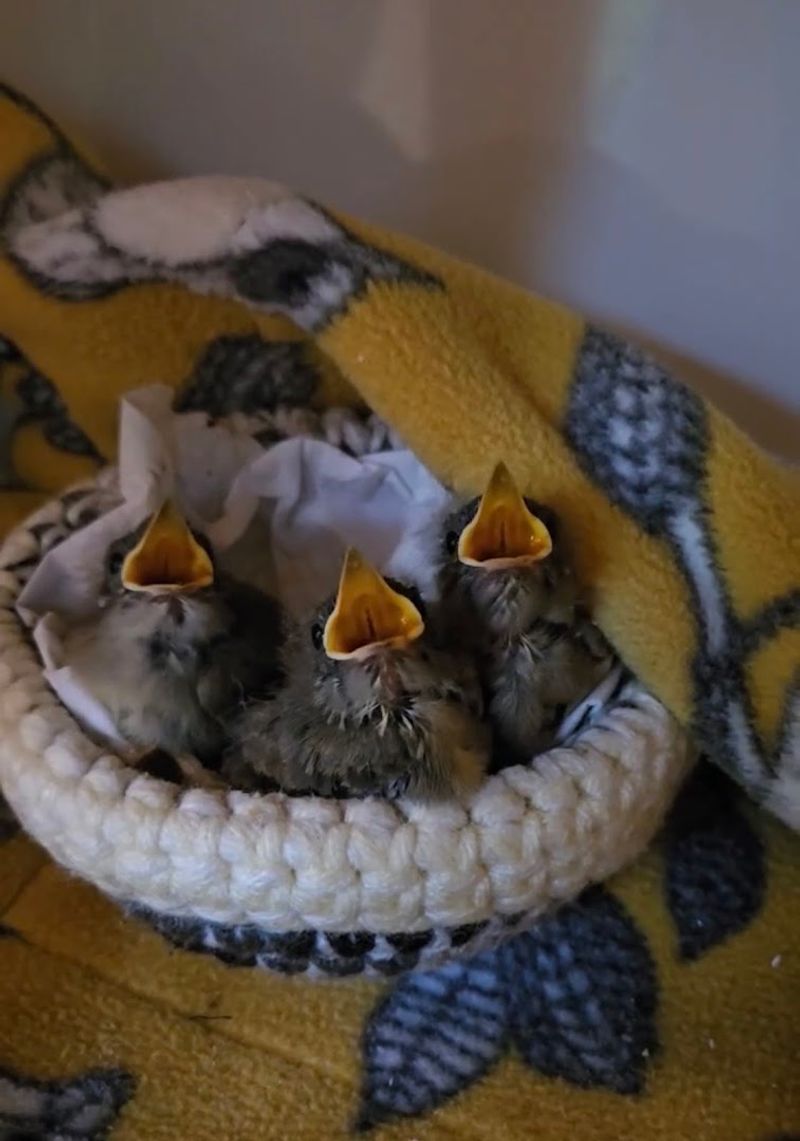
High in the hills of western Massachusetts, at 591 Stage Rd in Cummington, a small but mighty organization quietly does some of the most specialized wildlife work in the state.
Cummington Wildlife Inc. focuses on a niche that many larger centers overlook: the rehabilitation of songbirds, gamebirds, and wild rabbits.
Operating entirely on donations, the center funds everything from food and medication to suitable habitats for the animals in its care.
Supporters can contribute wild bird seed, polar fleece for animal bedding, or even help build bird houses and rabbit hutches, making community involvement genuinely hands-on.
Due to strict biosecurity measures around avian flu, the center does not accept ravens, crows, or bluejays. Anyone who finds an animal in need is encouraged to call ahead so staff can confirm availability and offer proper guidance before arrival.
Beyond direct care, Cummington Wildlife also shares practical advice for living alongside wildlife, including checking yards for nests before mowing and placing bird decals on windows to prevent collisions.
These small actions add up to real protection for local species.
In a rural corner of Massachusetts that most travelers overlook, this center is making a surprisingly big difference one bird and one rabbit at a time.
5. Winslow Farm Animal Sanctuary, Norton
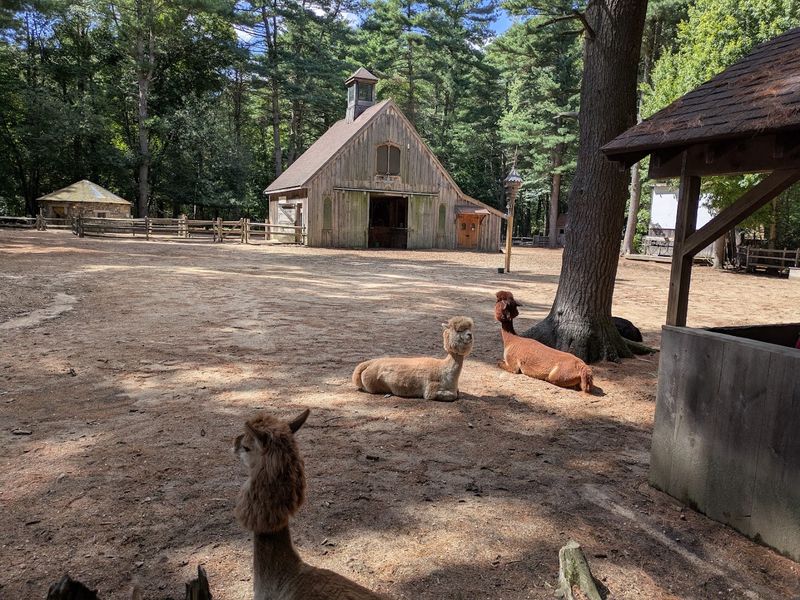
Since 1996, Winslow Farm Animal Sanctuary in Norton has been offering animals a second chance at a life filled with kindness. The non-profit sanctuary at 37 Eddy St operates on a beautifully simple promise: every animal that arrives gets to stay for life.
At any given time, between 200 and 300 rescued residents call this place home. The lineup is genuinely surprising, including horses, donkeys, mules, llamas, alpacas, goats, sheep, pigs, rabbits, tortoises, emus, peacocks, pheasants, chickens, ducks, geese, cats, and dogs.
Each one has a backstory worth hearing.
Some arrivals come with particularly striking rescue tales. A group of lionhead rabbits, for example, was found crammed into a single pet carrier, and now they roam freely across the sanctuary grounds.
Open walking paths and paddocks let guests explore at their own pace and meet the animals face to face.
Winslow Farm also leans into the calendar with festive seasonal touches, including Halloween decorations and a lively Easter weekend atmosphere.
The sanctuary’s unhurried pace makes it equally welcoming for young children, older adults, and everyone in between.
It is less a tourist stop and more a place where trust between humans and animals is gently, patiently rebuilt.
6. Animal Adventures Family Zoo & Rescue Center, Bolton
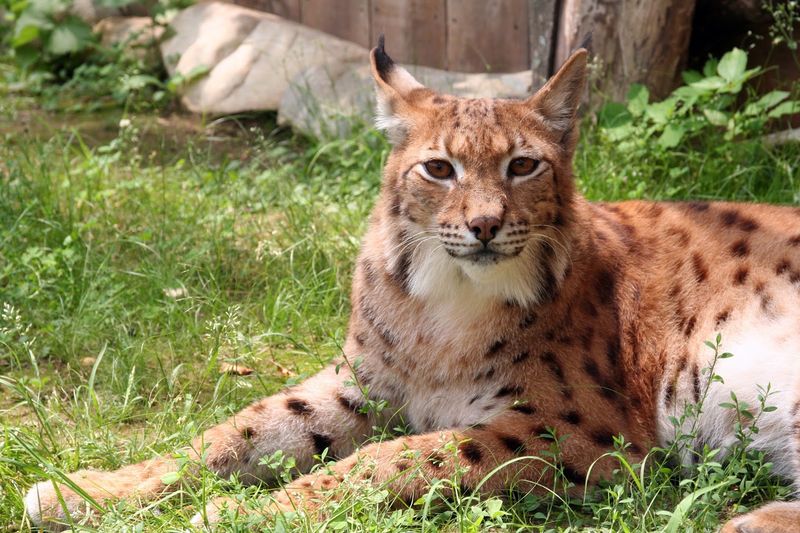
Calling itself New England’s largest privately owned animal rescue facility is a bold claim, but Animal Adventures Family Zoo and Rescue Center in Bolton backs it up with around 400 animals representing approximately 200 different species.
This center has been rescuing unwanted animals since 1997.
The species list alone is enough to make your jaw drop. African bush babies, ring-tailed lemurs, Bennett’s wallabies, kinkajous, axolotls, alligators, lynx, kangaroos, emus, porcupines, and a serval are just some of the residents.
One of the most celebrated is a Carpathian lynx noted as among the largest in captivity anywhere.
Daily 30-minute educational shows give handlers a chance to share insights about the animals, and sometimes facilitate real interactions.
Private tours offer a more personal experience, while summer camps give children hands-on time with the animals in a structured, educational setting.
Importantly, Animal Adventures operates without any state or federal funding. Every dollar comes from guests and donors, which means each ticket purchased directly supports the animals living there.
Farm animals like goats and chickens share space with the exotic residents, creating a wonderfully eclectic community that is equal parts rescue center and educational adventure.
7. Mass Audubon’s Drumlin Farm, Lincoln
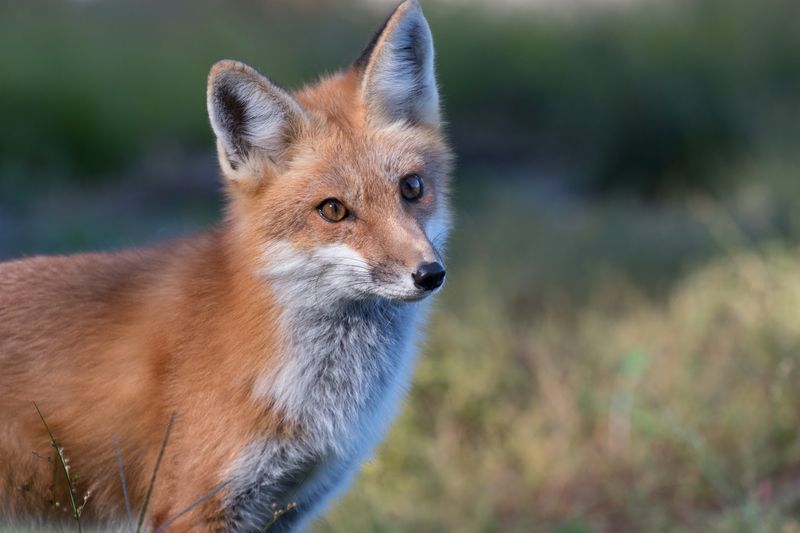
Drumlin Farm in Lincoln, Massachusetts, has a personality unlike any other spot on this list. Part working farm, part wildlife sanctuary, and part environmental education center, it manages to be all of these things at once without feeling scattered.
It is run by Mass Audubon and open to all ages.
The farmyard is alive with pigs, sheep, goats, chickens, cows, and a resident pony. Spring brings a particularly charming scene when baby goats and lambs arrive, turning the whole place into something out of a storybook.
Beyond the farm animals, Drumlin provides long-term care for rehabilitated native wildlife that cannot return to the wild.
Owls, hawks, vultures, a red fox, skunks, Downy Woodpeckers, Painted Turtles, and Corn Snakes all have permanent homes here. A special fox cam offers a peek into the red fox’s underground den, which is genuinely captivating.
The Bird Hill trail winds past native raptors, while four miles of trails cover fields, forests, and wetlands.
Hiking to the summit of the drumlin itself rewards the effort with one of the highest views in the greater Boston area.
With nature preschools, adult field courses, and family programs on offer year-round, Drumlin Farm at 208 S Great Rd is the kind of place that earns a return trip every season.
8. Mass Audubon Wellfleet Bay Wildlife Sanctuary, South Wellfleet
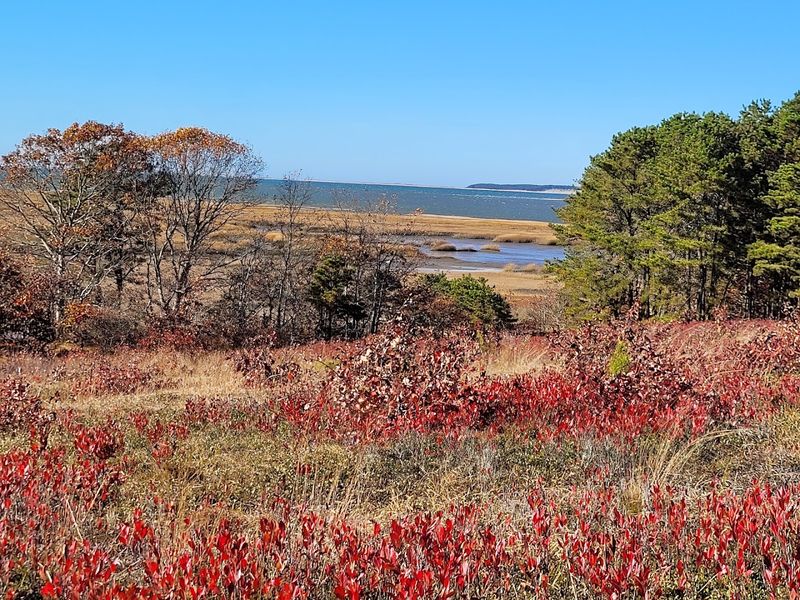
Few sanctuaries in Massachusetts can match the sweeping coastal drama of Wellfleet Bay Wildlife Sanctuary in South Wellfleet, where trails lead through salt marshes, pine woodlands, and down to a sandy barrier beach overlooking Wellfleet Harbor.
This Mass Audubon property is as scenic as it is ecologically significant.
Birding here is exceptional, with over 309 species recorded. The whimbrel, a long-billed shorebird with a distinctive curved bill, is considered the sanctuary’s signature bird.
Beyond birds, the sanctuary runs active conservation projects for sea turtles, diamondback terrapins, and horseshoe crabs, with volunteers monitoring terrapin nests each season.
Five miles of trails branch out in different directions, including the Bayview Trail through salt marsh, the Silver Springs Trail around a freshwater pond, and the Goose Pond Trail, the longest route, which descends all the way to the beach.
The Esther Underwood Johnson Nature Center features coastal ecology exhibits inside a green-certified building.
Adult field courses explore Cape Cod’s unique coastal environment in depth, and a members-only campground adds an overnight option. An all-persons pathway and sensory trail ensure broad accessibility.
Wellfleet Bay rewards slow exploration, and the more time spent here, the more rewarding it becomes.
9. Mass Audubon’s Stony Brook Wildlife Sanctuary, Norfolk
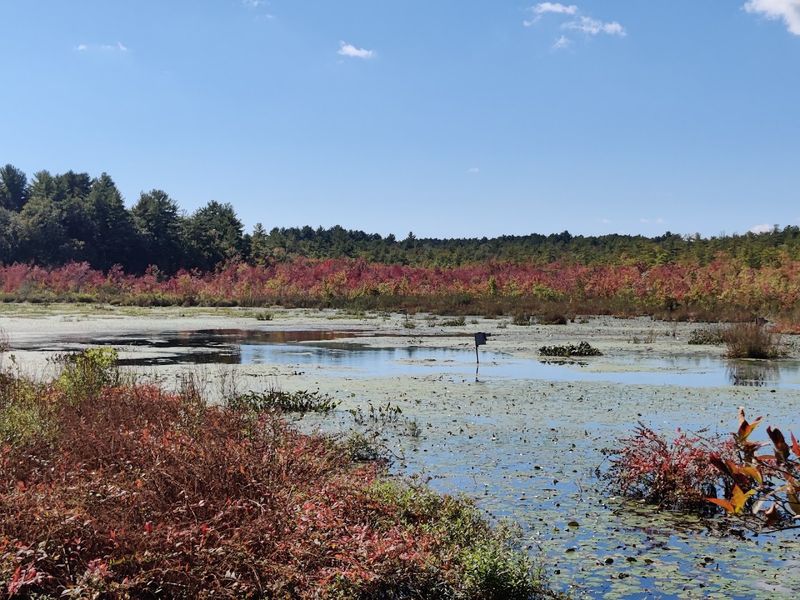
A 2,000-foot boardwalk that floats through forests, fields, and wetlands is reason enough to visit Stony Brook Wildlife Sanctuary in Norfolk, but the wildlife that shows up along the way makes it even better.
This 107-acre Mass Audubon property sits within the Charles River Watershed.
Turtles, ducks, geese, great blue herons, and muskrats are regular sights here. With patience, a mink or otter might dart through the reeds, and beaver-gnawed tree trunks appear along the water’s edge like nature’s own calling card.
Birders have a strong chance of spotting a Scarlet Tanager, Great Crested Flycatcher, or Pileated Woodpecker in the deeper woodland sections.
More than two miles of trails include the Pond Loop, the Beech Grove Trail, the Sensory Trail, and the recently opened Salamander Way.
The universally accessible Sensory Trail is particularly well designed, guiding walkers gently through marsh, pine forest, and over a wetland boardwalk.
Inside the Nature Center, natural history exhibits and a butterfly garden round out the experience. Stony Brook is cooperatively managed with the Department of Conservation and Recreation, which speaks to the community investment behind its upkeep.
It is the kind of sanctuary where you slow down, look closely, and keep finding new things worth noticing.
10. Mass Audubon’s Pleasant Valley Wildlife Sanctuary, Lenox
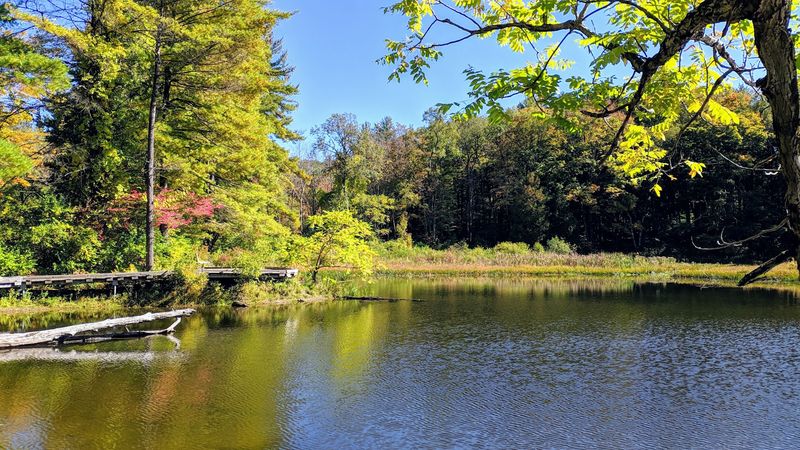
The Berkshires have a reputation for art and culture, but Pleasant Valley Wildlife Sanctuary in Lenox makes a compelling case that the region’s natural side deserves equal attention.
Located at 472 West Mountain Road and protecting over 1,000 acres, this Mass Audubon sanctuary has been a conservation landmark since it was originally established in 1929.
Beavers are the undisputed stars of the show here. Their lodges, dams, and dens appear along Yokun Brook, and dusk is the best time to catch them in action.
Spring brings another spectacle in the form of salamander migrations, a surprisingly dramatic natural event that draws nature enthusiasts from across the region.
Seven miles of trails offer a range of experiences.
The All Persons Trail loops easily around Pike’s Pond on a boardwalk, while the Trail of the Ledges climbs Lenox Mountain to deliver panoramic views of Mount Greylock, the Taconic Range, and the distant Catskill Mountains.
Common Yellowthroats, Eastern Bluebirds, white-tailed deer, and snapping turtles round out the wildlife roster.
Year-round educational programs include naturalist-guided canoe trips and a summer day camp. Fall foliage season transforms the sanctuary into something almost unreal.
Pleasant Valley is the kind of place that reminds you why protecting wild spaces is always worth the effort.