
This Remote Alabama Gulf Island Feels Like A Place The Modern World Forgot
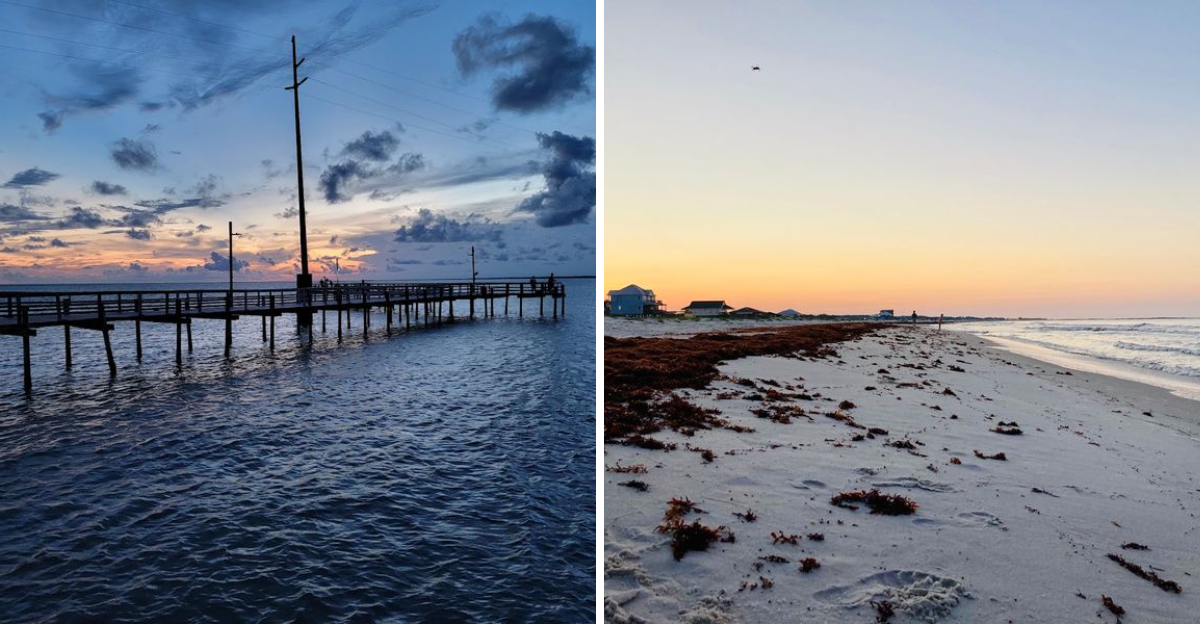
What would it feel like to reach the Alabama coast and suddenly hear almost nothing at all? This Gulf island makes that question easy to answer.
No traffic lights interrupt the drive, long beaches remain largely undeveloped, and the Gulf seems to set the pace for the entire day. Spend the morning watching birds over the water, then let lunch run late because there is nowhere else you need to be.
That slower rhythm is part of what makes the island so memorable. Alabama has busier beach destinations, but this state also has places that still feel wonderfully removed.
The shoreline remains wild in spots, the views feel open, and each turn reveals another reminder that not every coastal escape has been polished for crowds. How long would it take before you stopped checking the time?
On this Alabama island, probably not long at all.
Not A Single Traffic Light Interrupts The Island’s Slower Rhythm
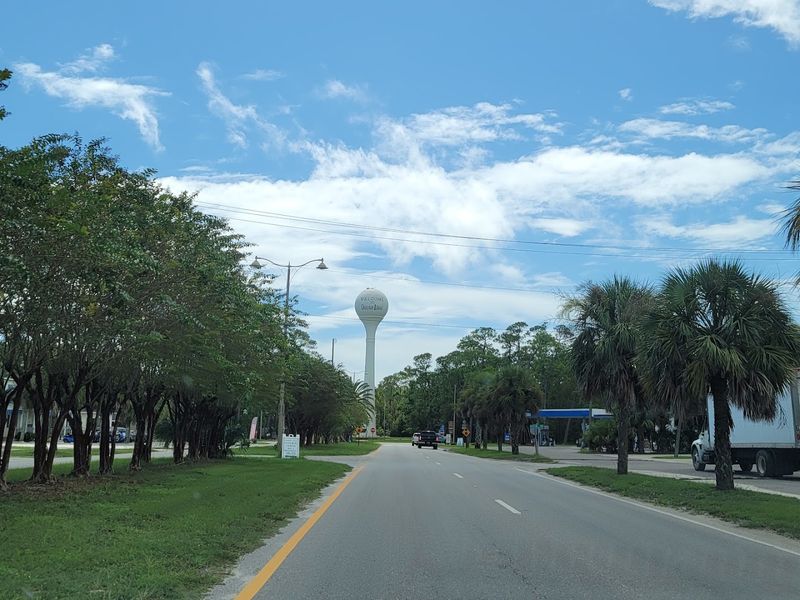
You won’t find a single traffic light anywhere on Dauphin Island. This simple fact tells you everything about the island’s commitment to keeping life slow and uncomplicated.
Bienville Boulevard runs through the populated seven-mile stretch, guided only by stop signs and the natural courtesy of drivers who’ve already shifted into island time. Rushing here feels as out of place as a snowstorm in July.
This intentional absence of urban infrastructure signals that Dauphin Island embraces its identity as a small southern coastal town. The loudest sounds come from seagulls overhead, not honking horns or racing engines.
Alabama’s busier beach towns might boast modern conveniences, but this island chose a different path. The lack of traffic signals creates an atmosphere where stress melts away almost immediately, replaced by the gentle rhythm of coastal living that makes you wonder why anywhere needs traffic lights at all.
The Island Stretches For 17 Miles Beyond The Alabama Mainland
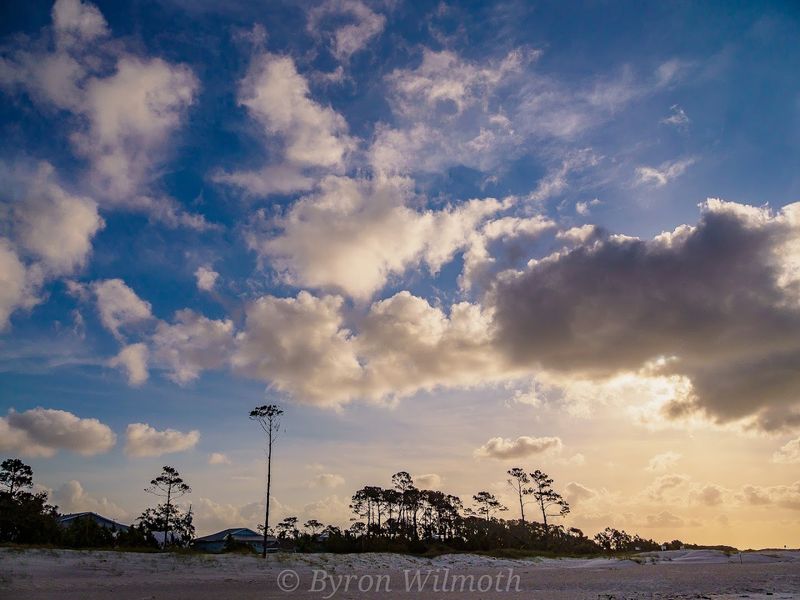
Dauphin Island curves along the Alabama coastline as a slender barrier island protecting Mobile Bay from the Gulf of Mexico. The island officially extends about 14 miles from east to west, though some measurements push it closer to 17 miles depending on shifting sands.
For much of its length, this narrow strip barely reaches a quarter-mile wide. You can stand in the middle and see water on both sides, creating an intimate connection with the surrounding sea.
The eastern end broadens to over a mile in width, hosting most of the island’s historic sites and residential areas. Meanwhile, the western stretches remain wild and undeveloped, offering a glimpse of untouched coastal Alabama.
As a barrier island, this stretch of sand plays a crucial role in protecting the mainland from storm surges and hurricane force. The constant dance between sand and sea means the island is always evolving, shaped by the very elements it helps to tame.
That same isolation is exactly why so few people think to look for it. Tucked at the far edge of Alabama’s coastline, reachable only by a long causeway or a slow ferry ride, the island sits just outside the paths most travelers take.
It never fought to be noticed, and somewhere along the way, the rest of the world simply stopped noticing.
White Sand Beaches Still Feel Refreshingly Removed From Alabama’s Busier Resorts
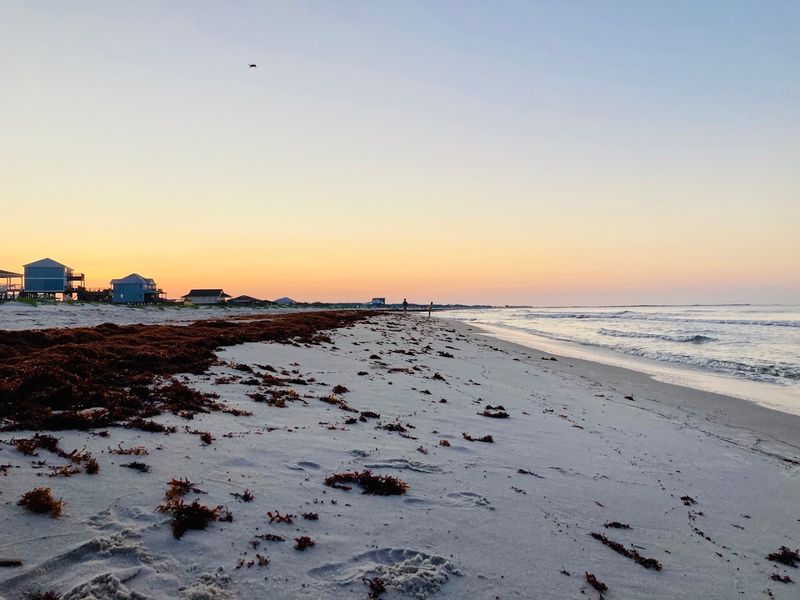
The island still offers what much of Alabama’s coast has lost: miles of sugar-white sand without high-rise condos crowding the view.
The Gulf waters here typically remain clear and calm, with gentle slopes that make swimming particularly safe for families with young children. You’ll find plenty of space to spread out your towel without feeling crowded by neighbors.
East End Public Beach near Fort Gaines provides convenient access, while the more remote West End offers even greater solitude. The laid-back fishing village atmosphere persists along the entire shoreline.
Dauphin Island delivers authentic Gulf Coast beauty without the hustle and bustle that dominates other Alabama beach towns. You can spend entire days simply soaking up sun, hunting for shells, or wading through gentle waves without fighting crowds for a parking spot or a patch of sand to call your own.
The Ferry Ride Makes Reaching The Island Feel Like Part Of The Escape
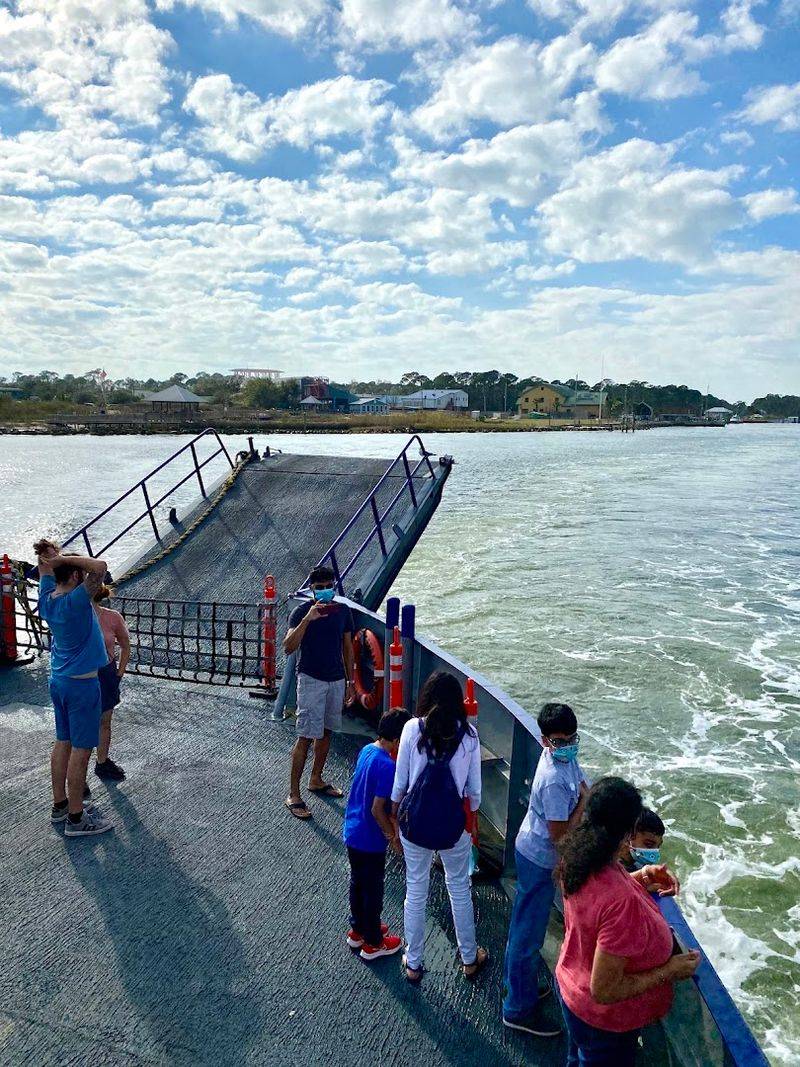
The Mobile Bay Ferry transforms your journey to Dauphin Island into a 40-minute mini-cruise across the bay. This vessel connects Fort Morgan near Gulf Shores directly to Fort Gaines on Dauphin Island, turning transportation into an experience.
Salty breezes wash over you as the mainland fades behind the ferry’s wake. Dolphins frequently leap through the water alongside the boat, while seabirds soar overhead hunting for fish.
Operating seven days a week with seasonal schedule variations, the ferry offers both vehicle transport and observation deck access. You can stay in your car or venture outside to soak in the panoramic views of Mobile Bay and the Alabama coastline.
Leaving land behind on a boat creates an immediate mental shift. The ferry ride sets the perfect tone for your island getaway, making the journey as memorable as the destination itself and signaling that you’ve truly left the everyday world behind.
Fort Gaines Has Guarded The Entrance To Mobile Bay For More Than 150 Years
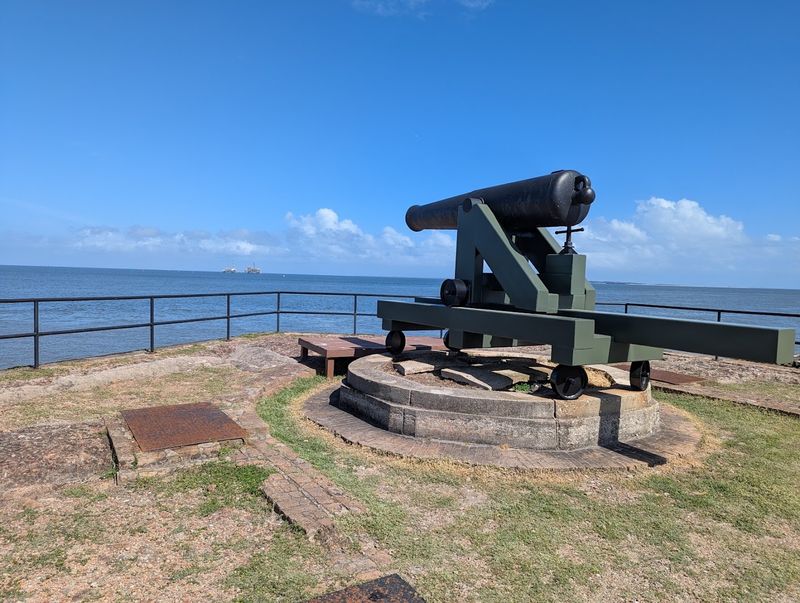
Fort Gaines rises from the eastern tip of Dauphin Island, its weathered brick walls holding stories from more than 150 years of coastal defense. Construction began in 1821, though the fort wasn’t completed until the Civil War’s edge in 1861.
Its strategic location made it indispensable during the Battle of Mobile Bay in August 1864. Admiral David Farragut’s famous command rang out within sight of these ramparts.
Today, Fort Gaines stands as one of America’s best-preserved Civil War-era masonry forts. Original cannons still point toward the bay, and you can explore the blacksmith shop, old kitchens, and a museum displaying uniforms and artifacts.
Shoreline erosion threatens this Alabama landmark, earning it a spot on America’s 11 Most Endangered Historic Places. Time and tide take their toll even on the sturdiest defenses, reminding us that preserving history requires constant vigilance against nature’s relentless power.
Ancient Shell Mounds Reveal A Story That Began Long Before Modern Tourism
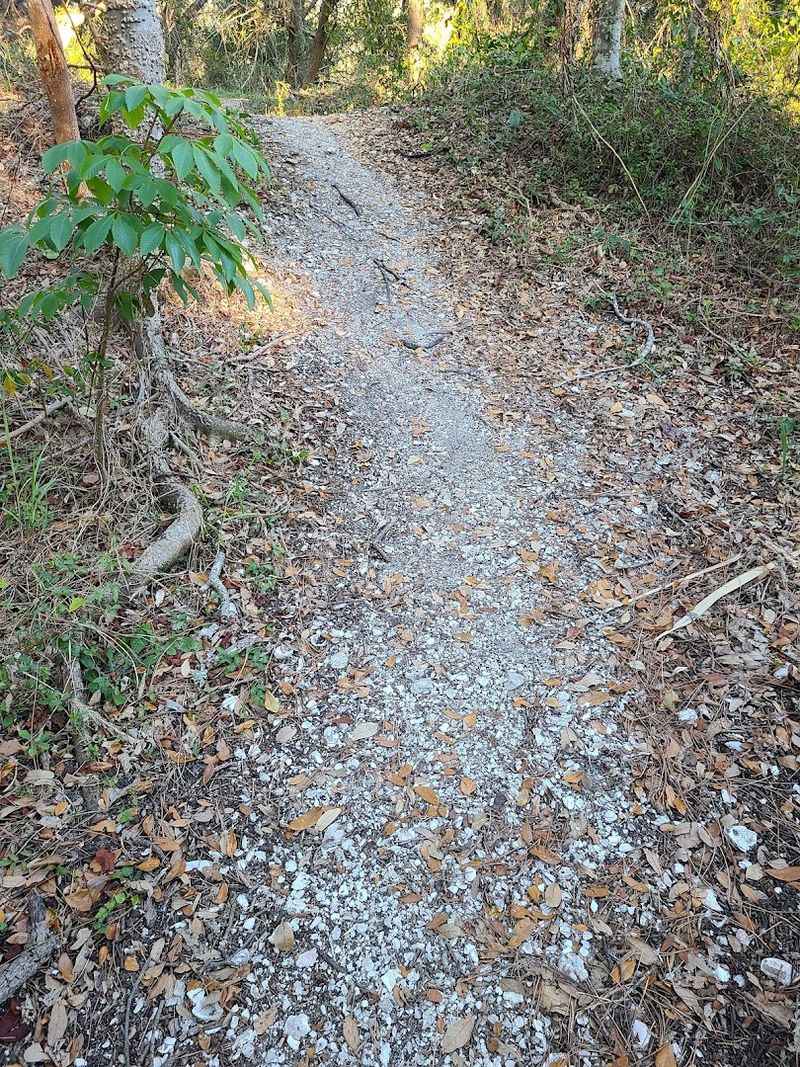
Indian Mound Park on Dauphin Island’s northern shore holds secrets from centuries before European explorers arrived. Prehistoric shell middens rise from the ground, built primarily from discarded oyster shells by Native Americans who seasonally harvested seafood here.
Dating back to the Mississippian period between 1100 and 1550 CE, these mounds reveal repeated occupations. Excavations uncovered stratified layers of shells mixed with charcoal, fish bones, and pottery fragments.
The impressive height and scale of the mounds suggest deeper cultural significance beyond simple trash heaps.
Long before Dauphin Island became a beach destination, people gathered here and left behind shell mounds that still survive today. These ancient sites offer a quiet reminder that Alabama’s Gulf Coast has carried human stories for thousands of years.
The West End Protects 838 Acres Of Beaches Dunes And Wildlife Habitat
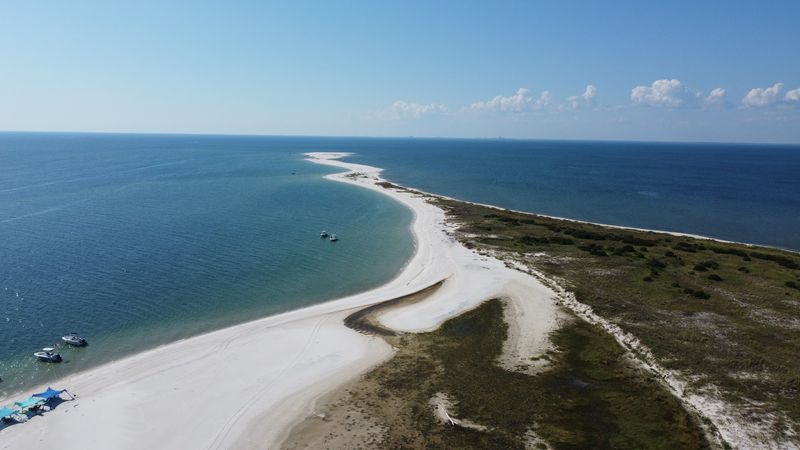
Head west on Dauphin Island and you’ll discover 838 acres of protected coastal habitat that looks exactly as nature intended. The West End Nature Preserve spreads across sweeping dunes, broad beaches, and vital salt marshes.
This isn’t just pretty scenery. Sea turtles nest here, and the federally listed piping plover finds critical habitat among these shores.
Neotropical migratory birds drop into this preserve after exhausting flights across the Gulf, treating it as a vital rest stop during their incredible journeys. Public ownership ensures these sensitive ecosystems remain protected for future generations of both wildlife and visitors.
The raw, untamed beauty here stands in stark contrast to Alabama’s more developed coastlines. You’ll find nature thriving without interference, creating the kind of pristine coastal environment that’s becoming increasingly rare along the Gulf Coast.
Ever wonder what beaches looked like before condos lined every shore?
A 164-Acre Bird Sanctuary Turns Migration Season Into A Natural Spectacle
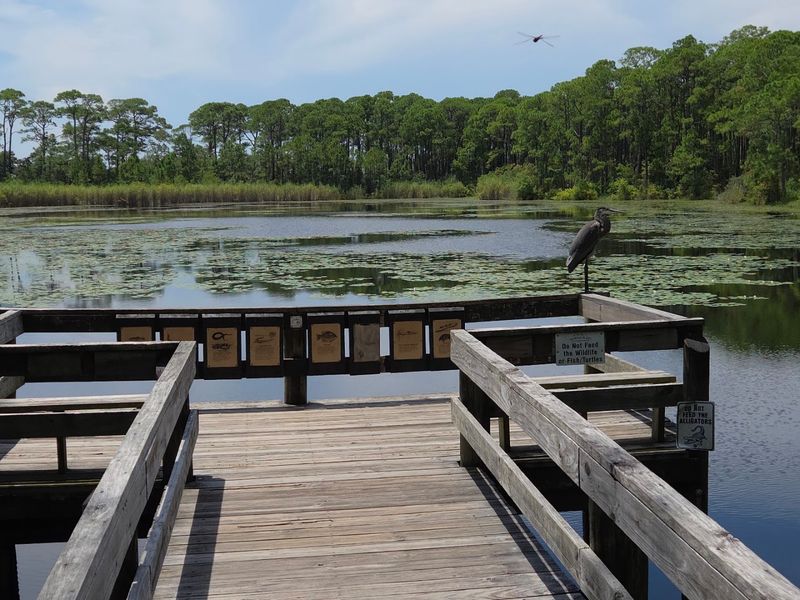
The Audubon Bird Sanctuary spans 164 acres on the eastern side of Dauphin Island, earning its designation as a Globally Important Bird Area. This recognition isn’t just fancy talk.
Twice each year, exhausted birds complete their 600-mile flight across the Gulf of Mexico from Central and South America, and Dauphin Island becomes their first glimpse of land. Spring migration brings spectacular fallouts when thousands of birds literally drop from the sky, desperate for food and rest.
A 1,000-foot boardwalk extends over Galliard Lake, offering accessible views of herons and egrets wading through the shallows. The sanctuary includes freshwater lakes, dense swamps, pine forests, and rolling dunes connected by walking trails.
An astonishing 420 of Alabama’s 445 documented bird species have been spotted on this island. Migration season transforms the sanctuary into a natural spectacle that draws birders from across the country, all hoping to witness this twice-annual avian invasion.
An Old Fishing Pier Now Stands On Dry Land Beside The Shifting Shoreline
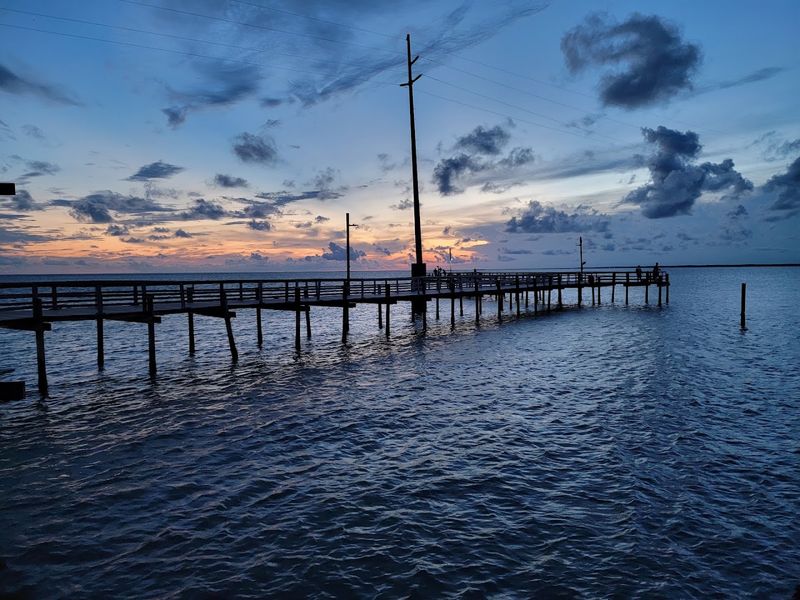
Barrier islands constantly reshape themselves through erosion and sand migration. Dauphin Island’s 850-foot fishing pier illustrates this transformation perfectly, now standing entirely on dry land instead of extending over water.
Once a popular spot for casting lines into the Gulf, the pier no longer touches the sea. Erosion and the natural joining of Pelican Island with the public beach shoreline left this structure high and dry.
Rather than demolish it, the pier found new purpose as an elevated walkway for sightseeing. It offers unique perspectives of the ever-changing Alabama coastline and serves as an ideal spot for leisurely strolls or quiet picnics.
Steps at the pier’s end still provide easy Gulf shoreline access. This former fishing platform stands as a monument to nature’s power, showing how even sturdy man-made structures eventually yield to the relentless forces shaping barrier islands.
What stories could this pier tell about the island’s transformation?
The Alabama Aquarium Reveals The Wild Coastal World Surrounding The Island
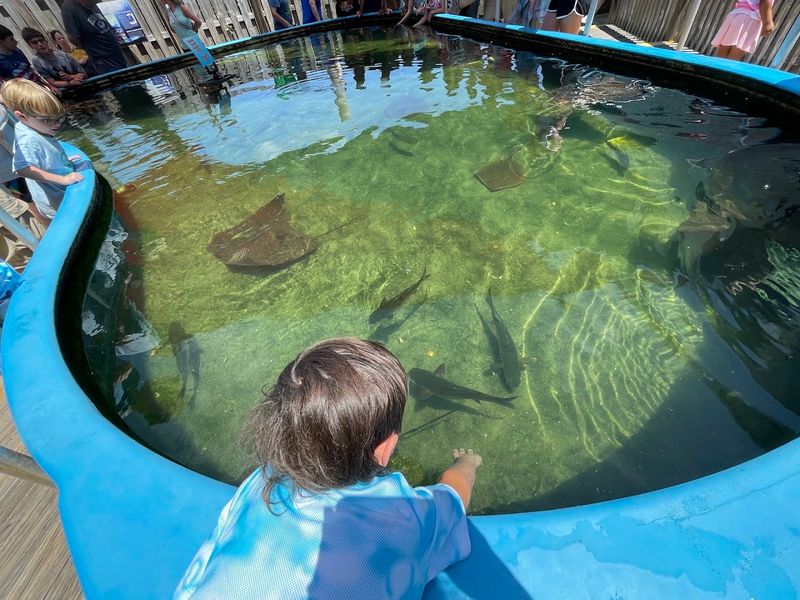
The Dauphin Island Sea Lab houses an educational aquarium that showcases the rich aquatic ecosystems surrounding this Alabama barrier island. Originally called The Estuarium when it opened in 1998, the facility highlights four distinct habitats.
Exhibits guide you through the Mobile-Tensaw River Delta, Mobile Bay, the Barrier Islands, and the Northern Gulf of Mexico. You’ll encounter American alligators, various turtles, gar, shrimp, blue crabs, octopus, lobsters, eels, seahorses, and sharks.
The Rays of the Bay touch tank draws crowds, allowing visitors to gently interact with several ray and skate species native to Mobile Bay and the Northern Gulf. A Living Marsh Boardwalk extends outside, letting you observe local plant and animal species in natural settings.
Beyond public displays, the Sea Lab serves as a vital marine research hub, deepening our understanding of Alabama’s coastal ecosystems. The aquarium transforms abstract concepts about marine life into tangible experiences that help visitors appreciate the complex world thriving just offshore.