
10 Mississippi Towns That Seem Affordable For Retirees But Come With Hidden Costs That Are Driving People Away
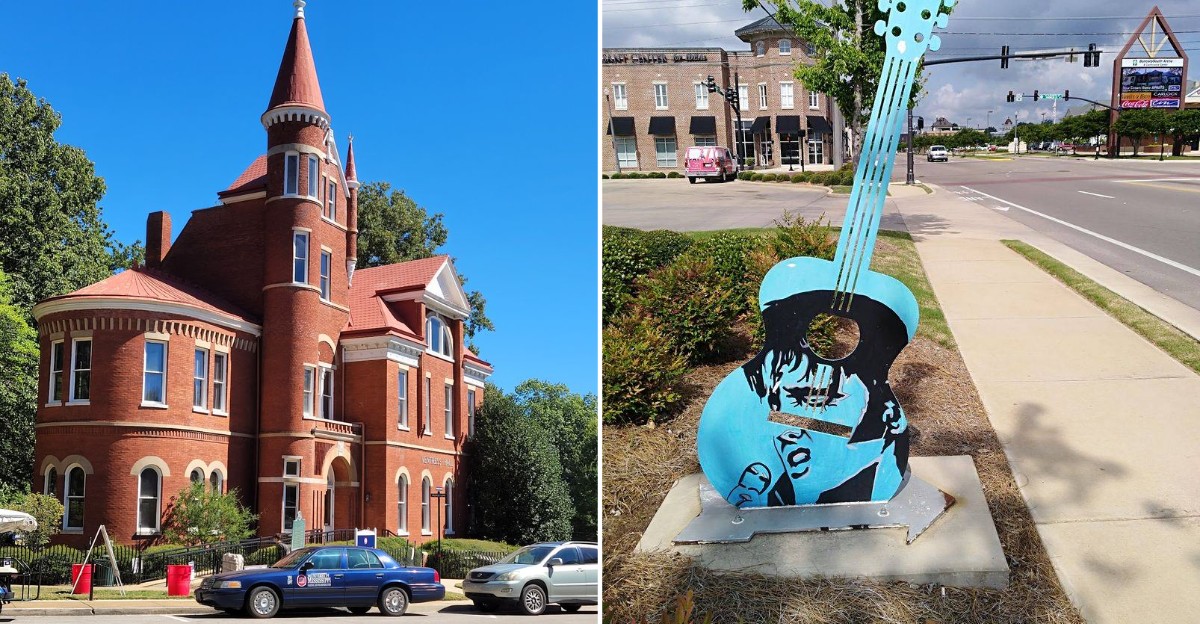
Some places that seem ideal for retirement hide exactly what scares people the most. These Mississippi towns fall into that category, appearing affordable on the surface while quietly driving longtime residents away.
Housing costs may look reasonable at first, but rising property taxes and insurance rates tell a different story. Local governments point to infrastructure needs and rising costs to justify the increases.
Longtime homeowners on fixed incomes feel the pressure hardest, since income rarely rises to match new bills. Younger residents increasingly look elsewhere for more affordable options outside these areas.
Some families have already started discussing whether staying makes financial sense long-term. These towns represent a growing pattern across the state, one that shows no sign of reversing soon.
1. Ocean Springs
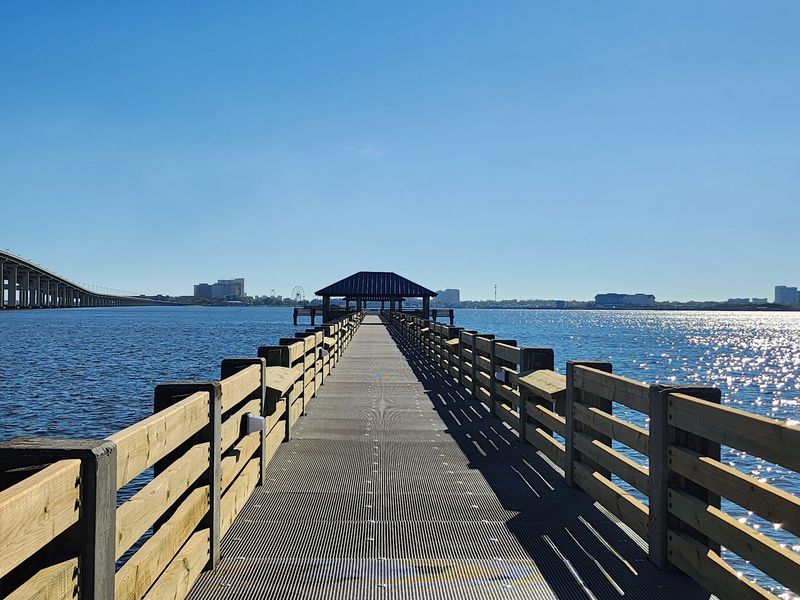
Live oaks, art galleries, and a shoreline that glows at dusk. Ocean Springs has earned its reputation as one of the prettiest small towns on the Gulf, and housing here runs more reasonably than many coastal spots.
Then the flood paperwork lands on the table. The area carries a severe flood risk, fed by storm surge, bayou overflow, and hurricane rainfall that has nowhere to drain.
Annual flood insurance for a home can add a high cost to monthly expenses. If the house sits in a Special Flood Hazard Area and carries a mortgage, that coverage is not a suggestion; it is required.
Jackson County has logged dozens of federal flood-related disaster declarations over the past few decades, and the cumulative insurance claims paint a clear picture of what coastal living here can mean.
Healthcare is another wrinkle worth planning around. Singing River Hospital and Ocean Springs Health and Rehabilitation Center cover plenty of everyday needs, but specialized care often means a drive to a larger city.
For retirees, that adds up in gas, time, and the stress of scheduling appointments an hour away. Plenty of people handle it fine.
Others decide the beauty is not worth the budgeting gymnastics.
Anyone considering the move should price insurance before falling in love with a porch.
2. Bay St. Louis

Beach cottages on stilts, a walkable Old Town, and water at the end of nearly every street. Bay St. Louis looks like the retirement brochure came to life, and home prices often surprise newcomers in the best way.
Coastal Mississippi, though, is coastal Mississippi. Homeowners insurance premiums along this stretch rank among the highest in the state, driven by hurricane exposure and storm surge history.
Stilts are not a design choice here. They are a response to a shoreline that has been rearranged by major storms more than once in living memory.
Flood coverage stacks on top of a regular policy, and wind deductibles on the coast are typically calculated as a percentage of the home’s coverage limit rather than a flat amount. That math gets uncomfortable fast on a higher-value property.
Roof age matters too. Insurers across the Mississippi coast have grown cautious about aging shingle roofs, which can turn into a surprise replacement bill for buyers who do not check before closing.
Add in the loss of protective wetlands from decades of coastal development, and flooding tends to hit harder than it once did.
None of that erases the charm, and many residents happily stay put. It simply means the affordable house may come with the least affordable insurance bill of your life.
3. Natchez
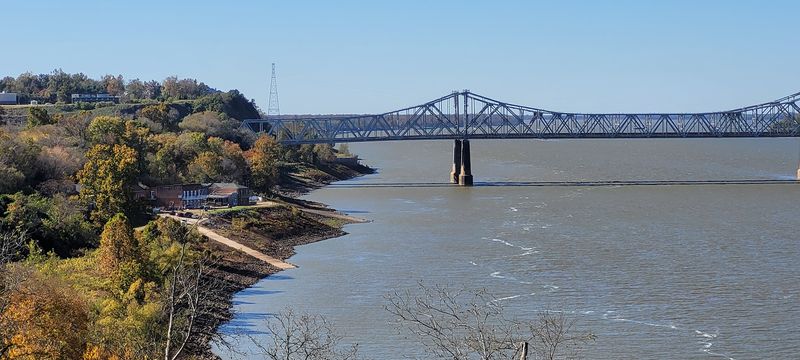
Antebellum mansions, bluff-top views over the Mississippi River, and home values that rank among the most affordable in the state. On paper, Natchez looks like one of the best bargains for a retiree who loves history.
The catch shows up when the car keys become a problem. The Natchez Transit System does serve elderly and disabled riders on weekdays, and it is the only general public transportation provider in the county.
That is genuinely helpful. It is also a narrow window, and evenings or weekends leave riders stuck.
Across Mississippi, owning a vehicle is close to mandatory for full independence, which means insurance, gas, repairs, and eventually the hard conversation about when to stop driving.
Healthcare follows a similar pattern. Merit Health Natchez offers senior wellness services, but broader specialized care can require trips to larger urban centers hours away.
Sitting near the river also brings flooding potential into the equation, which is worth investigating parcel by parcel rather than assuming the whole town is equal.
Here is the fun part anyway. Natchez is older than New Orleans, founded in 1716, and the historic district is genuinely stunning.
Just walk in with a transportation plan and a healthcare plan, not only a home budget.
4. Oxford
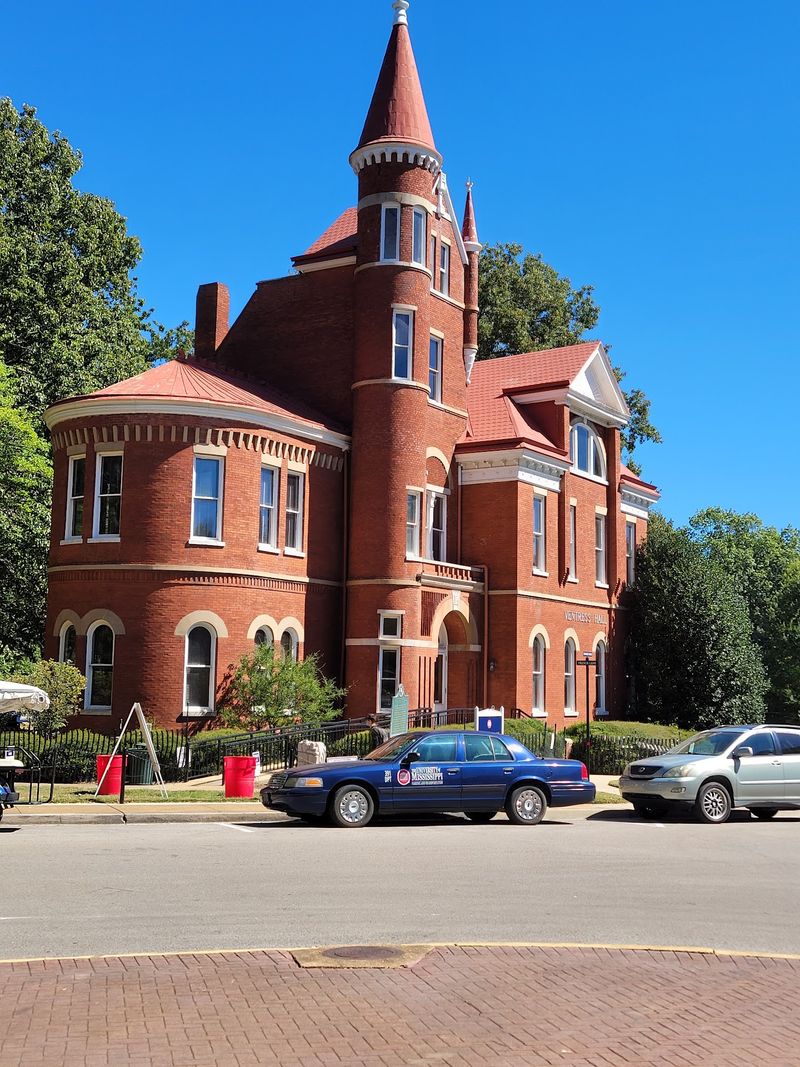
A courthouse square lined with bookstores and cafes, a university energy that keeps things lively, and none of the traffic headaches of a big city. Oxford wins people over quickly.
Affordability is where the story gets complicated. College towns tend to run hotter on housing than surrounding rural areas, because student demand competes directly with retiree demand for the same limited homes.
Mississippi’s weather does not care about charm either. Long, humid summers push cooling bills up for months at a stretch, and north Mississippi sits in tornado territory with regular severe storm warnings.
Flood insurance is another line item worth checking, since NFIP premiums across Mississippi cities can vary significantly depending on location and elevation.
Then there is the transportation reality. Mississippi offers limited public transit almost everywhere, so a personal vehicle remains a practical necessity rather than a luxury.
Specialized medical care can also mean driving toward larger medical centers, which is fine at 65 and less fine at 85.
Oxford has real perks, including a literary tradition that runs deep and a downtown built for walking. Retirees who thrive here usually budget above the state average and accept that they are paying for atmosphere.
Know that going in, the town delivers.
5. Vicksburg
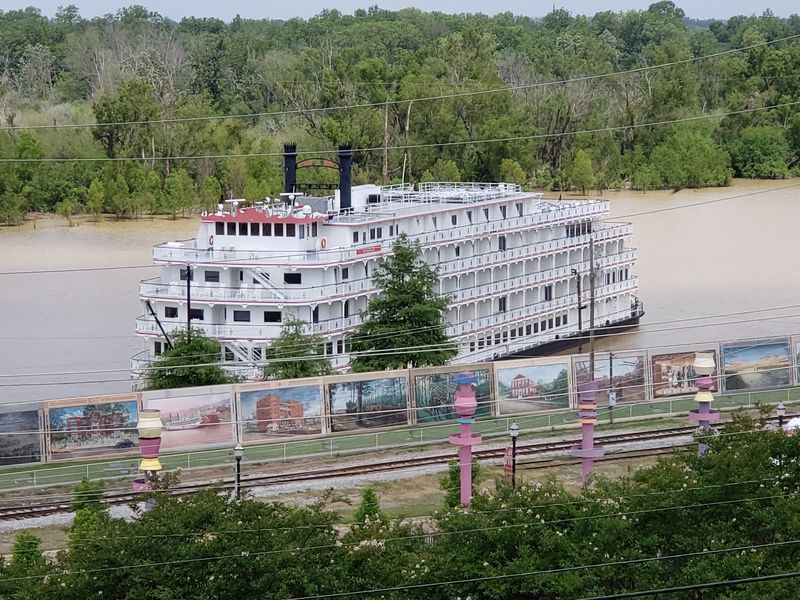
Perched on bluffs above the Mississippi River, Vicksburg offers Civil War history, riverboat views, and home prices that make coastal retirees do a double take. The downtown murals alone are worth a slow afternoon.
Living beside a major river, however, means living with a major river’s moods. Spring high water and backwater flooding have repeatedly affected the Vicksburg area, and elevation differences between neighborhoods matter enormously.
Flood insurance premiums in Mississippi can add a significant recurring cost to a fixed retirement income, and Vicksburg is no exception. That is a real line item worth pricing before making any decisions.
Summers here are long, sticky, and expensive to cool. Electricity becomes one of the largest recurring bills for several months of the year, which catches transplants from cooler states off guard.
Severe weather adds another layer, with tornadoes and damaging winds common across this part of the state during spring.
Healthcare access is decent for routine needs, though specialized treatment often points toward Jackson, about an hour east, meaning regular highway driving for certain conditions.
Vicksburg rewards people who research elevation, check the flood map for the exact address, and price insurance before signing anything.
Skip those steps and the bargain house turns into an annual surprise.
6. Tupelo

Elvis was born here, and the town has never let anyone forget it. Beyond the music history, Tupelo runs notably cheaper than both state and national averages, which is exactly what draws retirees north into the hills.
Housing carries most of that savings, and the numbers make a real difference on a fixed income.
Storm season is where the discount shrinks. Northeast Mississippi is tornado country, and the region has a long record of destructive twisters that shape both insurance rates and residents’ nerves.
Flood insurance here can run higher than many people expect, despite Tupelo sitting well inland. That is surprising and worth checking on any specific property before closing.
Getting around is the other quiet expense. Public transportation options are limited, so a personal vehicle handles nearly every errand, appointment, and grocery run.
That means car insurance, maintenance, and fuel stay permanent budget items long after the mortgage is paid off.
Tupelo does offer genuine amenities for its size, including a solid hospital presence and a downtown that has been steadily revitalized.
Retirees who buy here usually come out ahead financially, as long as they price wind and flood coverage honestly instead of assuming inland means safe.
7. Laurel
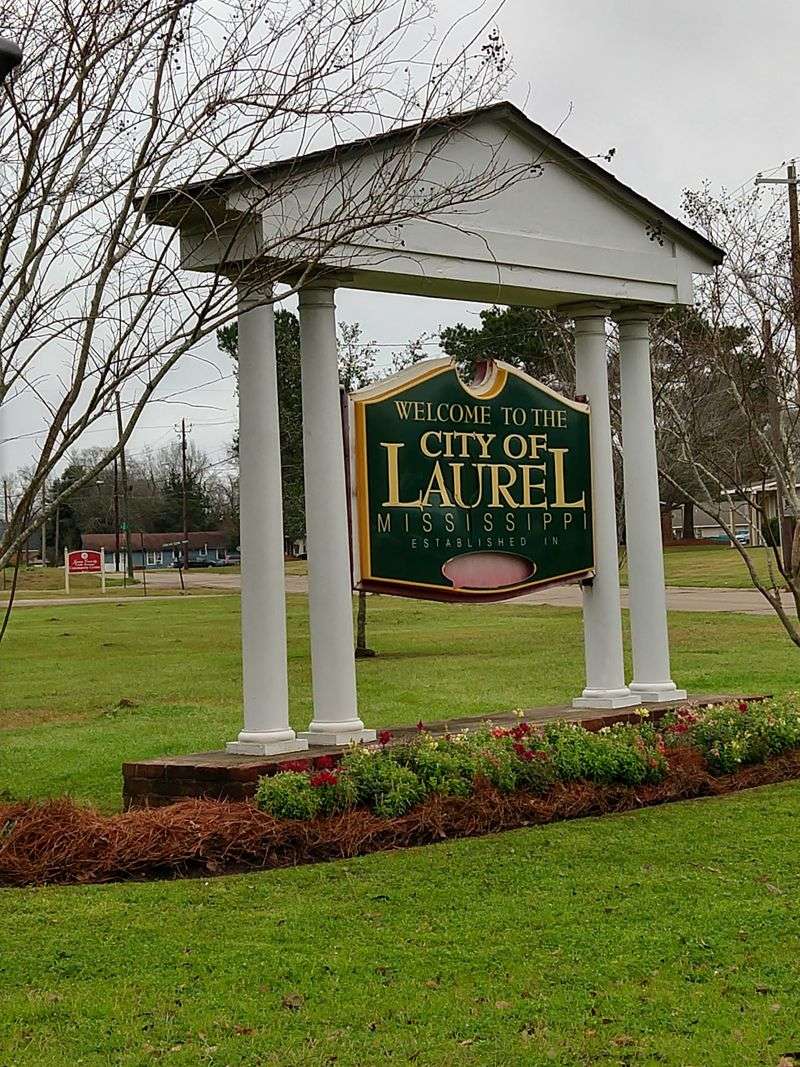
Television turned this Jones County town into a renovation destination, and suddenly everyone wanted a craftsman bungalow with original woodwork. Laurel’s historic district really is lovely, full of porches and mature trees.
Popularity, though, has a price. Increased outside interest in a small housing market tends to push prices upward faster than local incomes rise, which narrows the bargain retirees came looking for.
Older homes carry their own math. Charming 1920s construction often means outdated wiring, original plumbing, and roofs that insurers scrutinize once shingles reach a certain age.
South Mississippi sits in the Pine Belt region, where home insurance costs run above average because of hurricane remnants and tornado exposure reaching this far inland.
Cooling a drafty historic house through a Mississippi summer is its own expense, since high humidity keeps air conditioners working overtime for months.
Medical care covers routine needs locally, but specialized treatment frequently routes toward Hattiesburg or Jackson, adding driving time to the retirement equation.
None of this makes Laurel a bad choice. It simply means the dreamy fixer-upper deserves a thorough inspection and an insurance quote before the offer.
Buy smart and the town delivers real character for the money.
8. Biloxi
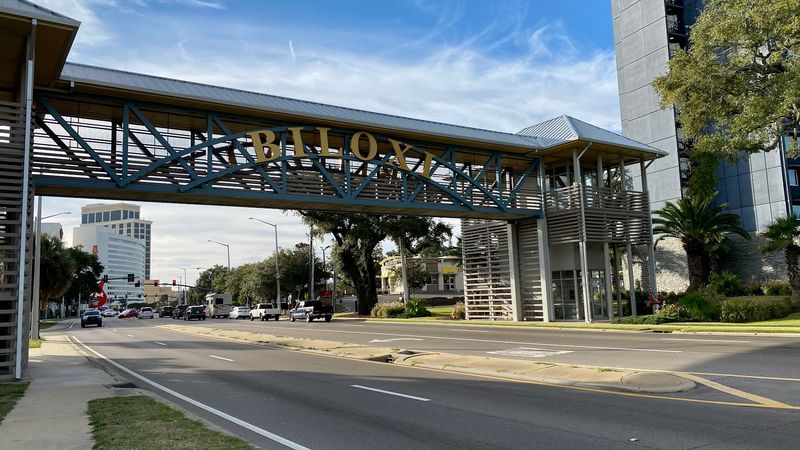
Home prices here run well below the national average, with white sand beaches down the road. Biloxi sounds like the deal of the century until the insurance quote arrives.
Homeowners coverage here runs significantly above both state and national averages, and the gap is large enough to change the financial picture entirely.
Push the home value higher, and the annual premium climbs accordingly. That is a substantial monthly cost before flood coverage even enters the picture.
Hurricane deductibles are typically calculated as a percentage of the dwelling coverage limit, meaning a serious storm could leave a retiree owing a significant sum out of pocket. Insurers also weigh storm surge potential, FEMA flood zone, and wind mitigation features when setting rates.
Roof age triggers additional scrutiny, with many carriers reluctant to write policies on aging shingle roofs.
Property crime runs above the national rate, which is worth factoring into both insurance costs and peace of mind.
Biloxi remains a lively coastal city with genuine appeal. The house is affordable. Everything protecting the house is not.
9. Starkville
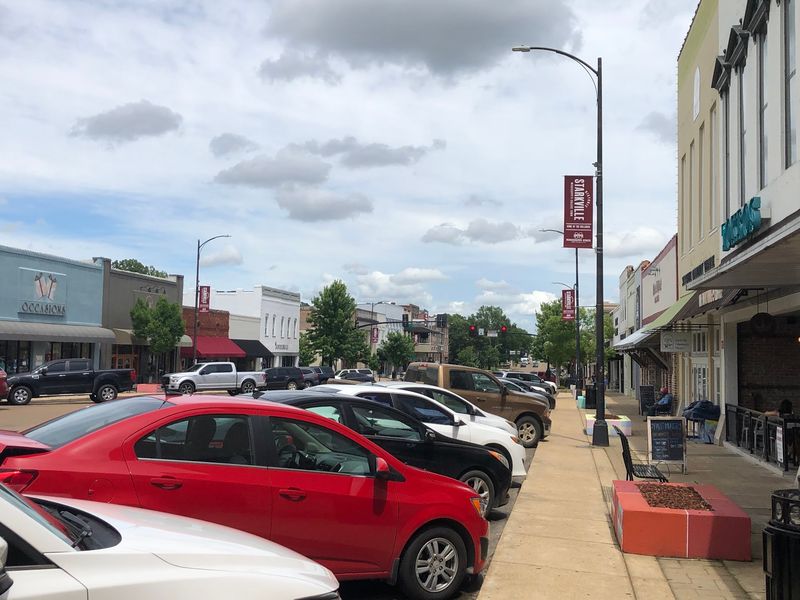
Property taxes for residents over 65 come with a substantial exemption, the cost of living sits noticeably below the national average, and home prices remain accessible. Starkville makes a strong opening argument.
Summer weather argues back. Temperatures regularly climb into the upper eighties and low nineties with high humidity, which means air conditioning runs hard for months and electric bills follow.
Oktibbeha County falls inside Mississippi’s tornado corridor. Severe weather here includes damaging winds, flash flooding, and occasional winter ice storms that snap power lines.
Hurricanes usually weaken before reaching this far inland, so tornadoes represent the bigger local threat to property and peace of mind.
Flood risk here is rated high, largely driven by infrequent but serious flood events. Coverage is not mandatory for most properties, but skipping it is a gamble.
Aging infrastructure on older buildings, including rooflines, windows, and drainage systems, tends to become an expensive liability the moment severe weather arrives.
College town energy brings real benefits, from events to healthcare access tied to the university community. Retirees who thrive here budget generously for utilities and keep a storm plan ready.
The savings are real. They are just smaller than the listing price suggests.
10. Brookhaven
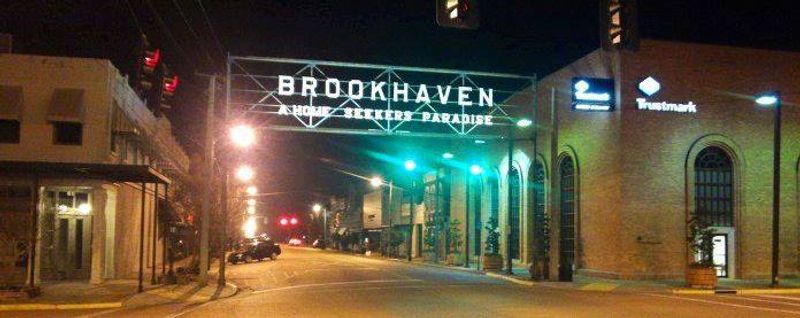
Known as the Homeseekers Paradise since the 1890s, Brookhaven has been marketing itself to newcomers for well over a century. The Victorian architecture and quiet streets still hold up.
Home prices in this part of southwest Mississippi stay low, which is exactly why retirees keep circling it on maps. The trouble starts with everything a small town cannot supply on its own.
Specialized healthcare generally means driving toward Jackson or Hattiesburg, and those trips add up when appointments become monthly instead of yearly.
Public transportation is essentially nonexistent across most of Mississippi, so independence depends entirely on being able to drive. Losing that ability in a town like this changes life dramatically.
Weather brings its own costs. Long humid summers keep cooling systems running for months, while spring severe storms and tornado warnings are a regular feature of living in this region.
The Pine Belt area carries above-average home insurance costs thanks to hurricane remnants and wind damage risk reaching inland.
Flood insurance can add a meaningful recurring cost depending on the specific property and its elevation, so checking the exact address matters more than checking the town name.
Brookhaven rewards retirees with family nearby and a reliable vehicle. For everyone else, the isolation eventually shows up as a cost.