
Waterfowl Arrive By The Hundreds At This Tennessee Refuge, And Watching Them Costs Nothing
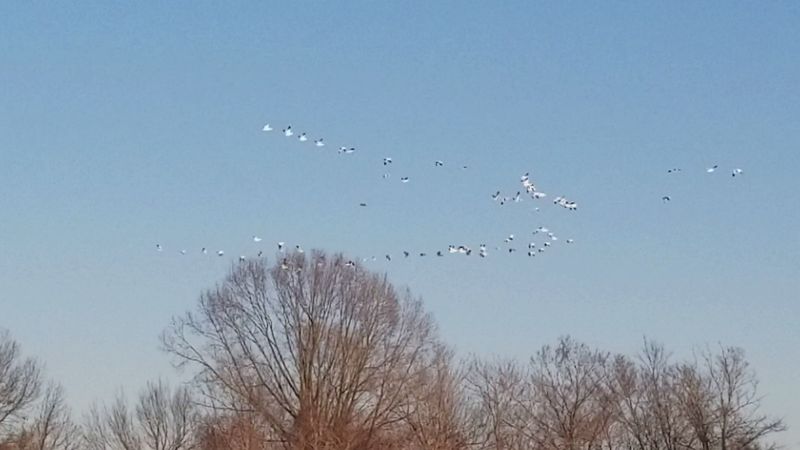
I pulled off a quiet Tennessee highway expecting a boat ramp and maybe a picnic table. What I got instead was a horizon full of ducks, geese circling over flooded farm fields, and a bald eagle sitting in a bare tree like it owned the place.
Nobody took my money at a gate, because there is no gate and no fee. If you have ever wanted a winter morning that feels genuinely wild without spending a cent, this corner of the state delivers.
A River Bottom Refuge West Of Nashville
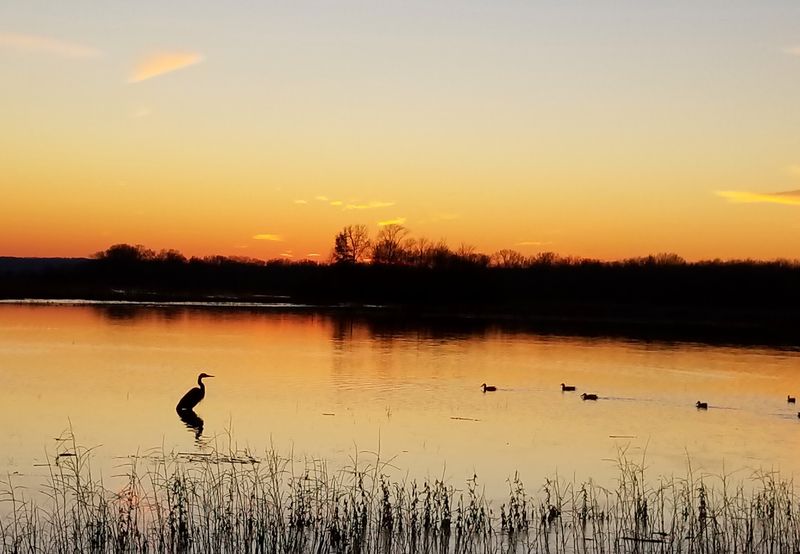
Address first, because it is the kind of place your map app handles better than your memory: 550 Refuge Ln, New Johnsonville, TN 37134. That puts the Duck River Unit of the Tennessee National Wildlife Refuge roughly a two-hour drive west of Nashville, closer to an hour and a half if traffic cooperates on the way out of town.
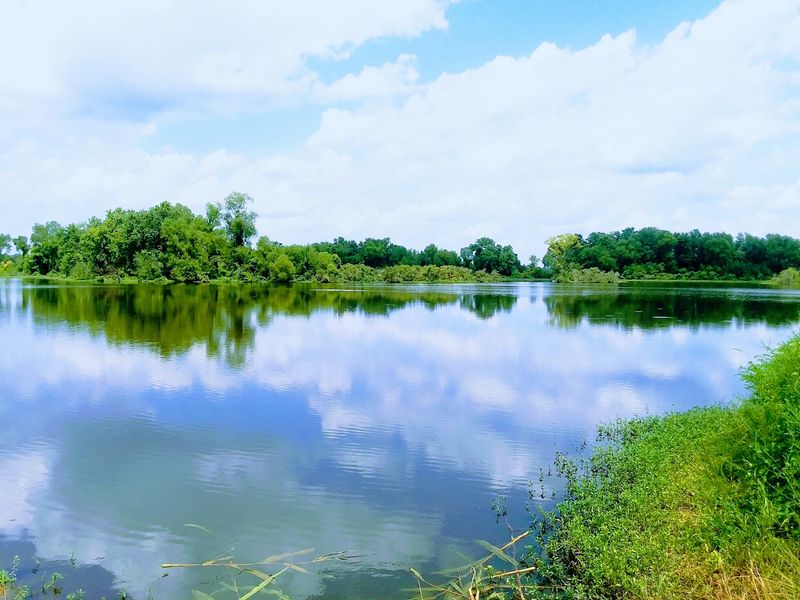
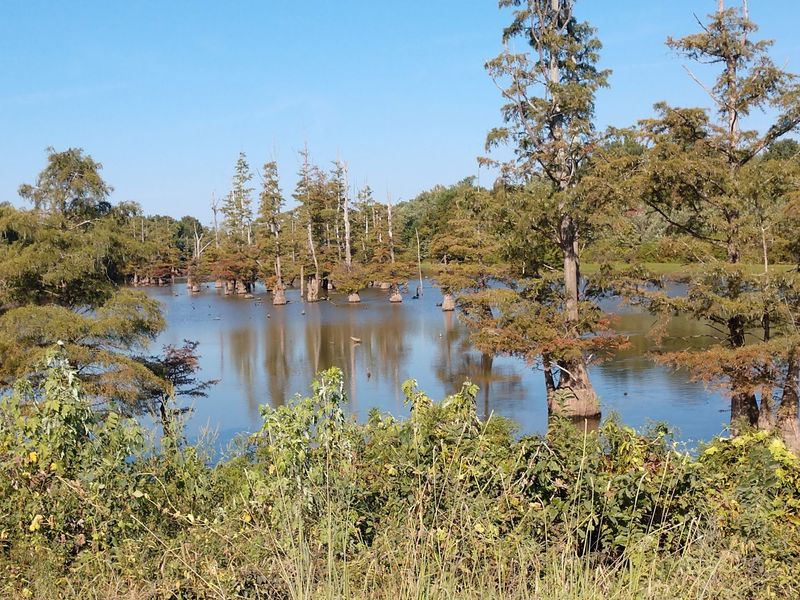
The Duck River Unit is one of three units in a refuge that stretches about 65 miles along the Tennessee River and Kentucky Lake, covering more than 51,000 acres of water, bottomland forest, farmland and wetland.
Managed by the U.S. Fish and Wildlife Service, it exists mainly as a rest stop for birds traveling the Mississippi Flyway.
Hundreds of thousands of wings pass through this corridor every year, and the refuge is where many of them pause to eat and sleep.
What that means for a visitor is simple. You drive in on gravel and dirt roads, park where the pullouts allow, and look.
Admission is free, parking is free, and the 4.7-star reputation across 129 reviews comes almost entirely from people who showed up with binoculars and a thermos.
Why The Mississippi Flyway Made This Spot Matter
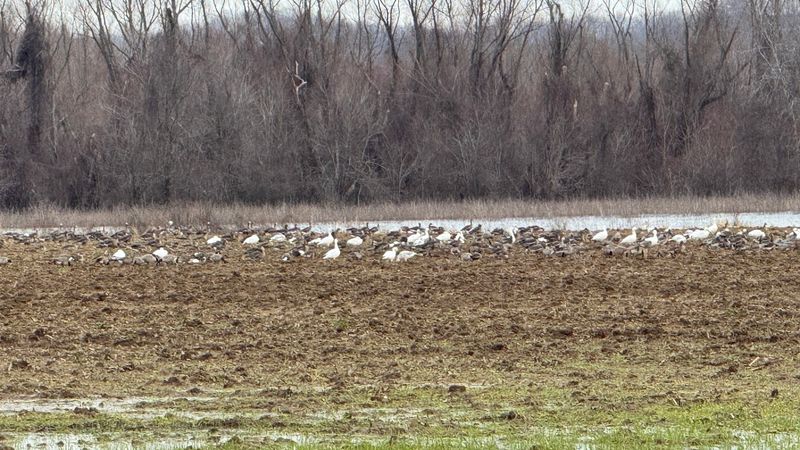
Birds do not choose their stopovers at random. The Mississippi Flyway funnels waterfowl from breeding grounds in Canada and the northern plains down toward the Gulf, and the Tennessee River valley sits squarely inside that corridor with the food and open water migrating flocks need.
When the U.S. Fish and Wildlife Service established this refuge along the river, the goal was practical rather than scenic.
Dams had reshaped the valley, and protected resting habitat became a priority for wintering ducks and geese.
Today the refuge still functions like a working farm with a purpose. Crops such as corn and winter wheat are planted specifically to be left standing for birds, while moist-soil wetlands are managed to grow the seeds and invertebrates waterfowl depend on through winter.
That management is the whole reason the numbers get impressive. A duck flying south burns an enormous amount of energy, and a refuge stocked with grain and shallow water lets it refuel and move on.
Visitors get the payoff without paying for it, which is a rare arrangement in travel. Conservation dollars built the habitat, and the viewing simply comes along with it.
Peak Arrival Runs Late November Through December
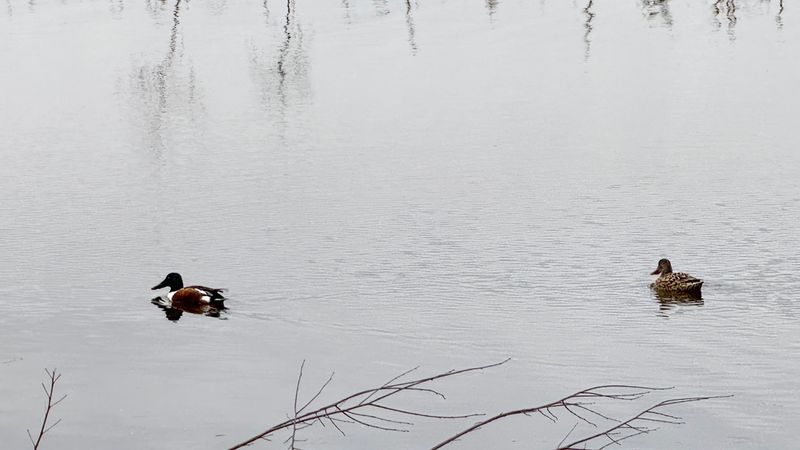
Timing changes everything here. Waterfowl numbers typically start building in late November, and mid-December counts often run two to three times higher than counts taken in mid-November, which is a dramatic difference for the same drive and the same parking spot.
Cold fronts do the work. The first hard freezes to the north, usually arriving late October into early November, push birds southward in waves, so a sharp drop in temperature up in the Midwest often means a busy weekend down here a few days later.
Mallards tend to peak through November, while late-season divers such as canvasbacks and redheads keep pushing through into December. Regulars watch the weather maps more closely than the calendar, and that habit is worth copying.
Mornings generally beat afternoons. One visitor mentioned watching the sun come up over the water, and early light tends to bring both better bird activity and fewer vehicles on the refuge roads.
Spring holds its own, too. Visitors describe spring migration here as some of the best birding in the state, so a February or March trip is far from a wasted one.
Pintail Point Observation Deck
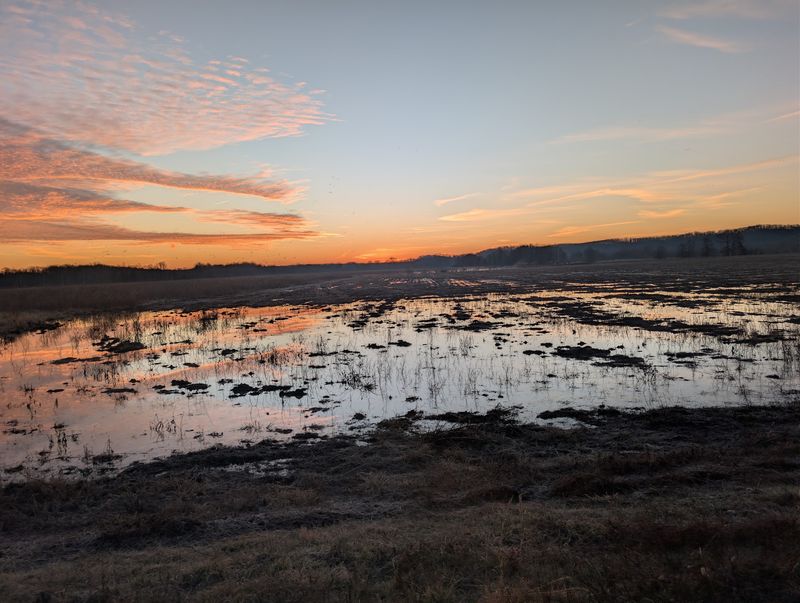
Photographers have a favorite here, and it has a name that fits the subject. The Pintail Point Observation Deck sits in the Duck River Unit and stays open year-round, giving a raised, unobstructed line of sight across water and field where ducks gather.
Elevation matters more than distance when you are watching waterfowl. From a deck you can scan a whole impoundment at once instead of squinting through brush at ground level, and flocks tend to settle in front of you rather than scattering.
Bring the longest lens you own. Several visitors describe the refuge as a strong spot for bird and wildlife photography, and morning light across open water is usually kinder than midday glare.
Patience beats movement. Sit still for twenty minutes and the scene fills back in around you, with ducks drifting closer and herons stalking the shallows as if you were never there.
It also works for people who are not chasing photos. A deck gives kids a place to stand, a railing to steady binoculars against, and a clear view without a long hike, which makes short visits genuinely productive.
The Rookery Island Nobody Expects
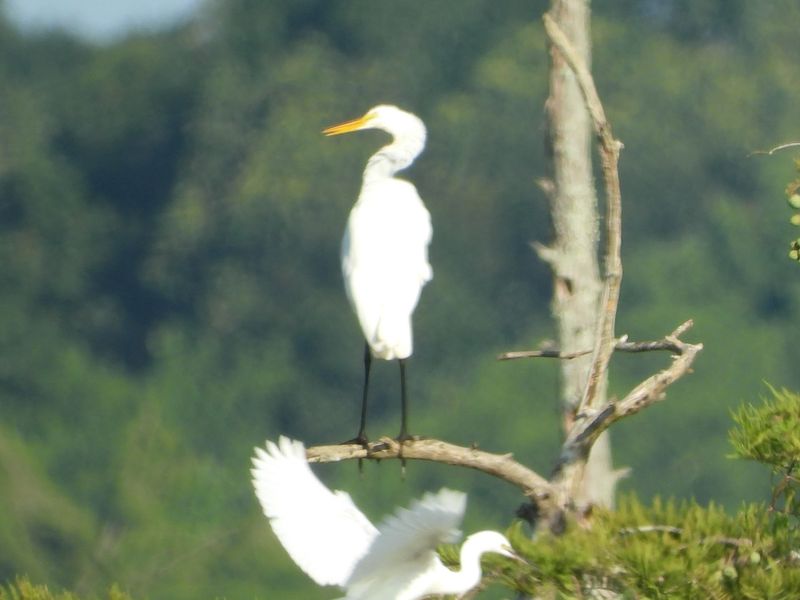
One little island does something outsized. Visitors who have found the rookery describe hundreds of Great Egrets, Great Blue Herons, Cormorants and Cattle Egrets nesting together on a single patch of ground, all squawking and shuffling at once.
It is loud, busy and completely unlike the quiet duck-watching the refuge is known for in winter. Spring is the season for it, and people who have seen it in full swing call it the experience of a lifetime for birders in this state.
Heron rookeries take years to establish, and the sheer size of this one surprises even longtime visitors. One review from years back called it enormous, and that description still fits the way people talk about it.
Kids tend to react well to the chaos. A tree stuffed with white birds is a far easier sell to a seven-year-old than a distant raft of ducks on gray water.
Ask at the refuge or watch the signage for current nesting information before heading out, since active nesting areas can be sensitive and access conditions may shift from one season to the next.
Eagles, Herons And A Long Species List
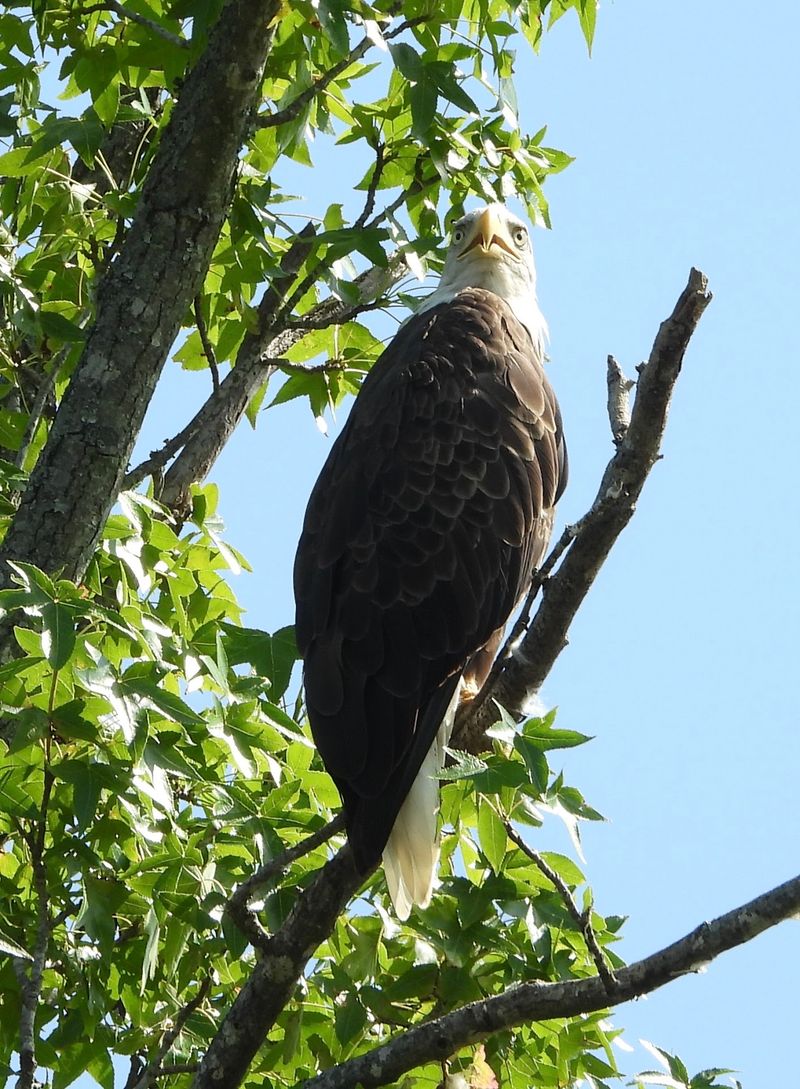
Bald Eagles are the headliner most people remember. They show up regularly here, soaring over the river bottoms or perched in bare trees where visitors report spotting them year after year, sometimes several in a single morning.
The duck list is long and genuinely varied: Mallards, Gadwalls, Green-winged Teal, Northern Pintails, American Black Ducks, Ring-necked Ducks and Canvasbacks all turn up, along with Snow, Ross’s, Canada and Greater White-fronted geese.
Then there is everything else. Visitors mention Osprey, Great Blue Herons, white herons, egrets, cormorants, songbirds, turtles, carp, mullet, deer and the occasional snake sunning itself well off the path.
Even gulls make appearances inland, which catches first-timers off guard on a river hundreds of miles from the coast. One longtime visitor noted seeing them and seemed as surprised as anyone.
Bring a field guide or a bird app, because the variety is the real draw. Ducks by the hundreds get the attention, but the supporting cast is what turns a thirty-minute stop into an unhurried half day of scanning water, trees and fields.
Quiet Roads, Bank Fishing And Seasonal Closures
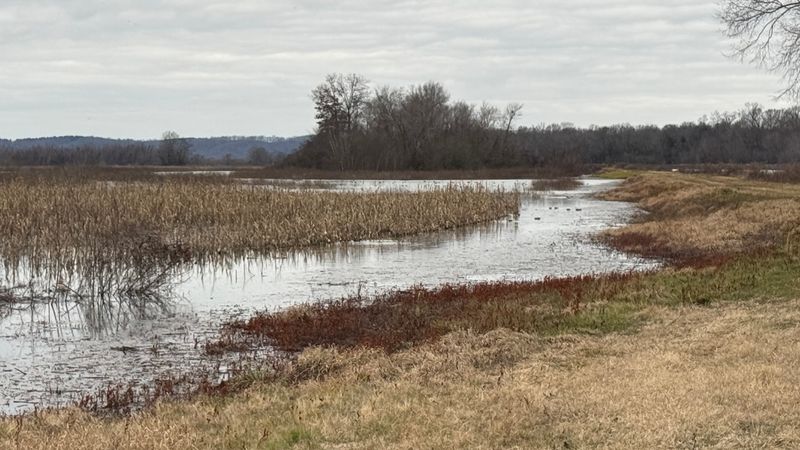
Fishing comes up more than almost anything else in visitor conversation about this unit. Bank fishing is the setup here, and catfish get the most mentions, including one longtime regular who landed a flathead well over forty pounds from shore.
Boat ramps exist, and people use the shoreline for walks and runs as much as for casting. Several folks describe the trails as remarkably empty, which is part of the appeal when you want an unhurried morning outdoors.
Closures are the catch worth understanding before you drive. The Blue Goose Wildlife Drive in the Duck River Unit closes November 15 through March 15 so wintering waterfowl get undisturbed sanctuary, and other refuge roads follow similar seasonal rules.
One visitor arrived hoping to fish a stretch of river road and found it shut, which is a frustrating way to learn the calendar. Check current conditions with the refuge before making the trip if fishing access is your main goal.
The tradeoff is straightforward. Closed roads are exactly why the birds stay put in such numbers, so the restriction that limits one activity is what makes the other spectacular.
What A Visit Actually Costs, Plus Where To Eat
Zero. That is the admission figure, and it applies to the refuge roads, the observation decks and the Visitor Center over at the Big Sandy side near Springville.
One longtime visitor pointed out you can drive through five times in a day without paying anything.
Restrooms are the honest weak spot. Reviewers note there is no facility on site at the Duck River Unit, with a drive of roughly twenty minutes into town needed, so plan stops accordingly with kids or older relatives.
For food, the towns nearby cover it cheaply. In Paris, about seven miles from the refuge Visitor Center, Uncle Billy’s Downtown Eatery serves affordable lunch plates, salads, sandwiches and wraps including smoked pork buttsticks, while Southside Cafe runs a daily Meat and Three and is known locally for catfish.
Closer to New Johnsonville, convenience stops like Little General handle quick hot food such as fried chicken and pizza when you would rather stay near the water.
Confirm hours before you go, since small-town kitchens and refuge access can both shift seasonally. Gas and lunch for two still lands comfortably under thirty dollars.
Who Should Make The Drive
Retirees with a full morning and a good pair of binoculars will get the most out of this place, followed closely by anyone who owns a telephoto lens and never has enough subjects for it. Both groups leave satisfied without spending a dollar.
Families do fine too, with conditions. One parent described bringing children here for years, noting the interpretive signs that explain what you are seeing and how the ecosystem works, and mentioned that those kids kept coming back into their teens.
Peace is the recurring theme in what visitors say. Words like serene, clean and quiet appear again and again, alongside the observation that the trails often feel like your own.
Pack for self-sufficiency: water, snacks, warm layers, a restroom plan and a full tank. Comfort is on you here, which is the usual trade for uncrowded land.
Go in December if ducks are the point, spring if the rookery is. Either way you are getting a genuine wildlife spectacle two hours from Nashville for the price of the drive, and that math is hard to argue with.