
9 Things Not To Do On Nantucket Island, Massachusetts If You Want To Avoid Rookie Mistakes
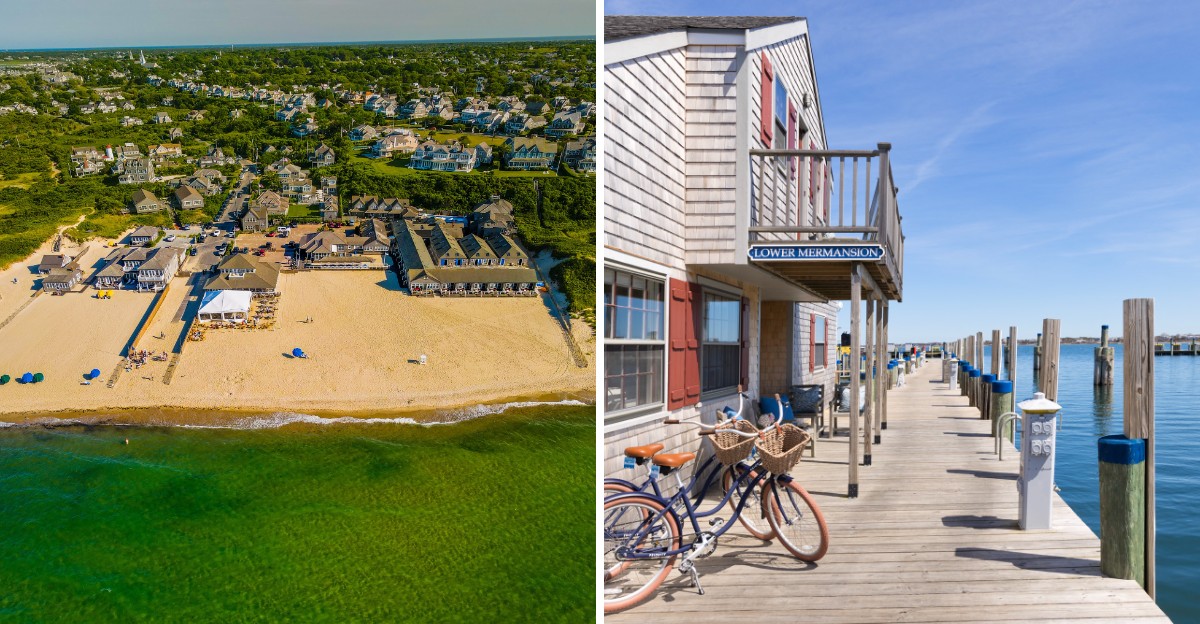
Nantucket can look effortless in photos. The reality gets a little more complicated once ferries, bikes, beaches, reservations, and packed summer streets enter the picture. That is where rookie mistakes happen.
This Massachusetts island rewards a little planning, especially during the busiest months. A late ferry booking can derail the day.
Bringing a car may create more hassle than expected. Even choosing the wrong beach can leave you farther away than you planned.
None of that means Nantucket is difficult to enjoy. It simply helps to know how the island works before you arrive.
A few smart choices can leave more time for cobblestone streets, coastal views, long beach stops, and slow afternoons without constantly checking the clock.
Skip these common mistakes, and your Nantucket trip will feel much smoother from the moment you arrive.
1. Do Not Assume You Need To Bring A Car
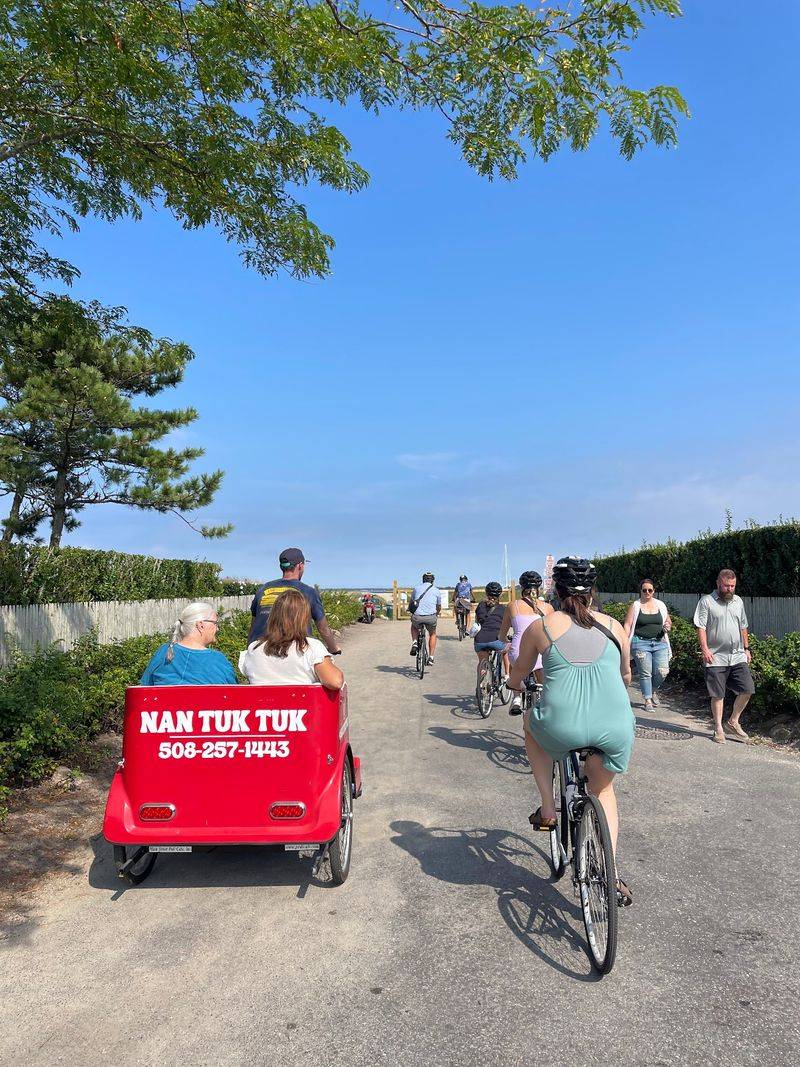
Plenty of visitors arrive convinced a car is essential. On Nantucket, that assumption often creates more problems than it solves.
The island has more than 35 miles of paved bike paths. They connect the historic center with beaches, villages, and quiet country stretches. Riding is often faster than driving during busy weeks.
The WAVE bus system adds another layer of freedom. The island-wide seasonal service runs fixed routes across Nantucket, and it is free throughout 2026. That means no meter hunting and no circling for a parking space.
Bringing a vehicle also means planning around the ferry. Mainland terminal parking, including Hyannis, fills fast in summer and on holiday weekends.
Off-site lots and shuttles are common, which is why arriving at least an hour early is smart. Car-free travel does take a little thought. Pack lighter, since you will carry bags from the boat.
Check bus routes before you commit to a beach far from a stop.
For most short trips, bikes plus the bus cover almost everything worth seeing. Taxis and rideshares fill the gaps on rainy afternoons or late evenings.
Save the car for longer stays, big families, or beach driving plans. Otherwise, leave it on the mainland and let two wheels handle the island. Your budget and your patience will both thank you.
2. Do Not Wait Until The Last Minute To Book A Vehicle Ferry
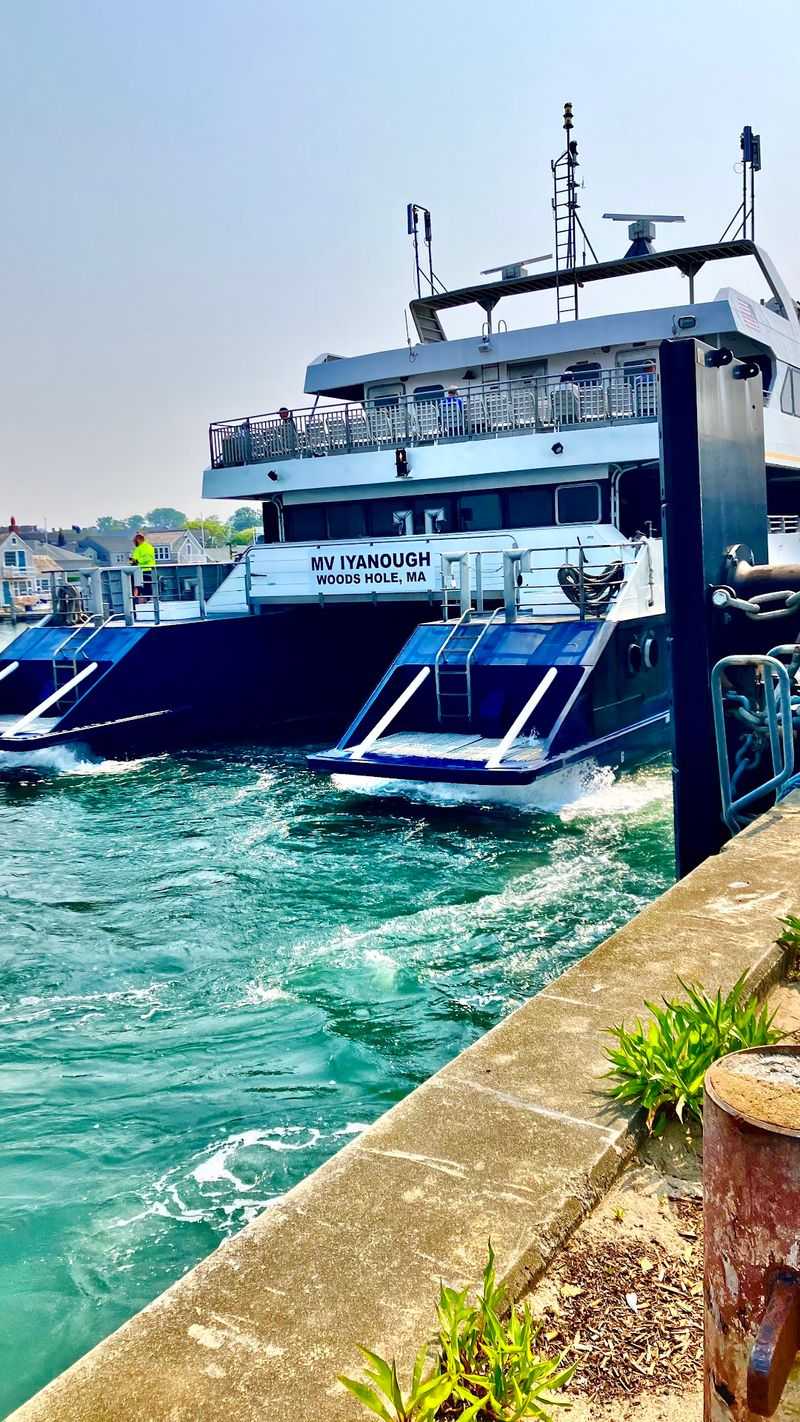
Here is the part that surprises newcomers most. Cars do not simply roll onto a Nantucket ferry whenever they please.
Advance vehicle reservations through the Steamship Authority are required. Summer slots typically open months before the season begins. Popular dates, especially weekends, disappear quickly.
The booking system is online, so there is no excuse for waiting. Pick your dates as soon as your trip is set. Flexibility with sailing times greatly improves your odds.
If your preferred crossing is already full, a waitlist exists. Space opens when other travelers cancel or change plans.
Patience helps, but it is not a guarantee. Standby travel is another option for vehicles. Understand the tradeoff first. Standby means waiting at the terminal with no promise you will sail that day.
Treat the ferry as the anchor of your itinerary. Book the boat first, then the lodging, then everything else. Working backward from a confirmed crossing prevents painful surprises.
Write down your reservation number and arrival time somewhere easy to find. Terminal staff will ask, and fumbling through emails at the gate is no fun.
A little early planning turns the crossing into the calm, scenic start it should be. Salt air, gulls overhead, and Massachusetts shoreline slipping away behind you. That beats refreshing a booking page in a panic.
3. Do Not Treat Every Nantucket Beach The Same
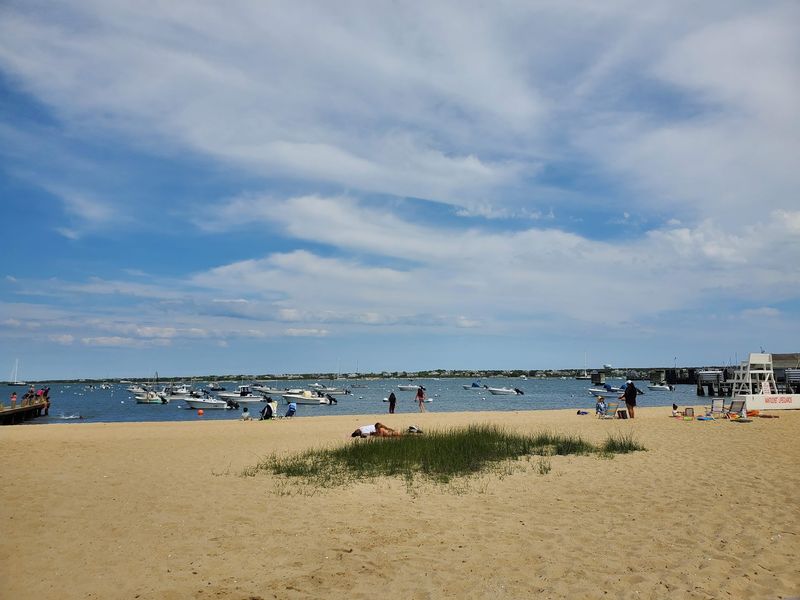
Eighty-two miles of coastline sounds like one long sandy ribbon. In reality, Nantucket beaches behave like completely different personalities.
North shore spots stay calmer and warmer. Children’s Beach, Jetties Beach, Dionis, Steps Beach, and 40th Pole all face sheltered water. Families with small kids gravitate here for good reason.
South shore beaches tell another story. Cisco, Surfside, Nobadeer, Madaket, and Tom Nevers face the open Atlantic. Bigger surf makes them favorites for surfers and confident swimmers.
Facilities vary just as much as the waves. Children’s Beach, Jetties, and Surfside offer amenities like playgrounds, restrooms, and food service. Dionis expects you to bring your own supplies.
Access and parking differ too. Some beaches sit at the end of a bike path. Others require a longer haul or specific vehicle rules.
Madaket earns its reputation for spectacular sunsets. Plan an evening there rather than a midday swim. Bring a sweatshirt, since the west end cools off fast.
The smartest move is matching the beach to your group. Toddlers and body surfers rarely want the same shoreline. Reading conditions before you pack saves a long walk back.
Try two or three across your stay. Comparing calm north water with roaring south swells is one of the island’s simple pleasures. Same island, wildly different afternoons.
4. Do Not Drive Onto The Beach Without Checking The Rules
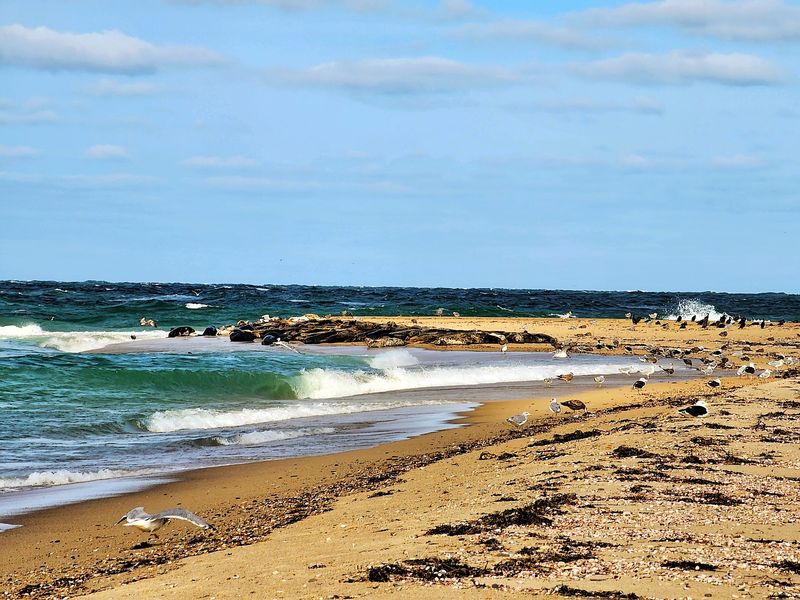
Sand driving looks effortless in photos. The paperwork behind it is where rookies stumble.
Nantucket allows beach driving in specific places, and permits are mandatory. The Town of Nantucket Beach Vehicle Permit covers areas like 40th Pole, Eel Point, Nobadeer, Smith’s Point in Madaket, Cathcart Beach, and Low Beach.
A town permit does not unlock everything. Great Point and the Coskata-Coatue Wildlife Refuge require a separate Trustees Oversand Vehicle Permit.
Showing up with the wrong sticker means turning around.
Access also shifts without much warning. Erosion reshapes the shoreline, and nesting shorebirds get protected space. Crowding can close sections too.
Vehicle type matters more than people expect. Only true 4×4 vehicles are permitted, and all-wheel drive does not qualify, particularly for Great Point. That detail traps many rental drivers.
Air down your tires before hitting sand, generally to 12 to 15 PSI. Lower pressure spreads weight and keeps you moving. Permit stickers must stay clearly visible.
Check current conditions the morning you plan to go. Rules posted last week may already be different. A quick call or website check beats getting stuck.
Done properly, a sand drive to Great Point is unforgettable. Open dunes, seabirds, and a lighthouse at the tip. Done carelessly, it becomes a tow truck story.
5. Do Not Spend Your Entire Visit Around Downtown Nantucket
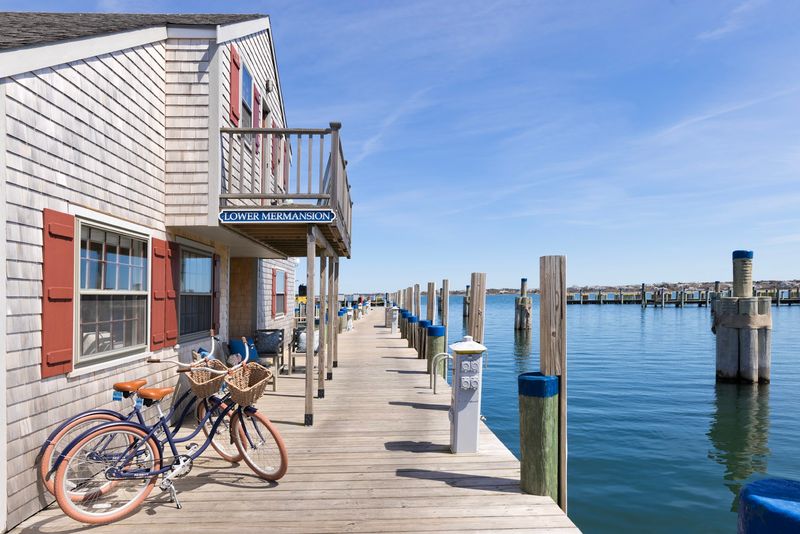
Cobblestones, shingled storefronts, and harbor views make downtown magnetic. Staying there all day, though, means missing the island’s better half.
Siasconset sits on the eastern end, reachable by the Milestone Road Path or the scenic Polpis Road Path. Rose-covered cottages and bluff walks define the village. A railroad once connected it to town.
Madaket anchors the western tip. The Madaket Road Path leads straight there, and the sunsets are legendary. Bring a camera and low expectations for crowds after dark.
Surfside delivers broad sand and rolling waves on the south shore. Swimmers, surfers, and families all find room. The Surfside Road Path makes it an easy ride.
Polpis may be the most underrated stretch of all. Rolling moorlands, working cranberry bogs, and preserved open land create a pastoral mood.
The Nantucket Shipwreck and Lifesaving Museum sits in this area.
Walking trails wind through Polpis moors toward views of Polpis Harbor, a protected spot popular with sailors. Altar Rock, one of the island’s highest points, waits at the end of a dirt path.
Give each area its own block of time. Morning downtown, afternoon in Sconset, evening in Madaket works beautifully.
The quiet corners are where Nantucket stops performing and simply exists. That contrast is the whole point.
6. Do Not Overestimate How Much You Can See On A Day Trip
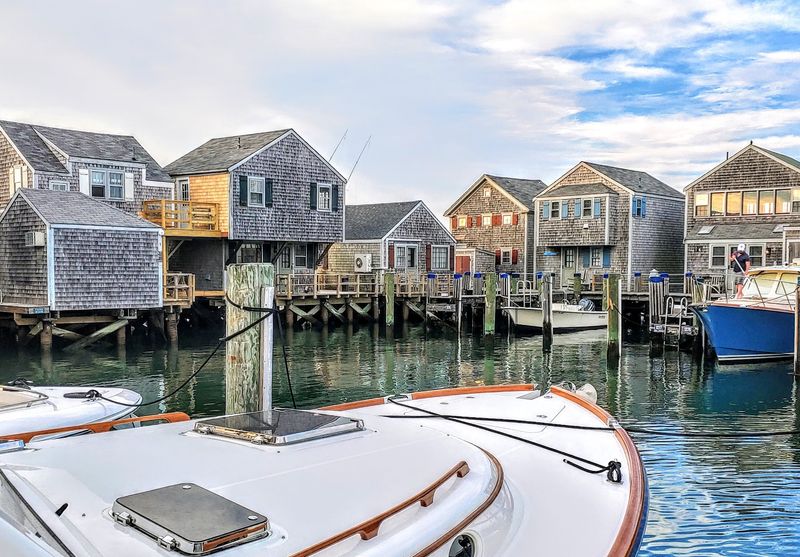
On a map, Nantucket looks like a comma you could cover before lunch. Distances on the ground disagree.
The island stretches roughly 14 miles long and 3 to 5 miles wide. Total area lands near 47.8 square miles. Attractions sit scattered across all of it.
Summer adds another wrinkle. The population swells dramatically in season, sometimes reaching somewhere between 56,000 and 80,000 people. Roads, shops, and bike paths all feel that surge.
Cramming downtown, Siasconset, three beaches, two lighthouses, shopping, and dinner into six hours turns a vacation into a sprint. Nobody remembers a day spent checking boxes.
Pick two areas instead. Explore downtown thoroughly, then ride out to one beach or village. Leave the rest for a future trip.
Factor in transit time honestly. A bike ride to Sconset takes real effort, and the WAVE bus follows a schedule. Build buffer minutes between stops.
Day trippers should also account for the walk from the ferry into town. It is short, but bags and crowds slow things down.
Slower travel suits this place. Sit on a bench near the harbor and watch boats shuffle in.
Massachusetts has plenty of rush-around destinations. Nantucket is not one of them, and the island quietly punishes anyone who tries.
7. Do Not Bike Like You Are On An Empty Vacation Trail
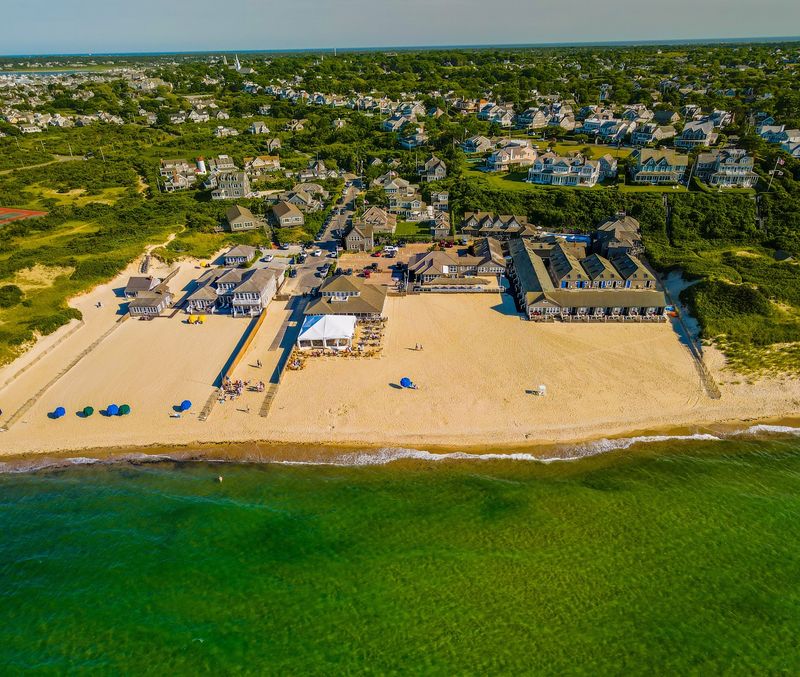
Smooth pavement and ocean breezes tempt riders to fly. Nantucket’s paths are not racetracks.
The island’s 35-plus miles of bike paths are multi-use. Walkers, joggers, small children, and other cyclists all share the same pavement. Speed needs to match the crowd.
Call out before passing. A simple “Passing on the left” prevents most collisions. Slow down at every path crossing, since cars intersect these routes constantly.
Sidewalk riding downtown is prohibited. Use the street or hop off and walk your bike through busy blocks. E-bikes are barred from sidewalks too.
Traffic laws apply to bicycles here. Stop at stop signs and ride the correct direction on one-way streets. Cobblestones will humble you anyway.
Massachusetts law requires helmets for riders under 16. Everyone else should wear one regardless. Sand, gravel, and sudden stops are unforgiving.
Night riding demands lights. A white light in front and a red light in back are required. Island roads get very dark outside town.
E-bike rules have specifics worth knowing. Models capable of under 20 mph are generally allowed on bike paths, while Class 3 e-bikes are excluded from multi-use trails.
Near pedestrians, keep e-bike speed to 5 mph or less.
Ride courteously and the paths feel wonderful. Ride recklessly and you become the reason for new signs. Courtesy costs nothing and keeps everyone rolling.
8. Do Not Assume Summer Plans Will Work Without Reservations
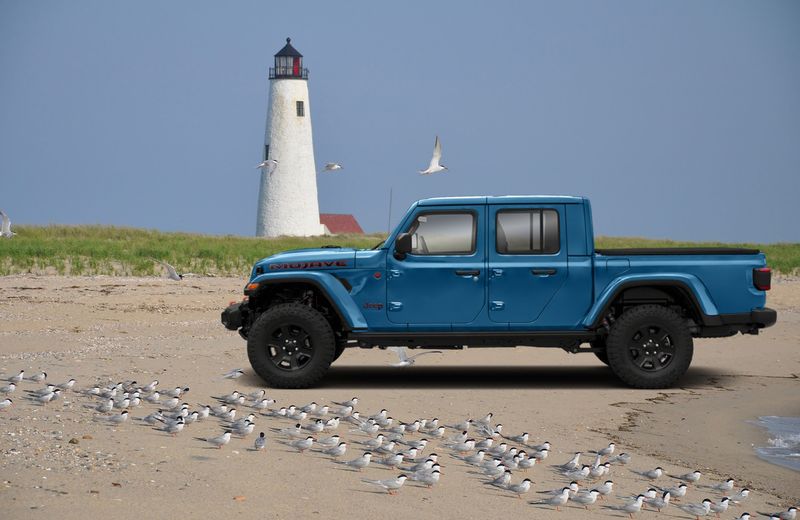
Improvising works beautifully in the off season. July and August are a different animal entirely.
Vehicle ferry reservations are required and should be locked in well ahead, often months before travel. Waiting rarely ends well. Popular sailings simply sell out.
High-speed passenger ferries are technically reservation-recommended rather than required. During holiday weekends and peak July and August sailings, though, booking is close to essential. Capacity limits are real.
Rental vehicles deserve the same urgency. The town advises visitors who need a rental to reserve early. Fleet size on an island is finite.
Here is a helpful detail for beach drivers. Rental companies often supply the necessary beach driving permit with their 4×4 vehicles. Confirm that when you book rather than assuming.
Popular experiences and tours fill quickly too. Anything with limited seats tends to book out during the busiest weeks.
A few clicks in advance prevents disappointment.
Keep confirmations in one folder on your phone. Cell service is fine, but scrambling at a counter is no way to start a vacation.
Shoulder season travelers get more breathing room. Late spring and September offer easier bookings and gentler crowds.
Plan the essentials early, then leave your afternoons loose. Structure the logistics, improvise the fun. That balance is how experienced Nantucket visitors keep summer feeling effortless.
9. Do Not Leave Your Return Trip Too Tight
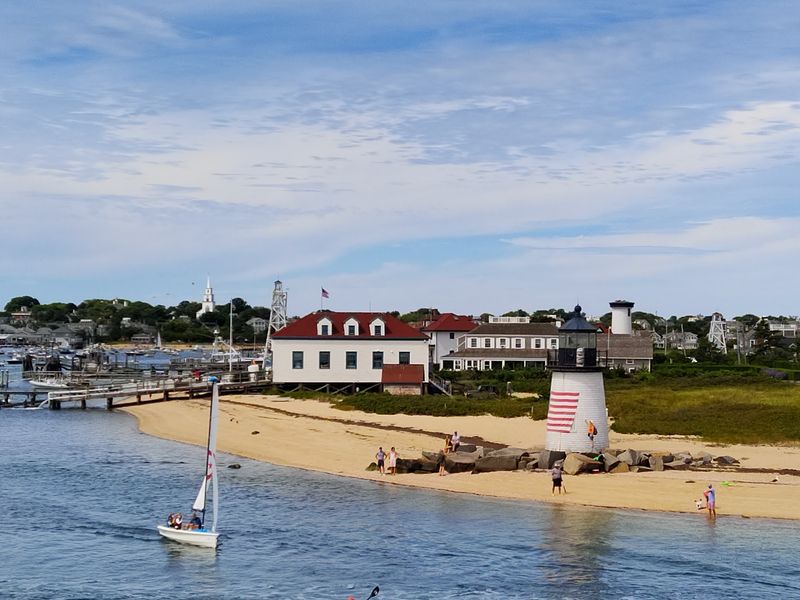
Nothing sours a great day faster than sprinting for a boat. The return trip deserves as much thought as the arrival.
All passengers and vehicles must be at the dock ready to board at least 30 minutes before departure. That is the minimum, not the goal. Cutting it close invites trouble.
During summer, arriving 45 minutes to an hour early is the wiser play. Popular sailings can hit passenger capacity. Being early protects your seat.
Let the ferry schedule shape your final hours. Skip the last-second beach dip or one more shop. Sand in your shoes is not worth a missed boat.
Mainland parking adds another variable. Terminal lots can be limited in high season, with off-site parking and shuttles filling the gap.
Checking real-time parking availability before you head over saves stress.
Build in a snack stop near the terminal instead. Sitting with a coffee and watching boats maneuver beats jogging with luggage.
Families should pad the timeline further. Kids, strollers, and beach gear slow everything down predictably.
Write your departure time somewhere visible the morning of travel. Vacation brain is a genuine phenomenon.
Leaving Nantucket calmly, with the Massachusetts coastline ahead and the island fading behind, is the ending this trip deserves. Give yourself that.