
This Mississippi Forest Is One Of The Top Places To Spot Wild Gators This Fall
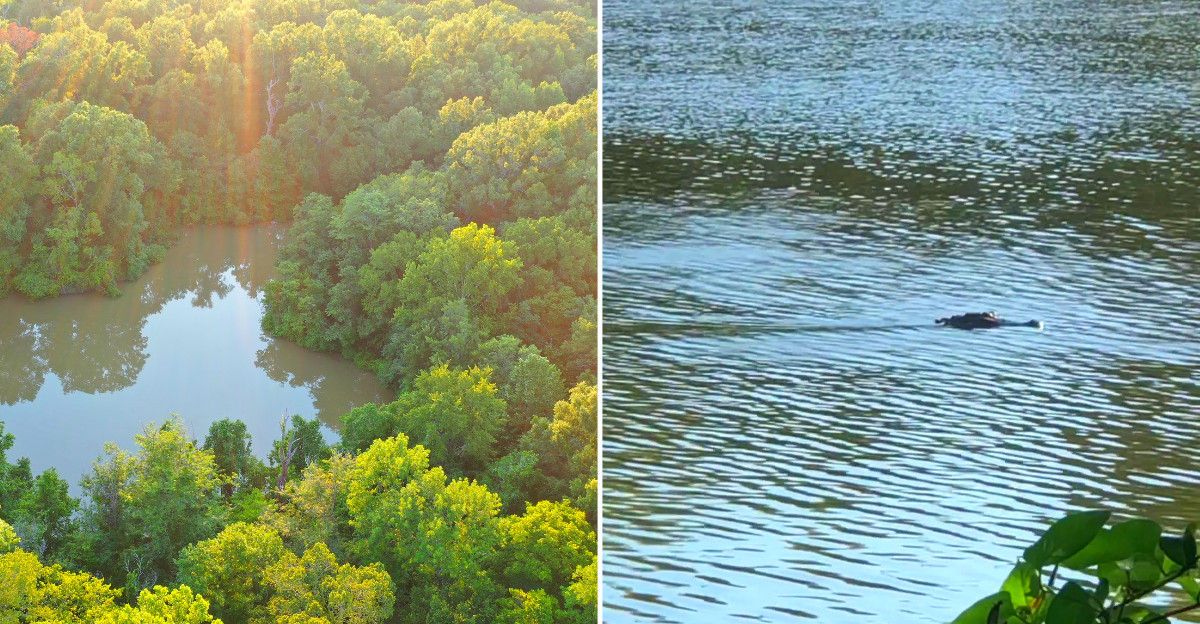
Autumn in the Mississippi Delta brings cooler mornings, quieter water, and alligators that finally feel like sunning themselves where anybody can see them.
There is a sprawling stretch of bottomland forest where cypress trees stand in dark sloughs and wildlife outnumbers people by a wide margin.
Fall is the sweet spot. Bugs fade, waterfowl arrive by the tens of thousands, and gators drift close enough to the surface that spotting one stops requiring patience.
Summer here belongs to the insects and the heat. The season turning is what makes this place accessible, and the window is not especially long.
A Forest Where The Water Keeps Secrets
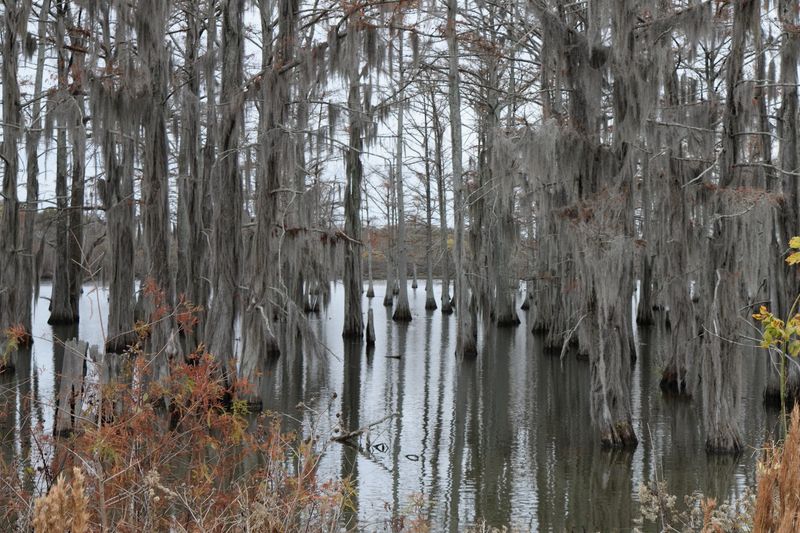
Few landscapes in the South feel as genuinely untamed as the flooded hardwood forests of the Mississippi Delta. Water sits low and glassy between tree trunks. Sound carries strangely, so a single splash can turn your head fast.
Bottomland hardwood forest is the star attraction here, along with cypress and tupelo sloughs and slow bayous that wander rather than rush.
Once this kind of habitat blanketed the lower Mississippi River floodplain. Most of it was cleared long ago, which makes surviving blocks like this one genuinely rare.
Alligators love the setup. Warm shallow water, plenty of cover, and very little foot traffic add up to prime real estate for a reptile that has been around far longer than we have.
Autumn changes the mood completely. Leaves turn rust and butter yellow, mosquitoes lose their enthusiasm, and gators bask on logs while they still can. Cooler weather slows them down, so they hold still longer and become easier to photograph.
Bring binoculars and patience. The forest rewards people who stand quietly and let the swamp reveal itself on its own schedule.
Meet Panther Swamp, Mississippi’s Biggest Refuge
Panther Swamp National Wildlife Refuge carries the crown as the largest refuge in Mississippi, spreading across more than 40,000 acres of Yazoo and Humphreys Counties.
The headquarters address is 12595 Mississippi 149, Louise, MS 39097, which puts you in the heart of Delta farm country.
Established in 1978, the refuge protects roughly 21,000 acres of unbroken bottomland forest. That single block ranks among the largest left anywhere in the region.
It operates as part of the Theodore Roosevelt National Wildlife Refuge Complex, a fitting connection given Roosevelt’s own famous Mississippi hunting trip.
The name Panther Swamp hints at big cats, though the residents you will actually meet are alligators, deer, otters, swamp rabbits, and wild turkeys.
The office keeps weekday hours, open Monday through Friday from 7:30 in the morning until 4 in the afternoon. It stays closed on weekends, so plan paperwork and questions accordingly.
Do not let the office schedule fool you. General access to refuge roads, parking areas, and boat ramps runs daily from 4 a.m. until roughly ninety minutes after sunset, seasonal closures aside.
Why Gators Show Off When Temperatures Drop
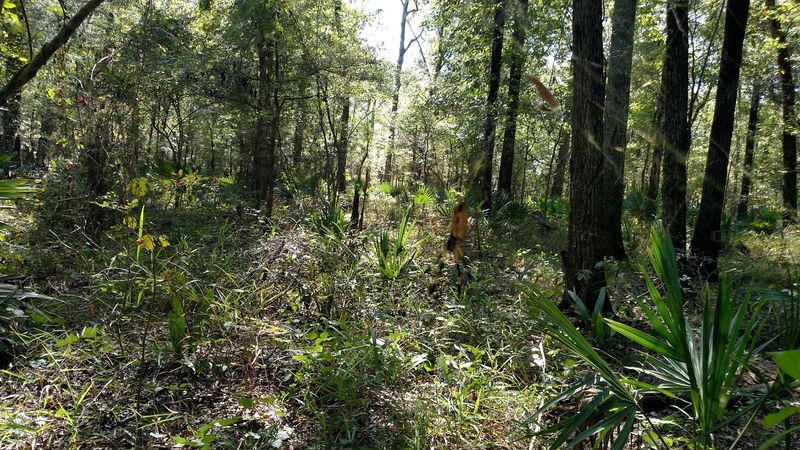
Cold blood runs the show for alligators, and that biology explains their fall behavior perfectly. Since they cannot warm themselves from the inside, they borrow heat from the sun. Crisp mornings push them onto logs, mud banks, and open shorelines.
Summer gators often stay submerged or hidden in thick vegetation during the hottest hours. Autumn flips that pattern.
Mid morning through early afternoon becomes prime basking time, which happens to line up beautifully with comfortable human sightseeing hours.
American alligators are listed among the refuge’s resident species, sharing these waters with otters and swamp rabbits. Sloughs, bayous, and the edges of open water are your best bets for a sighting.
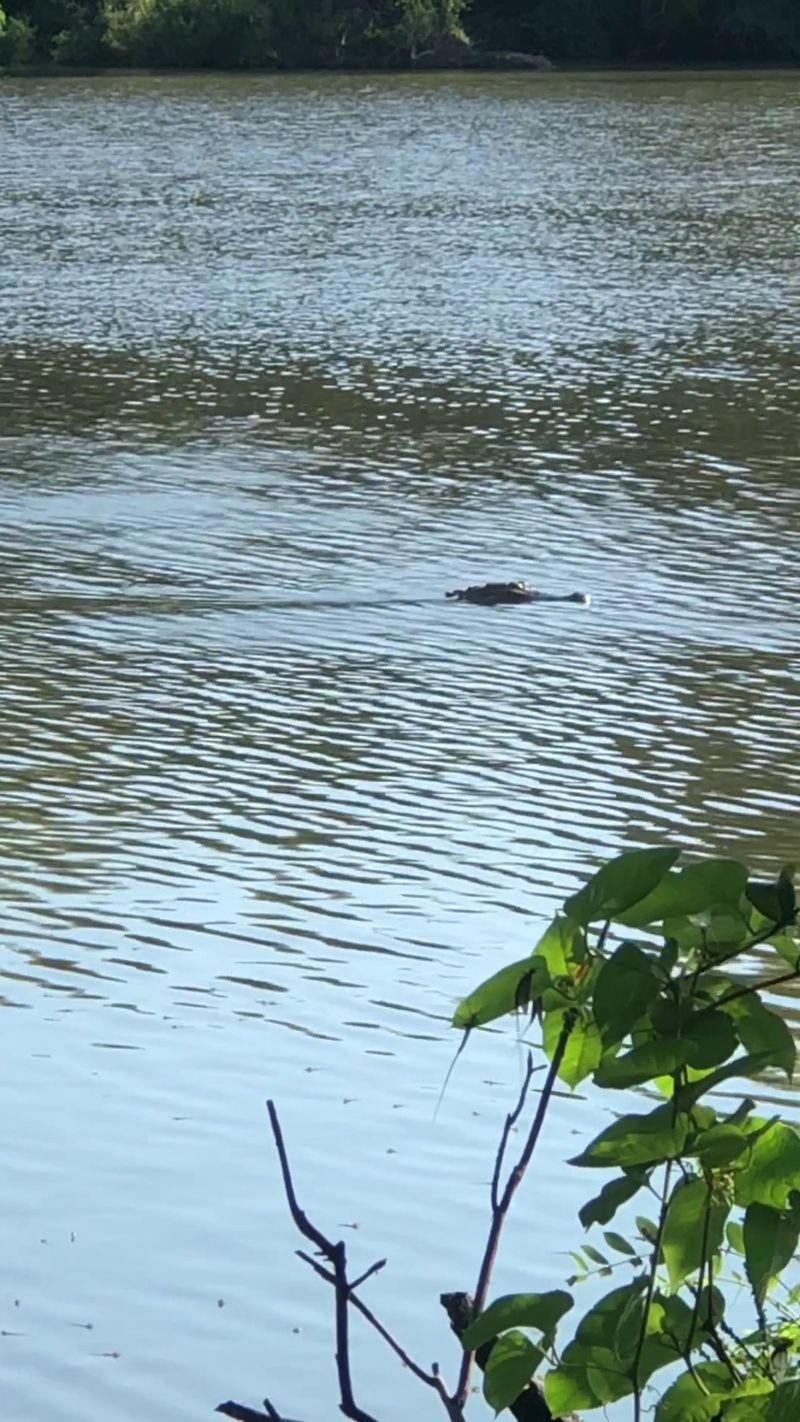
Look for shapes that seem slightly wrong. A floating log with two small bumps near one end is usually eyes. Ripples that move against the breeze deserve a second look too.
Keep a generous distance always. Fifty feet is a reasonable minimum, and a zoom lens beats a brave step forward every single time.
Never feed one. Fed gators lose their natural caution, which ends badly for them and risky for everyone else.
Thirty Miles Of Gravel And Zero Traffic Jams
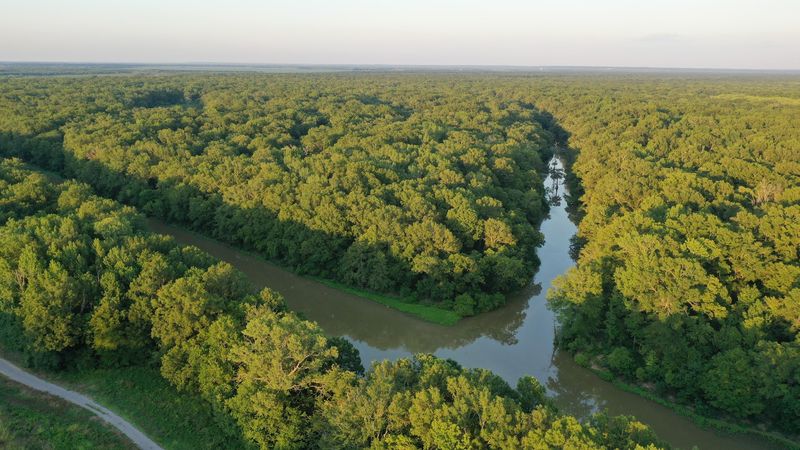
Roughly thirty miles of gravel roads thread through the refuge, open to the public for most of the year. That network is your ticket to reaching remote sloughs without owning a boat.
Driving slowly is the whole strategy. Ten or fifteen miles per hour gives you time to scan ditches and pond edges where gators like to rest. Rolling windows down helps you catch the chorus of frogs and birds.
Road conditions vary with rain and season. A vehicle with decent clearance makes the experience far more pleasant than a low sedan, especially after wet weather. Check current conditions before committing to a long loop.
Areas beyond the gravel are reachable on foot or by small boat. That mix of access styles means you can tailor the trip to your energy level and gear.
Cell service can be thin out here. Download maps ahead of time and tell someone your route.
Pack water, snacks, and a spare layer. Delta mornings can start chilly and warm up quickly, and there are no shops waiting around the next bend.
Boat Ramps At Lake George And Deep Bayou
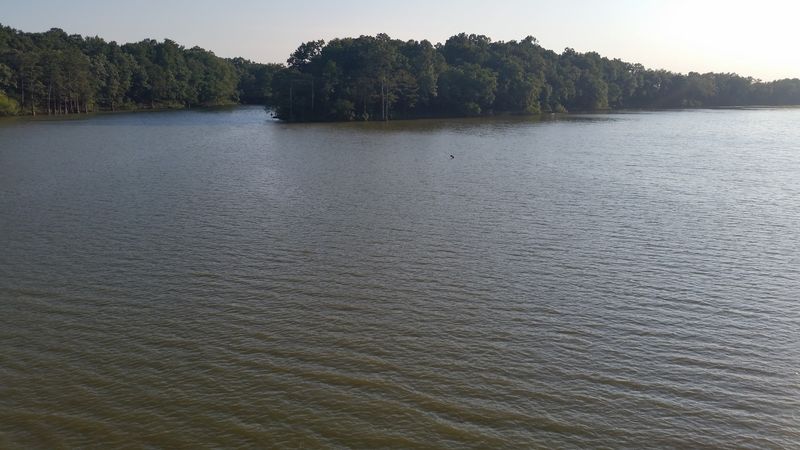
Two public boat ramps open the refuge’s watery half to anyone with a shallow draft craft. One sits on Lake George, the other on Deep Bayou. Both put you inside habitat that roads simply cannot reach.
Water level gives you the best gator viewing angle available. From a low seat you see eyes, snouts, and tail ridges that stay invisible from a road shoulder. Paddling adds silence, which wildlife appreciates.
Go early if you can. Morning air often sits still, the surface turns mirror flat, and reflections of cypress trunks make photographs look almost painted.
Fishing is permitted during regular refuge hours, so a rod earns its space in the boat. Bass, bream, and catfish are the usual Delta suspects in backwater lakes like these.
Keep your distance from basking animals and never crowd a shoreline where one is resting. Give gators an exit route and they will almost always take it.
Life jackets are non negotiable in backwater timber. Submerged stumps hide everywhere, and a slow careful approach protects both your boat and your afternoon.
Waterfowl Arrive By The Hundred Thousand
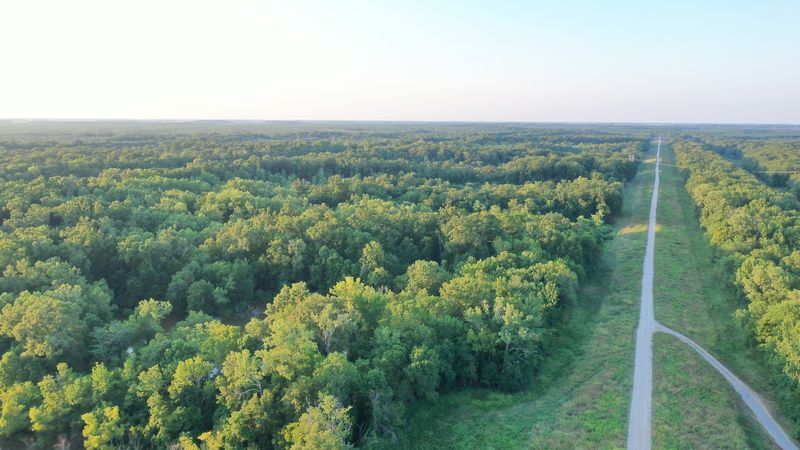
Over 100,000 wintering waterfowl pour into this refuge each year, and fall is when the show begins. Ducks drop into flooded timber in waves. The sound of wings overhead is something you feel as much as hear.
Delta refuges like this one sit along the Mississippi Flyway, a continental highway for migrating birds. Shallow flooded forest offers food and shelter, which is exactly what tired travelers need after long flights south.
Sunrise and sunset deliver the heaviest traffic. Birds move between feeding and resting areas at those hours, so park somewhere with a view of open water and simply watch.
Gator spotting and duck watching pair surprisingly well. Both reward stillness, and both happen around the same shorelines.
Songbirds deserve credit too. The refuge hosts around 200 species of neotropical migratory songbirds, filling the canopy with sound during migration windows.
Bring binoculars with decent light gathering power. Dawn and dusk are dim in the timber, and good glass turns a distant smudge into a clearly marked wood duck.
Deer, Otters, Turkeys And Swamp Rabbits
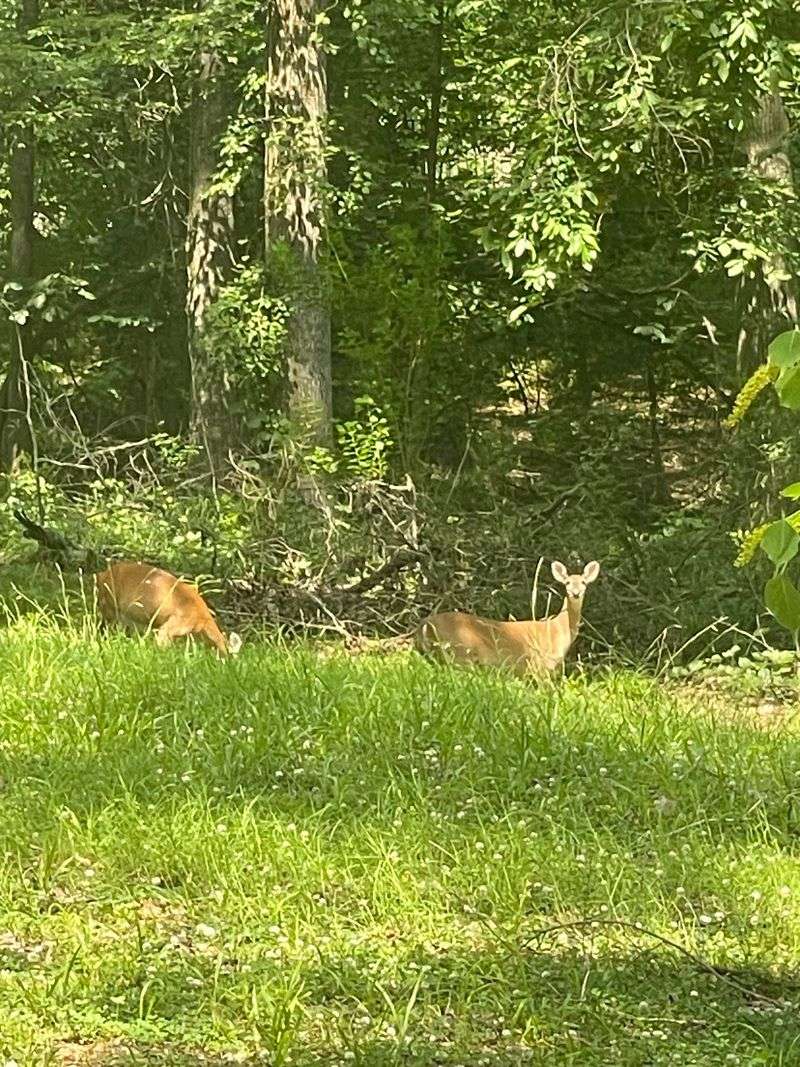
Alligators may headline the trip, but the supporting cast keeps the show interesting. White tailed deer, river otters, swamp rabbits, and wild turkeys all call these bottomlands home.
Otters are the comedians of the group. They travel in loose family units, slide down muddy banks, and pop up with fish in their teeth like they are showing off for an audience.
Deer favor forest edges at dawn and dusk. Bucks grow impressive in habitat this rich, and autumn is when they become most visible.
Swamp rabbits are an odd delight. Unlike their upland cousins, they swim readily and will paddle across a slough without hesitation.
Wild turkeys move through open hardwood floors in small flocks, scratching for acorns. Hearing one before you see it is the norm.
Patience is the one tool that matters most. Pick a spot near water, sit quietly for twenty minutes, and the forest starts behaving normally again.
Keep a wildlife checklist in your pocket. Ticking off species adds a pleasant game element to a long slow day outdoors.
Seasonal Closures Worth Knowing About
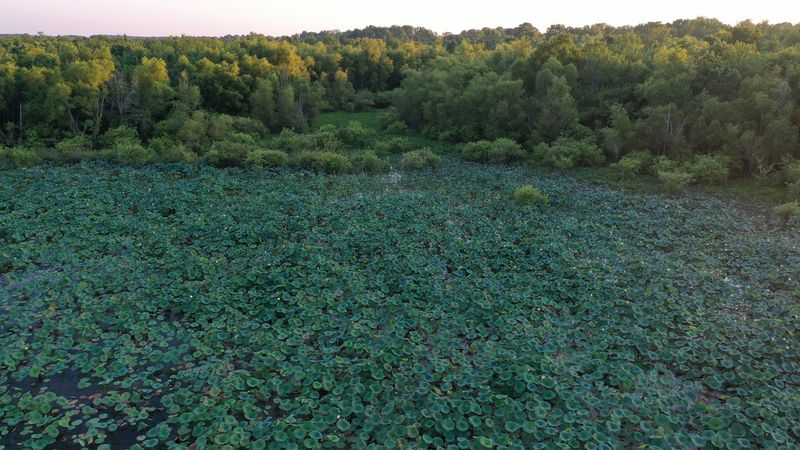
Rules here exist to protect wintering wildlife, and respecting them makes your visit smoother. Certain areas carry seasonal restrictions that catch first time visitors off guard.
Lower Twist and Carter Ponds fall under seasonal prohibitions from December 15 through March 1. Planning your trip in October or November sidesteps that window entirely.
Hunting seasons also shape access across the refuge. Some roads and units close temporarily, so checking the official U.S. Fish and Wildlife Service page before you drive out saves frustration.
Blaze orange is smart during hunting season even if you are only carrying a camera. Visibility protects everyone sharing public land.
General access hours run from 4 a.m. until about an hour and a half past official sunset. Getting caught out after closing is an avoidable headache.
Flooding can alter plans quickly in the Delta. Heavy rain raises water across low roads, and conditions shift faster than maps update.
Read posted signs at every gate and check station. Regulations are clearly marked, and following them keeps this remarkable place open for the next curious traveler.
Packing Smart For A Swamp Day
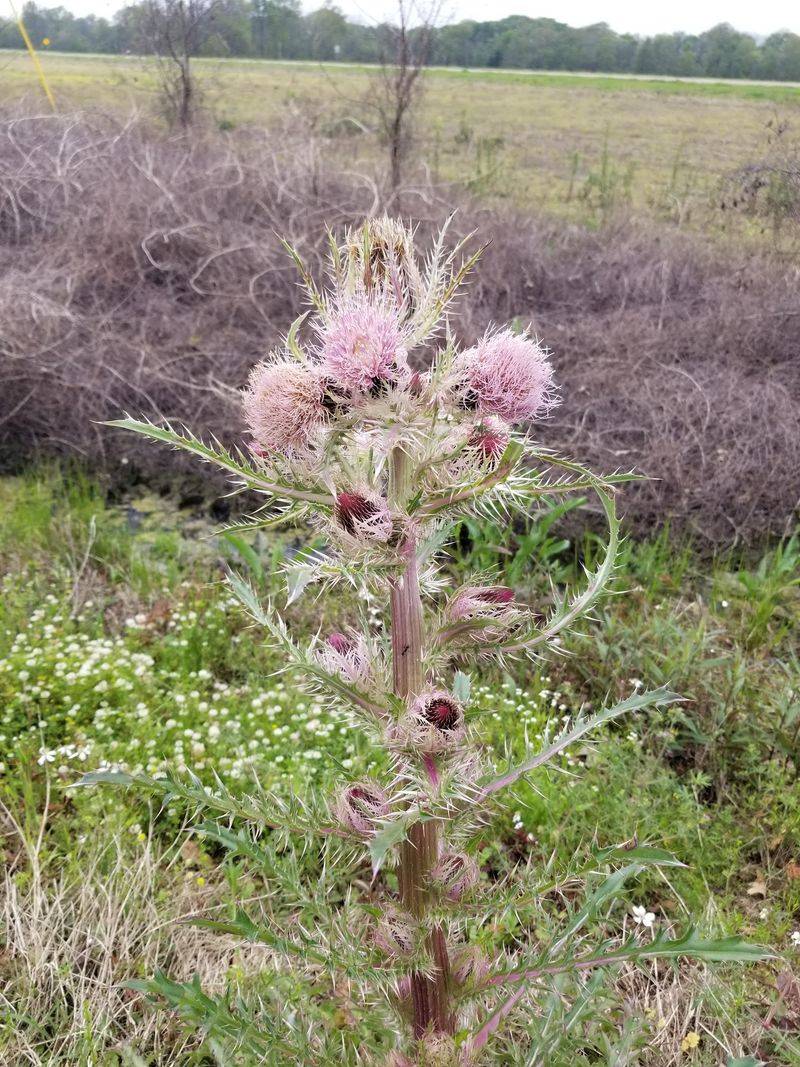
Gear choices make or break a Delta outing, and the swamp does not offer second chances at a gift shop. Rubber boots top the list. Mud here is generous and clings with real commitment.
Long pants and sleeves guard against briars and lingering insects. Fall thins the bug population, though a small bottle of repellent still earns its spot.
Water matters more than people expect in cool weather. Two liters per person is a safe baseline for a full day of walking gravel roads.
Layers handle the temperature swing. Mornings can hover in the forties while afternoons climb into the seventies, all in the same October day.
A paper map deserves space in your bag. Service drops out in the interior, and a printed refuge map beats a spinning loading icon.
Snacks, a first aid kit, and a headlamp round out the essentials. Dusk arrives faster under a hardwood canopy than out on open farmland.
Toss a trash bag in the truck. Carrying out everything you brought keeps the refuge looking the way you found it.
Building A Delta Weekend Around The Refuge
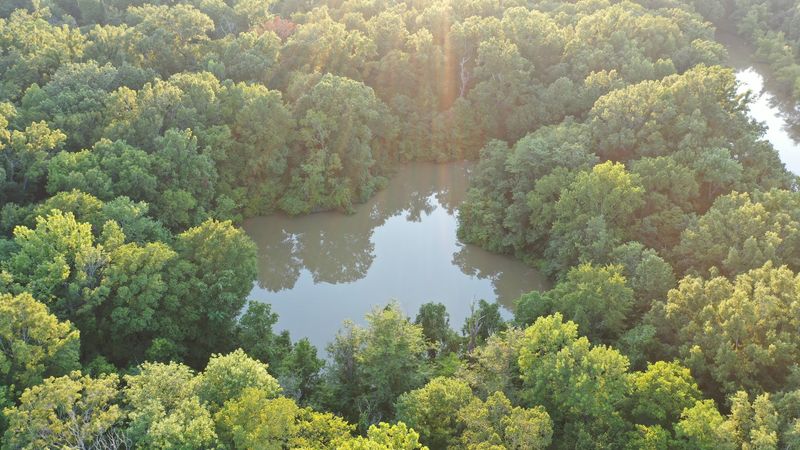
One refuge visit fits neatly into a larger Mississippi Delta road trip. The surrounding countryside is flat, agricultural, and full of small towns where the pace slows to something restorative.
Louise and the nearby community of Holly Bluff anchor the immediate area. Yazoo City lies to the south and offers more services for travelers needing a base.
Highway 149 runs past the refuge headquarters, making the approach straightforward for anyone comfortable with rural two lane driving. Fuel up before heading in. Stations are few once you leave the bigger towns.
Morning gator hunting with a camera pairs well with an afternoon exploring Delta backroads. Cotton fields and grain elevators create a landscape unlike anywhere else in the country.
Fall weather cooperates nicely for this kind of wandering. Humidity drops, skies clear, and long golden evenings stretch out on the drive home.
Give yourself two days if possible. Rushing a place this large means missing the quiet moments where wildlife finally relaxes and shows up.
Leave room for detours. The Delta rewards travelers who take the slower road.