
11 Quiet Nevada Towns Where Retirees Say A Fixed Income Still Stretches Far
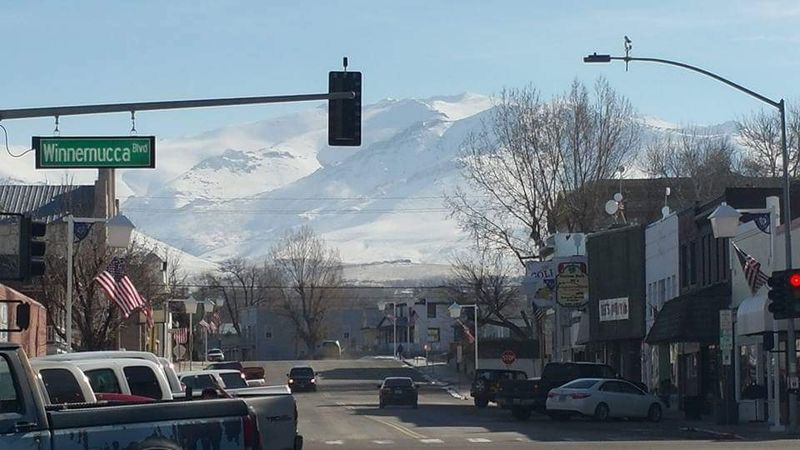
A wrong turn off a Nevada highway once cost me three extra hours, and I have never regretted a detour more. The gas station coffee was fifty cents, the woman at the counter knew everyone who walked in, and the whole downtown could be walked in ten minutes.
That kind of place still exists across the Silver State, and plenty of them happen to be where retirement checks go further than they do in Reno or Las Vegas. Below are 11 quiet Nevada towns worth a slow drive and a longer look, with the practical details that actually matter when income is fixed.
1. Ely
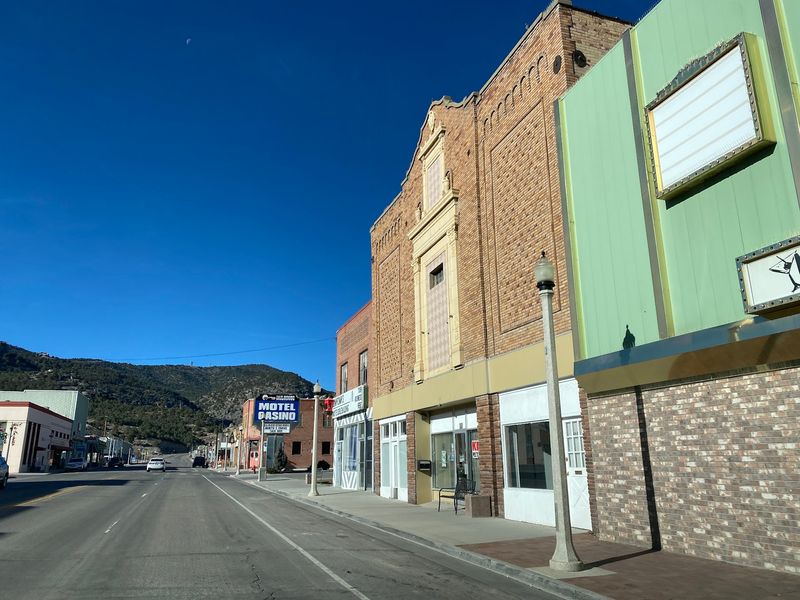
Sitting high in eastern Nevada’s basin and range country, Ely serves as the county seat of White Pine County and carries the weight of that role with roughly 4,000 residents. The main street still looks like the mid-century photographs of it, with low brick buildings and parking spaces that are almost never full.
Elevation is the thing newcomers notice first. Summers stay milder than the southern Nevada furnace, and winters bring real snow, which means budgeting for heating rather than round-the-clock cooling.
Retirees who land here tend to talk about space more than savings, though the savings are part of the appeal. Housing in remote White Pine County has historically run well under what the same square footage costs along the Reno or Las Vegas corridors, and a modest monthly grocery-and-gas routine goes further when there is nowhere expensive to drift toward.
Great Basin National Park sits within reasonable driving distance, so stargazing and cool alpine air become weekend habits rather than vacations.
One honest caveat: Ely is genuinely remote, and specialist medical appointments often mean a long highway day. Confirm services and prices before committing to a move.
2. Pahrump
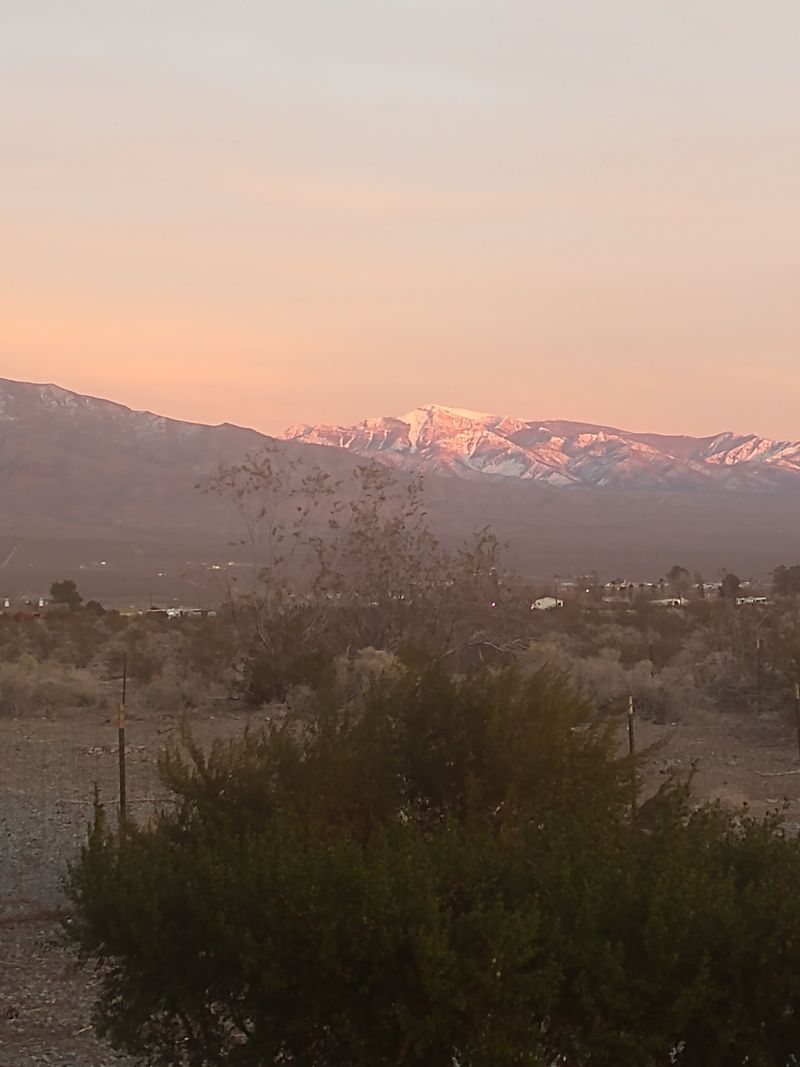
Roughly an hour west of Las Vegas, past the mountains and into a broad desert basin, the houses stop stacking up against each other. Pahrump is unincorporated Nye County living, which in practice means large lots, long driveways, and neighbors you can see but not hear.
The math here is what draws attention. Low-density rural land has historically kept property costs below Clark County averages, and Nevada charges no state income tax, so Social Security, pension, and retirement account withdrawals are not trimmed at the state level.
A substantial share of the population is over 65, which shapes daily life in small practical ways. Errands happen at a reasonable pace, and there is a genuine sense that the calendar belongs to whoever is holding it.
Groceries, clinics, hardware, and fuel are all available in town. For serious specialist care or a major airport, Las Vegas is the destination, and that drive becomes a routine part of the budget.
Winter days here are among the kindest in the state. Confirm current housing figures and service availability locally, since rural Nevada numbers shift.
3. Winnemucca
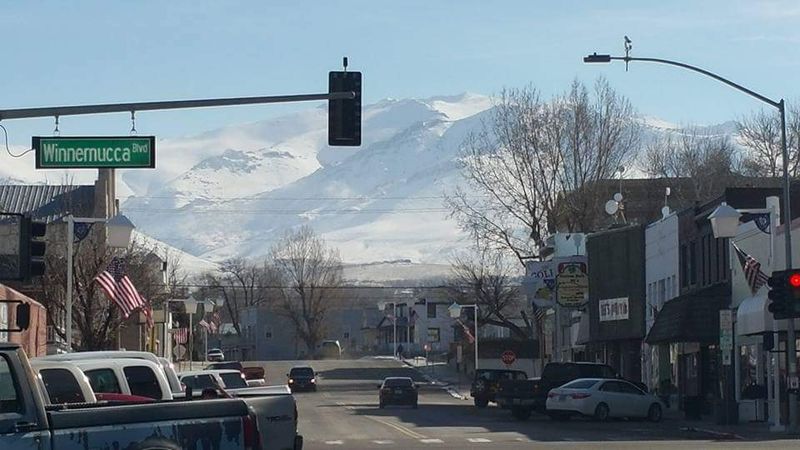
Eight thousand people, one compact downtown, and the Humboldt River running quietly through northern Nevada. Winnemucca has been a crossroads since wagon days, and that history shows in a walkable core of brick storefronts rather than strip-mall sprawl.
What makes it practical for fixed incomes is the combination of small-town housing costs and genuine town services. Groceries, a hospital, banks, and hardware are all present, which is not a given in rural Nevada.
Basque ranching families shaped the culture here, and that heritage still surfaces in local restaurants where a family-style meal feeds more people than expected for the money. The cooking is generous and plain in the best sense.
Outdoor time costs almost nothing. Water Canyon offers hiking and picnic ground just minutes from town, and the surrounding sand dunes and hills swallow entire afternoons for the price of gas.
Interstate 80 runs right past, which means Reno is reachable in a long morning without living in Reno prices. Seasonal hours vary in small towns, so it is wise to call ahead before planning a full day.
4. Yerington
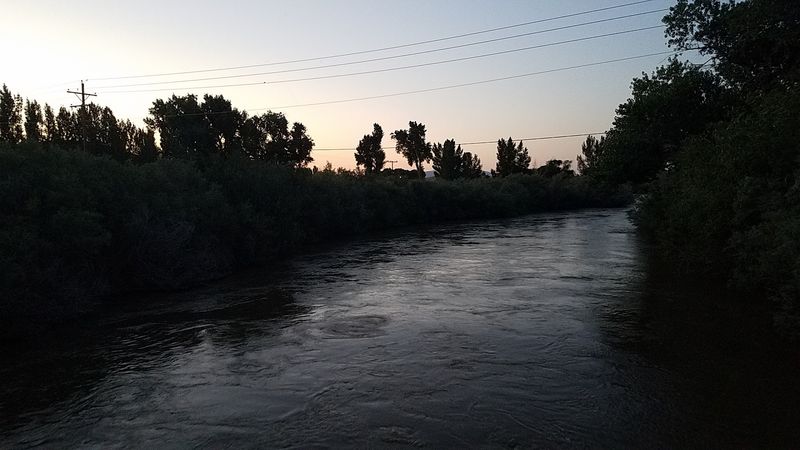
Alfalfa fields, irrigation ditches, and cottonwoods along the Walker River make Mason Valley feel greener than most people expect of Nevada. Yerington sits in the middle of it with about 3,100 residents and an agricultural rhythm that has not changed much in decades.
Housing tends to come in the form of modest single-story homes with actual yards, and rural western Nevada pricing has historically stayed below the Reno-Sparks market by a meaningful margin. For anyone selling in a pricier state, that difference can fund years of comfortable living.
Culture is small-scale but real. The local theatre for the arts hosts community performances, and the Lyon County Museum covers regional history at little or no cost, which suits a budget that does not include season tickets.
Birdwatchers do especially well. Nearby wildlife areas along the river draw migrating flocks, and a folding chair plus binoculars is the entire equipment list.
Reno is roughly an hour and a half northwest for medical specialists and major shopping. Verify current rents and home prices directly, since small-market listings move quickly and thinly.
5. Fallon
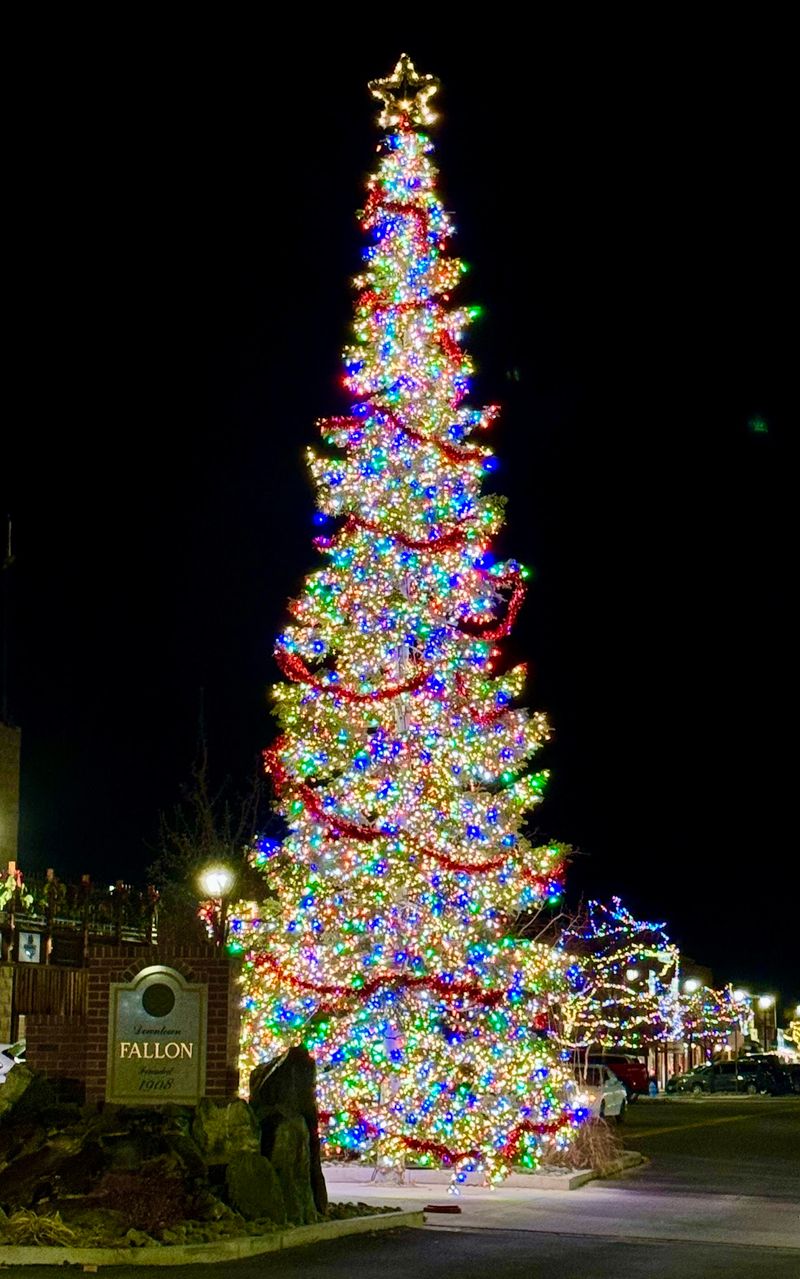
They call it the Oasis of Nevada, and the nickname is earned. Irrigation from the Carson River turned this stretch of Churchill County into working farmland, and Fallon’s roughly 9,300 residents live surrounded by melon fields and hay barns rather than open sagebrush.
For retirees watching every dollar, the appeal is straightforward. Farm-town Nevada housing has generally priced below the Reno metro, the state collects no income tax on retirement money, and produce stands in late summer make a grocery run cheaper and considerably better tasting.
Downtown keeps a traditional shape with locally owned businesses, a county museum, and diners where breakfast still costs single digits in plenty of cases. Confirm prices before you count on it.
A hospital and full retail services in town mean fewer long drives for everyday needs, which quietly protects a fixed budget from fuel costs.
Reno sits about an hour west on Highway 50, close enough for airport trips and specialty appointments without the metro cost of living. Lahontan Reservoir, a short drive away, handles fishing and picnicking for the price of a day-use fee.
6. Boulder City
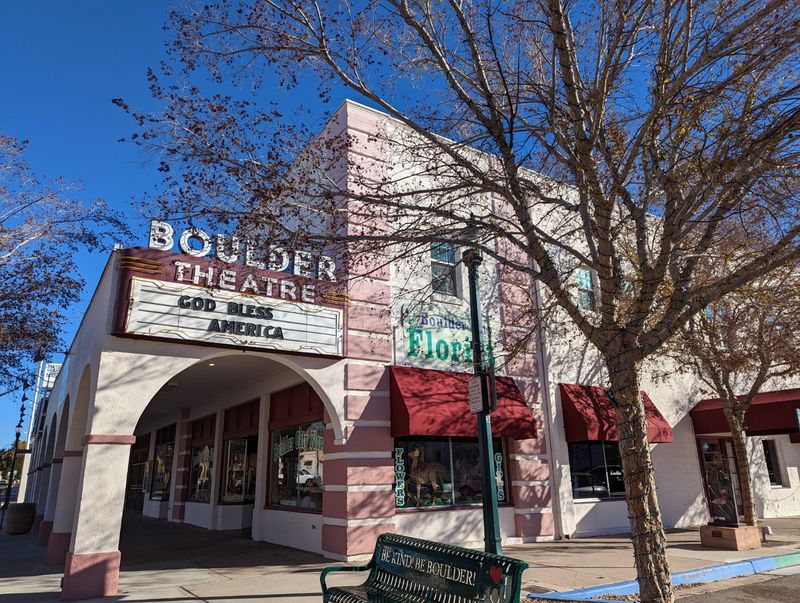
No commercial gambling. That single ordinance, held since the town was built in the 1930s for Hoover Dam workers, explains most of what makes Boulder City feel different from the rest of Clark County.
Strict residential growth limits keep the scale small and the streets shaded, and the historic downtown has the kind of walkable sidewalks and small shops that disappeared elsewhere. Retirement communities cluster here for good reason.
Housing costs more than in Nevada’s remote interior, and that is worth saying plainly. What offsets it is recurring expense: no state income tax on Social Security, pensions, or retirement withdrawals, plus a compact town where daily errands take very little driving.
Lake Mead National Recreation Area is essentially the backyard. Shoreline access, the River Mountains Loop Trail, and paved paths built on old railroad grades cost almost nothing to use once you are there.
Las Vegas hospitals and the airport are under an hour away, which solves the medical-access problem that troubles more isolated towns. Check current park fees and downtown business hours, as both shift with the season.
7. Caliente
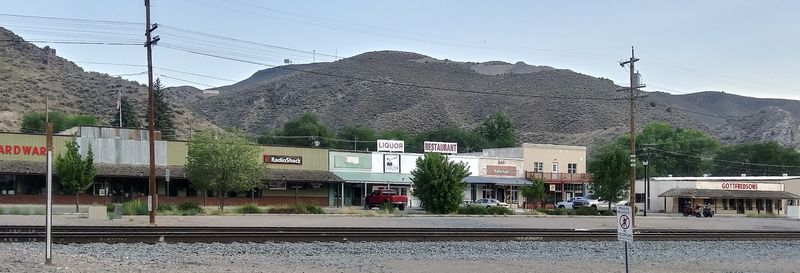
About a thousand people live in Caliente, which makes it one of the quietest incorporated towns in the entire state. The Meadow Valley Wash runs through it, hemmed by red rock and cottonwoods, and the old Spanish-style railroad depot still anchors the center of things.
Quiet at this scale translates directly into cost. Eastern Nevada housing in Lincoln County has long been among the most affordable in the state, and there is simply very little in town designed to separate a person from their money.
Hot springs gave the place its name, and the surrounding canyon country holds several state parks within a short drive. Day-use fees are modest, and a cooler packed at home turns a park visit into an all-day outing for almost nothing.
Services are limited by design and geography. Groceries and fuel are available, but larger medical needs mean driving toward Las Vegas, roughly two and a half hours south.
Anyone seriously considering it should spend a week here first, in an off-season month, and confirm what is open year-round.
8. Tonopah
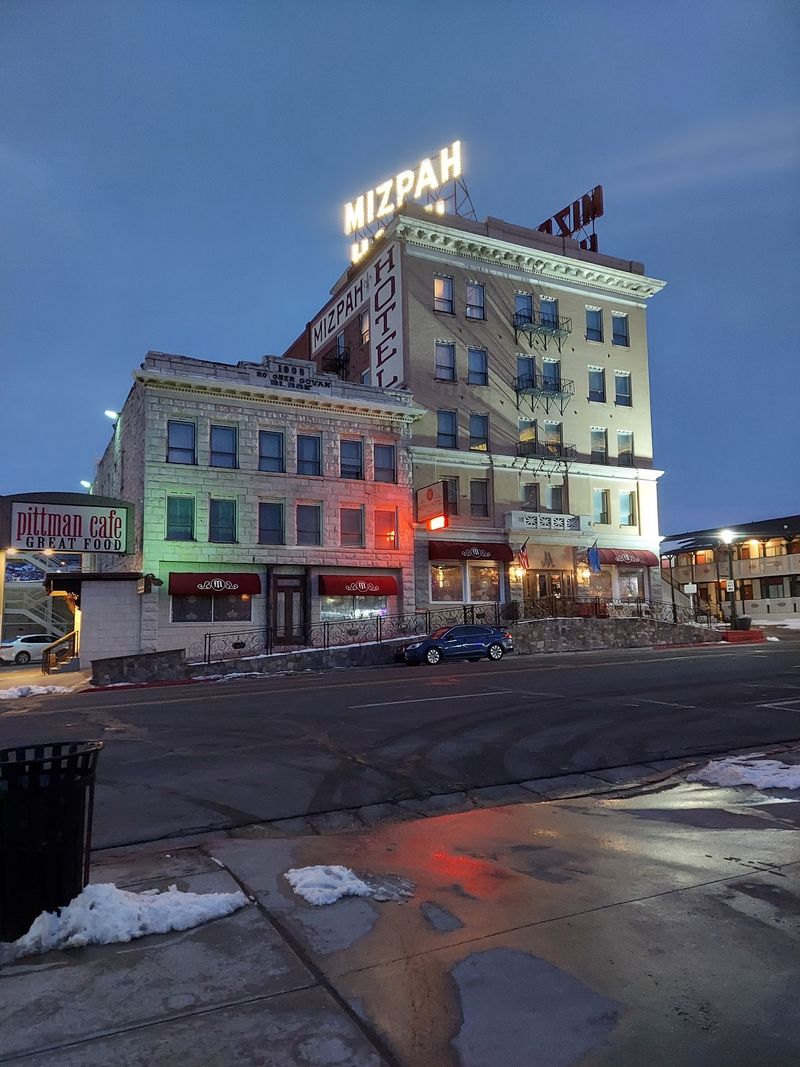
Step outside in Tonopah after sunset and the sky does something most Americans have never actually seen. Central Nevada’s isolation, elevation, and near-total lack of light pollution have made this roughly 2,200-person town one of the recognized dark-sky destinations in the country.
Mining built the place in the early 1900s, and the old brick buildings along the main highway still carry that era’s ambition. A historic mining park on the hillside above town explains how it all worked.
Affordability comes from the same thing that creates the dark skies: distance. Homes in Nye County’s high desert have historically listed far below metro Nevada, and everyday life here involves very few optional expenses.
Halfway between Reno and Las Vegas on Highway 95, Tonopah works as a base for people who want to be reachable but not surrounded. Grandchildren tend to remember the stars more than any theme park.
Groceries, fuel, lodging, and a small hospital operate in town. Specialist care means a long drive either direction, so factor fuel and overnight costs into the budget honestly.
9. Hawthorne
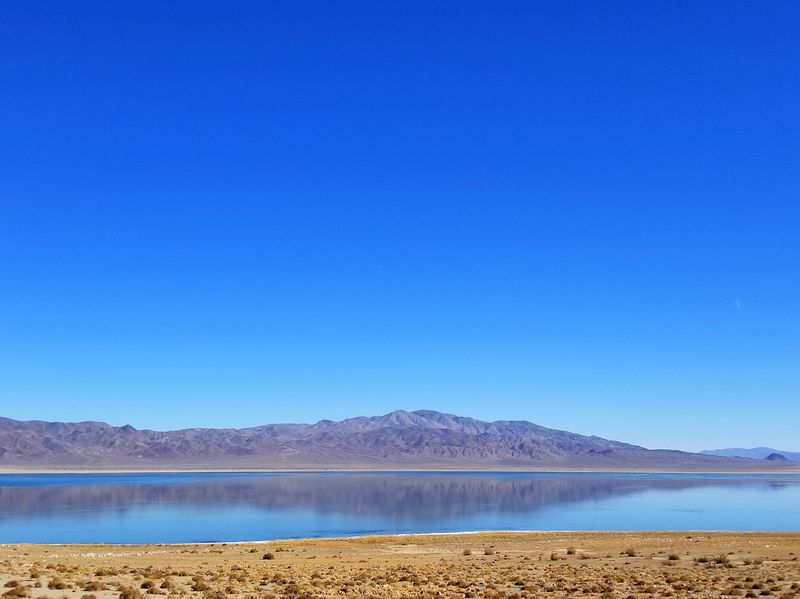
Walker Lake stretches blue and improbable against bare desert mountains just north of town, and that view alone reorders expectations about Mineral County. Hawthorne holds around 3,000 residents in a wide basin where nothing feels crowded.
Shoreline access along the lake is free or close to it, and a lawn chair on that gravel beach in the morning is one of the better bargains in Nevada. Fishing conditions vary with water levels, so check locally first.
Housing is where the budget math gets interesting. Small-population desert towns in this part of the state have consistently ranked among Nevada’s least expensive markets, and modest older homes often trade for a fraction of Reno prices.
The town runs on federal installation employment and highway traffic, which keeps basic services steady: grocery, fuel, clinic, hardware, cafes. A small local museum covers regional history for a nominal donation.
Reno is about two and a half hours northwest, Las Vegas considerably farther. For retirees who want lake views, low overhead, and very little noise, the tradeoff of distance may feel entirely reasonable.
10. Lovelock
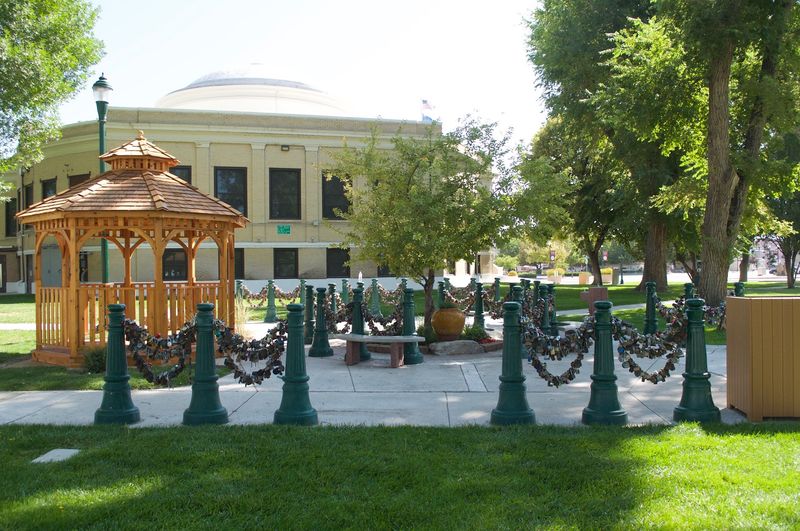
Nevada has exactly one round courthouse, and it stands on a shaded lawn in Lovelock. Built in 1919, the Pershing County building gives this town of roughly 1,800 a center that feels more like a village green than a rural county seat.
Costs here run low even by rural Nevada standards. Housing in Pershing County has been among the most affordable in the state, and monthly living expenses reflect a place with a single small commercial strip rather than competing shopping districts.
The courthouse plaza hosts the town’s padlock tradition, where couples fasten a lock to a chain and leave it there. It costs almost nothing and has quietly become the thing visitors remember.
Marzen House Museum tells the agricultural and ranching story of the Humboldt Valley, and admission is typically free or donation-based. Rye Patch State Recreation Area sits a short drive north for camping, fishing, and swimming on a modest day-use fee.
Interstate 80 keeps Reno within about two hours. Small-town hours change with the season, so confirm before you drive out.
11. Mesquite
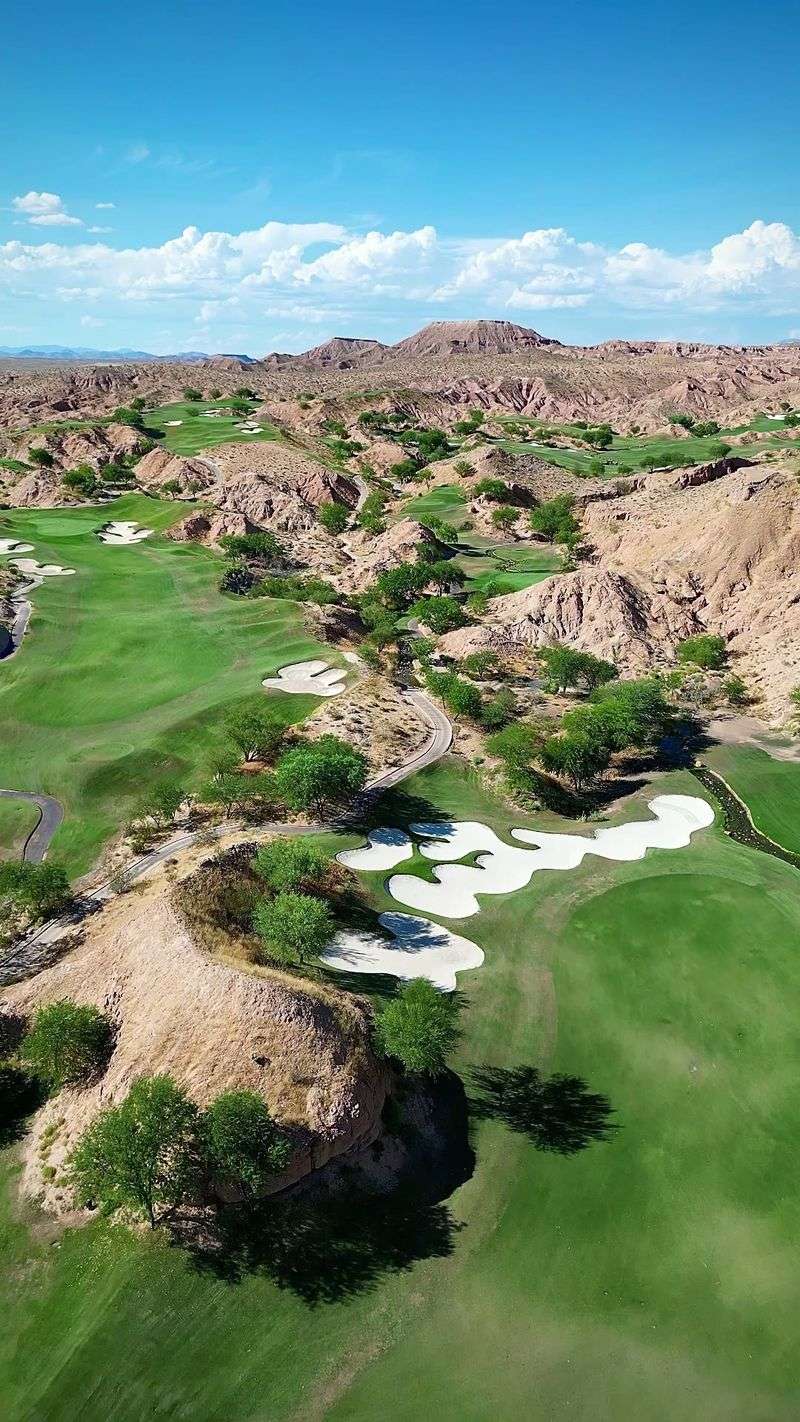
Red mesas frame the Virgin Valley, and right where Nevada meets Arizona, Mesquite has grown into one of the state’s most retirement-oriented towns. Close to half the population is 65 or older, which changes the entire texture of the place.
Daily life reflects that. The city operates a senior center with recreation, fitness, health, and education programming, and the schedule is full enough to structure a week around without spending much.
Home prices have historically run tens of thousands below comparable properties in the Las Vegas valley, and Nevada’s lack of state income tax plus low property taxes stretch a pension further than in most sunbelt alternatives. Verify current figures, because this market moves.
Golf is the town’s defining recreation, with several courses spread across the valley and resident rates that make regular play realistic rather than aspirational.
Winters here are warm and dry, summers genuinely hot, and St. George, Utah, is close for additional shopping and medical options. Las Vegas is about eighty miles southwest, which keeps a major airport within easy reach for visiting family.