
A Nevada Hatchery Turns A Simple Stop Into A Surprisingly Fascinating Animal Experience
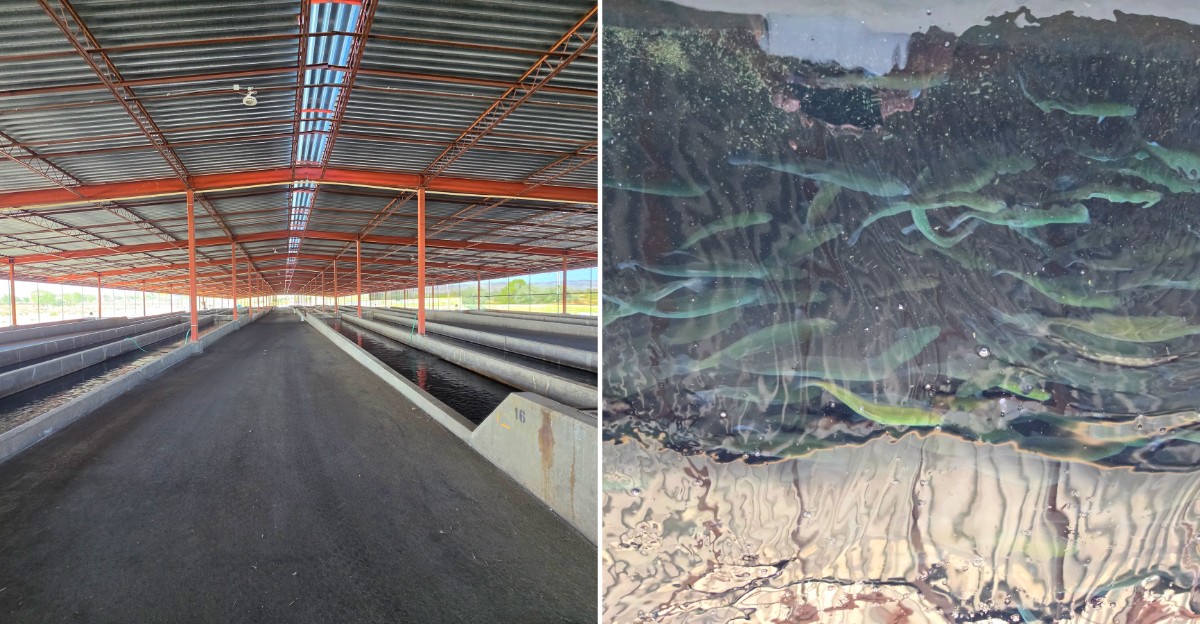
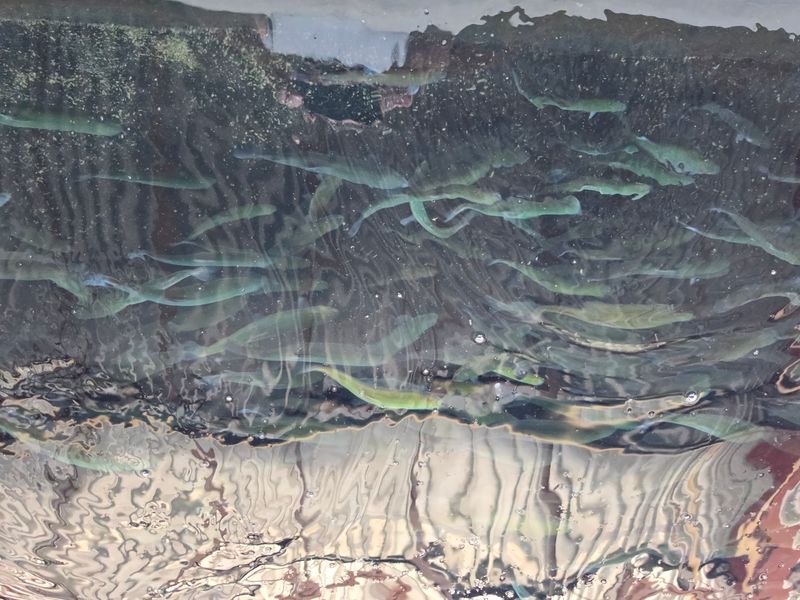
Sometimes the road trip stop you almost skip becomes the one you keep talking about. A quiet turnoff leads to rows of long concrete raceways, each one flashing with thousands of trout moving through clear, cold water. It is surprisingly hypnotic.
This Nevada stop gives you a close look at how trout are raised before being released into lakes and streams. Tiny fish crowd some tanks, while larger trout churn the water in others. Nearby ponds bring another layer of activity, with birds gliding overhead and settling along the edges.
You can wander at your own pace, watch feeding and fish movement, and learn what happens behind the scenes of a stocking program. There is no complicated setup or long tour required. It is simple, fascinating, and far more entertaining than a quick roadside detour has any right to be.
Raceways Packed With Thousands Of Trout
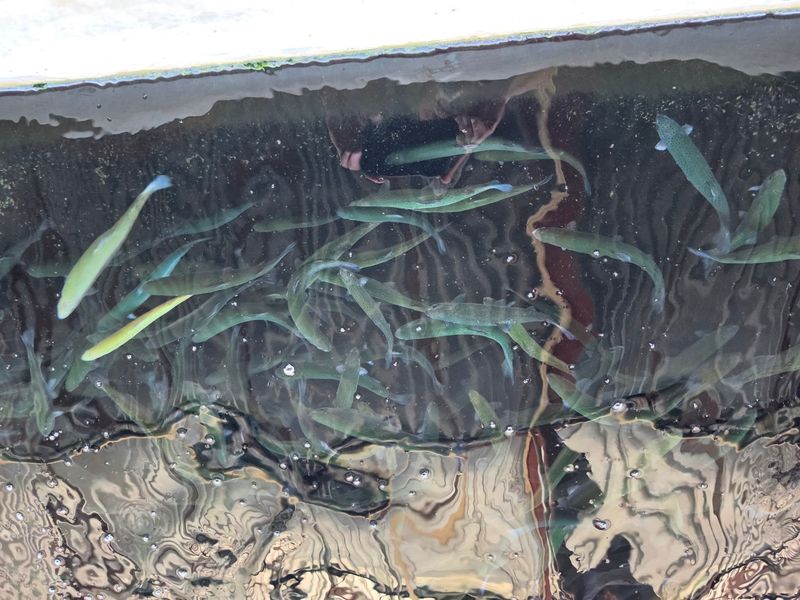
The first thing that grabs your attention at Mason Valley Fish Hatchery is the sound of moving water, followed quickly by the sight of trout stacked shoulder to shoulder in long concrete channels.
These channels are called raceways, with water flowing continuously through them to support the fish. Cold water enters at one end, travels the length of the run, and exits at the other, keeping oxygen levels high and waste moving away from the fish.
You can lean over the railing and watch the whole school shift direction at once, like a single living ribbon. When staff feed them, the surface erupts in splashes that kids find endlessly entertaining.
Each raceway holds fish at a similar size and age, so walking the row feels like watching a timeline unfold in front of you. Smaller fingerlings sit in one section while heavier, broad-shouldered trout fill another.
Bring sunglasses with polarized lenses if you have them. Glare on the water can hide the fish, and polarization cuts right through it, letting you see details like fin shape, spotting patterns, and color.
Watching Eggs Become Fish, Stage By Stage
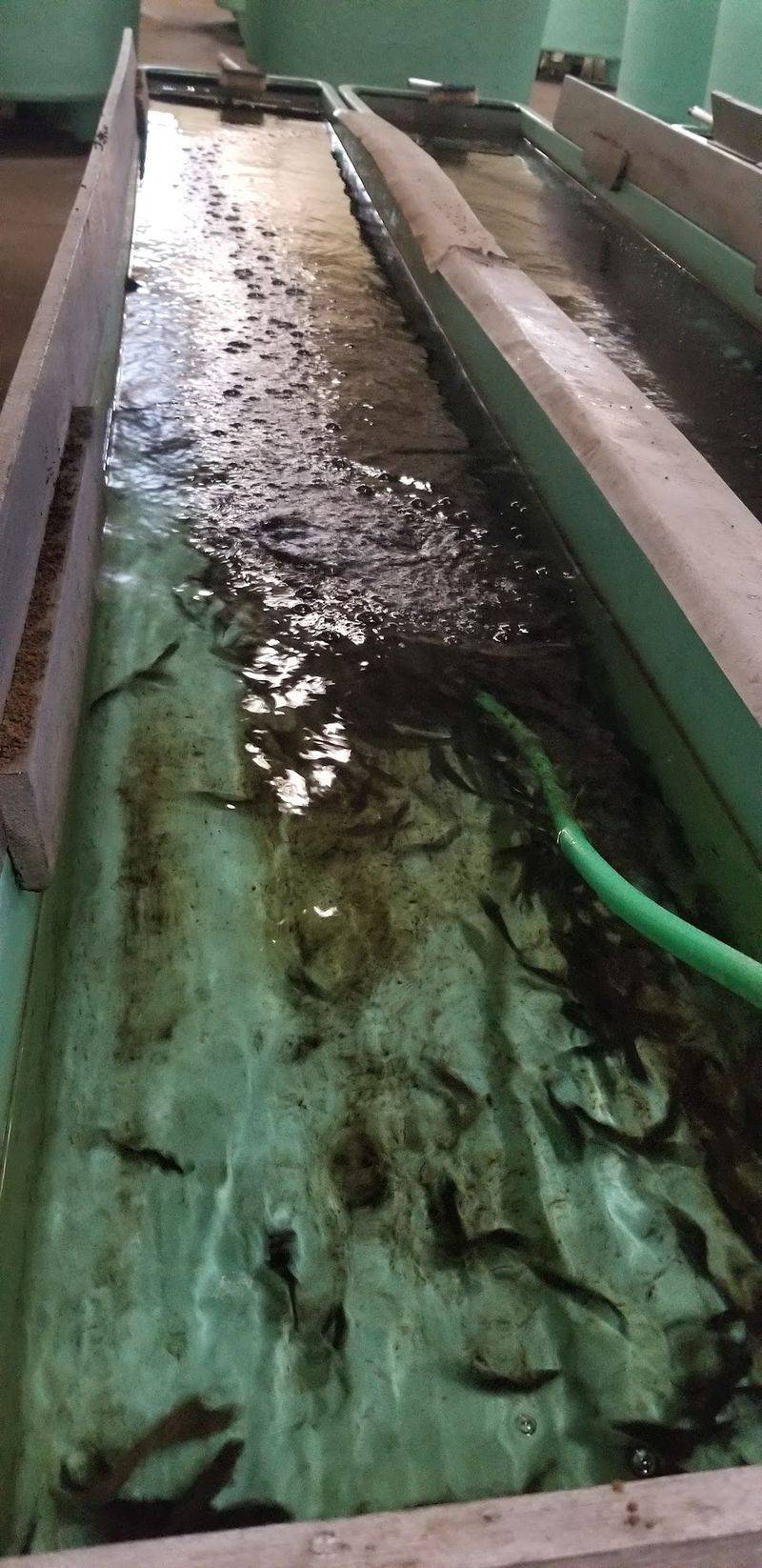
Few things make biology click faster than seeing a fish at every stage of its life in one visit.
Inside the hatchery, eggs may be raised in trays where water flows continuously over them. During the right stage of development, tiny dark eyes can become visible inside the translucent shells.
After hatching, the fry still carry a yolk sac attached to their bellies. That sac feeds them for the first stretch of life, so they do not eat anything else until it is absorbed.
From there they graduate to fingerlings, then to catchable size. Staff can explain how long each stage takes and what water temperature does to growth speed, which is one of those details that sticks with you.
Kids especially connect with the scale of it all. Thousands of eggs become thousands of fish, and a good share of them eventually swim in lakes and rivers across Nevada.
You should ask questions while you watch. The people working here handle these stages daily and explain them in plain language anyone can follow.
Tours That Bring The Hatchery To Life
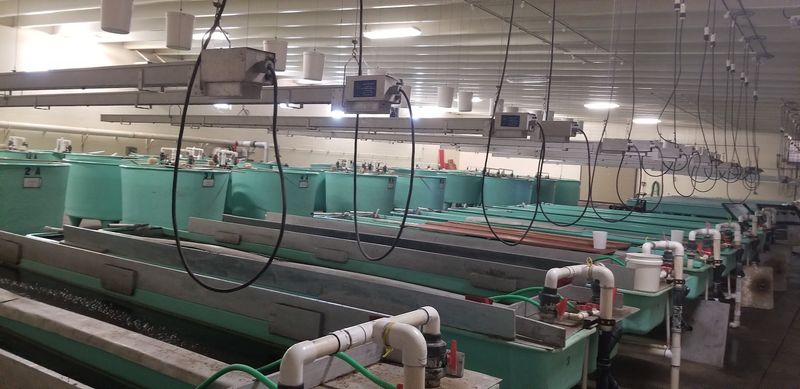
Not every tour needs a script, a ticket booth, or a scheduled start time. Mason Valley Fish Hatchery has offered visitors opportunities to tour the operation and learn how the facility works. The tone stays relaxed, and nobody rushes you from one point to the next.
You will hear about spawning, sorting by size, disease prevention, and how fish get loaded into stocking trucks. Those trucks then deliver trout to waters around the region, which explains a lot about why fishing spots stay productive.
School groups have visited the hatchery as part of classroom projects involving trout raised from eggs. Teachers bring students, parents tag along, and everyone walks away knowing something new.
Birds, Wildlife, And A Walk Worth Taking
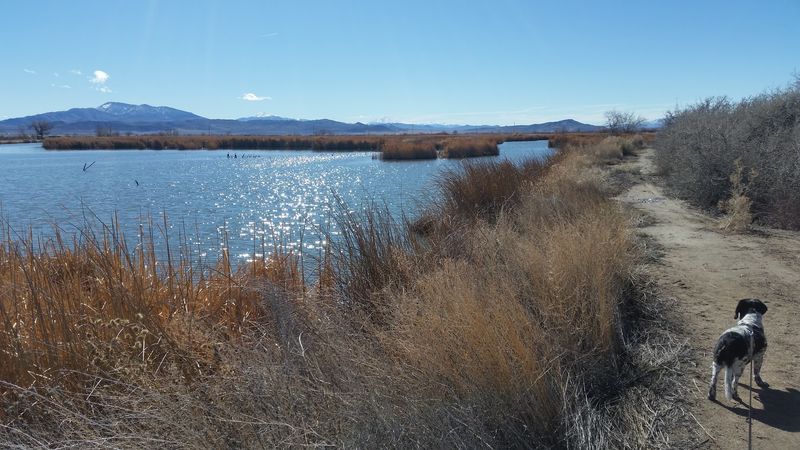
Water in the high desert acts like a magnet, and wildlife knows it.
The surrounding Mason Valley Wildlife Management Area supports ducks, geese, songbirds, wading birds, and other wildlife around its ponds and wetlands. Raptors sometimes circle overhead, keeping a close eye on the shallows.
The hatchery and surrounding wildlife management area offer opportunities to explore the raceways and nearby wetland habitat.
Bring binoculars if birding interests you at all. Even a basic pair turns a distant white shape into a clearly identifiable bird, and the mix changes with the seasons.
Morning light works best for photos, and the air tends to be calmer then too. Later in the day, the desert wind can pick up and ripple the surface.
Nevada has a reputation for dry, open country, so the contrast of green edges and standing water surprises first-time visitors. Keep your voice low near the ponds and you will see far more than you would rushing through.
How To Find The Place Without Stress
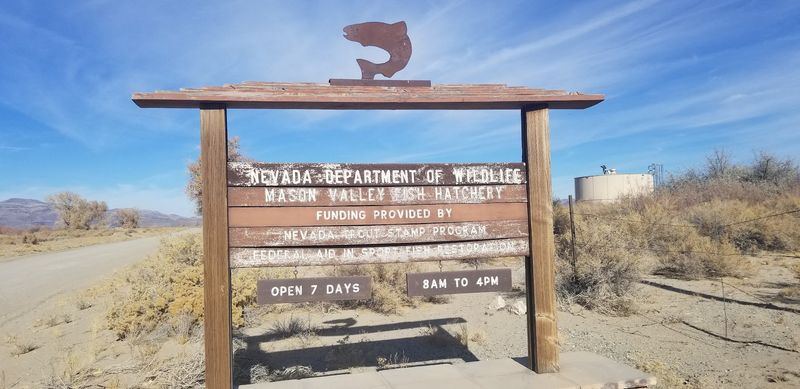
Getting here is half the fun, since the drive runs through farm country most people never see.
You will find Mason Valley Fish Hatchery at 50 Hatchery Way, Yerington, NV 89447, sitting near the Walker River with cottonwoods and irrigated fields all around. The turnoff is easy to miss, so keep your map app running as you get close.
Check current visitor access before making a special trip, especially if you hope to tour the hatchery itself. Arriving earlier in the day usually means cooler temperatures and more activity around the tanks.
Parking is simple and uncrowded. You will not circle a lot looking for a space or wait in a line to get in.
Yerington itself is a small agricultural town about an hour and a half southeast of Reno, so plan your fuel and snacks accordingly. Services thin out once you leave the main highways in this part of Nevada.
Cell coverage can be spotty on some approaches. Downloading directions before you leave saves you a headache later.
A Learning Stop Kids Actually Enjoy
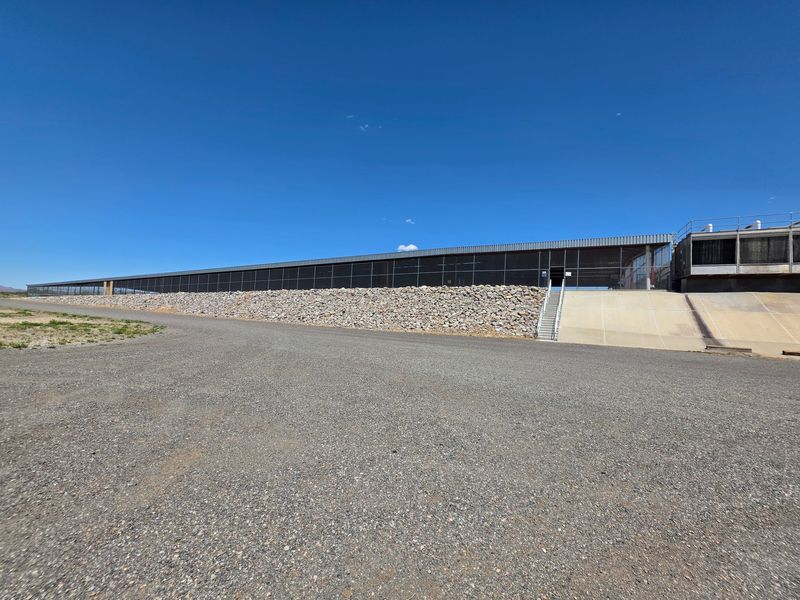
Ask any parent about educational outings and you will hear the same worry: will the kids be bored in ten minutes?
That rarely happens at Mason Valley Fish Hatchery. Movement is constant, the fish react to people walking by, and feeding time turns into a splashy spectacle that holds attention.
Children can count raceways, compare fish sizes, and try to spot the smallest fry. Those simple activities keep young visitors engaged without anyone needing to organize a formal lesson.
Older students get more out of the science. Concepts like water quality, oxygen, growth rates, and conservation stop being abstract when you see them applied in real tanks.
Some school groups have paired classroom trout-raising projects with visits here, and it closes the loop for students who watched eggs develop on their own desks.
You should set a few ground rules before you arrive. Keep hands out of the water, stay behind railings, and avoid sudden noise near the tanks. Comfortable shoes help since surfaces can be damp. A light jacket is smart too, because breezes near the water feel cooler than you expect.
The Role It Plays In Nevada Fishing
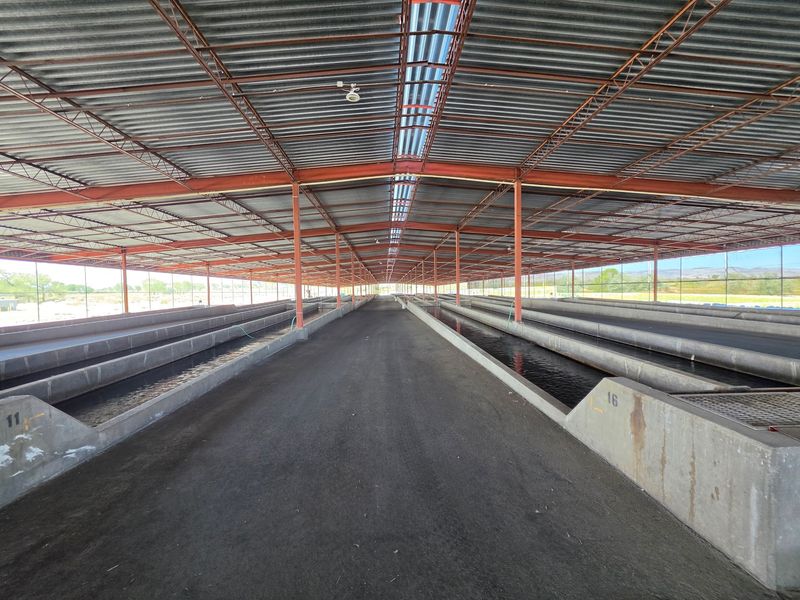
Here is a fact that reframes the whole visit: many of the trout anglers catch in nearby waters started their lives in tanks like the ones you are looking at.
Mason Valley Fish Hatchery raises fish that are later transported and released into lakes, reservoirs, and rivers around the state. Those releases support recreational fishing opportunities across Nevada.
Raising healthy fish takes constant attention. Water gets monitored, tanks get cleaned, fish get sorted by size so larger ones do not crowd out smaller ones, and health checks happen regularly.
Once fish reach the right size, they are loaded into specially built tanker trucks with aerated water. Drivers then deliver them to designated waters on a schedule set by wildlife managers.
Understanding that chain changes how you look at a fishing trip. The fish on the end of your line represents months of planning and care.
Hatchery production helps supplement Nevada waters where stocking is used to support recreational fisheries. Conservation and recreation overlap in a very practical way.
Why This Quick Detour Sticks With You
Plenty of roadside stops fade from memory by the time you reach the next town. Not this one.
What lingers about Mason Valley Fish Hatchery is how much genuine science and care sit behind something most people never think about. You arrive curious and leave with a real understanding of where stocked fish come from.
The setting helps. Clear running water, green banks, wading birds, and open desert ridges in the distance make for a calm hour outdoors.
The experience is low-key, with plenty of time to watch the fish and take in the setting. You set the pace, linger at the tanks that interest you, and ask whatever questions come to mind.
Pair it with a drive along the Walker River or a stop in Yerington and you have a satisfying half day in a corner of Nevada that rewards slow travel.
Bring water, sun protection, and a camera. Then plan to stay a little longer than you intended, because watching thousands of trout turn in unison has a way of holding your attention.