
Pack Up The Family And Discover One Of New York’s Most Beautiful Parks To Camp This Fall
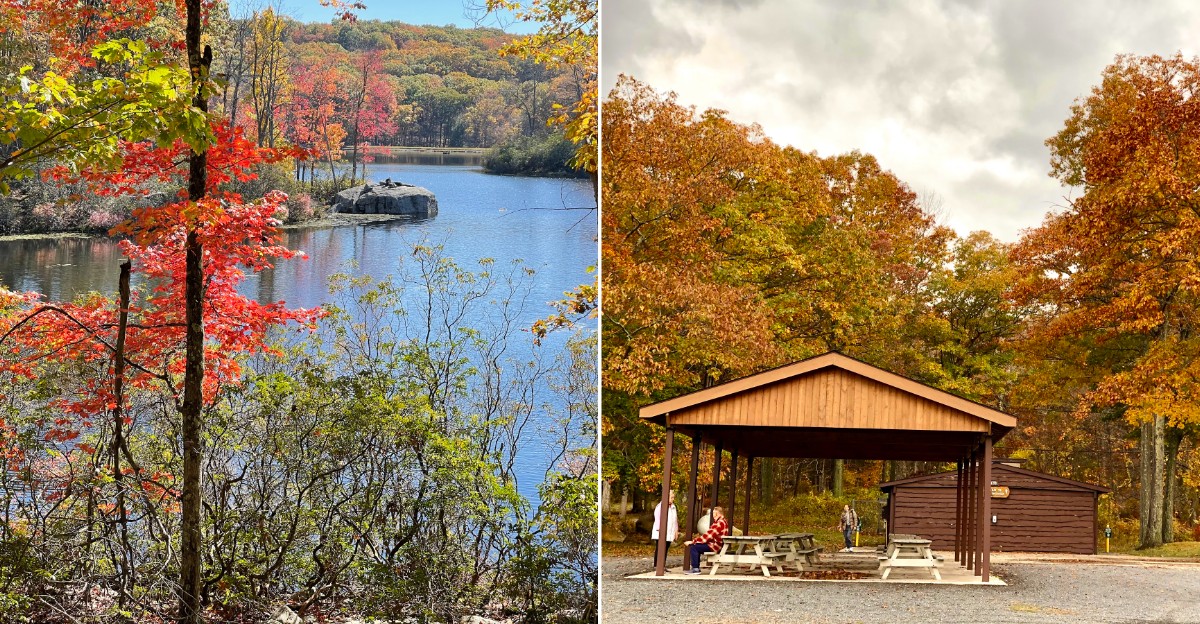
Picture a canvas splashed with fiery reds, bright oranges, and buttery yellows. Now add crisp air, quiet forest paths, and lakes that shimmer like glass.
That is autumn in New York, and it never gets old. Across the Empire State, nature puts on a show that pulls families out of the house and into the woods.
There is something special about walking a trail while leaves crunch underfoot and the hills glow in every direction.
Kids can splash near a stream, parents can catch a view from a rocky overlook, and everyone can share a picnic under a canopy of color. Fall is the sweet spot here, when the air turns cool and the foliage reaches its peak.
This is a place built for family traditions, the kind that get repeated year after year.
Second-Largest Park In The State
Here is a number worth remembering: roughly 47,000 acres. That is the size of Harriman State Park, making it the second-largest state park in New York.
Spread across Rockland and Orange counties, it sits only about 30 miles north of New York City. That closeness is part of the fun.
You can leave the sidewalks behind and be surrounded by deep forest in under an hour.
Inside those borders you will find 31 to 32 lakes and reservoirs, countless streams, and more than 200 miles of hiking trails. Public camping areas give families the chance to stay overnight and wake up right in the middle of it all.
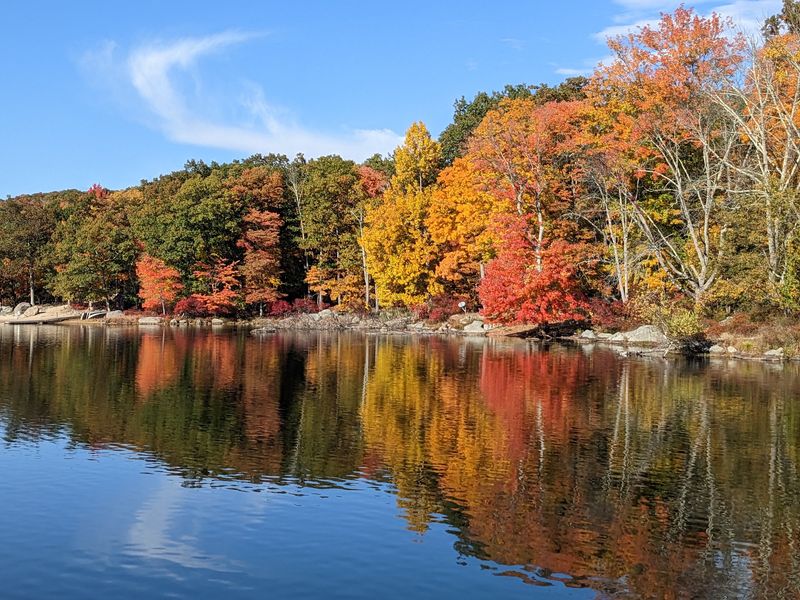
Autumn turns the whole place into something extraordinary. The air gets crisp, bugs disappear, and the hillsides burst into color that stretches farther than your eyes can follow.
The terrain shifts as you move through it. Thick forest gives way to rocky ridges, then opens into meadows and lake shores.
Wildlife shows up often, from birds overhead to deer slipping between the trees.
Visitors regularly say the same thing after a first trip: they wish they had come sooner. With this much ground to cover, one visit only scratches the surface.
Ready to trade traffic noise for rustling leaves in New York’s great outdoors?
Two Hundred Miles Of Trails
Hikers, this is your playground. More than 200 miles of marked trails wind through the park, and they suit every skill level.
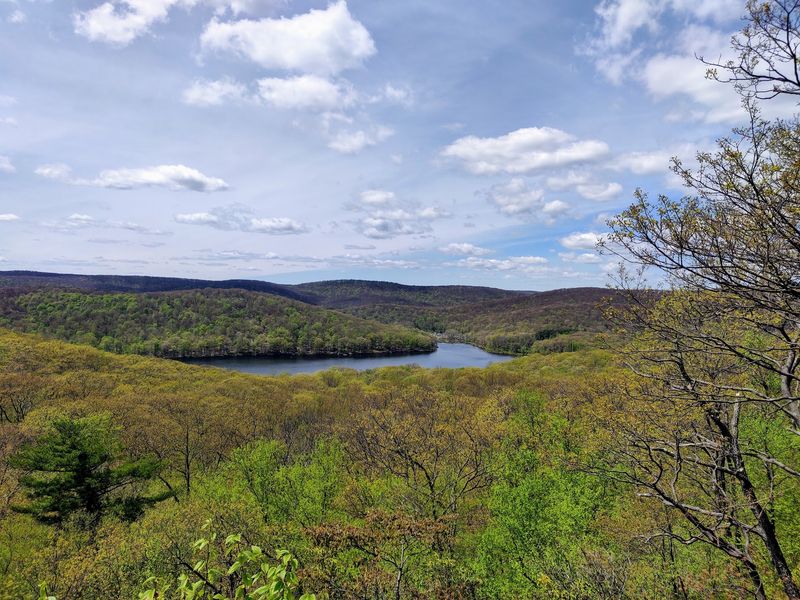
Some paths are gentle strolls along the water, perfect for little legs. Others climb over rocky scrambles to ridgetops with sweeping views of the Hudson Valley.
A famous stretch of the Appalachian Trail, roughly 18.8 miles of it, passes straight through the park.
Volunteers with the New York-New Jersey Trail Conference keep these routes cleared and blazed. Their work is the reason so many trails stay walkable year after year.
A word of practical advice from experienced visitors: print a map or snap a photo of the trailhead map before you start. Cell service is patchy once you are deep in the woods, and some markers can be faint.
Good footwear matters too. Roots and loose rocks are everywhere, and autumn leaves can hide them completely.
The variety is the real draw. One weekend you can do a flat lakeside loop, and the next you can tackle a mountain climb that rewards you with a panoramic overlook.
Fall hiking here feels almost too good to be true, with cool temperatures and color in every direction across this corner of New York.
Which overlook will you claim as your favorite?
Lakes That Steal The Show
Thirty-one lakes. Maybe thirty-two, depending on how you count the reservoirs.
Either way, water is everywhere you look.
Lake Sebago, Lake Tiorati, and Lake Welch are the headliners. Each one has its own personality and its own crowd of regulars who return season after season.
During warmer months, designated swimming beaches at Lake Sebago and Lake Welch draw families looking to cool off. Bathhouses and guarded swim areas make those spots especially popular with kids.
Paddling is a favorite pastime on many of the lakes, and Lake Sebago even has a boat launch. Some waters require permits, so a quick check ahead of time saves headaches later.
Anglers do well here too. Casting a line from a quiet shoreline while the leaves drift down is about as peaceful as a fall afternoon gets.
Streams and small waterfalls hide throughout the park, and finding one feels like a small victory. Tourists often mention dipping their toes in a creek after a long climb.
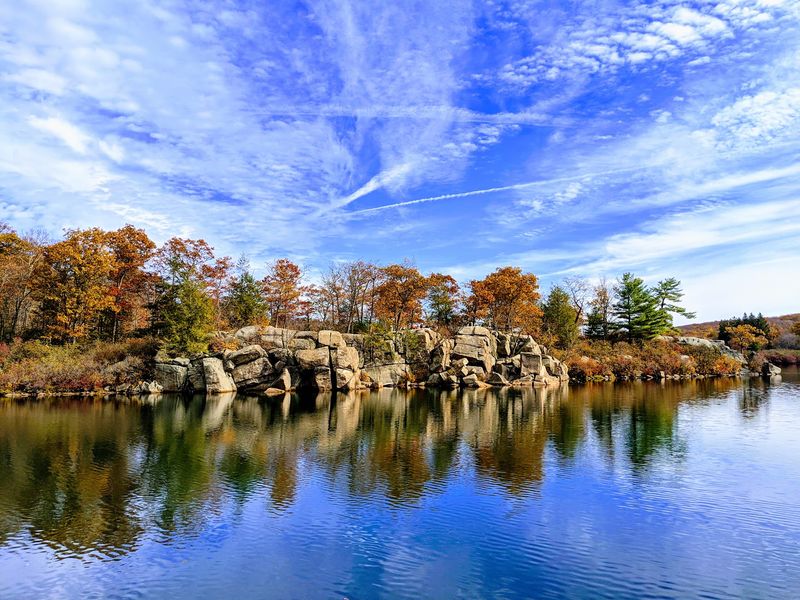
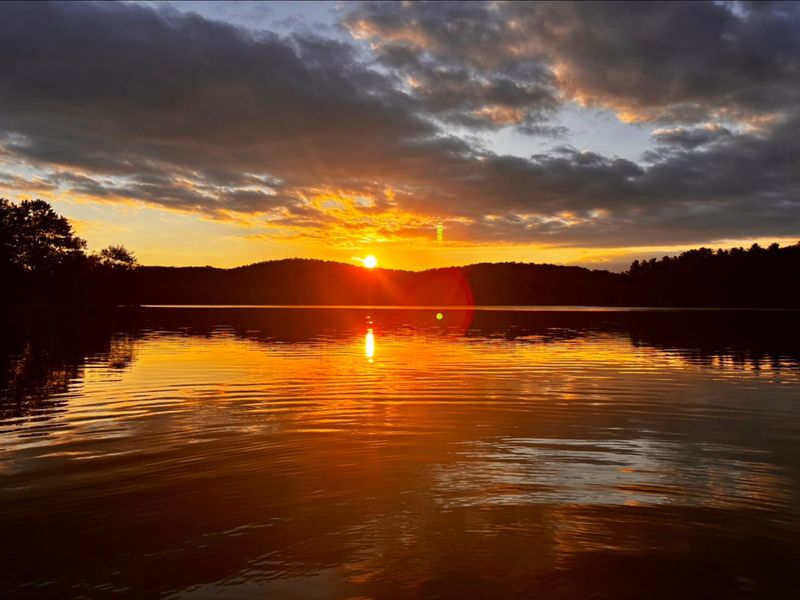
In autumn, the lakes turn into mirrors. Reflections double the color, and photographers show up early to catch the light before the wind picks up.
Which shoreline will your family spread the picnic blanket on first?
Sleep Beneath The Colored Canopy
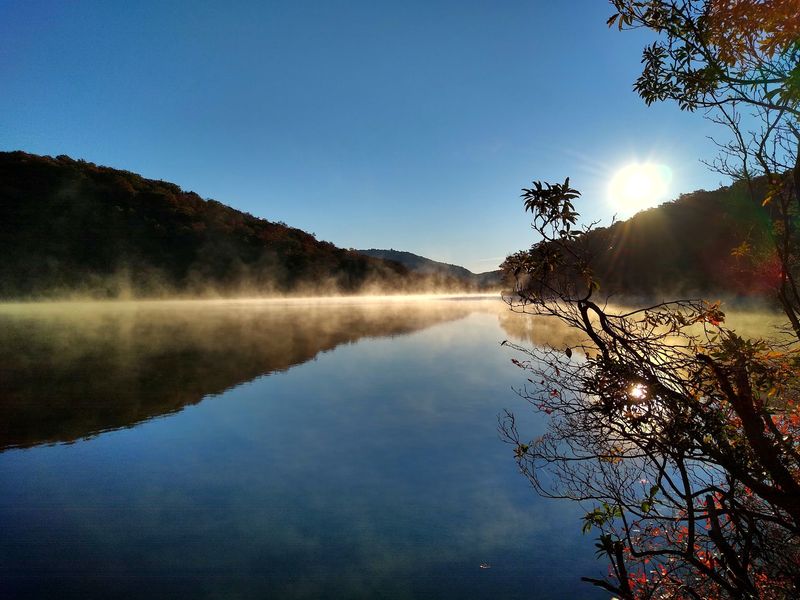
Nothing beats waking up in the woods when the mornings turn cool. Overnight stays are what turn a day trip into a real adventure.
Beaver Pond Campground is the best-known option, with peaceful sites ringed by forest. Sebago Cabin Camp offers a sturdier roof for families who prefer walls to canvas.
Tent sites and cabins are generally available from mid-April through mid-October, which makes early fall a wonderful window. Reservations are usually required, so book ahead rather than hoping for luck.
Backcountry camping is not permitted, but the park does have cabins, lean-tos, and shelters scattered around. Many of those operate first come, first served.
Want something a little more comfortable? Tentrr sites offer equipped canvas tents at spots including Silver Mine Lake and Sebago Lake, so you can skip hauling gear.
Campers rave about how disconnected the sites feel even though stores and restaurants sit a short drive away. That balance is hard to find anywhere else in New York.
Bring layers. Autumn nights in these hills get chilly fast once the sun drops behind the ridges.
Pack out everything you bring in, and leave the site better than you found it. Future campers will thank you.
Kid-Approved Adventures Around Every Bend
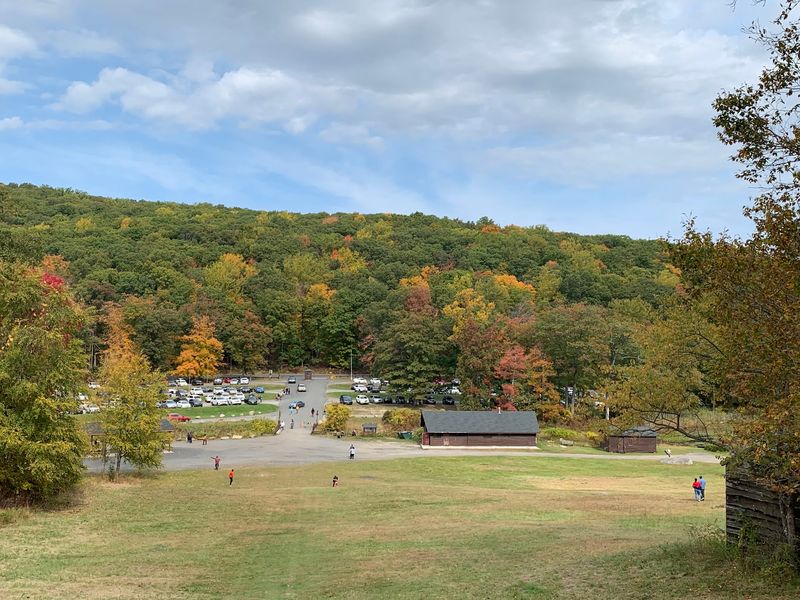
Bring the whole crew. This park handles kids beautifully, and it does not require anyone to be a serious hiker.
Short nature trails let young explorers hunt for acorns, watch chipmunks, and peek under logs. A Junior Ranger Guide adds activities that keep curious minds busy along the way.
Picnic areas sit throughout the park, many with clean tables and well-kept grills. Note that charcoal is the rule at those grills, so plan your cookout accordingly.
Open playing fields give restless kids room to run off energy between hikes. Sometimes that is exactly what a family day needs.
Guided hikes and wildlife programs pop up during different seasons, and they are a great way to learn what lives in these woods. Bird watching alone can fill an afternoon.
Families have been building traditions here for decades. Visitors often describe multi-generation trips, with grandparents pointing out the same lake they swam in as children.
A few smart moves make the day smoother: water bottles, layered jackets, and snacks for everyone. Restrooms exist at several spots, though availability shifts with the season.
Autumn adds leaf piles, crunchy paths, and cooler air that keeps little hikers going longer than summer heat ever allows.
Old Iron Mines And Older Stories
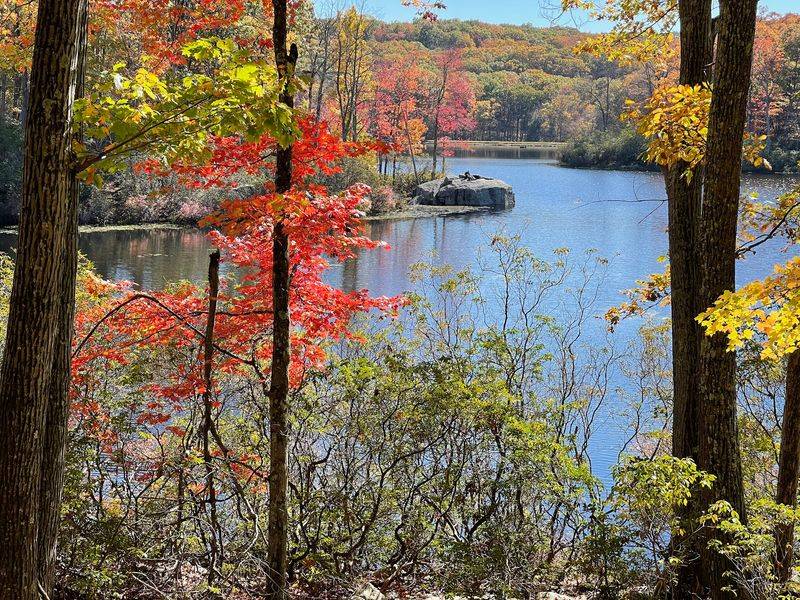
Here is a fact that surprises people: this park exists because someone stopped a prison from being built.
Established in 1910, the land and funds came from Mary Harriman, who wanted the area protected rather than developed. Plans for a prison near Bear Mountain were scrapped as a result.
Walk certain trails and history shows up underfoot. Old iron mines dating back to the 1700s can still be spotted, quiet reminders that these hills once rang with industry.
Finding the mines takes some effort and a good map. Visitors have described searching for them in winter snow and coming back in another season to try again, which says something about the pull of the place.
The park does not stand alone either. It borders Bear Mountain State Park and Sterling Forest Reserve, creating one enormous stretch of protected wilderness in New York.
That connection matters for wildlife. Forests, rocky ridges, meadows, and wetlands all support different plants and animals, and the variety is noticeable on any long hike.
Autumn is a fine time to explore the older corners, since thinner foliage makes stone foundations and rock walls easier to spot.
History buffs, hikers, and curious kids all find something here worth stopping for.
Which forgotten piece of the past will you track down?
Seven Lakes Drive Steals Hearts
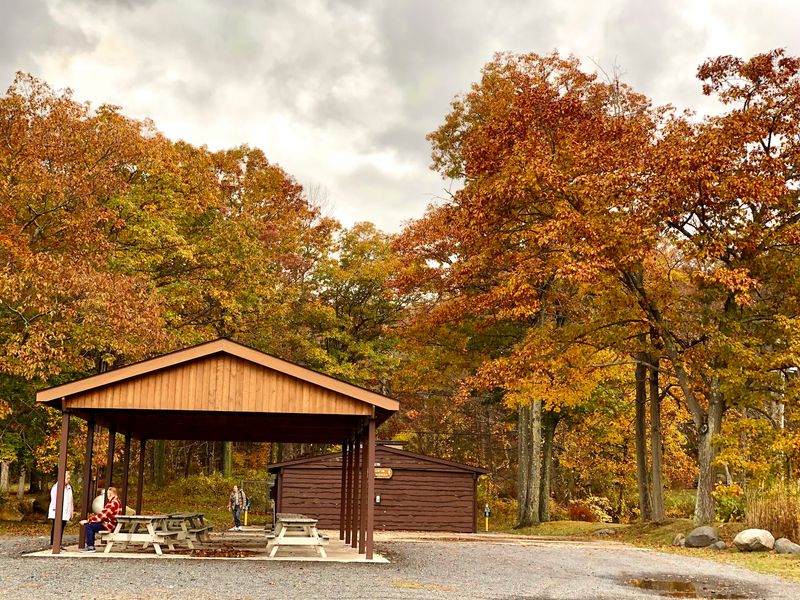
Not everyone wants to climb a mountain, and that is perfectly fine. Some of the best scenery here comes through a car window.
Seven Lakes Drive runs roughly 18 miles through the heart of the park, curving past lake after lake. It is one of the most beloved scenic routes in New York.
Leaf peepers treat this road like a destination in itself. Every bend brings a new frame of red, gold, and orange, with water flashing between the trees.
Pull-offs and roadside vistas give you places to stop, stretch, and take photos. Bring a camera with fresh batteries, because you will use it more than you expect.
The drive works well for grandparents, toddlers, and anyone who would rather relax than hike. Pair it with a picnic stop and you have a full day without breaking a sweat.
Timing helps. Mornings bring soft light and thinner traffic, while late afternoon gives the foliage a warm glow.
Boat launches and trailheads dot the route, so you can hop out and explore whenever something catches your eye. Half the fun is deciding on the spot.
Peak color usually lands in October, though nature keeps its own schedule.
Will you drive the whole loop or stop at every single lake?
Smart Tips Before You Go
A little planning turns a good trip into a great one. Start with the basics.
The park sits at 2300 Seven Lakes Dr in Southfields, New York, and it covers ground in both Rockland and Orange counties. Having a car makes a huge difference, since the distances between areas are real.
Much of the parking is free, though beach areas and certain spots carry a vehicle fee. Arrive early on weekends, because popular lots fill quickly and roadside parking is limited.
Dogs are welcome on leash. Keep them out of buildings, off beaches, and away from playgrounds.
Check park alerts and grab a trail map before setting out, especially for longer hikes. Cell service drops off in many areas, so a paper map or saved screenshot beats a spinning loading icon.
Water, snacks, and sturdy shoes belong in every pack. Rocks and roots are part of the experience here, and autumn leaves can make footing slippery.
Restrooms, picnic areas, and visitor centers are available, though some close seasonally. Operating hours shift through the year, so check the official park website before you head out.